No Rest for the Weary / No hay descanso para los cansados

In today’s Gospel reading, we hear about Jesus ministering to the sick. He has traveled across the sea to preach the Kingdom of God to more towns. He knew where He was headed, who He would visit and where to preach. As He and his disciples land at Gennesaret, before they can even get out of the boat, Jesus is recognized. His reputation as a great healer has already reached this place. Then the people of the area “scurr[y] about the surrounding country,” bringing those who are in need of healing. Regardless of what His plans were, Jesus finds Himself surrounded by people who desperately want and need His help. Jesus’ popularity around His miraculous healings prevent Him from traveling anywhere peacefully. Wherever He goes, those in need find Him.

Most of us have a pretty good idea of what this was like for Jesus. Whether we serve as a parent, an employee, or volunteer, there are always people and things that demand our attention and need our help. For parents, as soon as we walk through the door, our kids rush to our sides and demand our time, energy, and attention. When we steal away for a moment to respond to an email or read a book, our kids immediately need something else from us. We think we’ll get some peace and quiet after bedtime, but monsters in closets and nightmares keep us on the clock at all times.

The same demands are made from different sources in the workplace or volunteer organizations. There are deadlines that need to be met, coworkers who need assistance, meetings that can’t be rescheduled, and bosses who are impossible to please. As soon as we finish one task, ten more pop up on our to-do list. We do our best to meet all of these needs, but at the end of the day, we can’t do it alone. We must rely on the power of Christ to help and heal everyone who comes to us.

The call of a Christian is to imitate Christ. We are called to serve like Jesus does. We are asked to care for whomever God brings into our life. We do this regardless of how many times we’ve served them already today. Regardless of how tired we are. Regardless of how much we need a break. Regardless of what our other plans were. Regardless of if we feel like it or not. When they come to us, we get to meet them in their need just like Jesus does. Let us imitate Him in all that we do.

Contact the Author


En el Evangelio de hoy, escuchamos cómo Jesús atendía a los enfermos. Había cruzado el mar para predicar el Reino de Dios a más pueblos. Sabía adónde se dirigía, a quién iba a visitar y dónde iba a predicar. Al llegar con sus discípulos a Genesaret, antes de que pudieran bajar de la barca, Jesús fue reconocido. Su reputación como gran sanador ya había llegado hasta allí. La gente local se apresuró a recorrer los alrededores, trayendo a quienes necesitaban sanación. Sin importar cuáles fueran sus planes, Jesús se vio rodeado de personas que anhelaban y necesitaban desesperadamente su ayuda. La popularidad de Jesús en torno a sus curaciones milagrosas le impedía viajar a ningún lugar en paz. Dondequiera que iba, los necesitados lo encontraban.

La mayoría de nosotros tenemos una idea bastante clara de cómo fue esto para Jesús. Ya que seamos padres de familia, empleados o voluntarios, siempre hay personas y cosas que exigen nuestra atención y necesitan nuestra ayuda. Para los padres de familia, en cuanto entramos a la puerta, nuestros hijos corren a nuestro lado y exigen nuestro tiempo, energía y atención. Cuando encontramos un momento para responder un correo electrónico o leer un libro, nuestros hijos inmediatamente necesitan algo más de nosotros. Creemos que tendremos un poco de paz y tranquilidad después de que se duerman, pero monstruos en los armarios y pesadillas nos requieren estar alertas a todas horas.

Las mismas exigencias provienen de diferentes fuentes, tanto en el trabajo como en las organizaciones de voluntariado. Hay que cumplir con fechas límites, hay compañeros que necesitan ayuda, reuniones que no se pueden reprogramar y jefes imposibles de complacer. En cuanto terminamos una tarea, aparecen diez más en la lista de tareas pendientes. Hacemos todo lo posible por satisfacer todas estas necesidades, pero al final del día, no podemos hacerlo solos. Debemos confiar en el poder de Cristo para ayudar y sanar a todos los que acuden a nosotros.

El llamado del cristiano es imitar a Cristo. Estamos llamados a servir como Jesús. Se nos pide que cuidemos de quien Dios traiga a nuestra vida. Hacemos esto sin importar cuántas veces les hayamos servido hoy, sin importar lo cansados ​​que estemos, sin importar cuánto necesitamos un descanso, sin importar cuáles fueran nuestros otros planes, sin importar si tenemos ganas o no. Cuando acuden a nosotros, podemos atender sus necesidades como Jesús. Imitémoslo en todo lo que hacemos.

Comunicarse con la autora


Maria Riley is a passionate Catholic author and speaker who loves volunteering or playing board games when she’s not writing or mom-ing around with her four daughters. Her award-winning Catholic children’s chapter book series, Adventures with the Saints, is endorsed by her bishop. Visit her at MariaRileyAuthor.com or on social media @mariarileyauthor. She and her family live in Kansas.

Feature Image Credit: Kampus Production, pexels.com/photo/a-family-sitting-at-the-table-8188701/

The views and opinions expressed in the Inspiration Daily blog are solely those of the original authors and contributors. These views and opinions do not necessarily represent those of Diocesan, the Diocesan staff, or other contributors to this blog.

Be Salt and Light in the World / Sé sal y luz en el mundo

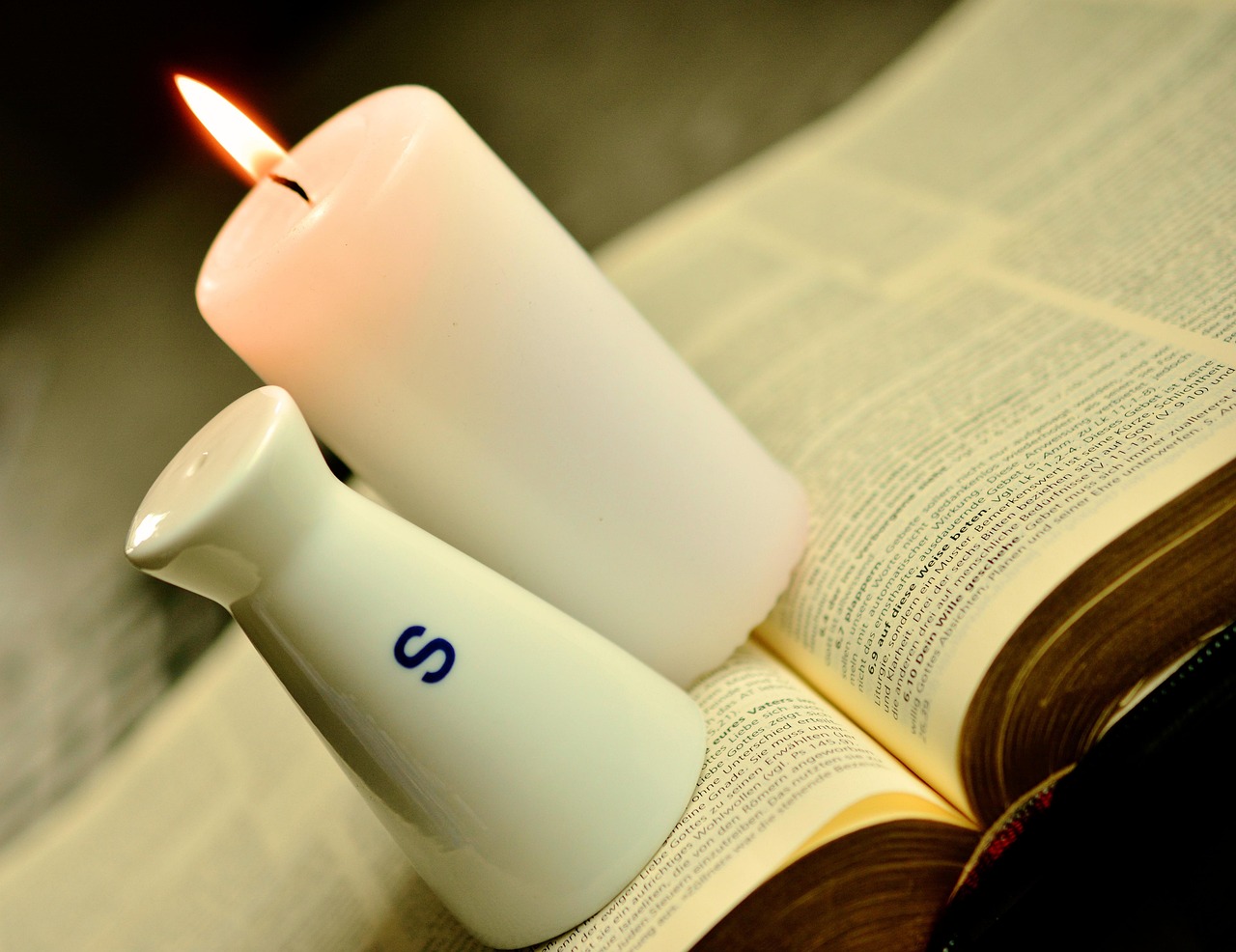
“You are the salt of the earth… You are the light of the world.”

Salt and light are so ordinary—present in nearly every home, every meal, every sunrise—and yet, in Jesus’ hands, they become extraordinary images of the Christian life.

Salt preserves, enhances, and even heals. A sprinkle of salt enhances the taste of food, making even my cooking more palatable. In the same way, our faith is not meant to stay hidden or unused; it is to preserve goodness in the world and bring flavor to every encounter. When I am grumpy, tempted to gossip, or feeling too tired to pray, I ask the Lord to remind me: I am His salt, called to enhance the world with His presence.

Light pierces every dark corner and dispels every clouded thought. Darkness is not chased away by shouting at it or wishing it gone. It only retreats when light appears. Christ’s light shines in and through us, not so that we can boast or draw attention to ourselves, but so that others may “see Your good works and give glory to your Father in heaven.”

Each day, we should ask ourselves: Am I dimming my light out of fear, pride, or selfishness, or am I letting it shine to draw others closer to Christ? Staying close to Christ, through prayer, participating in the sacraments, and reading Scriptures keeps flavor in my spiritual salt and keeps my light shining for all to see.

Lord, may my life radiate Your light and sprinkle Your love generously, so that others may come to know and glorify You.

Contact the author


“Ustedes son la sal de la tierra… Ustedes son la luz del mundo”.

La sal y la luz son tan comunes —presentes en casi cada hogar, en cada comida, en cada amanecer— y, sin embargo, en las manos de Jesús, se convierten en imágenes extraordinarias de la vida cristiana.

La sal conserva, realza e incluso sana. Una pizca de sal realza el sabor de la comida, haciendo que incluso lo que yo cocino sea más apetecible. De la misma manera, nuestra fe no debe permanecer oculta ni inutilizada; debe preservar la bondad en el mundo y dar sabor a cada encuentro. Cuando estoy de mal humor, tentada a chismear, o demasiado cansada para rezar, le pido al Señor que me recuerde que soy su sal, llamada a enriquecer el mundo con su presencia.

La luz penetra cada rincón oscuro y disipa todo pensamiento nublado. La oscuridad no se ahuyenta gritándole ni deseando que desaparezca. Solo se retira cuando aparece la luz. La luz de Cristo brilla en nosotros y a través de nosotros, no para que nos jactemos ni llamemos la atención, sino “para que viendo las buenas obras que ustedes hacen, den gloria a su Padre, que está en los cielos”.

Cada día, deberíamos preguntarnos: ¿Estoy apagando mi luz por miedo, orgullo o egoísmo, o la dejo brillar para acercar a otros a Cristo? Mantenerme cerca de Cristo mediante la oración, la participación en los sacramentos y la lectura de las Escrituras conserva el sabor de mi sal espiritual y mantiene mi luz brillando para que todos la vean.

Señor, que mi vida irradie tu luz y derrame tu amor generosamente, para que otros puedan conocerte y glorificarte.

Comunicarse con la autora

Allison Gingras (www.ReconciledToYou.com ) shares an everyday Catholic faith with humor and honesty. Her writing includes The Handy Little Guide to Novenas (OSV), Encountering Signs of Faith (Ave Maria Press), the Stay Connected Journals for Catholic Women (OSV), and her newest book, Jesus Heals (OSV), published in 2025. Allison is the Director of Digital Evangelization for Family Rosary USA.

Feature Image Credit: Congerdesign, pixabay.com/photos/bible-salt-and-light-symbolism-2461826/

The views and opinions expressed in the Inspiration Daily blog are solely those of the original authors and contributors. These views and opinions do not necessarily represent those of Diocesan, the Diocesan staff, or other contributors to this blog.

Called to Journey / Llamados a viajar

At the end of a long journey, we can feel both exhaustion and fulfillment. Imagine the Apostles’ feeling of encouragement and achievement as they gather back together after their long trip, moving about the land teaching and healing in Jesus’ name. Tired and hungry and unable to rest because of the crowd of people who followed them, Jesus sends them out to a deserted place to recover. They get into a boat, but it isn’t a yacht or a motor boat. It is more work, rowing to get across the water to rest. As they are rowing, excited that their time of rest is drawing near, over 5,000 people show up craving Jesus’ teaching. 

We all like a few days to recuperate after a journey, yet the Apostles had no time to rest. Imagine the wonder and exhaustion they felt. They are with Jesus, their Lord and Savior, but they are human, and as humans we can get testy if we don’t have time to rest. If there were 5,000 people waiting for us when we returned home after a long trip, we would go inside, close the door, and tell them to come back later. But the Apostles had a front row seat to the teachings of Jesus, and they worked tirelessly. 

We are all called to proclaim the Word, but we don’t have to do it on such a grand scale. We don’t have to go out with only the clothes on our back and the shoes on our feet with no extra food and water for the journey. We can share our experiences one on one with those closest to us in our homes, at work, and among friends. It can be difficult to begin, and unlike the 5,000 people who were waiting to hear from Jesus and the Apostles, others might not be ready to hear it from us. But we can start out on the journey one prayer at a time and ask for the Lord’s help. We can go to adoration, our “deserted place,” and fill our hearts up with the Lord who will encourage and energize each of us to continue on our own journey.

Contact the Author


Al final de un largo viaje, podemos sentir tanto agotamiento como plenitud. Imaginen el sentimiento de ánimo y logro de los Apóstoles al reunirse tras su largo viaje, recorriendo la tierra enseñando y sanando en el nombre de Jesús. Cansados, hambrientos e incapaces de descansar por la multitud que los seguía, Jesús los envía a un lugar desierto para recuperarse. Suben a una barca, pero no es un yate ni una lancha. Remar para cruzar el agua y descansar es más trabajo. Mientras reman, emocionados por la proximidad de su hora de descanso, más de 5000 personas aparecen ansiando las enseñanzas de Jesús.

A todos nos gusta descansar unos días después de un viaje, pero los Apóstoles no tuvieron tiempo para ello. Imaginen la maravilla y el agotamiento que sintieron. Están con Jesús, su Señor y Salvador, pero son humanos, y como humanos, podemos irritarnos si no tenemos tiempo para descansar. Si 5000 personas nos esperaran al regresar a casa después de un largo viaje, entraríamos, cerraríamos la puerta y les diríamos que volvieran más tarde. Pero los Apóstoles tenían un asiento en primera fila para escuchar las enseñanzas de Jesús y trabajaron incansablemente.

Todos estamos llamados a proclamar la Palabra, pero no tenemos que hacerlo a gran escala. No tenemos que salir solo con la ropa puesta y los zapatos puestos, sin comida ni agua extra para el viaje. Podemos compartir nuestras experiencias individualmente con los seres queridos en nuestros hogares, en el trabajo y entre amigos. Puede ser difícil comenzar, y a diferencia de las 5000 personas que esperaban escuchar a Jesús y a los Apóstoles, otros podrían no estar listos para escucharlo de nosotros. Pero podemos emprender el camino con una oración a la vez y pedir la ayuda del Señor. Podemos ir a la adoración, nuestro “lugar desierto”, y llenar nuestros corazones del Señor, quien nos animará y nos dará energía para continuar en nuestro propio viaje.

Comunicarse con la autora


Anita Renaghan is the author of several books including literary fiction, science fiction, and a young adult trilogy. She loves a good character study and has been many characters herself including: an aircraft mechanic in the Air Force, a college graduate, a second degree blackbelt, lost, a waitress and bartender, a wife and mother, an account executive, found, and a constantly inventive singer-songwriter. Anita is interested in sharing her faith with others through her writings and story characters. Her website is anitarenaghan.com 

Feature Image Credit: Ashok J Kshetri, pexels.com/photo/scenic-view-of-upper-mustang-hills-in-nepal-34022827/

The views and opinions expressed in the Inspiration Daily blog are solely those of the original authors and contributors. These views and opinions do not necessarily represent those of Diocesan, the Diocesan staff, or other contributors to this blog.

The Dead of Winter / El invierno cruel

If you’ve ever lived in an area that experiences all four seasons, you know what it’s like to enjoy the vivid hues of autumn. Bushes and trees that once shared the same spectrum now burst into different shades of yellow, orange, red and purple. Summer flowers are replaced by multi-colored mums on front porches and pumpkins, hay bales, and scarecrows adorn the streets. Yet as we enjoy the fall spectacle, in the back of our minds we all know that winter is just a breath away. 

And that is where we find ourselves right now. In the midst of this mid-winter day where we could all surely use a splash of color by now. We are beyond Christmas but not yet into Lent, so what are we to do with the mundaneness of this inbetween season? 

Perhaps it would help us to remember the reason for nature’s change in the first place. Leaves change colors as they are preparing to die and fall to the ground. The reason they are so beautiful is because they will soon cease to exist. They will either be mulched into the ground, blown away or bagged up and disposed of. In much the same way, we become more beautiful as we die to ourselves on our path toward sainthood. 

During these cold, dark days, we can bring the warmth and the light of Christ’s love into the world. Our cheeks become rosier and our smiles become brighter as we seek the good of others above our own, as we spend more time with Jesus in the Blessed Sacrament, as we seek His will at all times. We die during our own life’s winter that He might spring forth in us with new life. 

During a recent conversation with my brother, we were sharing how we try so hard to be the best spouse we can be, the best parent we can be, the best sibling we can be, the best son/daughter, friend, parishioner, coworker, etc. We try to do so much, almost as if we are checking off imaginary tally marks in our heads, but is that really what it’s all about? Driving ourselves crazy just trying to be good enough? I doubt it. What if we had the mindset of simply letting God love through us instead? 

So let us be like David in today’s first reading, who “[w]ith his every deed he offered thanks to God most High…With his whole being he loved his Maker.” Just as the disciples of John the Baptist “came and took his body and laid it in a tomb”, so may we die to ourselves, laying to rest our vices and sins so that God can love through us. May His warmth and light change this humdrum winter into cause for joyful humming.

Contact the Author


Si alguna vez has vivido en una zona donde se experimentan las cuatro estaciones, sabes lo que es disfrutar de los vibrantes tonos de otoño. Arbustos y árboles que antes compartían el mismo espectro ahora estallan en diferentes tonos de amarillo, naranja, rojo y morado. Las flores de verano dan paso a crisantemos multicolores en las puertas principales, y calabazas, pacas de heno y espantapájaros adornan las calles. Sin embargo, mientras disfrutamos del espectáculo otoñal, en el fondo de nuestras mentes todos sabemos que el invierno está a la vuelta de la esquina.

Y ahí es donde nos encontramos ahora mismo. En medio de este invierno cruel donde, sin duda, a todos nos vendría bien un toque de color. Ya ha pasado la Navidad, pero aún no llega la Cuaresma, así que ¿qué hacemos con la monotonía de esta estación intermedia?

Quizás nos ayude recordar la razón de los cambios en la naturaleza. Las hojas cambian de color mientras se preparan para morir y caer al suelo. La razón por la que son tan hermosas es porque pronto dejarán de existir. Serán trituradas, sopladas por el viento o embolsadas ​​y desechadas. De la misma manera, nos volvemos más hermosos al morir a nosotros mismos en nuestro camino hacia la santidad.

Durante estos días fríos y oscuros, podemos traer al mundo la calidez y la luz del amor de Cristo. Nuestras mejillas se sonrojan y nuestras sonrisas se iluminan al buscar el bien de los demás por encima del nuestro, al pasar más tiempo con Jesús en el Santísimo Sacramento, al buscar su voluntad en todo momento. Morimos durante el invierno de nuestra vida para que Él pueda brotar en nosotros con la primavera de nueva vida.

Durante una conversación reciente con mi hermano, compartimos cuánto nos esforzamos por ser el mejor cónyuge, el mejor padre de familia, el mejor hermano, el mejor hijo, amigo, feligrés, compañero de trabajo, etc. Intentamos hacer tanto, casi como si estuviéramos llevando la cuenta mentalmente, pero ¿de eso se trata realmente? ¿Volviéndonos locos solo por intentar ser lo suficientemente buenos? Lo dudo. ¿Y qué pasaría si simplemente dejáramos que Dios ame a través de nosotros?

Seamos como David en la primera lectura de hoy, quien “Por todos sus éxitos daba gracias al Dios altísimo y lo glorificaba. Amaba con toda el alma a su creador…” Así como los discípulos de Juan el Bautista “fueron a recoger el cadáver y lo sepultaron”, que muramos a nosotros mismos, dejando atrás nuestros vicios y pecados para que Dios pueda amar a través de nosotros. Que su calor y su luz transformen este invierno monótono en motivo de alegría.

Comunicarse con la autora


Tami Urcia is a midwestern gal from a large Catholic family. As a young adulthood she was a missionary in Mexico, where she studied theology and philosophy. After returning stateside bilingual, she gained a variety of work experience, traveled extensively and finished her Bachelor’s Degree at Brescia University. She loves organizing and simplifying things, watching her children play sports, deep conversations with close family and friends and finding unique ways to brighten others’ day with Christ’s love. She works full time at Diocesan in the Software Department and manages the Inspiration Daily reflections. She is also a contributing writer on CatholicMom.com and BlessedIsShe.net.
Feature Image Credit: Aaron Wilson, unsplash.com/photos/photo-of-turned-on-street-lights-near-railing-qIHtrP2V3C8

The views and opinions expressed in the Inspiration Daily blog are solely those of the original authors and contributors. These views and opinions do not necessarily represent those of Diocesan, the Diocesan staff, or other contributors to this blog.

Healing Through Anointing / Sanación por la Unción

If I were sent out to do the Lord’s work, who would I go with? I can immediately say my husband. We are very alike and would understand and support each other’s efforts as we preach repentance and heal the sick. Doesn’t this sound like a story from long ago? Where do we see people walking down the street, stopping at houses, and sharing the Word of God today?  Not very often, but we do hear about anointing the sick with oil. 

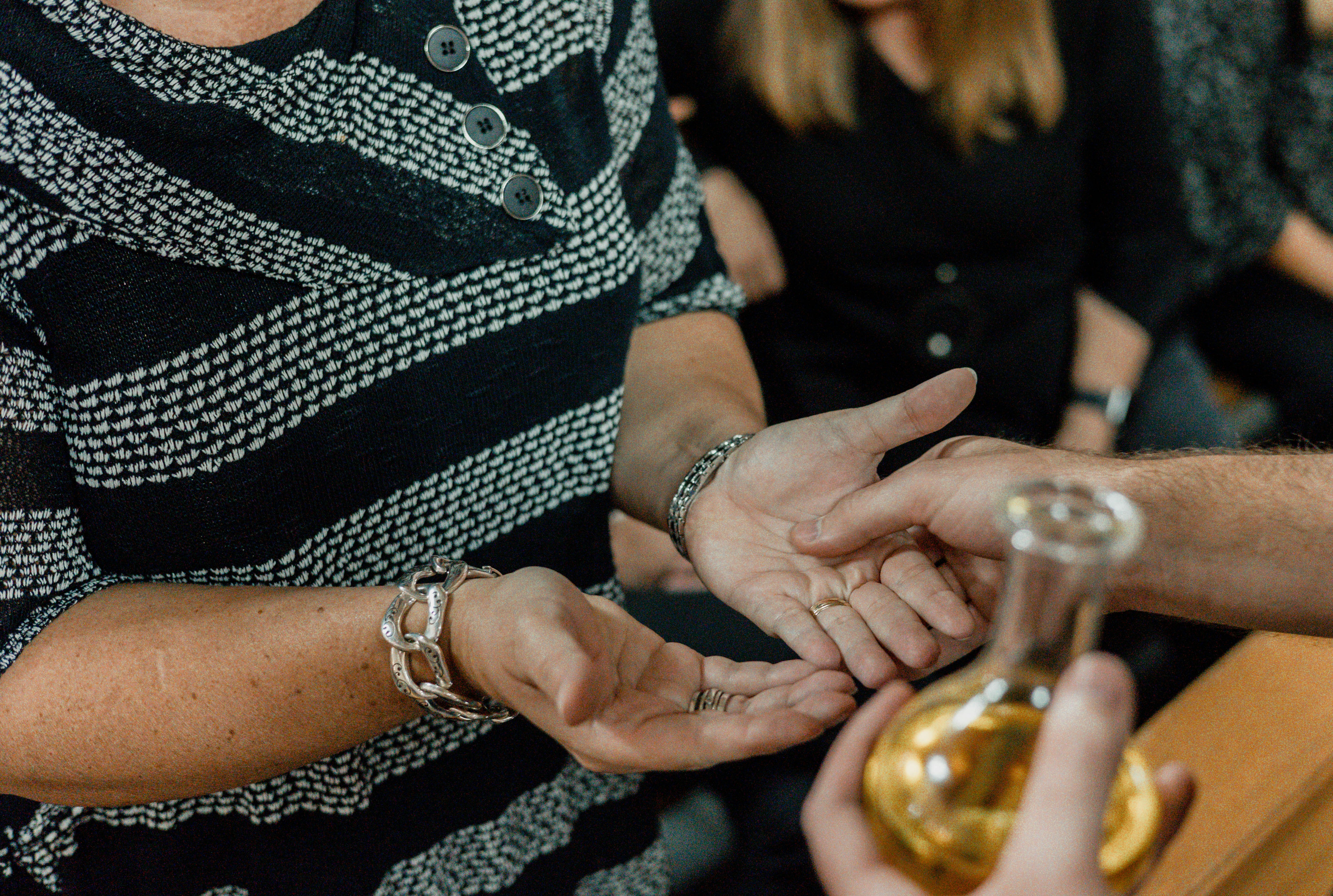
Recently, my husband was preparing for surgery to remove a stone in his bladder. The doctor said that she would biopsy his prostate cancer during the procedure as well to see how he was doing. A week after the surgery, as we comfortably walked into the doctor’s exam room, life felt peaceful, and my husband felt healthy. The doctor popped into the room and said, “You won’t believe this, but your cancer is gone.” We were in shock until my husband said, “I prayed to the Lord that he would take it away.” He also remembered that before surgery, he attended a Healing Mass and received the Anointing of the Sick with holy oil. 

Anointing with oil for the sick, as practiced by Jesus, remains a common tradition today. You can ask your priest for it, as most priests carry the oil with them. The Catechism of the Catholic Church on the Sacrament of the Anointing of the Sick states:

“The first grace of this sacrament is one of strengthening, peace and courage to overcome the difficulties that go with the condition of serious illness or the frailty of old age. This grace is a gift of the Holy Spirit, who renews trust and faith in God and strengthens against the temptations of the evil one, the temptation to discouragement and anguish in the face of death.This assistance from the Lord by the power of his Spirit is meant to lead the sick person to healing of the soul, but also of the body if such is God’s will. Furthermore, ‘if he has committed sins, he will be forgiven.’”

Today is also the feast day of St. Agatha, a virgin martyr who greatly suffered for her faith. She fought to stay a virgin for her belief in God. She would pray, “Jesus Christ, Lord of all, you see my heart, you know my desires. Possess all that I am. I am your sheep: make me worthy to overcome the devil.”  St. Agatha has given us a great example of prayer, suffering, and perseverance in the face of adversity. 

Let us thank God today, both for the gift of St. Agatha’s example and intercession and for the healing sacrament of the Anointing of the Sick. Through them both, we can honestly say that God is alive and well today. 

Contact the Author


Si me enviaran a hacer la obra del Señor, ¿con quién iría? Diría inmediatamente que con mi esposo. Somos muy parecidos y nos comprenderíamos y apoyaríamos mutuamente en nuestros esfuerzos al predicar el arrepentimiento y sanar a los enfermos. ¿No les parece una historia de hace mucho tiempo? ¿Dónde vemos hoy a la gente caminando por la calle, deteniéndose en las casas y compartiendo la Palabra de Dios? No es muy frecuente, pero sí escuchamos hablar de la unción de los enfermos con óleo.

Hace poco, mi esposo se preparaba para una cirugía para extirparle una piedra en la vejiga. La doctora dijo que también le haría una biopsia de cáncer de próstata durante el procedimiento para ver cómo seguía. Una semana después de la cirugía, al entrar a la consulta, la vida se sentía tranquila y mi esposo se sentía saludable. El médico entró en la habitación y dijo: “No lo van a creer, pero su cáncer ha desaparecido”. Estábamos en shock hasta que mi esposo dijo: “Le pedí al Señor que me lo quitara”. También recordó que antes de la cirugía, asistió a una misa de sanación y recibió la Unción de los Enfermos con el óleo sagrado.

La unción con óleo para los enfermos, como la practicaba Jesús, sigue siendo una tradición común hoy en día. Pueden pedírsela a su sacerdote, ya que la mayoría lleva el óleo consigo. El Catecismo de la Iglesia Católica sobre el Sacramento de la Unción de los Enfermos afirma:

“La gracia primera de este sacramento es un gracia de consuelo, de paz y de ánimo para vencer las dificultades propias del estado de enfermedad grave o de la fragilidad de la vejez. Esta gracia es un don del Espíritu Santo que renueva la confianza y la fe en Dios y fortalece contra las tentaciones del maligno, especialmente tentación de desaliento y de angustia ante la muerte. Esta asistencia del Señor por la fuerza de su Espíritu quiere conducir al enfermo a la curación del alma, pero también a la del cuerpo, si tal es la voluntad de Dios. Además, ‘si hubiera cometido pecados, le serán perdonados’”.

Hoy también es la fiesta de Santa Águeda, virgen mártir que sufrió mucho por su fe. Luchó por mantenerse virgen por su creencia en Dios. Ella rezaba: “Jesucristo, Señor de todo, ves mi corazón, conoces mis deseos. Posee todo lo que soy. Soy tu oveja: hazme digna de vencer al diablo”. Santa Águeda nos ha dado un gran ejemplo de oración, sufrimiento y perseverancia ante la adversidad.

Demos gracias a Dios hoy, tanto por el don del ejemplo y la intercesión de Santa Águeda como por el sacramento sanador de la Unción de los Enfermos. A través de ellos, podemos decir honestamente que Dios aún sigue vivo y activo hasta el día de hoy. 

Comunicarse con la autora


Marti Garcia’s passions are her retired life and growing deeper in her Catholic faith. Marti is a Sacristan/EM, facilitates small groups, and assists as a First Communion Catechist for parents. Being a parent educator and writer for 35 years, she recently published a children’s chapter book on Amazon, The Ladybugs. You can find her at her blog: MartiGarcia.org, or thewaterisshallow.com, or her cohost podcast, findingacommonthread.com, which is coming soon.

Feature Image Credit: Matea Gregg, unsplash.com/photos/a-man-and-a-woman-holding-hands-over-a-wine-glass-cyU0UxOBtl4

The views and opinions expressed in the Inspiration Daily blog are solely those of the original authors and contributors. These views and opinions do not necessarily represent those of Diocesan, the Diocesan staff, or other contributors to this blog.

By the Hand of God, Not Men / Por la mano de Dios, no de los hombres

The way David handles his grievous sin in the first reading is instructive for our own trials. We might wonder how he sinned in the first place, since the reading only tells us about the census. Context is not much more help, only telling us that the Lord urged David to take the census out of anger and that he was cautioned against it when he made the first attempt. The Lord didn’t make David sin, rather, He brought David to the near occasion to test him. Regardless, David failed.

One interpretation of the grievous sin here is a distrust of God’s providence and kingship. Hidden in the census could be a desire to plan for every eventuality, in this case a desire born of fear for the future. David may not have trusted in the strength of his kingdom and his people, and ultimately he may not have trusted in the Lord’s strength and care.

There is also the interpretation that until the census, only the Lord knew the number of the people. This would mean that the act of numbering the people was a quiet way to usurp the authority of the Lord and allow David to rule more directly, imposing measures like taxation.

Regardless, it is some kind of distrust in God’s providence and favoring David’s direct authority without accrediting it to God. This makes his response more redemptive, because when faced with the different options for punishment, David decides to rely on God rather than man: “Let us fall by the hand of God, for he is most merciful: but let me not fall by the hand of man” (2 Sam. 24:14). David recognizes that the Lord is the ultimate authority, Not only that: The Lord handles authority much better than anyone else could. He is more merciful.

This might be surprising considering seventy thousand people died after David decided to allow the pestilence. However, we do not know what would have happened otherwise. If the enemy had pursued David for three months; many more may have died. If there were a three-year famine, perhaps even more would have died. Or perhaps the difference would have been the specific people who would have died. We don’t know why, but we do know that David is right: It is better to fall by the hand of God than to fall by the hand of man.

This attitude can permeate our own lives. We can use it as a principle not just in times of danger and grievous sin, but also in times of peace. It is better to rely on God than to rely on ourselves. It is better to consult God, both directly and through the counsel of others who consult Him, than to seek guidance from men specializing in worldly wisdom.

Contact the author


La forma en que David maneja su grave pecado en la primera lectura es instructiva para nuestras propias pruebas. Podríamos preguntarnos cómo pecó en primer lugar, ya que la lectura sólo nos habla del censo. El contexto no es de mucha ayuda tampoco, solo nos dice que el Señor instó a David a realizar el censo por enojo y que se le advirtió que no lo hiciera en el primer intento. El Señor no hizo que David pecara, sino que lo trajo a la ocasión cercana del pecado para probarlo. A pesar de todo, David fracasó.

Una interpretación del pecado grave aquí es la desconfianza en la providencia y la realeza de Dios. Oculto en el censo podría estar el deseo de planificar para cualquier eventualidad, en este caso un deseo nacido del temor al futuro. David pudo no haber confiado en la fuerza de su reino y su pueblo, y en última instancia, pudo no haber confiado en la fuerza y ​​el cuidado del Señor.

También existe la interpretación de que, hasta el censo, solo el Señor conocía el número del pueblo. Esto significaría que el acto de censar al pueblo era una forma discreta de usurpar la autoridad del Señor y permitir que David gobernara de forma más directa, imponiendo medidas como los impuestos.

En cualquier caso, se trata de una especie de desconfianza en la providencia de Dios y de favorecer la autoridad directa de David sin atribuírsela a Dios. Esto hace que su respuesta sea más redentora, porque ante las diferentes opciones de castigo, David decide confiar en Dios en lugar del hombre: “prefiero caer en manos de Dios, que es el Señor de la misericordia, que en manos de los hombres” (2 Sam. 24,14). David reconoce que el Señor es la máxima autoridad. No solo eso, sino que el Señor maneja la autoridad mucho mejor que nadie. Es más misericordioso.

Esto podría sorprender considerando que setenta mil personas murieron después de que David decidiera permitir la peste. Sin embargo, no sabemos qué habría sucedido de otra manera. Si el enemigo hubiera perseguido a David durante tres meses, muchos más podrían haber muerto. Si hubiera habido una hambruna de tres años, quizás aún más habrían muerto. O quizás la diferencia habría sido las personas específicas que habrían muerto. No sabemos por qué, pero sí sabemos que David tiene razón: es mejor caer por la mano de Dios que por la del hombre.

Esta actitud puede impregnar nuestra vida. Podemos usarla como principio no solo en tiempos de peligro y pecado grave, sino también en tiempos de paz. Es mejor confiar en Dios que en nosotros mismos. Es mejor consultar a Dios, tanto directamente como a través del consejo de otros que lo consultan, que buscar la guía de hombres especializados en la sabiduría mundana.

Comunicarse con el autor

David Dashiell is a freelance author and editor in the Nashville, Tennessee area. He has three children, a degree in theology, and enjoys writing about philosophy, theology, culture, music, and comedy. You can find his personal blog, Serious Daydreams, on Substack. He is also the editor of the anthology Ever Ancient, Ever New: Why Younger Generations Are Embracing Traditional Catholicism, available through TAN Books.

Feature Image Credit: Unknown Artist, https://commons.wikimedia.org/wiki/File:Nature-field-grain_(24326294555).jpg

The views and opinions expressed in the Inspiration Daily blog are solely those of the original authors and contributors. These views and opinions do not necessarily represent those of Diocesan, the Diocesan staff, or other contributors to this blog.

Stories of Faith / Historias de Fe

Faith is belief in what we cannot see. As followers of our God-made-man who walked the earth more than 2,000 years ago, faith is at the core of our journey. Today’s Gospel is a celebration of that faith. In it are three stories of what belief in the promises of Christ looked like in His time, and what that belief looks like today.

First, we see Jairus, the synagogue official. His heart is aching because his child is sick. Jairus recognizes Christ, falls to his knees, and pleads for help. Jesus hears him and responds.

Second, in the hustle and bustle of the crowd is a woman suffering and alone. She is an outcast, isolated. She believes she is unworthy of His attention and doesn’t dare speak to Jesus, but she believes with her whole heart that if she can just draw near to Him, just touch His cloak, somehow, He can help her. He calls out to her and heals her.

Third, Jairus’s family is broken and despairing. The child is lost and they think there is nothing anyone can do. Jesus comes to them in their sorrow and offers them hope; they doubt Him, even ridicule Him. Despite that, He steps in and performs a miracle. The child rises and all rejoice. In the holy name of Jesus, death has lost its power.

Although faith is generally defined as belief in the unseen, the virtue of faith, one of our three foundational theological virtues, is even greater. Faith is the virtue “by which we believe in God and believe all that he has said and revealed to us … because he is truth itself.” (CCC 1814)

When we face heartache, sorrow, illness, suffering, and loss, we face it with faith. We, like Jairus, seek out Christ, fall to our knees, and pray for His intercession. And we believe Christ responds immediately. Even when we feel irredeemable like the hemorrhaging woman, we strive to just be near Jesus. Broken, weary, still we reach out saying to ourselves, “if I can just touch his cloak …” and Christ turns to us, knows us, and heals our brokenness. 

When our hearts are broken by unimaginable loss, like Jairus’s family, and we ridicule the promises of Christ and can’t imagine how He can help, He comes to us even then. He quiets our fury, calms our anguish, and reminds us that death is not the end. Hard-fought hope returns only in faith.

All that Jesus told us is true: He hears our prayers, He knows us when we seek Him, and He has conquered death. Believe Him. Reach out to Him. Have faith.

Contact the author


La fe es creer en lo invisible. Como seguidores de nuestro Dios hecho hombre, que vivió en la tierra hace más de 2000 años, la fe es la esencia de nuestro caminar. El Evangelio de hoy celebra esa fe. En él, se presentan tres historias sobre cómo era creer en las promesas de Cristo en su tiempo y cómo es hoy.

Primero, vemos a Jairo, el jefe de la sinagoga. Su corazón está afligido porque su hija está enferma. Jairo reconoce a Cristo, cae de rodillas y suplica ayuda. Jesús lo escucha y responde.

Segundo, en el caos de la muchedumbre, hay una mujer que sufre y está sola. Es marginada y aislada. Cree que no merece su atención y no se atreve a hablar con Jesús, pero cree con todo su corazón que si tan solo pudiera acercarse a Él, si tan solo tocara su manto, de alguna manera, Él podría ayudarla. La llama y la sana.

En tercer lugar, la familia de Jairo está destrozada y desesperada. El niño está perdido y creen que nadie puede hacer nada. Jesús se acerca a ellos en su dolor y les ofrece esperanza; dudan de Él, incluso lo ridiculizan. A pesar de ello, Él interviene y obra un milagro. El niño se levanta y todos se alegran. En el santo nombre de Jesús, la muerte ha perdido su poder.

Aunque la fe se define generalmente como la creencia en lo invisible, la virtud de la fe, una de las tres virtudes teológicas fundamentales, es algo aún mayor. “La fe es la virtud teologal por la que creemos en Dios y en todo lo que Él nos ha dicho y revelado…porque Él es la verdad misma” (CIC 1814).

Cuando enfrentamos angustia, tristeza, enfermedad, sufrimiento y pérdida, los enfrentamos con fe. Nosotros, como Jairo, buscamos a Cristo, nos arrodillamos y oramos por su intercesión. Y creemos que Cristo responde de inmediato. Incluso cuando nos sentimos irredimibles como la mujer con hemorragia, nos esforzamos por estar cerca de Jesús. Quebrantados, cansados, aún así extendemos la mano diciéndonos: “Si tan solo pudiera tocar su manto…” y Cristo se vuelve hacia nosotros, nos conoce y sana nuestro quebrantamiento. 

Cuando nuestros corazones están destrozados por una pérdida inimaginable, como la familia de Jairo, y ridiculizamos las promesas de Cristo y no podemos imaginar cómo Él puede ayudar, Él viene a nosotros incluso entonces. Calma nuestra furia, calma nuestra angustia y nos recuerda que la muerte no es el final. La esperanza, tan duramente buscada, regresa solo en medio de la fe.

Todo lo que Jesús nos dijo es verdad: Él escucha nuestras oraciones, nos conoce cuando lo buscamos y ha vencido a la muerte. Créele. Acércate a Él. Ten fe.

Comunicarse con la autora

Pamela Kavanaugh is a grateful wife, mother, and grandmother who has dedicated her professional life to Catholic education. Though she has done her very best to teach her students well in the subjects of language and religion, she knows that she has learned more than she has taught. She lives, teaches, and writes in southwest suburban Chicago.

Feature Image Credit: Marc-Olivier Jodoin, unsplash.com/photos/landscape-photography-of-persons-hand-in-front-of-sun-TStNU7H4UEE

The views and opinions expressed in the Inspiration Daily blog are solely those of the original authors and contributors. These views and opinions do not necessarily represent those of Diocesan, the Diocesan staff, or other contributors to this blog.

Candle-Mass / Día de la Candelaria

Candles are often-undervalued. Candlelight is warm, cozy, organic, relaxing, quieting. Beeswax candles smell wonderful and are good for your environment (my Scandinavian side values the tradition of “hygge,” in which candles are a must). In Danish, candles are called “levende lys”, which literally means “living light.” There is something mystical about candlelight, its deep naturalness, the continuity throughout time, the connection to bees.

What does any of this have to do with today’s feast? On this day, candles are a prominent feature in the liturgy – lit candles may be carried in procession and candles are blessed on this day because lit candles are used in the Church to symbolize Christ, the true Light who came into the world for all. Today is the day that the Light of the World enters His Temple anew, at last.

In complete humility and obedience to the Law, Joseph and Mary come to the Temple after 40 days to offer the required sacrifice for their firstborn son. As they enter, they are fulfilling the prophecy of Malachi: “And suddenly there will come to the temple the Lord whom you seek.”

The Chosen People had been promised a Messiah, and the identity of the whole Jewish nation was a people who awaited his coming, to set them free from Roman rulers and restore Israel as an eternal, peaceful kingdom. Many expected a warrior who would defeat Israel’s enemies and restore the glory of their nation, as King David’s descendent.

It would require a very deep spirituality to look upon this little infant being carried into the Temple by his impoverished parents and see not only the Messiah, but the Light OF THE WORLD – a light for the Gentiles as well as the Jews. It is only the aged Simeon and Anna who recognize this seemingly ordinary child as the Messiah, the very King of Glory, for whom they had patiently waited in prayer for so long. 

In Simeon, the Old and New Testaments meet: as he sees the One who will proclaim that He Himself is the New Temple carried into the old temple, the aged man of the Old Covenant becomes a Christian, and Christianity’s first prophet and theologian, as he proclaims, “my eyes have seen your salvation…. a light for revelation to the Gentiles, and glory for your people Israel.”

In the Church, the great paschal candle represents Christ, the “true light”, a lit candle in the sanctuary indicates that Christ is present in the tabernacle, candles are required at every Mass, at funerals and baptisms. We light them to honor God, to symbolize our sacrifice and our prayer, and to remind us that Christ is our light.

We are not a people of darkness, but of LIGHT! Today, have some candles blessed, light some candles in your home and wherever you pray, and remember that God’s work of creation began with the command, “Let there be light!”

Contact the author


Las velas suelen ser poco valoradas. La luz de las velas es cálida, acogedora, natural, relajante y tranquilizadora. Las velas de cera de abeja huelen de maravilla y son buenas para el ambiente (mi lado escandinavo valora la tradición del “hygge”, en la que las velas son imprescindibles). En danés, las velas se llaman “levende lys”, que literalmente significa “luz viva”. Hay algo místico en la luz de las velas: su profunda naturalidad, su continuidad a través del tiempo, su conexión con las abejas.

¿Qué tiene que ver todo esto con la festividad de hoy? En este día, las velas son un elemento destacado de la liturgia: se pueden llevar velas encendidas en procesión y se bendicen porque en la Iglesia se usan para simbolizar a Cristo, la Luz verdadera que vino al mundo para todos. Hoy es el día en que la Luz del Mundo entra de nuevo en su Templo, por fin. Con total humildad y obediencia a la Ley, José y María acudieron al Templo después de 40 días para ofrecer el sacrificio requerido por su primogénito. Al entrar, cumplieron la profecía de Malaquías: “De improviso entrará en el santuario el Señor, a quien ustedes buscan”.

Al Pueblo Elegido se le había prometido un Mesías, y la identidad de toda la nación judía era la de un pueblo que esperaba su venida para liberarlos de los gobernantes romanos y restaurar a Israel como un reino eterno y pacífico. Muchos esperaban un guerrero que derrotaría a los enemigos de Israel y restauraría la gloria de su nación, como descendiente del rey David.

Se requeriría una espiritualidad muy profunda para contemplar a este pequeño bebé llevado al Templo por sus padres empobrecidos y ver no solo al Mesías, sino a la Luz del mundo: una luz tanto para los gentiles como para los judíos. Solo los ancianos Simeón y Ana reconocieron a este niño aparentemente común como el Mesías, el mismísimo Rey de la Gloria, por quien habían esperado pacientemente en oración durante tanto tiempo. 

En Simeón, el Antiguo y el Nuevo Testamento se unen: al ver a Aquel que proclamará que Él mismo es el Nuevo Templo, llevado al antiguo templo, el anciano (Simeón) de la Antigua Alianza se convierte en cristiano, y en el primer profeta y teólogo del cristianismo, al proclamar: “mis ojos han visto a tu Salvador… luz que alumbra a las naciones y gloria de tu pueblo, Israel”.

En la Iglesia, el gran cirio pascual representa a Cristo, la “luz verdadera”. Una vela encendida en el santuario indica que Cristo está presente en el tabernáculo. Se requieren velas en cada misa, en los funerales y en los bautizos. Las encendemos para honrar a Dios, para simbolizar nuestro sacrificio y nuestra oración, y para recordarnos que Cristo es nuestra luz.

¡No somos un pueblo de tinieblas, sino de LUZ! Hoy, bendigan algunas velas, enciéndanlas en su hogar y dondequiera que recen, y recuerden que la obra creadora de Dios comenzó con el mandato: “¡Que haya luz!”

Comunicarse con la autora

Kathryn Mulderink, MA, is married to Robert, Station Manager for Holy Family Radio. Together they have seven children (including Father Rob), and eleven grandchildren. She is President of the local community of Secular Discalced Carmelites and has published five books and many articles. Over the last 30 years, she has worked as a teacher, headmistress, catechist, Pastoral Associate, and DRE, and as a writer and voice talent for Catholic Radio. Currently, she serves the Church by writing and speaking, and by collaborating with various parishes and to lead others to encounter Christ and engage their faith. Her website is www.KathrynTherese.com
Feature Image Credit: Claudio Schwarz, https://unsplash.com/photos/white-pillar-candles-on-black-holder-e7cDMN6f0gs

The views and opinions expressed in the Inspiration Daily blog are solely those of the original authors and contributors. These views and opinions do not necessarily represent those of Diocesan, the Diocesan staff, or other contributors to this blog.

Let Your Light Shine / Deja brillar tu luz

In the Gospel reading for today, Jesus, after seeing His crowd of followers, sits down and decides to teach them. Something He saw in the people propelled Jesus to take the time to sit down on the side of a mountain and teach what we would come to know as the Sermon on the Mount. In part of this teaching, Jesus leads the people through a series of statements highlighting the blessings of divine happiness.  One of these blessings reveals how deeply Jesus cares about and understands the nature of our human hearts. He desires our holiness so that we might share in the Father’s Kingdom with Him. According to Matthew, Jesus says, “Blessed are the clean of heart, for they will see God.” 

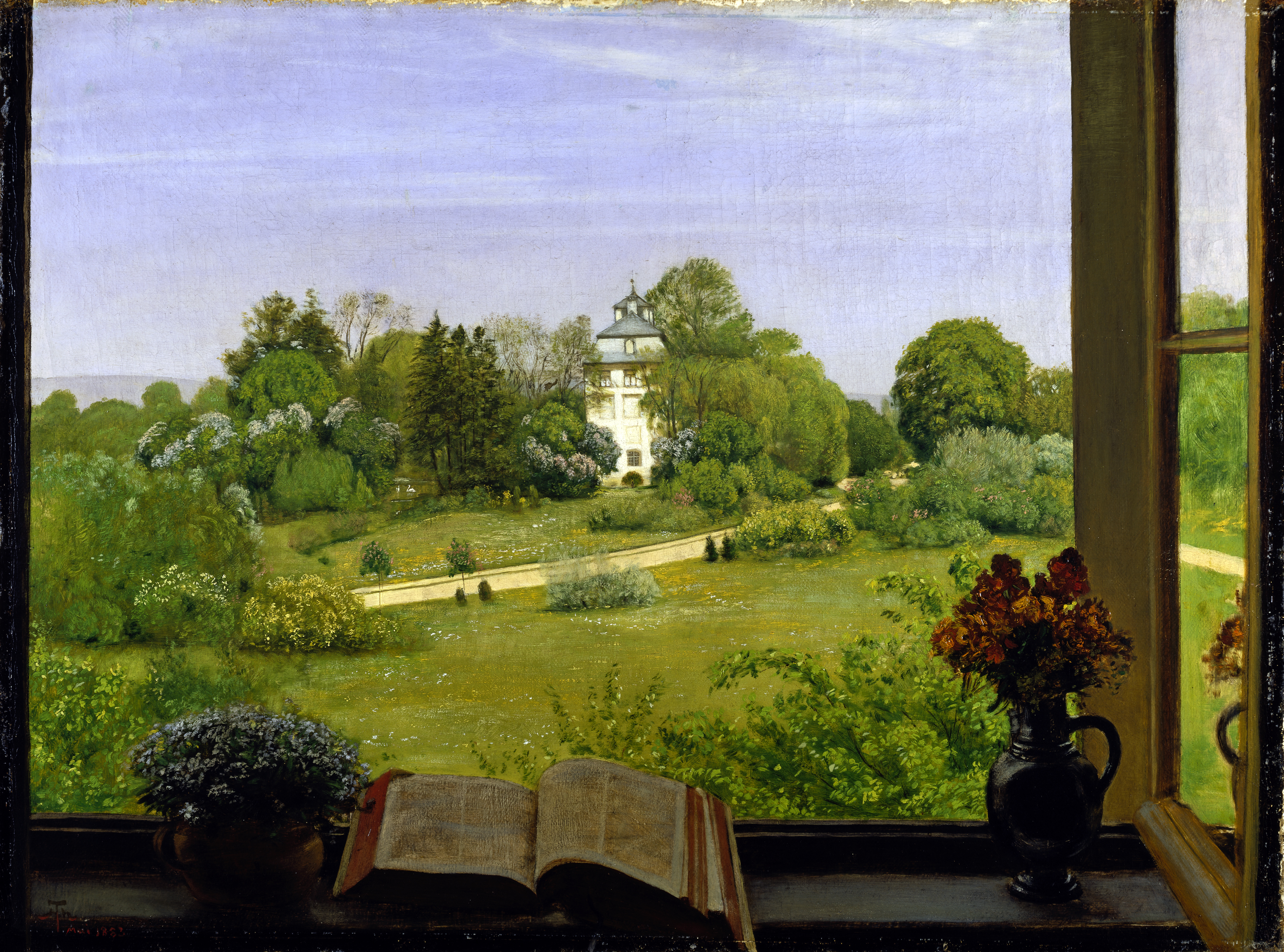
It is an act of humility to consider the cleanliness of our hearts. But like a smudged window, darkened gradually by grime, our hearts can and do become sullied by sin. This shadowing of heart space can happen subtly, almost imperceptibly. And just as it’s hard to see the view through a grime-covered window, it is hard to recognize God at work in our lives when the view from our hearts has become blocked. The light simply struggles to filter in.

In today’s first reading, the prophet Zephaniah urges the people to seek God.  He speaks of those who see the Lord, a people “humble and lowly,” a remnant chosen by God who “shall do no wrong and speak no lies; nor shall there be found in their mouths a deceitful tongue”. These, the remnant, are people of a clean heart. 

This level of humility is challenging, but today Psalm 146 also assures us the Lord is working for the good of the lowly, for our good, and will keep faith forever. We need not be afraid to consider the state of hearts—the Lord is with us, and in Him we can (and should) take refuge. Paul, too, reminds us in his letter to the people of Corinth that the chosen are called not through any merits of their own, but to fulfill God’s mission. Imagine our hearts as magnificent stained glass adorning a cathedral. The more we allow the light to shine through them, the more God’s glory is illuminated.

Today, let us make every effort to tend to our whole hearts so that as we seek God, we might also see Him. Just as the simple attention to the task of cleaning a window can make it shine and sparkle, so too that type of attention applied to the care of our own hearts will allow God’s light to move through freely. And suddenly the view becomes very clear.

Contact the Author


En la lectura del Evangelio de hoy, Jesús, tras ver la multitud de sus seguidores, se sienta y decide enseñarles. Algo que vio en la gente lo impulsó a sentarse en la ladera de una montaña y enseñar lo que llegaríamos a conocer como el Sermón del Monte. En parte de esta enseñanza, Jesús guía a la gente a través de una serie de afirmaciones que resaltan las bendiciones de la felicidad divina. Una de estas bendiciones revela cuán profundamente Jesús se preocupa y comprende la naturaleza de nuestros corazones humanos. Desea nuestra santidad para que podamos compartir con él el Reino del Padre. Según Mateo, Jesús dice: “Dichosos los limpios de corazón, porque verán a Dios”.

Es un acto de humildad considerar la limpieza de nuestro corazón. Pero como una ventana sucia, oscurecida gradualmente por la suciedad, nuestro corazón puede mancharse, y de hecho eso pasa, a causa del pecado. Esta opacidad del espacio del corazón puede ocurrir de forma sutil, casi imperceptible. Y así como es difícil ver el paisaje a través de una ventana sucia, es difícil reconocer la obra de Dios en nuestras vidas cuando la visión de nuestros corazones se ha visto bloqueada. La luz simplemente no puede entrar fácilmente.

En la primera lectura de hoy, el profeta Sofonías insta al pueblo a buscar a Dios. Habla de quienes ven al Señor, un pueblo “pobre y humilde”, un puñado de gente elegido por Dios que “No cometerá maldades ni dirá mentiras; no se hallará en su boca una lengua embustera”. Estas personas son gente de corazón limpio.

Este nivel de humildad es desafiante, pero hoy el Salmo 146 también nos asegura que el Señor obra por el bien de los humildes, por nuestro bien, y que mantendrá su fe para siempre. No debemos tener miedo de considerar el estado de nuestros corazones: el Señor está con nosotros, y en Él podemos (y debemos) refugiarnos. Pablo también nos recuerda en su carta a los corintios que los elegidos son llamados no por méritos propios, sino para cumplir la misión de Dios. Imaginemos nuestros corazones como magníficos vitrales que adornan una catedral. Cuanto más dejamos que la luz brille a través de ellos, más se ilumina la gloria de Dios.

Hoy, esforcémonos por cuidar nuestro corazón con todo nuestro ser para que, al buscar a Dios, también podamos verlo. Así como la simple atención a la tarea de limpiar una ventana puede hacerla brillar y resplandecer, también ese tipo de atención aplicada al cuidado de nuestro propio corazón permitirá que la luz de Dios circule libremente. Y de repente, la visión se vuelve mucho más clara.

Comunicarse con la autora


Raine Pyne is a longtime public school educator. She is married to Greg, who is also an educator. They have five sons, three dogs, and one cat, plus hundreds of adolescent students and countless stacks of books. Raine is a former parish catechist and women’s retreat leader. She is a student at the Theology of the Body Institute and a member of the Word on Fire Institute’s Writing Community. She is passionate about learning, language, and the ever deepening journey of faith.

Feature Image Credit: Hans Thoma, art.diocesan.com/stock-photo/view-of-holzhausenpark-7467/

The views and opinions expressed in the Inspiration Daily blog are solely those of the original authors and contributors. These views and opinions do not necessarily represent those of Diocesan, the Diocesan staff, or other contributors to this blog.

The Age Old Story / La misma historia de siempre

In classic Gospel of Mark fashion, there isn’t a lot of transition time between scenes. In the passage immediately prior to this Gospel reading, we hear about how Jesus teaches only in parables. But, “To his own disciples he explained everything in private” (Mark 4:34). Only a few chapters into the Gospel of Mark and the disciples clearly have a privileged place in Jesus’ circle. Even though Jesus is generally teaching in abstractions and parables, he has a different relationship with those closest to him. They get the meanings, the inner message, the fuller explanation. Even in today’s passage, the disciples are the ones in the boat with Jesus, not merely alongside in other boats.

I think it’s interesting to consider where Jesus had chosen to fall asleep. Mark tells us Jesus is in the stern of the boat. For those of us, myself included, who might need to google where the stern is, it’s the back of the boat. Jesus is, in a real way, behind the disciples who are looking out to sea, their eyes filling with waves and storm clouds. In four short chapters, the disciples had already seen Jesus heal a paralytic, Simon’s mother-in-law, and countless others in the towns around Capernaum and Galilee. Jesus had given them every reason to have hearts full of faith in a moment of need or a hopeless situation.

The disciples are continuing a cycle of relationship with God we see played out over and over again in the Old Testament, and indeed in our very lives. The cycle goes something like this: Step 1. We are close to God, following His words and commands. 

Step 2. We grow comfortable and complacent, beginning to rely on ourselves rather than God. 

Step 3. We fail, we lose faith and begin to worship something or someone other than God. 

Step 4. We feel the consequences of our failing and cry out to God to restore us to right relationship with him. 

For the disciples, they had come close to Jesus and listened attentively to his every word (Step 1). As human nature is inclined toward sin and pride, we could imagine there was some pride involved in the disciples’ intimate relationship with Jesus (Step 2). In their pride and confidence as fishermen and Jesus’ close friends, they must have tried to handle the storm on their own (Step 3). Realizing the gravity of the situation, they turn to Jesus in fear, rather than in faith, desperate for Him to keep them safe (Step 4).

Can we recognize this pattern in our own lives? In what ways can we avoid steps 2-4 and rest secure in a rightly ordered relationship with the Lord?

Contact the author


Al estilo clásico del Evangelio de Marcos, no hay mucho tiempo de transición entre escenas. En el pasaje anterior a esta lectura del Evangelio, escuchamos cómo Jesús enseña en parábolas  pero “a sus discípulos les explicaba todo en privado” (Marcos 4,34). Después de tan solo unos cuantos capítulos del Evangelio de Marcos, vemos claramente que los discípulos ocupan un lugar privilegiado en el círculo de Jesús. Aunque Jesús generalmente enseña con abstracciones y parábolas, tiene una relación diferente con sus compañeros más cercanos. Ellos captan los significados, el mensaje interior, la explicación más completa. Incluso en el pasaje de hoy, los discípulos son quienes están en la barca con Jesús, no solo junto a otras barcas.

Creo que es interesante considerar dónde Jesús había elegido dormirse. Marcos nos dice que Jesús está en la popa de la barca. Para quienes, no sabemos donde queda la popa, yo incluida, es la parte de atrás. Jesús está, de una manera real, detrás de los discípulos que miran al mar, con los ojos llenos de olas y nubes oscuras. En cuatro breves capítulos, los discípulos ya habían visto a Jesús sanar a un paralítico, a la suegra de Simón y a innumerables personas más en los pueblos de los alrededores de Capernaúm y Galilea. Jesús les había dado todas las razones para tener corazones llenos de fe en momentos de necesidad o en una situación desesperante.

Los discípulos continúan un ciclo de relación con Dios que vemos repetido una y otra vez en el Antiguo Testamento, y de hecho en nuestras propias vidas. El ciclo es más o menos así: 

Paso 1. Nos acercamos a Dios, siguiendo sus palabras y mandatos.

Paso 2. Nos volvemos cómodos y complacientes, comenzando a confiar en nosotros mismos en lugar de en Dios.

Paso 3. Fallamos, perdemos la fe y comenzamos a adorar algo o a alguien que no es Dios.

Paso 4. Sentimos las consecuencias de nuestro fracaso y clamamos a Dios para que nos restaure una relación correcta con él.

Los discípulos se acercaron a Jesús y escucharon atentamente cada una de sus palabras (Paso 1). Como la naturaleza humana tiende al pecado y al orgullo, podríamos imaginar que había cierto orgullo en la relación íntima de los discípulos con Jesús (Paso 2). En su orgullo y confianza como pescadores y amigos cercanos de Jesús, debieron haber intentado afrontar la tormenta por sí solos (Paso 3). Al comprender la gravedad de la situación, acudieron a Jesús con miedo, en lugar de con fe, desesperados que los mantuviera a salvo (Paso 4).

¿Podemos reconocer este patrón en nuestras propias vidas? ¿De qué maneras podemos evitar los pasos 2 a 4 y descansar seguros en una relación correcta con el Señor?

Comunicarse con la autora

Kate Taliaferro is an Air Force wife and mother. She is blessed to be able to homeschool, bake bread and fold endless piles of laundry. When not planning a school day, writing a blog post or cooking pasta, Kate can be found curled up with a book or working with some kind of fiber craft. Kate blogs at DailyGraces.net.

Feature Image Credit: ELG21, pixabay.com/photos/lightning-storm-sea-ocean-8970716/

The views and opinions expressed in the Inspiration Daily blog are solely those of the original authors and contributors. These views and opinions do not necessarily represent those of Diocesan, the Diocesan staff, or other contributors to this blog.

Seeds of Plenty / Semillas en abundancia

Our Gospel today talks about a very familiar topic, planting seeds. I find it interesting how the Lord implies that we do nothing but plant the seed, for God Himself supports the sprouting, the fruit, and the plentiful harvest. We gather the harvest and return it to His people. We prepare the food and make the bread, yet He is the one who feeds us. 

God desires good from the moment a seed begins to germinate. He gives us purpose and places the desire in our hearts and souls to do His will, guiding us to everlasting life. Is it really that simple? Do I just go out and throw seed wherever it will land? Or do I respect the knowledge that God has given us through our faith and His Word, cultivating spiritual ground where He can do His work?  

Yes, we can do His work. We can plant and cultivate and even fertilize, but above all He wants us to love Him and work in preparation for eternal life. Don’t walk ahead of God or behind Him, but walk side by side. When we do His will we are on the right path to our final destination, all the while being fed by Him through the Eucharist. 

At the end of this reading for today, it says, “Without parables, he did not speak to them, but to his own disciples he explained everything in private.” The Word of God has been given to us to help us understand His parables, like the parable of the seeds. Yet, just like Jesus gave more of an explanation to His disciples in private, He does the same with us. 

What does that look like? If we don’t take time to have private conversations with the Lord, are we not just throwing seeds out there and then showing up for the harvest? Do we watch life happen around us and hope the Lord will do His work, and that’s it? We might be in the right place, have front row seats, and witness many things, but have we taken His Word to heart? Where have we cultivated His Word with love and compassion? 

Right now, I’m headed to the local improvement store, my parish church, to gather the tools I need to work in God’s garden. I know He has all the tools necessary, and I want to work with Him side by side until I reach that beautiful garden in Heaven, where there will be seeds of plenty. 

Contact the Author


El Evangelio de hoy habla de un tema muy conocido: sembrar semillas. Me parece interesante cómo el Señor da a entender que no hacemos nada más que plantar la semilla, pues Dios mismo sustenta la germinación, el fruto y la abundante cosecha. Recogemos la cosecha y la devolvemos a su pueblo. Preparamos la comida y hacemos el pan, pero es Él quien nos alimenta.

Dios desea el bien desde el momento en que una semilla comienza a germinar. Nos da propósito y pone en nuestro corazón y alma el deseo de hacer su voluntad, guiándonos a la vida eterna. ¿Es realmente así de simple? ¿Salgo y arrojo la semilla donde caiga? ¿O respeto el conocimiento que Dios nos ha dado a través de nuestra fe y su Palabra, cultivando el terreno espiritual donde Él puede hacer su obra?

Sí, podemos hacer su obra. Podemos plantar, cultivar e incluso fertilizar, pero sobre todo, Él quiere que lo amemos y trabajemos en preparación para la vida eterna. No caminemos delante de Dios ni detrás de Él, sino a su lado. Cuando hacemos su voluntad, vamos por buen camino hacia nuestro destino final, mientras Él nos alimenta a través de la Eucaristía.

Al final de la lectura de hoy, dice: “Y no les hablaba sino en parábolas; pero a sus discípulos les explicaba todo en privado”. La Palabra de Dios nos ha sido dada para ayudarnos a comprender sus parábolas, como la de las semillas. Sin embargo, así como Jesús dio una explicación más detallada a sus discípulos en privado, hace lo mismo con nosotros.

¿Cómo se ve esto? Si no nos tomamos el tiempo para conversar en privado con el Señor, ¿no estamos simplemente sembrando semillas y luego llegando para la cosecha? ¿Observamos la vida a nuestro alrededor y esperamos que el Señor haga su obra, y eso es todo? Puede que estemos en el lugar correcto, en primera fila y seamos testigos de muchas cosas, pero ¿hemos tomado en serio su Palabra? ¿En qué aspectos la hemos cultivado con amor y compasión? 

Ahora voy a la ferretería espiritual, a mi parroquia, para reunir las herramientas que necesito para trabajar en el jardín de Dios. Sé que Él tiene todas las herramientas necesarias y quiero trabajar con Él codo a codo hasta llegar a ese hermoso jardín en el Cielo donde hay semillas en abundancia. 

Comunicarse con la autora


Marti Garcia’s passions are her retired life and growing deeper in her Catholic faith. Marti is a Sacristan/EM, facilitates small groups, and assists as a First Communion Catechist for parents. Being a parent educator and writer for 35 years, she recently published a children’s chapter book on Amazon, The Ladybugs. You can find her at her blog: MartiGarcia.org, or thewaterisshallow.com, or her cohost podcast, findingacommonthread.com, which is coming soon.

Feature Image Credit: Binyamin Mellish, https://www.pexels.com/photo/man-planting-plant-169523/

The views and opinions expressed in the Inspiration Daily blog are solely those of the original authors and contributors. These views and opinions do not necessarily represent those of Diocesan, the Diocesan staff, or other contributors to this blog.

More to the One Who Has / Más para el que tiene

When we hear “To the one who has, more will be given; from the one who has not, even what he has will be taken away” (Mk 4:25), our brains may resist this teaching. On the surface level it seems like Jesus is saying that the rich will grow richer while the poor grow poorer. It seems like He’s saying that instead of those who have many things sharing with those who don’t, He wants to increase this discrepancy.

When we read this passage with an earthly, material focus, the lesson will seem backwards and wrong. Jesus isn’t talking about physical possessions when he explains that more will be given to those who have. He’s talking about the spiritual gifts that we are given in order to facilitate a change in our hearts or in the greater community.

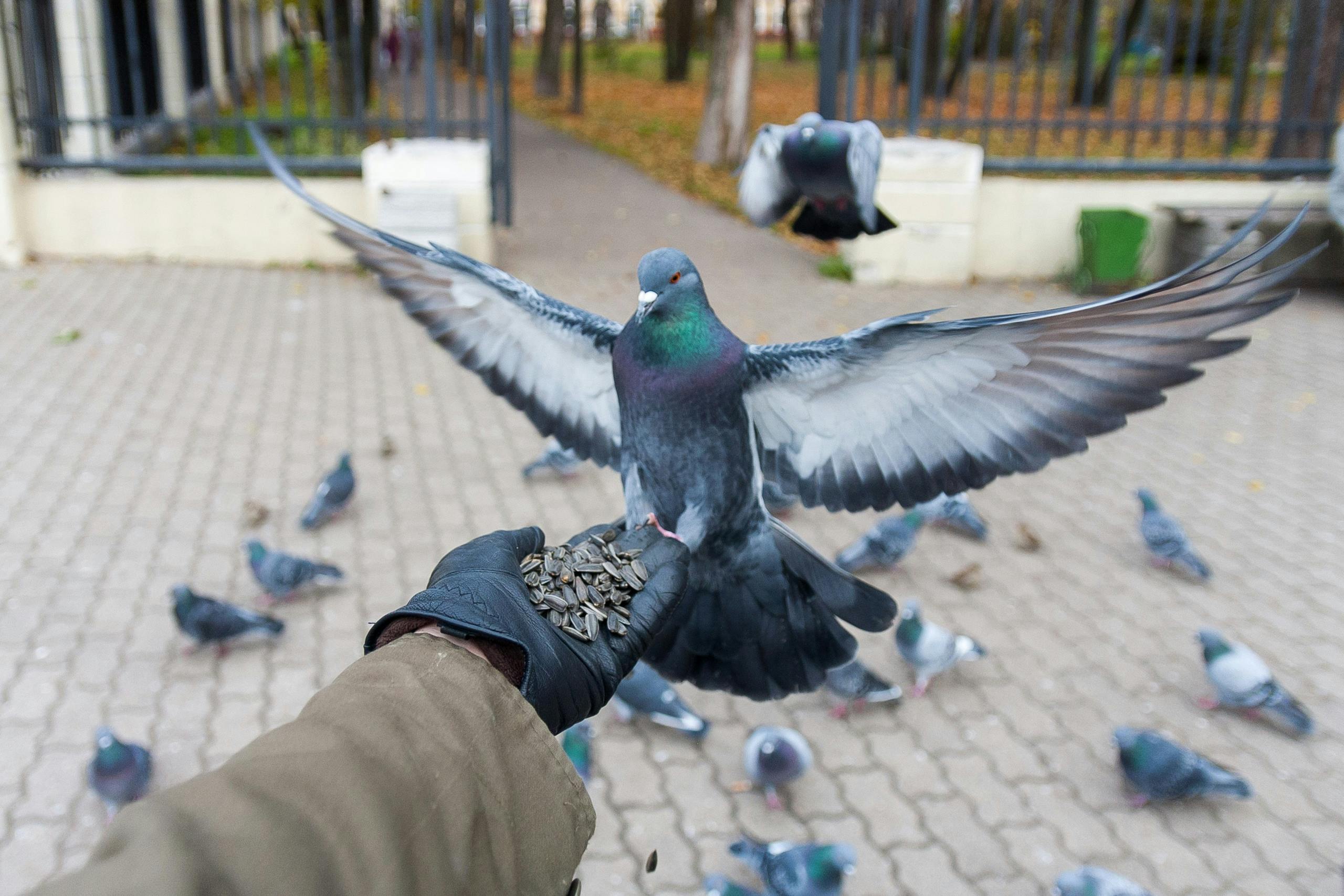
Imagine a father takes his two sons to a park with a bag of bird seed. He gives each son a cup full of seed to feed the birds. The first son generously scatters the seed and empties his cup in no time. He rushes back to the father who refills his cup with more bird seed and the son gets back to scattering. The other son doesn’t want to waste his seed. He plops one or two seeds on the ground at a time. He hoards his seed and refuses to use the seed for the purpose of feeding the hungry birds. The birds quickly learn to flock around the other brother. As their time at the park comes to a close, the father takes the full cup of seed from his second son’s hand and allows the first son to scatter the seed to the eager birds.

In this way, we are invited to use the gifts and graces we are given from our Heavenly Father. When we are given these spiritual gifts, the Lord doesn’t want us to reject them nor hoard them for ourselves. If we habitually ignore the promptings of the Holy Spirit and refuse to bless others with the gifts we have freely been given, then the little that we do have will be taken from us.

If we respond with a gracious and willing yes, the Lord will continue to heap these graces on us. We are invited to rejoice and give thanks whenever we recognize a gift given, and then discern if this grace is meant for our own conversion or for the blessing of others. When we sincerely use the gifts and graces he gives us, we experience the joy of living in the Father’s will. The more we say yes and boldly share what we receive, the more our Father will continue to give to us.

The Lord can’t fill a cup that is already brimming with the first batch of bird seed. There’s simply no room. Once we share what we have, we make room for our Father to lavish us with even more.

Contact the Author


Cuando escuchamos: “Al que tiene, se le dará; pero al que tiene poco, aun eso poco se le quitará” (Mc 4,25), nuestra mente puede resistirse a esta enseñanza. A primera vista, parece que Jesús está diciendo que los ricos se enriquecerán más, mientras que los pobres se empobrecerán más. Parece que, en lugar de que los que tienen mucho compartan con los que no tiene, él quiere aumentar esta discrepancia.

Cuando leemos este pasaje desde un enfoque terrenal y material, la lección parecerá contradictoria y errónea. Jesús no se refiere a posesiones físicas cuando explica que se dará más a quienes tienen. Se refiere a los dones espirituales que recibimos para facilitar un cambio en nuestros corazones o en la comunidad en general.

Imagina a un padre que lleva a sus dos hijos a un parque con una bolsa de semillas para los pájaros. Les da a cada uno un vaso lleno de semillas para alimentar a los pájaros. El primer hijo esparce generosamente las semillas y vacía su vaso en un instante. Corre de vuelta a su padre, quien rellena su vaso con más semillas, y el hijo vuelve a esparcirlas. El otro hijo no quiere desperdiciar las suyas. Deja caer una o dos semillas en el suelo a la vez. Las acapa y se niega a usarlas para alimentar a los pájaros hambrientos. Los pájaros aprenden rápidamente a reunirse alrededor del otro hermano. Al terminar su tiempo en el parque, el padre toma la copa llena de semillas de la mano de su segundo hijo y permite que el primero las esparza entre los pájaros ansiosos.

De esta manera, se nos invita a utilizar los dones y las gracias que recibimos de nuestro Padre Celestial. Cuando recibimos estos dones espirituales, el Señor no quiere que los rechacemos ni los acaparemos. Si habitualmente ignoramos las indicaciones del Espíritu Santo y nos negamos a bendecir a otros con los dones que hemos recibido gratuitamente, entonces lo poco que tenemos nos será arrebatado.

Si respondemos con un sí generoso y voluntario, el Señor seguirá colmándonos de estas gracias. Estamos invitados a regocijarnos y dar gracias cada vez que reconocemos un don recibido, y luego a discernir si esta gracia es para nuestra propia conversión o para la bendición de otros. Cuando usamos sinceramente los dones y las gracias que nos da, experimentamos la alegría de vivir en la voluntad del Padre. Mientras más decimos que sí y compartimos con valentía lo que recibimos, más nuestro Padre nos seguirá dando.

El Señor no puede llenar un vaso que ya está rebosando. Simplemente no hay espacio. Una vez que compartimos lo que tenemos, hacemos espacio para que nuestro Padre nos colme con aún más.

Comunicarse con la autora


Maria Riley is a passionate Catholic author and speaker who loves volunteering or playing board games when she’s not writing or mom-ing around with her four daughters. Her award-winning Catholic children’s chapter book series, Adventures with the Saints, is endorsed by her bishop. Visit her at MariaRileyAuthor.com or on social media @mariarileyauthor. She and her family live in Kansas.

Feature Image Credit: Алексей Гвоздев, pexels.com/photo/a-person-feeding-seeds-to-a-pigeon-8858630/

The views and opinions expressed in the Inspiration Daily blog are solely those of the original authors and contributors. These views and opinions do not necessarily represent those of Diocesan, the Diocesan staff, or other contributors to this blog.