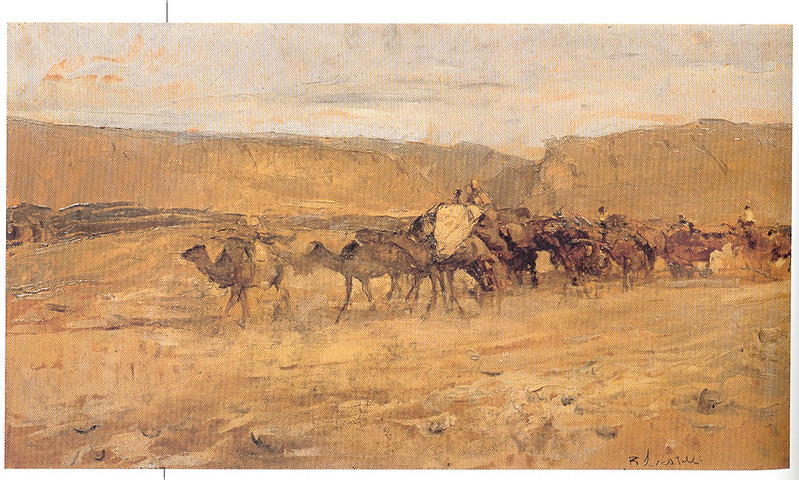
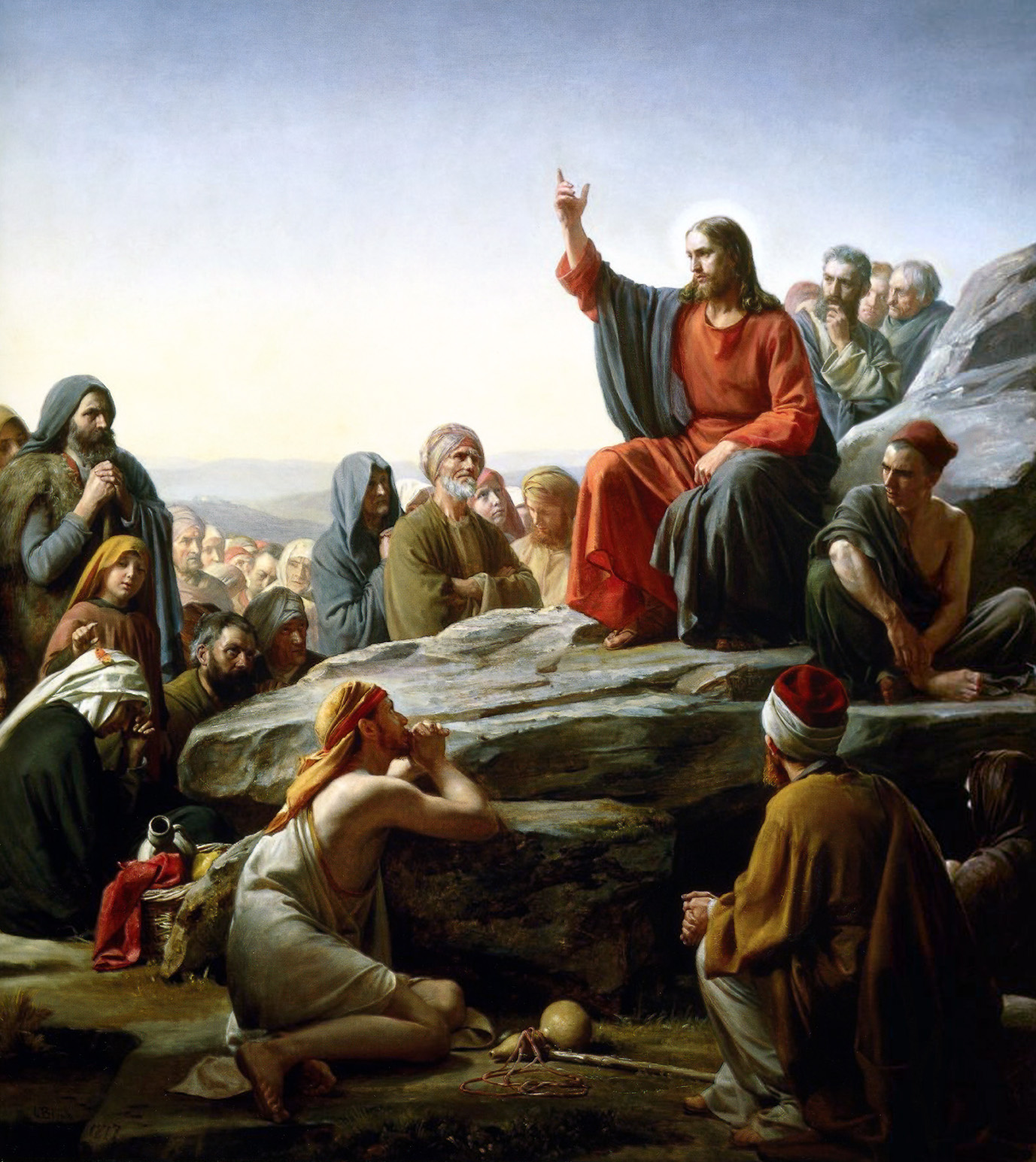
Today’s readings are pretty straightforward. Abraham is called by God, and he goes as the Lord directs him. The psalmist waits on God to watch over him and deliver him. Paul instructs Timothy to bear his share of hardship for the sake of the Gospel. Jesus is transfigured before the three Apostles, and the Father tells them to listen to Him. In each of these readings, God calls, and invites them to respond.
God calls, we respond – a very simple formula, but there is a deceptiveness to it. In each of these cases, it is a demanding call. Abraham is called to leave the land of his kinsfolk and go to a foreign land, one that he knows nothing about except that God will show it to him. When? He doesn’t know. The psalmist prays to be delivered from death and to be shielded, implying that his situation is urgent. Paul’s call implies that Timothy will undergo trials. And Jesus’ Apostles will soon discover exactly what “listening to Him” means in their particular cases.
The act is simple, but the implications are complex. And this is the case for all of us. When God calls, we are invited to respond: “Yes,” “Whatever the Lord wills, I will do,” or “Speak, O Lord; Your servant is listening.” But the consequences will echo for the rest of our lives, in ways seen and unseen. Abraham’s acceptance of the call meant the birth of the Jewish people and, ultimately, the Messiah. The psalmist’s response led to a lifetime of trust in and favor from God. Timothy’s response led to a successful bishopric and a race ran well. The three Apostles’ responses led to their far-reaching evangelical efforts and their martyrdom.
This can seem daunting, so the examples in today’s readings help to calm us. Ultimately, it is good to know what their listening and following was founded on: unconditional trust in God. It is not always advisable to accept whatever someone proposes to us, but these men knew that God is not like others. He always knows what is best for us. Sometimes we may not understand His actions, but they are always trustworthy.
The readings remind us of the importance and the practical benefit of being docile to the will of God. When we know that God is calling us to something, when we are confident that the invitation comes from Him, the only sensible choice is to move forward. Just like Abraham did, as soon as we hear the call, may we pack up and be on our way.
Las lecturas de hoy son bastante claras. Dios llama a Abraham, y él va según la guía del Señor. El salmista espera que Dios lo proteja y lo libre. Pablo le indica a Timoteo que soporte su parte de las dificultades por causa del Evangelio. Jesús se transfigura ante los tres apóstoles, y el Padre les dice que lo escuchen. En cada una de estas lecturas, Dios llama y los invita a responder.
Dios llama, nosotros respondemos: una fórmula muy simple, pero algo deceptiva. En cada caso, es una llamada exigente. Abraham es llamado a dejar la tierra de sus padres e ir a una tierra extranjera, de la que no sabe nada, excepto que Dios se la mostrará. ¿Cuándo? No lo sabe. El salmista pide para ser librado de la muerte y protegido, lo que implica que su situación es urgente. El llamado de Pablo implica que Timoteo pasará por pruebas. Y los apóstoles de Jesús pronto descubrirán exactamente lo que significa “escucharlo” en sus casos particulares.
El acto es sencillo, pero sus implicaciones son complejas. Y esto nos sucede a todos. Cuando Dios nos llama, se nos invita a responder: “Sí”, “Haré lo que el Señor quiera” o “Habla, Señor; tu siervo escucha”. Pero las consecuencias resonarán durante el resto de nuestras vidas, de maneras visibles e invisibles. La aceptación del llamado por parte de Abraham significó el nacimiento del pueblo judío y, en última instancia, del Mesías. La respuesta del salmista lo llevó a una vida de confianza en Dios y a recibir su favor. La respuesta de Timoteo lo llevó a un obispado exitoso y a una carrera triunfal. Las respuestas de los tres apóstoles los impulsaron a realizar una labor evangelizadora de gran alcance y a su martirio.
Esto puede parecer abrumador, por lo que los ejemplos de las lecturas de hoy nos ayudan a tranquilizarnos. En definitiva, es bueno saber en qué se fundamentó su escucha y su seguimiento: en la confianza incondicional en Dios. No siempre es aconsejable aceptar todo lo que alguien nos propone, pero estos hombres sabían que Dios no es como los demás. Él siempre sabe lo que es mejor para nosotros. A veces, puede que no entendamos sus acciones, pero siempre son dignas de confianza.
Las lecturas nos recuerdan la importancia y el beneficio práctico de someternos a la voluntad de Dios. Cuando sabemos que Dios nos llama a algo, cuando estamos seguros de que la invitación viene de Él, la única opción sensata es seguir adelante. Como hizo Abraham, en cuanto oigamos el llamado, preparemos todo y pongámonos en marcha.
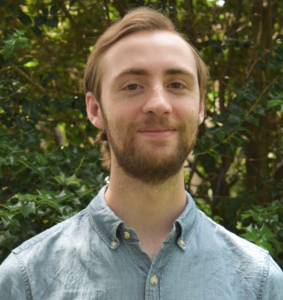 David Dashiell is a freelance author and editor in the Nashville, Tennessee area. He has three children, a degree in theology, and enjoys writing about philosophy, theology, culture, music, and comedy. You can find his personal blog, Serious Daydreams, on Substack. He is also the editor of the anthology Ever Ancient, Ever New: Why Younger Generations Are Embracing Traditional Catholicism, available through TAN Books.
Feature Image Credit: Romualdo Locatelli, commons.wikimedia.org/wiki/File:Romualdo_Locatelli_-_Caravan_in_the_desert.jpg
The views and opinions expressed in the Inspiration Daily blog are solely those of the original authors and contributors. These views and opinions do not necessarily represent those of Diocesan, the Diocesan staff, or other contributors to this blog.

 Felix Urcia was born in Lima, Peru. He moved the U.S. to complete his college degree in Computer Science at Northern Kentucky University. He is passionate about his faith, his family, education and soccer. When he is not homeschooling and caring for his young children he enjoys personal programing projects and sports analysis. He and wife live in a small town in Western Michigan where they enjoy spending time with their five children.
 Margaret Gartlgruber longs for moms to know:
 Mike Karpus is a regular guy. He grew up in Michigan’s Upper Peninsula, graduated from Michigan State University and works as an editor. He is married to a retired Catholic school principal, raised two daughters who became Catholic school teachers at points in their careers, and now relishes his three young grandchildren. He serves on a Catholic school board and has served on pastoral councils, a building committee and a parish stewardship committee. He currently is a lector at Mass, a Knight of Columbus, vice president of a memorial scholarship committee and a board member of the local Habitat for Humanity organization. But mostly he’s a regular guy.

 Kate Taliaferro is an Air Force wife and mother. She is blessed to be able to homeschool, bake bread and fold endless piles of laundry. When not planning a school day, writing a blog post or cooking pasta, Kate can be found curled up with a book or working with some kind of fiber craft. Kate blogs at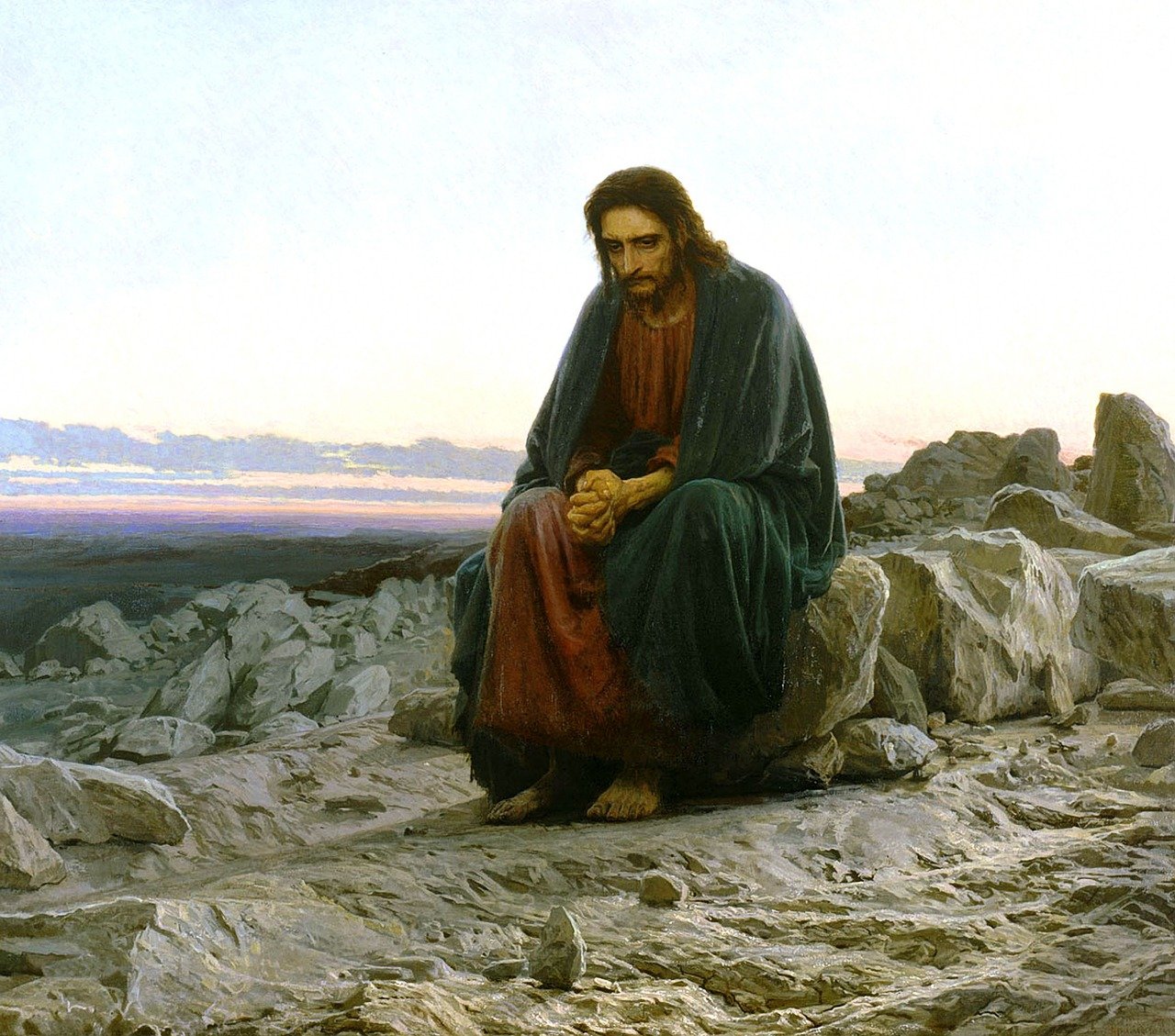
 Merridith Frediani loves words and is delighted by good sentences. She also loves Lake Michigan, dahlias, the first sip of hot coffee in the morning, millennials, and playing Sheepshead with her husband and three kids. She writes for Catholic Mom, Diocesan.com, and her local Catholic Herald. Her first book Draw Close to Jesus: A Woman’s Guide to Adoration is available at Our Sunday Visitor and Amazon. You can learn more at
 Charlene Unterkofler is a Catholic convert who nurtures her spiritual growth by serving the poor in the Society of St. Vincent de Paul and guiding the formation of other Vincentians through her writing and workshops. She co-authored “Cloud of Witnesses, 25 Stories of Saintly Inspiration and Intercession,” with the PraiseWriters community. She enjoys playing cribbage with her husband and reading to her grandsons. Discover more at
 Kimberly Andrich writes from the perspective of having a hidden, chronic illness and experiencing a deep, continuous conversion through being yoked to Jesus in the day-to-day trials and joys of life. She is a wife, mother of 5, and daughter of the King. Kimberly also writes for
 Deanna G. Bartalini, M.Ed., M.P.A. is a certified spiritual director, retreat leader, speaker, and writer with decades of experience serving the Church. She is the founder of LiveNotLukewarm.com, works on the retreat team at Our Lady of Florida Passionist Spiritual Center, and is an Unbound prayer minister. She has served as a religious education director, youth minister, liturgical coordinator, and stewardship director. She writes for
 Tami Urcia is a midwestern gal from a large Catholic family. As a young adulthood she was a missionary in Mexico, where she studied theology and philosophy. After returning stateside bilingual, she gained a variety of work experience, traveled extensively and finished her Bachelor’s Degree at Brescia University. She loves organizing and simplifying things, watching her children play sports, deep conversations with close family and friends and finding unique ways to brighten others’ day with Christ’s love. She works full time at Diocesan in the Software Department and manages the Inspiration Daily reflections. She is also a contributing writer on
  1-800-994-9817