Sent by Jesus / Enviado por Jesús

When the disciples came to inspect the tomb, they did not find Jesus’ body there, and they went away. They were full of action, running to the tomb, finding nothing, then leaving. But Mary of Magdala remained behind, weeping. She was still, crying, bending over into the tomb. She saw angels who spoke to her, which must have been extraordinary, but her only thought was of Jesus and where they had taken His body.  

She was so confused in her sorrow that she didn’t recognize Jesus when He spoke directly to her. Sometimes in our own lives we must endure, waiting and weeping, lost and distraught. We might get caught up in our emotions so that we can’t see the way forward. We can get trapped in the darkness of despair, and when we can’t see our way out, we forget that there is a way out. But time and faith can turn us toward the light. 

Jesus tells Mary to deliver a message to His disciples. The disciples were just there, but they already went away. It was Mary’s delay at the tomb, lost in her sadness, that put her in the position to see Jesus, to touch Him, and to speak to Him. If she had gone away with the others, she would have missed out. Delayed in her sorrow, she was in the position to be the first to see Jesus resurrected. She was the person sent by Jesus to deliver the message. 

The agony of loss is experienced differently, and everyone takes their own time in healing. Like Mary of Magdala, we can be delayed in our sorrow, but that delay may be the pathway to next steps, steps we are called to walk as messengers sent by Jesus.

Contact the Author


Cuando los discípulos fueron a inspeccionar la tumba, no encontraron el cuerpo de Jesús y se marcharon. Estaban llenos de actividad, corrieron a la tumba y cuando no encontraron nada se marcharon. Pero María Magdalena se quedó allí llorando – inmóvil, con lágrimas en los ojos, inclinándose hacia la tumba. Vio a los ángeles que le hablaban, lo cual debió ser extraordinario, pero su único pensamiento era en Jesús y adónde habían llevado su cuerpo.

Estaba tan confundida en su dolor que no reconoció a Jesús cuando le habló directamente. A veces, en nuestras vidas, tenemos que perdurar, esperando y llorando, perdidos y angustiados. Podemos dejarnos llevar por nuestras emociones y no ver el camino a seguir. Podemos quedar atrapados en la oscuridad de la desesperación, y cuando no vemos la salida, olvidamos que una existe. Pero el tiempo y la fe pueden guiarnos hacia la luz.

Jesús le dice a María que les dé un mensaje a sus discípulos. Los discípulos acababan de llegar, pero ya se habían ido. Fue la demora de María en el sepulcro, sumida en su tristeza, lo que la puso en condiciones de ver a Jesús, tocarlo y hablar con él. Si se hubiera ido con los demás, se lo habría perdido. Retrasada en su dolor, pudo ser la primera en ver a Jesús resucitado. Fue la persona enviada por Jesús para transmitir el mensaje.

La agonía de la pérdida se vive de manera diferente, y cada persona se toma su tiempo para sanar. Al igual que María Magdalena, podemos demorarnos en nuestro dolor, pero esa demora puede ser el camino hacia los siguientes pasos, pasos que estamos llamados a dar como mensajeros enviados por Jesús.
Comunicarse con la autora


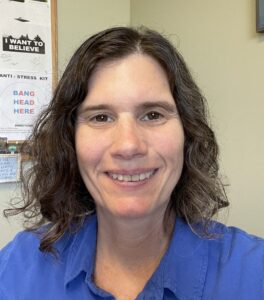
Anita Renaghan is the author of several books including literary fiction, science fiction, and a young adult trilogy. She loves a good character study and has been many characters herself including: an aircraft mechanic in the Air Force, a college graduate, a second degree blackbelt, lost, a waitress and bartender, a wife and mother, an account executive, found, and a constantly inventive singer-songwriter. Anita is interested in sharing her faith with others through her writings and story characters. Her website is anitarenaghan.com 

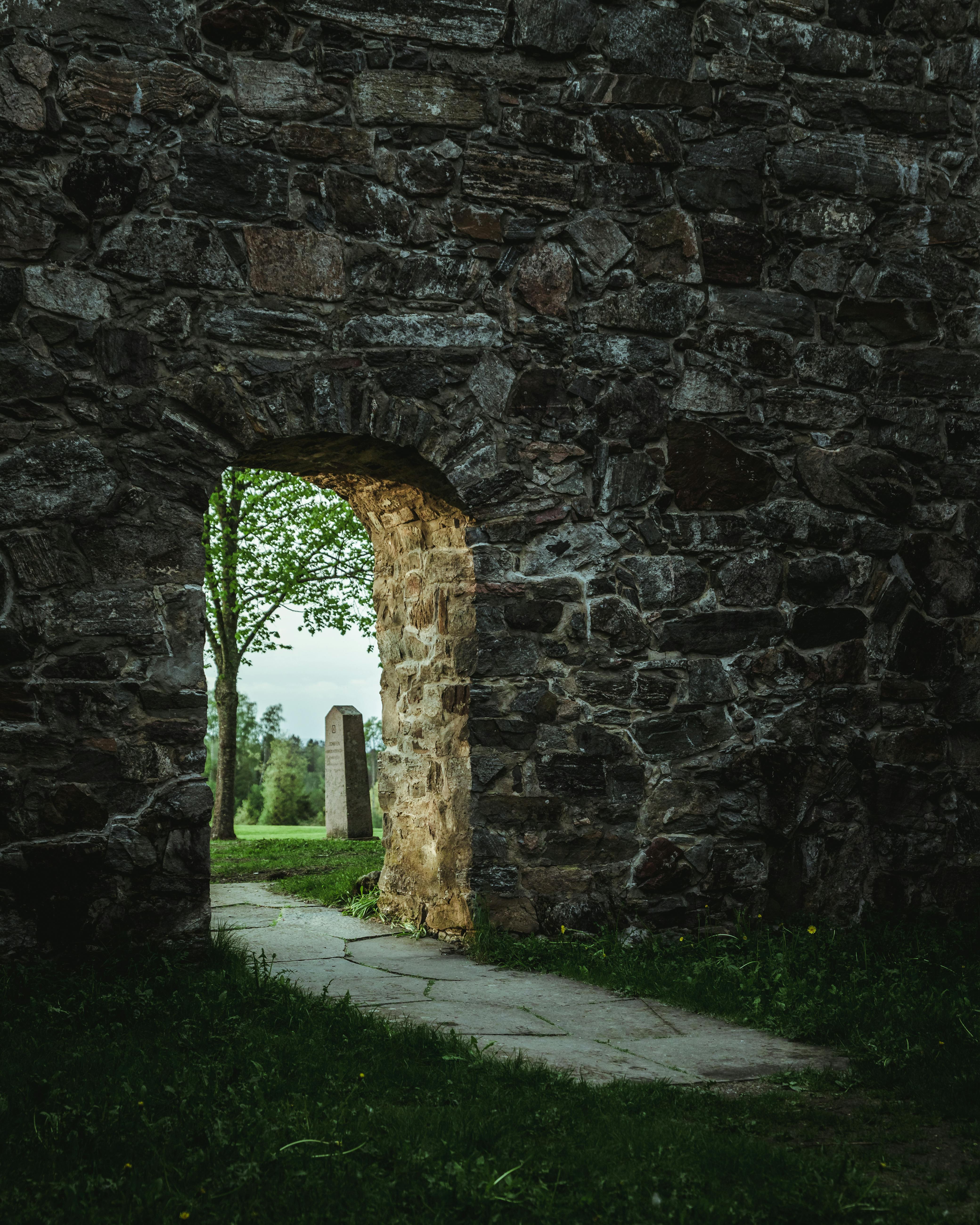
Feature Image Credit: Tobias Bjørkli, pexels.com/photo/stone-wall-2360682/

The views and opinions expressed in the Inspiration Daily blog are solely those of the original authors and contributors. These views and opinions do not necessarily represent those of Diocesan, the Diocesan staff, or other contributors to this blog.

The Comforts of Home / Las comodidades del hogar

After a long journey, it is always nice to have someone pick you up from the airport so you can feel like you are home before you arrive. No waiting for a taxi. You see your loved one and smile with joy, and are whisked away in the comfort of the car. While traveling may be exciting, the difficult part of being away from home ends early when you see your friend or family member arrive to greet you. 

In The Parable of the Lost Son, Jesus tells us about a young man who squanders his inheritance and yet is welcomed home with open arms. The son, who hoped to return to his father’s home as a mere servant, is clothed and fed at a banquet given in his honor. His seat is restored at his father’s table without even having to ask. This amazes him.

For anyone who is lukewarm about God, this parable is your invitation to return to God the Father through Jesus. He is waiting for you to remember Him and to realize that you can find Him at home in the Church. He is waiting for you to journey home and call out to him in prayer. 

I did this years ago, returning to a life of faith and prayer. I wandered into church for Mass filled with a sense of inner shame from having been away so long, but there was no scolding. I was not sent back to religious education to make up for being away. I confessed to God that I was wrong, and I was immediately welcomed back to supper at His table. Anyone can take this path and need not be afraid. 

Having already made that journey, now it is the last part of the parable that I need to keep in mind. The more I attend Mass and volunteer to serve others, the easier it is to expect God to be more attentive to me. Like the elder son in the parable who stayed and served his father, it is easy to expect some sign of honor. But I must be content in my heart to know that God loves me. First or last, God’s love alone is the reward. And like the traveler who is picked up by a loved one at the airport to complete the journey in comfort, the elder son was living in the comfort of his father’s home all along.

Contact the Author


Después de un largo viaje, siempre es agradable que alguien te recoja en el aeropuerto para que te sientas en casa incluso antes de llegar, sin tener que esperar un taxi. Ves a tu ser querido, sonríes con alegría y te lleva cómodamente en el auto. Si bien viajar puede ser emocionante, la parte difícil de estar lejos de casa termina pronto cuando ves llegar a tu amigo o familiar para recibirte.

En la Parábola del Hijo Pródigo, Jesús nos habla de un joven que malgasta su herencia y, sin embargo, es recibido con los brazos abiertos. El hijo, que esperaba regresar a la casa de su padre como un simple sirviente, es vestido y alimentado en un banquete ofrecido en su honor. Le devuelven su lugar en la mesa de su padre sin que lo tenga que pedir. Esto lo asombra al joven.

Para cualquiera que sea tibio en su relación con Dios, esta parábola es una invitación a regresar a Dios Padre a través de Jesús. Él espera que lo recuerdes y que te des cuenta de que puedes encontrarlo en casa, en la Iglesia. Él te espera esperando a que regreses a casa y le invoques en oración.

Yo lo hice hace años, retomando una vida de fe y oración. Entré a la iglesia para la misa con un sentimiento de vergüenza por haber estado tanto tiempo ausente, pero no hubo reproches. No me enviaron de vuelta a la catequesis para compensar mi ausencia. Le confesé a Dios mi error, y fui inmediatamente recibido de nuevo en su mesa. Cualquiera puede tomar este camino y no tiene por qué temer.

Habiendo realizado ya ese viaje, ahora debo recordar la última parte de la parábola. Cuanto más asisto a misa y me ofrezco como voluntario para servir a los demás, más fácil es esperar que Dios me preste más atención. Como el hijo mayor de la parábola que se quedó a servir a su padre, es fácil esperar alguna muestra de honor. Pero debo contentarme en mi corazón con saber que Dios me ama. Aunque sea la primera o la última, el amor de Dios es la única recompensa. Y igual que el viajero que un ser querido recoge en el aeropuerto para completar el viaje con comodidad, el hijo mayor había estado viviendo en la comodidad del hogar de su padre todo este tiempo.

Comunicarse con la autora


Anita Renaghan is the author of several books including literary fiction, science fiction, and a young adult trilogy. She loves a good character study and has been many characters herself including: an aircraft mechanic in the Air Force, a college graduate, a second degree blackbelt, lost, a waitress and bartender, a wife and mother, an account executive, found, and a constantly inventive singer-songwriter. Anita is interested in sharing her faith with others through her writings and story characters. Her website is anitarenaghan.com 

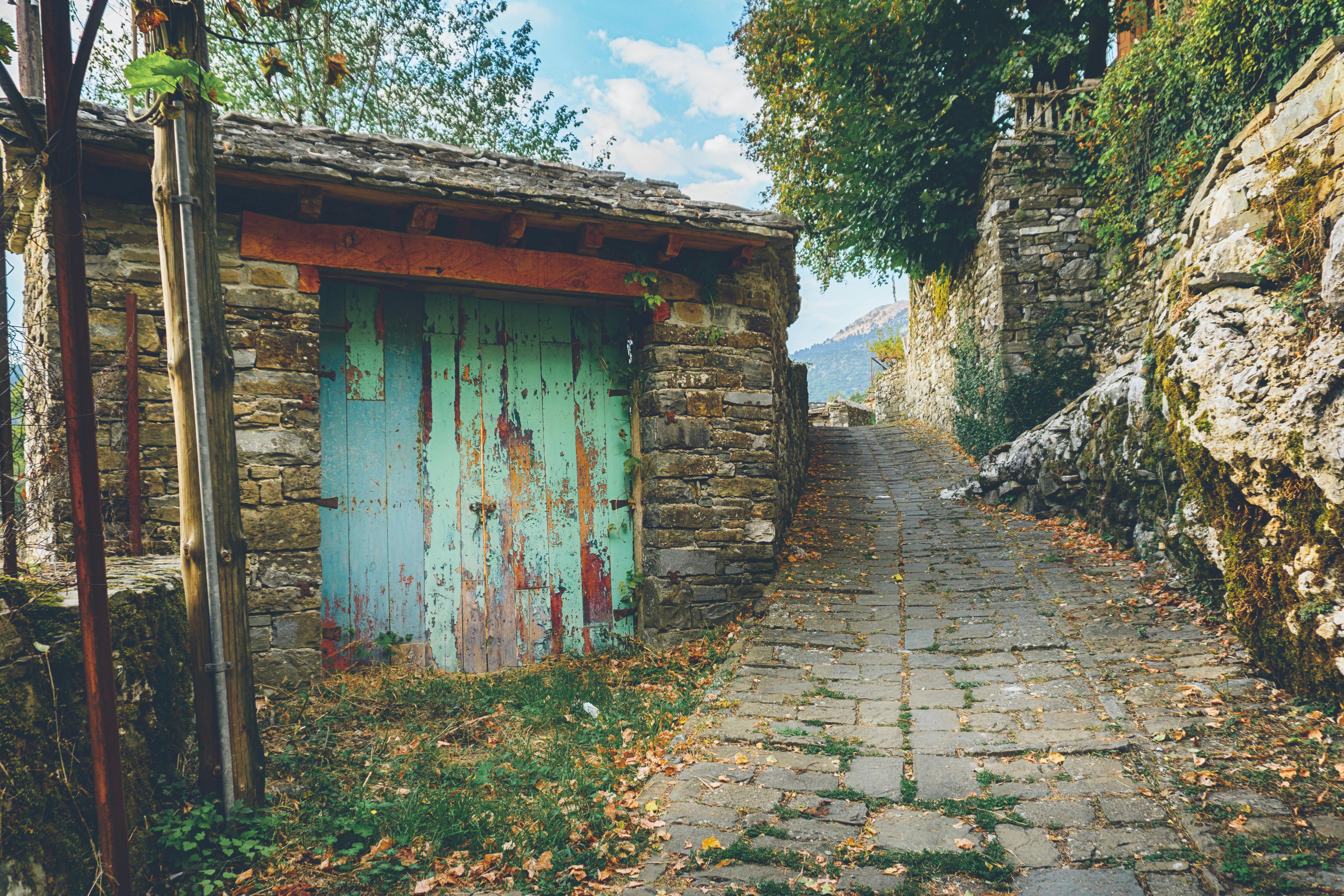
Feature Image Credit: mali maeder, pexels.com/photo/brown-and-gray-house-1483064/

The views and opinions expressed in the Inspiration Daily blog are solely those of the original authors and contributors. These views and opinions do not necessarily represent those of Diocesan, the Diocesan staff, or other contributors to this blog.

Called to Journey / Llamados a viajar

At the end of a long journey, we can feel both exhaustion and fulfillment. Imagine the Apostles’ feeling of encouragement and achievement as they gather back together after their long trip, moving about the land teaching and healing in Jesus’ name. Tired and hungry and unable to rest because of the crowd of people who followed them, Jesus sends them out to a deserted place to recover. They get into a boat, but it isn’t a yacht or a motor boat. It is more work, rowing to get across the water to rest. As they are rowing, excited that their time of rest is drawing near, over 5,000 people show up craving Jesus’ teaching. 

We all like a few days to recuperate after a journey, yet the Apostles had no time to rest. Imagine the wonder and exhaustion they felt. They are with Jesus, their Lord and Savior, but they are human, and as humans we can get testy if we don’t have time to rest. If there were 5,000 people waiting for us when we returned home after a long trip, we would go inside, close the door, and tell them to come back later. But the Apostles had a front row seat to the teachings of Jesus, and they worked tirelessly. 

We are all called to proclaim the Word, but we don’t have to do it on such a grand scale. We don’t have to go out with only the clothes on our back and the shoes on our feet with no extra food and water for the journey. We can share our experiences one on one with those closest to us in our homes, at work, and among friends. It can be difficult to begin, and unlike the 5,000 people who were waiting to hear from Jesus and the Apostles, others might not be ready to hear it from us. But we can start out on the journey one prayer at a time and ask for the Lord’s help. We can go to adoration, our “deserted place,” and fill our hearts up with the Lord who will encourage and energize each of us to continue on our own journey.

Contact the Author


Al final de un largo viaje, podemos sentir tanto agotamiento como plenitud. Imaginen el sentimiento de ánimo y logro de los Apóstoles al reunirse tras su largo viaje, recorriendo la tierra enseñando y sanando en el nombre de Jesús. Cansados, hambrientos e incapaces de descansar por la multitud que los seguía, Jesús los envía a un lugar desierto para recuperarse. Suben a una barca, pero no es un yate ni una lancha. Remar para cruzar el agua y descansar es más trabajo. Mientras reman, emocionados por la proximidad de su hora de descanso, más de 5000 personas aparecen ansiando las enseñanzas de Jesús.

A todos nos gusta descansar unos días después de un viaje, pero los Apóstoles no tuvieron tiempo para ello. Imaginen la maravilla y el agotamiento que sintieron. Están con Jesús, su Señor y Salvador, pero son humanos, y como humanos, podemos irritarnos si no tenemos tiempo para descansar. Si 5000 personas nos esperaran al regresar a casa después de un largo viaje, entraríamos, cerraríamos la puerta y les diríamos que volvieran más tarde. Pero los Apóstoles tenían un asiento en primera fila para escuchar las enseñanzas de Jesús y trabajaron incansablemente.

Todos estamos llamados a proclamar la Palabra, pero no tenemos que hacerlo a gran escala. No tenemos que salir solo con la ropa puesta y los zapatos puestos, sin comida ni agua extra para el viaje. Podemos compartir nuestras experiencias individualmente con los seres queridos en nuestros hogares, en el trabajo y entre amigos. Puede ser difícil comenzar, y a diferencia de las 5000 personas que esperaban escuchar a Jesús y a los Apóstoles, otros podrían no estar listos para escucharlo de nosotros. Pero podemos emprender el camino con una oración a la vez y pedir la ayuda del Señor. Podemos ir a la adoración, nuestro “lugar desierto”, y llenar nuestros corazones del Señor, quien nos animará y nos dará energía para continuar en nuestro propio viaje.

Comunicarse con la autora


Anita Renaghan is the author of several books including literary fiction, science fiction, and a young adult trilogy. She loves a good character study and has been many characters herself including: an aircraft mechanic in the Air Force, a college graduate, a second degree blackbelt, lost, a waitress and bartender, a wife and mother, an account executive, found, and a constantly inventive singer-songwriter. Anita is interested in sharing her faith with others through her writings and story characters. Her website is anitarenaghan.com 

Feature Image Credit: Ashok J Kshetri, pexels.com/photo/scenic-view-of-upper-mustang-hills-in-nepal-34022827/

The views and opinions expressed in the Inspiration Daily blog are solely those of the original authors and contributors. These views and opinions do not necessarily represent those of Diocesan, the Diocesan staff, or other contributors to this blog.

Educated in Faith / Educados en la fe

As adults, we are certain that we know the world around us, and have spent enough time on Earth to believe that we understand the world and how it works. When there is something new to learn, we go about it practically. We read articles and books. We take classes and ask those who already have the knowledge we are seeking. We dutifully move forward in knowledge. 

On the contrary, a child who is just beginning to learn might get upset. They might enjoy learning the alphabet but struggle with reading and throw the book down, upset that they can’t pronounce the words. They might enjoy learning to count, but cry over a math problem that they just can’t comprehend. They haven’t been in school long enough to understand that if they stick with it and move forward little by little, they will learn in time. 

The apostles were adults, knowing their lives, understanding the world around them as it always had been, until Jesus turned their world upside-down. Confused after watching Jesus feed 5,000 men with only five loaves and two fishes, Jesus sends his disciples out in the boat to meet him on the other side, near Bethsaida. They were rowing against the wind, and the waves tossed them about. As they struggled physically, their minds struggled with the miracle they had just witnessed. The world they knew was disappearing, and they pushed ahead with uncertainty. 

Then Jesus appeared, walking past them on the water as they struggled in the boat. As adults, they thought they understood Jesus, but they reacted like terrified children, crying out, unable to comprehend the reality before them. When Jesus entered the boat, the winds died down. They should have been comforted, but unlike adults willing to learn, they reacted like children and hardened their hearts. 

Today is the Feast of St. Raymond of Penyafort, who became a Dominican friar in 1222. Born of a noble and wealthy family, Raymond was well educated and taught in seminary. Pope Gregory IX tasked him to put together a millennium of papal texts in a comprehensive order, so he spent years organizing all the texts while he continued his ministry in relative comfort until his retirement. But he was pulled out of retirement to lead his order and ended up traveling from one Dominican house to another until he found himself exhausted at the age of seventy. He didn’t react to his second career as a child, crying out to God asking why he had to work so hard. He embraced the work as an adult, filled with faith and surrender.

May we follow the example of St. Raymond and trust in the works of God that we see all around us, learning how to become better followers each and every day.

Contact the Author


Como adultos, estamos seguros de conocer el mundo que nos rodea y hemos pasado suficiente tiempo en la Tierra como para creer que lo entendemos y cómo funciona. Cuando hay algo nuevo que aprender, lo hacemos de forma práctica. Leemos artículos y libros. Tomamos clases y preguntamos a quienes ya poseen el conocimiento que buscamos. Avanzamos en el conocimiento con constancia.

Por el contrario, un niño que apenas empieza a aprender podría molestarse. Puede que disfrute aprendiendo el alfabeto, pero tenga dificultades para leer y tire el libro, molesto por no poder pronunciar las palabras. Puede que disfrute aprendiendo a contar, pero llore por un problema de matemáticas que simplemente no comprende. No han estado en la escuela lo suficiente como para comprender que si perseveran y avanzan poco a poco, aprenderán con el tiempo.

Los apóstoles eran adultos, conocían sus vidas y entendían el mundo que los rodeaba como siempre había sido, hasta que Jesús les puso el mundo patas arriba. Confundidos tras ver a Jesús alimentar a 5.000 hombres con solo cinco panes y dos peces, Jesús envía a sus discípulos en la barca a encontrarlo en la otra orilla, cerca de Betsaida. Remaban contra el viento, y las olas los zarandeaban. Mientras luchaban físicamente, sus mentes luchaban con el milagro que acababan de presenciar. El mundo que conocían estaba desapareciendo, y seguían adelante con incertidumbre.

Entonces Jesús apareció, caminando junto a ellos sobre el agua mientras forcejeaban en la barca. De adultos, creían comprender a Jesús, pero reaccionaron como niños aterrorizados, gritando, incapaces de comprender la realidad que tenían ante sí. Cuando Jesús subió a la barca, el viento se tranquilizó. Deberían haber sido consolados, pero a diferencia de los adultos dispuestos a aprender, reaccionaron como niños y endurecieron sus corazones.

Hoy es la fiesta de San Raimundo de Peñafort, quien se convirtió en fraile dominico en 1222. Nacido en una familia noble y adinerada, Raimundo recibió una buena educación y enseñó en el seminario. El papa Gregorio IX le encargó recopilar un milenio de textos papales en un orden completo, por lo que dedicó años a organizarlos mientras continuaba su ministerio con relativa comodidad hasta retirarse. Sin embargo, fue llamado a salir de su retiro para dirigir la orden y terminó viajando de una casa dominicana a otra hasta que se sintió exhausto a los setenta años. No reaccionó como un niño a su segunda carrera, clamando a Dios y preguntándole por qué tenía que trabajar tan duro. Abrazó el trabajo como adulto, lleno de fe y entrega.

Que sigamos el ejemplo de San Raimundo y confiemos en las obras de Dios que vemos a nuestro alrededor, aprendiendo a ser mejores seguidores día tras día.

Comunicarse con la autora


Anita Renaghan is the author of several books including literary fiction, science fiction, and a young adult trilogy. She loves a good character study and has been many characters herself including: an aircraft mechanic in the Air Force, a college graduate, a second degree blackbelt, lost, a waitress and bartender, a wife and mother, an account executive, found, and a constantly inventive singer-songwriter. Anita is interested in sharing her faith with others through her writings and story characters. Her website is anitarenaghan.com 

Feature Image Credit: Pixabay, www.pexels.com/photo/umbrella-against-sky-247487/

The views and opinions expressed in the Inspiration Daily blog are solely those of the original authors and contributors. These views and opinions do not necessarily represent those of Diocesan, the Diocesan staff, or other contributors to this blog.