Diligent Faith / La fe diligente

Around this time five years ago, our first granddaughter was baptized. Public gatherings were troublesome in pandemic days. Events that should have brought great rejoicing were muted by the fear of disease. Our pastor offered a private ceremony in which ten masked family members could attend. We stressed over who the ten should be. Our immediate family was six. Add the priest, the baby, her father, a non-family member godparent, and my parents and that was twelve. It left no room for aunts, uncles, cousins, significant others, or the father’s devout Baptist family. 

Worry over hurt feelings and directives from our diocese that no group baptisms should be held clouded my joy over the pending baptism. I felt a lot of responsibility for making sure she was baptized in the church and lamented my concerns to the sacristan at another church where I was an organist. He and I, a cantor, a lector, and a priest were the only ones allowed to be present while the Mass was being live streamed. 

“Your granddaughter’s baptism is not only for her, but for her parents and the rest of your family to receive that grace,” he said. That statement interrupted my drive into pious control and reminded me that the grace extended at baptism would help cover my sins too. Rather than concerning myself with the reception of a sacrament, I had been worrying about a ceremony and a celebration. 

Our diligence encourages the dissipation of the deceptive voice of the devil, who continually dares us to abandon our deliberate confidence in a loving God. Yet today’s first reading from Acts and the Responsorial Psalm remind us to persevere and not allow the concerns of the day to waiver our faith. “I set the Lord ever before me; with him at my right hand I shall not be disturbed,” the psalmist says. 

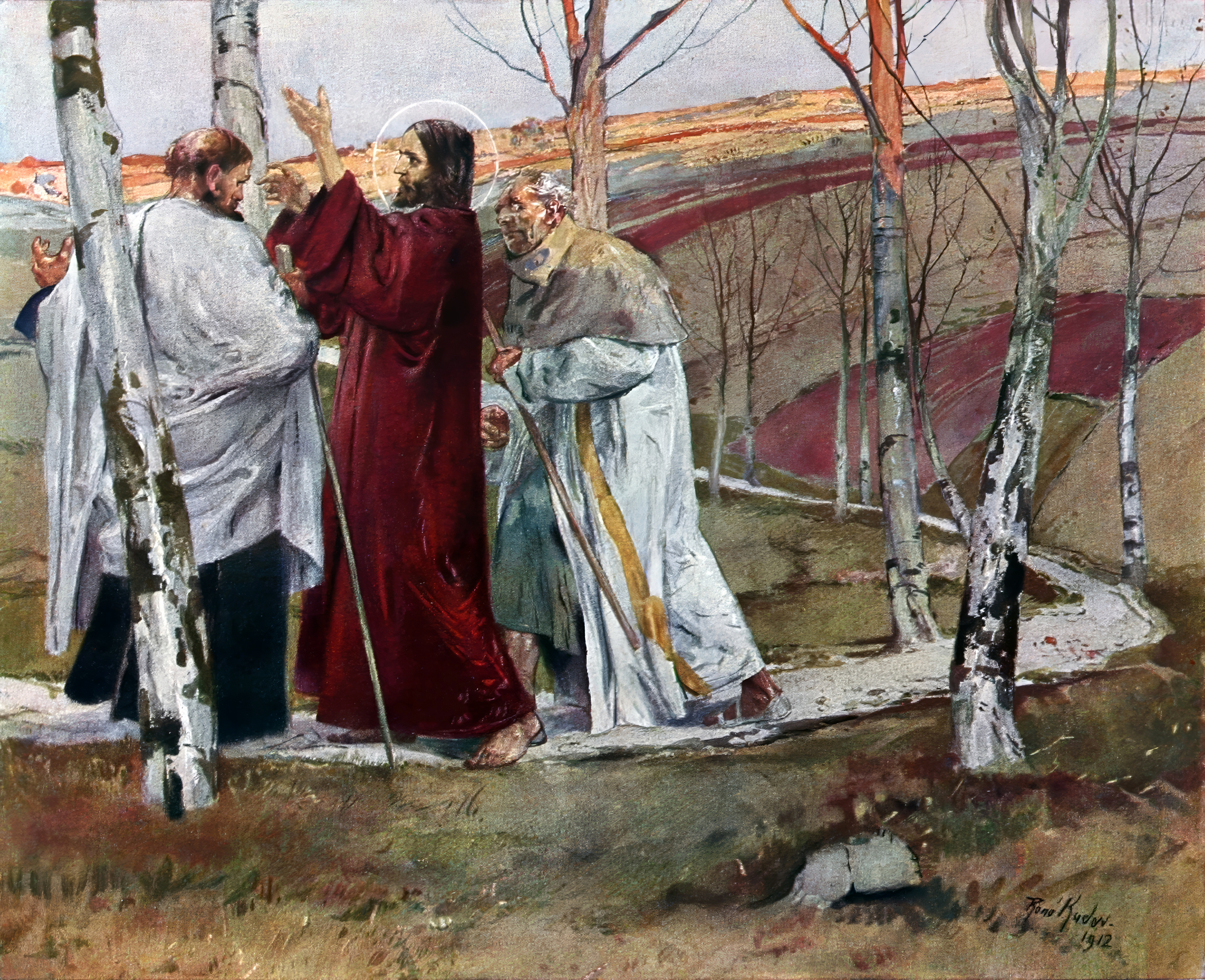
On the road to Emmaus, Cleopas says to Jesus, whom he does not recognize: “it is now the third day since this took place. Some women from our group, however, have astounded us: they were at the tomb early in the morning and did not find his body; they came back and reported that they had indeed seen a vision of angels who announced that he was alive.”

Jesus expresses disappointment in their initial lack of faith. “Oh, how foolish you are! How slow of heart to believe all that the prophets spoke!” It wasn’t until he broke the bread for them that “their eyes were opened and they recognized him.”

The sacristan’s words opened my eyes to the importance of spiritual diligence – doing everything needed for the salvation of my soul and the souls around me. Despite masks and a small “audience,” my granddaughter’s baptism brought great joy and when a few extra people showed up our priest welcomed them. 

Contact the Author


Hace cinco años, por estas fechas, bautizamos a nuestra primera nieta. Las reuniones públicas eran problemáticas en tiempos de pandemia. Eventos que deberían haber traído gran regocijo se vieron empañados por el miedo a la enfermedad. Nuestro párroco ofreció una ceremonia privada a la que podían asistir diez familiares con mascarilla. Nos preocupamos de quiénes serían esos diez. En tan solo nuestra familia inmediata éramos seis. Si a eso le sumamos el sacerdote, la bebé, su padre, un padrino que no era de la familia y mis padres, eran doce. No quedaba espacio para tías, tíos, primos, parejas ni para la devota familia bautista del padre.

La preocupación por los sentimientos heridos y las directivas de nuestra diócesis de que no se celebraran bautismos en grupo nublaron mi alegría por el bautismo pendiente. Sentía mucha responsabilidad por asegurarme de que se bautizara en la iglesia y lamenté mis preocupaciones al sacristán de otra iglesia donde yo era organista. Él y yo, un cantor, un lector y un sacerdote, éramos los únicos con permiso para estar presentes mientras se transmitía la misa en línea. 

“El bautismo de tu nieta no es solo para ella, sino para que sus padres y el resto de tu familia reciban esa gracia”, dijo. Esa declaración interrumpió mi impulso hacia el control piadoso y me recordó que la gracia otorgada en el bautismo también ayudaría a cubrir mis pecados. En lugar de preocuparme por la recepción de un sacramento, me había estado preocupando por una ceremonia y una celebración.

Nuestra diligencia fomenta la disipación de la voz engañosa del diablo, que continuamente nos reta a abandonar nuestra confianza deliberada en un Dios amoroso. Sin embargo, la primera lectura de hoy de los Hechos de los Apóstoles y el Salmo Responsorial nos recuerdan que debemos perseverar y no permitir que las preocupaciones del día debiliten nuestra fe. “Tengo siempre presente al Señor y con él a mi lado, jamás tropezaré”, dice el salmista. 

De camino a Emaús, Cleofás le dice a Jesús, a quien no reconoce: “han pasado ya tres días desde que estas cosas sucedieron. Es cierto que algunas mujeres de nuestro grupo nos han desconcertado, pues fueron de madrugada al sepulcro, no encontraron el cuerpo y llegaron contando que se les habían aparecido unos ángeles, que les dijeron que estaba vivo”.

Jesús expresa su decepción por su falta de fe inicial. “¡Qué insensatos son ustedes y qué duros de corazón para creer todo lo anunciado por los profetas!” No fue hasta que partió el pan que “se les abrieron los ojos y lo reconocieron”.

Las palabras del sacristán me abrieron los ojos a la importancia de la diligencia espiritual: hacer todo lo necesario para la salvación de mi alma y de las almas que me rodeaban. A pesar de las mascarillas y del reducido público, el bautizo de mi nieta me trajo una gran alegría y, cuando llegaron algunas personas de más, nuestro sacerdote les dio la bienvenida a ellos también.
Comunicarse con la autora


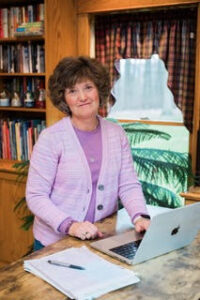
Beth Casteel, wife of 36 years, mother of four and grandmother of two, writes with a passion for uncovering the stories of ordinary people. She worked as a newspaper reporter and editor and has advanced degrees in communication studies and creative writing. She contributed to Cloud of Witnesses, 25 Stories of Saintly Inspiration and Intercession, and has written essays for both sacred and secular publications. Her work can be seen on substack bethcasteel.substack.com/ and at bethcasteel.com.

Feature Image Credit: Rene Kuder, art.diocesan.com/stock-photo/emmaus-20049/

The views and opinions expressed in the Inspiration Daily blog are solely those of the original authors and contributors. These views and opinions do not necessarily represent those of Diocesan, the Diocesan staff, or other contributors to this blog.
The Quiet Strength of St. Joseph / La fortaleza silenciosa de San José

My son Joseph studies engineering at a university thirty minutes from our home. He lives on campus, but when he returns to our noisy home, his quiet calm is palpable. He slips in the side door, a slight smile on his face, arms laden with a backpack and a basket of laundry. He stands silently in the middle of the kitchen floor and within seconds our 13-year-old chocolate Lab and 22-pound Siamese cat are encircling his legs. When he moves to the couch after dinner, the two granddaughters who live with us, ages 3 and 6, follow him – one cuddling up at his feet, the younger one scootching under the blanket to lie next to him. Even his bearded dragon, often dormant when he is away, perks up and starts slurping his worms again. 

When he leaves, my husband says to me, “your calm just walked out the door.”

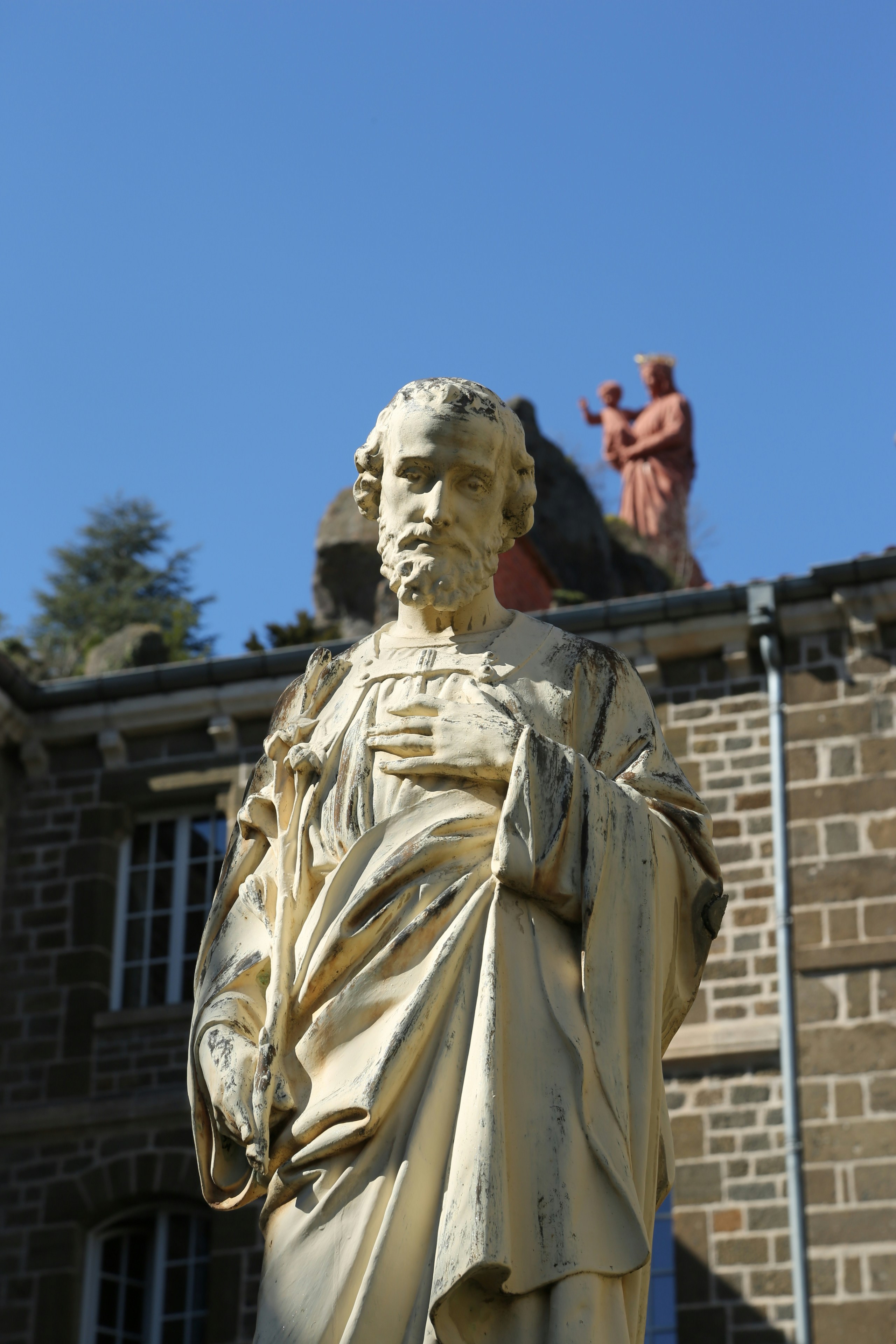
Saint Joseph remains quiet too. We know little of him except his genealogy in the line of David. “Jacob was the father of Joseph, the husband of Mary.” Saint Joseph is mentioned in all four Gospels, but says nothing. What we do know is that he shows up, he accompanies, he protects, he teaches, and, most of all, he provides safe shelter and quiet strength. 

Despite his silence, Saint Joseph is fully present in the early life of Jesus. He receives the message of the angel to travel to Bethlehem and later to Egypt and Nazareth with his little family. Together with Mary he is “anxious” when an adolescent Jesus disappears from their caravan and “astonished” when they find him among the teachers of the temple in Jerusalem. They searched for Jesus for at least three days. Imagine searching for a child for this long. No words of Joseph’s are recorded, yet his presence and his demeanor must have strengthened Mary.

In their humble family home, St. Joseph brought this quiet strength. Oh, good St. Joseph, bring it into our homes too. Teach us the value of silence, humility, and obedience. Be with us in our earthly struggles and at the hour of our death.

Contact the Author


Mi hijo Joseph estudia ingeniería en una universidad a treinta minutos de la casa. Vive en el campus, pero cuando regresa a nuestro hogar ruidoso, su calma serena es palpable. Entra por la puerta lateral, con una leve sonrisa, cargando una mochila y una cesta de ropa sucia. Se queda quieto en medio de la cocina y, en cuestión de segundos, nuestro labrador de trece años y nuestro gato siamés de diez kilos lo rodean. Cuando se sienta en el sofá después de cenar, sus dos nietas, de tres y seis años, que viven con nosotros, lo siguen: una se coloca a sus pies y la pequeña se mete bajo la manta para echarse a su lado. Incluso su dragón barbudo, que suele estar inactivo cuando él no está, se anima y vuelve a comer gusanos.

Cuando se va, mi esposo me dice: “Tu calma se ha ido por la puerta”.

San José también permanece silencioso. Poco sabemos de él, salvo su genealogía en la línea de David. Jacob fue el padre de José, el esposo de María. San José se menciona en los cuatro Evangelios, pero no dice nada. Sabemos que está presente, acompaña, protege, enseña y, sobre todo, brinda refugio seguro y fortaleza silenciosa.

A pesar de su silencio, San José está plenamente presente en la infancia de Jesús. Recibe el mensaje del ángel para viajar a Belén y, más tarde, a Egipto y Nazaret con su pequeña familia. Junto con María, se angustia cuando el adolescente Jesús desaparece de su caravana y se asombra al encontrarlo entre los maestros del templo en Jerusalén. Buscaron a Jesús durante al menos tres días. Imagínense buscar a un niño durante tanto tiempo. No se registran palabras de José, pero su presencia y su actitud debieron fortalecer a María.

En su humilde hogar, San José les brindó esa fortaleza silenciosa. Oh, buen San José, tráela también a nuestros hogares. Enséñanos el valor del silencio, la humildad y la obediencia. Acompáñanos en nuestras luchas terrenales y en la hora de nuestra muerte.

Comunicarse con la autora


Beth Casteel, wife of 36 years, mother of four and grandmother of two, writes with a passion for uncovering the stories of ordinary people. She worked as a newspaper reporter and editor and has advanced degrees in communication studies and creative writing. She contributed to Cloud of Witnesses, 25 Stories of Saintly Inspiration and Intercession, and has written essays for both sacred and secular publications. Her work can be seen on substack bethcasteel.substack.com/ and at bethcasteel.com.

Feature Image Credit: OMELI PODCAST, unsplash.com/photos/mans-statue-DcVFLfC55OI

The views and opinions expressed in the Inspiration Daily blog are solely those of the original authors and contributors. These views and opinions do not necessarily represent those of Diocesan, the Diocesan staff, or other contributors to this blog.

Proclaiming the Good News / Proclamar la Buena Nueva

Saints Cyril and Methodius, whose feast day we celebrate today, didn’t mean much to me until I started playing the organ at the church named after them. Like most of the other churches that were built in the late 19th and early 20th centuries in southwestern Pennsylvania, this 120-year-old parish was established to serve the coal mining communities. St. Cyril and Methodius parish served the Slavonic peoples of Slovak, Czech, and Polish descent. 

Our towns were forged on the backs of immigrants who came to dig the once-abundant seams of coal that powered the steel mills in Pittsburgh. While most of the coal mines are now closed, the “patch” towns that formed around them still decorate our landscape. Many churches still have remnants of their immigrant heritage. At St. Cyril and Methodius, traditional foods like pierogi (filled dumplings), and haluski (cabbage and noodles), are sold during Lent and a Wigilia (traditional Polish Christmas Eve dinner) is celebrated in Advent. 

My maternal and paternal great-grandparents immigrated from Austria, Poland, and Czechoslovakia. They landed north of Pittsburgh where they farmed, worked in the mill and in domestic service. In just two generations, much of their language and culture were lost as children and grandchildren were encouraged to embrace American life.

The church I grew up in and still belong to today – which is just ten minutes from St. Cyril and Methodius – was said to be the “Irish church,” but when my parents settled in this rural community at the foot of the mountains, they became members because it seemed that all were welcome.

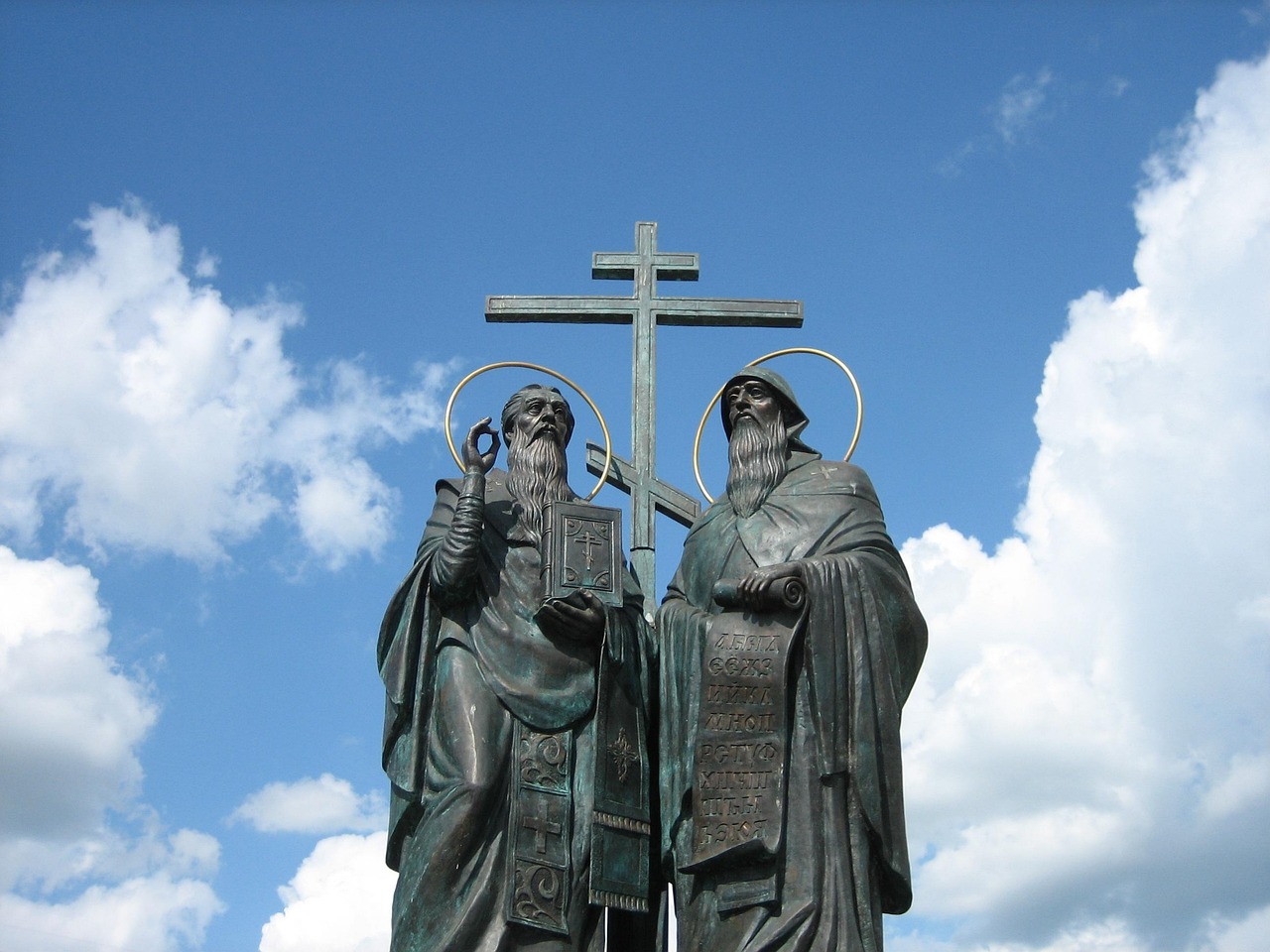
I wonder what my ancestors knew of Cyril and Methodius. Probably very little. I struggle to warm up to the images of these two staunch-looking elderly monks. They were born in Thessalonica as Michael (in 815) and Constantine (around 825) but took the religious names of Methodius and Cyril before beginning a missionary journey in 863. It is believed that their mother was of Slavic descent and therefore they were familiar with the language. Well educated, they took on significant translations. Cyril composed a Slavonic alphabet and Methodius contributed to the translation of the liturgy and Scripture. 

Like Our Lord, who “dismissed the crowd and got into the boat with his disciples and came to the region of Dalmanutha,” Cyril and Methodius traveled to unknown lands, their legacy casting across the sea to the foreigners who settled the Americas. May we follow their example by proclaiming the Good News to those we come into contact with each day. 

Contact the Author


Santos Cirilo y Metodio, cuya fiesta celebramos hoy, no significaron mucho para mí hasta que comencé a tocar el órgano en la iglesia que lleva su nombre. Como la mayoría de las iglesias construidas a finales del siglo XIX y principios del XX en el suroeste de Pensilvania, esta parroquia que tiene 120 años se fundó para servir a las comunidades mineras de carbón. La parroquia de Santos Cirilo y Metodio servía a los pueblos eslavos de ascendencia eslovaca, checa y polaca.

Nuestros pueblos se forjaron gracias a los inmigrantes que llegaron a extraer las abundantes vetas de carbón que alimentaban las acerías de Pittsburgh. Si bien la mayoría de las minas de carbón están cerradas, los pueblos que se formaron a su alrededor aún adornan nuestro paisaje. Muchas iglesias aún conservan tradiciones de su herencia inmigrante. En la iglesia de Santos Cirilo y Metodio, se venden comidas tradicionales como pierogi (empanadillas rellenas) y haluski (col y fideos) durante la Cuaresma, y ​​en Adviento se celebra una Wigilia (cena tradicional polaca de Nochebuena).

Mis bisabuelos maternos y paternos emigraron de Austria, Polonia y Checoslovaquia. Llegaron al norte de Pittsburgh, donde se dedicaron a la agricultura, trabajaron en el molino y en el servicio doméstico. En tan solo dos generaciones, gran parte de su lengua y cultura se perdió porque se animaba a hijos y nietos a adoptar la vida estadounidense.

La iglesia en la que crecí y a la que sigo perteneciendo, que está a solo diez minutos de Santos Cirilo y Metodio, se decía que era la “iglesia irlandesa”, pero cuando mis padres se establecieron en esta comunidad rural al pie de las montañas, se hicieron miembros porque parecía que todos eran bienvenidos.

Me pregunto qué sabían mis antepasados ​​de Cirilo y Metodio. Probablemente muy poco. Me cuesta aceptar la imagen de estos dos monjes ancianos de aspecto firme. Nacieron en Tesalónica como Miguel (en 815) y Constantino (alrededor de 825), pero adoptaron los nombres religiosos de Metodio y Cirilo antes de emprender un viaje misionero en 863. Se cree que su madre era de ascendencia eslava, por lo que dominaban el idioma. Con una buena educación, se encargaron de importantes traducciones. Cirilo compuso un alfabeto eslavo y Metodio contribuyó a la traducción de la liturgia y las Escrituras.

Al igual que Nuestro Señor, quien “se embarcó con sus discípulos y llegó a la región de Dalmanuta”, Cirilo y Metodio viajaron a tierras desconocidas, dejando su legado hasta el otro lado del océano a los extranjeros que se mudaron a las Américas. Que sigamos su ejemplo proclamando la Buena Nueva a diario a quienes nos rodean.

Comunicarse con la autora


Beth Casteel, wife of 36 years, mother of four and grandmother of two, writes with a passion for uncovering the stories of ordinary people. She worked as a newspaper reporter and editor and has advanced degrees in communication studies and creative writing. She contributed to Cloud of Witnesses, 25 Stories of Saintly Inspiration and Intercession, and has written essays for both sacred and secular publications. Her work can be seen on substack bethcasteel.substack.com/ and at bethcasteel.com.

Feature Image Credit: intererra, pixabay.com/photos/the-statue-kolomna-2171097/

The views and opinions expressed in the Inspiration Daily blog are solely those of the original authors and contributors. These views and opinions do not necessarily represent those of Diocesan, the Diocesan staff, or other contributors to this blog.

Light in the Darkness / Luz en la oscuridad

Today is my sixty-first birthday. I would love to be able to reminisce about a bucket list of interesting adventures from my sixtieth year, but those twelve months humbled me as I found myself caring for young grandchildren who live with us, accompanying my parents as they faced the struggles of aging, taming my anxieties about young adult children, and walking with my husband through prostate cancer. 

For years I dreaded my post-Christmas, dead of Pennsylvania, winter birthday. My mother likes to recall that I was born in a Pittsburgh snowstorm. What can there be to celebrate in the darkest days of winter? The back to back celebrations of All Hallows Eve and All Saints, Thanksgiving, Advent, and Christmas left me desperate for Ordinary Time. I had no room for one more slice of cake.

I clung to the Feast of Epiphany, which was originally always celebrated on January 6. I could follow my star, be enlightened about faith, and worship the newborn king. But in the 1970’s, Catholic Churches in the United States began moving the feast to the first Sunday after January 1st. I felt robbed. 

I spent time looking up saints who had feast days on Jan. 6 and again felt deflated. I felt no connection to Saint André Bessette, a sickly priest of the Congregation of the Holy Cross, who spent most of his life as doorkeeper at Notre Dame College in Montreal. But then, in January 1998, we got the news that a baby girl was born on January 5th in the Pacific coastal plain town of Escuintla, Guatemala. We would be adopting a second child. The proximity of our birthdays reawakened my gratitude for life. 

In today’s Gospel we are told that when Jesus saw the crowds “his heart was moved with pity for them, for they were like sheep without a shepherd; and he began to teach them many things.” It reminds me of the words of Isaiah: “The people who sit in darkness have seen a great light, on those dwelling in a land overshadowed by death light has arisen.” (Isa 9:2) The infertility my husband and I suffered was never cured, but the gift of our four children through adoption has granted us a share in that “profound peace” the psalmist speaks of.  

Most saint-of-the-day reflections on St. André, the eighth of twelve children born to French Canadians, say nothing of the fact that he was orphaned and adopted at age 12. When I discovered this overlooked fact it was an epiphany. This humble man who did the most menial of jobs for his congregation became known for the thousands of people who came to him for healing. Devoted to St. Joseph, St. André said that all healing came through the foster father of Jesus. St. André died on Jan. 6, 1937, just four years before my parents were born.  I was further taken aback when I discovered that, of all things, he is the patron saint of home caregivers

Lord be our light in the darkness. Saint André Bessette, pray for us!

Contact the Author


Hoy cumplo sesenta y un años. Me encantaría poder recordar una lista de aventuras interesantes de mis sesenta años, pero esos doce meses me hicieron sentir humilde al encontrarme cuidando a mis nietos pequeños que viven con nosotros, acompañando a mis padres en sus luchas por la vejez, controlando mis ansiedades por mis hijos adultos jóvenes y acompañando a mi esposo en su lucha contra el cáncer de próstata.

Durante años no me gustaba mi cumpleaños invernal, que caía después de la Navidad, en Pensilvania. A mi madre le gusta recordar que nací en una tormenta de nieve en Pittsburgh. ¿Qué se puede celebrar en los días más oscuros del invierno? Las celebraciones consecutivas de la Víspera de Todos los Santos y el Día de Todos los Santos, el Día de Acción de Gracias, el Adviento y la Navidad me llenaron de ansias por llegar al Tiempo Ordinario. No tenía espacio para un trozo más de pastel.

Me aferré a la Fiesta de la Epifanía, que originalmente se celebraba siempre el 6 de enero. Podía seguir a mi estrella, recibir iluminación sobre la fe y adorar al Rey recién nacido. Pero en la década de 1970, las iglesias católicas de Estados Unidos comenzaron a trasladar la fiesta al primer domingo después del primero de enero. Me sentí toda desanimada.

Pasé tiempo buscando los santos que se celebraban el 6 de enero y, de nuevo, me sentí desanimada. No sentía ninguna conexión con San Andrés Bessette, un sacerdote enfermizo de la Congregación de la Santa Cruz, que pasó la mayor parte de su vida como portero en el Colegio Notre Dame de Montreal. Pero entonces, en enero de 1998, recibimos la noticia del nacimiento de una niña el 5 de enero en Escuintla, un pueblo de la llanura costera del Pacífico, en Guatemala. Íbamos a adoptar a nuestra segunda hija. La proximidad de nuestros cumpleaños reavivó mi gratitud por la vida.

En el Evangelio de hoy se nos dice que Jesús vio una numerosa multitud y “se compadeció de ellos, porque andaban como ovejas sin pastor, y se puso a enseñarles muchas cosas”. Me recuerda las palabras de Isaías: “El pueblo que habitaba en tinieblas vio una gran luz; sobre los que habitaban en tierra de sombras de muerte, la luz resplandeció” (Isaías 9,2). La infertilidad que sufrimos mi esposo y yo nunca se curó, pero el don de nuestros cuatro hijos por adopción nos ha permitido compartir esa “paz” de la que habla el salmista.

La mayoría de las reflexiones sobre san Andrés, el octavo de doce hijos de francocanadienses, no mencionan que quedó huérfano y fue adoptado a los 12 años. Cuando descubrí este hecho pasado por alto, fue una gran revelación. Este hombre humilde, que realizaba los trabajos más serviles para su congregación, se hizo conocido por las miles de personas que acudían a él en busca de sanación. Devoto de san José, san Andrés decía que toda sanación provenía del padre adoptivo de Jesús. San Andrés falleció el 6 de enero del 1937, solo cuatro años antes de que nacieran mis padres. Me quedé aún más sorprendida al descubrir que, entre todas las cosas, es el santo patrón de los cuidadores de seres queridos.

Señor, sé nuestra luz en la oscuridad. ¡San Andrés Bessette, ruega por nosotros!

Comunicarse con la autora


Beth Casteel, wife of 36 years, mother of four and grandmother of two, writes with a passion for uncovering the stories of ordinary people. She worked as a newspaper reporter and editor and has advanced degrees in communication studies and creative writing. She contributed to Cloud of Witnesses, 25 Stories of Saintly Inspiration and Intercession, and has written essays for both sacred and secular publications. Her work can be seen on substack bethcasteel.substack.com/ and at bethcasteel.com.

Feature Image Credit: Couleur, pixabay.com/photos/winter-landscape-trees-frost-snow-4532412/

The views and opinions expressed in the Inspiration Daily blog are solely those of the original authors and contributors. These views and opinions do not necessarily represent those of Diocesan, the Diocesan staff, or other contributors to this blog.