Listen to Him / EscĂșchenlo

Today’s readings are pretty straightforward. Abraham is called by God, and he goes as the Lord directs him. The psalmist waits on God to watch over him and deliver him. Paul instructs Timothy to bear his share of hardship for the sake of the Gospel. Jesus is transfigured before the three Apostles, and the Father tells them to listen to Him. In each of these readings, God calls, and invites them to respond. 

God calls, we respond – a very simple formula, but there is a deceptiveness to it. In each of these cases, it is a demanding call. Abraham is called to leave the land of his kinsfolk and go to a foreign land, one that he knows nothing about except that God will show it to him. When? He doesn’t know. The psalmist prays to be delivered from death and to be shielded, implying that his situation is urgent. Paul’s call implies that Timothy will undergo trials. And Jesus’ Apostles will soon discover exactly what “listening to Him” means in their particular cases.

The act is simple, but the implications are complex. And this is the case for all of us. When God calls, we are invited to respond: “Yes,” “Whatever the Lord wills, I will do,” or “Speak, O Lord; Your servant is listening.” But the consequences will echo for the rest of our lives, in ways seen and unseen. Abraham’s acceptance of the call meant the birth of the Jewish people and, ultimately, the Messiah. The psalmist’s response led to a lifetime of trust in and favor from God. Timothy’s response led to a successful bishopric and a race ran well. The three Apostles’ responses led to their far-reaching evangelical efforts and their martyrdom.

This can seem daunting, so the examples in today’s readings help to calm us. Ultimately, it is good to know what their listening and following was founded on: unconditional trust in God. It is not always advisable to accept whatever someone proposes to us, but these men knew that God is not like others. He always knows what is best for us. Sometimes we may not understand His actions, but they are always trustworthy.

The readings remind us of the importance and the practical benefit of being docile to the will of God. When we know that God is calling us to something, when we are confident that the invitation comes from Him, the only sensible choice is to move forward. Just like Abraham did, as soon as we hear the call, may we pack up and be on our way.

Contact the author


Las lecturas de hoy son bastante claras. Dios llama a Abraham, y él va según la guía del Señor. El salmista espera que Dios lo proteja y lo libre. Pablo le indica a Timoteo que soporte su parte de las dificultades por causa del Evangelio. Jesús se transfigura ante los tres apóstoles, y el Padre les dice que lo escuchen. En cada una de estas lecturas, Dios llama y los invita a responder.

Dios llama, nosotros respondemos: una fórmula muy simple, pero algo deceptiva. En cada caso, es una llamada exigente. Abraham es llamado a dejar la tierra de sus padres e ir a una tierra extranjera, de la que no sabe nada, excepto que Dios se la mostrará. ¿Cuándo? No lo sabe. El salmista pide para ser librado de la muerte y protegido, lo que implica que su situación es urgente. El llamado de Pablo implica que Timoteo pasará por pruebas. Y los apóstoles de Jesús pronto descubrirán exactamente lo que significa “escucharlo” en sus casos particulares.

El acto es sencillo, pero sus implicaciones son complejas. Y esto nos sucede a todos. Cuando Dios nos llama, se nos invita a responder: “Sí”, “Haré lo que el Señor quiera” o “Habla, Señor; tu siervo escucha”. Pero las consecuencias resonarán durante el resto de nuestras vidas, de maneras visibles e invisibles. La aceptación del llamado por parte de Abraham significó el nacimiento del pueblo judío y, en última instancia, del Mesías. La respuesta del salmista lo llevó a una vida de confianza en Dios y a recibir su favor. La respuesta de Timoteo lo llevó a un obispado exitoso y a una carrera triunfal. Las respuestas de los tres apóstoles los impulsaron a realizar una labor evangelizadora de gran alcance y a su martirio.

Esto puede parecer abrumador, por lo que los ejemplos de las lecturas de hoy nos ayudan a tranquilizarnos. En definitiva, es bueno saber en qué se fundamentó su escucha y su seguimiento: en la confianza incondicional en Dios. No siempre es aconsejable aceptar todo lo que alguien nos propone, pero estos hombres sabían que Dios no es como los demás. Él siempre sabe lo que es mejor para nosotros. A veces, puede que no entendamos sus acciones, pero siempre son dignas de confianza.

Las lecturas nos recuerdan la importancia y el beneficio práctico de someternos a la voluntad de Dios. Cuando sabemos que Dios nos llama a algo, cuando estamos seguros de que la invitación viene de Él, la única opción sensata es seguir adelante. Como hizo Abraham, en cuanto oigamos el llamado, preparemos todo y pongámonos en marcha.

Comunicarse con el autor

David Dashiell is a freelance author and editor in the Nashville, Tennessee area. He has three children, a degree in theology, and enjoys writing about philosophy, theology, culture, music, and comedy. You can find his personal blog, Serious Daydreams, on Substack. He is also the editor of the anthology Ever Ancient, Ever New: Why Younger Generations Are Embracing Traditional Catholicism, available through TAN Books.

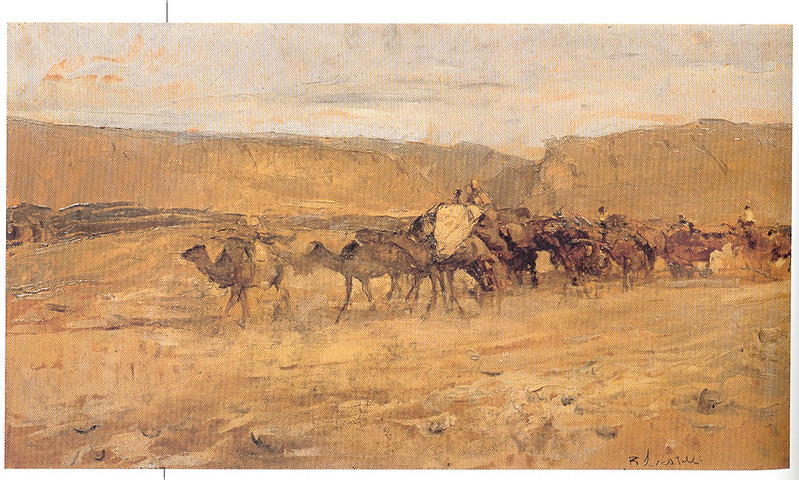
Feature Image Credit: Romualdo Locatelli, commons.wikimedia.org/wiki/File:Romualdo_Locatelli_-_Caravan_in_the_desert.jpg

The views and opinions expressed in the Inspiration Daily blog are solely those of the original authors and contributors. These views and opinions do not necessarily represent those of Diocesan, the Diocesan staff, or other contributors to this blog.
Imitating the Very Love of God / Imitando el amor de Dios

“You have heard that it was said, You shall love your neighbor and hate your enemy. But I say to you, love your enemies, and pray for those who persecute you, that you may be children of your heavenly Father, for he makes his sun rise on the bad and the good, and causes rain to fall on the just and the unjust” (Matthew 5:43-45).

Who are those people or groups that you tend to push away from your heart and your compassion? What stirs in you as you hear these words of Jesus and bring them near to your heart, as you look closely at these people and make yourself aware of the realities that are a part of their lives?

Jesus is not simply giving you a command here: grit your teeth and do the right thing. He is offering you an invitation to become whole, to grow into the fullness of your humanity by loving as God loves. Can you imagine yourself whole? Completely free from fear or resentment, complete in love, a love that pours itself on the “deserving” and the “undeserving” alike? What would feel different for you? What would be different? How would the world be different?

This is the world God is creating: a world without hatred, without division, without fear. A world of peace, of justice, of wholeness. Jesus is calling us to imitate the very love of God, a love that gives freely, indiscriminately, and unconditionally, “for he makes his sun rise on the bad and the good, and causes rain to fall on the just and the unjust.” 

But such love is not within our reach by human effort alone. To love enemies is not a skill we can master through discipline or sheer will. To love in this way is to live now as citizens of God’s future Kingdom. 

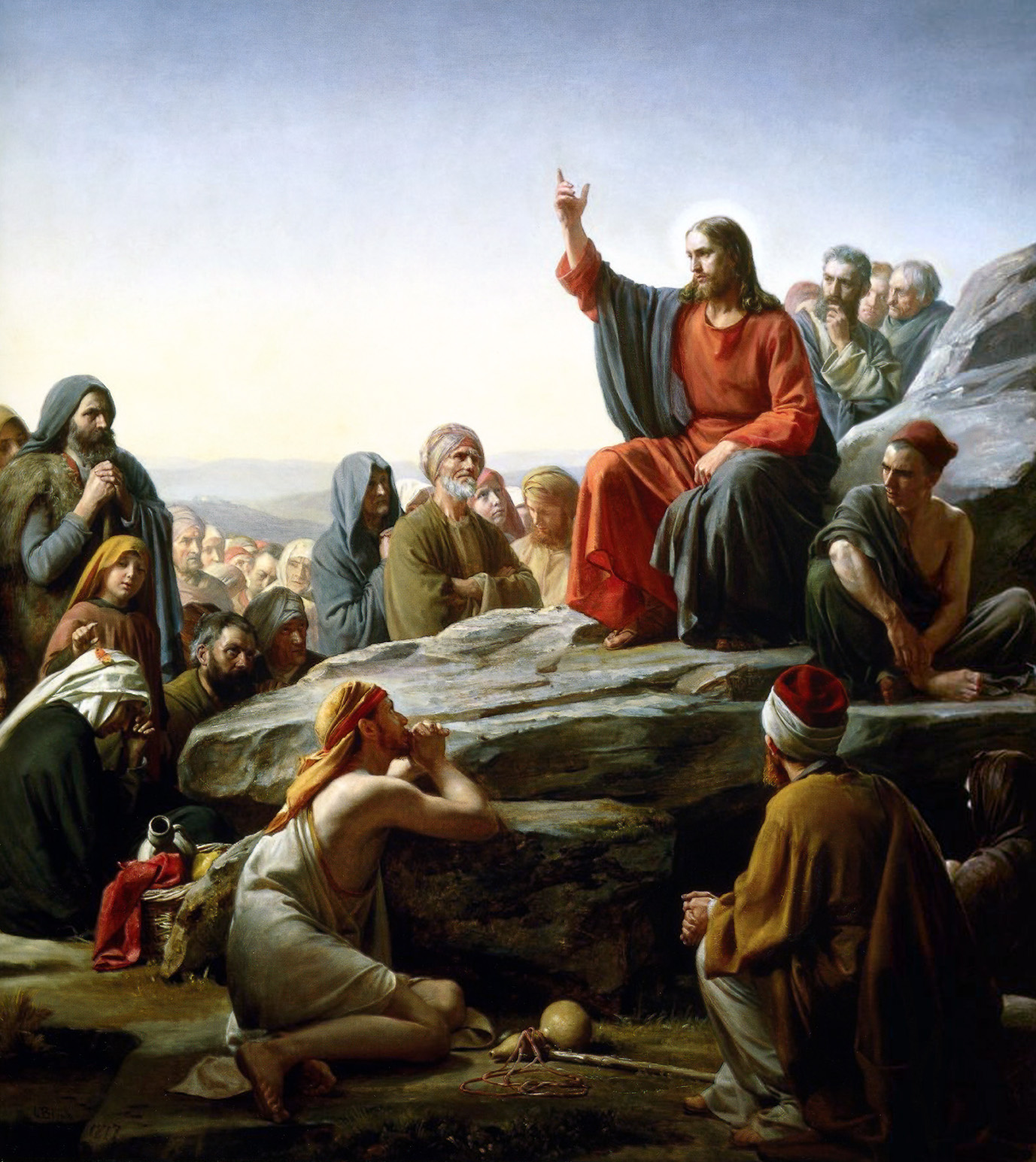
Those who first heard the Sermon on the Mount were astonished at Jesus’ teaching just as we are today each time it is proclaimed. It is beyond anything we, left to our own devices, could ever muster. Such a love can flow from our hearts if we receive the divine love that God extends to us, even though we don’t deserve it, often forget about it, and could never return it back to God in the same measure. This is the love out of which we were created and the love we were created for: a love with open hands and an open heart. 

By loving in this way—by loving even our enemies and those who hate us—by imitating God, we make the love of the Kingdom of God a current reality, and we participate in building that reality here and now, in whatever situation we live in, and with whoever our “enemy” is.

Contact the author


“Han oído que se dijo: Ama a tu prójimo y odia a tu enemigo. Yo, en cambio, les digo: Amen a sus enemigos, hagan el bien a los que los odian y rueguen por los que los persiguen y calumnian, para que sean hijos de su Padre celestial, que hace salir su sol sobre los buenos y los malos, y manda su lluvia sobre los justos y los injustos” (Mateo 5,43-45).

¿Quiénes son esas personas o grupos que sueles alejar de tu corazón y de tu compasión? ¿Qué te conmueve al escuchar estas palabras de Jesús y acercarlas a tu corazón, al observar a esas personas de cerca y tomar conciencia de las realidades que forman parte de sus vidas?

Jesús no te está simplemente mandando: aprieta los dientes y haz lo correcto. Te invita a ser pleno, a crecer en la plenitud de tu humanidad amando como Dios ama. ¿Te imaginas siendo pleno? Completamente libre de miedo y resentimiento, lleno de amor, un amor que se derrama tanto sobre los que lo merecen como sobre los que no lo merecen. ¿Qué te sentiría diferente? ¿Qué de hecho sería diferente? ¿Cómo sería diferente el mundo?

Este es el mundo que Dios está creando: un mundo sin odio, sin divisiones, sin miedo. Un mundo de paz, de justicia, de plenitud. Jesús nos llama a imitar el amor mismo de Dios, un amor que da libremente, indiscriminadamente e incondicionalmente, “que hace salir su sol sobre los buenos y los malos, y manda su lluvia sobre los justos y los injustos”.

Pero ese estilo de amor no está a nuestro alcance con tan solo el esfuerzo humano. Amar a los enemigos no es una habilidad que podamos dominar con disciplina o pura voluntad. Amar de esta manera es vivir aquí y ahora como ciudadanos del futuro Reino de Dios.

Quienes escucharon por primera vez el Sermón del Monte se asombraron de la enseñanza de Jesús, igual que nosotros hoy cada vez que lo oímos proclamado. Va más allá que cualquier cosa que pudiéramos lograr por nuestro propio esfuerzo. Un amor así puede brotar de nuestros corazones si recibimos el amor divino que Dios nos extiende, aunque no lo merezcamos, a menudo lo olvidemos, y nunca podríamos volverselo con la misma intensidad. Este es el amor del que fuimos creados y para el que fuimos creados: un amor con las manos y el corazón abiertos.

Al imitar a Dios amando así, incluso a nuestros enemigos y a quienes nos odian, hacemos que el amor del Reino de Dios sea una realidad presente y lo edificamos aquí y ahora, en cualquier situación que vivamos y con quienquiera que sea nuestro “enemigo”.

Comunicarse con la autora

Sr. Kathryn J. Hermes

Sr. Kathryn James Hermes, FSP, is an author and offers online evangelization as well as spiritual formation for people on their journey of spiritual transformation and inner healing. Website: www.touchingthesunrise.com My Books: https://touchingthesunrise.com/books/
Public Facebook Group: https://www.facebook.com/groups/srkathrynhermes/ HeartWork Spiritual Formation Group: https://touchingthesunrise.com/heartwork/

Feature Image Credit: Carl Bloch, Public domain, en.wikipedia.org/wiki/Sermon_on_the_Mount#/media/File:Bloch-SermonOnTheMount.jpg

The views and opinions expressed in the Inspiration Daily blog are solely those of the original authors and contributors. These views and opinions do not necessarily represent those of Diocesan, the Diocesan staff, or other contributors to this blog.

Make Straight the Path / Enderezar el camino

We often see or read on television or social media about people seeking justice for something that happened to them. I asked myself, what is justice? When I looked it up in the dictionary, I found this definition: “a moral principle that determines that everyone should live honestly.”

Today’s first reading says that we should not stray from justice because otherwise we commit evil, which causes us to fall into sin. At the same time, it recommends that if we make straight the path, accepting that we have sinned and reconciling ourselves to God, our sins will be forgiven. But how do we make straight the path to God? It’s simple: through the Sacrament of Reconciliation. We must examine our conscience and have the courage, strength, and humility to enter that tiny room where we come face to face with the priest, who is God’s intermediary for the forgiveness of our sins.

I remember going to confession as a teenager and the priest jokingly asking me, “How many sins are there?” Since I’m an introvert, it helped me to open up and speak more confidently through the mesh cloth that separated us.

In the Gospel, Matthew continues explaining what justice means to God, and that we must forgive our neighbors because otherwise we can also be condemned. One time, when I was coaching children’s soccer, my assistant wanted to separate the experienced players from the beginners. I knew this was unfair because we were all on the same team. My guard was up because we shouldn’t make any distinctions, especially toward those who are just starting out in a sport since it would make them feel bad. I had to speak up and confront my assistant so as not to fall into indifference and injustice.

Justice is about applying it to daily life and doing the best we can to avoid falling into sin. In today’s readings God is teaching us that we should be as just as possible in our daily lives, forgive our neighbors, and confess our sins, because we are not perfect beings. Remember that God is always waiting for you with open arms.

Contact the author


Muchas veces vemos o leemos por la televisión u otros medios de comunicación que las personas buscan justicia por alguna razón que les pasó en la vida. Me pregunto, ¿qué es la justicia? Al buscar en el diccionario encontré esta definición: “principio moral que lleva a determinar que todos deben vivir honestamente”.  

En la primera lectura de hoy dice que no debemos apartarnos de la justicia porque si no cometemos maldad, lo cual nos hace caer en el pecado. A la vez nos recomienda que si enderezamos el camino, aceptando que hemos pecado y nos reconciliamos con Dios, nuestros pecados serán perdonados. Pero, ¿cómo enderezamos el camino hacia Dios? Es simple: con el Sacramento de la Reconciliación. Hay que hacer un examen de conciencia, y tener el valor, la fortaleza y la humildad para ir a confesarte en ese cuarto pequeño donde te vas a encontrar cara a cara con el sacerdote, que es el intermediario de Dios para perdonar nuestros pecados. 

Me acuerdo cuando era adolescente e iba a confesarme, el sacerdote en forma de broma me decía “¿Cuántos pecados hay?” cómo soy introvertido, me ayudaba a poder hablar con más confianza a través de una malla que nos separaba entre él y yo. 

En el evangelio, Mateo sigue explicando cual es la justicia para Dios, y que debemos perdonar al prójimo porque si no también podemos ser condenados. Una vez cuando era entrenador de soccer para niños, mi asistente tenía la intención de separar a los jugadores que jugaban bien y los que recién empezaban, lo cual lo vi cómo una injusticia porque todos éramos un solo equipo. Me puse en alerta porque no había que hacer ninguna diferencia y menos hacer sentir mal a los niños que recién empezaban en el deporte. Tuve que hablar con el asistente para no caer en la indiferencia y la injusticia. 

La justicia se trata de aplicarla en la vida diaria y hacer lo mejor posible para no caer en el pecado. Dios nos está enseñando en las lecturas de hoy que debemos ser lo más justos posibles en la vida diaria, perdonar al prójimo y confesar nuestros pecados, porque no somos seres perfectos. Acuérdate que Dios siempre te espera con los brazos abiertos.

Comunicarse con el autor

Felix Urcia was born in Lima, Peru. He moved the U.S. to complete his college degree in Computer Science at Northern Kentucky University. He is passionate about his faith, his family, education and soccer. When he is not homeschooling and caring for his young children he enjoys personal programing projects and sports analysis. He and wife live in a small town in Western Michigan where they enjoy spending time with their five children.

Feature Image Credit: Steve Yang, unsplash.com/photos/walkway-at-middle-of-trees-FsC1wWCGWzg

The views and opinions expressed in the Inspiration Daily blog are solely those of the original authors and contributors. These views and opinions do not necessarily represent those of Diocesan, the Diocesan staff, or other contributors to this blog.

Knock, Knock / Toc, toc

“Ask and it will be given to you; seek and you will find; knock and the door will be opened to you” (Matt 7:7).

Kneeling in prayer before Mass, my heart was hurting for a loved one. Our relationship was severely strained and I was desperate. As I prayed, a door appeared in my mind. Somehow, I knew my answer lay on the other side of that door.  Suddenly, I was not quite sure if I wanted that door to open. God would open that door if I knocked, but then what?  Does He hand me the answer gift-wrapped with a hug?

I remember when I was a little girl trying to understand prayer, I squeezed my eyes tight and prayed to Jesus for an ice cream cone. Opening them, I was disappointed not to see it appear before me. No, God doesn’t usually work like that. Our prayers are not usually answered by magic tricks or beautiful presents. Usually, the answers to our prayers require something from us. What will he ask of me? More prayer? Fasting? Would he want me to give up coffee??

In the first reading, Queen Esther is in a difficult position. As queen, she must convince her husband, the king, to save her people. Having no idea how, she calls out: “Help me! I am alone and have no help but you, O Lord, my God!” (Esther 4:14) Haven’t we all called out to God like this?  Helplessness, brought on by a broken relationship, addiction, or a sick loved one can bring such despair that we are certain no one can possibly help us. But then we feel that niggling to knock at the door.  

At first nothing happens. How long will it take the door to open? Is Jesus in the back room? Does He hear us? We pound harder and more persistently. Does He want to know how serious we are before He bothers to open that door? When the door opens, we are surprised. Then we realize we must enter. Do we have the courage? Going in means a two-sided conversation with God, us asking and Him responding. His reply will tell us what is required of us. Are we willing to do what He says? 

Queen Esther trusted God. She had the courage to knock, ask, and do what God required of her.  Her prayer was answered. Reflecting on my “ice cream cone prayer,” I see that my prayer was answered as well, just not in the way I expected. Having had hundreds of ice cream cones since then, I see now that God required me to ask my parents, or to earn money, or even to ride my bike to the Dairy Queen.  Yet, I did all of those things and enjoyed many ice cream cones. 

As I see the door before me each morning, not knowing what Jesus will have me do (but hoping I do not have to give up coffee), I make a fist and raise it…“Knock, Knock.”

Contact the Author


“Pidan y se les dará; busquen y encontrarán; toquen y se les abrirá” (Mateo 7,7).

Arrodillada en oración antes de la misa, sentía un profundo dolor por un ser querido. Nuestra relación estaba muy tensa y yo estaba desesperada. Mientras rezaba, una puerta se abrió en mi mente. De alguna manera, supe que la respuesta estaba al otro lado. De repente, no estaba muy segura si quería que esa puerta se abriera. Dios la abriría si tocara, pero ¿y luego qué? ¿Me daría la respuesta envuelta en un abrazo?

Me acuerdo que cuando era niña, intentando comprender la oración, apretaba los ojos con fuerza y ​​le pedía a Jesús un helado. Al abrirlos, me decepcionó no verlo aparecer ante mí. No, Dios no suele obrar así. Nuestras oraciones no suelen ser respondidas con trucos de magia ni regalos bonitos. Normalmente, las respuestas a nuestras oraciones requieren algo de nosotros. ¿Qué me va a pedir? ¿Más oración? ¿Ayuno? ¿Va a querer que deje de tomar café?

En la primera lectura, la reina Ester se encuentra en una situación difícil. Como reina, tiene que convencer a su esposo, el rey, de salvar a su pueblo. Sin saber cómo, clama: “Protégeme, porque estoy sola y no tengo más defensor que tú, Señor, y voy a jugarme la vida” (Ester 4,14). ¿No hemos clamado todos a Dios así? La impotencia, causada por una relación rota, una adicción o un ser querido enfermo, puede generar tanta desesperación que estamos seguros de que nadie puede ayudarnos. Pero entonces sentimos la necesidad de tocar la puerta.

Al principio no sucede nada. ¿Cuánto tardará en abrirse la puerta? ¿Jesús está en el cuarto de atrás? ¿Nos oye? Llamamos con más fuerza y ​​persistencia. ¿Quiere saber qué tan serios somos antes de molestarse en abrir la puerta? Cuando la puerta se abre, nos sorprendemos. Entonces nos damos cuenta de que debemos entrar. ¿Tenemos el valor para hacerlo? Entrar significa una conversación con Dios: nosotros pidiendo y Él respondiendo. Su respuesta nos dirá qué se requiere de nosotros. ¿Estamos dispuestos a hacer lo que dice?

La reina Ester confió en Dios. Tuvo el valor de tocar, pedir y hacer lo que Dios le pidió. Su oración fue respondida. Al reflexionar sobre mi “oración del helado”, veo que mi oración también fue respondida, pero no de la manera que esperaba. Habiendo probado cientos de helados desde entonces, ahora veo que Dios me pidió que les pidiera a mis padres, que ganara dinero o incluso que fuera en bicicleta al Dairy Queen. Aun así, hice todas esas cosas y disfruté de muchos helados.

Al ver la puerta frente a mí cada mañana, sin saber qué querrá Jesús que haga (pero con la esperanza de no tener que dejar el café), cierro el puño y lo levanto…”¡Toc, toc!”

Comunicarse con la autora


Margaret Gartlgruber longs for moms to know: You are enough! It is not what you accomplish that matters – God delights in you every single moment simply just for being you! A semi-retired stay-at-home mom, wife, author, blogger, freelance writer, lay RC member Margaret blogs at https://ruledbybananas.com/. Contributing St. Monica to the Cloud of Witness book, you can learn more by signing up to her St. Monica Novena, and get free copy of 15 Simple Morning Prayers.

Feature Image Credit: Mehmet Turgut, pexels.com/photo/blonde-woman-in-sundress-knocking-door-18724401/

The views and opinions expressed in the Inspiration Daily blog are solely those of the original authors and contributors. These views and opinions do not necessarily represent those of Diocesan, the Diocesan staff, or other contributors to this blog.

Signs are Everywhere / Las señales estån por todas partes

Remember when traffic signs used to mean something? OK, that’s a bit of an exaggeration, but the older I get, the more I think people have come to think that the red octagon with the white “STOP” on it actually means “Slow down, and if something is coming, stop; if not, roll on through.” The “Speed Limit 55” sign, for the 40-some years I have been driving, never really meant “Drive no faster than 55.” At first it was something like 58 or 60; but over the years it became 62, then 63 or 64. Now I think it means “See no police? Then see what you can get away with.”

Today’s readings are about words, but they’re also about signs. Jonah’s words to the Ninevites, “Forty days more and Nineveh shall be destroyed,” are pretty straightforward. Jonah is saying something is wrong, and Nineveh is in trouble because of it. For their part, the Ninevites take those words to heart, and they act upon them. But they also recognize the sign that Jonah is a foreigner preaching the will of God to them. They then display signs of their own: fasting, wearing sackcloth, sitting in ashes, and repenting of their sin and evil. The king’s words are a confession, and he knows Nineveh must turn away from evil and hope in God’s mercy. There was no “let’s see what we can get away with” in his response.

In the Gospel, Jesus reminds the crowd how Jonah was a sign to the Ninevites, and they recognized that sign as being sent from God. Yet what is Jonah’s preaching compared to the sign right before their eyes? Jesus is their stop sign, their speed limit, right there for them to see and easy to interpret. Yet he knows their reaction is “what can we get away with?” Love God with your whole heart, soul, mind, strength. Love your neighbor as yourself. Pick up your cross and follow Jesus. His burden is easy and His yoke is light. 

The greatest sign of all has been shown to us. The message has been sent to us. Repent and believe in the Gospel. We have 40 days of Lent, which might not be 40 days until doomsday like Nineveh had, but our end will one day come. It’s never too late to repent, until it’s too late. Jesus is our sign. May we follow Him this Lent and always, for just like all those road signs out there, He always has our best interest in mind.

Contact the author


¿Recuerdan cuando las señales de tráfico significaban algo? Bueno, es una pequeña exageración, pero al transcurrir los años, más y más creo que la gente ha llegado a pensar que el octágono rojo con la palabra “STOP” (ALTO) significa en realidad: “Disminuya la velocidad, y si viene algo, deténgase; si no, siga adelante”. La señal de “Speed Limit 55” (Límite de Velocidad), durante más de 40 años que llevo manejando, nunca ha significado realmente: “No manejas a más de 55”. Al principio era algo así como 58 o 60; pero luego se convirtió en 62, luego en 63 o 64. Ahora creo que significa: “¿No hay policía por aca? Entonces voy a ver qué tan rápido puedo ir “.

Las lecturas de hoy se tratan de palabras, pero también de señales. Las palabras de Jonás a los ninivitas: “Dentro de cuarenta días Nínive será destruida”, son bastante directas. Jonás está diciendo que algo anda mal, y que Nínive está en problemas por ello. Por su parte, los ninivitas tomaron esas palabras en serio y las pusieron en práctica. Pero también reconocieron la señal de que Jonás era un extranjero que les predicaba la voluntad de Dios. Entonces mostraron sus propias señales: ayunaron, se vistieron de cilicio, se sentaron en ceniza y se arrepintieron de su pecado y maldad. Las palabras del rey son una confesión, y sabía que Nínive debía alejarse del mal y confiar en la misericordia de Dios. No hubo un “veamos cuánto podemos empujar los límites” en su respuesta.

En el Evangelio, Jesús le recuerda a la multitud cómo Jonás era una señal para los ninivitas, y ellos reconocieron esa señal como enviada por Dios. Sin embargo, ¿qué es la predicación de Jonás comparada con la señal que tenían ante sus ojos? Jesús es su señal de alto, su límite de velocidad, a la vista de todos y fácil de interpretar. Sin embargo, él sabía que su reacción era “¿cómo podemos empujar los límites?” Ama a Dios con todo tu corazón, alma, mente y fuerzas. Ama a tu prójimo como a ti mismo. Toma tu cruz y sigue a Jesús. Su carga es ligera y su yugo ligero.

La mayor señal de todas nos ha sido mostrada. El mensaje nos ha sido enviado. Arrepiéntanse y crean en el Evangelio. Tenemos 40 días de Cuaresma, que quizá no sean 40 días hasta el fin del mundo como los de Nínive, pero nuestro fin llegará algún día. Nunca es tarde para arrepentirse, hasta que sea demasiado tarde. Jesús es nuestra señal. Que lo sigamos esta Cuaresma y siempre, porque, al igual que todas esas señales de tráfico, él siempre tiene en mente nuestro bien mayor.

Comunicarse con el autor

Mike Karpus is a regular guy. He grew up in Michigan’s Upper Peninsula, graduated from Michigan State University and works as an editor. He is married to a retired Catholic school principal, raised two daughters who became Catholic school teachers at points in their careers, and now relishes his three young grandchildren. He serves on a Catholic school board and has served on pastoral councils, a building committee and a parish stewardship committee. He currently is a lector at Mass, a Knight of Columbus, vice president of a memorial scholarship committee and a board member of the local Habitat for Humanity organization. But mostly he’s a regular guy.



Feature Image Credit: Ray Reyes, unsplash.com/photos/white-and-black-speed-limit-55-sign-pafeEJXTDMI

The views and opinions expressed in the Inspiration Daily blog are solely those of the original authors and contributors. These views and opinions do not necessarily represent those of Diocesan, the Diocesan staff, or other contributors to this blog.

My Father Reminds Me / Mi padre me recuerda

One day, while complaining to my dad about how a friend treated me, my dad responded, “Do you pray the Our Father?” I said, “Yes, of course.” He asked, “How does it go?” Thinking my dad had lost some of his mind, I began reciting the prayer Jesus taught us in today’s Gospel reading.  

“Our Father, who art in heaven, hallowed by thy name…” When I got to the phrase, “as we forgive those who trespass against us,” My dad told me to repeat that phrase, so I started the sentence over feeling like a child rather than a mother of teens. He stopped me again at the end of that phrase and asked if I believed this prayer Jesus taught in Matthew 6. It took me a few seconds to comprehend what he was saying.  

When we pray the Our Father, we ask God to forgive us like we forgive others. Wow.  I needed that reminder. His frustrating but enlightening scolding caused me to stop and seriously reflect. How many times have I prayed the Our Father without thinking about whether or not I’m living out the words that I profess to believe.

I’d love to tell you that in the years following that exchange, I haven’t had any problems forgiving others, but this conversation with my dad has reoccurred multiple times in the years since. I’ll start complaining, and he says, “What’s that prayer Jesus taught us?”  “Daaadd!” I exclaim like a petulant teenager. 

But I’m now at the point where I hear my dad’s voice in my head, reminding me of those words: “…as we forgive those who trespass against us…” They remind me that God shows me mercy and forgiveness time and time again, and He is calling me to do the same to others. For assistance, I pray, “Lord, when I pray the words of the Our Father, I ask that you help me take them to heart and to live them in my daily life, especially when I find it difficult to forgive others the way you repeatedly forgive me. Amen.”

When you find it difficult to forgive, do the words of the Lord’s Prayer remind you of God’s mercy and forgiveness and that we are called to offer it to others?

Contact the Author


Un día, mientras me quejaba con mi papá sobre cómo me trataba una amiga, mi papá me respondió: “¿Rezas el Padrenuestro?” Le dije, “sí, claro”. Me preguntó, “¿y cómo va?” Pensando que mi papá se había vuelto loco, comencé a recitar la oración que Jesús nos enseñó en el Evangelio de hoy.

“Padre nuestro, que estás en los cielos, santificado sea tu nombre…”. Cuando llegué a la frase “como también nosotros perdonamos a los que nos ofenden”, mi papá me dijo que la repitiera, así que empecé a recitar la frase sintiéndome como una niña en lugar de como una mamá de adolescentes. Me interrumpió de nuevo al final de la frase y me preguntó si creía en esta oración que Jesús nos había enseñado en Mateo 6. Me demoré unos segundos entender lo que me estaba intentando decir.

Cuando rezamos el Padrenuestro, le pedimos a Dios que nos perdone como perdonamos a los demás. ¡Guau! Necesitaba ese recordatorio. Su regaño, frustrante pero esclarecedor, me hizo detenerme y reflexionar seriamente. ¿Cuántas veces he rezado el Padrenuestro sin pensar si estoy viviendo las palabras que profeso creer?

Me encantaría decirles que, en los años posteriores a ese intercambio, no he tenido ningún problema en perdonar a los demás, pero esta conversación con mi papá se ha repetido varias veces desde entonces. Empiezo a quejarme, y me dice: “¿Cuál es esa oración que nos enseñó Jesús?” “¡Papaaaá!”, le exclamo como una adolescente petulante.

Pero ahora escucho la voz de mi papá en mi cabeza, recordándome de esas palabras: “…como también nosotros perdonamos a los que nos ofenden…”. Me recuerdan que Dios me muestra misericordia y perdón una y otra vez, y me llama a hacer lo mismo con los demás. Para pedir ayuda, le pido: “Señor, cuando rezo el Padrenuestro, te pido que me ayudes a tomarlo en serio y a vivirlo en mi vida diaria, especialmente cuando me resulta difícil perdonar a los demás como tú me perdonas repetidamente. Amén”. 

Cuando te resulta difícil perdonar, ¿las palabras del Padrenuestro te recuerdan de la misericordia y el perdón de Dios y que estamos llamados a ofrecerlos a los demás?

Comunicarse con la autora


Lisa Henley Jones is a wife, mom, and native Texan. Her life is influenced by her Catholic faith and she shares it through writing and on her podcast, Of Sound Mind and Spirit, together with her sister, Shelly Kelly. For fun, Lisa enjoys reading, walking, dating her husband, and wearing the college colors of her young adult kids.

Feature Image Credit: StockSnap https://pixabay.com/photos/man-woman-couple-dinner-date-2557408/

The views and opinions expressed in the Inspiration Daily blog are solely those of the original authors and contributors. These views and opinions do not necessarily represent those of Diocesan, the Diocesan staff, or other contributors to this blog.

Recognizing Jesus in My Neighbor / Reconocer a JesĂșs en el prĂłjimo

This Gospel is one we have heard many times over. It was one of Mother Theresa’s favorites, as well as so many other saints, popes, holy men and women, and everyday ordinary people. We derive the Corporal Works of Mercy from this list, which Jesus uses as a measure for who will be welcomed into the Kingdom. While I love a good list as much as the next person (and this is absolutely a good and important list), I wonder if we can look a little beyond that list today.

Jesus says to those on the right, “Whatever you did for one of these least brothers of mine, you did for me.” The people in this parable were doing good works because they observed a need and took steps to fill it. They did not realize they were serving Jesus through their service to someone in need. In the same way, those on the left did not observe well the needs of those around them and therefore missed the opportunity to love Jesus through their neighbor.

We, the listeners, now have a different starting point than those in the parable. We know we are supposed to act like the ones on the right, but we have a new responsibility to see our neighbor in a different light. In order to enter the Kingdom, Jesus makes it clear that we must see our neighbor as Himself. 

We are surrounded by neighbors – we work with them, walk past them in the grocery store, stand in line with them, make breakfast for them, see them on the news. Each person we encounter is a child of God and presents us with an opportunity to love Jesus in that person. 

Jesus is clear, these works of mercy are essential to our salvation. We have to put our faith into practice in real, practical ways that give preferential option to the poor, lonely, and those in need. But, because of the Gospel today, we have new knowledge that has to be taken into account. These neighbors are not nameless, faceless boxes or tasks to be checked off on a checklist. They are Jesus. When we give, when we serve, when we act with love and mercy, do we recognize Jesus’ face in the person before us?

Contact the author


Este Evangelio lo hemos escuchado muchas veces. Era uno de los favoritos de la Madre Teresa, así como de tantos otros santos, papas, hombres y mujeres santos, y gente laica. De esta lista derivamos las Obras Corporales de Misericordia, que Jesús utiliza como medida para determinar quién será bienvenido en el Reino. Aunque me encanta una buena lista igual que cualquiera (y esta es sin duda una lista buena e importante), me pregunto si hoy podemos mirar un poco más allá.

Jesús les dice a los de la derecha: “cuando lo hicieron con el más insignificante de mis hermanos, conmigo lo hicieron”. Las personas de esta parábola hacían buenas obras porque percibieron una necesidad y se pusieron manos a la obra para satisfacerla. No se dieron cuenta de que estaban sirviendo a Jesús al servir a alguien necesitado. Del mismo modo, los de la izquierda no observaron bien las necesidades de quienes los rodeaban y, por lo tanto, perdieron la oportunidad de amar a Jesús a través del prójimo.

Nosotros, los oyentes, ahora tenemos un punto de partida diferente al de los de la parábola. Sabemos que debemos actuar como los de la derecha, pero tenemos la nueva responsabilidad de ver al prójimo desde una perspectiva diferente. Para entrar en el Reino, Jesús deja claro que debemos ver al prójimo como a Él mismo.

Estamos rodeados de prójimos: trabajamos con ellos, nos cruzamos con ellos en el supermercado, hacemos cola con ellos, les preparamos el desayuno, los vemos en las noticias. Cada persona que encontramos es un hijo de Dios y nos brinda la oportunidad de amar a Jesús en esa persona.

Jesús lo deja bien claro: estas obras de misericordia son esenciales para nuestra salvación. Debemos poner en práctica nuestra fe de maneras reales y prácticas que den preferencia a los pobres, los solitarios y los necesitados. Pero, gracias al Evangelio de hoy, tenemos un nuevo conocimiento que debemos tomar en cuenta. Estos vecinos no son casillas sin nombre ni rostro, ni tareas que marcar en una lista. Son Jesús. Cuando damos, cuando servimos, cuando actuamos con amor y misericordia, ¿reconocemos el rostro de Jesús en la persona que tenemos enfrente nuestro?

Comunicarse con la autora

Kate Taliaferro is an Air Force wife and mother. She is blessed to be able to homeschool, bake bread and fold endless piles of laundry. When not planning a school day, writing a blog post or cooking pasta, Kate can be found curled up with a book or working with some kind of fiber craft. Kate blogs at DailyGraces.net.
Feature Image Credit: viarami, pixabay.com/photos/woman-broom-workers-street-cleaner-7494708/

The views and opinions expressed in the Inspiration Daily blog are solely those of the original authors and contributors. These views and opinions do not necessarily represent those of Diocesan, the Diocesan staff, or other contributors to this blog.

Jesus Shows Us How to Live / JesĂșs nos muestra cĂłmo vivir

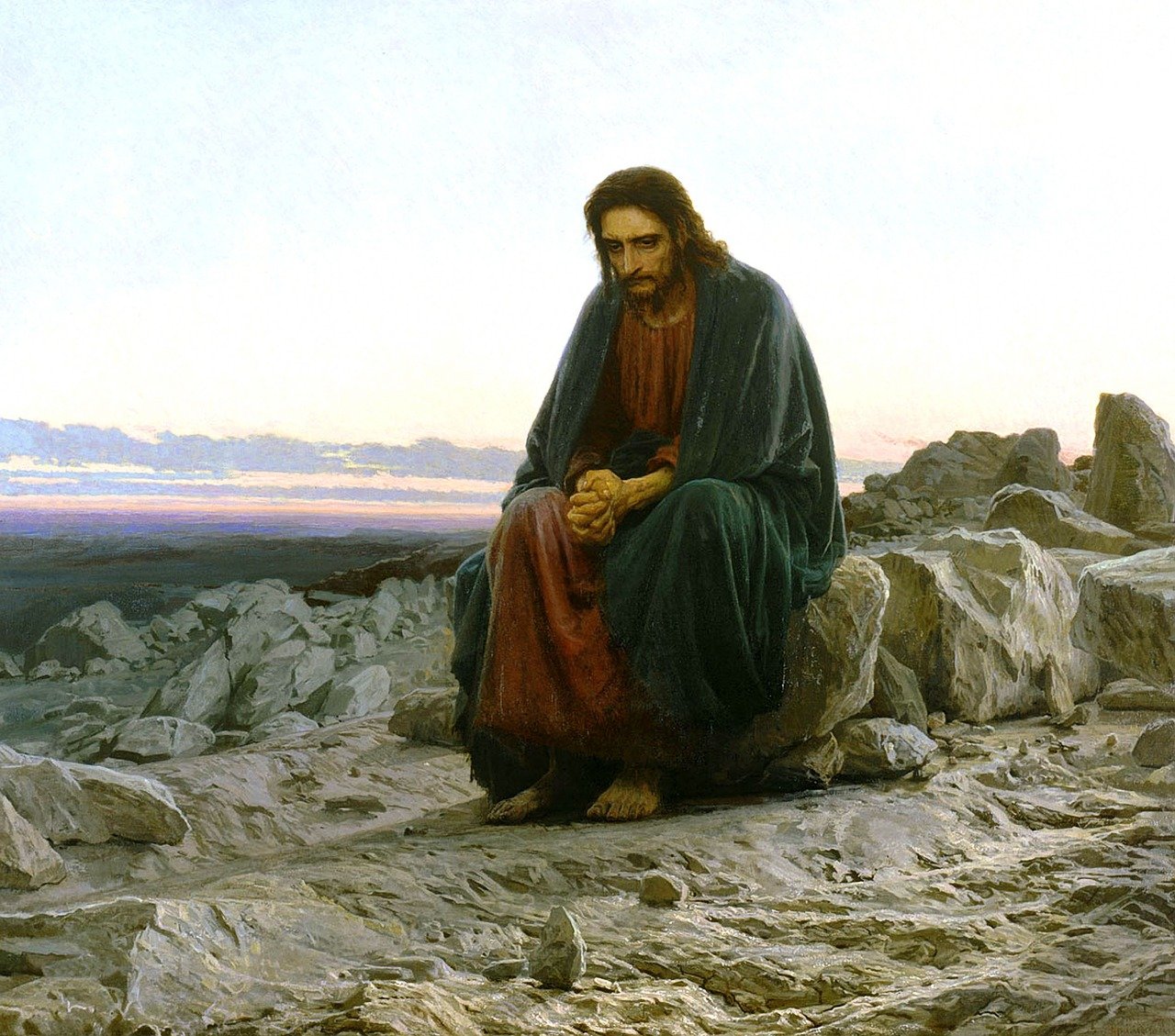
I have heard a couple commentaries on today’s Gospel that have stayed with me. The first offers this passage as a practical way for each of us to combat the temptations we experience. Jesus relies on the word of God to refute Satan. Three times he is tempted and three times he responds with “it is written.” Jesus knows the power of God’s Word – He is God’s Word – and we do too. 

The Bible is filled with God’s Word and it helps us in our own challenges and temptations. We have the Ten Commandments as a skeleton to hold us up. We have the Beatitudes to show us how to live. There are all kinds of parables to aid us in understanding what God desires of us. We also have recourse to Him – Jesus, the Living Word –  when we need help. We know we can call on Him and He will be there. We know the power of His name. Sometimes that may be all we can muster, but it is sufficient. The name of Jesus has authority and power. 

The second commentary compared the three temptations of Jesus to the Israelites. The Israelites wandered in the desert for forty years. Jesus spent forty days and forty nights there. The Israelites put the Lord to the test three times and failed. Jesus was tempted three times and was victorious. 

Throughout the New Testament, Jesus models for us how to live. He demonstrates compassion, truth, and forgiveness and expects us to do the same. He truly is the fulfillment of the old covenant, tying up the loose ends, and bringing us all to salvation. 

Contact the author


He escuchado un par de comentarios sobre el Evangelio de hoy que me han quedado grabados. El primero ofrece este pasaje como una manera práctica para que cada uno de nosotros combata las tentaciones que experimentamos. Jesús se basa en la palabra de Dios para refutar a Satanás. Tres veces es tentado y tres veces responde con “está escrito”. Jesús conoce el poder de la Palabra de Dios – Él es la Palabra de Dios – y nosotros también lo conocemos.

La Biblia está llena de la Palabra de Dios y nos ayuda en nuestros propios desafíos y tentaciones. Tenemos los Diez Mandamientos como esqueleto que nos mantiene rectos. Tenemos las Bienaventuranzas para mostrarnos cómo vivir. Hay todo tipo de parábolas que nos ayudan a comprender lo que Dios desea de nosotros. También recurrimos a Él, Jesús, la Palabra Viva, cuando necesitamos ayuda. Sabemos que podemos invocarlo y Él estará allí. Conocemos el poder de su nombre. A veces puede que eso sea todo lo que podamos hacer, pero es suficiente. El nombre de Jesús tiene autoridad y poder.

El segundo comentario que escuché comparó las tres tentaciones de Jesús con los israelitas. Los israelitas vagaron por el desierto durante cuarenta años. Jesús pasó cuarenta días y cuarenta noches allí también. Los israelitas pusieron a prueba al Señor tres veces y fracasaron. Jesús fue tentado tres veces y salió victorioso.

A lo largo del Nuevo Testamento, Jesús nos da un ejemplo de cómo vivir. Demuestra compasión, verdad y perdón, y espera que hagamos lo mismo. Él es verdaderamente el cumplimiento de la antigua alianza, atando los cabos sueltos y llevándonos a todos a la salvación.

Comunicarse con la autora

Merridith Frediani loves words and is delighted by good sentences. She also loves Lake Michigan, dahlias, the first sip of hot coffee in the morning, millennials, and playing Sheepshead with her husband and three kids. She writes for Catholic Mom, Diocesan.com, and her local Catholic Herald. Her first book Draw Close to Jesus: A Woman’s Guide to Adoration is available at Our Sunday Visitor and Amazon. You can learn more at merridithfrediani.com.
Feature Image Credit: Timeship, pixabay.com/illustrations/painting-artwork-art-russian-art-1023419/

The views and opinions expressed in the Inspiration Daily blog are solely those of the original authors and contributors. These views and opinions do not necessarily represent those of Diocesan, the Diocesan staff, or other contributors to this blog.

Follow Me / SĂ­gueme

Matthew, the tax collector, has a personal encounter with Jesus marked by a simple instruction: “Follow me.” What did Matthew see in Jesus’ gaze which signaled to him that following would bring something greater? This change of heart causes him to leave his unworthy tax post quickly and follow Jesus. Perhaps he felt an acceptance and love he was not used to, but deeply longed for, which drove him to become the great evangelist who wrote the Gospel of Matthew. 

Can you imagine just meeting a stranger and trusting them completely? We live in a world full of deception, where scammers target our hard-earned money. Having almost fallen victim several times, I’m very cautious about where I place my trust. Who can we truly trust these days? A relationship with the Lord is built on trust.   

Help me to follow You each day, Jesus, and trust in You.

It is the love of Christ that changes our hearts from chasing worldly things to longing for what is eternal. Jesus invites us into a relationship with Him, helping us to see His presence in our lives. He desires our love but respects our free will to choose to follow Him. 

Help me to follow You each day, Jesus, and fully embrace Your love. 

His love is free; we don’t need to earn it or be pious to receive it. He accepts us wherever we are. We are never too unclean to approach Jesus because he calls sinners, not the righteous. The Lord never gave up on Peter, despite his three denials. The Lord knows us intimately, with all our weaknesses. His Sacred Heart longs to be united with ours if we choose to make that commitment. It’s never too late to do the right thing. 

Help me to follow You each day, Jesus, with sincere dedication to You.  

Levi hosted a banquet for Jesus to show his appreciation for being chosen. Jesus attended despite the Pharisees’ disapproval, who couldn’t accept His fellowship with sinners. Yet, Jesus was undeterred by their rebuke, responding, “Those who are healthy do not need a physician, but the sick do. I have not come to call the righteous to repentance but sinners.” Jesus always spoke the truth, even when it was deemed unacceptable by others.  

Help me to follow You each day, Jesus, and walk in Your truth.     

Standing firm in God’s truth is challenging in a world that often distorts reality. We might stay silent out of fear of offending others or, worse, provoking them. But I don’t want to settle for the illusion of truth; I want God’s truth. Today’s psalm reads, “Teach me your way, O Lord, that I may walk in your truth.” 

Sharing our knowledge and love of Jesus is a gift, allowing us to plant small seeds of faith in the lives of others, especially the poor, whom Jesus loved so well. As the fruits of the Kingdom of God take root, we will hear Jesus’ familiar voice calling, “Follow me!”

Contact the Author


Mateo, el recaudador de impuestos, tiene un encuentro personal con Jesús marcado por una simple instrucción: “Sígueme”. ¿Qué vio Mateo en la mirada de Jesús que le indicó que seguirlo traería algo más grande? Este cambio de actitud lo lleva a dejar rápidamente su indigno puesto de recaudador de impuestos para seguir a Jesús. Quizás sintió una aceptación y un amor a los que no estaba acostumbrado, pero que anhelaba profundamente, y lo impulsó a convertirse en el gran evangelista que escribió el Evangelio de Mateo.

¿Te imaginas recién haberte encontrado con un desconocido y decidir confiar plenamente en él? Vivimos en un mundo lleno de engaños, donde los estafadores se aprovechan de nuestro dinero duramente ganado. Habiendo estado a punto de ser víctima varias veces, soy muy cauteloso con respecto a dónde deposito mi confianza. ¿En quién podemos confiar verdaderamente hoy en día? Una relación con el Señor se basa en la confianza.

Ayúdame a seguirte cada día, Jesús, y a confiar en ti.

Es el amor de Cristo lo que transforma nuestros corazones para dejar de perseguir las cosas mundanas y anhelar lo eterno. Jesús nos invita a una relación con él, ayudándonos a ver su presencia en nuestras vidas. Él desea nuestro amor, pero respeta nuestro libre albedrío para elegir seguirlo.

Ayúdame a seguirte cada día, Jesús, y a abrazar plenamente tu amor.

Su amor es gratuito; no necesitamos ganárnoslo ni ser piadosos para recibirlo. Él nos acepta dondequiera que estemos. Nunca somos demasiado impuros para acercarnos a Jesús porque él llama a pecadores, no a justos. El Señor nunca se dio por vencido con Pedro, a pesar de sus tres negaciones. El Señor nos conoce íntimamente, con todas nuestras debilidades. Su Sagrado Corazón anhela unirse al nuestro si elegimos comprometernos a Él. Nunca es demasiado tarde para hacer lo correcto.

Ayúdame a seguirte cada día, Jesús, con sincera dedicación a ti.

Leví ofreció un banquete para Jesús como muestra de su agradecimiento por haber sido elegido. Jesús asistió a pesar de la desaprobación de los fariseos, quienes no podían aceptar su comunión con los pecadores. Sin embargo, Jesús no se dejó intimidar por su reprimenda y respondió: “No son los sanos los que necesitan al médico, sino los enfermos. No he venido a llamar a los justos, sino a los pecadores”. Jesús siempre decía la verdad, incluso cuando otros la consideraban inaceptable.

Ayúdame a seguirte cada día, Jesús, y a vivir en tu verdad.

Mantenerse firme en la verdad de Dios es un desafío en un mundo que a menudo distorsiona la realidad. Podemos quedarnos callados por miedo a ofender a otros o, peor aún, a provocarlos. Pero no quiero conformarme con la ilusión de la verdad; quiero la verdad de Dios. El salmo de hoy dice: “Señor, enséñame a seguir fielmente tus caminos”.

Compartir nuestro conocimiento y amor por Jesús es un regalo que nos permite sembrar pequeñas semillas de fe en la vida de los demás, especialmente en la de los pobres, a quienes Jesús tanto amó. A medida que los frutos del Reino de Dios arraiguen, escucharemos la voz familiar de Jesús que nos llama: “¡Sígueme!”

Comunicarse con la autora


Charlene Unterkofler is a Catholic convert who nurtures her spiritual growth by serving the poor in the Society of St. Vincent de Paul and guiding the formation of other Vincentians through her writing and workshops. She co-authored “Cloud of Witnesses, 25 Stories of Saintly Inspiration and Intercession,” with the PraiseWriters community. She enjoys playing cribbage with her husband and reading to her grandsons. Discover more at gentleservant.com.

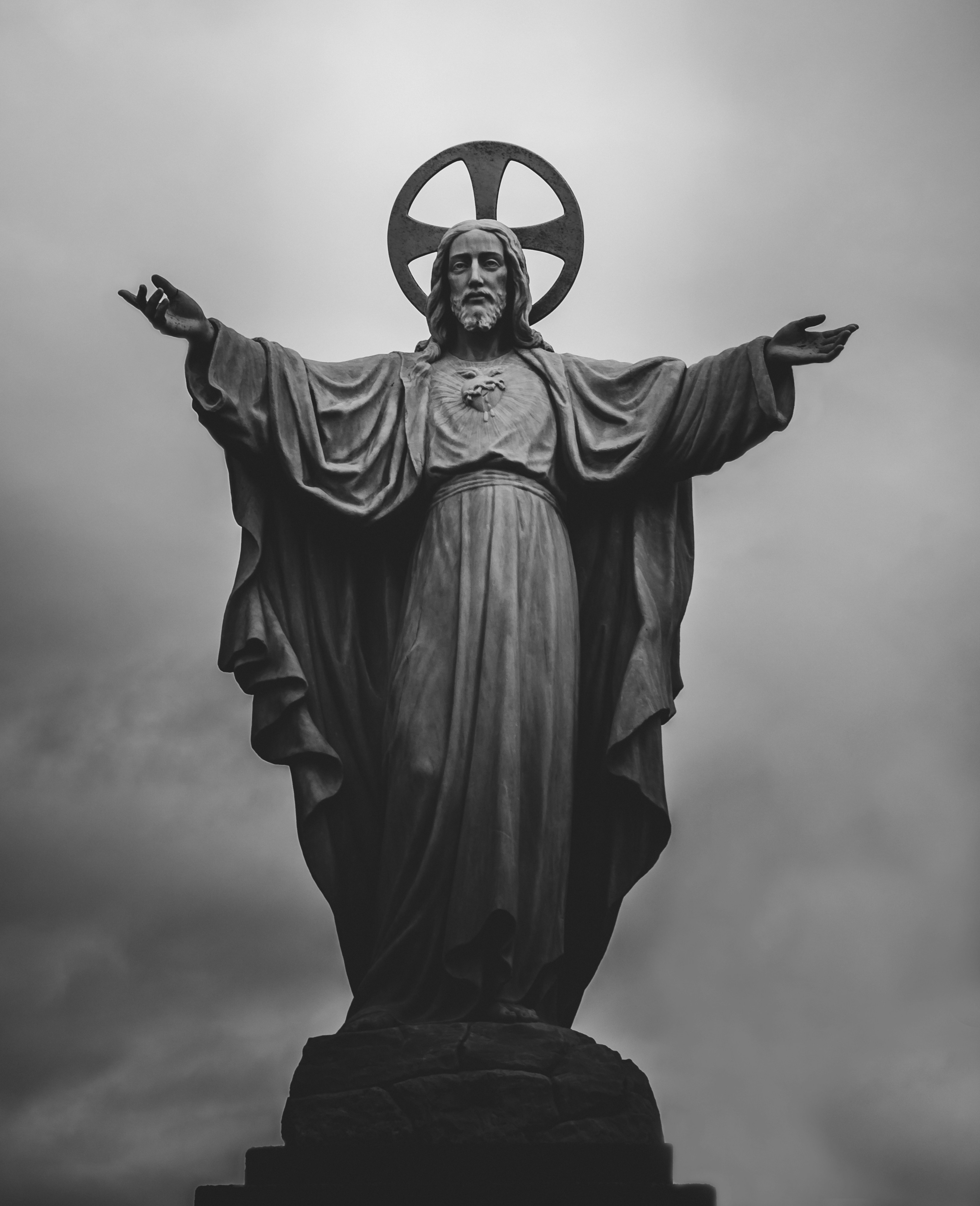
Feature Image Credit: Arturo Rey, unsplash.com/photos/grayscale-photograph-of-jesus-christ-statue-CvnVk7GGQCg

The views and opinions expressed in the Inspiration Daily blog are solely those of the original authors and contributors. These views and opinions do not necessarily represent those of Diocesan, the Diocesan staff, or other contributors to this blog.

The Bridegroom and the Bride / El Novio y la novia

I have found in my marriage that there are seasons: sweet times, such as vacations together, quiet talks, or laughing with the kids, and difficult times, including arguments, illness, financial distress, and prolonged physical distance. There are times when we feel very close and really sense that “the two become one” and other times when we feel distant, as if we don’t even know who the other is.

As spouses, we are called to give ourselves to each other in each situation, but the way we give of ourselves changes from one time to another. It is easy to give and receive love when we are physically and emotionally close or when things are going well, but more difficult when we feel distant or disagree about something major. Working through a fragile forgiveness and reconciliation takes a different sort of giving and receiving than having a light-hearted conversation.

Marriage models the relationship God invites us to have with Him. We, the Church, are the bride, and Jesus is the Bridegroom. Jesus has given Himself to us in the Incarnation, while walking among us, and through the cross, and He continues to give Himself to us in the Eucharist and in countless other ways. Though we do not experience Jesus in the same way that His disciples did, who physically walked and talked with Him, Jesus continues to give of Himself for us, His bride. 

Similarly, we humans are called to not only receive Him but to give ourselves back to Him in a reciprocal way, as spouses receive from the other and give themselves in return. This will look different in times of joy and consolation than it does in times of difficulty and dryness. It also looks different for us now than it did during the time that Jesus physically walked the earth. 

Jesus said in today’s reading, “The days will come when the bridegroom is taken away from them, and then they will fast” (Mt 9:15). Just as the cross is a way in which Jesus gives Himself to us, fasting – a sacrifice we make out of love for Him – is a way that we can give ourselves back to Him and unite ourselves with Him. When giving of ourselves is most difficult, when it is sacrificial, is often when it is the most transforming. The gifts that require more of us demonstrate the greatest love and help love to grow the most. 

Let us continue to give of ourselves in various ways, including fasting, until we meet the Bridegroom face-to-face and are united with Him in the heavenly banquet.

Contact the author


He descubierto que en mi matrimonio hay diferentes épocas: momentos dulces, como vacaciones juntos, charlas tranquilas o risas con los niños, y momentos difíciles, como discusiones, enfermedades, dificultades económicas y una distancia física prolongada. Hay momentos en los que nos sentimos muy unidos y realmente sentimos que “los dos se convierten en uno” y otros en los que nos sentimos distantes, como si ni siquiera nos conocieramos.

Como esposos, estamos llamados a entregarnos el uno al otro en cada situación, pero la forma en que nos entregamos cambia de un momento a otro. Es fácil dar y recibir amor cuando estamos física y emocionalmente unidos o cuando las cosas van bien, pero es más difícil cuando nos sentimos distantes o discrepamos sobre algo importante. Superar un perdón y una reconciliación frágiles requiere una forma de dar y recibir diferente a la de tener una conversación informal.

El matrimonio modela la relación que Dios nos invita a tener con Él. Nosotros, la Iglesia, somos la novia, y Jesús es el Novio. Jesús se entregó a nosotros en la Encarnación, al caminar entre nosotros y a través de la cruz, y continúa entregándose en la Eucaristía y de innumerables otras formas. Aunque no experimentamos a Jesús de la misma manera que sus discípulos, quienes físicamente caminaron y hablaron con él, Jesús continúa entregándose por nosotros, su novia.

De igual manera, los seres humanos estamos llamados no solo a recibirlo, sino a entregarnos a Él de manera recíproca, como los esposos reciben del otro y se entregan a cambio. Esto se verá diferente en tiempos de alegría y consuelo que en tiempos de dificultad y aridez. También se ve diferente para nosotros ahora que durante el tiempo en que Jesús caminó físicamente sobre la tierra.

Jesús dijo en la lectura de hoy: “vendrán días en que les quitarán al esposo, y entonces sí ayunarán” (Mt 9,15). Así como la cruz es una forma en que Jesús se entrega a nosotros, el ayuno —un sacrificio que hacemos por amor a Él— es una forma de devolvernos a Él y unirnos a Él. Cuando entregarnos es más difícil, cuando es un sacrificio, es a menudo cuando resulta más transformador. Los dones que exigen más de nosotros demuestran el mayor amor y ayudan a que el amor crezca al máximo.

Sigamos entregándonos de diversas maneras, incluyendo el ayuno, hasta que nos encontremos cara a cara con el Novio y nos unamos a Él en el banquete celestial.

Comunicarse con la autora

Kimberly Andrich writes from the perspective of having a hidden, chronic illness and experiencing a deep, continuous conversion through being yoked to Jesus in the day-to-day trials and joys of life. She is a wife, mother of 5, and daughter of the King. Kimberly also writes for Catholicmom.com and on fallingonhisgrace.substack.com.

Feature Image Credit: freestocks, unsplash.com/photos/sitting-woman-leaning-on-mans-shoulder-facing-lake-during-golden-hour-a1Fmxesw31g

The views and opinions expressed in the Inspiration Daily blog are solely those of the original authors and contributors. These views and opinions do not necessarily represent those of Diocesan, the Diocesan staff, or other contributors to this blog.

We Have Choices / Tenemos opciones

God has given us the gift of free will. In the first reading today Moses is explaining, very clearly, the choices the people of Israel have and the outcomes of those choices. Walk with God by obeying His commandments and you will live, have descendants, and land. Turn away from God, and you will “certainly perish.”  Moses asks them to choose life, choose the blessing, love God, hold onto Him and obey Him.  And, for a time, the people do choose God’s way and life is good. And then, they fall away because it is hard to resist the other choices the world offers.

We are just beginning Lent, our opportunity to make choices that will lead us toward God, repentance, purification, and a life of blessing. It may not seem like the small sacrifices we offer up in this season make a difference. But they do. They ask us to be more conscious and disciplined in our faith life. These small mortifications can be the way we pick up our cross and follow Jesus.

What are our Lenten crosses? Maybe we decided not to put cream or sugar in our coffee or tea. Maybe we stop snacking between meals or get up 15 minutes early to pray. Maybe we read Scripture before we watch TV or pray the rosary with our family. There are so many possible Lenten penances that we can take up, so many choices. 

Then there are the crosses we are asked to take up: caring for our elderly parents, spouse, or friend in need. Do we feel they have been thrust on us without our agreement, but are still our responsibility? Even those crosses are choices we make as we decide how to handle them. 

The one thing we can always choose is our attitude in any given circumstance. In the book, Man’s Search for Meaning, Viktor E. Frankl says, “Everything can be taken from a man but one thing: the last of the human freedoms—to choose one’s attitude in any given set of circumstances, to choose one’s own way.”

As we begin Lent with our various penances and crosses, both those we have chosen and those we have been given, let’s think about the attitude we have toward these penances and crosses. Let our will, enriched by God’s grace, lead us closer and closer to Jesus and His suffering. If we can model our attitude after that of Jesus, who suffered and died for us, our Lent will be less about our suffering and more about offering our suffering up for others.

Contact the author


Dios nos ha dado el don del libre albedrío. En la primera lectura de hoy, Moisés explica con mucha claridad las opciones que tiene el pueblo de Israel y las consecuencias de esas decisiones. Camina con Dios obedeciendo sus mandamientos y vivirás, tendrás descendencia y tierra. Aléjate de Dios y “perecerás sin remedio”. Moisés les pide que elijan la vida, elijan la bendición, amen a Dios, se aferren a Él y le obedezcan. Y, por un tiempo, el pueblo elige el camino de Dios y la vida es buena. Pero luego, se alejan porque es difícil resistir las otras opciones que ofrece el mundo.

Apenas estamos comenzando la Cuaresma, la cual nos da la oportunidad de tomar decisiones que nos llevarán hacia Dios, el arrepentimiento, la purificación y una vida de bendición. Puede parecer que los pequeños sacrificios que ofrecemos en este tiempo no hagan ninguna diferencia. Pero no es cierto. Nos piden ser más conscientes y disciplinados en nuestra vida de fe. Estas pequeñas mortificaciones pueden ser la manera de tomar nuestra cruz y seguir a Jesús.

¿Cuáles son nuestras cruces de Cuaresma? Quizás decidimos no ponerle crema ni azúcar al café o al té. Quizás dejamos de merendar entre comidas o nos levantamos 15 minutos antes para rezar. Quizás leemos las Escrituras antes de ver la televisión o rezamos el rosario en familia. Hay tantas penitencias cuaresmales que podemos adoptar, tantas opciones.

Luego vienen las cruces que no hemos elegido pero se nos pide tomar: cuidar de nuestros padres ancianos, de nuestro esposo o de un amigo necesitado. ¿Sentimos que nos las han impuesto sin nuestro consentimiento, pero que siguen siendo nuestra responsabilidad? Incluso esas cruces son decisiones que tomamos al decidir cómo manejarlas.

Lo único que siempre podemos elegir es nuestra actitud en cualquier circunstancia. En el libro Man’s Search for Meaning (El hombre en busca de sentido), Viktor E. Frankl dice: “Todo se le puede quitar del hombre, menos una cosa: la última de las libertades humanas: elegir la propia actitud en cualquier circunstancia, elegir su propio camino”. 

Al comenzar la Cuaresma con nuestras diversas penitencias y cruces, tanto las que hemos elegido como las que se nos han dado, reflexionemos sobre nuestra actitud hacia ellas. Dejemos que nuestra voluntad, enriquecida por la gracia de Dios, nos acerque cada vez más a Jesús y a su sufrimiento. Si podemos imitar la actitud de Jesús, quien sufrió y murió por nosotros, nuestra Cuaresma se centrará menos en nuestro sufrimiento y más en ofrecerlo por los demás.

Comunicarse con la autora

Deanna G. Bartalini, M.Ed., M.P.A. is a certified spiritual director, retreat leader, speaker, and writer with decades of experience serving the Church. She is the founder of LiveNotLukewarm.com, works on the retreat team at Our Lady of Florida Passionist Spiritual Center, and is an Unbound prayer minister.  She has served as a religious education director, youth minister, liturgical coordinator, and stewardship director. She writes for SpiritualDirection.comCatholicMom.comDiocesan.com, and Women in the New Evangelization (WINE). Deanna is the author of The Stay Connected Journals for Catholic Women, Invite the Holy Spirit into your Life, and has contributed to the Catholic Mom’s Prayer Companion, as well as Digital Ministry and Leadership in Today’s Church.
Feature Image Credit: Marcus Urbenz, unsplash.com/photos/an-aerial-view-of-a-wooden-walkway-in-the-woods-gYgDcCYob_s

The views and opinions expressed in the Inspiration Daily blog are solely those of the original authors and contributors. These views and opinions do not necessarily represent those of Diocesan, the Diocesan staff, or other contributors to this blog.

Return to God With Your Whole Heart / Volver a Dios con todo tu corazĂłn

Today we begin the great season of Lent. It always seems to arrive so quickly after Christmas and this year is no exception. The tree and decorations have been put away and all the parties have come and gone. We may feel like our homes and our souls are a bit barren. And indeed they are. 

Lent is a time for simplification, for focusing on the essential, for cleaning our interior homes, so to speak. It is a time of introspection, of growth, of healing, of preparation. Many parishes host Exodus 90 groups for men and Fiat 90 groups for women during this time. They invite us to make sacrifices, to cast off what comforts us for a time, to increase our participation in prayer and the sacraments. 

Lent is a time to focus on the essential, to hone in on what is most important in our lives. So, what is most important to you? I would love to say I have my priorities straight and have God first, family second and job third, but is that reflected in how I spend my time and energy? Am I first and foremost a woman of prayer and a missionary disciple? Do I take after our Blessed Mother in my own mothering and in my own marriage? Do I shine the light of Christ in my workplace and give my all during work hours? 

Sadly, I often fail miserably. But Lent is a wonderful opportunity to begin again, to start afresh, to make a sincerely profound examination of conscience and choose to choose love, over and over again. Let us be encouraged by today’s readings to “go to your inner room” to “pray to your Father in secret” (see Gospel) and thus “return to [God] with your whole heart” (see first reading).

Contact the Author


Hoy comenzamos la gran temporada de Cuaresma. Siempre parece llegar tan rápido después de la Navidad, y este año no es la excepción. El árbol y las decoraciones ya se han guardado y todas las fiestas han pasado. Quizás sintamos que nuestros hogares y nuestras almas están un poco vacíos. Y de hecho lo están.

La Cuaresma es un tiempo para simplificar, para centrarnos en lo esencial, para limpiar nuestro interior, por así decirlo. Es un tiempo de introspección, de crecimiento, de sanación, de preparación. Muchas parroquias organizan grupos de Éxodo 90 para hombres y Fiat 90 para mujeres durante este tiempo. Nos invitan a hacer sacrificios, a dejar de lado lo que nos consuela por un tiempo, a aumentar nuestra participación en la oración y los sacramentos.

La Cuaresma es un tiempo para centrarnos en lo esencial, para enfocarnos en lo más importante de nuestras vidas. Entonces, ¿qué es lo más importante para ti? A mí me encantaría decir que tengo mis prioridades claras y que Dios viene primero, la familia segundo y el trabajo tercero, pero ¿se refleja eso en cómo invierto mi tiempo y mi energía? ¿Soy, ante todo, una mujer de oración y una discípula misionera? ¿Me asemejo a nuestra Santísima Madre en mi maternidad y en mi matrimonio? ¿Brillo con la luz de Cristo en mi trabajo y me entrego por completo durante las horas de trabajo?

Lamentablemente, a menudo fracaso horriblemente. Pero la Cuaresma es una oportunidad maravillosa para empezar de nuevo, para empezar de cero, para hacer un profundo y sincero examen de conciencia y escoger elegir el amor, una y otra vez. Dejémonos animar por las lecturas de hoy a “entra en tu cuarto, cierra la puerta y ora ante tu Padre, que está allí en lo secreto” (ver el Evangelio) y así volver a Dios con todo el corazón (ver primera lectura).

Comunicarse con la autora


Tami Urcia is a midwestern gal from a large Catholic family. As a young adulthood she was a missionary in Mexico, where she studied theology and philosophy. After returning stateside bilingual, she gained a variety of work experience, traveled extensively and finished her Bachelor’s Degree at Brescia University. She loves organizing and simplifying things, watching her children play sports, deep conversations with close family and friends and finding unique ways to brighten others’ day with Christ’s love. She works full time at Diocesan in the Software Department and manages the Inspiration Daily reflections. She is also a contributing writer on CatholicMom.com and BlessedIsShe.net.

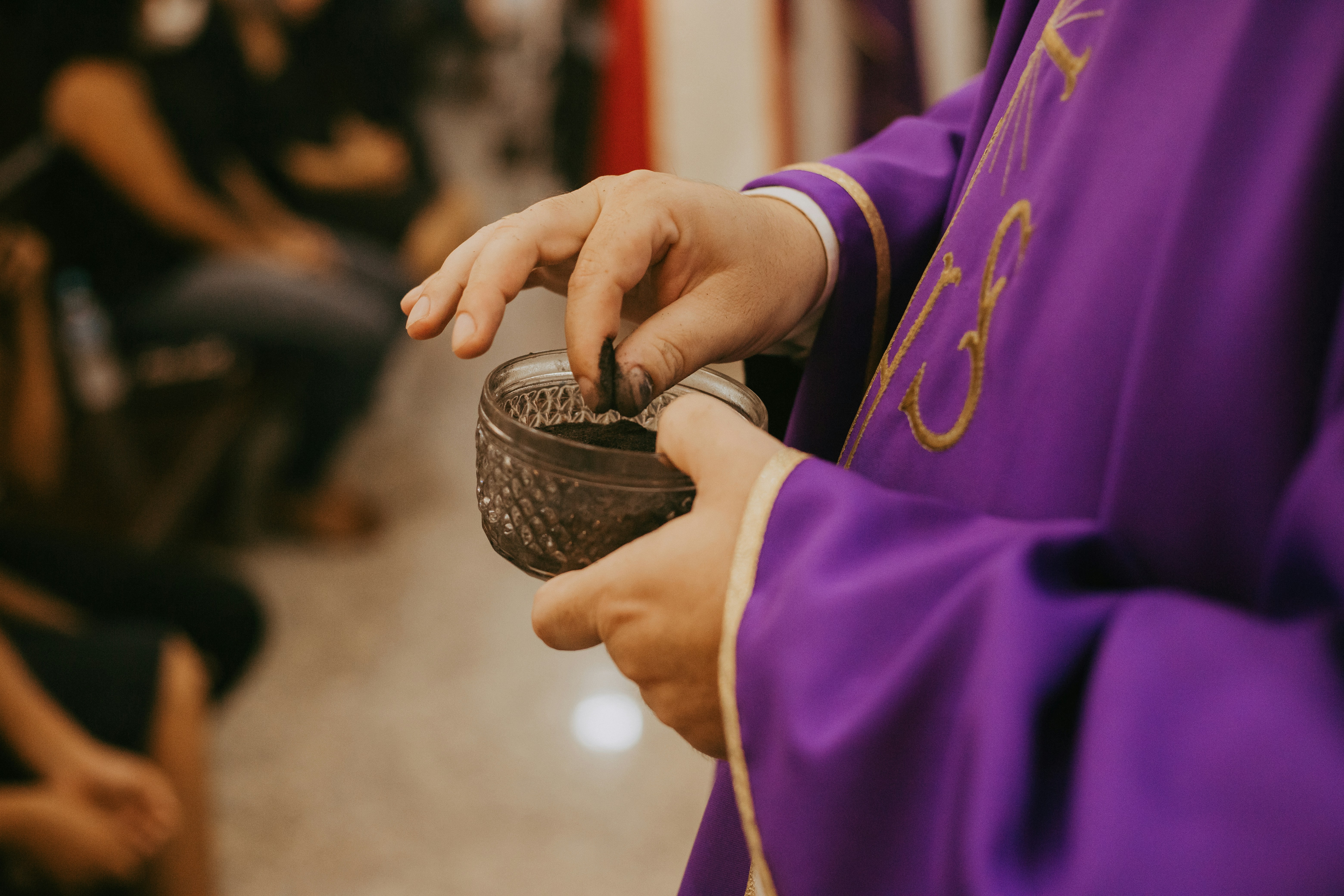
Feature Image Credit: Thays Orrico, unsplash.com/photos/a-person-in-a-purple-robe-holding-a-cup-JoCCv4jcoYo

The views and opinions expressed in the Inspiration Daily blog are solely those of the original authors and contributors. These views and opinions do not necessarily represent those of Diocesan, the Diocesan staff, or other contributors to this blog.