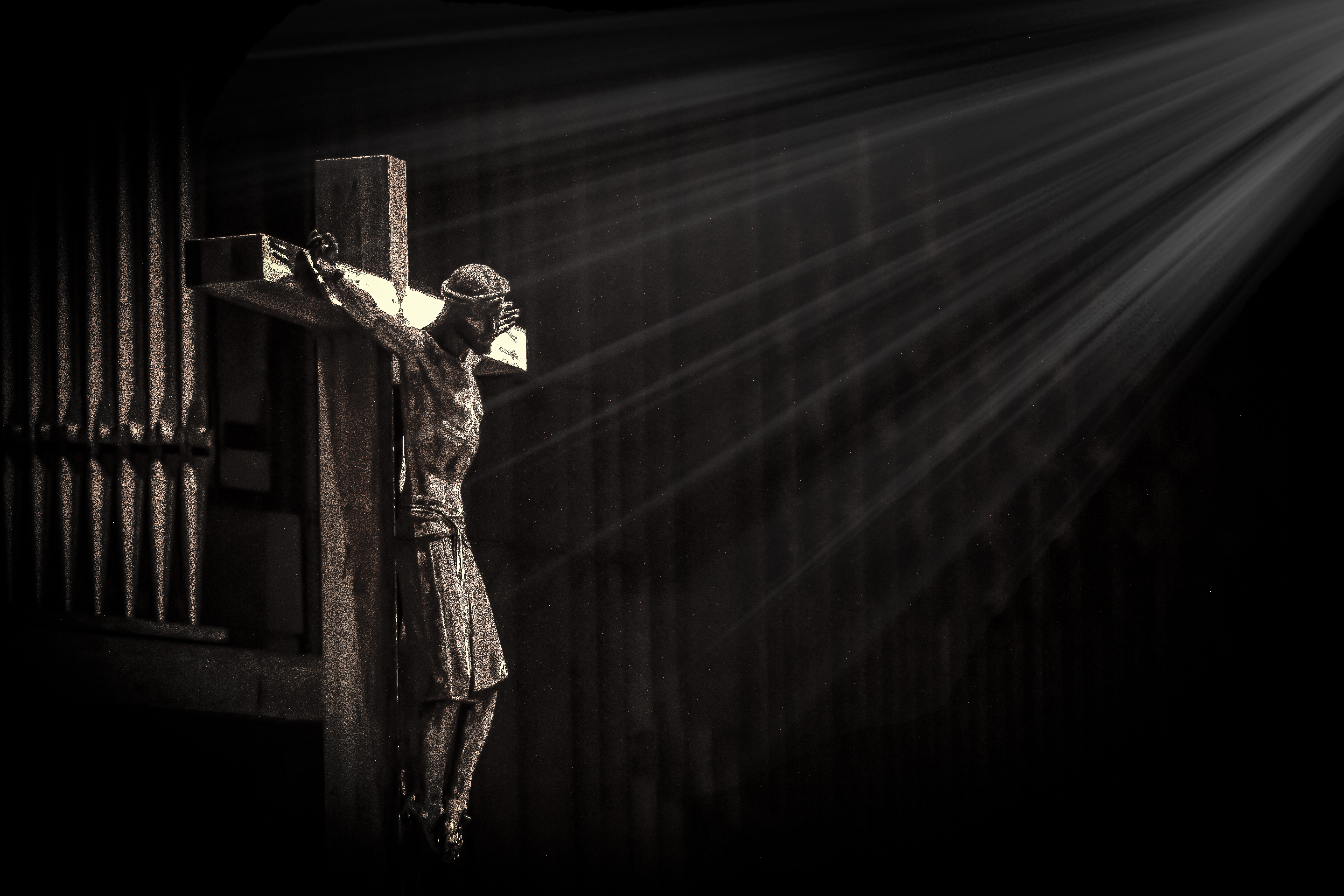
In the Gospel of John today, we read how the Pharisees are planning to kill Jesus. Good Friday will soon be upon us, and we will once again witness the horrible beatings, the mockery, and the crucifixion of our Lord. Every year at this time, we pray, we reflect, and we grieve because of what they did to Jesus. But we know that the darkness of Good Friday is soon wiped away by the joy we feel when we see that empty tomb.
These two emotions—the sadness we feel when we think about Christ being persecuted and killed, and the joy we feel knowing He overcame death—should stay at the forefront of our minds, regardless of the liturgical season. And as we think about those two emotional extremes, let us also think about how we are like those Pharisees.
How do we plan to kill Jesus? Of course, our actions don’t literally kill His body, but they—along with our inaction—can kill as well. We use His name in vain, we pick and choose which of His laws are convenient enough to obey, we do not take the time to go to Mass, we hurt others, we speak unkind words, and so much more. Remember that what we do to others, we also do to Jesus. But our inaction hurts Him as well. The things we fail to do or the things we choose not to do are also like thorns pressed into His head or nails driven into His hands and feet.
Inaction can take many forms, but we see it most prominently when we fail to stand up for the truths of our faith and live as Christ taught us to live. We fail to speak out with love and pride about what Christ taught and died for. We neglect those who need our help. We look the other way when a poor person is in need or when a single mom needs help. We keep our mouths shut instead of speaking in charity and love when someone misunderstands a tenet of our faith. We fail to educate ourselves when we don’t understand something.
We look at the horrible acts of those who killed Christ, but we fail to see that we hurt Him every day. God loves us so much that He sent His Son to die for our sins—to die a terribly painful death. Through His death, we can have life. But do we choose life? Or do we choose the things of this world—the things that take us further and further from God and the things that make us like the Pharisees?
As we approach Easter, let us remember the pain we have caused Jesus in the past and promise to amend our ways so that we will have life in Him for eternity.
En el evangelio de hoy de San Juan, leemos cómo los fariseos planearon matar a Jesús. Pronto llegará el Viernes Santo y una vez más seremos testigos de los horribles golpes, las burlas y la crucifixión de nuestro Señor. Cada año durante esta temporada oramos, reflexionamos y lamentamos lo que le hicieron a Jesús. Pero sabemos que la oscuridad del Viernes Santo pronto será borrada por el gozo que sentimos cuando vemos esa tumba vacía.
Estas dos emociones (la tristeza que sentimos cuando pensamos en la persecución y muerte de Cristo, y el gozo que sentimos al saber que venció la muerte) deben permanecer en el primer lugar de nuestras mentes, independientemente del tiempo litúrgico. Y mientras pensamos en esos dos extremos emocionales, pensemos también en cómo somos semejantes a esos fariseos.
¿Cómo planeamos matar a Jesús? Por supuesto, nuestras acciones no matan Su cuerpo literalmente, pero ellas, junto con nuestra inacción, también pueden matar. Usamos Su nombre en vano, elegimos cuáles de Sus leyes son lo suficientemente convenientes para obedecer, no nos tomamos el tiempo para ir a Misa, lastimamos a otros, decimos palabras desagradables y mucho más. Recuerda que lo que hacemos a los demás, también se lo hacemos a Jesús. Pero nuestra inacción también le duele. Las cosas que no hacemos o las que decidimos no hacer también son como espinas clavadas en Su cabeza o clavos puestos en Sus manos y pies.
La inacción puede tomar muchas formas, pero la vemos más prominentemente cuando no defendemos las verdades de la fe y vivimos como Cristo nos enseñó a vivir. No logramos hablar con amor y orgullo sobre lo que Cristo enseñó y por lo que murió. Descuidamos a quienes necesitan nuestra ayuda. Miramos al otro lado cuando un pobre necesita alimento o cuando una madre soltera necesita ayuda. Mantenemos la boca cerrada en lugar de hablar con caridad y amor cuando alguien malinterpreta un principio de nuestra fe. No logramos educarnos a nosotros mismos cuando no entendemos algo.
Observamos los actos horribles de quienes mataron a Cristo, pero no nos damos cuenta de que lo lastimamos todos los días. Dios nos ama tanto que envió a su Hijo a morir por nuestros pecados, a sufrir una muerte terriblemente dolorosa. A través de Su muerte, podemos tener vida. ¿Pero elegimos la vida? ¿O elegimos las cosas de este mundo, las que nos alejan cada vez más de Dios y las que nos hacen como los fariseos?
A medida que nos acercamos a la Pascua, recordemos el dolor que le hemos causado a Jesús en el pasado y prometamos enmendar nuestros caminos para que tengamos vida en Él para siempre.
 Susan Ciancio has a BA in psychology and a BA in sociology from the University of Notre Dame, with an MA in liberal studies from Indiana University. For the past 19 years, she has worked as a professional editor and writer, editing both fiction and nonfiction books, magazine articles, blogs, educational lessons, professional materials and website content. Thirteen of those years have been in the pro-life sector. Currently Susan freelances and writes weekly for HLI, edits for American Life League, and is the executive editor of Celebrate Life Magazine. She also serves as executive editor for the Culture of Life Studies Program—an educational nonprofit program for K-12 students. You can reach her at slochner0.wixsite.com/website.
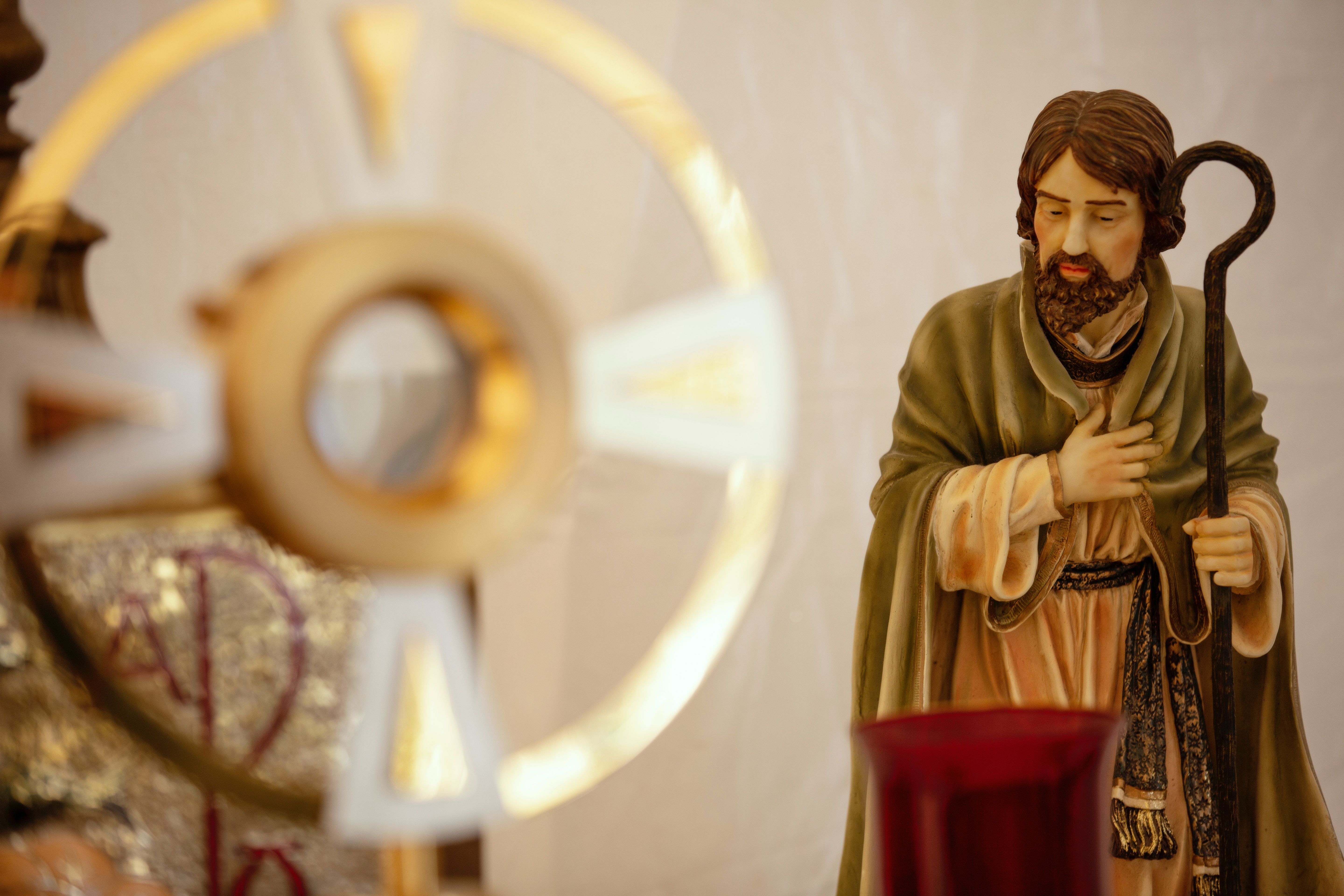
Feature Image Credit: Frank Ferreyn, cathopic.com/photo/28824-holy-cross
 Kate Taliaferro is an Air Force wife and mother. She is blessed to be able to homeschool, bake bread and fold endless piles of laundry. When not planning a school day, writing a blog post or cooking pasta, Kate can be found curled up with a book or working with some kind of fiber craft. Kate blogs at
 A lover of Jesus Christ, a wife, and a mother of five, Christine is the author of Everyday Heroism: 28 Daily Reflections on the Little Way of Motherhood. She is a graduate of Franciscan University, an instructor for the Institute for Excellence in Writing, and an experienced catechist. Thrilled to have recently become grandparents, she and her husband currently live in Upstate, NY. Visit her author webpage at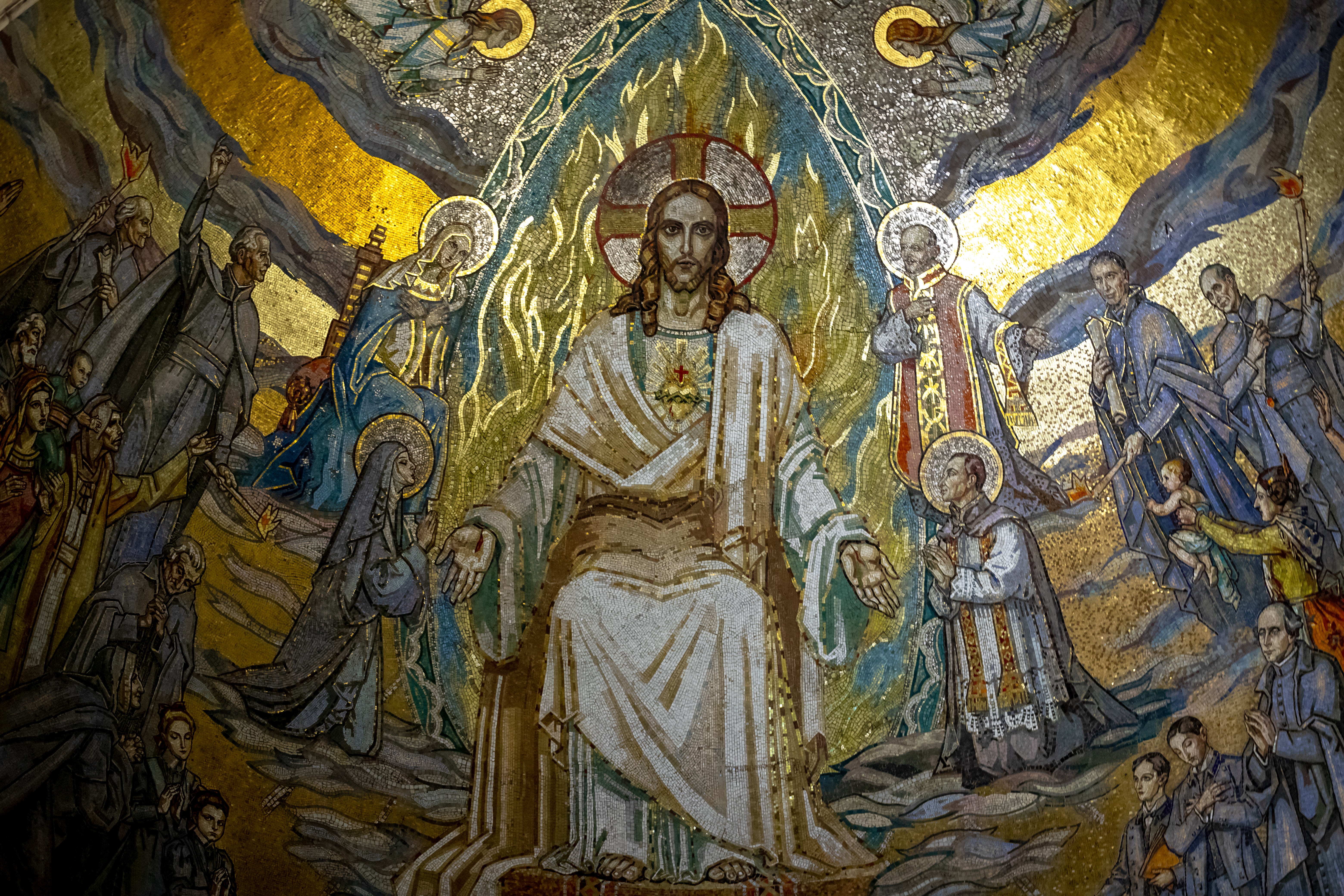



 Mike Karpus is a regular guy. He grew up in Michigan’s Upper Peninsula, graduated from Michigan State University and works as an editor. He is married to a Catholic school principal, raised two daughters who became Catholic school teachers at points in their careers, and now relishes his two grandchildren, including the older one who is fascinated with learning about his faith. He also has served on a Catholic school board, a pastoral council and a parish stewardship committee. He currently is a lector at Mass, a Knight of Columbus, Adult Faith Formation Committee member and a board member of the local Habitat for Humanity organization. But mostly he’s a regular guy.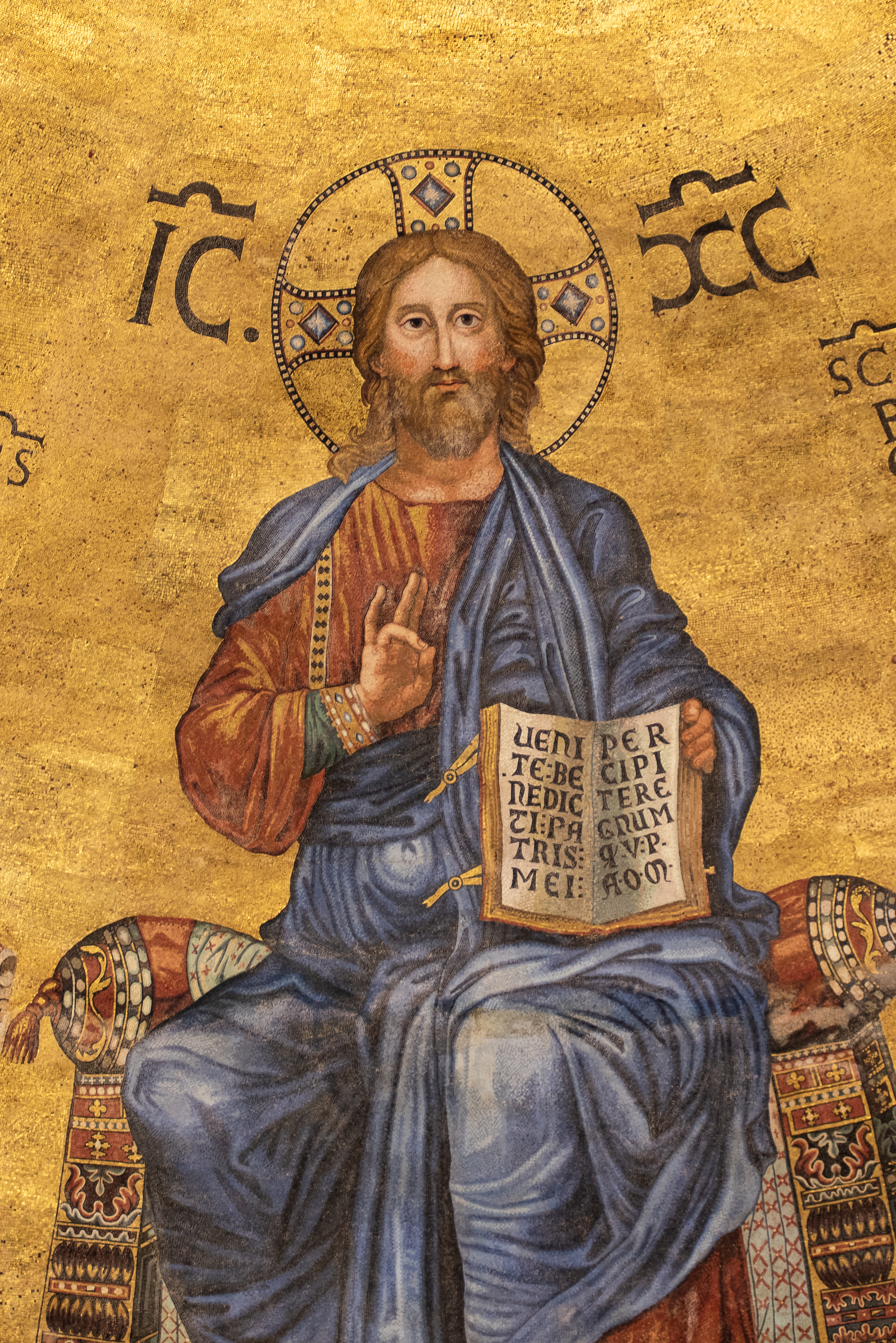
 David Dashiell is a freelance author and editor in Nashville, Tennessee. He has a master’s degree in theology from Franciscan University, and is the editor of the anthology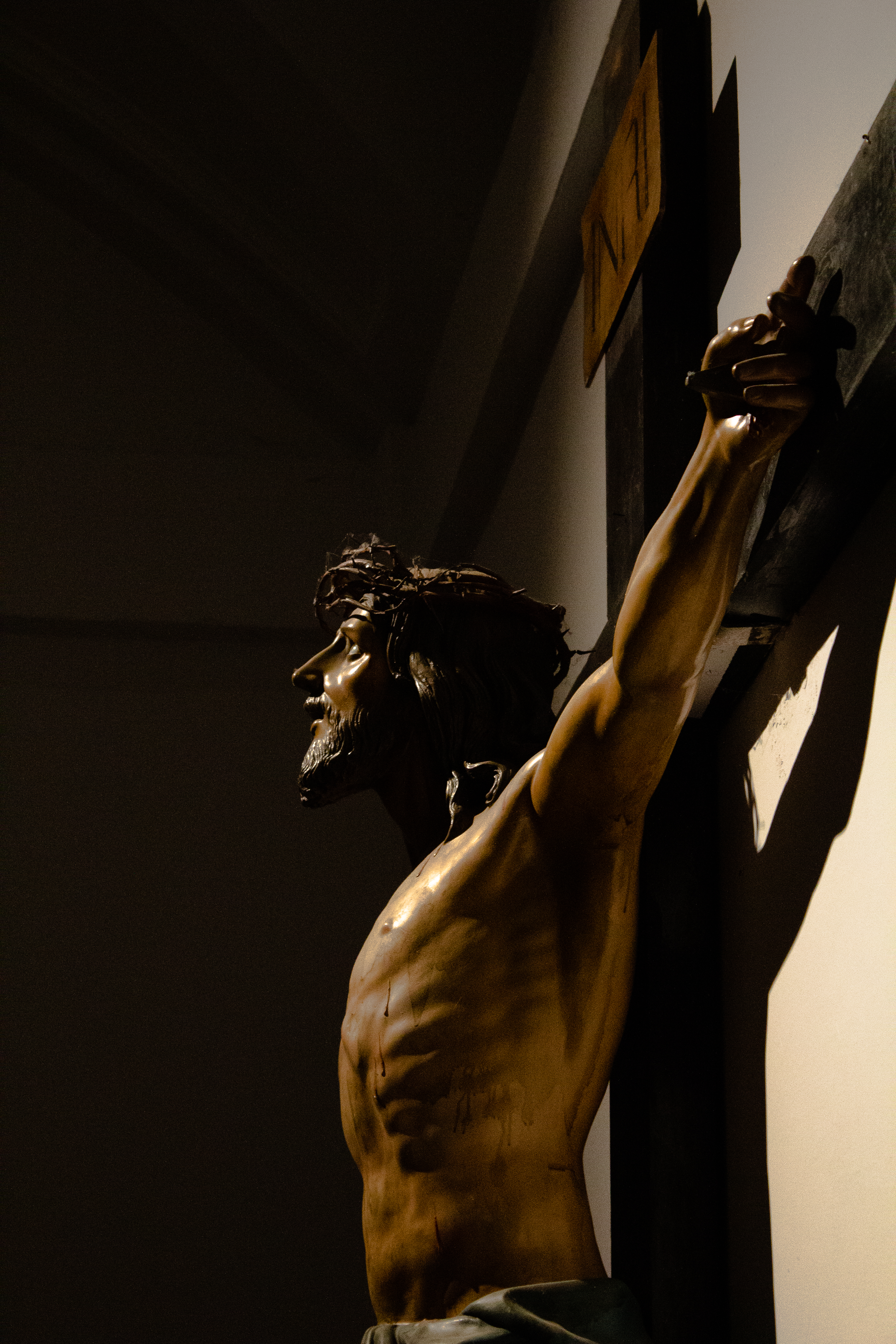

 Merridith Frediani loves words and is delighted by good sentences. She also loves Lake Michigan, dahlias, the first sip of hot coffee in the morning, millennials, and playing Sheepshead with her husband and three kids. She writes for Catholic Mom, Diocesan.com, and her local Catholic Herald. Her first book Draw Close to Jesus: A Woman’s Guide to Adoration is available at Our Sunday Visitor and Amazon. You can learn more at
  1-800-994-9817