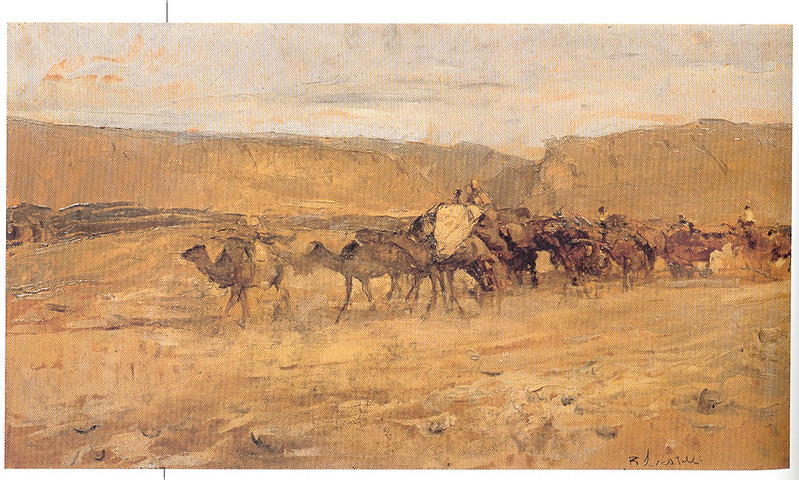
Listen to Him / EscĂșchenlo

Today’s readings are pretty straightforward. Abraham is called by God, and he goes as the Lord directs him. The psalmist waits on God to watch over him and deliver him. Paul instructs Timothy to bear his share of hardship for the sake of the Gospel. Jesus is transfigured before the three Apostles, and the Father tells them to listen to Him. In each of these readings, God calls, and invites them to respond. 

God calls, we respond – a very simple formula, but there is a deceptiveness to it. In each of these cases, it is a demanding call. Abraham is called to leave the land of his kinsfolk and go to a foreign land, one that he knows nothing about except that God will show it to him. When? He doesn’t know. The psalmist prays to be delivered from death and to be shielded, implying that his situation is urgent. Paul’s call implies that Timothy will undergo trials. And Jesus’ Apostles will soon discover exactly what “listening to Him” means in their particular cases.

The act is simple, but the implications are complex. And this is the case for all of us. When God calls, we are invited to respond: “Yes,” “Whatever the Lord wills, I will do,” or “Speak, O Lord; Your servant is listening.” But the consequences will echo for the rest of our lives, in ways seen and unseen. Abraham’s acceptance of the call meant the birth of the Jewish people and, ultimately, the Messiah. The psalmist’s response led to a lifetime of trust in and favor from God. Timothy’s response led to a successful bishopric and a race ran well. The three Apostles’ responses led to their far-reaching evangelical efforts and their martyrdom.

This can seem daunting, so the examples in today’s readings help to calm us. Ultimately, it is good to know what their listening and following was founded on: unconditional trust in God. It is not always advisable to accept whatever someone proposes to us, but these men knew that God is not like others. He always knows what is best for us. Sometimes we may not understand His actions, but they are always trustworthy.

The readings remind us of the importance and the practical benefit of being docile to the will of God. When we know that God is calling us to something, when we are confident that the invitation comes from Him, the only sensible choice is to move forward. Just like Abraham did, as soon as we hear the call, may we pack up and be on our way.

Contact the author


Las lecturas de hoy son bastante claras. Dios llama a Abraham, y él va según la guía del Señor. El salmista espera que Dios lo proteja y lo libre. Pablo le indica a Timoteo que soporte su parte de las dificultades por causa del Evangelio. Jesús se transfigura ante los tres apóstoles, y el Padre les dice que lo escuchen. En cada una de estas lecturas, Dios llama y los invita a responder.

Dios llama, nosotros respondemos: una fórmula muy simple, pero algo deceptiva. En cada caso, es una llamada exigente. Abraham es llamado a dejar la tierra de sus padres e ir a una tierra extranjera, de la que no sabe nada, excepto que Dios se la mostrará. ¿Cuándo? No lo sabe. El salmista pide para ser librado de la muerte y protegido, lo que implica que su situación es urgente. El llamado de Pablo implica que Timoteo pasará por pruebas. Y los apóstoles de Jesús pronto descubrirán exactamente lo que significa “escucharlo” en sus casos particulares.

El acto es sencillo, pero sus implicaciones son complejas. Y esto nos sucede a todos. Cuando Dios nos llama, se nos invita a responder: “Sí”, “Haré lo que el Señor quiera” o “Habla, Señor; tu siervo escucha”. Pero las consecuencias resonarán durante el resto de nuestras vidas, de maneras visibles e invisibles. La aceptación del llamado por parte de Abraham significó el nacimiento del pueblo judío y, en última instancia, del Mesías. La respuesta del salmista lo llevó a una vida de confianza en Dios y a recibir su favor. La respuesta de Timoteo lo llevó a un obispado exitoso y a una carrera triunfal. Las respuestas de los tres apóstoles los impulsaron a realizar una labor evangelizadora de gran alcance y a su martirio.

Esto puede parecer abrumador, por lo que los ejemplos de las lecturas de hoy nos ayudan a tranquilizarnos. En definitiva, es bueno saber en qué se fundamentó su escucha y su seguimiento: en la confianza incondicional en Dios. No siempre es aconsejable aceptar todo lo que alguien nos propone, pero estos hombres sabían que Dios no es como los demás. Él siempre sabe lo que es mejor para nosotros. A veces, puede que no entendamos sus acciones, pero siempre son dignas de confianza.

Las lecturas nos recuerdan la importancia y el beneficio práctico de someternos a la voluntad de Dios. Cuando sabemos que Dios nos llama a algo, cuando estamos seguros de que la invitación viene de Él, la única opción sensata es seguir adelante. Como hizo Abraham, en cuanto oigamos el llamado, preparemos todo y pongámonos en marcha.

Comunicarse con el autor

David Dashiell is a freelance author and editor in the Nashville, Tennessee area. He has three children, a degree in theology, and enjoys writing about philosophy, theology, culture, music, and comedy. You can find his personal blog, Serious Daydreams, on Substack. He is also the editor of the anthology Ever Ancient, Ever New: Why Younger Generations Are Embracing Traditional Catholicism, available through TAN Books.

Feature Image Credit: Romualdo Locatelli, commons.wikimedia.org/wiki/File:Romualdo_Locatelli_-_Caravan_in_the_desert.jpg

The views and opinions expressed in the Inspiration Daily blog are solely those of the original authors and contributors. These views and opinions do not necessarily represent those of Diocesan, the Diocesan staff, or other contributors to this blog.

By the Hand of God, Not Men / Por la mano de Dios, no de los hombres

The way David handles his grievous sin in the first reading is instructive for our own trials. We might wonder how he sinned in the first place, since the reading only tells us about the census. Context is not much more help, only telling us that the Lord urged David to take the census out of anger and that he was cautioned against it when he made the first attempt. The Lord didn’t make David sin, rather, He brought David to the near occasion to test him. Regardless, David failed.

One interpretation of the grievous sin here is a distrust of God’s providence and kingship. Hidden in the census could be a desire to plan for every eventuality, in this case a desire born of fear for the future. David may not have trusted in the strength of his kingdom and his people, and ultimately he may not have trusted in the Lord’s strength and care.

There is also the interpretation that until the census, only the Lord knew the number of the people. This would mean that the act of numbering the people was a quiet way to usurp the authority of the Lord and allow David to rule more directly, imposing measures like taxation.

Regardless, it is some kind of distrust in God’s providence and favoring David’s direct authority without accrediting it to God. This makes his response more redemptive, because when faced with the different options for punishment, David decides to rely on God rather than man: “Let us fall by the hand of God, for he is most merciful: but let me not fall by the hand of man” (2 Sam. 24:14). David recognizes that the Lord is the ultimate authority, Not only that: The Lord handles authority much better than anyone else could. He is more merciful.

This might be surprising considering seventy thousand people died after David decided to allow the pestilence. However, we do not know what would have happened otherwise. If the enemy had pursued David for three months; many more may have died. If there were a three-year famine, perhaps even more would have died. Or perhaps the difference would have been the specific people who would have died. We don’t know why, but we do know that David is right: It is better to fall by the hand of God than to fall by the hand of man.

This attitude can permeate our own lives. We can use it as a principle not just in times of danger and grievous sin, but also in times of peace. It is better to rely on God than to rely on ourselves. It is better to consult God, both directly and through the counsel of others who consult Him, than to seek guidance from men specializing in worldly wisdom.

Contact the author


La forma en que David maneja su grave pecado en la primera lectura es instructiva para nuestras propias pruebas. Podríamos preguntarnos cómo pecó en primer lugar, ya que la lectura sólo nos habla del censo. El contexto no es de mucha ayuda tampoco, solo nos dice que el Señor instó a David a realizar el censo por enojo y que se le advirtió que no lo hiciera en el primer intento. El Señor no hizo que David pecara, sino que lo trajo a la ocasión cercana del pecado para probarlo. A pesar de todo, David fracasó.

Una interpretación del pecado grave aquí es la desconfianza en la providencia y la realeza de Dios. Oculto en el censo podría estar el deseo de planificar para cualquier eventualidad, en este caso un deseo nacido del temor al futuro. David pudo no haber confiado en la fuerza de su reino y su pueblo, y en última instancia, pudo no haber confiado en la fuerza y ​​el cuidado del Señor.

También existe la interpretación de que, hasta el censo, solo el Señor conocía el número del pueblo. Esto significaría que el acto de censar al pueblo era una forma discreta de usurpar la autoridad del Señor y permitir que David gobernara de forma más directa, imponiendo medidas como los impuestos.

En cualquier caso, se trata de una especie de desconfianza en la providencia de Dios y de favorecer la autoridad directa de David sin atribuírsela a Dios. Esto hace que su respuesta sea más redentora, porque ante las diferentes opciones de castigo, David decide confiar en Dios en lugar del hombre: “prefiero caer en manos de Dios, que es el Señor de la misericordia, que en manos de los hombres” (2 Sam. 24,14). David reconoce que el Señor es la máxima autoridad. No solo eso, sino que el Señor maneja la autoridad mucho mejor que nadie. Es más misericordioso.

Esto podría sorprender considerando que setenta mil personas murieron después de que David decidiera permitir la peste. Sin embargo, no sabemos qué habría sucedido de otra manera. Si el enemigo hubiera perseguido a David durante tres meses, muchos más podrían haber muerto. Si hubiera habido una hambruna de tres años, quizás aún más habrían muerto. O quizás la diferencia habría sido las personas específicas que habrían muerto. No sabemos por qué, pero sí sabemos que David tiene razón: es mejor caer por la mano de Dios que por la del hombre.

Esta actitud puede impregnar nuestra vida. Podemos usarla como principio no solo en tiempos de peligro y pecado grave, sino también en tiempos de paz. Es mejor confiar en Dios que en nosotros mismos. Es mejor consultar a Dios, tanto directamente como a través del consejo de otros que lo consultan, que buscar la guía de hombres especializados en la sabiduría mundana.

Comunicarse con el autor

David Dashiell is a freelance author and editor in the Nashville, Tennessee area. He has three children, a degree in theology, and enjoys writing about philosophy, theology, culture, music, and comedy. You can find his personal blog, Serious Daydreams, on Substack. He is also the editor of the anthology Ever Ancient, Ever New: Why Younger Generations Are Embracing Traditional Catholicism, available through TAN Books.

Feature Image Credit: Unknown Artist, https://commons.wikimedia.org/wiki/File:Nature-field-grain_(24326294555).jpg

The views and opinions expressed in the Inspiration Daily blog are solely those of the original authors and contributors. These views and opinions do not necessarily represent those of Diocesan, the Diocesan staff, or other contributors to this blog.

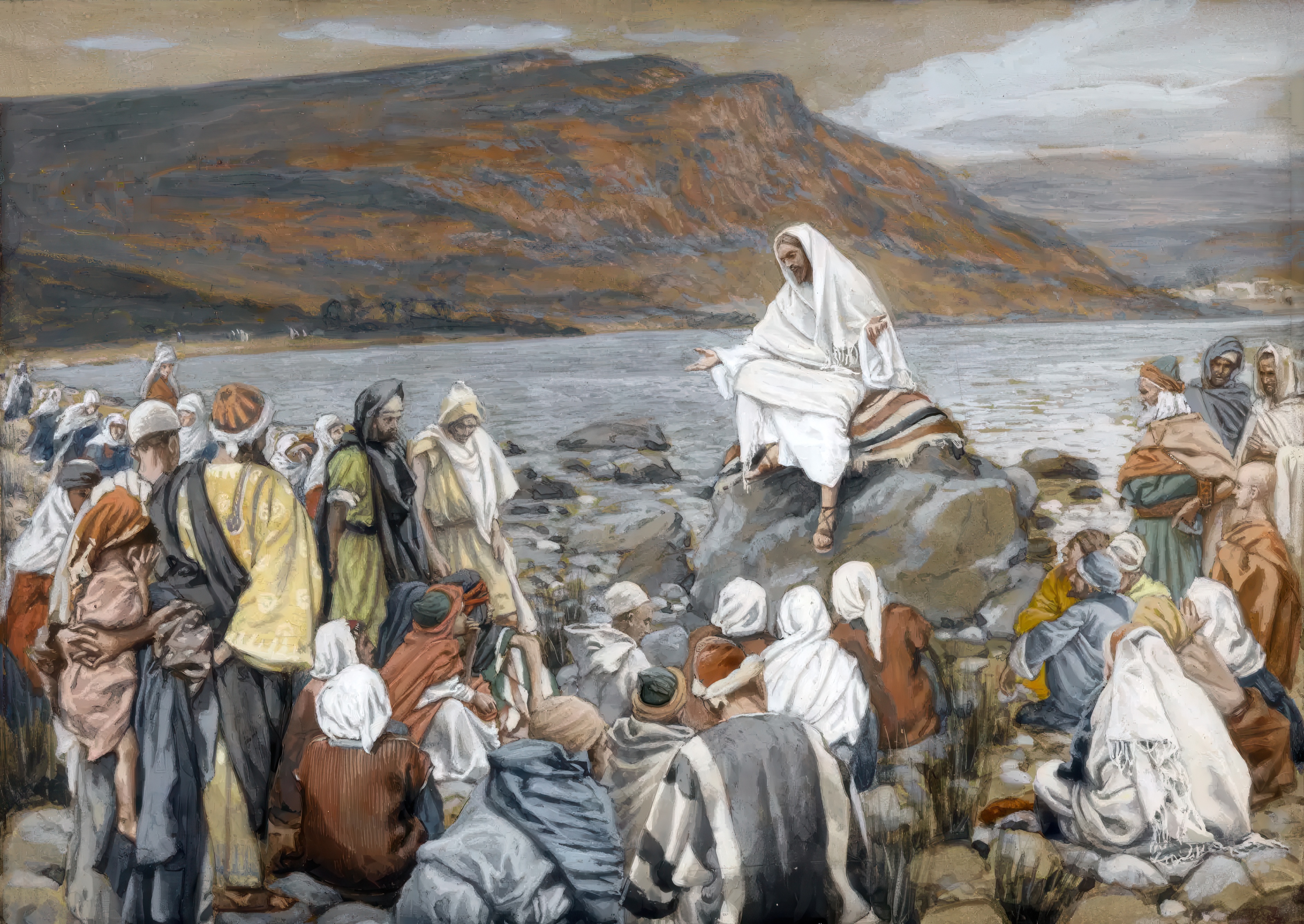
Repent! / ¥Arrepiéntanse!

It’s impressive how many people followed Jesus when He walked the earth and what they left behind to do it. Our Gospel speaks of Jesus teaching in synagogues and proclaiming the Gospel of the Kingdom. When He called the people to “Repent, for the Kingdom of heaven is at hand,” His fame spread to all of Syria (Matthew 4:17).

Of course, we understand that Jesus is God, and that it would be difficult for anyone not to follow Him if they were open to His message. But it’s still impressive that “great crowds from Galilee, the Decapolis, Jerusalem, and Judea, and from beyond the Jordan followed him” (Matt. 4:25). The miracles are only one part of it. The Gospel mentions that He cured the sick and exorcised the possessed, but the great crowds that followed Him stayed with Him after the healings took place. There was something more with Jesus.

When the people followed Jesus for an extended period of time, they did so to hear His teachings. His miracles were immediate and powerful but His teachings were new every day. The people heard something profound and waited for further explanation, or wanted to hear more where that came from. What captivated the crowds was what they heard from the mouth of the Word, things that changed the way they saw themselves and God. God was speaking to them in real time.

Today we hear the core of Jesus’ message, which drew so many to leave everything behind and continue following Him: “Repent, for the Kingdom of heaven is at hand.” This might seem strange to us: Why would anyone be so attracted to repentance? Didn’t John the Baptist preach the same thing?

The Greek word for repent, “metanoeo,” means to change one’s mind for the better. It isn’t just giving up sin, but reorienting your whole life toward God. The people had been focused on following particular regulations and remaining righteous through the law, but Jesus came and told them to change on a more fundamental level. With His teachings and parables He taught them to see things in a completely different light. This he shared with John the Baptist, reorienting the people at a basic level.

But John wasn’t Jesus. What Jesus had that John did not is divinity. And humanity. Jesus came to bring us to Himself, to unite humanity and divinity. He calls us to repent, to change our minds, to turn toward Himself and imitate Him. We do not just change our minds from what keeps us from God, we embrace a life of union with Him. Let us be like the crowds that followed Him, wanting to live every day with Him, never missing an opportunity to commune with the Infinite.

Contact the author


Es impresionante la cantidad de personas que siguieron a Jesús cuando estuvo en la tierra y lo que dejaron atrás para hacerlo. El Evangelio de hoy habla de Jesús enseñando en sinagogas y proclamando el Evangelio del Reino. Cuando dijo a la gente, “Conviértanse, porque ya está cerca el Reino de los cielos”, su fama se extendió por toda Siria (Mateo 4,17).

Por supuesto, entendemos que Jesús es Dios, y que sería difícil para cualquiera no seguirlo si estuviera abierto a su mensaje. Pero aun así es impresionante que lo seguían “grandes muchedumbres venidas de Galilea, Decápolis, Jerusalén, Judea y Transjordania” (Mateo 4,25). Los milagros son solo una parte. El Evangelio menciona que curó a los enfermos y exorcizó a los poseídos, pero las grandes multitudes que lo siguieron permanecieron con él después de las curaciones. Había algo más en Jesús.

Cuando la gente siguió a Jesús durante un largo período de tiempo, lo hicieron para escuchar sus enseñanzas. Sus milagros fueron inmediatos y poderosos, pero sus enseñanzas eran nuevas cada día. La gente escuchaba algo profundo y esperaba una explicación más profunda, o quería saber de dónde provenía. Lo que cautivó a las multitudes fue lo que oyeron de la boca de la Palabra, cosas que cambiaron su perspectiva sobre sí mismos y sobre Dios. Dios les hablaba dentro del tiempo real.

Hoy escuchamos la esencia del mensaje de Jesús, que atrajo a tantos a dejarlo todo y seguirlo: “Conviértanse, porque ya está cerca el Reino de los cielos”. Esto podría parecernos extraño: ¿Por qué alguien se sentiría tan atraído por el arrepentimiento? ¿Acaso Juan el Bautista no predicó lo mismo?

La palabra griega para arrepentirse, “metanoeo”, significa cambiar de opinión para mejor. No se trata solo de abandonar el pecado, sino de reorientar toda la vida hacia Dios. La gente se había centrado en seguir ciertas normas y mantenerse justa mediante la ley, pero Jesús vino y les dijo que cambiaran a un nivel más fundamental. Con sus enseñanzas y parábolas, les enseñó a ver las cosas desde una perspectiva completamente diferente. Esto lo compartió con Juan el Bautista, reorientando a la gente desde un punto de vista básico.

Pero Juan no era Jesús. Lo que Jesús tenía y Juan no tenía es la divinidad. Y también la humanidad. Jesús vino para acercarnos a sí mismo, para unir a la humanidad y la divinidad. Nos llama al arrepentimiento, a cambiar de opinión, a volvernos hacia él e imitarlo. No solo cambiamos de opinión sobre lo que nos aleja de Dios, abrazamos una vida de unión con él. Seamos como las multitudes que lo seguían, deseando vivir cada día con él, sin perder nunca la oportunidad de convivir con el Infinito.

Comunicarse con el autor

David Dashiell is a freelance author and editor in the Nashville, Tennessee area. He has three children, a degree in theology, and enjoys writing about philosophy, theology, culture, music, and comedy. You can find his personal blog, Serious Daydreams, on Substack. He is also the editor of the anthology Ever Ancient, Ever New: Why Younger Generations Are Embracing Traditional Catholicism, available through TAN Books.

Feature Image Credit: James Tissot, art.diocesan.com/stock-photo/jesus-teaches-the-people-by-the-sea-25929/

The views and opinions expressed in the Inspiration Daily blog are solely those of the original authors and contributors. These views and opinions do not necessarily represent those of Diocesan, the Diocesan staff, or other contributors to this blog.

Leave the Details to God / Deja los detalles en manos de Dios

When I read today’s Gospel, I was struck by the centurion’s response. At first, he only tells Jesus about his servant’s paralysis. He doesn’t ask for healing. Jesus is the one who offers to help saying, “I will come and cure him”. The centurion responds by almost rejecting the offer, but ultimately leaves the decision to Jesus: “Lord, I am not worthy to have you enter under my roof; only say the word and my servant shall be healed”.

The profound thing about this is that the centurion did not necessarily expect a healing. What was he expecting? At least some kind of help from Jesus, I’m sure. But he didn’t seem particularly attached to the way it happened. He wanted to speak to Jesus about his paralyzed servant, and He wanted Jesus to decide what to do with that information.

It wasn’t so much a passive-aggressive helplessness, wanting Jesus to figure out his problem so he didn’t have to. It was more of an open-ended request for help. The centurion wanted Jesus to help with the servant, but he didn’t presume to demand a particular course of action from the Lord.

As the centurion said, he knew what it was like to have authority and to be able to effect his will with only his word: “I say to one, ‘Go,’ and he goes; and to another, ‘Come here,’ and he comes; and to my slave ‘Do this,’ and he does it.” Jesus in turn recognized the centurion’s faith that He could heal the servant with only His command and praised him for it stating, “in no one in Israel have I found such faith.” This faith is so powerful because it recognizes that God can not only heal but can heal in whatever way He wills to do so.

This kind of faith also understands that God is able to determine what will be best for His creation. The centurion might have wanted Jesus to come and lay his hands on his servant, but he knew to whom he was speaking. He knew that the decision was best left up to Jesus, and he was willing to present his problem in that light. He was even willing to face the possibility that Jesus might have chosen to leave his servant paralyzed.

This deep faith is an example to us. It is good for us to ask the Lord for help, and it is better to present the Lord with our troubles and needs without attachment to a particular solution. We have our own ideas, and those are not necessarily bad, but the Lord’s are best, and He often acts in ways that we do not understand. As the centurion understood, the details are best left to God.

Contact the author


Al leer el Evangelio de hoy, me impactó la respuesta del centurión. Al principio, solo le cuenta a Jesús sobre la parálisis de su siervo. No le pide sanación. Es Jesús quien se ofrece a ayudarlo diciendo: “Voy a curarlo”. El centurión responde casi rechazando la oferta, pero finalmente deja la decisión en manos de Jesús: “Señor, yo no soy digno de que entres en mi casa; con que digas una sola palabra, mi criado quedará sano”.

Lo profundo de esto es que el centurión no necesariamente esperaba una sanación. ¿Qué esperaba? Al menos algún tipo de ayuda de Jesús, estoy seguro. Pero no parecía estar particularmente interesado en cómo sucedió. Quería hablar con Jesús sobre su siervo paralítico y quería que Jesús decidiera qué hacer con esa información.

No era una impotencia pasivo-agresiva, queriendo que Jesús resolviera su problema para no tener que hacerlo él. Era más bien una petición de ayuda abierta. El centurión quería que Jesús ayudara con el sirviente, pero no se le exigió al Señor una acción específica.

Como dijo el centurión, sabía lo que era tener autoridad y poder hacer su voluntad con solo su palabra: “cuando le digo a uno: ‘¡Ve!’, él va; al otro: ‘¡Ven!’, y viene; a mi criado: ‘¡Haz esto!’, y lo hace”. Jesús, a su vez, reconoció la fe del centurión de que podía sanar al sirviente con solo su orden y lo elogió por ello, diciendo: “en ningún israelita he hallado una fe tan grande”. Esta fe es tan poderosa porque reconoce que Dios no solo puede sanar, sino que puede sanar de cualquier manera que Él desee.

Esta clase de fe también comprende que Dios puede determinar lo que es mejor para su creación. El centurión quizá hubiera querido que Jesús viniera y pusiera las manos sobre su sirviente, pero reconoce con quién hablaba. Sabía que era mejor dejar la decisión en manos de Jesús y estaba dispuesto a presentar su problema desde esa perspectiva. Incluso estaba dispuesto a afrontar la posibilidad de que Jesús hubiera decidido dejar a su siervo paralizado.

Esta profunda fe es un ejemplo para nosotros. Es bueno pedirle ayuda al Señor, y es mejor presentarle nuestros problemas y necesidades sin aferrarnos a una solución específica. Tenemos nuestras propias ideas, y no son necesariamente malas, pero las del Señor son las mejores, y a menudo Él actúa de maneras que no entendemos. Como comprendió el centurión, es mejor dejar los detalles en manos de Dios.

Comunicarse con el autor

David Dashiell is a freelance author and editor in the Nashville, Tennessee area. He has three children, a degree in theology, and enjoys writing about philosophy, theology, culture, music, and comedy. You can find his personal blog, Serious Daydreams, on Substack. He is also the editor of the anthology Ever Ancient, Ever New: Why Younger Generations Are Embracing Traditional Catholicism, available through TAN Books.

Feature Image Credit: Jack Sharp, unsplash.com/photos/man-praying-OptEsFuZwoQ

The views and opinions expressed in the Inspiration Daily blog are solely those of the original authors and contributors. These views and opinions do not necessarily represent those of Diocesan, the Diocesan staff, or other contributors to this blog.

Leaving the World Behind / Dejando el mundo atrĂĄs

Jesus tells us in today’s Gospel reading that we must renounce all possessions to be His disciples, and that we must hate father, mother, wife, children, brothers, sisters, and our own lives to follow Him. This seems drastic, and it is. Knowing that His message requires great effort and trust, Jesus asks His listeners to consider the cost: “Which of you wishing to construct a tower does not first sit down and calculate the cost to see if there is enough for its completion?” Have we considered the cost of discipleship?

On other occasions, Jesus lists the benefits of discipleship, for example during the Sermon on the Mount, as He goes through the Beatitudes. But today He extends a different invitation, an invitation to consider the costs. And just as the benefits are great, so are the costs. Jesus details the experience of the citizens of the Kingdom. They will have to give up a great deal to be a part of this Kingdom.

What does it mean to renounce our possessions, to hate our families, to hate our lives? Let’s consider the cost. When we choose to follow Jesus intentionally, wholeheartedly, comprehensively, we find that there are not many others who are willing to do the same, including many of our friends and family members. And we have to distance ourselves from what is holding us back from remaining in Christ. There are so many things in our lives that we carry with us without realizing it — even apparently neutral possessions and relationships can serve to distract us from the Kingdom. Ultimately, we will want to die to the world and live with Christ forever.

When we make this commitment and truly live it, those who have not done so will not understand. They will ask us questions, make passive-aggressive comments, and maybe throw accusations at us. Some will call themselves faithful but will have glaring inconsistencies between their beliefs and their actions. We will try to bring them over to Christ. If we stay in a state of grace, we will act as a mirror to their own faults, and they will resist it.

In the same way, the things and people we once loved before becoming more perfect disciples of Christ will become repugnant to us: We will not want to go back to those things, environments or people. To follow Christ with all our heart, soul, mind, and strength, we need to be willing to undergo this transformation, to let go of those things that keep us looking back. We will have to move forward toward heaven, knowing that as we grow, we might find ourselves less able to connect with those we love and without the possessions we once held so dear. But being with Jesus will be worth the sacrifice. 

Contact the author


Jesús nos dice en el Evangelio de hoy que debemos renunciar a todas nuestras posesiones para ser sus discípulos, y que debemos preferirlo a nuestro padre, madre, esposa, hijos, hermanos, hermanas y nuestra propia vida para seguirlo. Esto parece drástico, y lo es. Sabiendo que su mensaje requiere gran esfuerzo y confianza, Jesús pide a sus oyentes que consideren el costo: “¿quién de ustedes, si quiere construir una torre, no se pone primero a calcular el costo, para ver si tiene con qué terminarla?” ¿Hemos considerado el costo del discipulado?

En otras ocasiones, Jesús enumera los beneficios del discipulado, por ejemplo, durante el Sermón del Monte, al repasar las bienaventuranzas. Pero hoy nos invita a considerar los costos. Y así como los beneficios son grandes, también lo son los costos. Jesús detalla la experiencia de los ciudadanos del Reino. Tendrán que renunciar a mucho para ser parte de este Reino.

¿Qué significa renunciar a nuestras posesiones, y preferir a Dios encima de nuestras familias y nuestras vidas? Consideremos el costo. Cuando elegimos seguir a Jesús intencionalmente, con todo el corazón y de forma integral, descubrimos que no hay muchos otros dispuestos a hacer lo mismo, incluyendo a muchos de nuestros amigos y familiares. Y tenemos que distanciarnos de lo que nos impide permanecer en Cristo. Hay tantas cosas en la vida que llevamos con nosotros sin darnos cuenta; incluso posesiones y relaciones aparentemente neutrales pueden distraernos del Reino. En última instancia, queremos morir al mundo y vivir con Cristo para siempre.

Cuando hacemos este compromiso y lo vivimos de verdad, quienes no lo han hecho no lo entenderán. Nos harán preguntas, harán comentarios pasivo-agresivos y tal vez nos lanzarán acusaciones. Algunos se llamarán fieles, pero tendrán inconsistencias evidentes entre sus creencias y sus acciones. Intentaremos acercarlos a Cristo. Si nos mantenemos en un estado de gracia, seremos un espejo de sus propias faltas y se resistirán. 

De la misma manera, las cosas y las personas que amábamos antes de convertirnos en discípulos más perfectos de Cristo nos resultarán repugnantes: no vamos a querer volver a esas cosas, entornos ni personas. Para seguir a Cristo con todo el corazón, alma, mente y fuerzas, debemos estar dispuestos a experimentar esta transformación, a soltar aquello que nos hace mirar atrás. Tendremos que avanzar hacia el cielo, sabiendo que, a medida que crecemos, podríamos encontrarnos menos capaces de conectar con quienes amamos y sin las posesiones que antes apreciamos tanto. Pero valdrá la pena el sacrificio para estar con Jesús.

Comunicarse con el autor

David Dashiell is a freelance author and editor in the Nashville, Tennessee area. He has three children, a degree in theology, and enjoys writing about philosophy, theology, culture, music, and comedy. You can find his personal blog, Serious Daydreams, on Substack. He is also the editor of the anthology Ever Ancient, Ever New: Why Younger Generations Are Embracing Traditional Catholicism, available through TAN Books.

Feature Image Credit: Karla Hernandez, unsplash.com/photos/man-in-black-jacket-walking-on-gray-asphalt-road-during-daytime-gS2Sk-3J00M

The views and opinions expressed in the Inspiration Daily blog are solely those of the original authors and contributors. These views and opinions do not necessarily represent those of Diocesan, the Diocesan staff, or other contributors to this blog.

Zeal for Repentance / Celo por el Arrepentimiento

The Jewish exiles express profound contrition in our first reading: “we today are flushed with shame… [we] have sinned in the Lord’s sight and disobeyed him…each one of us went off after the devices of his own wicked heart, served other gods, and did evil in the sight of the Lord, our God” (Baruch 1:15, 17–18, 22). The Bible is full of displays of repentance like this. Jesus speaks to them in today’s Gospel: “they would long ago have repented, sitting in sackcloth and ashes” (Luke 10:13).

Our repentance is not like this. Into the Middle Ages, Christians guilty of especially wicked sins would repent by going to Confession and performing public penance, which usually involved them refraining from receiving the Eucharist for long periods of time. Some of them would wear penitential clothing, like sackcloth. Today, our penances after Confession are rarely more than praying a full Rosary.

This is not to say that we need harsher penances from the priest in the confessional. Many saints, like the Jewish exiles and the early Christians, took repentance into their own hands. Rather than wait for someone else to prescribe them a way to atone for their sins, they confessed them and practiced their own penance. Some saints, like Francis of Assisi, were extreme in their repentance, flogging themselves and fasting for months on end. Others, like Thérèse of Lisieux, allowed themselves to be placed in annoying and uncomfortable situations and did small things with great love, offering it all to God.

Regardless of the method by which they carried out their repentance, these saints shared an understanding that they could not do enough to atone for their sins. They understood that those who had not fully atoned for their sins in this life would complete their atonement in Purgatory. Rather than opting to undergo that excruciating purification, the saints chose to endure more hardship than usual here on earth. Happily accepting difficult situations and self-imposed trials for the sake of their salvation and that of others’, they expressed deep sorrow for all offenses against God.

We ought to imitate their zeal for the Lord, if only out of a desire to avoid the pain of Purgatory at first. But ultimately, we should reach a point where we have sorrow for our sin simply because it offends God and is contrary to His ways. Let us pray for the intercession of saints such as Francis of Assisi and Thérèse of Lisieux, that we may imitate their desire to atone for sins – our own, and those of others. 

Contact the author


Los judíos exiliados expresan profunda contrición en la primera lectura de hoy: “nos sentimos hoy llenos de vergüenza, porque hemos pecado contra el Señor y no le hemos hecho caso; lo hemos desobedecido… No hemos escuchado la voz del Señor… siguiendo las inclinaciones de nuestro perverso corazón, hemos adorado a dioses extraños y hemos hecho lo que el Señor, nuestro Dios, reprueba” (Baruc 1). La Biblia está llena de muestras de arrepentimiento como esta. Jesús les habla en el Evangelio de hoy: “hace mucho tiempo que hubieran hecho penitencia, cubiertas de sayal y de ceniza” (Lucas 10,13).

Nuestro arrepentimiento no es así. Hasta la Edad Media, los cristianos culpables de pecados especialmente perversos se arrepentían confesándose y haciendo penitencia pública, lo que generalmente implicaba abstenerse de recibir la Eucaristía durante largos periodos. Algunos se vestían de ropas de penitencia, como el cilicio. Hoy en día, nuestras penitencias después de la Confesión rara vez van más allá de rezar un Rosario completo.

Esto no significa que necesitemos penitencias más severas por parte del sacerdote en el confesionario. Muchos santos, como los judíos exiliados y los primeros cristianos, tomaron el arrepentimiento en sus propias manos. En lugar de esperar a que alguien les indicara una manera de expiar sus pecados, los confesaron y practicaron su propia penitencia. Algunos santos, como Francisco de Asís, fueron extremos en su arrepentimiento, azotándose y ayunando durante meses. Otros, como Teresa de Lisieux, se dejaron poner en situaciones molestas e incómodas e hicieron pequeñas cosas con gran amor, ofreciendo todo a Dios.

Independientemente del método que usaron para llevar a cabo su arrepentimiento, estos santos compartían la comprensión de que no podían hacer lo suficiente para expiar sus pecados. Entendían que quienes no habían expiado completamente sus pecados en esta vida completarían su expiación en el Purgatorio. En lugar de optar por esa dolorosa purificación, los santos optaron por soportar más dificultades de lo habitual aquí en la tierra. Aceptando con alegría las situaciones difíciles y las pruebas que se impusieron por su salvación y la de los demás, expresaron un profundo dolor por todas las ofensas contra Dios.

Debemos imitar su celo por el Señor, aunque inicialmente sólo sea por el deseo de evitar el dolor del Purgatorio. Pero, al final, debemos llegar a un punto en que sintamos pesar por nuestro pecado simplemente porque ofende a Dios y es contrario a sus caminos. Oremos por la intercesión de santos como Francisco de Asís y Teresa de Lisieux, para que podamos imitar su deseo de expiar los pecados, tanto los nuestros como los de los demás.

Comunicarse con el autor

David Dashiell is a freelance author and editor in the Nashville, Tennessee area. He has three children, a degree in theology, and enjoys writing about philosophy, theology, culture, music, and comedy. You can find his personal blog, Serious Daydreams, on Substack. He is also the editor of the anthology Ever Ancient, Ever New: Why Younger Generations Are Embracing Traditional Catholicism, available through TAN Books.

Feature Image Credit: Lucas van Oort, https://unsplash.com/photos/a-close-up-of-a-chain-link-fence-V60Cuyf7JVc

The views and opinions expressed in the Inspiration Daily blog are solely those of the original authors and contributors. These views and opinions do not necessarily represent those of Diocesan, the Diocesan staff, or other contributors to this blog.

Welcome God’s Judgment / Recibir con alegría el juicio de Dios

“Let the heavens be glad and the earth rejoice; let the sea and what fills it resound; let the plains be joyful and all that is in them!” (Ps 96:11–12). This sounds pretty normal for a psalm, but what is this one about? God’s mercy? His love? His goodness? Not directly. In between verses we respond, “The Lord comes to judge the earth” (Ps. 96:13b). The Israelites are rejoicing at God’s judgment. Not something that we might expect.

Judgment is not something that we look forward to or particularly enjoy. When we think of it, we generally tense up or get indignant, not wanting others to evaluate us. Who has the right to judge us? But to God’s People, His judgment was something to be welcomed. We see this attitude in the book of Revelation. When God completes His judgment of the wicked, the saints in heaven rejoice: “Hallelujah! Salvation and glory and power belong to our God, for his judgments are true and just.” (Rev. 19:1).

In one sense, God’s judgment is something that saddens us, because we do not want to see anyone go to Hell. God “desires all men to be saved and to come to the knowledge of the truth” (1 Tim. 2:4). So when someone rejects His grace, it is cause for sorrow. But He allows us to accept or reject His grace in the first place, so He truly anticipates all that results from His creation.

This is the key to understanding why God’s judgment is something to look forward to with joy: God’s justice is synonymous with His judgment. “He shall rule the world with justice and the peoples with his constancy” (Ps. 96:13). God is always perfectly just and good. When He condemns, He does so because we rejected His grace and because, in a sense, we chose that result. When He rewards, He does so because we corresponded with His grace.

This is part of the reason why St. Paul looks forward to the coming of the Lord in our first reading. The Lord will take the just to live with Him forever, but He will also judge those who have not listened to Him. Both of these things are cause for rejoicing — God’s judgments are perfect and worthy of praise.

God is so good as to give us every opportunity to repent, and to only condemn those truly deserving of punishment. So regardless of where an individual ends up in the afterlife, God’s judgment is something to rejoice over.  

Contact the author


“Alégrense los cielos y la tierra, retumbe el mar y el mundo submarino. Salten de gozo el campo y cuanto encierra,” (Salmo 95). Esto suena bastante normal para un salmo, pero ¿de qué trata este? ¿De la misericordia de Dios? ¿De su amor? ¿De su bondad? No directamente. Entre los versículos respondemos en inglés: “The Lord comes to judge the earth” (El Señor viene a juzgar la tierra). Los israelitas se regocijaban por el juicio de Dios. No es algo que necesariamente esperamos.

El juicio no es algo que esperemos con ansias ni que disfrutemos especialmente. Cuando pensamos en él, generalmente nos ponemos tensos o nos indignamos, pues no queremos que otros nos evalúen. ¿Quién tiene derecho a juzgarnos? Pero para el pueblo de Dios, su juicio era algo que debíamos recibir con agrado. Vemos esta actitud en el libro del Apocalipsis. Cuando Dios completa su juicio sobre los malvados, los santos en el cielo se regocijan: “¡Aleluya! La salvación, la gloria y el poder pertenecen a nuestro Dios, porque sus juicios son verdaderos y justos” (Apocalipsis 19,1).

En cierto sentido, el juicio de Dios nos entristece, porque no queremos que nadie vaya al infierno. Dios “quiere que todos los hombres sean salvos y vengan al conocimiento de la verdad” (1 Timoteo 2,4). Por eso, cuando alguien rechaza su gracia, es motivo de tristeza. Pero Él nos permite aceptar o rechazar su gracia desde un principio, por lo que realmente anticipa todo lo que resulta de su creación.

Esta es la clave para entender por qué el juicio de Dios es algo que esperamos con alegría: la justicia de Dios es sinónimo de su juicio. “Justicia y rectitud serán las normas con las que rija a todas las naciones” (Salmo 95:13). Dios siempre es perfectamente justo y bueno. Cuando condena, lo hace porque rechazamos su gracia y porque, en cierto sentido, elegimos ese resultado. Cuando recompensa, lo hace porque hemos correspondido a su gracia.

Esta es una de las razones por las que San Pablo anhela la venida del Señor en la primera lectura. El Señor llevará a los justos a vivir con Él para siempre, pero también juzgará a quienes no lo han escuchado. Ambas cosas son motivo de regocijo: los juicios de Dios son perfectos y dignos de alabanza.

Dios es tan bueno que nos da todas las oportunidades para arrepentirnos y condena solo a quienes realmente merecen el castigo. Así que, independientemente de dónde termine una persona después de su vida terrenal, el juicio de Dios es motivo de regocijo.

Comunicarse con el autor

David Dashiell is a freelance author and editor in the Nashville, Tennessee area. He has three children, a degree in theology, and enjoys writing about philosophy, theology, culture, music, and comedy. You can find his personal blog, Serious Daydreams, on Substack. He is also the editor of the anthology Ever Ancient, Ever New: Why Younger Generations Are Embracing Traditional Catholicism, available through TAN Books.

Feature Image Credit: Jon Tyson, unsplash.com/photos/persons-hand-on-white-textile-zFsaP-rjWr4

The views and opinions expressed in the Inspiration Daily blog are solely those of the original authors and contributors. These views and opinions do not necessarily represent those of Diocesan, the Diocesan staff, or other contributors to this blog.

Extraordinary Graces for Ordinary People / Gracias extraordinarias para la gente ordinaria

What is going on in today’s Gospel? Jesus’ kinsmen take offense at Him, but they recognize His wisdom and miracles at the same time. It is as if they see that God is working but they do not see it at the same time. We would think that the people around Jesus would either recognize His divinity and worship Him or not recognize His divinity and peg Him as an impostor or worse. But His kinsmen in Nazareth do not do this. They recognize that someone greater than man is in their midst but still manage to take offense. Why is this?

The attitude of the Nazoreans speaks to a belief more pervasive today than we might first recognize. The Nazoreans believe in God, and they believe that He can do mighty deeds and communicate great wisdom, but they will not trust that He can do so in an ordinary person, someone they are familiar with. Jesus is their kinsman, and He evidently did not do many mighty deeds or say anything particularly profound in the first thirty years of His life, before He left for public ministry. The people say that they know His family and wonder where He got his wisdom and mighty deeds. Because of this, they take offense at Him. 

This betrays that core belief: Surely, God would not give such extraordinary graces to an ordinary man whom they saw grow up. God only gives such graces to prophets, kings, and saints — and they don’t know any of those. At least they don’t think that they do. This is the issue. The people do not understand God’s ability, and maybe even His preference, to bestow graces on the ordinary. 

This is a truth that we lose sight of as well. After all, when we are hoping for a specific grace in prayer and do not receive the answer we are looking for, we forget to notice the many other ways that God has been working in the more mundane moments of our lives. Not to mention the creative design with which God made the universe and continues to keep it in motion. It is practically a miracle that the world continues as it is, with such precision necessary to even keep our planet habitable. Combine this with things like fortuitous weather patterns and “chance” encounters with just the people we need to see, and we begin to understand God’s ways a bit better.

Jesus did not work many miracles in Nazareth because of their lack of faith. It wasn’t so much a lack of faith in God or in His ability to give grace, but rather a lack of faith that the miracles and wisdom of Jesus came from God at all. They couldn’t accept that God would do such things for the son of Joseph, and they probably didn’t think He would give them extraordinary graces either. So He didn’t. Let’s have more faith in God ourselves.

Contact the author


¿Qué sucede en el Evangelio de hoy? Los parientes de Jesús se ofenden con él, pero al mismo tiempo reconocen su sabiduría y sus milagros. Es como si vieran la obra de Dios, pero no la vieran al mismo tiempo. Pensaríamos que quienes rodeaban a Jesús reconocerían su divinidad y lo adorarían, o bien no la reconocerían y lo tacharían de impostor o algo peor. Pero sus parientes de Nazaret no lo hacen. Reconocen que alguien superior al hombre está entre ellos, pero aun así se ofenden. ¿Por qué?

La actitud de los nazarenos refleja una creencia más extendida hoy de lo que podríamos imaginar a primera vista. Los nazarenos creen en Dios y creen que puede realizar proezas y comunicar gran sabiduría, pero no confían en que pueda hacerlo en una persona común, alguien a quien conocen. Jesús es su pariente, y evidentemente no realizó muchas obras poderosas ni dijo nada particularmente profundo en los primeros treinta años de su vida, antes de partir al ministerio público. La gente dice conocer a su familia y se pregunta de dónde obtuvo su sabiduría y sus obras poderosas. Por eso, se ofenden con Él.

Esto delata esa creencia fundamental: seguramente, Dios no concedería gracias tan extraordinarias a un hombre ordinario al que vieron crecer. Dios sólo concede tales gracias a profetas, reyes y santos, y ellos no conocen a ninguno de ellos. Al menos no creen conocerlos. Este es el problema. La gente no comprende la capacidad de Dios, y tal vez incluso su preferencia, para otorgar gracias a la gente común.

Esta es una verdad que también pasamos por alto. Después de todo, cuando esperamos una gracia específica en oración y no recibimos la respuesta que buscamos, olvidamos las muchas otras maneras en que Dios ha estado obrando en los momentos más cotidianos de nuestra vida. Sin mencionar el diseño creativo con el que Dios creó el universo y lo mantiene en movimiento. Es prácticamente un milagro que el mundo siga como está, con la precisión necesaria incluso para mantener nuestro planeta habitable. Si a esto le sumamos factores como los patrones climáticos fortuitos y los encuentros casuales con las personas que necesitamos ver, comenzamos a comprender mejor los caminos de Dios.

Jesús no obró muchos milagros en Nazaret debido a su falta de fe. No era tanto falta de fe en Dios ni en su capacidad para dar gracia, sino más bien falta de fe en que los milagros y la sabiduría de Jesús provenían de Dios. No podían aceptar que Dios hiciera tales cosas por el hijo de José, y probablemente tampoco creían que les concedería gracias extraordinarias. Así que no lo hizo. Por nuestra parte, tengamos más fe en Dios.

Comunicarse con el autor

David Dashiell is a freelance author and editor in the Nashville, Tennessee area. He has three children, a degree in theology, and enjoys writing about philosophy, theology, culture, music, and comedy. You can find his personal blog, Serious Daydreams, on Substack. He is also the editor of the anthology Ever Ancient, Ever New: Why Younger Generations Are Embracing Traditional Catholicism, available through TAN Books.

Feature Image Credit: Ilyas Basim Khuri Bazzi Rahib, commons.wikimedia.org/wiki/File:Jesus_teaching_his_disciples.jpg

The views and opinions expressed in the Inspiration Daily blog are solely those of the original authors and contributors. These views and opinions do not necessarily represent those of Diocesan, the Diocesan staff, or other contributors to this blog.
Sometimes God Causes Problems / A veces Dios causa problemas

Abraham is in a difficult situation in our first reading. Sarah didn’t trust that God would give her children, and she had told Abraham to father a child with his servant, Hagar. Ishmael was born. Today we read that Sarah does conceive and gives birth to Isaac, finally having trusted in God’s promise to multiply Abraham’s descendants through her. But she is still jealous of Hagar, even though she was the one who encouraged her motherhood. She has Hagar sent away, and though Abraham is conflicted, God encourages him that she and Ishmael will be taken care of.

This problem is largely Sarah’s doing, but God encourages Abraham to submit to her wishes. He tells Abraham to let Hagar and Ishmael go, and Hagar despairs of her son’s life. Just when she thinks she can’t bear it any longer, God appears to her and tells her to keep going because He has provided for them, and she sees water.

A similar situation happens in the Gospel reading, only we come in at a different point in the process. After Jesus sends the demons into the pigs, they run into the water and drown. Now the swineherd is left without pigs and needs to replenish his livestock or find a new profession. Maybe this is why he warned the Gadarenes, or maybe it was for some other reason. Regardless, the townspeople are sufficiently upset that they drive Jesus out of town, despite His healing of the demoniacs.

In the first reading, God permits Hagar and Ishmael to struggle even to the point that they think that they will die. In the Gospel, God allows the swineherd to lose his pigs, and he presumably does not have another way to immediately make a living. This leaves Hagar in despair and Ishmael in distress, and it leaves the swineherd concerned enough to encourage the people to drive Jesus out.

In both cases, God never abandoned those He apparently deserted. God either permitted or caused the issues that these people went through, but He explicitly promised that He would look out for Hagar and Ishmael. We can assume that He was also looking out for the Gadarenes. To them, it looked as if they had been abandoned, or at the very least that they had been seriously inconvenienced. To God, all was well.

This is important to keep in mind as we encounter our own inconveniences, troubles, and devastations. God is with us in all of them, and He may even be leading us into them to give us something. Just because we don’t know why He does what He does doesn’t mean that He does it without reason. God knows what He is doing, and His ways are greater than our perception of them. In His estimation, which is the only one that really matters, these things may not be issues at all. Accepted from His hand, directly or indirectly, these trials are turned to glory.

Contact the author


Abraham se encuentra en una situación difícil en la primera lectura. Sara no confiaba en que Dios le daría hijos, y le había dicho a Abraham que engendrara un hijo con su sierva, Agar. Nació Ismael. Hoy leemos que Sara concibe y da a luz a Isaac, habiendo confiado finalmente en la promesa de Dios de multiplicar los descendientes de Abraham a través de ella. Pero todavía está celosa de Agar, a pesar de que fue ella quien alentó su maternidad. Ella hace que despidan a Agar, y aunque Abraham está en conflicto, Dios lo anima diciéndole que ella e Ismael serán cuidados.

Este problema es en gran parte culpa de Sara, pero Dios anima a Abraham a someterse a sus deseos. Le dice a Abraham que deje ir a Agar e Ismael, y Agar se desespera por la vida de su hijo. Justo cuando piensa que no puede más, Dios se le aparece y le dice que siga adelante porque Él ha provisto para ellos, y ella ve agua.

En el Evangelio se da una situación semejante, sólo que llegamos en un punto diferente del proceso. Después de que Jesús envía a los demonios a los cerdos, estos corren al agua y se ahogan. Ahora el porquero se queda sin cerdos y necesita reponer su ganado o encontrar una nueva profesión. Tal vez por eso advirtió a los gadarenos, o tal vez por alguna otra razón. De todos modos, los habitantes del pueblo están lo suficientemente molestos como para expulsar a Jesús del pueblo, a pesar de que Él cura a los endemoniados.

En la primera lectura, Dios permite que Agar e Ismael batallan hasta el punto de pensar que van a morir. En el Evangelio, Dios permite que el porquero pierda sus cerdos, y presumiblemente no tiene otra forma de ganarse la vida de inmediato. Esto deja a Agar desesperada e Ismael en apuros, y deja al porquero lo suficientemente preocupado como para animar a la gente a expulsar a Jesús.

En ambos casos, Dios nunca abandonó a quienes aparentemente ha dejado solos. Dios permitió o causó los problemas de estas personas, pero prometió explícitamente que cuidaría de Agar e Ismael. Podemos suponer que también cuidaba de los gadarenos. Para ellos, parecía que los habían abandonado, o al menos que habían sufrido graves inconvenientes. Para Dios, todo estaba bien.

Es importante tener esto en cuenta cuando nos enfrentamos a nuestros propios inconvenientes, problemas y devastaciones. Dios está con nosotros en todos ellos, e incluso puede estar guiándonos hacia ellos para darnos algo. El hecho de que no sepamos por qué hace lo que hace no significa que lo haga sin razón. Dios sabe lo que está haciendo, y sus caminos son mayores que nuestra percepción de ellos. En su estimación, que es la única que realmente importa, puede ser que estas cosas no sean problemas para nada. Aceptadas de su mano, directa o indirectamente, estas pruebas se convierten en gloria.

Comunicarse con el autor

David Dashiell is a freelance author and editor in the Nashville, Tennessee area. He has three children, a degree in theology, and enjoys writing about philosophy, theology, culture, music, and comedy. You can find his personal blog, Serious Daydreams, on Substack. He is also the editor of the anthology Ever Ancient, Ever New: Why Younger Generations Are Embracing Traditional Catholicism, available through TAN Books.

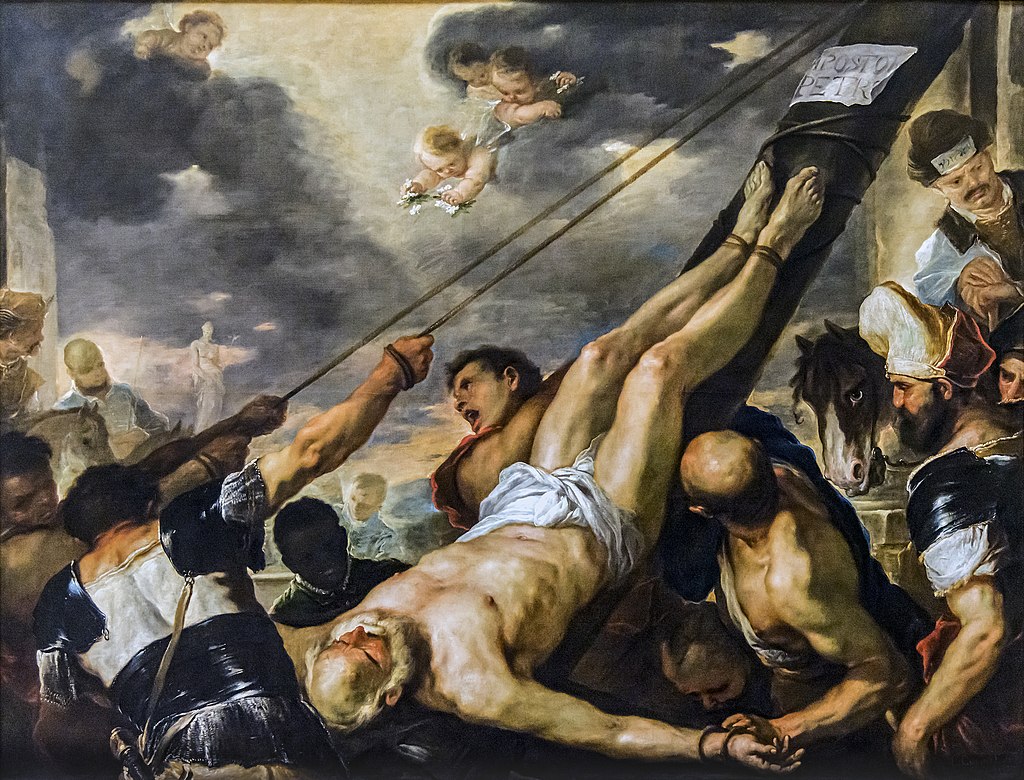
Feature Image Credit: Luca Giordano, commons.wikimedia.org/wiki/File:Accademia_-_Crucifixion_of_St._Peter_by_Luca_Giordano.jpg

The views and opinions expressed in the Inspiration Daily blog are solely those of the original authors and contributors. These views and opinions do not necessarily represent those of Diocesan, the Diocesan staff, or other contributors to this blog.
Worth Suffering For / Vale la pena sufrir por ello

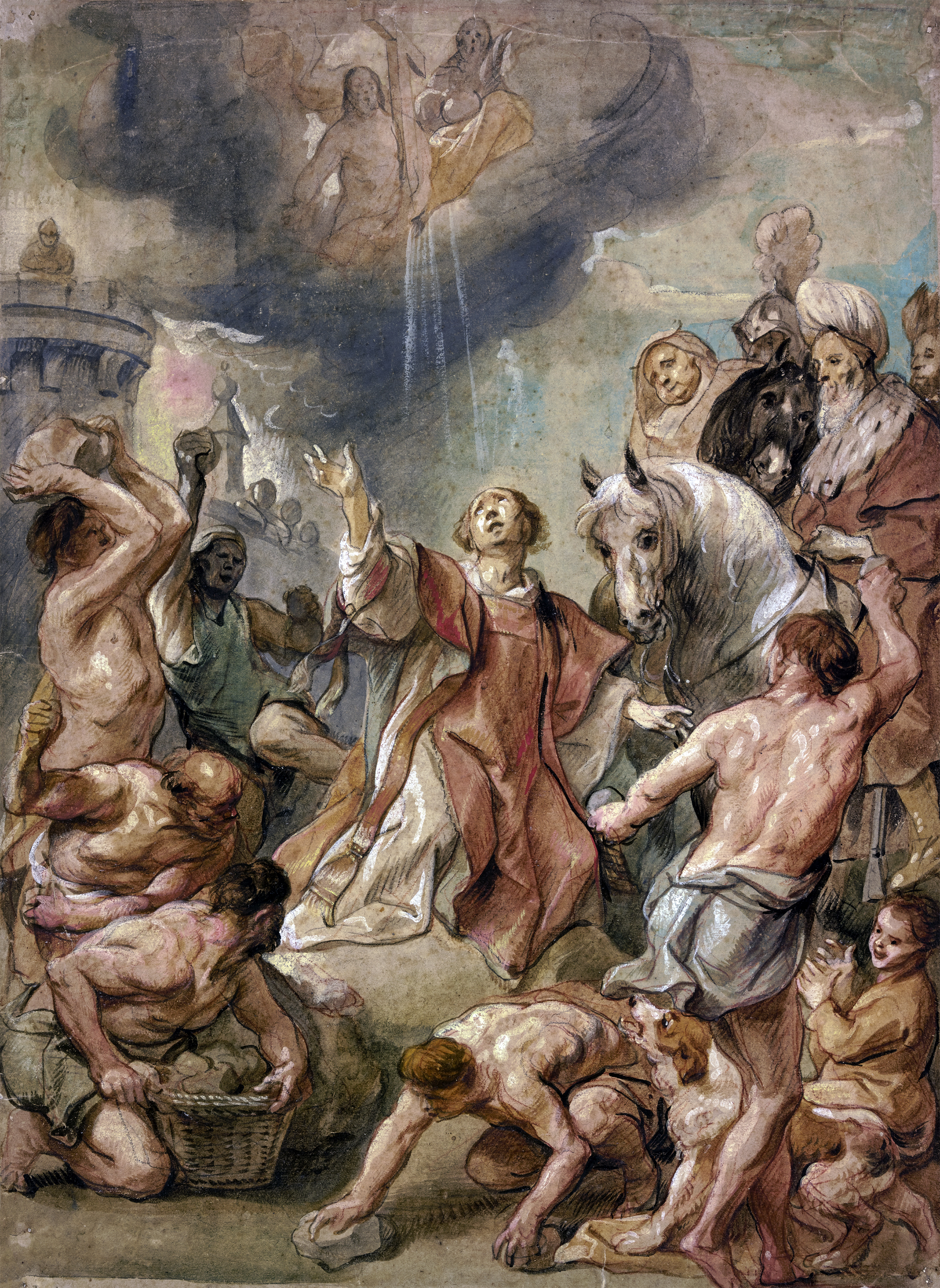
In our Gospel reading today, we are presented with Peter’s rehabilitation. He left in shame after denying Christ three times but was then given an opportunity to redeem himself. Jesus asked him to witness to his love for Him three times, countering each denial from before the Crucifixion. At the end of the exchange, He told Peter that “when you were younger, you used to dress yourself and go where you wanted; but when you grow old, you will stretch out your hands, and someone else will dress you and lead you where you do not want to go” (John 21:18). As John pointed out, Jesus was foretelling Peter’s own crucifixion. He then looked at him and said, “Follow me.”

This must have been an intense interaction for Peter, ashamed as he had been to deny Christ at such a pivotal moment. He had to face that shame directly each time Jesus asked him if he loved Him. Then, after that difficult exchange, Peter was told of his martyrdom. And as if that weren’t trying enough, Jesus closed by commanding Peter, despite all that He had just foretold, to follow Him.

But this remained a redemptive experience, and Peter understood that the Lord did not ask these things in vain. He followed Jesus in fits and starts from the beginning, but was convinced that Jesus is the God-Man. Peter was being sincere when he told Jesus that he loved Him more than all the rest. And he was willing to follow Jesus wherever He went, even to martyrdom.

Paul was similar as we see him awaiting his trial and eventual execution. He too had betrayed Jesus, and he too had been rehabilitated. Jesus called Paul to follow Him even to death, and Paul was nearing the end of his journey. As for Peter, so too for Paul: they understand what following Jesus entails and love Him enough to endure the suffering of martyrdom.

These saints followed Jesus unto death not because of what they could expect from Him if they did. That was part of the picture, eternal life, but it was not the main focus. Peter and Paul loved Jesus above all else. They wanted to give their lives for Him because they knew His surpassing value. They had experienced the God-Man firsthand, and they could not do otherwise than follow Him. They trusted Jesus and strove to do whatever He told them.

The examples of Peter and Paul give us courage for the sufferings in our own lives. God has great things in store for us, but the important thing is that we love Him for Himself and not solely because of the advantages we can expect from following Him. God will always do what is best, and the sufferings He calls us to endure are foreseen from eternity as necessary for His glory and for our peace. 

Contact the author


En la lectura del Evangelio de hoy, se nos presenta la rehabilitación de Pedro. Se fue avergonzado después de negar a Cristo tres veces, pero luego se le dio la oportunidad de redimirse. Jesús le pidió que expresara su amor por Él tres veces, contrarrestando cada negación de antes de la Crucifixión. Al final del intercambio, le dijo a Pedro que “cuando eras joven, tú mismo te ceñías la ropa e ibas a donde querías; pero cuando seas viejo, extenderás los brazos y otro te ceñirá y te llevará a donde no quieras” (Juan 21,18). Como señaló Juan, Jesús estaba prediciendo la propia crucifixión de Pedro. Luego lo miró y le dijo: “Sígueme”.

Debe haber sido una interacción intensa para Pedro, avergonzado de haber negado a Cristo en un momento tan crucial. Tuvo que enfrentar esa vergüenza directamente cada vez que Jesús le preguntó si lo amaba. Luego, después de ese difícil intercambio, le cuenta a Pedro de su martirio a futuro. Y como si eso no fuera suficiente, Jesús concluyó ordenando a Pedro, a pesar de todo lo que acababa de predecir, que lo siguiera.

Pero siguió siendo una experiencia redentora, y Pedro entendió que el Señor no le pedía estas cosas en vano. Siguió a Jesús a tropezones desde el principio, pero estaba convencido de que Jesús es el Dios-Hombre. Pedro estaba siendo sincero cuando le dijo a Jesús que lo amaba más que a todos los demás. Y estaba dispuesto a seguir a Jesús dondequiera que fuera, incluso hasta el martirio.

Pablo era semejante, como lo vemos esperando su juicio y su eventual ejecución. Él también había traicionado a Jesús, y también había sido rehabilitado. Jesús llamó a Pablo a seguirlo hasta la muerte, y Pablo se acercaba al final de su jornada. Es lo mismo para Pedro que para Pablo: entienden lo que implica seguir a Jesús y lo aman lo suficiente como para soportar el sufrimiento del martirio.

Estos santos siguieron a Jesús hasta la muerte no por lo que podrían esperar de Él si lo hicieran. Eso formaba parte del cuadro, la vida eterna, pero no era el centro de atención. Pedro y Pablo amaban a Jesús por encima de todo. Querían dar su vida por Él porque conocían su valor incomparable. Habían experimentado al Dios-Hombre de primera mano y no podían hacer otra cosa que seguirlo. Confiaban en Jesús y se esforzaban por hacer todo lo que Él les decía.

Los ejemplos de Pedro y Pablo nos dan valor para afrontar los sufrimientos de nuestra propia vida. Dios tiene grandes cosas reservadas para nosotros, pero lo importante es que lo amemos por Él mismo y no solo por las ventajas que podemos esperar de seguirlo. Dios siempre hará lo que es mejor, y los sufrimientos que Él nos llama a soportar están previstos desde la eternidad como necesarios para Su gloria y para nuestra paz.

Comunicarse con el autor

David Dashiell is a freelance author and editor in the Nashville, Tennessee area. He has three children, a degree in theology, and enjoys writing about philosophy, theology, culture, music, and comedy. You can find his personal blog, Serious Daydreams, on Substack. He is also the editor of the anthology Ever Ancient, Ever New: Why Younger Generations Are Embracing Traditional Catholicism, available through TAN Books.

Feature Image Credit: Luca Giordano, commons.wikimedia.org/wiki/File:Accademia_-_Crucifixion_of_St._Peter_by_Luca_Giordano.jpg

The views and opinions expressed in the Inspiration Daily blog are solely those of the original authors and contributors. These views and opinions do not necessarily represent those of Diocesan, the Diocesan staff, or other contributors to this blog.

Trust in His Word / ConfĂ­a en Su Palabra

“You stiff-necked people, uncircumcised in heart and ears. You always oppose the Holy Spirit. . . . You received the law as transmitted by angels, but you did not observe it” (Acts 7:51, 53). The people Stephen spoke these words to were not ready for the coming of Christ. They received the Mosaic Law and they heard the preaching of Christ, but their heart and ears remained closed off to what they received and heard. 

The crowd that met Jesus in our Gospel seemed to have a different posture. “What sign can you do, that we may see and believe in you?” (John 6:30). They wanted to believe in Jesus and stood ready to listen to what He had to say and believe in Him. But is it really that different? “What sign can you do?” “What can you do? Our ancestors ate manna in the desert” (John 6:31). It’s not that they were ready to listen to Jesus and believe Him already. It’s that they needed a sign from Him to know that He was trustworthy. They didn’t trust His word.

Jesus tells us that He does not just give us the bread from heaven: He is the bread from heaven. In order to receive the sign that they are looking for, they have to believe in Him and follow Him. The order is reversed: they had hoped to see a sign so that they might believe, but they had to believe in order for the sign to be possible.

Perhaps this is the same thing that happened with the people Stephen was speaking to. They had received the message of God, but they were waiting for a sign to give it credence. Yet God was asking them to trust His authority on the strength of His word — only then would they receive the blessings from following the Law and heeding the prophetic message.

Trust in the strength of His word. This is what we are asked to do when Jesus proclaims that He is the Bread of Life. We should expect great blessings from the Lord, but we should not feel that we are owed them for any reason. It is not our right to receive signs from God, and we shouldn’t follow Him simply in order to receive blessings. The blessings will come, but the trust and obedience are what come first.

This is easy to accept in theory, especially when we have heaps of evidence regarding the authority of God from the Bible alone, but it is difficult in practice. We are called to trust God at all times, remaining detached from signs and wonders. They will come, but we do not know when. Instead, we follow Him both day and night, both when we can see His path and when everything around us remains uncertain.

Contact the author


“Hombres de cabeza dura, cerrados de corazón y de oídos. Ustedes resisten siempre al Espíritu Santo… Recibieron la ley por medio de los ángeles y no la han observado” (Hechos 7,51 y 53). Las personas a las que Esteban dirigió estas palabras no estaban preparadas para la venida de Cristo. Recibieron la Ley Mosaica y oyeron la predicación de Cristo, pero su corazón y sus oídos permanecieron cerrados a lo que recibieron y oyeron.

La multitud que se encontró con Jesús en el Evangelio parecía tener una postura diferente. “¿Qué signo vas a realizar tú, para que lo veamos y podamos creerte?” (Juan 6,30). Querían creer en Jesús y estaban dispuestos a escuchar lo que tenía que decir y creer en Él. Pero, ¿es realmente tan diferente? “¿Qué signo vas a realizar tú?” “¿Qué puedes hacer tú? Nuestros antepasados ​​comieron el maná en el desierto” (Juan 6,31). No es que ya estuvieran preparados para escuchar a Jesús y creerle. Es que necesitaban una señal de Él para saber que era digno de confianza. No confiaban en Su palabra.

Jesús nos dice que no sólo nos da el pan del cielo: Él es el pan del cielo. Para recibir la señal que están buscando, tienen que creer en Él y seguirlo. El orden es al revés: ellos habían esperado ver una señal para poder creer, pero tuvieron que creer para que la señal fuera posible.

Quizás esto es lo mismo que sucedió con la gente a la que hablaba Esteban. Habían recibido el mensaje de Dios, pero estaban esperando una señal que le diera credibilidad. Sin embargo, Dios les estaba pidiendo que confiaran en Su autoridad y en la fuerza de Su palabra; sólo entonces recibirían las bendiciones de seguir la Ley y prestar atención al mensaje profético.

Confiar en la fuerza de Su palabra. Esto es lo que se nos pide que hagamos cuando Jesús proclama que Él es el Pan de Vida. Debemos esperar grandes bendiciones del Señor, pero no debemos sentir que se nos deben por ninguna razón. No tenemos derecho a recibir señales de Dios, y no debemos seguirlo simplemente para recibir bendiciones. Las bendiciones vendrán, pero la confianza y la obediencia son lo primordial.

Esto es fácil de aceptar en teoría, especialmente cuando tenemos montones de evidencias sobre la autoridad de Dios que provienen únicamente de la Biblia, pero es difícil en la práctica. Estamos llamados a confiar en Dios en todo momento, sin apegarnos a las señales y los prodigios. Vendrán, pero no sabemos cuándo. En cambio, lo seguimos día y noche, tanto cuando podemos ver su camino como cuando todo alrededor nuestro sigue siendo incierto.

Comunicarse con el autor

David Dashiell is a freelance author and editor in the Nashville, Tennessee area. He has three children, a degree in theology, and enjoys writing about philosophy, theology, culture, music, and comedy. You can find his personal blog, Serious Daydreams, on Substack. He is also the editor of the anthology Ever Ancient, Ever New: Why Younger Generations Are Embracing Traditional Catholicism, available through TAN Books.

Feature Image Credit: Städel Museum, Public Domain, art.diocesan.com/stock-photo/the-martyrdom-of-saint-stephen-6409/

The views and opinions expressed in the Inspiration Daily blog are solely those of the original authors and contributors. These views and opinions do not necessarily represent those of Diocesan, the Diocesan staff, or other contributors to this blog.

You Know the Way / TĂș conoces el camino

In our first reading, God speaks soothing words to His people. He promises to restore Israel, free the prisoners, and lead them to a temperate pasture. He calls for rejoicing. Zion’s response is tone-deaf: “The Lord has forsaken me; my Lord has forgotten me” (Isaiah 49:14). They don’t seem to notice Him, even though He has been calling out with good news.

The listeners in the Gospel have a similar issue. They have heard Jesus say that He is the Son of God and have seen Him exercise His authority over the Sabbath, but they don’t accept Him as God. They try to kill Him, while He explains to them that He will do still greater works and will judge the world, giving those who believe in Him eternal life.

This response of Israel and of Jesus’ listeners is typical of those who listen more to their own negative self-talk than to the encouraging words of others. When we are of the mindset to constantly shut down the ideas of ourselves and others, having an internal monologue of “I can’t,” “I don’t know,” or “It’s so difficult,” nothing that anyone else says will convince us. 

This is a crippling attitude. It keeps us from taking healthy risks and from trusting others when they tell us things that are both true and encouraging. We think that certain situations are just too difficult, and that no one can truly understand the pointlessness of our struggles like we do. The work of conquering limiting beliefs and trusting ourselves and others has to be done first. We have to accept that things can be different. But sometimes it’s easier to say, “I don’t know how,” or “Things are so hard” than to say, “I know what to do, but there are some things that I don’t understand yet,” or “I know the way, but I feel nervous about taking the first step.”

The reality, in the ordinary world as in the spiritual life, is that we both know the way and we know the Way. Our intuition and conscience, properly cultivated and with the right formation, are gifts from God that steer us straight. God gave us human nature, and He made us to act in tune with our unique design without second-guessing whether or not He did a good job creating us. He gave us very clear teaching and encouragement in both the Old Testament and in His own words as the Son on earth. He came as the Way, and He told us that if we follow Him we will have eternal life.

I encourage you to stop letting your own limiting beliefs about God keep Him from doing the work He has already promised to do and instead trust Him when He says that He is at work. Allow Him to work in you.

Contact the author


En la primera lectura, Dios dirige palabras de consuelo a su pueblo. Promete restaurar a Israel, liberar a los prisioneros y conducirlos a un pasto tranquilo. Los invita a regocijarse. La respuesta de Sión es de sordos: “El Señor me ha abandonado, mi Señor se tiene en el olvido” (Isaías 49,14). Parece que no se dan cuenta de Él, a pesar de que ha estado gritando buenas noticias.

Los oyentes del Evangelio tienen un problema semejante. Han oído a Jesús decir que es el Hijo de Dios y lo han visto ejercer su autoridad sobre el sábado, pero no lo aceptan como Dios. Intentan matarlo, mientras les explica que hará obras aún mayores y juzgará al mundo, dando a los que creen en Él la vida eterna.

Esta respuesta de Israel y de los oyentes de Jesús es típica de los que escuchan más su propio diálogo interno negativo que las palabras de aliento de los demás. Cuando tenemos la mentalidad de cerrar constantemente las ideas sobre nosotros mismos y los demás, manteniendo un monólogo interno de “no puedo”, “no sé” o “es tan difícil”, nada de lo que digan los demás nos convencerá.

Esta es una actitud paralizante. Nos impide tomar riesgos saludables y confiar en los demás cuando nos dicen cosas que son verdaderas y alentadoras. Pensamos que ciertas situaciones son demasiado difíciles y que nadie puede comprender verdaderamente la inutilidad de nuestras batallas como nosotros. El trabajo de vencer las creencias limitantes y confiar en nosotros mismos y en los demás tiene que venir primero. Tenemos que aceptar que las cosas pueden ser diferentes. Pero a veces es más fácil decir “no sé cómo” o “las cosas son tan difíciles” que decir “sé qué hacer, pero hay algunas cosas que aún no entiendo” o “conozco el camino, pero me da nervios dar el primer paso”.

La realidad, en el mundo ordinario como en la vida espiritual, es que conocemos el camino y conocemos el Camino. Nuestra intuición y conciencia, debidamente cultivadas y con la formación adecuada, son dones de Dios que nos guían en el camino correcto. Dios nos dio la naturaleza humana y nos hizo para que actuáramos en sintonía con nuestro diseño único sin cuestionar si hizo un buen trabajo o no al crearnos. Nos dio enseñanzas y aliento muy claros tanto en el Antiguo Testamento como en sus propias palabras como Hijo de Dios en la tierra. Vino como el Camino y nos dijo que si lo seguimos tendremos vida eterna.

Te animo a que dejes de permitir que tus propias creencias limitantes sobre Dios te impidan hacer la obra que ya ha prometido hacer y, en cambio, confíes en Él cuando dice que está obrando. Permítele que obra dentro de ti.

Comunicarse con el autor

David Dashiell is a freelance author and editor in the Nashville, Tennessee area. He has three children, a degree in theology, and enjoys writing about philosophy, theology, culture, music, and comedy. You can find his personal blog, Serious Daydreams, on Substack. He is also the editor of the anthology Ever Ancient, Ever New: Why Younger Generations Are Embracing Traditional Catholicism, available through TAN Books.

Feature Image Credit: AlNo, commons.wikimedia.org/wiki/File:RouteDeCampagneEnFrance.JPG

The views and opinions expressed in the Inspiration Daily blog are solely those of the original authors and contributors. These views and opinions do not necessarily represent those of Diocesan, the Diocesan staff, or other contributors to this blog.