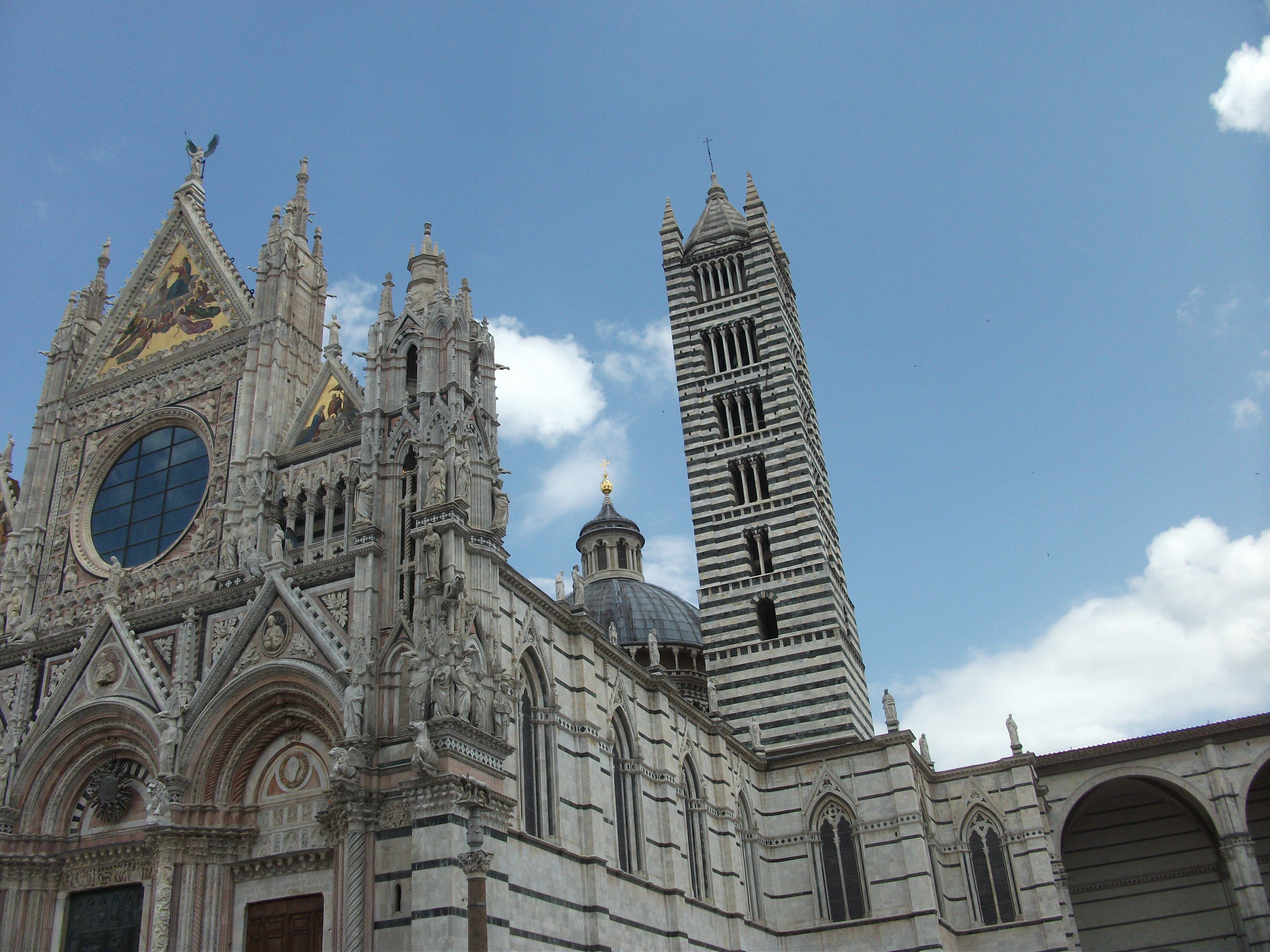
Believe It, Live It / Créelo, Vívelo

There are many days when I sit with my Bible and I am puzzled. What is God trying to say? Why can’t Paul be clearer? Did Jesus mean that the way I think He did, or in some other way, because this does not make sense to me.

But today’s readings are crystal clear. In the first reading, we hear Peter tell the high priest, we are not going to stop talking about Jesus. You may not like it but that’s not our problem. I am compelled to continue by two things – our witness of the passion, death and resurrection of Jesus and the Holy Spirit. Peter and the Apostles have the Holy Spirit because they obey God. We too have the Holy Spirit by virtue of our Baptism first, and then are sealed with the gifts of the Holy Spirit at Confirmation. 

Are we talking about Jesus? It is not always natural, fun, or easy to talk about Him, is it? But we can ask for that holy boldness to do so, to be compelled to speak because we know and believe that Jesus is the Son of God. Indeed, John reminds us in today’s Gospel that the Father gave all to the Son and believing in Him leads to eternal life. But if we disobey the Son, we experience not life, but the justice of God, as the last verse indicates, with a promise and a punishment. 

It is clear that it is not enough to believe passively. We are called to live out our faith in active, tangible ways. As we read through Acts during this Easter season, allow it to stir you to action. During Lent, you may have taken up extra prayer, made more sacrifices, and spent more time serving others. Maybe you can pick up those practices again so that they become a part of your walk. Or look for new ways to put your faith into action. Volunteer your time at your parish or in your community. Keep in touch with those who have left the Church and invite them back. 

Allow your belief in Christ to form and shape your actions.

Contact the author


Muchas veces cuando reflexiono con la Biblia y me siento confundida. ¿Qué está intentando decir Dios? ¿Por qué Pablo no puede hablar más claramente? ¿Lo quiso decir Jesús como creo que lo quiso decir, o de otra forma? porque esto no me resulta comprensible.

Pero las lecturas de hoy son muy claras. En la primera lectura, escuchamos a Pedro decirle al sumo sacerdote que no van a dejar de hablar de Jesús. Puede que no te guste, pero ese no es nuestro problema. Dos cosas me impulsan a continuar: nuestro testimonio de la pasión, muerte y resurrección de Jesús y el Espíritu Santo. Pedro y los Apóstoles tienen el Espíritu Santo porque obedecen a Dios. Nosotros también tenemos el Espíritu Santo en virtud de nuestro Bautismo primero, y luego somos sellados con los dones del Espíritu Santo en la Confirmación.

¿Hablamos de Jesús con los demás? No siempre es natural, divertido ni fácil hablar de Él, ¿verdad? Pero podemos pedir esa santa valentía para hacerlo, para sentirnos impulsados ​​a hablar porque sabemos y creemos que Jesús es el Hijo de Dios. De hecho, Juan nos recuerda en el Evangelio de hoy que el Padre lo entregó todo al Hijo y que creer en Él conduce a la vida eterna. Pero si desobedecemos al Hijo, no experimentamos la vida, sino la justicia de Dios, como indica el último versículo, con una promesa y un castigo.

Es evidente que no basta con creer pasivamente. Estamos llamados a vivir nuestra fe de manera activa y tangible. Al leer los Hechos de los Apóstoles durante esta temporada de Pascua, deja que te impulse a la acción. Durante la Cuaresma, puede que hayas recurrido a la oración, hecho más sacrificios y dedicado más tiempo al servicio de los demás. Quizás puedas retomar esas prácticas para que formen parte de tu vida. O busca nuevas maneras de poner en práctica tu fe. Ofrece tu tiempo como voluntario en tu parroquia o en tu comunidad. Mantente en contacto con quienes han abandonado la Iglesia e invítalos a regresar.

Permite que tu fe en Cristo moldee tus acciones.

Comunicarse con la autora

Deanna G. Bartalini, M.Ed., M.P.A. is a certified spiritual director, retreat leader, speaker, and writer with decades of experience serving the Church. She is the founder of LiveNotLukewarm.com, works on the retreat team at Our Lady of Florida Passionist Spiritual Center, and is an Unbound prayer minister.  She has served as a religious education director, youth minister, liturgical coordinator, and stewardship director. She writes for SpiritualDirection.comCatholicMom.comDiocesan.com, and Women in the New Evangelization (WINE). Deanna is the author of The Stay Connected Journals for Catholic Women, Invite the Holy Spirit into your Life, and has contributed to the Catholic Mom’s Prayer Companion, as well as Digital Ministry and Leadership in Today’s Church.

Feature Image Credit: adrianna geo, unsplash.com/photos/woman-in-black-long-sleeve-shirt-and-blue-denim-jeans-holding-woman-in-beige-sweater-5hNLxvOAxuY

The views and opinions expressed in the Inspiration Daily blog are solely those of the original authors and contributors. These views and opinions do not necessarily represent those of Diocesan, the Diocesan staff, or other contributors to this blog.

Our God is Great! / ¡Nuestro Dios es grande!

Tomorrow, we begin the holiest week of the year. But before we begin to focus on Jesus’ passion, death and resurrection, we read in Ezekiel and Jeremiah what God will do for us. He will unify us, give us land, deliver us from our sins, make an everlasting covenant of peace with us, dwell among us, and give us one shepherd. 

God’s offer is great, isn’t it? I hope our response is just as all encompassing. God offers all of this to us all; we have only to accept it and live as He asks us to during our time on this earth, living by God’s statutes and carefully observing His decrees. 

In the Gospel we read how those who want Jesus to die plot against him. And indeed, Jesus does die. For all of us. So that we can have what God wants to give us. A life of fullness and peace and joy and abundance. 

Do you want what God offers you? Many of us have spent the past forty days doing our best to root out sin, make sacrifices, and grow closer to God through acts of mortification. But as we enter Holy Week, let us also turn to God and ask Him to lead us to a greater repentance and understanding of what He has for us. 

Spend some time pondering God’s goodness and what you can do to thank and honor Him for all the blessings and gifts He has given you.

Contact the author


Mañana comenzamos la semana más santa de todo el año. Pero antes de centrarnos en la pasión, muerte y resurrección de Jesús, leemos en Ezequiel y Jeremías lo que Dios hará por nosotros. Nos unificará, nos dará tierra, nos librará de nuestros pecados, hará con nosotros una alianza eterna de paz, habitará entre nosotros y nos dará un solo pastor.

La oferta de Dios es grandiosa, ¿verdad? Espero que nuestra respuesta sea igual de generosa. Dios nos ofrece todo esto; solo tenemos que aceptarlo y vivir como Él nos pide durante nuestra vida en la tierra, viviendo según sus preceptos y observando fielmente sus decretos.

En el Evangelio leemos cómo quienes querían la muerte de Jesús conspiraron contra él. Y, en efecto, Jesús murió. Por todos nosotros. Para que podamos tener lo que Dios quiere darnos: una vida de paz y plenitud, alegría y abundancia.

¿Deseas lo que Dios te ofrece? Muchos hemos dedicado los últimos cuarenta días a esforzarnos por erradicar el pecado, hacer sacrificios y acercarnos a Dios mediante actos de mortificación. Pero al entrar en la Semana Santa, también volvamos a Dios y pidámosle que nos guíe a un mayor arrepentimiento y a una mejor comprensión de lo que tiene preparado para nosotros. 

Dedica tiempo a reflexionar sobre la bondad de Dios y sobre cómo puedes agradecerle y honrarle por todas las bendiciones y dones que te ha concedido.

Comunicarse con la autora

Deanna G. Bartalini, M.Ed., M.P.A. is a certified spiritual director, retreat leader, speaker, and writer with decades of experience serving the Church. She is the founder of LiveNotLukewarm.com, works on the retreat team at Our Lady of Florida Passionist Spiritual Center, and is an Unbound prayer minister.  She has served as a religious education director, youth minister, liturgical coordinator, and stewardship director. She writes for SpiritualDirection.comCatholicMom.comDiocesan.com, and Women in the New Evangelization (WINE). Deanna is the author of The Stay Connected Journals for Catholic Women, Invite the Holy Spirit into your Life, and has contributed to the Catholic Mom’s Prayer Companion, as well as Digital Ministry and Leadership in Today’s Church.

Feature Image Credit: frank mckenna, unsplash.com/photos/five-birds-flying-on-the-sea-OD9EOzfSOh0 

The views and opinions expressed in the Inspiration Daily blog are solely those of the original authors and contributors. These views and opinions do not necessarily represent those of Diocesan, the Diocesan staff, or other contributors to this blog.
Expect the Unexpected! / ¡Esperar lo inesperado!

Both the first reading and the Gospel point to the same theme – God is full of surprises. And His Son is as well. We see the outward appearance of people and make decisions about them. Or are we judging? You may know certain people more intimately, so there are less surprises when it comes to their behavior. Even then though, how well can we really know another person? How well can we know ourselves?

Knowing ourselves requires honesty and humility. When Samuel chooses David, as instructed by God, David did not argue. Whatever he understood, anticipated, or desired with this anointing we do not know. He accepted what was given. We too, need to accept what God gives us. It may be our trials or difficulties or an arduous task but I imagine David, thinking more along the lines of, “What great work does God want from me? How will He help me accomplish this?”

When God gives me a new work, I am not always grateful. Maybe I do not want or enjoy this new project. One question I often ask myself during these times is, “What do you want me to learn from this?” Often the answer is to trust God more fully and not worry so much. 

In the Gospel we see the Pharisees and the blind man’s parents worrying. All those questions trying to trap Jesus, the blind man, the parents; they need to get to the bottom of this healing and they cannot let it go. They are afraid to trust that Jesus is who He says He is. It would be too much for them to consider. It would turn their world upside down and cause them to question so much about how they live.

Yet, when we turn to Jesus and allow Him into our lives, He turns it all upside down in the best ways. Of course, life can be messy at times. Keep holding on to Jesus. Keep relying on Him to help you to see. The blind man was given the gift of sight, and it changed his entire life. It was probably confusing at times and even overwhelming. Keeping close to Jesus, believing and worshipping Him helped him figure out his new life.

That is the lesson for us as well. Keep close to Jesus, turn to him, believe, and worship – and He will give you the gifts you need to navigate your life.  

Contact the author


Tanto la primera lectura como el Evangelio apuntan al mismo tema: Dios está lleno de sorpresas. Y su Hijo también. Nos fijamos en la apariencia de las personas y tomamos decisiones sobre ellas. ¿O acaso las juzgamos? Quizás conozcamos a ciertas personas más íntimamente, por lo que su comportamiento nos sorprende menos. Aun así, ¿cuánto podemos conocer realmente a otra persona? ¿Cuánto podemos conocernos a nosotros mismos?

Conocernos a nosotros mismos requiere honestidad y humildad. Cuando Samuel eligió a David, siguiendo las instrucciones de Dios, David no refutó nada. Desconocemos lo que entendió, anticipó o deseó con esta unción. Aceptó lo que se le dio. Nosotros también debemos aceptar lo que Dios nos da. Pueden ser pruebas, dificultades o una tarea ardua, pero me imagino a David pensando más bien: “¿Qué gran obra quiere Dios de mí? ¿Cómo me ayudará a lograrla?”

Cuando Dios me encomienda una nueva tarea, no siempre estoy agradecida. Quizás no la deseo o no la disfruto. Una pregunta que suelo hacerme en estos momentos es: “¿Qué quieres que aprenda de esto?” A menudo, la respuesta es confiar más plenamente en Dios y no preocuparme tanto.

En el Evangelio vemos a los fariseos y a los padres del ciego preocupados. Todas esas preguntas intentaban acorralar a Jesús, al ciego, a los padres; necesitaban llegar al fondo de esta sanación y no podían dejarlo pasar. Tenían miedo de confiar en que Jesús era quien decía ser. Sería demasiado para ellos considerarlo. Les pondría su mundo patas arriba y les haría cuestionarse muchas cosas sobre cómo viven.

Sin embargo, cuando nos volvemos a Jesús y le permitimos entrar en nuestras vidas, Él lo transforma todo para bien. Por supuesto, la vida a veces puede ser complicada. Sigue aferrándote a Jesús. Sigue confiando en Él para que te ayude a ver. Al ciego se le concedió el don de la vista, y eso cambió su vida por completo. Probablemente fue confuso e incluso abrumador en ocasiones. Mantenerse cerca de Jesús, creer en Él y adorarlo le ayudó a comprender su nueva vida. 

Esa es también la lección para todos nosotros. Manténganse cerca de Jesús, acérquense a él, crean y adoren, y él les dará los dones que necesitan para guiar su vida.

Comunicarse con la autora

Deanna G. Bartalini, M.Ed., M.P.A. is a certified spiritual director, retreat leader, speaker, and writer with decades of experience serving the Church. She is the founder of LiveNotLukewarm.com, works on the retreat team at Our Lady of Florida Passionist Spiritual Center, and is an Unbound prayer minister.  She has served as a religious education director, youth minister, liturgical coordinator, and stewardship director. She writes for SpiritualDirection.comCatholicMom.comDiocesan.com, and Women in the New Evangelization (WINE). Deanna is the author of The Stay Connected Journals for Catholic Women, Invite the Holy Spirit into your Life, and has contributed to the Catholic Mom’s Prayer Companion, as well as Digital Ministry and Leadership in Today’s Church.

Feature Image Credit: Daniel Joshua, unsplash.com/photos/silhouette-of-man-sitting-on-the-edge-of-a-cross-during-sunset-LwZ7hlAvI2Y

The views and opinions expressed in the Inspiration Daily blog are solely those of the original authors and contributors. These views and opinions do not necessarily represent those of Diocesan, the Diocesan staff, or other contributors to this blog.

We Have Choices / Tenemos opciones

God has given us the gift of free will. In the first reading today Moses is explaining, very clearly, the choices the people of Israel have and the outcomes of those choices. Walk with God by obeying His commandments and you will live, have descendants, and land. Turn away from God, and you will “certainly perish.”  Moses asks them to choose life, choose the blessing, love God, hold onto Him and obey Him.  And, for a time, the people do choose God’s way and life is good. And then, they fall away because it is hard to resist the other choices the world offers.

We are just beginning Lent, our opportunity to make choices that will lead us toward God, repentance, purification, and a life of blessing. It may not seem like the small sacrifices we offer up in this season make a difference. But they do. They ask us to be more conscious and disciplined in our faith life. These small mortifications can be the way we pick up our cross and follow Jesus.

What are our Lenten crosses? Maybe we decided not to put cream or sugar in our coffee or tea. Maybe we stop snacking between meals or get up 15 minutes early to pray. Maybe we read Scripture before we watch TV or pray the rosary with our family. There are so many possible Lenten penances that we can take up, so many choices. 

Then there are the crosses we are asked to take up: caring for our elderly parents, spouse, or friend in need. Do we feel they have been thrust on us without our agreement, but are still our responsibility? Even those crosses are choices we make as we decide how to handle them. 

The one thing we can always choose is our attitude in any given circumstance. In the book, Man’s Search for Meaning, Viktor E. Frankl says, “Everything can be taken from a man but one thing: the last of the human freedoms—to choose one’s attitude in any given set of circumstances, to choose one’s own way.”

As we begin Lent with our various penances and crosses, both those we have chosen and those we have been given, let’s think about the attitude we have toward these penances and crosses. Let our will, enriched by God’s grace, lead us closer and closer to Jesus and His suffering. If we can model our attitude after that of Jesus, who suffered and died for us, our Lent will be less about our suffering and more about offering our suffering up for others.

Contact the author


Dios nos ha dado el don del libre albedrío. En la primera lectura de hoy, Moisés explica con mucha claridad las opciones que tiene el pueblo de Israel y las consecuencias de esas decisiones. Camina con Dios obedeciendo sus mandamientos y vivirás, tendrás descendencia y tierra. Aléjate de Dios y “perecerás sin remedio”. Moisés les pide que elijan la vida, elijan la bendición, amen a Dios, se aferren a Él y le obedezcan. Y, por un tiempo, el pueblo elige el camino de Dios y la vida es buena. Pero luego, se alejan porque es difícil resistir las otras opciones que ofrece el mundo.

Apenas estamos comenzando la Cuaresma, la cual nos da la oportunidad de tomar decisiones que nos llevarán hacia Dios, el arrepentimiento, la purificación y una vida de bendición. Puede parecer que los pequeños sacrificios que ofrecemos en este tiempo no hagan ninguna diferencia. Pero no es cierto. Nos piden ser más conscientes y disciplinados en nuestra vida de fe. Estas pequeñas mortificaciones pueden ser la manera de tomar nuestra cruz y seguir a Jesús.

¿Cuáles son nuestras cruces de Cuaresma? Quizás decidimos no ponerle crema ni azúcar al café o al té. Quizás dejamos de merendar entre comidas o nos levantamos 15 minutos antes para rezar. Quizás leemos las Escrituras antes de ver la televisión o rezamos el rosario en familia. Hay tantas penitencias cuaresmales que podemos adoptar, tantas opciones.

Luego vienen las cruces que no hemos elegido pero se nos pide tomar: cuidar de nuestros padres ancianos, de nuestro esposo o de un amigo necesitado. ¿Sentimos que nos las han impuesto sin nuestro consentimiento, pero que siguen siendo nuestra responsabilidad? Incluso esas cruces son decisiones que tomamos al decidir cómo manejarlas.

Lo único que siempre podemos elegir es nuestra actitud en cualquier circunstancia. En el libro Man’s Search for Meaning (El hombre en busca de sentido), Viktor E. Frankl dice: “Todo se le puede quitar del hombre, menos una cosa: la última de las libertades humanas: elegir la propia actitud en cualquier circunstancia, elegir su propio camino”. 

Al comenzar la Cuaresma con nuestras diversas penitencias y cruces, tanto las que hemos elegido como las que se nos han dado, reflexionemos sobre nuestra actitud hacia ellas. Dejemos que nuestra voluntad, enriquecida por la gracia de Dios, nos acerque cada vez más a Jesús y a su sufrimiento. Si podemos imitar la actitud de Jesús, quien sufrió y murió por nosotros, nuestra Cuaresma se centrará menos en nuestro sufrimiento y más en ofrecerlo por los demás.

Comunicarse con la autora

Deanna G. Bartalini, M.Ed., M.P.A. is a certified spiritual director, retreat leader, speaker, and writer with decades of experience serving the Church. She is the founder of LiveNotLukewarm.com, works on the retreat team at Our Lady of Florida Passionist Spiritual Center, and is an Unbound prayer minister.  She has served as a religious education director, youth minister, liturgical coordinator, and stewardship director. She writes for SpiritualDirection.comCatholicMom.comDiocesan.com, and Women in the New Evangelization (WINE). Deanna is the author of The Stay Connected Journals for Catholic Women, Invite the Holy Spirit into your Life, and has contributed to the Catholic Mom’s Prayer Companion, as well as Digital Ministry and Leadership in Today’s Church.

Feature Image Credit: Marcus Urbenz, unsplash.com/photos/an-aerial-view-of-a-wooden-walkway-in-the-woods-gYgDcCYob_s

The views and opinions expressed in the Inspiration Daily blog are solely those of the original authors and contributors. These views and opinions do not necessarily represent those of Diocesan, the Diocesan staff, or other contributors to this blog.

What Does God Want From Us? / ¿Qué quiere Dios de nosotros?

There have been many times in my life when the feelings of frustration and despair have overwhelmed me to the point that I looked upward toward heaven and asked God, “What am I supposed to do?  What more can I do?” Today’s readings point out what we can do: be obedient, submit to God’s will, look to God for help, praise God, stay disciplined, and be present to what is in front of you.

And all of those behaviors need to be in place before a crisis. Saul is in crisis because of his disobedience to what God directed him to do. He only did part of what he was told. I think we often do something similar. We have a problem, we pray, and we receive a solution during that prayer time. But we are not sure we like that solution so we keep praying about it. We continue to discern. Sometimes we ask others what they think is a good solution. We pray some more. We are using prayer as procrastination. God was clear. Deep in our soul we know what He said, yet, we hesitate, or like Saul, do a portion of what God asked of us and then wonder why things are not working out.

We cannot give ourselves halfway to God. We cannot follow some of His plans for us and some of other people’s. God does nothing halfway for us, so let us honor Him and do all that He asks. During this season of Ordinary Time, it is a great time to instill good spiritual practices and become disciplined about our faith life. When we spend time with God and learn to be with Him, we can learn how He reaches us and guides us. Here are some ideas:

– Go to a weekday Mass once or twice a week.

– Go to Adoration once a week. No chapel nearby? Have an hour of prayer at home.

– Spend 10 minutes a day in silence; when that is a habit, move to 15 and then 20 minutes. Take three deep breaths, bless yourself, and say, “Hear I am Lord.” When time is up, write down what you received in prayer.

– Ask God for help before you begin solving a problem.

– When you hear a prompting from God, act on it immediately and fully.

– Read one chapter of one of the Gospels per day.

So, what does God want from us? Faithfulness. It may seem like He wants more than we can give. Maybe we are afraid to give Him all of ourselves, especially the parts we do not like or keep hidden. What I know though, is that when I give God everything, His faithfulness far surpasses mine. Because he is God and He gives in abundance. He makes us new, from the inside out. Today, decide on one concrete behavior to implement to give yourself more fully to God. 

Contact the author


Muchas veces en mi vida, la frustración y la desesperación me han abrumado tanto que he mirado al cielo y le he preguntado a Dios: “¿Qué debo hacer? ¿Qué más puedo hacer?” Las lecturas de hoy nos indican lo que podemos hacer: ser obedientes, someternos a la voluntad de Dios, buscar su ayuda, alabarlo, mantener la disciplina y estar atentos a lo que tenemos por delante.

  Y todos esos comportamientos deben estar presentes antes de una crisis. Saúl está en crisis por su desobediencia a lo que Dios le ordenó hacer. Solo hizo una parte de lo que se le dijo. Creo que a menudo hacemos algo similar. Tenemos un problema, oramos y recibimos una solución durante ese tiempo de oración. Pero no estamos seguros de que nos guste esa solución, así que seguimos orando. Seguimos discerniendo. A veces preguntamos a otros qué creen que es una buena solución. Oramos un poco más. Estamos usando la oración como una forma de procrastinar. Dios fue claro. En lo más profundo de nuestra alma sabemos lo que Él dijo, pero dudamos o, como Saúl, hacemos solo una parte de lo que Dios nos pidió y luego nos preguntamos por qué las cosas no salen bien.

No podemos entregarnos a Dios a medias. No podemos seguir algunos de sus planes para nosotros y otros planes de los demás. Dios no hace nada a medias por nosotros, así que honrémoslo y hagamos todo lo que Él nos pide. Durante este Tiempo Ordinario, es un buen momento para inculcar buenas prácticas espirituales y ser disciplinados en nuestra vida de fe. Cuando pasamos tiempo con Dios y aprendemos a estar con Él, podemos aprender cómo trabaja en nosotros y nos guía. Aquí hay algunas ideas:

– Asiste a misa entre semana una o dos veces por semana.

– Asiste a la Adoración una vez por semana. ¿No tienes una capilla cerca? Dedica una hora de oración en casa.

– Pasa 10 minutos al día en silencio; cuando se convierta en un hábito, pasa a 15 y luego a 20 minutos. Respira profundamente tres veces, bendícete y di: “Heme aquí, Señor”. Cuando se acabe el tiempo, escribe lo que recibiste en oración.

– Pide ayuda a Dios antes de empezar a resolver un problema.

– Cuando escuches una inspiración de Dios, actúa de inmediato y plenamente.

– Lee un capítulo de un Evangelio al día.

Entonces, ¿qué quiere Dios de nosotros? La fidelidad. Puede parecer que quiere más de lo que podemos dar. Quizás tengamos miedo de entregarle todo de nosotros mismos, especialmente las partes que no nos gustan o que mantenemos ocultas. Sin embargo, lo que sé es que cuando le doy todo a Dios, su fidelidad supera con creces la mía. Porque él es Dios y da en abundancia. Nos renueva por dentro y por fuera. Hoy, decide un comportamiento concreto que puedas implementar para entregarte más plenamente a Dios.

Comunicarse con la autora

Deanna G. Bartalini, M.Ed., M.P.A. is a certified spiritual director, retreat leader, speaker, and writer with decades of experience serving the Church. She is the founder of LiveNotLukewarm.com, works on the retreat team at Our Lady of Florida Passionist Spiritual Center, and is an Unbound prayer minister.  She has served as a religious education director, youth minister, liturgical coordinator, and stewardship director. She writes for SpiritualDirection.comCatholicMom.comDiocesan.com, and Women in the New Evangelization (WINE). Deanna is the author of The Stay Connected Journals for Catholic Women, Invite the Holy Spirit into your Life, and has contributed to the Catholic Mom’s Prayer Companion, as well as Digital Ministry and Leadership in Today’s Church.

Feature Image Credit: Submitted by Author

The views and opinions expressed in the Inspiration Daily blog are solely those of the original authors and contributors. These views and opinions do not necessarily represent those of Diocesan, the Diocesan staff, or other contributors to this blog.
Rejoice! / ¡Regocíjate!

A few more days and we will celebrate with great joy the birth of our Savior! We are told to look, see, pay attention, lift our heads, be alert, for a great messenger is coming who will point to the Savior.

In today’s Gospel, Elizabeth and Zechariah rejoice in naming their son John and right away neighbors are concerned and start discussing the whole situation, wondering “What, then, will this child be? For surely the hand of the Lord was with him.” 

John points us to Jesus. He never claims to be anything other than what he is. There is a lesson in that for all of us. Our world often confuses us. We admire people for so many reasons and look for their advice on how we are to live. They are often people who have fame and great wealth, but it sometimes seems like it is all smoke and mirrors, nothing substantial behind the façade of being popular or an influencer.

John was not concerned with being an influencer. I doubt that he tried to convince people to lose weight on the locust and wild honey eating plan or trade their linen clothes for ones of camel hair. He was concerned with the truth and leading others to Jesus. He called people to repentance so they would be ready for the Savior.

Which brings us to now. Today. Are you ready? Have you prepared yourself for the birth of Jesus? We have had four weeks of Advent and Christmas is upon us. If you think you had a less than stellar Advent, it is not too late. And this does not require any shopping or even leaving your house.

Go off to a quiet spot in your house. Open your Bible and read Luke Chapter 1 and Chapter 2, verses 1-38. There are a few canticles in that section and prayers of thanksgiving. Pray those slowly. And then sit for ten minutes or so and allow God’s peace to fill you. Then, write out a prayer of praise and thanks for all you have received this past year. You may find your Christmas is much more full of rejoicing. 

Contact the author


¡En pocos días celebraremos con gran alegría el nacimiento de nuestro Salvador! Se nos dice que miremos, veamos, prestemos atención, alcemos la cabeza, estemos alertas, porque viene un gran mensajero que nos señalará al Salvador.

En el Evangelio de hoy, Isabel y Zacarías se alegran al nombrar a su hijo Juan, e inmediatamente los vecinos se preocupan y empiezan a comentar sobre la situación, preguntándose: “‘¿Qué va a ser de este niño?”… porque realmente la mano de Dios estaba con él”.

Juan nos señala a Jesús. Nunca dice ser otra cosa de lo que es. Hay una lección en esto para todos nosotros. Nuestro mundo a menudo nos confunde. Admiramos a las personas por muchas razones y buscamos su consejo sobre cómo debemos vivir. A menudo son personas famosas y ricas, pero a veces parece que todo es humo y espejos, nada sustancial tras la fachada de ser popular o influyente.

A Juan no le preocupaba ser influyente. Dudo que intentara convencer a la gente bajar de peso con la dieta de langosta y miel silvestre, o de cambiar sus ropas de lino por otras de pelo de camello. Se ocupaba de la verdad y de guiar a otros a Jesús. Llamaba a la gente al arrepentimiento para que estuvieran listos para el Salvador.

Y eso nos lleva al día presente. Hoy. ¿Estás listo? ¿Te has preparado para el nacimiento de Jesús? Hemos tenido cuatro semanas de Adviento y ya se acerca la Navidad. Si crees que tuviste un Adviento decepcionante, aún tienes tiempo. Y esto no requiere irte de compras o ni siquiera salir de casa.

Encuentra un lugar tranquilo en tu casa. Abre tu Biblia y lee Lucas capítulo 1 y capítulo 2 versículos 1-38. Hay unos cánticos en esa sección y oraciones de acción de gracias. Reza lentamente. Luego, siéntate unos diez minutos y deja que la paz de Dios te llene. Luego, escribe una oración de alabanza y agradecimiento por todo lo que has recibido este año. Puede que tu Navidad esté mucho más llena de regocijo.

Comunicarse con la autora

Deanna G. Bartalini, M.Ed.; M.P.A., is a certified spiritual director, writer, speaker and content creator. The LiveNotLukewarm.com online community is a place to inform, engage and inspire your Catholic faith. Her weekly Not Lukewarm Podcast gives you tips and tools to live out your faith in your daily life.

Feature Image Credit: Anuja Tilj, https://unsplash.com/photos/red-flower-in-white-ceramic-vase-5B6q-bgK-wQ

The views and opinions expressed in the Inspiration Daily blog are solely those of the original authors and contributors. These views and opinions do not necessarily represent those of Diocesan, the Diocesan staff, or other contributors to this blog.
Faithful Followers of Jesus / Seguidores fieles de Jesús

Today’s Gospel reading may strike us as the way we are called to live as Christians. We have been given many things from God: gifts, talents, intellect, family; and we are to use them to build up the Kingdom. We build our talents through education, practice, and action. We are not to hide them or keep them to ourselves out of fear or selfishness. And this is good and clear thinking on our part. But what about the fact that the king in the story punishes the man who does nothing with his coin and then slays those who do not want him as their king? Can you imagine Jesus killing someone who opposes him? I cannot. 

Jesus tells this parable on the way to Jerusalem, where he knows what will happen to Him and he knows who will kill Him. Those who reject and ultimately kill Jesus choose their own death. To choose Christ is to choose life, eternal life in heaven with God, Mary, and all the saints of heaven. To reject God’s mercy is to choose death. To reject Jesus is to reject salvation. 

Jesus wants to tell the people that they have a decision to make. Who will they decide they want to follow? Will they follow Him and believe he is the Messiah, will they deny Him, or will they do nothing? In my study of Scripture, especially regarding the words of Jesus, doing nothing seems to be the wrong choice. What do you think? If you agree that doing nothing is not what Jesus wants then we must do something with what we have been given. As Christians, that something needs to be for Christ and building up the Kingdom.

Today, take an inventory. List all your gifts, as many as you can think of, from your great smile to your wonderful family to your ability to listen well. Then, write down how you can use them for others. And by others I do not only mean strangers or those with extraordinary needs. It means the people right in front of you – your family, friends, co-workers. The children who need diaper changes and meals, the parent who needs help going to the doctor, the co-worker who needs a tech assist. 

We do not have to go anywhere or look very far to find people to love and serve with the same love Jesus gives us. Take care of the people in front of you. That is how we multiply our coins. Someday you may be called to serve in a faraway place or a new ministry, but when we are faithful to the seemingly small or very ordinary life in front of us, we grow into faithful followers who can make bold decisions for Jesus.

Contact the author


Podemos ver el Evangelio de hoy como un ejemplo de cómo estamos llamados a vivir como cristianos. Dios nos ha dado muchas cosas: dones, talentos, intelecto, familia; y debemos usarlos para construir el Reino. Cultivamos nuestros talentos mediante la educación, la práctica y la acción. No debemos ocultarlos ni guardárnoslos para nosotros mismos por miedo o egoísmo. Y esto es una buena y clara reflexión de nuestra parte. Pero ¿qué hay del hecho de que el rey de la historia castiga al hombre que no hace nada con su moneda y luego mata a quienes no lo quieren como rey? ¿Se imaginan a Jesús matando a alguien que se le opone? Yo no.

Jesús cuenta esta parábola camino a Jerusalén, donde sabe lo que le sucederá y quién lo va a matar. Quienes rechazan y finalmente matan a Jesús eligen su propia muerte. Elegir a Cristo es elegir la vida, la vida eterna en el cielo con Dios, María y todos los santos del cielo. Rechazar la misericordia de Dios es elegir la muerte. Rechazar a Jesús es rechazar la salvación. 

Jesús quiere que la gente sepa que tienen que tomar una decisión. ¿A quién decidirán seguir? ¿Lo seguirán y creerán que es el Mesías, lo negarán, o no harán nada? En mi estudio de las Escrituras, especialmente en lo se trata de las palabras de Jesús, no hacer nada parece ser la decisión equivocada. ¿Qué opinas? Si estás de acuerdo que no hacer nada no es lo que Jesús quiere, entonces debemos hacer algo con lo que se nos ha dado. Como cristianos, ese algo debe ser para Cristo y para la edificación del Reino.

Hoy, haz un inventario. Enumera todos tus dones, todos los que puedas imaginar, desde tu gran sonrisa hasta tu maravillosa familia y tu capacidad para escuchar atentamente. Luego, escribe cómo puedes usarlos para los demás. Y con otros no me refiero solo a desconocidos o personas con necesidades extraordinarias. Me refiero a las personas que tienes frente a ti: tu familia, amigos, compañeros de trabajo. Los niños que necesitan cambio de pañales y comida, el padre que necesita ayuda para ir al médico, el compañero de trabajo que necesita asistencia técnica. 

No tenemos que ir a ningún lado ni buscar muy lejos para encontrar personas a quienes amar y servir con el mismo amor que Jesús nos da. Cuida a los que tienes delante tuyo. Así multiplicamos nuestras monedas. Algún día podrías ser llamado a servir en un lugar lejano o en un nuevo ministerio, pero cuando somos fieles a la vida aparentemente pequeña o muy ordinaria que tenemos por delante, nos convertimos en seguidores fieles capaces de tomar decisiones valientes por Jesús.

Comunicarse con la autora

Deanna G. Bartalini, M.Ed.; M.P.A., is a certified spiritual director, writer, speaker and content creator. The LiveNotLukewarm.com online community is a place to inform, engage and inspire your Catholic faith. Her weekly Not Lukewarm Podcast gives you tips and tools to live out your faith in your daily life.

Feature Image Credit: Andraz Lazic, https://unsplash.com/photos/brown-stair-near-waterfalls-0F9V1JQ67cE

The views and opinions expressed in the Inspiration Daily blog are solely those of the original authors and contributors. These views and opinions do not necessarily represent those of Diocesan, the Diocesan staff, or other contributors to this blog.

Justice and Humility / Justicia y Humildad

Children seem to have a highly evolved sense of justice. As both a parent and a teacher, I can still hear the whiny refrain, “but it’s not fair,” and the complaint that so and so had more crayons or a bigger piece of cake or got to choose the game at recess. Really, though, what they have is a sense that someone has something bigger or better than they do and they do not like that at all.

As adults, we are different. Right? Maybe. You may be familiar with the Litany of Humility. Some parts of that prayer are hard to say, let alone desire. “From the desire of being loved… praised… preferred, deliver me Jesus… From the fear of being humiliated… despised… forgotten, deliver me Jesus… That others may be praised and I unnoticed, Jesus, grant me the grace to desire it.”  

Humility is necessary to submit ourselves to the justice of God. Humility teaches us to behave like the tax collector in today’s Gospel and not like the Pharisee. The Pharisee is very concerned with doing what is correct according to the law and comparing himself to those he believes are not as good as he is. He shows a lack of humility and is judgmental. The tax collector, in contrast, begs for God’s mercy. He knows who he is, a sinner, like all of us. If we do not humbly acknowledge our sinfulness, we cannot receive God’s mercy.  Only when we go before God and acknowledge our sins and ask for forgiveness do we receive mercy.

The Pharisee and the tax collector are us. Maybe not at the same time, but certainly over a lifetime. We cannot help but be both because humility is not an easy virtue to acquire or to maintain. I have noticed that my ability to be humble lessens when I begin to think about life being “not fair” like children do. It also lessens when I think, “oh, look at me, I’m so humble,” somehow thinking it came from something I did rather than from God.

Praying the Litany of Humility is not easy, but it may be your time to pray it. Go slowly, notice what stings a bit or where you catch your breath and write it down. Then ask God to help you grow toward humility in those areas.

Life may not seem fair, but God is. I invite you to accept your life, with its joys and sorrows, in humility, knowing that God exalts the humble.

Contact the author


Los niños parecen tener un sentido de la justicia muy desarrollado. Como madre y profesor, todavía puedo oír el lloriqueo de “pero no es justo”, y la queja de que esa otra persona tenía más crayones, un trozo de pastel más grande o pudo escoger el juego durante recreo. Sin embargo, en realidad, lo que tienen es la sensación de que alguien tiene algo más grande o mejor que ellos, y eso no les gusta para nada.

Como adultos, somos diferentes. ¿Verdad? Puede ser. Quizás conozcas la Letanía de la Humildad. Algunas partes de esa oración son difíciles de recitar, y mucho menos de desear. “Del deseo de ser amado… alabado… preferido, líbrame, Jesús… Del miedo de ser humillado… despreciado… olvidado, líbrame, Jesús… Para que otros sean alabados y yo pase desapercibido, Jesús, concédeme la gracia de desearlo”.

La humildad es necesaria para someternos a la justicia de Dios. La humildad nos enseña a comportarnos como el publicano del Evangelio de hoy y no como el fariseo. El fariseo se preocupa mucho por hacer lo correcto según la ley y se compara con quienes cree que no son tan buenos como él. Muestra falta de humildad y es crítico. El publicano, en cambio, implora la misericordia de Dios. Sabe quién es: un pecador, como todos nosotros. Si no reconocemos humildemente el hecho de que somos pecadores, no podemos recibir la misericordia de Dios. Solo recibimos misericordia cuando nos presentamos ante Dios, reconocemos nuestros pecados y pedimos perdón.

Nosotros somos tanto el fariseo como el publicano. Quizás no al mismo tiempo, pero sí a lo largo de la vida. No podemos evitar ser ambos, porque la humildad no es una virtud fácil de adquirir ni de mantener. He notado que mi capacidad de ser humilde disminuye cuando empiezo a pensar que la vida “no es justa”, como hacen los niños. También disminuye cuando pienso: “Oh, mírame, qué humilde soy”, pensando que de alguna manera proviene de algo que yo hice y no de Dios. 

Rezar la Letanía de la Humildad no es fácil, pero quizás sea tu momento de hacerlo. Leelo despacio, observa qué te duele un poco o dónde te quedas sin aliento y anótalo. Luego, pídele a Dios que te ayude a crecer en humildad en esos aspectos.

La vida puede parecer injusta, pero Dios sí es justo. Te invito a aceptar tu vida, con sus alegrías y sus tristezas, con humildad, sabiendo que Dios enaltece a los humildes.

Comunicarse con la autora

Deanna G. Bartalini, M.Ed.; M.P.A., is a certified spiritual director, writer, speaker and content creator. The LiveNotLukewarm.com online community is a place to inform, engage and inspire your Catholic faith. Her weekly Not Lukewarm Podcast gives you tips and tools to live out your faith in your daily life.
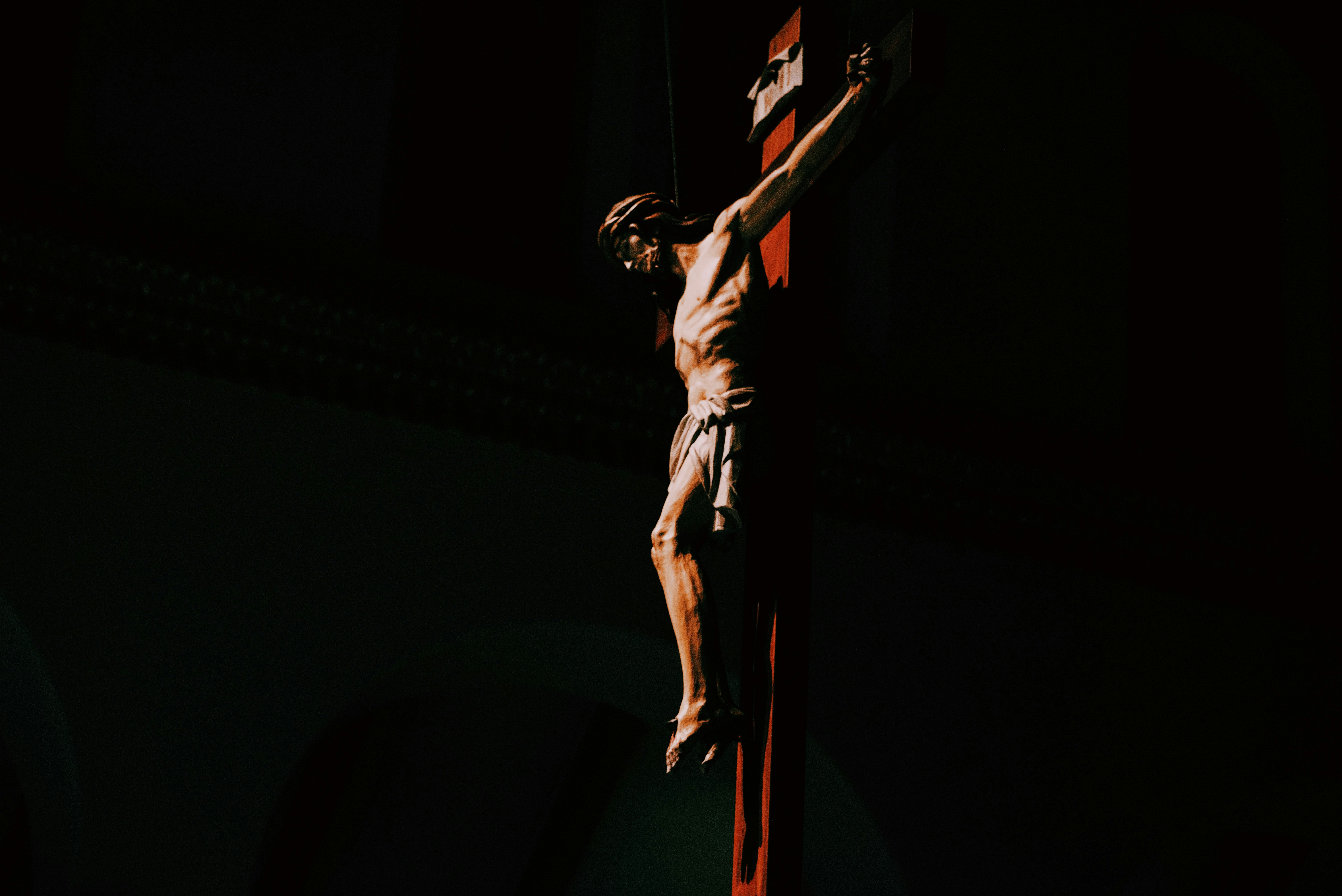
Feature Image Credit: Gianna B, unsplash.com/photos/a-statue-of-a-man-on-a-cross-in-the-dark-s_4upDDvG3g

The views and opinions expressed in the Inspiration Daily blog are solely those of the original authors and contributors. These views and opinions do not necessarily represent those of Diocesan, the Diocesan staff, or other contributors to this blog.

People, Persistence and Prayer / Las personas, la persistencia y la oración

All three readings today remind us of our need for people, persistence and prayer. I’m going to briefly touch on each one individually and give you a few things to consider about your own life. 

People

The book of Exodus is full of many stories which show us the humanity of the people of Israel and the mercy of God. What can we learn from today’s first reading? The Israelites are in a battle and Moses tells Joshua the plan. But Moses grew tired while holding his hands up, so Aaron and Hur supported his hands. 

Firstly, I realize that God, in his mercy, often sends others to help us. Do we see them? We are not meant to live in isolation. Secondly, the role you play in your daily life is unique to you and for you. Joshua’s fighting, Moses lifting the staff, Arron and Hur holding Moses’ hands – all are necessary and important. It is their combined efforts and obedience to God that helps win the battle. 

Persistence 

St. Paul talks about being faithful and the uses of Scripture. He wants Timothy and us to know: 1) the Scripture and use the word of God to teach, correct, and grow in virtue so that we are equipped for the work God has for us, 2) that our persistence and patience are necessary to proclaim the word, 3) that before we can teach others, we must have knowledge of God’s Word.

Prayer

In today’s Gospel from Luke Jesus tells a parable to remind us to “pray always without becoming weary.” The story can be a bit confusing. Is God like the judge who finally answers the widow because she kept asking for a verdict? The judge sounds annoyed with the widow. Does this mean our constant praying annoys God? Not at all! This is another parable where Jesus points out how different God is from human beings. He uses an extreme example to get our attention. 

What can we consider from this parable? 1) Do I continue to pray even if I do not get a response within my timeline or the response that I want? 2) Does your prayer life look like lots of asking God for things and not much praising or offering gratitude? 3) Think about how you can pray without becoming weary and make one small change to your prayer life.

We are not Perfect

In the end, the most important thing we can do is turn to God before we act. It can be as simple as taking a breath and inviting the Holy Spirit to enlighten you before you respond. Other days, you may spend an hour praying with Scripture or praying the rosary with others. The people we spend time with, our level of persistence and our prayer life are going to shift and change as our life does, but I invite you to do your best to put God first throughout the day in different ways. He is always paying attention.

Contact the author


Las tres lecturas de hoy nos acuerdan de nuestra necesidad de las personas, la persistencia y la oración. Voy a abordar brevemente cada una individualmente y te daré algunas ideas para reflexionar sobre tu propia vida.

Las Personas

El libro del Éxodo está lleno de historias que nos muestran la humanidad del pueblo de Israel y la misericordia de Dios. ¿Qué podemos aprender de la primera lectura de hoy? Los israelitas están en una batalla y Moisés le cuenta a Josué el plan. Pero Moisés se cansó mientras sostenía sus manos, así que Aarón y Jur le ayudaron.

Primero, me doy cuenta de que Dios, en su misericordia, a menudo envía a otros para ayudarnos. ¿Los vemos? No estamos destinados a vivir aislados. Segundo, el papel que desempeñas en tu vida diaria es único a ti y para ti. La batalla de Josué, Moisés levantando la vara, Arón y Jur sosteniendo las manos de Moisés: todos son necesarios e importantes. Es su esfuerzo conjunto y su obediencia a Dios lo que ayuda a ganar la batalla.

La Persistencia

San Pablo habla de ser fiel y de los usos de las Escrituras. Quiere que Timoteo y nosotros: 1) conozcamos las Escrituras y usemos la palabra de Dios para enseñar, corregir y crecer en virtud, de modo que estemos preparados para la obra que Dios tiene para nosotros; 2) sepamos que nuestra persistencia y paciencia son necesarias para proclamar la palabra; 3) sepamos que antes de poder enseñar a otros, debemos tener conocimiento de la Palabra de Dios.

La Oración

En el Evangelio de hoy de San Lucas, Jesús cuenta una parábola para recordarnos que debemos orar siempre sin desfallecer. La historia puede ser un poco confusa. ¿Es Dios como el juez que finalmente responde a la viuda porque insistía en pedir un veredicto? El juez parece molesto con la viuda. ¿Significa que nuestra oración constante molesta a Dios? ¡Para nada! Esta es otra parábola en la que Jesús señala cuán diferente es Dios de los seres humanos. Utiliza un ejemplo extremo para captar nuestra atención.

¿Qué podemos considerar en esta parábola? 1) ¿Sigo orando aunque no reciba una respuesta dentro de mi línea de tiempo o la respuesta que deseo? 2) ¿Tu vida de oración se caracteriza por pedirle mucho a Dios y no por alabarlo ni agradecerlo? 3) Piensa en cómo puedes orar sin cansarte y haz un pequeño cambio en tu vida de oración.

No somos perfectos

Al final, lo más importante que podemos hacer es recurrir a Dios antes de actuar. Puede ser tan simple como respirar profundamente e invitar al Espíritu Santo a que te ilumine antes de responder. Otros días, puedes pasar una hora orando con las Escrituras o rezando el rosario con otros. Las personas con las que pasamos el tiempo, nuestra persistencia y nuestra vida de oración cambiarán a lo largo de la vida, pero te invito a hacer todo lo posible por poner a Dios primero durante el día de diferentes maneras. Él siempre está atento. 

Comunicarse con la autora

Deanna G. Bartalini, M.Ed.; M.P.A., is a certified spiritual director, writer, speaker and content creator. The LiveNotLukewarm.com online community is a place to inform, engage and inspire your Catholic faith. Her weekly Not Lukewarm Podcast gives you tips and tools to live out your faith in your daily life.
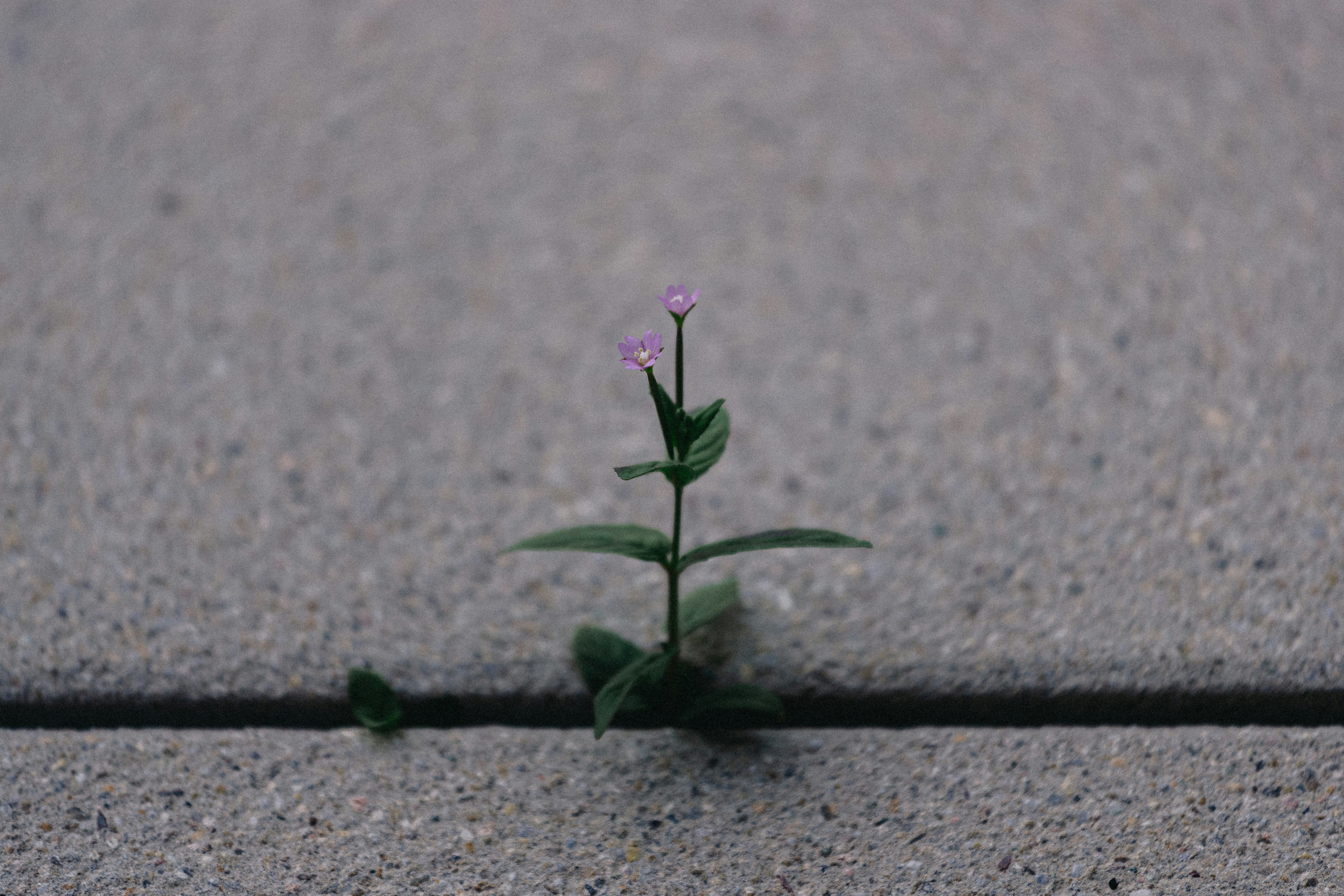
Feature Image Credit: Lucas Chizzali, unsplash.com/photos/a-small-plant-sprouts-out-of-the-pavement-kDHkfujUCyU

The views and opinions expressed in the Inspiration Daily blog are solely those of the original authors and contributors. These views and opinions do not necessarily represent those of Diocesan, the Diocesan staff, or other contributors to this blog.

What Are You Focused On? / ¿En qué estás enfocado?

Money. Wealth. Possessions. A life of ease. The good life. YOLO (you only live once). FOMO (fear of missing out). All of these words and phrases point to the desires of the world. A world which wants to have it all, be all, and experience it all, often at any cost. Today’s readings remind us of what is important. Not the pursuit of the world’s treasures, but the pursuit of “righteousness, devotion, faith, love, patience, and gentleness” (1 Timothy 6:11b).

In our faith, we often hear about the need for surrender. But I believe we have a need which works in tandem with surrender, the need for detachment. The detachment I am speaking of comes from St. Ignatius Loyola’s Spiritual Exercises. In one of the meditations, he leads us to pray to be detached from outcomes. To pray so fully, “thy will be done” that we do not care whether we have a long life or a short one, are rich or poor, have good health or bad, but that we only live for God. And in this living, we do not complain but accept. We surrender to what has happened and continue to live for God.

If we have an abundance of financial means, how do we use them? As St. Paul said, having money is not a problem, is it the” love of money that is the root of all evils.” Money can become more important than people, and then we are not detaching or surrendering, we are living our life for ourselves and not for God.

This does not mean we cannot have a nice house or be well dressed or go on vacation. While it is true that some people are called to poverty, most of us are not. What we are called to is the proper use of our means to help others, as we see in the Gospel today. The women who accompanied Jesus and His disciples took care of them out of their resources. While it does not specify what those resources were, whether they were money, time, or talent, they were necessary to help the community function.

And we can do the same. How can we use our resources to best serve our family and community? For me, this includes not only thinking about what I have in my possession but thinking even before I make purchases for my home, myself, and my family. Do I need this? Will it be used well? Does the old one I have still work? How many shirts, dresses, or jeans do I need? For me, the answer is almost always less rather than more. 

As you go through your day, think about how you are using your resources. Are they at the service of self, worldly cares, or God? How can you detach from the world and turn your focus toward living a life of faith with righteousness, devotion, love, patience, and gentleness. 

Contact the author


Dinero. Riqueza. Posesiones. Una vida tranquila. La buena vida. Solo se vive una vez. Miedo a perderse algo. Todas estas palabras y frases apuntan a los deseos del mundo. Un mundo que quiere tenerlo todo, serlo todo y experimentarlo todo, a menudo sin importar el costo. Las lecturas de hoy nos recuerdan lo que es importante. No la búsqueda de los tesoros del mundo, sino la búsqueda de la “rectitud, piedad, fe, amor, paciencia y mansedumbre” (1 Timoteo 6:11b).

En nuestra fe, a menudo escuchamos sobre la necesidad de la entrega. Pero creo que tenemos una necesidad que va de la mano con la entrega: la necesidad del desapego. El desapego del que hablo proviene de los Ejercicios Espirituales de San Ignacio de Loyola. En una de las meditaciones, nos guía a orar para desapegarnos de las consecuencias. Se trata de rezar con tanta intensidad “hágase tu voluntad” que nos dé igual si tenemos una vida larga o corta, si somos ricos o pobres, si tenemos buena o mala salud, sino que vivamos solo para Dios. Y al vivir de esta forma, no nos quejamos, sino que aceptamos. Nos entregamos a lo sucedido y seguimos viviendo para Dios.

Si tenemos abundancia de recursos económicos, ¿cómo los usamos? Como dijo San Pablo, tener dinero no es un problema, sino el “amor al dinero, que es la raíz de todos los males”. El dinero puede llegar a ser más importante que las personas, y entonces no nos despegamos ni nos entregamos, sino que vivimos para nosotros mismos y no para Dios.

Esto no significa que no podamos tener una casa bonita, vestirnos bien o irnos de vacaciones. Si bien es cierto que algunas personas están llamadas a la pobreza, la mayoría no. Pero sí estamos llamados a utilizar adecuadamente nuestros recursos para ayudar a los demás, como vemos en el Evangelio de hoy. Las mujeres que acompañaron a Jesús y a sus discípulos los cuidaron con sus propios recursos. Si bien no especifica cuáles eran esos recursos, si dinero, tiempo o talento, eran necesarios para el funcionamiento de la comunidad.

Y nosotros podemos hacer lo mismo. ¿Cómo podemos utilizar nuestros recursos para servir mejor a nuestra familia y comunidad? Para mí, esto implica no solo pensar en lo que tengo, sino pensar incluso antes de comprar algo para mi hogar, para mí y para mi familia. ¿Lo necesito? ¿Lo utilizaremos frecuentemente? ¿El viejo que tengo todavía funciona? ¿Cuántas camisas, vestidos o jeans necesito? Para mí, la respuesta casi siempre es menos, no más.

A lo largo del día, piensa en cómo estás usando tus recursos. ¿Están al servicio de ti mismo, de las preocupaciones mundanas, o de Dios? ¿Cómo puedes desapegarte del mundo y enfocarte en vivir una vida de rectitud, piedad, fe, amor, paciencia y mansedumbre?

Comunicarse con la autora

Deanna G. Bartalini, M.Ed.; M.P.A., is a certified spiritual director, writer, speaker and content creator. The LiveNotLukewarm.com online community is a place to inform, engage and inspire your Catholic faith. Her weekly Not Lukewarm Podcast gives you tips and tools to live out your faith in your daily life.

Feature Image Credit: Paul Skorupskas, unsplash.com/photos/person-holding-camera-lens-7KLa-xLbSXA

The views and opinions expressed in the Inspiration Daily blog are solely those of the original authors and contributors. These views and opinions do not necessarily represent those of Diocesan, the Diocesan staff, or other contributors to this blog.

Forgive From the Heart / Perdonar del Corazón

Today the Church celebrates the Memorial of St. Maximillian Kolbe, Priest and Martyr. His life, death, and canonization affected me deeply when I learned about him in high school. He stays with me to this day. Why? He was a Conventual Franciscan, the same order as the priests in my parish. He loved our Blessed Mother, he was bold in his faith, he was a missionary, he loved all people, to his death. A few years ago, I visited Auschwitz where he died on August 14, 1941 by lethal injection after suffering two weeks of starvation and dehydration. He was canonized on October 10, 1982, by Pope John Paul II. 

Our first reading today points to the priests of Israel carrying the Ark of the Covenant across the Jordan River. The waters of the Jordan stopped flowing to allow the people to move forward. St. Maximilian carried the love of Christ and His mother into Japan and then into the concentration camps. He prayed with people, taught them, celebrated Mass, and heard their confessions, overcoming great obstacles and showing us what is possible when we trust in God. 

The Holocaust and the crimes committed in all the concentration camps were evil beyond what my mind can grasp. Sins committed against us pale in comparison and yet, we struggle to forgive. Peter asks Jesus how often he must forgive? He asks for himself and all of us. The answer is hard. Forgive seventy-seven times is Jesus’ first response. 

As we continue to read the parable of the king and servants, we hear that we are to forgive from our hearts. This is how God forgives, totally and truly, as it says in Psalm 103:12, “As far as the east is from the west, so far has he removed our sins from us.” That seems so far from our human ability, and it is not possible to do it on our own. We can only forgive that way because God has done this for us and now, out of love, we want to do the same for others.

When we do forgive, we do it with humility and the understanding that it is possible through the grace of God and the gift of the Holy Spirit within us. It is not possible because we are wonderful, it is our cooperation with God that makes it possible.

How was St. Maximillian able to give his life for another? He showed great love in the midst of the absolute horrors of man’s inhumanity to man. He offered hope. 

Spend some time in prayer looking at people you need to forgive in your life. Ask God to help you. If you can speak to the people, do so. If not, speak to them in your imagination. Show them the love and hope God has shown you.

Contact the author


Hoy la Iglesia celebra la Memoria de San Maximiliano Kolbe, sacerdote y mártir. Su vida, muerte y canonización me impactaron profundamente cuando supe de él en la preparatoria. Sigue conmigo hasta el día de hoy. ¿Por qué? Era franciscano conventual, la misma orden que los sacerdotes de mi parroquia. Amó a nuestra Santísima Madre, fue audaz en su fe, fue misionero, amó a todas las personas hasta la muerte. Hace unos años, visité a Auschwitz, donde murió el 14 de agosto de 1941 por inyección letal tras sufrir dos semanas de inanición y deshidratación. Fue canonizado el 10 de octubre de 1982 por el Papa Juan Pablo II.

La primera lectura de hoy nos habla de los sacerdotes de Israel que llevaron el Arca de la Alianza a través del río Jordán. Las aguas del Jordán dejaron de fluir para permitir que el pueblo avanzara. San Maximiliano llevó el amor de Cristo y de su Madre a Japón y luego a los campos de concentración. Oró con la gente, les enseñó, celebró la misa y escuchó sus confesiones, superando grandes obstáculos y mostrándonos lo que es posible cuando confiamos en Dios.

El Holocausto y los crímenes cometidos en todos los campos de concentración fueron una maldad incomprensible. Los pecados cometidos contra nosotros son tan pequeños en comparación y, sin embargo, nos cuesta perdonar. Pedro le pregunta a Jesús cuántas veces debe perdonar. Pregunta por sí mismo y por todos nosotros. La respuesta es difícil. Perdonar setenta y siete veces es la primera respuesta de Jesús.

Al continuar leyendo la parábola del rey y los sirvientes, escuchamos que debemos perdonar de corazón. Así es como Dios perdona, total y verdaderamente, como dice el Salmo 103,12: “Cuanto está lejos el oriente del occidente, así ha alejado de nosotros nuestros pecados”. Eso parece estar muy lejos de nuestra capacidad humana, y no es posible hacerlo por nosotros mismos. Solo podemos perdonar así porque Dios lo hizo por nosotros y ahora, por amor, queremos hacer lo mismo por los demás. 

Cuando perdonamos, lo hacemos con humildad y con la comprensión de que es posible gracias a la gracia de Dios y al don del Espíritu Santo en nosotros. No es posible porque seamos maravillosos; es nuestra cooperación con Dios lo que lo hace posible.

¿Cómo pudo San Maximiliano dar su vida por otro? Demostró un gran amor en medio de los horrores absolutos de la inhumanidad del hombre hacia el hombre. Ofreció esperanza.

Dedica un tiempo a la oración pensando en las personas a las que necesitas perdonar en tu vida. Pídele a Dios que te ayude. Si puedes hablarles, hazlo. Si no, háblales en tu imaginación. Muéstrales el amor y la esperanza que Dios te ha mostrado.

Comunicarse con la autora

Deanna G. Bartalini, M.Ed.; M.P.A., is a certified spiritual director, writer, speaker and content creator. The LiveNotLukewarm.com online community is a place to inform, engage and inspire your Catholic faith. Her weekly Not Lukewarm Podcast gives you tips and tools to live out your faith in your daily life.
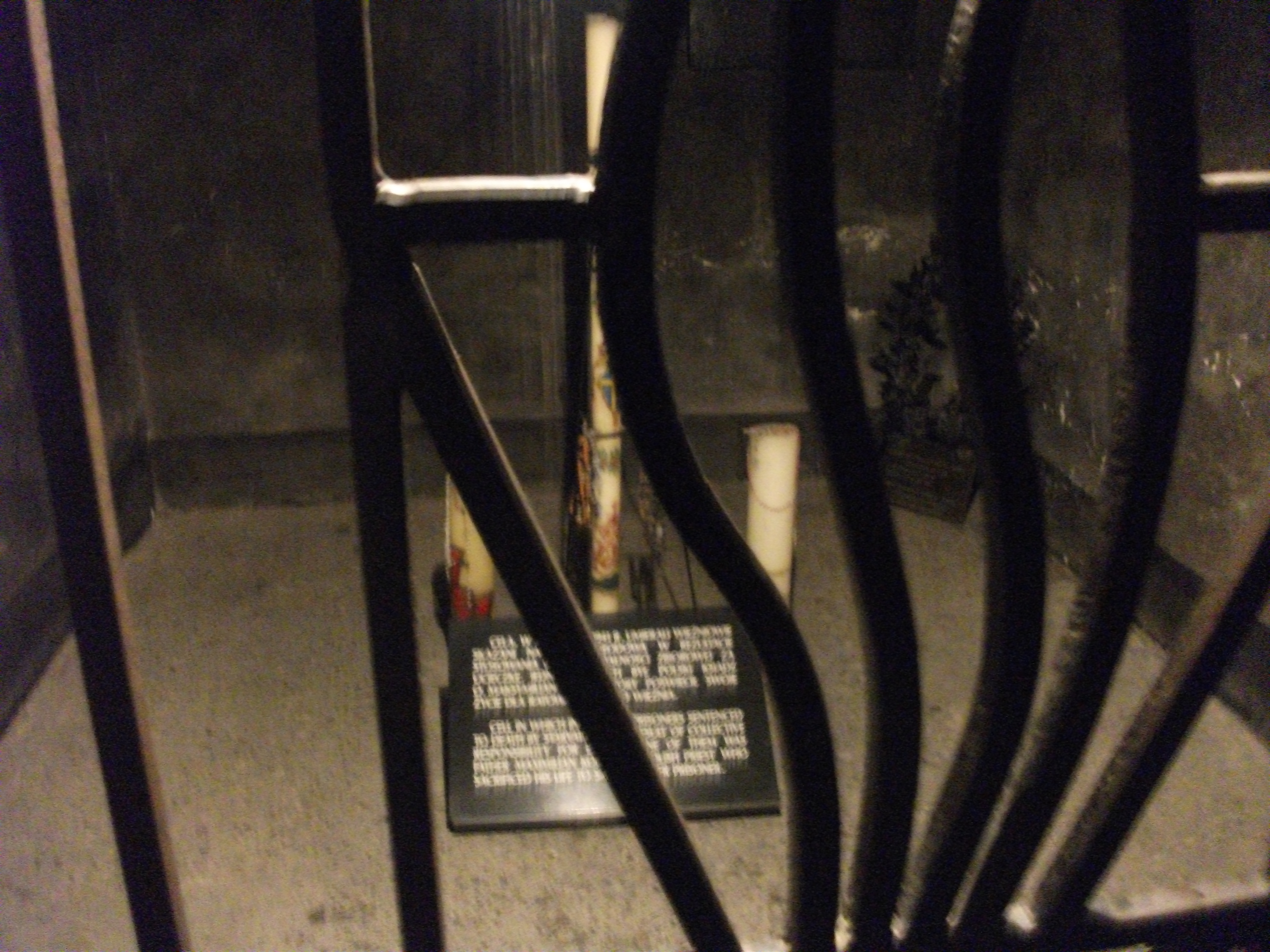
Feature Image Credit: Image by Author

The views and opinions expressed in the Inspiration Daily blog are solely those of the original authors and contributors. These views and opinions do not necessarily represent those of Diocesan, the Diocesan staff, or other contributors to this blog.

Look to the Kingdom / Mirar hacia el Reino

What is the Kingdom of Heaven like to you? If you were praying with this Scripture, that might be a question you ask yourself. Or possibly, what is the emotion that you have when you think about the Kingdom of Heaven? In these two short verses from Matthew’s Gospel we see joy, excitement, maybe even wonder in the person who finds a buried treasure and a pearl.

It is almost childlike, the excitement. Children get excited about the simplest of things. Splashing in the rain, planting seeds, their favorite dinner, or going to the playground – it’s all a joy. As we grow, we seem to temper our excitement, lest we look immature or seem silly. Why? 

Jesus is offering us the Kingdom of Heaven. Is our response one of joy, excitement and hope or is it more tepid, ho hum, or “yes, I know”? He is giving us everything! Eternal life, abundant joy, mercy, forgiveness, wholeness, peace, and hope – He offers all of this and much more. Why are we not jumping for joy? Why are we not digging up the field to find the treasure or opening every shell to find the pearl?

As I read this Gospel and ponder these words, I am asking myself these very questions. Where is my joy? I could give you a list of my trials right now. And you could write your own list. These verses invite, compel, practically beg us to stop looking at our trials and look to the Kingdom. Will our trials go away? I think some do, while others change. But the trials are there; we live in a fallen world. 

Looking to the Kingdom, to Jesus, to faith – that is where our hope is and where we find our pearl. And when we have found it, our trials are a bit lighter and easier to bear. Not gone, not forgotten, but more manageable. Instead of fighting within ourselves to fix it all, we turn toward Jesus and allow Him to be with us. He is our treasure and in Him, we find the grace to move forward in our daily life. We fix our eyes on the Kingdom while in the world. 

Today, write down all you see when you fix your eyes on the Kingdom. This is your treasure. This is your pearl of great price. 

Contact the author


¿Cómo es para ti el Reino de los Cielos? Si estuvieras orando con este pasaje bíblico, esa podría ser una pregunta que te hagas. O, posiblemente, ¿cuál es la emoción que tienes cuando piensas en el Reino de los Cielos? En estos dos breves versículos del Evangelio de Mateo vemos alegría, emoción, tal vez incluso asombro en la persona que encuentra un tesoro enterrado y una perla.

La emoción es casi infantil. Los niños se emocionan por las cosas más simples: chapotear bajo la lluvia, plantar semillas, comer su cena favorita o ir al parque; todo es una alegría. A medida que crecemos, parecemos moderar nuestra emoción, para no parecer inmaduros o tontos. ¿Por qué?

Jesús nos ofrece el Reino de los Cielos. ¿Nuestra respuesta es de alegría, emoción y esperanza o es más tibia, anodina o de “sí, lo sé”? ¡Nos está dando todo! Vida eterna, alegría abundante, misericordia, perdón, plenitud, paz y esperanza; Él ofrece todo esto y mucho más. ¿Por qué no saltamos de alegría? ¿Por qué no estamos escavando el campo para encontrar el tesoro o abriendo cada concha para encontrar la perla?

Al leer este Evangelio y meditar sobre estas palabras, me hago estas mismas preguntas: ¿Dónde está mi alegría? Podría darles una lista de mis dificultades actuales. Y ustedes podrían escribir su propia lista. Estos versículos nos invitan, nos obligan, prácticamente nos ruegan que dejemos de mirar nuestras dificultades y miremos al Reino. ¿Desaparecerán las dificultades? Creo que algunas sí, mientras que otras cambian. Pero las dificultades están ahí; vivimos en un mundo caído.

Mirando al Reino, a Jesús, a la fe: ahí es donde encontramos la esperanza y donde encontramos la perla. Y cuando la hemos encontrado, nuestras dificultades son un poco más livianas y más fáciles de soportar. No se han ido, no se han olvidado, sino que son más manejables. En lugar de luchar dentro de nosotros mismos para arreglarlo todo, nos volvemos hacia Jesús y le permitimos estar con nosotros. Él es nuestro tesoro y en Él encontramos la gracia para avanzar en la vida diaria. Fijamos nuestros ojos en el Reino mientras estamos en el mundo.

Hoy, escribe todo lo que ves cuando fijas tus ojos en el Reino. Éste es tu tesoro. Ésta es tu perla muy valiosa.

Comunicarse con la autora

Deanna G. Bartalini, M.Ed.; M.P.A., is a certified spiritual director, writer, speaker and content creator. The LiveNotLukewarm.com online community is a place to inform, engage and inspire your Catholic faith. Her weekly Not Lukewarm Podcast gives you tips and tools to live out your faith in your daily life.

Feature Image Credit: David Bartus, pexels.com/photo/light-inside-chest-box-366791/

The views and opinions expressed in the Inspiration Daily blog are solely those of the original authors and contributors. These views and opinions do not necessarily represent those of Diocesan, the Diocesan staff, or other contributors to this blog.