
Make Straight the Path / Enderezar el camino

We often see or read on television or social media about people seeking justice for something that happened to them. I asked myself, what is justice? When I looked it up in the dictionary, I found this definition: “a moral principle that determines that everyone should live honestly.”

Today’s first reading says that we should not stray from justice because otherwise we commit evil, which causes us to fall into sin. At the same time, it recommends that if we make straight the path, accepting that we have sinned and reconciling ourselves to God, our sins will be forgiven. But how do we make straight the path to God? It’s simple: through the Sacrament of Reconciliation. We must examine our conscience and have the courage, strength, and humility to enter that tiny room where we come face to face with the priest, who is God’s intermediary for the forgiveness of our sins.

I remember going to confession as a teenager and the priest jokingly asking me, “How many sins are there?” Since I’m an introvert, it helped me to open up and speak more confidently through the mesh cloth that separated us.

In the Gospel, Matthew continues explaining what justice means to God, and that we must forgive our neighbors because otherwise we can also be condemned. One time, when I was coaching children’s soccer, my assistant wanted to separate the experienced players from the beginners. I knew this was unfair because we were all on the same team. My guard was up because we shouldn’t make any distinctions, especially toward those who are just starting out in a sport since it would make them feel bad. I had to speak up and confront my assistant so as not to fall into indifference and injustice.

Justice is about applying it to daily life and doing the best we can to avoid falling into sin. In today’s readings God is teaching us that we should be as just as possible in our daily lives, forgive our neighbors, and confess our sins, because we are not perfect beings. Remember that God is always waiting for you with open arms.

Contact the author


Muchas veces vemos o leemos por la televisión u otros medios de comunicación que las personas buscan justicia por alguna razón que les pasó en la vida. Me pregunto, ¿qué es la justicia? Al buscar en el diccionario encontré esta definición: “principio moral que lleva a determinar que todos deben vivir honestamente”.  

En la primera lectura de hoy dice que no debemos apartarnos de la justicia porque si no cometemos maldad, lo cual nos hace caer en el pecado. A la vez nos recomienda que si enderezamos el camino, aceptando que hemos pecado y nos reconciliamos con Dios, nuestros pecados serán perdonados. Pero, ¿cómo enderezamos el camino hacia Dios? Es simple: con el Sacramento de la Reconciliación. Hay que hacer un examen de conciencia, y tener el valor, la fortaleza y la humildad para ir a confesarte en ese cuarto pequeño donde te vas a encontrar cara a cara con el sacerdote, que es el intermediario de Dios para perdonar nuestros pecados. 

Me acuerdo cuando era adolescente e iba a confesarme, el sacerdote en forma de broma me decía “¿Cuántos pecados hay?” cómo soy introvertido, me ayudaba a poder hablar con más confianza a través de una malla que nos separaba entre él y yo. 

En el evangelio, Mateo sigue explicando cual es la justicia para Dios, y que debemos perdonar al prójimo porque si no también podemos ser condenados. Una vez cuando era entrenador de soccer para niños, mi asistente tenía la intención de separar a los jugadores que jugaban bien y los que recién empezaban, lo cual lo vi cómo una injusticia porque todos éramos un solo equipo. Me puse en alerta porque no había que hacer ninguna diferencia y menos hacer sentir mal a los niños que recién empezaban en el deporte. Tuve que hablar con el asistente para no caer en la indiferencia y la injusticia. 

La justicia se trata de aplicarla en la vida diaria y hacer lo mejor posible para no caer en el pecado. Dios nos está enseñando en las lecturas de hoy que debemos ser lo más justos posibles en la vida diaria, perdonar al prójimo y confesar nuestros pecados, porque no somos seres perfectos. Acuérdate que Dios siempre te espera con los brazos abiertos.
Comunicarse con el autor

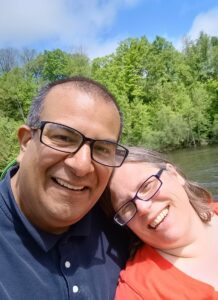
Felix Urcia was born in Lima, Peru. He moved the U.S. to complete his college degree in Computer Science at Northern Kentucky University. He is passionate about his faith, his family, education and soccer. When he is not homeschooling and caring for his young children he enjoys personal programing projects and sports analysis. He and wife live in a small town in Western Michigan where they enjoy spending time with their five children.

Feature Image Credit: Steve Yang, unsplash.com/photos/walkway-at-middle-of-trees-FsC1wWCGWzg

The views and opinions expressed in the Inspiration Daily blog are solely those of the original authors and contributors. These views and opinions do not necessarily represent those of Diocesan, the Diocesan staff, or other contributors to this blog.


God is Number One / Dios es el número uno

Throughout our lives we often focus on making money so we can buy something material that we want, leaving God in the dust. For example, we skip Sunday Mass, don’t go to Confession, or make up excuses for not going to church.

In the first reading, Solomon falls into temptation by worshipping other gods to please women, leaving aside the one true God. Today in age, we often fail at daily prayer because we spend too much time on our phones checking social media, and we miss Mass because we’re tired, busy, or have work. Temptations have always existed and will always exist. It’s up to us to make the decision to turn to God, just like the woman in today’s Gospel who sought out Jesus to heal her daughter who was possessed by an unclean spirit.

We shouldn’t seek God only when bad things happen to us, but rather, we should make God a priority in our lives. He should be number one on our list, because walking with God, we find the light of hope and His comforting silence. Sometimes when I would visit the Blessed Sacrament, I was so tired that I would fall asleep for five minutes, but when I woke up, it seemed like I had slept for 8 hours because I felt so refreshed.

Don’t take it personally if God doesn’t grant you what you ask for, and don’t be upset with Him either. Sometimes He can be peculiar, but we must understand that not everything we want is good for us. God knows why He does what He does, so don’t stray from Him. Make God the number one priority on that list you have of your life. God is always waiting for you with open arms.

Contact the author


Muchas veces en nuestra vida ponemos énfasis en hacer dinero para comprarnos algo material que anhelamos y dejamos a Dios esperando.  Por ejemplo, no ir a misa los domingos, no confesarnos o inventamos otros motivos más para no ir a la iglesia. 

En la primera lectura Salomón cae en tentación endiosando otras cosas para dar el gusto a las mujeres, dejando de lado al Dios verdadero. En la actualidad, muchas veces dejamos de rezar diariamente por estar en el teléfono revisando las redes sociales y evitamos ir a Misa por cansancio, trabajo u otro motivo. Las tentaciones siempre han existido y existirán. Nos toca a nosotros tomar la decisión de ir hacia Dios, cómo lo hizo la mujer que fue a buscar a Jesus para que sanara a su hija, la cual estaba poseída de un espíritu impuro. 

No hay que buscar a Dios solamente cuando nos pasan cosas malas, sino más bien hay que hacer que Dios sea una prioridad en nuestra vida. Debe ser el número 1 de nuestra lista, porque caminando con Dios vamos a encontrar una luz de esperanza y su silencio confortable. A veces cuando iba al Santísimo estaba tan cansado que me quedaba dormido por 5 minutos pero cuando me despertaba parecía que había dormido 8 horas por tan refrescado que me sentía. 

No lo tomes a mal si Dios no te concede lo que pides, y tampoco te molestes con Él. A veces es bien especial, pero hay que entender que no todo lo que queremos es bueno para nosotros. Dios sabe porqué hace las cosas, así que no te alejes de Él. Haz que Dios sea la prioridad número 1 de esa lista que tienes en tu vida. Dios te espera con los brazos abiertos siempre. 

Comunicarse con el autor

Felix Urcia was born in Lima, Peru. He moved the U.S. to complete his college degree in Computer Science at Northern Kentucky University. He is passionate about his faith, his family, education and soccer. When he is not homeschooling and caring for his young children he enjoys personal programing projects and sports analysis. He and wife live in a small town in Western Michigan where they enjoy spending time with their five children.

Feature Image Credit: Marcel Eberle, unsplash.com/photos/white-and-red-arrow-sign-rendLSpkDtY

The views and opinions expressed in the Inspiration Daily blog are solely those of the original authors and contributors. These views and opinions do not necessarily represent those of Diocesan, the Diocesan staff, or other contributors to this blog.

A Witness of God’s Existence / Testimonio de la existencia de Dios

When I was 17, something happened to me that marked me for life, and today I want to share it with you. It all started with a stomachache while I was in a college prep class. I didn’t pay much attention to it at first, but the pain kept getting worse and worse. Late that evening, my parents took me to the emergency room and I was diagnosed with appendicitis. They wheeled me into the operating room around midnight, and the doctors gave me a local anesthetic (epidural).

For the first few moments I could still hear the doctors speaking, but gradually my eyes began to close. Suddenly I saw the best moments of my life flash before me like photographs, until I perceived God’s presence and saw the silhouette of Jesus surrounded by an indescribable light. At that moment, I felt a peace that cannot be found in this world.

The first reading says, “If we accept human testimony, the testimony of God is surely greater. Now the testimony of God is this, that he has testified on behalf of his Son.” Almost 30 years have passed since this event, but I can give human testimony that God truly exists.

In the end, they brought me back to life using electrode paddles and cured me of my appendicitis. Like the leper who approached Jesus saying, “Lord, if you wish, you can make me clean,” God wanted to heal me.

Now that I have come back, I can tell all of you that God exists, He is real, and Heaven is real. Our hope for healing is in God. Doctors are God’s instruments to aid in physical recovery, but we must also be healed in spirit to reach Heaven and be with God. “Let us give thanks and praise to the Lord” (Responsorial Psalm) because in Him is the hope of eternal life.

Contact the author


Cuando tenía 17 años me ocurrió un hecho que me marcó para toda la vida y hoy quiero compartirles. Todo comenzó con un dolor estomacal cuando estaba en clases de preparación para ingresar a la universidad. No le presté mucha atención al comienzo, pero luego se fue haciendo peor el dolor. Llegando la noche mis padres me terminan llevando al hospital de emergencia y me diagnosticaron apendicitis. Entré a media noche a la sala de operaciones y los doctores pusieron anestesia local (epidural). 

Mientras tanto, escuchaba a los médicos hablar pero luego mis ojos se comenzaron a cerrar hasta que vi cómo pasaban rápidamente los mejores momentos de mi vida cómo fotografías hasta sentir y ver la silueta de Jesús con una luz indescriptible. En este momento sentía una paz que no hay en este mundo. 

En la primera lectura, dice “Si aceptamos el testimonio de los hombres, el testimonio de Dios vale mucho más y ese testimonio es el que Dios ha dado de su Hijo”. Han pasado casi 30 años desde este suceso, pero puedo dar testimonio humano de que Dios existe. 

Al final me volvieron a la vida con unos paneles de electroshock y me curaron de la apendicitis. Cómo el leproso que se acercó a Jesus diciendo, “Señor, si quieres, puedes curarme” Dios quiso curarme. 

Al devolverme ahora puedo decirles a todos ustedes que Dios sí existe, es real y el Cielo es real. La esperanza de sanación está en Dios. Los doctores son sólo instrumentos de Dios para llegar a la recuperación del cuerpo, pero también debemos curar nuestro espíritu para llegar al cielo y estar junto con Dios. “Demos gracias y alabemos al Señor” (Salmo Responsorial) porque en Él está la esperanza de la vida eterna.

Comunicarse con el autor

Felix Urcia was born in Lima, Peru. He moved the U.S. to complete his college degree in Computer Science at Northern Kentucky University. He is passionate about his faith, his family, education and soccer. When he is not homeschooling and caring for his young children he enjoys personal programing projects and sports analysis. He and wife live in a small town in Western Michigan where they enjoy spending time with their five children.

Feature Image Credit: Danist Soh, unsplash.com/photos/aerial-photograph-of-clouds-5D47VsGV86c

The views and opinions expressed in the Inspiration Daily blog are solely those of the original authors and contributors. These views and opinions do not necessarily represent those of Diocesan, the Diocesan staff, or other contributors to this blog.

Open the Eyes of Your Heart / Abrir los ojos del corazón

Christmastime is here! We’re all happy about the gifts and the great meals, but the most important thing is being able to celebrate together the birth of Jesus, our Savior.

In the workplace or when I attended gatherings with friends, it surprised me to see that atheists, agnostics, and practicing and non-practicing Catholics alike all celebrated Christmas the same way: exchanging gifts and sharing a meal. I would ask myself, “Do they believe or not?” It was confusing because throughout the year they would deny Jesus or say they didn’t believe when we had long conversations about God. They would act like the Jews in the first reading who argued with Stephen.

Many times our ears or eyes are closed to hearing or reading the Word of God, but we must  open our hearts and minds to accept that Jesus came into this world to save us from sin. Jesus’ Mother, the Virgin Mary, has even appeared throughout the world, which is real proof that Jesus exists. Something to consider is that many of us learn that the Earth is round and we believe it to be true without actually having been to outer space to see it for ourselves. If we can believe the Earth is round then we should easily be able to believe in God. Don’t harden your hearts!

Many of us have testimonies of how God has worked in us at different times in our lives that we can share with others. In today’s Gospel, it says, “you will be led before governors and kings for my sake as a witness before them and the pagans“. Our testimony can plant a seed of faith in others and perhaps it will spark their curiosity and open their hearts to God.

The greatest gift God gave us was the birth of Jesus, Who gave His life to save us from sin. Have a wonderful Christmas season, and may the Lord, our God, enlighten us all.

Contact the author


¡Llegó la Navidad! Todos estamos felices por los regalos, y las grandes comidas pero lo más importante es poder estar todos unidos celebrando el nacimiento de Jesus, nuestro Salvador. 

Cuando trabajaba o asistía a reuniones de amigos, me sorprendía que los ateos, agnósticos y católicos practicantes o no practicantes celebran la Navidad igual, con intercambio de regalos y una comida. Por dentro me preguntaban ¿creen o no creen? Era confuso porque durante el año negaban a Jesus o decían no creer cuando teníamos largas conversaciones sobre Dios, se ponían cómo los judios en la primera lectura que discutieron con Esteban.  

Muchas veces nuestros oídos u ojos están cerrados para escuchar o leer la palabra de Dios, pero debemos estar abiertos de corazón y mente para aceptar que Jesus vino a este mundo para salvarnos del pecado.  También la Madre de Jesús, la Virgen Maria, ha tenido apariciones alrededor del mundo, que es una prueba real de que Jesus existe. Muchos de nosotros aprendemos que la forma de la tierra es redonda y creemos que la tierra tiene esa forma pero no hemos estado en el espacio para ver si realmente es redonda. Si creemos en la forma de la tierra, entonces se puede creer en Dios fácilmente. ¡No endurezcan su corazón! 

Muchos tenemos testimonios de cómo Dios obró sobre nosotros en diferentes momentos de la vida que podemos compartir con los demás. En el evangelio de hoy dice, “así darán testimonio de mí ante ellos y ante los paganos”. Nuestro testimonio puede plantar una semilla de fe en la persona que nos escucha y de repente por ahí le entra curiosidad y abre su corazón de Dios. 

El mejor regalo que nos dio Dios fue el nacimiento de Jesus, que con su vida nos salvó del pecado. Tengan una Feliz temporada de Navidad y que el Señor, nuestro Dios, nos ilumine a todos. 

Comunicarse con el autor

Felix Urcia was born in Lima, Peru. He moved the U.S. to complete his college degree in Computer Science at Northern Kentucky University. He is passionate about his faith, his family, education and soccer. When he is not homeschooling and caring for his young children he enjoys personal programing projects and sports analysis. He and wife live in a small town in Western Michigan where they enjoy spending time with their five children.

Feature Image Credit: Pranav Prashar, unsplash.com/photos/a-lit-up-christmas-tree-in-front-of-a-building-bJjEQrar0uw

The views and opinions expressed in the Inspiration Daily blog are solely those of the original authors and contributors. These views and opinions do not necessarily represent those of Diocesan, the Diocesan staff, or other contributors to this blog.
Building Our House on Rock / Edificar nuestra casa sobre roca

A phrase from today’s Gospel really caught my attention: “Everyone who listens to these words of mine and acts on them will be like a wise man who built his house on rock.”

It reminded me of a time back in 2011, when I had left the comforts of the United States to return to Peru, my native country. I had high expectations because I was already a college graduate, but reality was completely different from what I had imagined. I couldn’t get a job because I was overqualified. When I finally got hired, they never paid me, and I was so poor that I only ate twice a day without snacks. It was a mess. There was a church not far from my apartment, where I would visit the Blessed Sacrament every day and go to Mass on Sundays. My faith never wavered; on the contrary, it grew stronger. I visited the Blessed Sacrament three times a day, for what I called my spiritual breakfast, lunch, and dinner. Faith in God was what kept me alive and gave me hope for a better tomorrow.

We must remember and put into practice what God teaches us every day, especially by following His commandments and teachings so as to continue growing in faith. Whether we are experiencing good times or difficult situations, we must continue to trust in God. The first reading says, “Trust in the Lord forever! For the Lord is an eternal Rock.” Being with God and walking hand in hand with Him is what gave me strength when I didn’t have a job. God’s love calmed my hunger when the only thing I could eat every day was two pieces of bread and some milk for breakfast and an eighth of a chicken breast, rice, and broccoli for dinner.

The strength God gave me to overcome that difficult time made me love Him more, and I was grateful every day for having at least a little food to eat. We don’t have the ability to resolve everything. We need God in our lives to overcome difficulties, and we must always put what we’ve learned into practice. A high school math teacher once gave me some advice: “Put the concept or definition you learned into practice in order to get results.” Let’s all build our “house” on Christ, our Rock.

Contact the author


En el evangelio de hoy hay una frase que me llamó mucho la atención “El que escucha estas palabras mías y las pone en práctica, se parece a un hombre prudente, que edificó su casa sobre roca”. 

Me hizo acordar a una temporada en el 2011, donde había dejado las comodidades de estar en Estados Unidos para volver a Perú, mi país nativo. Tenía muchas expectativas porque ya era un profesional, pero la realidad fue totalmente distinta a las que había pensado. No podía conseguir trabajo porque estaba sobrecalificado. Cuando por fin me contrataron, nunca me pagaron, y era tan pobre que sólo comía dos veces al día sin snacks. Todo era un caos. A poca distancia de donde vivía había una iglesia, la cual siempre iba todos los días al Santísimo y los domingos a Misa. Mi fe nunca se deterioró, más bien se iba haciendo más fuerte yendo al Santísimo tres veces por día, lo cual llamaba mi desayuno, almuerzo y cena espiritual. La fe en Dios era lo que me mantenía vivo y la esperanza de tener una mejor mañana.

Hay que acordarse y poner en práctica lo que Dios nos enseña todos los días, sobre todo seguir sus mandamientos y enseñanzas para seguir teniendo una fe cada día más fuerte. En los momentos buenos o situaciones difíciles hay que seguir confiando en Dios. En la primera lectura dice, “Confíen siempre en el Señor, porque el Señor es nuestra fortaleza para siempre”. Lo que siempre me dio fuerza de no tener trabajo es estar con Dios en cada momento y caminar de la mano junto a él. El amor de Dios me calmaba el hambre cuando todos los días sólo podía comer dos panes con leche en el desayuno y un octavo de pechuga de pollo, arroz y brócoli para la cena. 

La fortaleza de Dios para superar ese mal momento me hizo amarlo más, y hasta agradecía todos los días por tener al menos un poco de comida. Nosotros no tenemos la capacidad de resolverlo todo. Necesitamos a Dios en nuestra vida para superar las dificultades y siempre hay que poner en práctica lo aprendido. Una vez me dio un consejo un profesor de matemáticas de la escuela secundaria: “pon en práctica el concepto o la definición de lo que has aprendido para obtener los resultados”. Que todos construyamos nuestra “casa” en Jesucristo, nuestra Roca.  

Comunicarse con el autor

Felix Urcia was born in Lima, Peru. He moved the U.S. to complete his college degree in Computer Science at Northern Kentucky University. He is passionate about his faith, his family, education and soccer. When he is not homeschooling and caring for his young children he enjoys personal programing projects and coaching. He and wife live in a small town in Western Michigan where they enjoy spending time with their five children.

Feature Image Credit: Nestoras Argiris, unsplash.com/photos/meteora-on-a-cliff-XMsP24vc_Rw

The views and opinions expressed in the Inspiration Daily blog are solely those of the original authors and contributors. These views and opinions do not necessarily represent those of Diocesan, the Diocesan staff, or other contributors to this blog.

God’s Amazing Plans / Los planes maravillosos de Dios

We often feel overwhelmed by the problems that suddenly arise in our lives. The plans we once set out for ourselves never materialize, and we often become stubborn in trying to follow our own plan.

That happened to me when I graduated from college at the end of 2007. I had plans to get a really good job at a company here in the United States, daydreaming about it all the time. I had several interviews, which came down to the wire, but ended quickly when I answered one simple question: “Are you a permanent resident or a citizen?” Even though I had a work permit, they didn’t get the job because they didn’t want to deal with the paperwork.

Those were tough times, and I didn’t give up. My stubbornness caused a lot of stress and prevented me from realizing that there were other ways for personal development. God has a plan for us, even if it’s hard for us to accept. That path often leads to the opposite of what we had hoped for – I had to clean offices and bathrooms for a long time until I found a job in my field.

In today’s Gospel, we see a man preparing a great banquet, but none of the guests wanted to come. They all had their excuses and other plans. What awaited them was delicious food, a beautiful venue, and pleasant company, but they rejected it. How many times are we like those people? The banquet of God’s plans awaits us, and we reject it by following the rice and beans of our own plans.

The positive side of my personal experience was that I was able to pay off the credit cards I had used during my time in college. After a few years, I also saw the fruit of this because by the time I got married, I had very little debt. The lesson here is to be open to change – God’s ways are amazing.

Let us not stray from God or be sad when things seem to be going wrong. As the first reading says, “Rejoice in hope, endure in affliction, persevere in prayer.” Surrender your plans to God in prayer and tell Him “Thy will be done.”

Contact the author


Muchas veces nos sentimos abrumados por los problemas que llegan de un momento a otro en nuestras vidas. Los planes que nos propusimos en algún momento, no se llegan a concretar, y muchas veces nos ponemos tercos al intentar seguir nuestro propio plan. 

Me pasó cuando me gradué de la universidad a finales del 2007, donde había hecho planes de conseguir un mejor trabajo en alguna empresa aquí en Estados Unidos y soñaba despierto en cada momento con mis planes. Tuve varias entrevistas lo cual llegaba hasta la última instancia para que al final con una simple pregunta me terminaba negando la posición,” ¿Eres residente permanente o ciudadano?” Aunque tenía permiso de trabajo no querían lidiar con el papeleo. 

Fueron momentos duros y no me daba por vencido. Mi terquedad hizo que me pusiera muy estresado y no me di cuenta que había otros caminos para desarrollarme cómo persona. Dios tiene un plan para nosotros aunque nos cuesta aceptarlo. Ese camino muchas veces va a lo opuesto a lo que queremos – me tocó limpiar oficinas y baños por un largo tiempo hasta poder conseguir un trabajo en mi carrera. 

En el Evangelio de hoy vemos que un hombre preparó un gran banquete pero ninguno de los invitados querían venir. Todos tenían sus excusas y otros planes. Lo que les esperaba era comida deliciosa, un ambiente hermoso y la compañía de personas agradables, pero lo rechazaron. ¿Cuántas veces nosotros somos iguales a esas personas? Nos espera todo un banquete de los planes de Dios y lo rechazamos por seguir el arroz y frijol de nuestros propios planes. 

El lado positivo de mi experiencia fue que pude pagar mis tarjetas de crédito que había utilizado en mi estancia en la universidad. Después de algunos años también se vio el fruto de este esfuerzo porque al momento de casarme ya no tenía casi nada de deuda. La lección que se da aquí es, hay que estar abiertos al cambio – los caminos de Dios son maravillosos.

No nos desviemos de Dios ni nos pongamos tristes cuando las cosas parecen ir mal. Como dice la primera lectura, “Que la esperanza los mantenga alegres; sean constantes en la tribulación y perseverantes en la oración”. Entregale tu plan a Dios en la oración y dile que se haga su voluntad.  

Comunicarse con el autor

Felix Urcia was born in Lima, Peru. He moved the U.S. to complete his college degree in Computer Science at Northern Kentucky University. He is passionate about his faith, his family, education and soccer. When he is not homeschooling and caring for his young children he enjoys personal programing projects and sports analysis. He and wife live in a small town in Western Michigan where they enjoy spending time with their five children.

Feature Image Credit: Jon Tyson, unsplash.com/photos/man-in-black-jacket-lying-on-floor-CYswOLYDUXY

The views and opinions expressed in the Inspiration Daily blog are solely those of the original authors and contributors. These views and opinions do not necessarily represent those of Diocesan, the Diocesan staff, or other contributors to this blog.

The Cross of Depression / La cruz de la depresión

There are days when I don’t feel like getting out of bed, and depression often makes me feel like there is an elephant on top of me. I take medication, but there are still days when everything seems difficult. I even get to the point where I don’t feel like praying in the morning. But as a stay-at-home dad, I don’t have the luxury of staying in bed and doing nothing because I have to do housework and teach my homeschooled children. Even during the summer, I have to make sure my children get exercise so they get some Vitamin D and stay healthy. 

On those difficult days, I try not to give up and I contemplate the cross and how Jesus died for us, sacrificing his own life. This gives me the strength to get up and make that sacrifice for my family and the people around me. As hard as it is for me to smile, I try to make everyone happy so that they have a better day than what I am having. When I say my daily prayers, I always receive a message that gives me extra encouragement to keep going. It’s difficult, but not impossible.

I confess that the suffering of depression makes me long for heaven. Today’s Gospel speaks about being ready. It says, “Blessed are those servants whom the master finds vigilant on his arrival.” Even if I don’t feel ready to get up, or take care of my children, or cook, this is what I must do in preparation for the Lord’s arrival. Even if I don’t feel like washing clothes, or teaching, or disciplining, this is what I must do to stay awake. Because at any hour, at that blessed hour, my Savior will come for me, and blessed will I be.

No matter how difficult the days are, and even though I may have negative thoughts, there is always a better tomorrow—a morning when God is waiting with open arms to tell me something new. For example, today Saint Paul tells us, “how much more did the grace of God and the gracious gift of the one man Jesus Christ overflow for the many.” That encourages me not to give up, and I invite you not to give up either, even if you don’t see a quick fix for your problems.

God is the solution to our difficulties. He will lead us to “eternal life through Jesus Christ our Lord.” That doesn’t mean we should sit back and do nothing. We have to do our part to seek possible solutions and discern which one will work. But ultimately, it is God who gives us life, and with His help, we can all move forward, whether it be from depression or any other situation that may weigh us down.

Contact the author


Hay días que no tengo ganas de levantarme de la cama y muchas veces la depresión me hace sentirme cómo si tuviera un elefante encima mio. Tomo medicamento pero tengo días cuando todo lo veo difícil. Hasta llega un momento que no me dan ganas de rezar por las mañanas. Pero siendo papá en casa no puedo darme ese lujo de quedarme en la cama y rendirme, porque hay que hacer las tareas del hogar, ser profesor para mis hijos que son homeschoolers. Incluso en temporada de verano hay que hacer ejercicio con mis hijos para que tomen la vitamina D y se mantengan saludables. 

En esos días difíciles, trato de no rendirme y contemplo la cruz y cómo Jesús murió por nosotros sacrificando su propia vida. Eso me da fortaleza para levantarme y hacer ese sacrificio para mi familia y las personas que me rodean. Por más que me cuesta sonreír, trato que todos estén contentos para que tengan un mejor día a lo que siento por dentro. Al hacer las oraciones del día, siempre recibo un mensaje que me da un aliento más para seguir adelante. Es difícil, pero no imposible. 

Confieso que el sufrimiento de la depresión me hace anhelar el cielo. El Evangelio de hoy habla del hecho de estar listos. Dice, “Dichosos aquellos a quienes su señor, al llegar, encuentre en vela”. Aunque no me sienta listo para levantarme, ni para atender a mis hijos, ni para cocinar, eso es lo que me toca hacer en preparación para la llegada de mi Señor.  Aunque no me den ganas de lavar, ni enseñar ni disciplinar, eso es lo que tengo que hacer para estar en vela. Porque a cualquier hora, a esa dichosa hora, mi Salvador vendrá por mí, y dichoso seré.

Por más que los días sean difíciles, y hasta puedo llegar a pensar negativamente, siempre hay un mejor mañana – una mañana cuando Dios me está esperando con los brazos abiertos para decirme algo nuevo. Por ejemplo, hoy día san Pablo nos dice, “por el don de un solo hombre, Jesucristo, se han desbordado sobre todos la abundancia de la vida y la gracia de Dios!” Eso me anima a no rendirme y te invito a que tampoco te rindas, aunque no veas una salida pronta a tus problemas. 

Dios es la solución a nuestras dificultades. El va a “conducirnos a la vida eterna por medio de Jesús”. Eso no quiere decir que hay que quedarnos con los brazos cruzados. Tenemos que poner de nuestra parte para buscar posibles soluciones y discernir cual de ellas funcionará. Pero al fin de cuentas, es Dios quien nos da la vida, y con la ayuda de Él todos podemos salir adelante, ya sea de la depresión o de cualquier otra situación que nos pesa.

Comunicarse con el autor

Felix Urcia was born in Lima, Peru. He moved the U.S. to complete his college degree in Computer Science at Northern Kentucky University. He is passionate about his faith, his family, education and soccer. When he is not homeschooling and caring for his young children he enjoys personal programing projects and sports analysis. He and wife live in a small town in Western Michigan where they enjoy spending time with their five children.

Feature Image Credit: Christiaan Huynen, unsplash.com/photos/grey-pathway-between-trees-during-daytime-aso1_2egzxc

The views and opinions expressed in the Inspiration Daily blog are solely those of the original authors and contributors. These views and opinions do not necessarily represent those of Diocesan, the Diocesan staff, or other contributors to this blog.

Learning / El aprendizaje

There are times in life when we have to learn new things. There always seems to be some trepidation to do so because then we might make a mistake and disappoint someone. But we are imperfect beings, and the only perfect One is God.

Over the past three years, I’ve had to change my exercise routine due to chronic back pain. The doctor recommended I do only three kinds of exercise: swimming, walking, and biking. I tried the last two without success because they caused even more pain until it became unbearable. The only option left was swimming, but there was a big problem: I didn’t know how to swim. I had only taken one swimming class during summer vacation 35 years prior. The other problem is if I don’t exercise at all, I gain weight very quickly.

I had no other choice; I had to learn to swim at 45 years of age. I was a self-taught student; I would search for information on YouTube and then go to a pool at the Community Center near my house to put it into practice. One of my teachers used to say, “Definition and practice, otherwise you won’t make progress.” The first week I held onto a pool noodle hoping with all my might not to sink to the bottom of the 10-foot pool. Every time I finished, I thanked God for making it out alive. Little by little, I gained more confidence and the perseverance to reach my goal, which was to swim better than the day before. After nine months, I was able to swim freestyle consistently without any kind of flotation device. 

In today’s Gospel, we see an example of the fact that we can always continue learning, but we don’t always take advantage of the opportunities that come our way. Jesus tries to warn the disciples that He is about to be handed over to His Passion, but they don’t understand. The passage ends with the words, “and they were afraid to ask him about this saying.” The same thing can happen to us. We could have the opportunity to learn, but out of fear, being afraid of looking foolish or shame for not having learned it before, we don’t ask.

As long as we have life within us, we can continue learning every day. Many times we have to put our fears aside to give it a try. God is waiting for us to swim alongside Him. Every day He has a message for us in our daily prayers; He always has something to tell us so we can continue learning. We need to have that thirst to follow His will and walk hand in hand with Him. He will not let us drown in our problems. God is our Teacher through every stroke of life and our salvation.

Contact the author


Hay momentos en la vida donde uno tiene que aprender nuevas cosas. Siempre hay algún temor de hacerlo porque es algo natural del ser humano de querer no equivocarse y provocar alguna decepción. Pero somos seres imperfectos, lo cual el único perfecto es Dios. 

En los últimos tres años tuve que cambiar de rutina de ejercicios por el dolor de espalda que estoy sufriendo. El doctor me recomendó solo tres ejercicios: nadar, caminar y bicicleta, de los cuales intenté los últimos dos sin tener éxito porque el dolor aumentaba y era insoportable. La única opción que quedaba era nadar, pero había un gran problema, no sabía nadar. Solo había tomado una clase de natación en las vacaciones escolares hace 35 años. El otro problema era si no hago ningún ejercicio, subo de peso rápidamente. 

No quedaba de otra, había que aprender a nadar a mis 45 años. Tuve que ser autodidacta, buscando información en YouTube e ir a nadar en una piscina en un club cerca de mi casa  para ponerla en práctica. Un profesor de mi escuela decía “definición y práctica, sino no se avanza”. La primera semana estaba agarrado a un flotador con la esperanza de no hundirme en las profundidades de la piscina que eran 10 pies. Cada vez que terminaba, agradecía a Dios por salir vivo de la piscina. Poco a poco fui teniendo más confianza y constancia para llegar a mi meta, que era poder nadar mejor que antes. Después de nueve meses, puedo nadar el estilo libre constantemente sin necesidad del flotador. 

En el Evangelio de hoy, vemos un ejemplo del hecho de que siempre podemos seguir aprendiendo, pero no siempre aprovechamos de ella. Jesus intenta advertir a los discípulos que iba a ser entregado a su pasión pero no entienden. Termina con las palabras, “Y tenían miedo de preguntarle acerca de este asunto”. Lo mismo puede pasar con nosotros. Podríamos tener la oportunidad de aprender, pero por miedo, por temor a parecernos tontos, por vergüenza a no haberlo aprendido anteriormente, no preguntamos.    

Mientras tengamos vida, podemos seguir aprendiendo cada día. Muchas veces tenemos que dejar nuestros miedos a un costado para intentarlo. Dios nos está esperando para que nademos junto a Él. Todos los días tiene un mensaje en las oraciones diarias, siempre tiene algo que decirnos para seguir aprendiendo. No somos seres perfectos, más bien necesitamos tener esa sed de seguir su voluntad y caminar de la mano junto a Él. No nos va a dejar ahogarnos en los problemas. Dios es nuestro Maestro de vida y nuestra salvación.

Comunicarse con el autor

Felix Urcia was born in Lima, Peru. He moved the U.S. to complete his college degree in Computer Science at Northern Kentucky University. He is passionate about his faith, his family, education and soccer. When he is not homeschooling and caring for his young children he enjoys personal programing projects and sports analysis. He and wife live in a small town in Western Michigan where they enjoy spending time with their five children.

Feature Image Credit: Brian Matangelo, unsplash.com/photos/woman-in-black-one-piece-swimsuit-jumping-on-swimming-pool-during-daytime-gRof2_Ftu7A

The views and opinions expressed in the Inspiration Daily blog are solely those of the original authors and contributors. These views and opinions do not necessarily represent those of Diocesan, the Diocesan staff, or other contributors to this blog.

Even If I Go Into Debt / Aunque me endeude

During one of many conversations at one of many gatherings, someone said, “I give my children the best, even if it causes me to go into debt.” These words took me back several years, so as not to say decades, even though I’m actually from the last century.

I spent my childhood outside the United States, where my parents always tried to give me the best materially. They often went into debt to give me a private school education, clothes, or other things, but I realized that it wasn’t worth it because my parents argued about money all the time. So is it worth it to go into debt? Of course not, because it forces children to live in a reality that isn’t their own. When I grew up and had to go out into the real world, it was a hard blow and it caused insecurity to creep in.

When adults lose sight of their goal in life, which is to reach heaven, they often end up falling into materialism. They may even forget about God, even if they go to Mass and receive Communion. But children are the most affected because their parents force them to live a different reality in an attempt to “keep up with the Joneses.” They may not realize it at the time, but when they become adults these children can also fall into materialism if they don’t try to get out of this vicious cycle by seeking God first and perhaps getting some professional help. 

Today’s Gospel offers a glimpse of what could happen to us if we place too much importance on worldly things. We see how frustrated Jesus is with people’s attitudes. He says that if they play the flute and no one dances, they complain. If they see someone drinking too little, they complain. If they see someone drinking too much, they complain. In other words, they will never be content. They want everything their way and prefer to see the negative side of everything. But God calls us to a higher way of life, with our eyes raised toward a glorious future. As Saint Paul tells Timothy in the first reading, “you should know how to behave in the household of God, which is the Church of the living God, the pillar and foundation of truth.”

When we don’t put God first in our lives, we lose sight of our mission on earth. Money is important, but deifying dollars and placing them above God leads us to greed and placing other gods above the One true God. It is better to be poor, living a peaceful life with God, than to have millions of dollars without Him.

Contact the author


Durante una conversación en una de tantas reuniones, hubo una persona que soltó la frase “A mis hijos les doy lo mejor, aunque me endeude con los bancos”. Estas palabras me hicieron retroceder varios años atrás, para no decir décadas atrás, aunque en realidad soy del siglo pasado. 

Mi infancia la pasé fuera de Estados Unidos, donde mis padres siempre trataron de darme lo mejor a nivel material. Muchas veces se endeudaron por darme estudios en colegio privado, ropa u otras cosas, pero veía que no valía la pena porque las discusiones de dinero entre mis padres eran de todos los días. ¿Entonces vale la pena endeudarse? Claro que no, porque hacen vivir a los hijos una realidad que no es la suya. Cuando crecí y tuve que salir a la vida real, el golpe fue duro y me creyó la inseguridad.

Cuando las personas mayores pierden el objetivo de la vida que es llegar al cielo, terminan cayendo en el materialismo. Muchas veces no se acuerdan de Dios, aunque vayan a misa y reciban la comunión. Los más perjudicados son los niños, porque los padres los hacen vivir otra realidad por intentar aparentar a los demás. De repente no se dan cuenta en ese momento, pero cuando se hacen adultos esos niños pueden caer en el materialismo también si no tratan de salir de este círculo vicioso buscando a Dios y la ayuda profesional. 

El Evangelio de hoy da un escenario de lo que nos podría pasar si ponemos demasiada importancia en las cosas mundanas. Vemos a Jesus frustrado con las actitudes de la gente. Dice que si tocan la flauta y no bailan, habrá quejas. Si ven a alguien tomar poquito habrá quejas. Si ven a alguien tomar demasiado habrá quejas. En otras palabras, nunca estarán contentos. Quieren todo a su manera y prefieren ver el lado negativo de todo. Pero Dios nos llama a vivir de una forma más elevada, con las vistas a un futuro glorioso. Como dice San Pablo a Timoteo en la primera lectura, ya sabes “cómo debes de actuar en la casa del Dios vivo, que es la Iglesia, columna y fundamento de la verdad”.

Cuando no tenemos a Dios en el primer lugar en nuestras vidas, perdemos el objetivo de nuestra misión en la tierra. El dinero sí es importante pero endiosar los dólares y ponerlo por encima de Dios nos hace caer en la avaricia y poner a dioses por encima del verdadero Dios. Es mejor ser pobre viviendo una realidad tranquila junto con Dios que tener millones de dinero sin Él. 

Comunicarse con el autor

Felix Urcia was born in Lima, Peru. He moved the U.S. to complete his college degree in Computer Science at Northern Kentucky University. He is passionate about his faith, his family, education and soccer. When he is not homeschooling and caring for his young children he enjoys personal programing projects and sports analysis. He and wife live in a small town in Western Michigan where they enjoy spending time with their five children.

Feature Image Credit: Ehud Neuhaus, unsplash.com/photos/until-debt-tear-us-apart-brick-wall-vandal-Ql3ULtlplsQ

The views and opinions expressed in the Inspiration Daily blog are solely those of the original authors and contributors. These views and opinions do not necessarily represent those of Diocesan, the Diocesan staff, or other contributors to this blog.

Humility / La humildad

A few months ago, I underwent major back surgery. The recovery process wasn’t easy because it takes time to get the pain under control and get used to moving in a certain way in order to avoid injury. I also had to wear an uncomfortable brace that looks more like a WWE belt that greatly restricts movement.

Before the surgery, I was used to doing housework alone and didn’t need any help. I would clean up everyday, put dishes in the dishwasher, and perform other household chores (I’m sure you’ve noticed by now that I’m a stay-at-home dad). During my recovery, it was a hard blow to my humility because now I had to ask my children and wife for help and they did the chores for me. Although they were always happy to help me, they had to do it in addition to their other duties whenever they had the time.

I had to ask, and continue to ask, God every day for the humility to accept my health condition and also learn to ask for help when I need it. I’ve always been athletic and liked to exercise all the time, but now I’m limited. I have to follow the doctor’s instructions and continue asking God to God give me strength.

Peter also suffered a blow to his humility in today’s Gospel. After working all night and catching nothing, he was surely tired and frustrated. When the Lord told him where to lower the nets, the first part of his response seemed like a grumble, but then he submitted and lowered them. He had to overcome the temptation to answer the Lord, “Really? Don’t you think I know what I’m doing? I’ve been fishing for years, and I tell you, there isn’t any fishing here! Who do you think you are, talking to me like that?” But Peter doesn’t say that; instead he says, “but at your command I will lower the nets.”

When he sees the great number of fish, the miracle the Lord has performed, he exclaims, “Depart from me, Lord, for I am a sinful man!” He realizes that although his words were not filled with pride, perhaps his thoughts were, and this was his way of asking for forgiveness. The power of that encounter was so strong that Peter left everything and followed Jesus. 

We should be humble in every moment of our lives, not just when everything is going well. We have to put it into practice at all times, like when we ask someone for forgiveness. Don’t wait for something big to happen, like a surgery or a miraculous catch of fish, to react; ask God to give you the gift of humility here and now.

Contact the author


Hace unos meses me operaron de la columna. La recuperación no es fácil porque toma tiempo para calmar el dolor y acostumbrarse a mover de cierta forma para no provocar alguna lesión. Además, utilizar un cinturón que más parece de WWE es incómodo y no me deja moverme bien. 

Antes de la operación estaba acostumbrado a hacer las cosas de la casa solo, sin necesidad de ayuda. Limpiaba diariamente, ponía los platos en el lavaplatos y otras tareas del hogar (seguro se han dado cuenta que soy papá en casa). Durante la recuperación fue un duro golpe a mi humildad, porque ahora tenía que pedir ayuda a mis hijos y esposa que hacían las tareas por mi.  Aunque siempre ellos estaban alegres de ayudarme, lo tenían que hacer en adición a sus otros deberes cuando estaban desocupados. 

Tuve que pedir y sigo pidiendo a Dios todos los días tener la humildad para aceptar mi condición de salud y también aprender a pedir ayuda cuando lo necesite. Siempre he sido deportista y me ha gustado estar haciendo ejercicio todo el tiempo, pero ahora estoy limitado.  Tengo que seguir las indicaciones del doctor y seguir rezando para que Dios me dé la fortaleza. 

Pedro también sufrió un golpe a la humildad en el evangelio de hoy. Después de trabajar toda la noche y no pescar nada, seguro estaba cansado y frustrado. Cuando el Señor le indica donde bajar las redes, la primera parte de su respuesta parece reniego pero luego se somete y las baja. Tuvo que dejar de lado la tentación de contestarle al Señor, “¿En serio? ¿No crees que sepa lo que estoy haciendo? Llevo años pescando y te digo que ¡aquí no hay! ¿Quién te crees para hablarme de esa forma?” Pero Pedro no habla así, sino dice “confiado en tu palabra echaré las redes.”

Cuando ve la gran cantidad de peces, el milagro que el Señor ha hecho, exclama “¡Apártate de mí, Señor, porque soy un pecador!” Se da cuenta que aunque sus palabras no eran llenas de orgullo, capaz sus pensamientos sí, y esa era su forma de pedir perdón. Tan fuerte era el poder de ese encuentro que Pedro dejó todo y siguió a Jesus. 

La humildad siempre hay que tenerla en todo momento en la vida, no solo cuando estemos bien. Hay que ponerla en práctica en todo momento, hasta para pedir perdón a alguna persona. No esperes que te pase algo grande como una cirugía o una pesca milagrosa para reaccionar, pide a Dios que te dé el don de la humildad aquí y ahora.  

Comunicarse con el autor

Felix Urcia was born in Lima, Peru. He moved the U.S. to complete his college degree in Computer Science at Northern Kentucky University. He is passionate about his faith, his family, education and soccer. When he is not homeschooling and caring for his young children he enjoys personal programing projects and sports analysis. He and wife live in a small town in Western Michigan where they enjoy spending time with their five children.

Feature Image Credit: Roman Melnychuk, unsplash.com/photos/man-in-white-dress-shirt-covering-face-with-his-hands-zmNBVKgkW1c

The views and opinions expressed in the Inspiration Daily blog are solely those of the original authors and contributors. These views and opinions do not necessarily represent those of Diocesan, the Diocesan staff, or other contributors to this blog.

Looking for Someone to Blame / Buscando Culpables

When certain things happen in our lives due to decisions we’ve made in the past, we must always accept the consequences of our actions. For some reason, we tend to avoid responsibility by blaming others for our misfortune, but when everything goes our way, suddenly we’re superheroes. I imagine that Saint Monica, whose feast day we celebrate today, could have looked for someone to blame for many things in her life: her husband’s lack of faith, the behavior of a rebellious son, and having a hard life, but she chose to turn to God in prayer, day after day, year after year.

From the time I was a child, I have experienced many difficult situations in my life, like the untimely deaths of my grandmother and my aunt, whom I turned to when I had problems at home. In the end, I learned to lean on God every day, and continue to do so even now. When I began to experience different illnesses, I always trusted that God’s will be done, knowing that doctors do their best but cannot always cure every ailment. The person who gave me life on earth blamed herself for my misfortunes thinking that perhaps they were caused by lack of better medical care as a child. But the reality is, I don’t go around looking for someone to blame for my ailments, but rather, I seek solutions to be better for my wife and children.

Being a Christian means accepting God’s will, no matter what situation you’re in. I never sought out back pain, depression, and hearing loss because they weren’t the consequences of any of my own decisions. I also never ask myself, “Why do these things happen to me?” I just accepted them as part of my life from a very early age. I often joke around with God, and one day it occurred to me to say, “I have more nails than You, Jesus, because You were crucified with three nails, but I have eight screws and two rods in my back.”

It may sound easier to blame God and distance ourselves from Him, but that doesn’t make sense because God is love. All suffering has a purpose, even though we may not realize it at first.  Maybe it’s because He wants us to go directly to heaven or to offer up our pain as a sacrifice for someone special or for this pagan world. 

We shouldn’t blame anyone, but rather assume the responsibilities that we have the best we can with God’s help. We can pray to Him with the words of today’s Psalm, “Where can I go from your spirit? From your presence where can I flee?…your hand shall guide me, and your right hand hold me fast,” thus breaking down the barriers that prevent us from drawing closer to Him. 

God is the One who understands you best, even if He doesn’t respond immediately (because He keeps pretty busy), at some point the answer will come to your heart. It’s not about feeling or seeing, but believing. Assume the responsibility of having God in your life. He will not let you down, no matter what happens. You will be the only one to blame if you don’t try.

Contact the author


Cuando suceden ciertos sucesos en nuestras vidas por decisiones que uno ha hecho en el pasado, siempre hay que aceptar las consecuencias de los actos. Por algún motivo tendemos a esquivar la responsabilidad culpando a otros de nuestra desgracia, y luego cuando todo sale a nuestro favor somos los superhéroes. Me imagino que Santa Mónica, cuya fiesta celebramos hoy, pudo haber buscado culpables para muchas cosas en su vida: la falta de fe de su esposo, el comportamiento de su hijo rebelde, y por tener una vida dura, pero escogió volver a Dios en la oración, día tras día, año tras año. 

Desde que era chico me pasaron situaciones difíciles, como el fallecimiento de mi abuela y mi tía en quienes me apoyaba cuando tenía problemas en casa. Al final terminé apoyándome en Dios todos los días hasta la actualidad. Luego cuando empezaron a surgir las enfermedades siempre confié en Dios que haga su voluntad, porque los doctores hacen lo mejor posible pero no siempre pueden curar a uno. La persona que me dio la vida en la tierra se culpaba de mis sucesos pensando que seguro pasaron por no chequearme mejor en el doctor cuando era niño. Pero la realidad es que no ando buscando culpables de lo que me pasa en las enfermedades sino más bien busco encontrar soluciones para estar mejor para mi esposa e hijos. 

Ser cristiano significa aceptar la voluntad de Dios, en cualquier situación que uno esté. Nunca busqué dolores de espalda, depresión, y baja audición porque no fueron consecuencias de alguna decisión mía. Tampoco llegué a preguntarme, ¿por qué a mí me suceden estas cosas? Solo lo fui aceptando como parte de mi vida desde muy temprana edad. Bromeo muchas veces con Dios y un día se me ocurrió decirle, “tengo mas clavos que Jesus, porque a ti te crucificaron con tres clavos mientras yo tengo 8 tornillos en mi columna más dos barras”.

Puede parecer más fácil culpar a Dios y alejarte de Él, pero no tiene sentido porque Dios es amor. El sufrimiento tiene algún fin, de repente no nos damos cuenta en un principio, pero seguro Dios quiere que vayamos al cielo directamente, o podemos ofrecer nuestros dolores como algún sacrificio para alguien especial o para este mundo pagano.

No hay que culpar a nadie sino más bien asumir las responsabilidades que nos tocan vivir de la mejor forma con Dios. Más bien, podemos rogarle, como dice en el Salmo Responsorial de hoy, “Condúcenos, Señor, por tu camino”, así rompiendo las barreras para acércanos a Él. 

Dios es el único que te entenderá mejor, aunque no responda inmediatamente (porque siempre para ocupado), pero en algún momento va a llegar esa respuesta en tu corazón. No todo es sentir o ver, sino más bien es creer. Asume esa responsabilidad de tener a Dios en tu vida. No te va a defraudar, pase lo que pase. La culpa es tuya si no lo intentas. 

Comunicarse con el autor

Felix Urcia was born in Lima, Peru. He moved the U.S. to complete his college degree in Computer Science at Northern Kentucky University. He is passionate about his faith, his family, education and soccer. When he is not homeschooling and caring for his young children he enjoys personal programing projects and sports analysis. He and wife live in a small town in Western Michigan where they enjoy spending time with their five children.

Feature Image Credit: Diana Olynick, unsplash.com/photos/woman-in-black-and-white-floral-long-sleeve-shirt-BGM5O531Tow

The views and opinions expressed in the Inspiration Daily blog are solely those of the original authors and contributors. These views and opinions do not necessarily represent those of Diocesan, the Diocesan staff, or other contributors to this blog.

Today in Age / Los tiempos de hoy

In this age where liberalism prevails on social media, television, and other means of communication, it almost seems like going against the grain is sinful. Abortion, infidelity, civil marriage, drug use, and other issues that go against the teachings of the Catholic Church have become normalized. According to my limited knowledge, this began in the 1960s and has progressed to the present day.

I often have to deal with family members and friends via texting apps. Fortunately, they don’t live nearby because the distance of hundreds or even thousands of miles creates a barrier for their comments. Even so, it’s sad to see how evil has normalized sin as something good, even though they claim to believe in God in their own way. Do they lack catechesis? Of course, but they also have to open their hearts to continue learning about God and putting it into practice. It is not difficult to follow God; you just have to follow the Ten Commandments and receive the sacraments. You don’t have to memorize the entire Bible, because, after all, we are imperfect human beings.

We see examples of this imperfection in both of today’s readings. In the first reading, Miriam and Aaron speak out against Moses because of his own sin. Aaron had made a bad decision and tried to shift the blame onto Moses, making excuses. In the Gospel, Peter first doubted Jesus’ presence walking on the water, and then succumbed to fear. The effect of his lack of faith was to sink. And how often the same thing happens to us!

Some of us sink so deep in the waters of the world that we think the Church needs to change. But the doctrine of the Catholic Church should not change according to the times because God is not sin. Only we human beings can change, because we are sinners who live in constant temptation. To be able to do that, we must examine our lives internally, breaking down the barrier of pride, and pleading with Him, “Be merciful, O Lord, for we have sinned.” (Responsorial Psalm).

There is only one perfect being, God, who loves us very much and is waiting to save us from drowning in sin with His outstretched hand and open arms.

Contact the author


En este tiempo donde lo liberal se impone en las redes sociales, la televisión y cualquier medio de comunicación, hace ver que vivir en contra de la corriente parece un pecado. El aborto, la infidelidad, casarse por lo civil, usar drogas u otros temas que van camino opuesto a las enseñanzas de la Iglesia Católica, se ha vuelto normal en la vida diaria. Según mi poco conocimiento, esto viene desde los años 1960 y para adelante. 

Muchas veces tengo que lidiar con personas cercanas por aplicaciones de texto. Felizmente no están cerca de mí porque la distancia a cientos o hasta miles de millas hace que haya una muralla a sus comentarios. Pero es una tristeza ver cómo el mal ha normalizado el pecado cómo algo bueno, aunque creen en Dios a su manera. ¿Les falta catequesis? Obviamente que sí, pero también tienen que abrir sus corazones para seguir aprendiendo de Dios y ponerlo en práctica. No es difícil seguir a Dios, solo hay que seguir los 10 mandamientos y recibir los sacramentos. Tampoco hay que aprenderse de memoria toda la Biblia. Al fin de cuentas, somos seres humanos imperfectos.

Vemos ejemplos de esa imperfección en las dos lecturas de hoy. En la primera lectura, María y Aarón hablaron contra Moises a causa de su propio pecado. Aaron había hecho una mala decisión e intentó echar la culpa a Moises, haciendo pretextos. En el Evangelio, Pedro primero dudó la presencia de Jesus caminando sobre el agua, y luego sucumbió al miedo. El efecto de su falta de fe era hundirse. Y ¡cuántas veces nos pasa lo mismo a nosotros! 

Algunos de nosotros nos hundimos tanto en las aguas del mundo que pensamos que debe cambiarse la Iglesia. Pero la doctrina de la Iglesia Católica no debe cambiar a los tiempos de hoy porque Dios no es pecado. El único que puede cambiar es el ser humano porque somos pecadores y estamos viviendo en tentación constante. Para que lleguemos a esa etapa, debemos tener un autoanálisis de nuestra vida, rompiendo la barrera llamada el orgullo, y suplicándole como en Salmo Responsorial: “Misericordia, Señor, hemos pecado”.

Hay un ser perfecto que es Dios, el cual nos ama mucho y espera salvarnos del ahogamiento del pecado con la mano extendida y los brazos abiertos.

Comunicarse con el autor

Felix Urcia was born in Lima, Peru. He moved the U.S. to complete his college degree in Computer Science at Northern Kentucky University. He is passionate about his faith, his family, education and soccer. When he is not homeschooling and caring for his young children he enjoys personal programing projects and sports analysis. He and wife live in a small town in Western Michigan where they enjoy spending time with their five children.

Feature Image Credit: nikko macaspac, unsplash.com/photos/photo-of-person-reach-out-above-the-water-6SNbWyFwuhk

The views and opinions expressed in the Inspiration Daily blog are solely those of the original authors and contributors. These views and opinions do not necessarily represent those of Diocesan, the Diocesan staff, or other contributors to this blog.