Signs / SeƱales

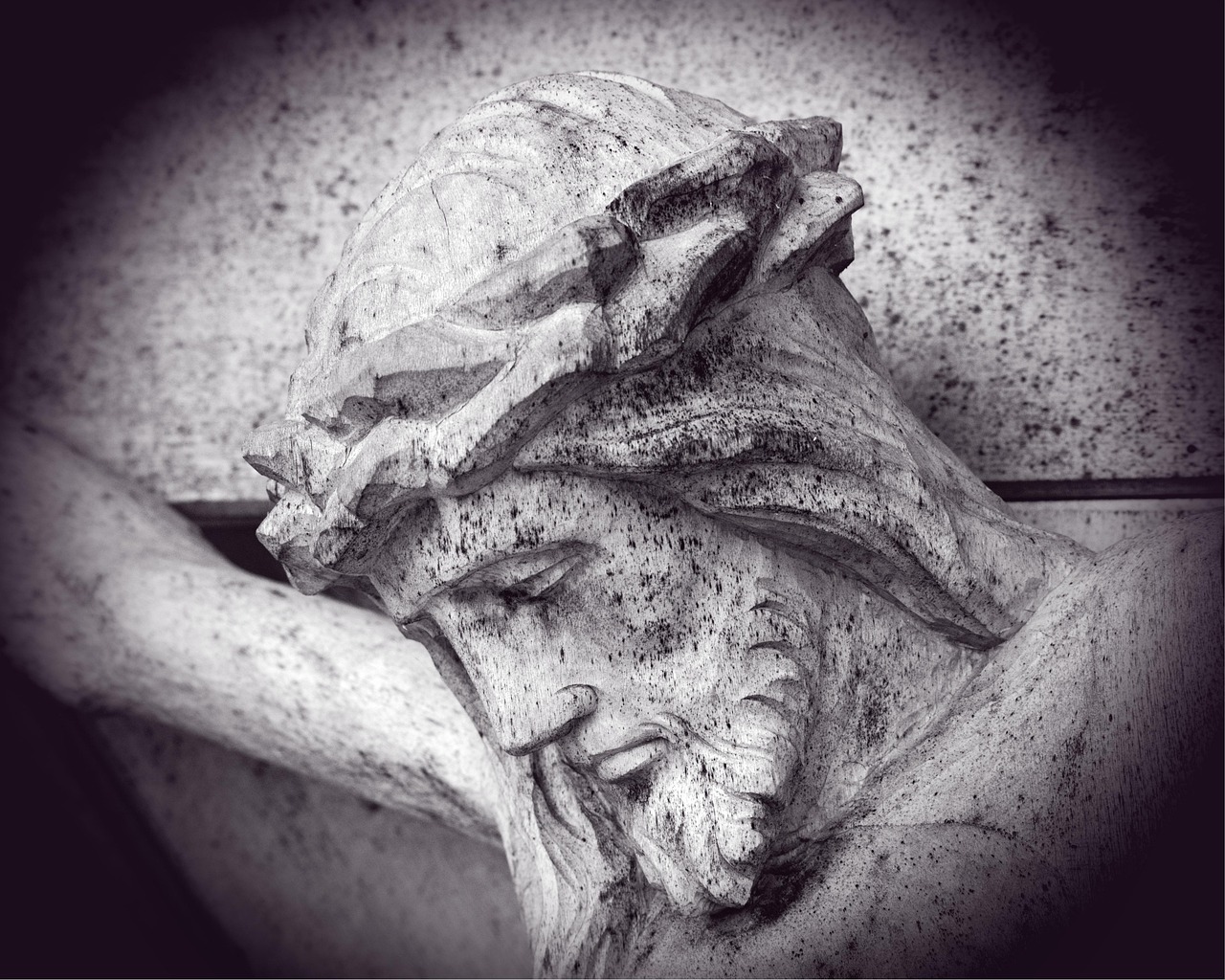
Jesus “sighed from the depth of his spirit” when the Pharisees began to argue with Him, seeking a sign from heaven. If we skip this preface to Jesus’ words, we might easily misinterpret them. He says, “Why does this generation seek a sign? Amen, I say to you, no sign will be given.” And then He leaves. He sighs, tells them they will not receive what they ask for, and goes away. Why?

He is pained to the heart that they refuse to believe, even though they understand what He is saying and who He says He is. He is the ONE for whom they are waiting, and He makes this clear to them, but they have made a conscious decision to reject Him. If they had not closed themselves off, the signs He had already performed would have been more than enough; but miracles, healings, and exorcisms are not enough for them. 

They want Him to show off His power for them, not just help people or heal people. What they are trying to do in this exchange is discredit Him in front of His followers, so they have something more to criticize. They want Him to do something so dramatic that faith and trust will not be needed. And Jesus says no. A painful, sighing, heart-wrenching “no”. Because He wants them to believe, receive, and be saved by Him. But they refuse.

We all have these tendencies in us. Like the Pharisees, we are set in our ways and our understandings, and when the Lord calls us out of our comfort zone or asks us to give something we want to hold onto, we sometimes hide behind our unknowing so we can stay where we are. 

Faith is a gift, but we can reject it. We all want some kind of indisputable “proof” that God is with us, God is for us, and God loves us deeply. The proofs that He has already given sometimes don’t seem convincing because they have become too commonplace and familiar: God became man, taught us how to be children of God, established a sacramental way of remaining with us, and died so that we can at last live with Him forever. 

God gives us many opportunities to reconsider our position, put our faith in Him, and give ourselves more generously to Him. While there is life, there is another chance, and another! Today, let us consider the deep sigh from the heart of Jesus, and respond to Him with a great act of faith and love: “Lord, I believe; help my unbelief!” (Mk 9:24).

Contact the author


Jesús “suspiró profundamente” cuando los fariseos comenzaron a discutir con él, buscando una señal del cielo. Si omitimos este prefacio de las palabras de Jesús, podríamos malinterpretarlas fácilmente. Dice: “¿Por qué esta gente busca una señal? Les aseguro que a esta gente no se le dará ninguna señal”. Y luego se va. Suspira, les dice que no recibirán lo que piden y se marcha. ¿Por qué?

Le duele profundamente que se nieguen a creer, aunque entienden lo que dice y quién dice ser. Él es a quien esperan, y se lo deja claro, pero han decidido conscientemente rechazarlo. Si no se hubieran encerrado en sí mismos, las señales que ya había realizado habrían sido más que suficientes; pero los milagros, las sanaciones y los exorcismos no les bastan.

Quieren que les muestre su poder, no solo que ayude o sane a la gente. Lo que intentan con este intercambio es desacreditarlo delante de sus seguidores para tener algo más que criticar. Quieren que haga algo tan drástico que la fe y la confianza no sean necesarias. Y Jesús dice que no. Un “no” doloroso, suspirante y desgarrador. Porque quiere que crean, lo reciban y sean salvados por Él. Pero se niegan.

Todos tenemos estas tendencias. Como los fariseos, estamos anclados en nuestros caminos y en nuestra comprensión, y cuando el Señor nos llama a salir de la zona de confort o nos pide que demos algo a lo que queremos aferrarnos, a veces nos escondemos en nuestra ignorancia para quedarnos donde estamos. 

La fe es un don, pero podemos rechazarla. Todos queremos algún tipo de “prueba” indiscutible de que Dios está con nosotros, de que Dios está por nosotros y de que Dios nos ama profundamente. Las pruebas que ya ha dado a veces no parecen convincentes porque se han vuelto demasiado comunes y familiares: Dios se hizo hombre, nos enseñó a ser hijos de Dios, estableció una forma sacramental de permanecer con nosotros y murió para que finalmente podamos vivir con Él para siempre.

Dios nos da muchas oportunidades para reconsiderar nuestra postura, poner la fe en Él y entregarnos a Él con mayor generosidad. Mientras haya vida, ¡hay otra oportunidad, y otra más! Hoy, consideremos el profundo suspiro del corazón de Jesús y respondámosle con un gran acto de fe y amor: “Señor, creo; ¡ayuda mi incredulidad!” (Mc 9,24).
Comunicarse con la autora

Kathryn Mulderink, MA, is married to Robert, Station Manager for Holy Family Radio. Together they have seven children (including Father Rob), and eleven grandchildren. She is President of the local community of Secular Discalced Carmelites and has published five books and many articles. Over the last 30 years, she has worked as a teacher, headmistress, catechist, Pastoral Associate, and DRE, and as a writer and voice talent for Catholic Radio. Currently, she serves the Church by writing and speaking, and by collaborating with various parishes and to lead others to encounter Christ and engage their faith. Her website is www.KathrynTherese.com

Feature Image Credit: Antranias, pixabay.com/photos/carving-head-jesus-wood-to-carve-1641625/

The views and opinions expressed in the Inspiration Daily blog are solely those of the original authors and contributors. These views and opinions do not necessarily represent those of Diocesan, the Diocesan staff, or other contributors to this blog.

Candle-Mass / DĆ­a de la Candelaria

Candles are often-undervalued. Candlelight is warm, cozy, organic, relaxing, quieting. Beeswax candles smell wonderful and are good for your environment (my Scandinavian side values the tradition of “hygge,” in which candles are a must). In Danish, candles are called “levende lys”, which literally means “living light.” There is something mystical about candlelight, its deep naturalness, the continuity throughout time, the connection to bees.

What does any of this have to do with today’s feast? On this day, candles are a prominent feature in the liturgy – lit candles may be carried in procession and candles are blessed on this day because lit candles are used in the Church to symbolize Christ, the true Light who came into the world for all. Today is the day that the Light of the World enters His Temple anew, at last.

In complete humility and obedience to the Law, Joseph and Mary come to the Temple after 40 days to offer the required sacrifice for their firstborn son. As they enter, they are fulfilling the prophecy of Malachi: “And suddenly there will come to the temple the Lord whom you seek.”

The Chosen People had been promised a Messiah, and the identity of the whole Jewish nation was a people who awaited his coming, to set them free from Roman rulers and restore Israel as an eternal, peaceful kingdom. Many expected a warrior who would defeat Israel’s enemies and restore the glory of their nation, as King David’s descendent.

It would require a very deep spirituality to look upon this little infant being carried into the Temple by his impoverished parents and see not only the Messiah, but the Light OF THE WORLD – a light for the Gentiles as well as the Jews. It is only the aged Simeon and Anna who recognize this seemingly ordinary child as the Messiah, the very King of Glory, for whom they had patiently waited in prayer for so long. 

In Simeon, the Old and New Testaments meet: as he sees the One who will proclaim that He Himself is the New Temple carried into the old temple, the aged man of the Old Covenant becomes a Christian, and Christianity’s first prophet and theologian, as he proclaims, “my eyes have seen your salvation…. a light for revelation to the Gentiles, and glory for your people Israel.”

In the Church, the great paschal candle represents Christ, the “true light”, a lit candle in the sanctuary indicates that Christ is present in the tabernacle, candles are required at every Mass, at funerals and baptisms. We light them to honor God, to symbolize our sacrifice and our prayer, and to remind us that Christ is our light.

We are not a people of darkness, but of LIGHT! Today, have some candles blessed, light some candles in your home and wherever you pray, and remember that God’s work of creation began with the command, “Let there be light!”

Contact the author


Las velas suelen ser poco valoradas. La luz de las velas es cálida, acogedora, natural, relajante y tranquilizadora. Las velas de cera de abeja huelen de maravilla y son buenas para el ambiente (mi lado escandinavo valora la tradición del “hygge”, en la que las velas son imprescindibles). En danés, las velas se llaman “levende lys”, que literalmente significa “luz viva”. Hay algo místico en la luz de las velas: su profunda naturalidad, su continuidad a través del tiempo, su conexión con las abejas.

¿Qué tiene que ver todo esto con la festividad de hoy? En este día, las velas son un elemento destacado de la liturgia: se pueden llevar velas encendidas en procesión y se bendicen porque en la Iglesia se usan para simbolizar a Cristo, la Luz verdadera que vino al mundo para todos. Hoy es el día en que la Luz del Mundo entra de nuevo en su Templo, por fin. Con total humildad y obediencia a la Ley, José y María acudieron al Templo después de 40 días para ofrecer el sacrificio requerido por su primogénito. Al entrar, cumplieron la profecía de Malaquías: “De improviso entrará en el santuario el Señor, a quien ustedes buscan”.

Al Pueblo Elegido se le había prometido un Mesías, y la identidad de toda la nación judía era la de un pueblo que esperaba su venida para liberarlos de los gobernantes romanos y restaurar a Israel como un reino eterno y pacífico. Muchos esperaban un guerrero que derrotaría a los enemigos de Israel y restauraría la gloria de su nación, como descendiente del rey David.

Se requeriría una espiritualidad muy profunda para contemplar a este pequeño bebé llevado al Templo por sus padres empobrecidos y ver no solo al Mesías, sino a la Luz del mundo: una luz tanto para los gentiles como para los judíos. Solo los ancianos Simeón y Ana reconocieron a este niño aparentemente común como el Mesías, el mismísimo Rey de la Gloria, por quien habían esperado pacientemente en oración durante tanto tiempo. 

En Simeón, el Antiguo y el Nuevo Testamento se unen: al ver a Aquel que proclamará que Él mismo es el Nuevo Templo, llevado al antiguo templo, el anciano (Simeón) de la Antigua Alianza se convierte en cristiano, y en el primer profeta y teólogo del cristianismo, al proclamar: “mis ojos han visto a tu Salvador… luz que alumbra a las naciones y gloria de tu pueblo, Israel”.

En la Iglesia, el gran cirio pascual representa a Cristo, la “luz verdadera”. Una vela encendida en el santuario indica que Cristo está presente en el tabernáculo. Se requieren velas en cada misa, en los funerales y en los bautizos. Las encendemos para honrar a Dios, para simbolizar nuestro sacrificio y nuestra oración, y para recordarnos que Cristo es nuestra luz.

¡No somos un pueblo de tinieblas, sino de LUZ! Hoy, bendigan algunas velas, enciéndanlas en su hogar y dondequiera que recen, y recuerden que la obra creadora de Dios comenzó con el mandato: “¡Que haya luz!”

Comunicarse con la autora

Kathryn Mulderink, MA, is married to Robert, Station Manager for Holy Family Radio. Together they have seven children (including Father Rob), and eleven grandchildren. She is President of the local community of Secular Discalced Carmelites and has published five books and many articles. Over the last 30 years, she has worked as a teacher, headmistress, catechist, Pastoral Associate, and DRE, and as a writer and voice talent for Catholic Radio. Currently, she serves the Church by writing and speaking, and by collaborating with various parishes and to lead others to encounter Christ and engage their faith. Her website is www.KathrynTherese.com

Feature Image Credit: Claudio Schwarz, https://unsplash.com/photos/white-pillar-candles-on-black-holder-e7cDMN6f0gs

The views and opinions expressed in the Inspiration Daily blog are solely those of the original authors and contributors. These views and opinions do not necessarily represent those of Diocesan, the Diocesan staff, or other contributors to this blog.
ā€œRepent, for the Kingdom of Heaven is at Handā€ / ā€œConviĆ©rtanse, porque ya estĆ” cerca el Reino de los cielosā€

In Matthew’s Gospel, Jesus’ first public words are, “Repent, for the kingdom of heaven is at hand.” These were likewise the words of St. John the Baptist (Matt. 3:2), and now that John has been arrested for speaking inconvenient and uncomfortable truths to the powers-that-be, Jesus takes up the same message with a new authority and urgency.

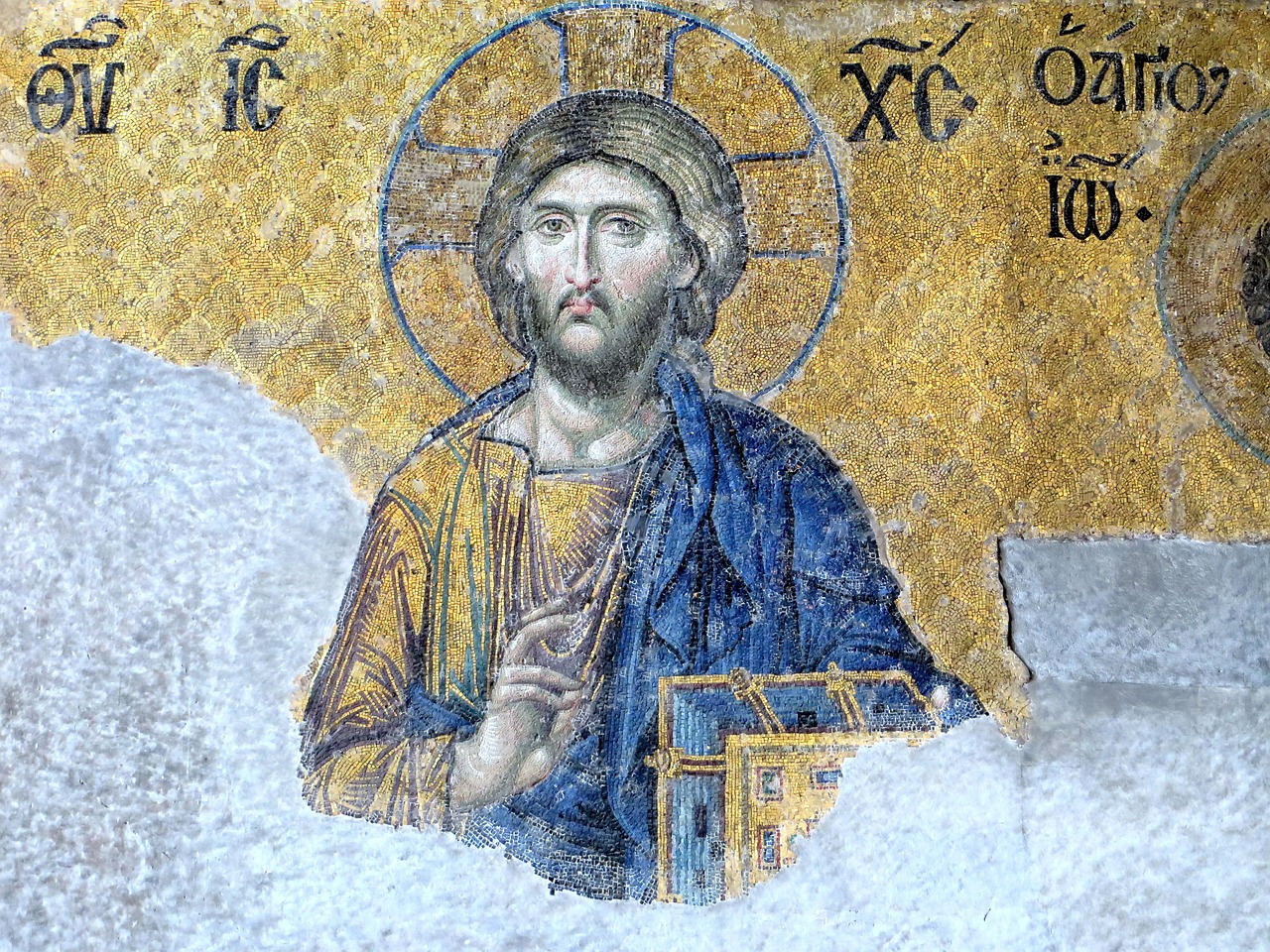
While we often think of the word “repent” as a Lenten message – a sorrowful self-condemnation for our sins – the Greek word “metanoeite” refers to a deep interior conversion, a reorientation, a change in heart and mind and direction. If we are turning away from something, we must be turning toward something else. Yes, repenting means to turn away from sin, but more importantly, a turning toward God. The Catechism tells us that it is “a radical reorientation of our whole life, a return, a conversion to God with all our heart.” (CCC 1431)

In order to turn fully toward God, we must turn away from all that keeps us from seeing Him clearly and drawing near to Him as our loving Father. So while part of repentance is looking at our sin, confessing to a priest, and intending not to sin again, the better part is looking at the Lord, seeing His Truth and Beauty and Goodness, and opening ourselves to love Him more than ourselves, our sin, and our comfort.

Why? Because the Kingdom of Heaven is near; the King has arrived and the reign of God begins now. This Kingdom is not a political or earthly administration of borders and laws, but the reign of the King of Love, present to us in our hearts, in the Word, and in the Sacraments. St. Augustine teaches that the Church is the seed and beginning of this Kingdom on earth; we are made citizens of this Kingdom and true members of the family of the King through Baptism, and we grow to maturity through the Sacraments and prayer and service.

John prepared the way but Jesus is the way, which He will later make clear. This call to “repent” is a call to hope: hope in the loving Heart of the Savior who came to bring reconciliation and peace, hope in the call and value of each and every life, hope in the truth that no one can out-sin God’s mercy and love, hope in the certain victory of the Kingdom of Love.

Contact the author


En el Evangelio de Mateo, las primeras palabras públicas de Jesús son: “Conviértanse, porque ya está cerca el Reino de los cielos”. Este fue también el mensaje de San Juan Bautista (Mt 3,2), y ahora que Juan ha sido arrestado por decir verdades incómodas a los poderosos, Jesús retoma el mismo mensaje con nueva autoridad y urgencia.

Aunque a menudo pensamos en la palabra “convertirse” como un mensaje cuaresmal – un proceso doloroso de alejarnos de los pecados, – la palabra griega “metanoeite” se refiere a una profunda conversión interior, una reorientación, un cambio de corazón, mente y dirección. Si nos alejamos de algo, debemos estar volviéndonos hacia otra cosa. Sí, convertirse significa alejarse del pecado, pero más importante aún, volverse hacia Dios. El Catecismo nos dice que es “una reorientación radical de toda la vida, un retorno, una conversión a Dios con todo nuestro corazón”. (CIC 1431)

Para volvernos plenamente hacia Dios, debemos alejarnos de todo lo que nos impide verlo con claridad y acercarnos a Él como nuestro Padre amoroso. Si bien parte del arrepentimiento consiste en examinar nuestro pecado, confesarlo a un sacerdote y proponernos no volver a pecar, la mejor parte es mirar al Señor, ver su Verdad, Belleza y Bondad, y abrirnos a amarlo más que a nosotros mismos, nuestro pecado y nuestra comodidad.

¿Por qué? Porque el Reino de los cielos está cerca; el Rey ha llegado y el Reino de Dios comienza ahora. Este Reino no es una administración política o terrenal de fronteras y leyes, sino el reino del Rey de Amor, presente en nuestros corazones, en la Palabra y en los Sacramentos. San Agustín enseña que la Iglesia es la semilla y el comienzo de este Reino en la tierra; nos convertimos en ciudadanos de este Reino y verdaderos miembros de la familia del Rey mediante el Bautismo, y maduramos mediante los Sacramentos, la oración y el servicio.

Juan preparó el camino, pero Jesús es el camino, que más adelante aclarará. Este llamado a “convertirse” es un llamado a la esperanza: esperanza en el Corazón amoroso del Salvador que vino a traer reconciliación y paz, esperanza en el llamado y el valor de cada vida, esperanza en la verdad de que no hay cantidad de pecados que la misericordia y el amor de Dios no pueda perdonar, esperanza en la victoria segura del Reino del Amor.

Comunicarse con la autora

Kathryn Mulderink, MA, is married to Robert, Station Manager for Holy Family Radio. Together they have seven children (including Father Rob), and eleven grandchildren. She is President of the local community of Secular Discalced Carmelites and has published five books and many articles. Over the last 30 years, she has worked as a teacher, headmistress, catechist, Pastoral Associate, and DRE, and as a writer and voice talent for Catholic Radio. Currently, she serves the Church by writing and speaking, and by collaborating with various parishes and to lead others to encounter Christ and engage their faith. Her website is www.KathrynTherese.com

Feature Image Credit: Gunthersimmermacher, pixabay.com/photos/christ-icon-hagia-sophia-istanbul-1618197/

The views and opinions expressed in the Inspiration Daily blog are solely those of the original authors and contributors. These views and opinions do not necessarily represent those of Diocesan, the Diocesan staff, or other contributors to this blog.
ā€œWhen Eight Days Were Completedā€ / ā€œCumplidos los ocho dĆ­asā€

It’s still Christmas, for the Church! We have at least 12 Days of Christmas, or 40, if you’d like to continue to ponder these mysteries until the Presentation of Jesus in the Temple and the Purification of Mary. It is good to remember that numbers are valuable signs in the life of the Church and salvation history: three, seven, eight, twelve, forty… All are filled with rich Scriptural and traditional meaning. 

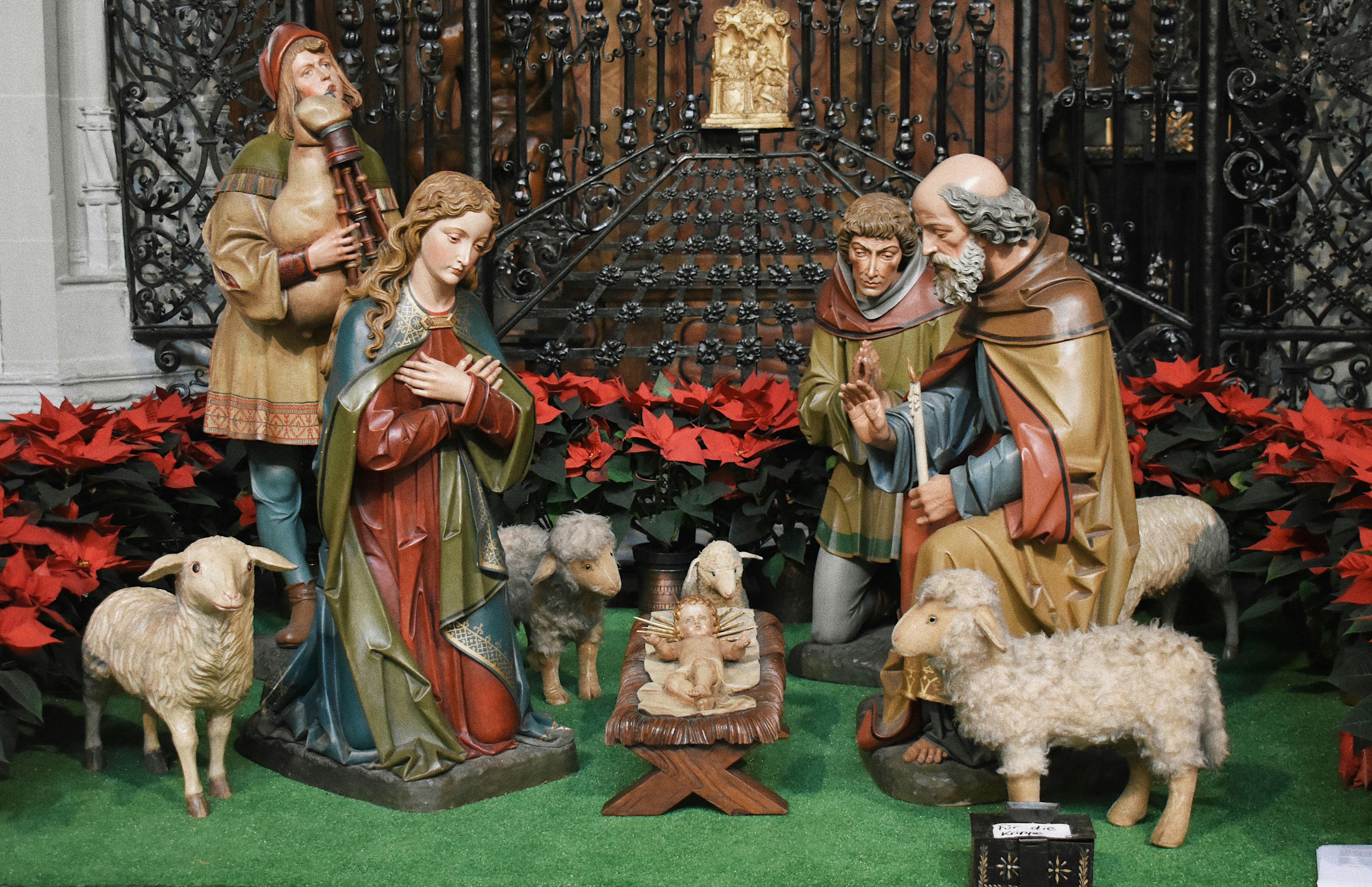
Here we are already on the Eighth Day of Christmas, the day we honor Mary as the Mother of God and (historically) the feast day of Jesus’ circumcision, when he was given the name the angel had told Mary (Lk 1:31). Why does this happen on the eighth day? While the number seven represents fullness and completion (like the seventh day of creation), the eighth day symbolizes a new beginning and sanctification, beyond the natural order. 

While the Sabbath celebrated by the Israelites was focused on the seventh day of the week to point to the completion of creation, we celebrate on the “Eighth Day,” Sunday – a day that is beyond the natural week, and points to a new creation and a new beginning in Christ’s Resurrection. Just as the Covenant is beyond the natural order, so the sign of a child’s participation in the Covenant points beyond the natural order, so circumcision was done on the eighth day (described in Leviticus 12).

Jesus receives the name that means “Savior,” and though he is not subject to the Laws of Purification, he humbles himself in obedience to the commands given to the Chosen People. The One Who came to free us from sin and the law submits to the Law of Moses and receives the sign of sinners to fulfill the law! Later, Jesus will submit himself to be baptized in the Jordan to further identify himself fully with sinful humanity. This newborn Infant, lying in a manger, is truly one of us.

Today, let us imitate the inner workings of the heart of Mary, who “kept all these things, reflecting on them in her heart.” It is only by gazing silently at the moments presented in Scripture that we can gradually begin to see the glorious plan of God, and learn what it means for us in our daily lives. Just as God did not reveal to Mary or Joseph a step-by-step plan, so we also must walk day by day in faith, without any bullet points or instructions. His will is known in the silence of our hearts. 

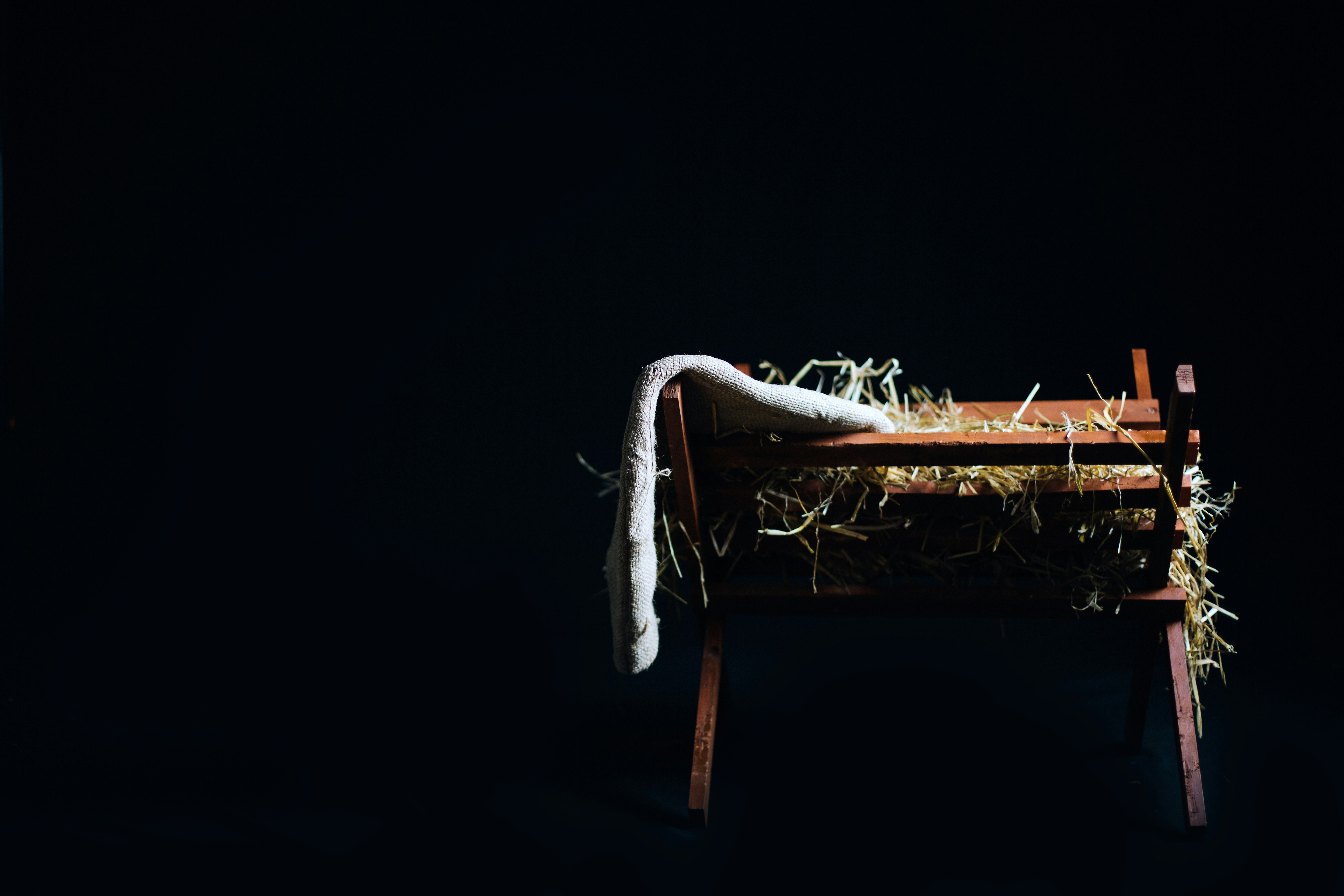
So let us ask Mary to help us to be open, and to ponder God’s actions with the same loving obedience and trust. Let us ask for the grace to be as eager as the shepherds to gather around the manger near Mary and Joseph, to receive the warm light of God’s gentle love.

Contact the author


¡Todavía es temporada de Navidad para la Iglesia! Tenemos por lo menos 12 días de Navidad, o 40, si deseas seguir reflexionando sobre estos misterios hasta la Presentación de Jesús en el Templo y la Purificación de María. Es bueno recordar que los números son signos valiosos en la vida de la Iglesia y en la historia de la salvación: tres, siete, ocho, doce, cuarenta… Todos están llenos de un rico significado bíblico y tradicional.

Ya estamos en el octavo día de Navidad, el día en que honramos a María como Madre de Dios y (históricamente) la festividad de la circuncisión de Jesús, cuando recibió el nombre que el ángel le había dado a María (Lc 1,31). ¿Por qué ocurre esto en el octavo día? Mientras que el número siete representa la plenitud y la consumación (como el séptimo día de la creación), el octavo día simboliza un nuevo comienzo y la santificación, más allá del orden natural. 

Mientras que el Sabbat celebrado por los israelitas se centraba en el séptimo día de la semana para señalar la culminación de la creación, nosotros lo celebramos en el “Octavo Día”, el domingo, un día que trasciende la semana natural y señala una nueva creación y un nuevo comienzo en la Resurrección de Cristo. Así como la alianza trasciende el orden natural, la señal de la participación de un niño en la alianza Pacto también lo trasciende; por eso la circuncisión se realizaba en el octavo día (descrita en Levítico 12).

Jesús recibe el nombre que significa “Salvador”, y aunque no está sujeto a las Leyes de Purificación, se humilla en obediencia a los mandatos dados al Pueblo Elegido. ¡Quien vino a liberarnos del pecado y de la ley se somete a la Ley de Moisés y recibe la señal de los pecadores para cumplirla! Más tarde, Jesús se someterá a ser bautizado en el Jordán para identificarse aún más plenamente con la humanidad pecadora. Este recién nacido, acostado en un pesebre, es verdaderamente uno de nosotros. 

Hoy, imitemos el corazón de María, quien «guardaba todas estas cosas y las meditaba en su corazón”. Solo contemplando en silencio los momentos que nos presentan las Escrituras, podemos comenzar a ver gradualmente el glorioso plan de Dios y comprender su significado en la vida diaria. Así como Dios no les reveló a María ni a José un plan paso a paso, también nosotros debemos caminar día a día con fe, sin planes ni instrucciones. Su voluntad se conoce en el silencio de nuestros corazones.

Por eso, pidamos a María que nos ayude a ser receptivos y a reflexionar sobre las acciones de Dios con la misma obediencia y confianza amorosa. Pidamos la gracia de estar tan deseosos como los pastores de reunirnos alrededor del pesebre, cerca de María y José, para recibir la cálida luz del tierno amor de Dios.

Comunicarse con la autora

Kathryn Mulderink, MA, is married to Robert, Station Manager for Holy Family Radio. Together they have seven children (including Father Rob), and eleven grandchildren. She is President of the local community of Secular Discalced Carmelites and has published five books and many articles. Over the last 30 years, she has worked as a teacher, headmistress, catechist, Pastoral Associate, and DRE, and as a writer and voice talent for Catholic Radio. Currently, she serves the Church by writing and speaking, and by collaborating with various parishes and to lead others to encounter Christ and engage their faith. Her website is www.KathrynTherese.com

Feature Image Credit: Phuc Tran, https://www.pexels.com/photo/view-of-a-nativity-scene-6307899/

The views and opinions expressed in the Inspiration Daily blog are solely those of the original authors and contributors. These views and opinions do not necessarily represent those of Diocesan, the Diocesan staff, or other contributors to this blog.
Sincerely Seeking / Buscar Sinceramente

Jesus is often verbally jousting with “the chief priests and elders,” but why? He has come to save them too, but they refuse to humble themselves or let go of their authority or open themselves to the truth. And so, in today’s Gospel, as this group questions him about his own authority in turning over tables in the temple, Jesus agrees to answer their question IF they will answer one question from Him. This question is a test. A test of what? A test of their sincerity. 

Jesus will only answer them on the one condition that they sincerely want to receive His answer. But they do not. They are too busy balancing the way the people will perceive them against their own self-righteousness. They are not sincerely seeking to know what is true; they are working to protect their own position. They refuse to answer Jesus’ question, and so Jesus refuses to answer theirs. It is Wisdom in action. Divine wisdom acting powerfully against human “wisdom.”

Today’s Responsorial Psalm can be a profound examination of conscience for our own sincerity: Do we want to know the Lord’s ways and follow his paths? Are we humble enough to be guided in the truth and taught by the Savior? Do we know in our bones that the Lord shows sinners the way and guides the humble to justice? How do we understand the truth that the Lord teaches the humble his way? Are we sincerely seeking to know what is true?

As we enter the third week of Advent, how are we opening ourselves more fully and allowing ourselves to let go of all that is in us that keeps us from the complete freedom necessary to receive the great Gift of Salvation? Are we sincerely awaiting the angelic message that our Savior has come?  Are our hearts like humble mangers, conscious of their emptiness of any riches and ready to receive the King of the Universe, who comes to us as a gentle Infant in the quiet of a starry night?

Contact the author


Jesús a menudo discute verbalmente con los sumo sacerdotes y los ancianos, pero ¿por qué? Él también vino a salvarlos, pero ellos se niegan a humillarse, a renunciar a su autoridad o a abrirse a la verdad. Así, en el Evangelio de hoy, mientras este grupo lo interroga sobre su propia autoridad para volcar las mesas en el templo, Jesús acepta responder a su pregunta si ellos responden a una pregunta suya. Esta pregunta es una prueba. ¿Una prueba de qué? Una prueba de su sinceridad.

Jesús les responderá con la única condición de que sinceramente deseen recibir su respuesta. Pero no la desean. Están demasiado ocupados balanceando la percepción que la gente tendrá de ellos con su propia autocomplacencia. No buscan sinceramente saber qué es la verdad; se esfuerzan por proteger su propia posición. Se niegan a responder la pregunta de Jesús, y por lo tanto, Jesús se niega a responder la de ellos. Es la Sabiduría en acción. La sabiduría divina actuando poderosamente contra la sabiduría humana. 

El Salmo Responsorial de hoy puede ser un profundo examen de conciencia para nuestra propia sinceridad: ¿Queremos conocer los caminos del Señor y seguir sus sendas? ¿Somos lo suficientemente humildes para dejarnos guiar por la verdad y ser enseñados por el Salvador? ¿Sabemos en nuestra interior que el Señor muestra el camino a los pecadores y guía a los humildes hacia la justicia? ¿Cómo comprendemos la verdad de que el Señor enseña a los humildes su camino? ¿Buscamos sinceramente la verdad?

Al entrar en la tercera semana de Adviento, ¿cómo nos abrimos más plenamente y nos permitimos desprendernos de todo aquello en nuestro interior que nos impide la completa libertad necesaria para recibir el gran Don de la Salvación? ¿Esperamos sinceramente el mensaje angelical de la llegada de nuestro Salvador? ¿Son nuestros corazones como humildes pesebres, conscientes de su vacío de riquezas y listos para recibir al Rey del Universo, que viene a nosotros como un tierno Niño en la quietud de una noche estrellada?

Comunicarse con la autora

Kathryn Mulderink, MA, is married to Robert, Station Manager for Holy Family Radio. Together they have seven children (including Father Rob), and eleven grandchildren. She is President of the local community of Secular Discalced Carmelites and has published five books and many articles. Over the last 30 years, she has worked as a teacher, headmistress, catechist, Pastoral Associate, and DRE, and as a writer and voice talent for Catholic Radio. Currently, she serves the Church by writing and speaking, and by collaborating with various parishes and to lead others to encounter Christ and engage their faith. Her website is www.KathrynTherese.com

Feature Image Credit: Jon Carlson, unsplash.com/photos/a-chair-with-a-table-and-lights-nXow0r783Gg

The views and opinions expressed in the Inspiration Daily blog are solely those of the original authors and contributors. These views and opinions do not necessarily represent those of Diocesan, the Diocesan staff, or other contributors to this blog.
The Precursor / El Precursor de JesĆŗs

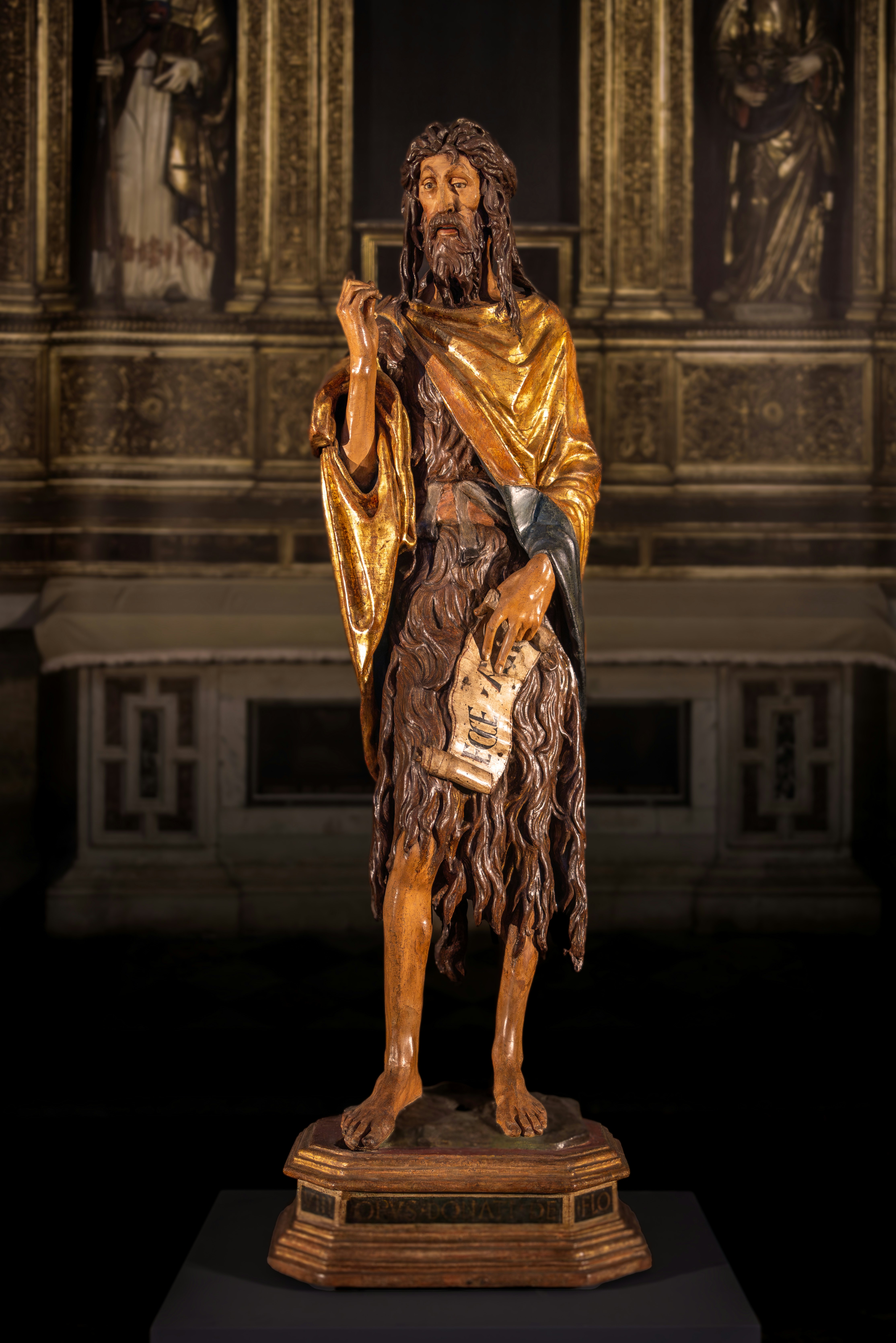
Jesus came into the world to save us from sin and lead us to the Father. He alone is the holy One, He alone is the Lord. From Him and through Him and for Him all things are (Rom 11:36). No one goes to the Father except through Him (Jn 14:6). He is the way, and the truth, and the life (Jn 14:6). Ultimately, He will be “all in all” (1 Cor 15:28). Yet Jesus praises John the Baptist, saying that among those born of women, there is none greater than John. That is high praise from the King of Heaven!

John is the last prophet of the Old Testament and the first prophet of the New; from his mother’s womb, he rejoiced at the presence of the Savior in the world. Later, he would explain his true joy by saying, “The one who has the bride is the bridegroom; the best man, who stands and listens for him, rejoices greatly at the bridegroom’s voice. So this joy of mine has been made complete” (Jn 1:29-30).

His whole life was a mission to announce the coming of the Savior of the World, and he emptied himself completely in order to fulfill this mission, proclaimed before his conception and confirmed by the words of his father, Zechariah: “You, my child, shall be called the prophet of the Most High. For you will go before the Lord to prepare his way” (Lk 1:76-79). John the Baptist summarized his position and his mission by saying, “He must increase, I must decrease” (Jn 1:30).

While Jesus praises John, he says that “the least in the Kingdom of Heaven” are greater than he is, reminding us of the glory to which each of us are called. We are reminded that in order to become great in the Kingdom, we must decrease so that we are better able to proclaim the One Who IS the Way, the Truth, and the Life! It is not about me, but about HIM. I cannot save anyone from anything. He can save everyone from everything that obstructs the way or the light. I am small and weak, but if I allow what is not of Him to decrease and fade away, His power and strength increase in and through me.

During Advent, we are called to look to the Gift that is given and prepare ourselves to receive the One Who can do all things, Who makes all things new. Let us pray for the grace to let go of our selfward selves so that our spiritual arms are free to fully embrace Him.

Contact the author


Jesús vino al mundo para salvarnos del pecado y guiarnos al Padre. Solo Él es el Santo, solo Él es el Señor. De Él, por Él y para Él son todas las cosas (Rom 11,36). Nadie va al Padre sino por Él (Jn 14,6). Él es el camino, la verdad y la vida (Jn 14,6). Finalmente, Él será “todo en todos” (1 Cor 15,28). Sin embargo, Jesús alaba a Juan el Bautista, diciendo que entre los nacidos de mujer, no hay nadie mayor que Juan. ¡Esa es una gran alabanza del Rey del Cielo!

Juan es el último profeta del Antiguo Testamento y el primer profeta del Nuevo Testamento; desde el vientre de su madre, se regocijó con la presencia del Salvador en el mundo. Más tarde, explicaría su verdadera alegría diciendo: “El que tiene a la novia es el novio; el padrino, que está de pie y lo escucha, se alegra enormemente con la voz del novio. Así se ha cumplido mi alegría” (Jn 1,29-30).

Toda su vida fue una misión para anunciar la venida del Salvador del mundo, y se entregó por completo para cumplir esta misión, proclamada antes de su concepción y confirmada por las palabras de su padre, Zacarías: “Tú, hijo mío, serás llamado profeta del Altísimo, porque irás delante del Señor para preparar su camino” (Lc 1,76-79). Juan el Bautista resumió su posición y su misión diciendo: “Es necesario que él crezca, y que yo disminuya” (Jn 1,30).

Mientras Jesús alaba a Juan, dice que “el más pequeño en el Reino de los Cielos” es mayor que él, recordándonos la gloria a la que cada uno de nosotros está llamado. Se nos recuerda que, para alcanzar la grandeza en el Reino, debemos disminuir para poder proclamar mejor a Aquel que ES el Camino, la Verdad y la Vida. No se trata de mí, sino de ÉL. Yo no puedo salvar a nadie de nada. Él puede salvar a todos de todo lo que obstruye el camino o la luz. Soy pequeño y débil, pero si permito que lo que no es de Él disminuya y se desvanezca, su poder y fuerza aumentan en mí y a través de mí.

Durante el Adviento, estamos llamados a contemplar el Don que se nos da y a prepararnos para recibir a Aquel que todo lo puede, que todo lo hace nuevo. Pedimos la gracia de soltar nuestro egocentrismo para que nuestros brazos espirituales estén libres para abrazarlo plenamente.

Comunicarse con la autora

Kathryn Mulderink, MA, is married to Robert, Station Manager for Holy Family Radio. Together they have seven children (including Father Rob), and eleven grandchildren. She is President of the local community of Secular Discalced Carmelites and has published five books and many articles. Over the last 30 years, she has worked as a teacher, headmistress, catechist, Pastoral Associate, and DRE, and as a writer and voice talent for Catholic Radio. Currently, she serves the Church by writing and speaking, and by collaborating with various parishes and to lead others to encounter Christ and engage their faith. Her website is www.KathrynTherese.com

Feature Image Credit: Phil Botha, unsplash.com/photos/a-statue-of-jesus-holding-a-cross-in-a-church-UjRy5jlYHEI

The views and opinions expressed in the Inspiration Daily blog are solely those of the original authors and contributors. These views and opinions do not necessarily represent those of Diocesan, the Diocesan staff, or other contributors to this blog.
Faith and Healing / La fe y la sanación

“Behold, our Lord shall come with power; he will enlighten the eyes of his servants” (Gospel Antiphon).

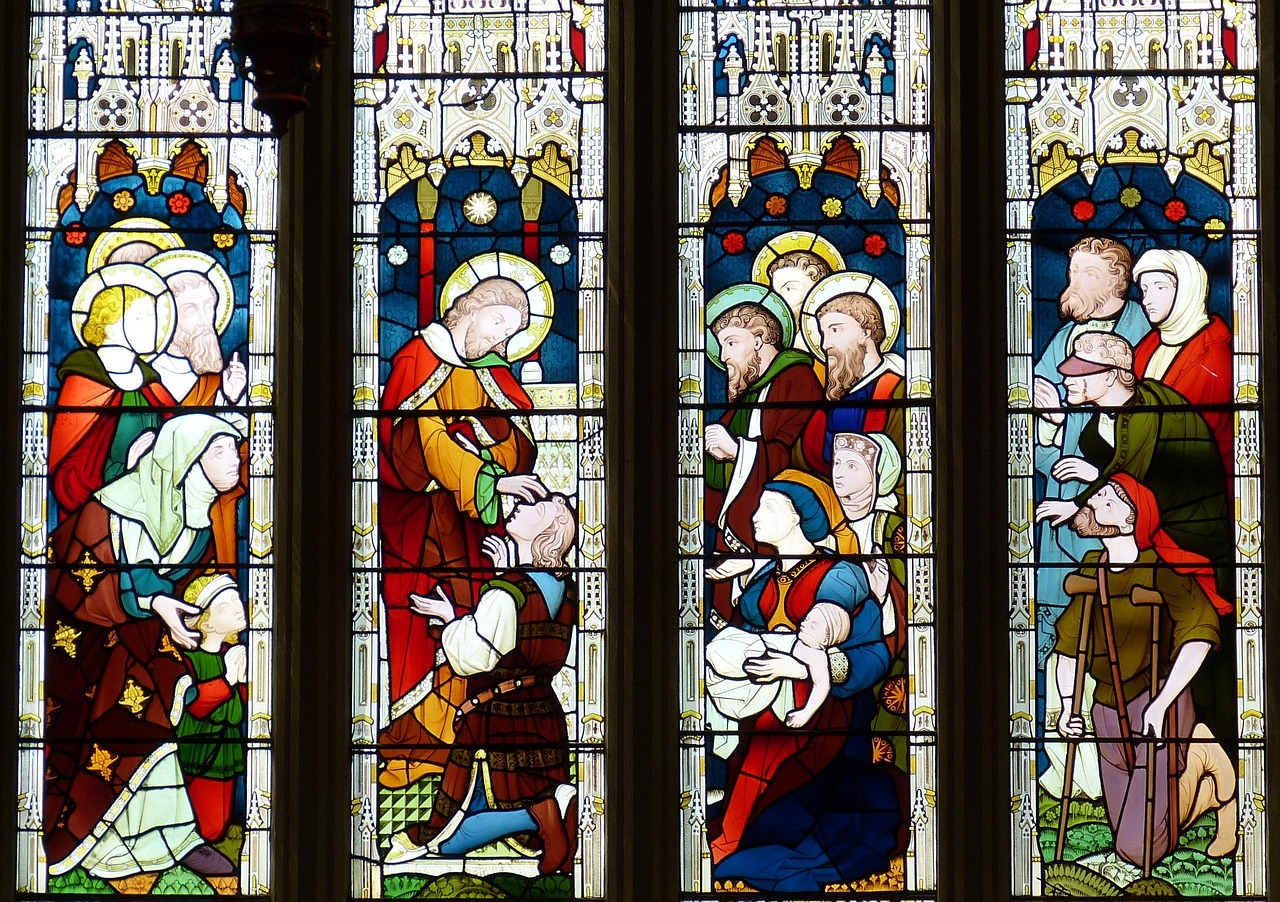
The two blind men in today’s Gospel are a model for all of us: they know their need, they know the One who can help them, they believe He will do so, and they call out for help. They are taken out of the crowd and into a quieter space, into the house, where Jesus can look at them as individuals and speak to them in private. Jesus does not haphazardly dispense healing into a crowd, but in a personal way, in a personal relationship of love and trust. 

To understand what Jesus is doing in the Gospels, we try to see with whom He is establishing relationship. Where is His gaze? From whom is He eliciting a response? What is He drawing out of a person’s heart to create a space for healing grace?

This is what happens with the blind men. Their eyes were opened, but only because they knew they were closed, and they desired to see! Sometimes, we fail to see the areas of our own blindness, and so we do not even know to ask for healing. Sometimes, we do not fully believe we are worthy of healing, or we are afraid of what we will be without our woundedness, so we cannot truly desire the healing touch of God’s love.

These blind men not only believe Jesus can heal them, but recognize who He truly is – they call Him “Son of David,” acknowledging that He is the Messiah. And Jesus underscores and deepens their belief by asking them, “Do you believe that I can do this? … Let it be done for you according to your faith.” True healing always begins with faith and trust.

Jesus wants us to be whole and free, so that we can walk with confidence toward the Kingdom of Love and endless peace. Advent is an opportunity to ask for the grace to examine our hearts with sincerity, lift up our brokenness to the Light of His gaze, and take whatever steps we need to be wholly prepared to receive “the Son of David” as He comes to us with quiet grace at Christmas.

Contact the author


“Ya viene el Señor, nuestro Dios, con todo su poder para iluminar los ojos de sus hijos.” (Antífona del Evangelio).

Los dos ciegos del Evangelio de hoy son un modelo para todos nosotros: conocen su necesidad, conocen a Aquel que puede ayudarlos, creen que lo hará y piden ayuda. Los sacan de la multitud y los llevan a un espacio más tranquilo, a la casa, donde Jesús puede mirarlos individualmente y hablarles en privado. Jesús no imparte sanación a la multitud al azar, sino de forma personal, en una relación personal de amor y confianza.

Para comprender lo que Jesús hace en los Evangelios, tratamos de ver con quién establece una relación. ¿Dónde está su mirada? ¿De quién obtiene una respuesta? ¿Qué extrae del corazón de una persona para crear un espacio para la gracia sanadora?

Esto es lo que sucede con los ciegos. Sus ojos se abrieron, pero solo porque sabían que estaban cerrados y deseaban ver. A veces, no vemos las áreas de nuestra propia ceguera, y por eso ni siquiera sabemos pedir sanación. A veces, no creemos plenamente que seamos dignos de sanación, o tememos lo que seremos sin nuestras heridas, por lo que no podemos desear verdaderamente el toque sanador del amor de Dios.

Estos ciegos no solo creen que Jesús puede sanarlos, sino que reconocen quién es Él realmente: lo llaman “Hijo de David”, reconociendo que es el Mesías. Y Jesús subraya y profundiza su creencia al preguntarles: “¿Creen que puedo hacerlo?…Que se haga en ustedes conforme a su fe”. La verdadera sanación siempre comienza con la fe y la confianza.

Jesús quiere que seamos completos y libres, para que podamos caminar con confianza hacia el Reino del Amor y la paz eterna. El Adviento es una oportunidad para pedir la gracia de examinar nuestros corazones con sinceridad, elevar nuestra fragilidad a la Luz de su mirada y dar los pasos necesarios para estar completamente preparados para recibir al “Hijo de David” cuando venga a nosotros con su gracia silenciosa en la Navidad.

Comunicarse con la autora

Kathryn Mulderink, MA, is married to Robert, Station Manager for Holy Family Radio. Together they have seven children (including Father Rob), and eleven grandchildren. She is President of the local community of Secular Discalced Carmelites and has published five books and many articles. Over the last 30 years, she has worked as a teacher, headmistress, catechist, Pastoral Associate, and DRE, and as a writer and voice talent for Catholic Radio. Currently, she serves the Church by writing and speaking, and by collaborating with various parishes and to lead others to encounter Christ and engage their faith. Her website is www.KathrynTherese.com

Feature Image Credit: falco, pixabay.com/photos/church-window-church-window-722386/

The views and opinions expressed in the Inspiration Daily blog are solely those of the original authors and contributors. These views and opinions do not necessarily represent those of Diocesan, the Diocesan staff, or other contributors to this blog.
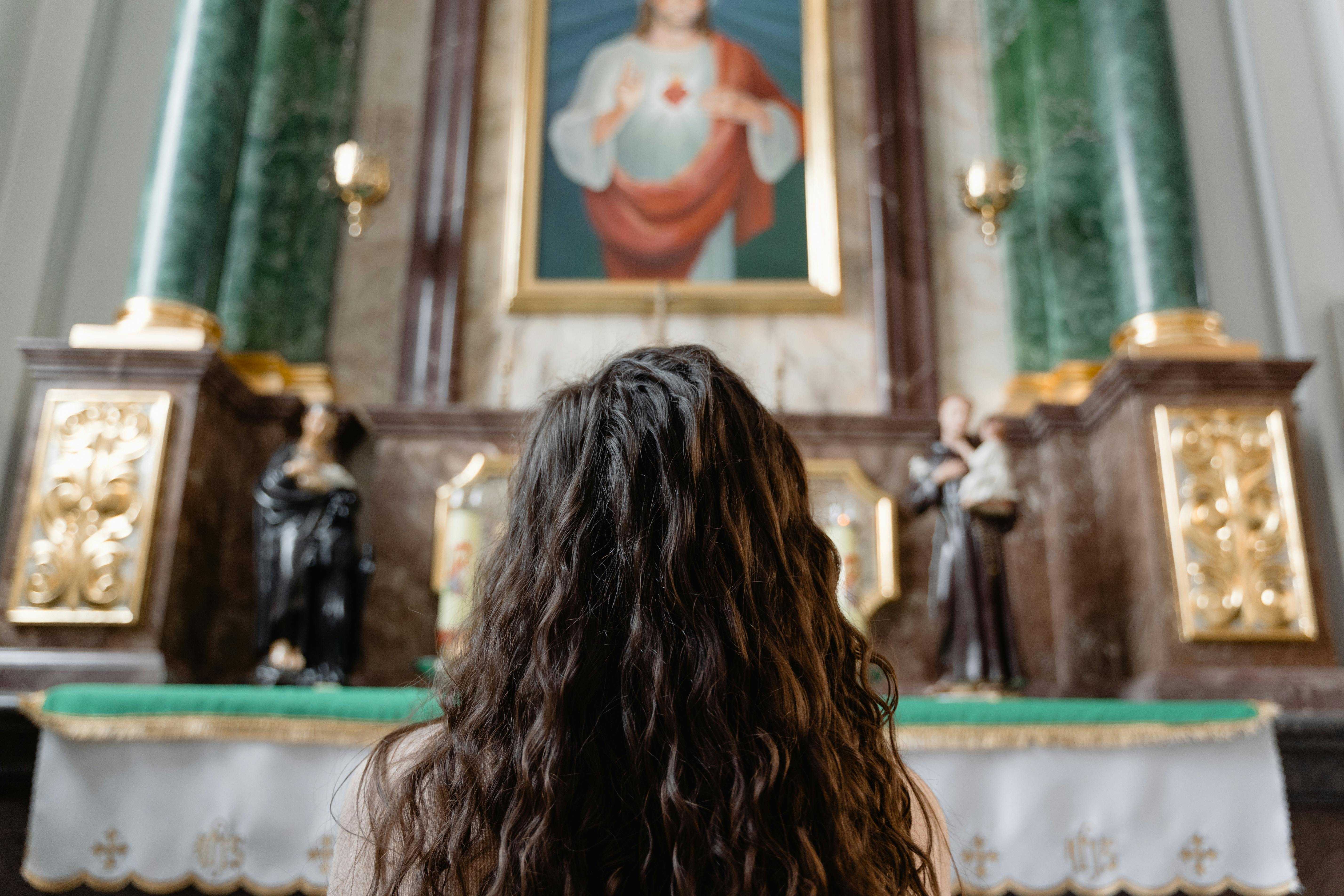
Stand Erect and Raise Your Heads / MantƩnganse erguidos y alcen la cabeza

The readings this Sunday are full of difficult images: a day blazing like an oven that will turn evildoers into stubble, the Lord coming to rule with justice, the destruction of the Temple, wars and earthquakes and plagues, persecution of those who follow Jesus, mighty signs from the sky…

Jesus does not promise His followers an alternate way; in fact, He assures them that difficulties will come. But in this sobering message of disasters and betrayal, Jesus gives a profound message of hope: “Do not be terrified… Not a hair of your head will perish. By your perseverance you will secure your lives.” He speaks of perseverance through difficulty, not a secret path around it. This is not blind optimism but true Christian hope, which is not rooted in circumstances, but in God’s enduring faithfulness to His people and His promises.

Hope, in the Christian sense, is much more than wishing for a better future. It is the confident expectation that, despite suffering and uncertainty, God is with us and His promises will be fulfilled. Jesus does not sugarcoat reality or fluff over the very real difficulties of life; He prepares us to face it with His help. When everything around us seems to fall apart, He calls us to stand firm, not because we can rely on our own strength, but because we are anchored firmly in Him.

We are called to rely fully on the guidance of the Holy Spirit, even to the point of trusting that we will be given wisdom and words to defend the faith, without our own preparation, because He Himself will speak through us in moments of trial and persecution. Again, this is not an irresponsible wishfulness, but must come from the hope that is firmly anchored in Christ.

As Catholics, our hope is nourished through the sacraments, especially the Eucharist. When we receive Christ, we are reminded that He has already conquered sin and death. Our hope is not that we will be spared suffering, but that suffering will never have the final word, and will never overcome us completely. Christ has overcome the world.

In times of fear, chaos, or discouragement, we are encouraged to lift our eyes and cling more firmly to Christ. Everything around us, even the most important to us, even the human institutions on which we have come to rely can fall. But God remains. His Word endures. And His love sustains us.

Let us be people of hope, not because life as Christians is easy, but because we know Who holds the future. Jesus says, “By your perseverance you will secure your lives.” May we persevere in faith, knowing that our hope in Christ will never be in vain.

Contact the author


Las lecturas de este domingo están llenas de imágenes difíciles: un día ardiente como un horno que convertirá a los malhechores en paja, el Señor viniendo a gobernar con justicia, la destrucción del Templo, guerras, terremotos y plagas, la persecución de quienes siguen a Jesús, poderosas señales del cielo…

Jesús no promete a sus seguidores un camino alternativo; de hecho, les asegura que vendrán dificultades. Pero en este mensaje sombrío de desastres y traición, Jesús da un profundo mensaje de esperanza: “no caerá ningún cabello de la cabeza de ustedes. Si se mantienen firmes, conseguirán la vida”. Habla de mantenerse firmes en medio de la dificultad, no de un camino secreto para evitarla. Esto no es optimismo ciego, sino verdadera esperanza cristiana, que no se basa en las circunstancias, sino en la fidelidad inquebrantable de Dios a su pueblo y sus promesas.

La esperanza, en el sentido cristiano, es mucho más que desear un futuro mejor. Es la expectativa segura de que, a pesar del sufrimiento y la incertidumbre, Dios está con nosotros y sus promesas se cumplirán. Jesús no suavizó la realidad ni disimuló las dificultades de la vida; nos preparó para afrontarlas con su ayuda. Cuando todo a nuestro alrededor parecía desmoronarse, nos llamó a mantenernos firmes, no porque dependiéramos de nuestras propias fuerzas, sino porque estábamos firmemente anclados en Él.

Estamos llamados a confiar plenamente en la guía del Espíritu Santo, hasta el punto de confiar en que recibiremos sabiduría y palabras para defender la fe, sin nuestra propia preparación, porque Él mismo hablará a través de nosotros en momentos de prueba y persecución. De nuevo, esto no es un deseo irresponsable, sino que debe provenir de la esperanza firmemente arraigada en Cristo.

Como católicos, nuestra esperanza se nutre de los sacramentos, especialmente de la Eucaristía. Cuando recibimos a Cristo, recordamos que Él ya ha vencido al pecado y a la muerte. Nuestra esperanza no es que nos libremos del sufrimiento, sino que el sufrimiento nunca tendrá la última palabra y nunca nos vencerá por completo. Cristo ha vencido al mundo.

En tiempos de miedo, caos o desánimo, se nos anima a alzar la mirada y aferrarnos con más fuerza a Cristo. Todo lo que nos rodea, incluso lo más importante, incluso las instituciones humanas en las que confiamos, puede derrumbarse. Pero Dios permanece. Su Palabra perdura. Y su amor nos sostiene.

Seamos personas de esperanza, no porque la vida cristiana sea fácil, sino porque sabemos quién tiene el futuro. Jesús dice: “Si se mantienen firmes, conseguirán la vida”. Perseveremos en la fe, sabiendo que nuestra esperanza en Cristo nunca será en vano.

Comunicarse con la autora

Kathryn Mulderink, MA, is married to Robert, Station Manager for Holy Family Radio. Together they have seven children (including Father Rob), and eleven grandchildren. She is President of the local community of Secular Discalced Carmelites and has published five books and many articles. Over the last 30 years, she has worked as a teacher, headmistress, catechist, Pastoral Associate, and DRE, and as a writer and voice talent for Catholic Radio. Currently, she serves the Church by writing and speaking, and by collaborating with various parishes and to lead others to encounter Christ and engage their faith. Her website is www.KathrynTherese.com

Feature Image Credit: Sspiehs3, pixabay.com/photos/cross-sunset-silhouette-god-1772560/

The views and opinions expressed in the Inspiration Daily blog are solely those of the original authors and contributors. These views and opinions do not necessarily represent those of Diocesan, the Diocesan staff, or other contributors to this blog.
The Gift of Gratitude / El Don de la Gratitud

The lepers were outcasts, suffering not only from physical illness but also from social and spiritual isolation, unable to be where others gathered and prayed, including the synagogue. They were considered less than others, avoided by all. When they cried out, “Jesus, Master! Have mercy on us!” they were not simply asking for healing, they were begging to be seen, to be restored, to be included again in human society. And Jesus responds, compassionately telling them to go show themselves to the priests. As they went, they were miraculously cleansed. Jesus heals ten lepers, but only one – a Samaritan, a double-outcast, as it were – returns. All ten received the same gift of healing, but only the Samaritan turned back, “glorifying God in a loud voice” and falling at Jesus’ feet to thank Him.

The Samaritan’s gratitude has little to do with good manners. It is the response of faith, and the foundation of humility. The grateful leper recognizes the source of his healing and acknowledges not only the gift but the Giver. Jesus sees this and says, “your faith has saved you.” The Greek word used here, “sozo,” means more than physical healing; it signifies wholeness, salvation. The Samaritan’s gratitude opened within him the capacity for a true relationship with Jesus.

As Catholics, we are called to live lives of Eucharistic gratitude. In fact, the word “Eucharist” itself means “thanksgiving.” At every Mass, we are invited to remember what God has done for us, not just in general, but personally. Like the Samaritan, we are called to return, to give thanks, to worship, and in doing so, to be made whole as we are drawn into a deeper relationship with Christ.

We each receive many, many blessings from the Lord: salvation, family, forgiveness, daily provision, the many graces we recognize and those we have not yet been able to see, the things we are spared, the strength to persevere through difficulties, etc. But very often, we forget to take time to give thanks; we rush forward in life, healed perhaps, blessed for certain, but not fully transformed. Gratitude roots us in humility and opens our hearts to God’s grace more fully. It reminds us that we are not self-sufficient, but recipients of everything we have and are.

Let us ask for the grace of true gratitude and humility, so that we never take our many blessings for granted. And then may we, like the grateful leper, return each day to the feet of Christ with hearts full of praise and thanksgiving.

Contact the author


Los leprosos eran marginados, padecían no solo enfermedades físicas, sino también aislamiento social y espiritual, incapaces de estar donde otros se reunían para orar, incluida la sinagoga. Eran considerados inferiores, evitados por todos. Cuando clamaban: “¡Jesús, Maestro, ten compasión de nosotros!”, no solo pedían sanación, sino que suplicaban ser vistos, ser restaurados, ser incluidos de nuevo en la sociedad. Y Jesús responde, diciéndoles con compasión que se presenten a los sacerdotes. Al ir, quedaron milagrosamente limpiados. Jesús sana a diez leprosos, pero sólo uno – un samaritano, un doble marginado, por así decirlo – regresa. Los diez recibieron el mismo don de sanación, pero sólo el samaritano regresó, “alabando a Dios en voz alta” y postrándose a los pies de Jesús para darle las gracias.

La gratitud del samaritano tiene poco que ver con las buenas costumbres. Es la respuesta de la fe y el fundamento de la humildad. El leproso agradecido reconoce la fuente de su sanación y reconoce no sólo el don, sino también al Dador. Jesús lo ve y dice: “Tu fe te ha salvado”. La palabra griega usada aquí, “sozo”, significa más que sanación física; significa plenitud, salvación. La gratitud del samaritano despertó en él la capacidad de una verdadera relación con Jesús.

Como católicos, estamos llamados a vivir vidas de gratitud eucarística. De hecho, la palabra “Eucaristía” significa “acción de gracias”. En cada misa, se nos invita a recordar lo que Dios ha hecho por nosotros, no solo en general, sino personalmente. Como el samaritano, estamos llamados a volver para dar gracias y adorarlo para ser íntegros al ser llamados a una relación más profunda con Cristo. 

Cada uno de nosotros recibe muchísimas bendiciones del Señor: la salvación, la familia, el perdón, la provisión diaria, las muchas gracias que reconocemos y las que aún no hemos podido ver, las cosas que se nos ahorran, la fuerza para perseverar en las dificultades, etc. Pero muy a menudo, nos olvidamos de tomarnos un tiempo para dar las gracias; avanzamos con paso firme en la vida, quizás sanados, bendecidos con certeza, pero no completamente transformados. La gratitud nos arraiga en la humildad y abre nuestros corazones a la gracia de Dios más plenamente. Nos recuerda que no somos autosuficientes, sino receptores de todo lo que tenemos y somos. 

Pidamos la gracia de la verdadera gratitud y humildad, para que nunca demos por sentado las muchas bendiciones que hemos recibido. Y entonces, como el leproso agradecido, regresemos cada día a los pies de Cristo con corazones llenos de alabanza y acción de gracias.

Comunicarse con la autora

Kathryn Mulderink, MA, is married to Robert, Station Manager for Holy Family Radio. Together they have seven children (including Father Rob), and eleven grandchildren. She is President of the local community of Secular Discalced Carmelites and has published five books and many articles. Over the last 30 years, she has worked as a teacher, headmistress, catechist, Pastoral Associate, and DRE, and as a writer and voice talent for Catholic Radio. Currently, she serves the Church by writing and speaking, and by collaborating with various parishes and to lead others to encounter Christ and engage their faith. Her website is www.KathrynTherese.com

Feature Image Credit: MART PRODUCTION, pexels.com/photo/man-person-people-woman-7220102/

The views and opinions expressed in the Inspiration Daily blog are solely those of the original authors and contributors. These views and opinions do not necessarily represent those of Diocesan, the Diocesan staff, or other contributors to this blog.
Rejoicing in the Found / Regocijar por los hallados

The Pharisees and scribes are scandalized that Jesus “welcomes sinners and eats with them.” But Jesus responds with two parables that reveal the Father’s true nature: He does not ignore sinners, He is not indifferent to them, nor does He wait passively for their return. Instead, like the shepherd who leaves the ninety-nine sheep or the woman who sweeps her house in search of a missing coin, God actively seeks out and relentlessly pursues the lost, with a Heart longing for their return.

This is the essence of Divine Mercy – God’s unconditional and infinite love poured out for sinners, ever longing for each of us to return to His embrace. Jesus doesn’t minimize sin, but He shows that God’s merciful love is infinitely greater than any sin. No matter how far we have strayed, no matter how confused our choices or how lost we seem (in our own eyes, or those of others), God’s mercy and compassion reach us still. He rejoices in ways beyond our comprehension when we are “found” and turn back to Him.

The joy in heaven over one repentant sinner reveals how deeply God desires our return. All of Heaven rejoices over His mercy, which we experience most directly in the Sacrament of Reconciliation. In the confessional, we can know in a personal way the Good Shepherd Who carries us Home. Every time we repent of our sins, whether this is the first time or the 99th, no matter how routine or difficult our confession, we meet the merciful gaze of Christ, who says, “Neither do I condemn you. Go and sin no more” (see John 8:11).

We are all called to receive this great gift of Divine Mercy, and then to extend it to others – to forgive others, to seek reconciliation, to bring hope to those who feel lost or unworthy, and to point to the loving Heart of the Savior. As disciples, we must bear and reflect the love that never judges prematurely, never gives up, and never stops reaching out with compassion.

Mercy is not earned; it is freely given. Mercy is Love reaching out to help all, because all are in need.

In a world often marked by harsh judgment, unforgiveness, and indifference, the truth of Divine Mercy draws us closer to the God Who searches for us, finds us, forgives us, and celebrates our return to His embrace. Let us trust in that Mercy and extend love and mercy freely to others.

Contact the author


Los fariseos y escribas se escandalizan de que Jesús “recibe a los pecadores y come con ellos”. Pero Jesús responde con dos parábolas que revelan la verdadera naturaleza del Padre: no ignora a los pecadores, no les es indiferente, ni espera pasivamente su regreso. En cambio, como el pastor que abandona las noventa y nueve ovejas o la mujer que barre su casa buscando una moneda perdida, Dios busca activamente y persigue incansablemente a los perdidos, con un corazón que anhela su regreso.

Esta es la esencia de la Divina Misericordia: el amor incondicional e infinito de Dios derramado por los pecadores, anhelando siempre que cada uno de nosotros regrese a su abrazo. Jesús no minimiza el pecado, sino que demuestra que el amor misericordioso de Dios es infinitamente mayor que cualquier pecado. No importa cuánto nos hayamos desviado, no importa cuán confusas sean nuestras decisiones o cuán perdidos parezcamos (a nuestros propios ojos o a los de los demás), la misericordia y la compasión de Dios aún nos alcanzan. Se regocija de maneras incomprensibles cuando somos “hallados” y volvemos a Él.

El gozo en el cielo por un pecador arrepentido revela cuán profundamente Dios desea nuestro regreso. Todo el Cielo se regocija por su misericordia, que experimentamos más directamente en el Sacramento de la Reconciliación. En el confesionario, podemos conocer personalmente al Buen Pastor que nos lleva a casa. Cada vez que nos arrepentimos de nuestros pecados, ya sea la primera vez o más de 99 veces, sin importar cuán rutinaria o difícil sea nuestra confesión, nos encontramos con la mirada misericordiosa de Cristo, quien dice: “Yo tampoco te condeno. Vete y no peques más” (ver Juan 8,11).

Todos estamos llamados a recibir este gran don de la Divina Misericordia y luego a extenderlo a los demás: a perdonar, a buscar la reconciliación, a llevar esperanza a quienes se sienten perdidos o indignos, y a señalar el Corazón amoroso del Salvador. Como discípulos, debemos ser portadores y reflejar el amor que nunca juzga prematuramente, nunca se rinde y nunca deja de extender su compasión. La misericordia no se gana; se da libremente. La misericordia es el amor que se extiende para ayudar a todos, porque todos están necesitados.

En un mundo a menudo marcado por el juicio severo, la falta de perdón y la indiferencia, la verdad de la Divina Misericordia nos acerca al Dios que nos busca, nos encuentra, nos perdona y celebra nuestro regreso a su abrazo. Confiemos en esa Misericordia y compartamos amor y misericordia libremente con los demás.

Comunicarse con la autora

Kathryn Mulderink, MA, is married to Robert, Station Manager for Holy Family Radio. Together they have seven children (including Father Rob), and eleven grandchildren. She is President of the local community of Secular Discalced Carmelites and has published five books and many articles. Over the last 30 years, she has worked as a teacher, headmistress, catechist, Pastoral Associate, and DRE, and as a writer and voice talent for Catholic Radio. Currently, she serves the Church by writing and speaking, and by collaborating with various parishes and to lead others to encounter Christ and engage their faith. Her website is www.KathrynTherese.com

Feature Image Credit: Tara Winstead, pexels.com/photo/white-and-blue-book-page-8383412/

The views and opinions expressed in the Inspiration Daily blog are solely those of the original authors and contributors. These views and opinions do not necessarily represent those of Diocesan, the Diocesan staff, or other contributors to this blog.
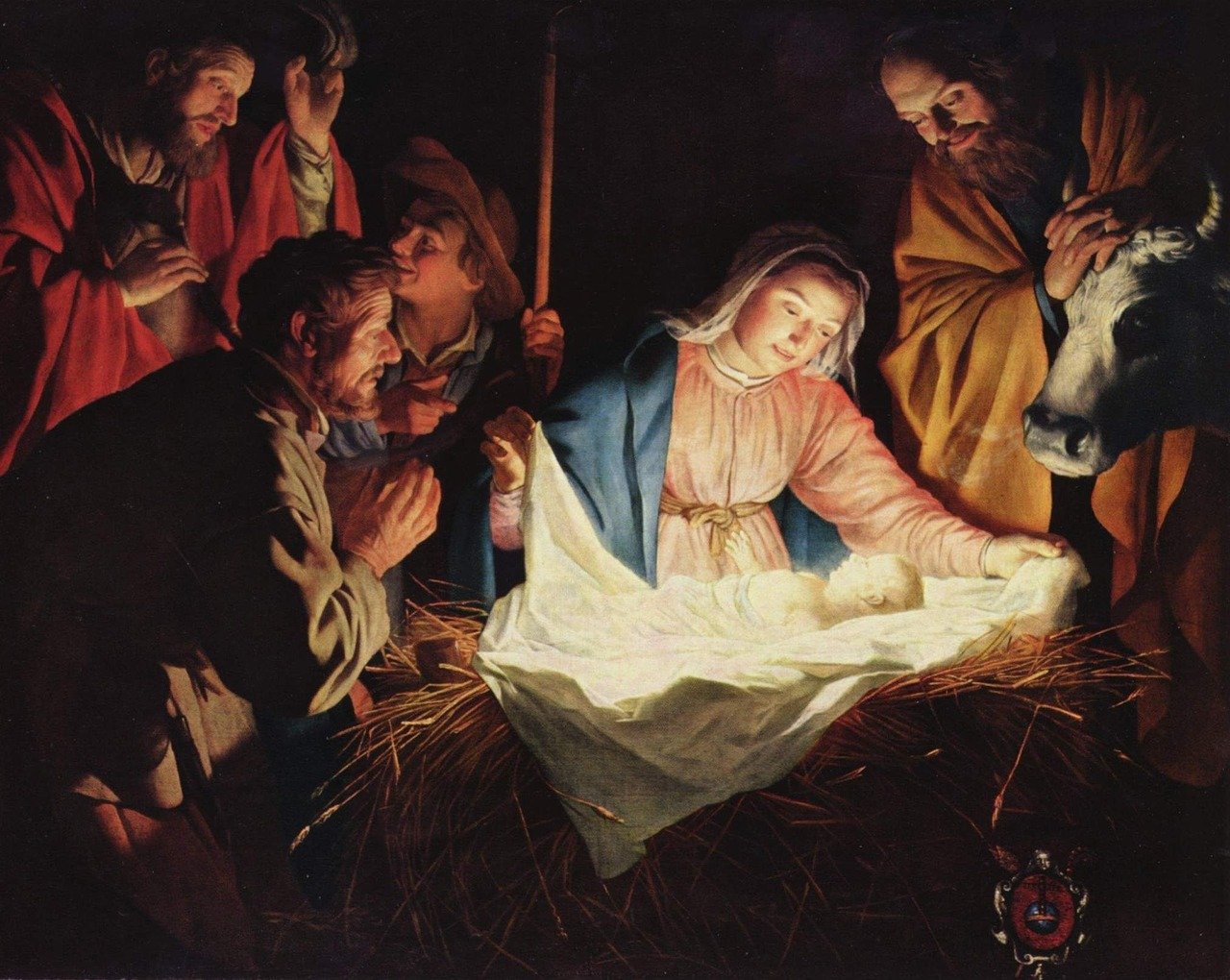
The Last Will Be First / Los últimos serÔn los primeros

“Lord, will only a few people be saved?”

The question suggests a concern about how difficult it is to be saved. Is it so difficult that only a few people will achieve it, or is it easy enough even for me? How hard do I have to work for this?

Jesus has the opportunity to say what we want to hear: “No worries. Just be nice and share, smile and say a prayer. I’m doing all the hard work for you. You just have to accept me as your Lord and Savior and you’ll be fine.”

But that’s not how He answers.

He tells us that we must enter through a “narrow gate,” that many are not strong enough, that even saying that we know Him will not ensure that He will let us in at that critical moment. Some will be called “evildoers” and told to depart! Jesus does not sugar-coat that terrible moment when “there will be wailing and grinding of teeth” by those who have been “cast out.”

Jesus does not ever proclaim a comfortable, easy, self-satisfying journey along a smooth road. He tells us (and shows us by his own life and death) that it will be difficult, that we will have to stand against “the world,” that we must take up our cross, strive with all our strength to travel the narrow path, and follow Him along the trail he has blazed for us. Those whose love is only superficial and external will not be allowed to enter, not because God has slammed the door, but because they chose not to go through it by refusing His friendship and love.

Jesus also reminds us that those who seem great – or even holy – to our human judgment may not truly be so. And some who are humble and forgotten are the very ones who will be reclining at table in the Kingdom of God. In God’s perfect judgment, all injustice will be corrected: “some are last who will be first, and some are first who will be last.” So we must learn to appreciate the expression of God’s justice in Mary’s Magnificat: “He has mercy on those who fear him in every generation… He has scattered the proud in their conceit. He has cast down the mighty from their thrones, and has lifted up the lowly. He has filled the hungry with good things, and the rich He has sent away empty.”

Lord, help me be content to be among the last in this world – the few, the small – so that I can be among the first in Your Kingdom of Love!

Contact the author


“Señor, ¿es verdad que son pocos los que se salvan?”

La pregunta sugiere una preocupación por lo difícil que es ser salvado. ¿Es tan difícil que solo unos pocos lo lograrán, o es lo suficientemente fácil incluso para mí? ¿Cuánto tengo que esforzarme para lograrlo?

Jesús tiene la oportunidad de decirnos lo que queremos oír: “No te preocupes. Solo sé amable, comparte, sonríe y reza. Yo hago todo el trabajo duro por ti. Solo tienes que aceptarme como tu Señor y Salvador y estarás bien”.

Pero no responde de esa forma.

Nos dice que debemos entrar por una puerta angosta, que muchos no son lo suficientemente fuertes, que ni siquiera decir que lo conocemos nos asegurará que nos deje entrar en ese momento crítico. ¡A algunos les dirá, “Apártense de mí, todos ustedes los que hacen el mal”! Jesús no suavizó ese terrible momento cuando “llorarán ustedes y se desesperarán” los que han sido expulsados. 

Jesús nunca proclama un camino cómodo, fácil y autocomplaciente por un camino llano. Nos dice (y nos lo muestra con su propia vida y muerte) que será difícil, que tendremos que oponernos al mundo, que debemos tomar nuestra cruz, esforzarnos con todas nuestras fuerzas por recorrer el camino angosto y seguirlo por la senda que nos ha trazado. Los que aman de forma superficial y externa no podrán entrar, no porque Dios les haya cerrado la puerta, sino porque decidieron no entrar al rechazar su amistad y amor.

Jesús también nos recuerda que quienes parecen grandes, o incluso santos, a nuestro juicio humano pueden no serlo de verdad. Y algunos humildes y olvidados son precisamente los que se sentarán a la mesa en el Reino de Dios. En el juicio perfecto de Dios, toda injusticia será corregida: “los que ahora son los últimos, serán los primeros; y los que ahora son los primeros, serán los últimos”. Así que debemos aprender a apreciar la expresión de la justicia de Dios en el Magníficat de María: “su misericordia llega a sus fieles de generación en generación… ha dispersado a los soberbios de corazón; ha derribado de sus tronos a los poderosos y ha exaltado a los humildes; ha colmado de bienes a los hambrientos y ha despedido a los ricos con las manos vacías”.

Señor, ayúdame a estar contenta con ser de los últimos en este mundo —de los pocos, los pequeños— para poder ser de los primeros en tu Reino de Amor.

Comunicarse con la autora

Kathryn Mulderink, MA, is married to Robert, Station Manager for Holy Family Radio. Together they have seven children (including Father Rob), and eleven grandchildren. She is President of the local community of Secular Discalced Carmelites and has published five books and many articles. Over the last 30 years, she has worked as a teacher, headmistress, catechist, Pastoral Associate, and DRE, and as a writer and voice talent for Catholic Radio. Currently, she serves the Church by writing and speaking, and by collaborating with various parishes and to lead others to encounter Christ and engage their faith. Her website is www.KathrynTherese.com

Feature Image Credit: geralt, pixabay.com/illustrations/christmas-crib-barn-bethlehem-1010749/

The views and opinions expressed in the Inspiration Daily blog are solely those of the original authors and contributors. These views and opinions do not necessarily represent those of Diocesan, the Diocesan staff, or other contributors to this blog.

The Letter of the Law / La letra de la ley

Jesus addresses the Scribes and Pharisees in one of the Pharisees’ own homes. As always, He goes right to the heart of the situation and brings the issue before them. The role of these leaders was to guide the Jews in Palestine closer to God and keep their zeal burning, but they had drifted very far from this mission.

While the Scribes had the very important task of preserving what we now know as the Old Testament, they had become hyper-focused on petty man-made minutiae. For example, lifting or carrying was forbidden on the Sabbath. Rather than focusing on keeping the Sabbath holy, they argued about tiny details regarding how to “not work” (Can you lift a lamp from one place to another? Can you lift your child on the Sabbath?, etc.)  They specified over 600 commands nearly impossible to follow.

They became experts of the Law, but also at weaving in loopholes which only they could understand and exploit. Then they prided themselves on exacting attention to the externals, condemning the vast majority of Jews who could not keep up with them. The regulations and traditions they had added became more important than the Law itself; they preserved the letter of the Law, but lost the spirit in many ways.

This is what Jesus confronts them about in the many interactions He has with them. They accuse Jesus of repeatedly violating the Law (by gathering grain or healing someone on the Sabbath, for example). In the Sermon on the Mount, Jesus declares that the righteousness of the scribes is not enough to get anyone to Heaven. He repeatedly strikes at their sense of superiority and arrogance. As he nears the end of his life, His tactics to shake them out of their complacence become more intense as He condemns them for their hypocrisy and their refusal to show any true understanding of the Law and the prophets. Jesus’ strong criticism does not rise from any loss of patience or personal offense; in His steady love, He is determined to get their attention so they don’t miss what is right in front of them. It is a “tough love” approach to gather them into the Kingdom.

Wherever there are man-made rules, there is the risk of becoming a Pharisee, judging righteousness by outward adherence. The lesson for each of us in Jesus’ words is that God wants more than outward acts of righteousness. He wants an inward change of heart that is constantly yielding in love and obedience to Christ.

Contact the author


Jesús se dirige a los escribas y fariseos en una de las casas de los fariseos. Como siempre, va directo al meollo del asunto y les plantea el problema. El papel de estos líderes era guiar a los judíos de Palestina para que se acercaran a Dios y mantuvieran vivo su celo, pero se habían alejado mucho de esta misión.

Si bien los escribas tenían la importante tarea de preservar lo que hoy conocemos como el Antiguo Testamento, se habían centrado excesivamente en nimiedades humanas. Por ejemplo, estaba prohibido levantar o cargar objetos en sábado. En lugar de centrarse en santificar el sábado, discutían sobre pequeños detalles sobre cómo “no trabajar” (¿Se puede levantar una lámpara de un lugar a otro? ¿Se puede levantar a un hijo en sábado?, etc.). Especificaron más de 600 mandamientos casi imposibles de seguir.

Se convirtieron en expertos en la Ley, pero también en encontrarle resquicios que solo ellos podían comprender y explotar. Luego se enorgullecieron de exigir atención a lo externo, condenando a la gran mayoría de los judíos que no podían seguirles el ritmo. Las normas y tradiciones que habían añadido se volvieron más importantes que la Ley misma; preservaron la letra de la Ley, pero perdieron el espíritu de ella en muchos sentidos.

Jesús los confronta sobre esto mismo en muchas de las interacciones que tiene con ellos. Acusan a Jesús de violar repetidamente la Ley (al recoger grano o sanar a alguien en sábado, por ejemplo). En el Sermón del Monte, Jesús declara que la justicia de los escribas no es suficiente para llevar a nadie al Cielo. Se dirige repetidamente a su sentido de superioridad y arrogancia. Al acercarse al final de su vida, sus tácticas para sacarlos de su complacencia se intensifican al condenarlos por su hipocresía y al ver que se negaban mostrar una verdadera comprensión de la Ley y los profetas. La fuerte crítica de Jesús no surge de ninguna pérdida de paciencia ni de ninguna ofensa personal; En su amor constante, Él está decidido a captar su atención para que no pasen por alto lo que tienen enfrente de sus ojos. Es una estrategia de “amor duro” para reunirlos en el Reino.

Donde hay reglas humanas, existe el riesgo de convertirse en fariseos, juzgando la justicia por la observancia externa. La lección para cada uno de nosotros en las palabras de Jesús es que Dios quiere más que actos externos de justicia. Quiere un cambio interior de corazón que se rinda constantemente en amor y obediencia a Cristo.

Comunicarse con la autora

Kathryn Mulderink, MA, is married to Robert, Station Manager for Holy Family Radio. Together they have seven children (including Father Rob), and eleven grandchildren. She is President of the local community of Secular Discalced Carmelites and has published five books and many articles. Over the last 30 years, she has worked as a teacher, headmistress, catechist, Pastoral Associate, and DRE, and as a writer and voice talent for Catholic Radio. Currently, she serves the Church by writing and speaking, and by collaborating with various parishes and to lead others to encounter Christ and engage their faith. Her website is www.KathrynTherese.com

Feature Image Credit: cottonbro studio, pexels.com/photo/a-person-reading-a-scroll-5986495/

The views and opinions expressed in the Inspiration Daily blog are solely those of the original authors and contributors. These views and opinions do not necessarily represent those of Diocesan, the Diocesan staff, or other contributors to this blog.