Forgive, Yes. Forget, No. / Perdonar, Sí. Olvidar, No.

I love this reading! I love this wording of a familiar prayer that I can recite so easily. I love it because this version doesn’t roll so easily off the tongue and as I trip over the words forgive and transgressions, I am drawn to where my behavior trips over my grudges and nursing of past hurts. 

When Jesus teaches us to pray, he starts with the unity of “Our Father”. We are God’s children by adoption. Praying to God as Father requires us to become like children and to move beyond any false images we may have of God. We are called to humility and to recognize that we can make this exclamation only because God is revealed to us through the Son. (see CCC 2788). “When we pray the Our Father sincerely, we leave individualism behind, because the love we receive frees us from it.” (CCC 2792) Everytime we say the “Our” in Our Father, we must overcome our divisions and leave behind what separates us from one another. 

Most of what separates us from one another revolves around our inability to forgive. It has been said that holding onto a grudge is like drinking poison in an attempt to get back at someone else. The damage is done to ourselves rather than the person who is the focus of our unforgiveness. Don’t get me wrong, people can be awful. The pain and hurt we inflict on one another is real and long lasting. 

So, forgive, yes. But forget? No, we are not called to forget. Forgetting is out of our control. Feeling, experiencing the emotional backlash from being hurt is out of our control. God doesn’t ask the impossible of us. But as we turn our hearts to God, we open ourselves up to the Holy Spirit who is capable of impossible things. Through the power of the Holy Spirit our “injury is turned into compassion” and the Holy Spirit “purifies our remembering into intercession”. It is only because God in the person of Jesus Christ forgave us, that we find ourselves capable of forgiving one another. In Jesus, “the love that loves to the end becomes a living reality”. (CCC 2843) 

This prayer given to us by Jesus is not simply a presenting of petitions to God, this most perfect of prayers is by design meant to transfigure us as disciples into the image of our Master. Prayer is a gift meant for hearts attuned to God’s compassion. Forgiveness isn’t optional for the Christian.

May this Lent be a time for each of us to become more and more like Jesus as we learn to forgive ourselves and each other. May our memories be transformed through grace into intercessions.

Contact the author


¡Me encanta esta lectura! Me encanta esta redacción de una oración familiar que puedo recitar tan fácilmente. Me encanta porque esta versión no se sale tan fácilmente de la lengua y, cuando tropiezo con las palabras perdonar y transgresiones, me siento llamada a pensar donde mi comportamiento tropieza con mis rencores y los recuerdos de las heridas del pasado.

Cuando Jesús nos enseña a orar, comienza con la unidad del “Padre Nuestro”. Somos hijos de Dios por adopción. Orar a Dios como Padre requiere que seamos como niños y que vayamos más allá de cualquier imagen falsa que podamos tener de Dios. Estamos llamados a la humildad y a reconocer que sólo podemos hacer esta exclamación porque Dios se nos revela a través del Hijo. (ver CIC 2788). “Si recitamos en verdad el “Padre nuestro”, salimos del individualismo, porque de él nos libera el Amor que recibimos”. (CCC 2792) Cada vez que decimos el “Nuestro” en el Padre Nuestro, debemos superar nuestras divisiones y dejar atrás lo que nos separa unos de otros.

La mayor parte de lo que nos separa unos de otros gira en torno a nuestra incapacidad para perdonar. Se ha dicho que guardar rencor es como beber veneno en un intento de vengarse de otra persona. El daño se nos hace a nosotros mismos y no a la persona que es el foco de nuestra falta de perdón. No me malinterpretes, la gente puede ser horrible. El dolor y el daño que nos infligimos unos a otros es real y duradero.

Entonces, perdonar, sí. ¿Pero olvidar? No, no estamos llamados a olvidar. El olvido está fuera de nuestro control. Sentir, experimentar la reacción emocional por haber sido herido está fuera de nuestro control. Dios no nos pide lo imposible. Pero cuando volvemos nuestro corazón a Dios, nos abrimos al Espíritu Santo que es capaz de cosas imposibles. A través del poder del Espíritu Santo, nuestra “cambia la herida en compasión” y el Espíritu Santo “purifica la memoria transformando la ofensa en intercesión”. Sólo porque Dios en la persona de Jesucristo nos perdonó, somos capaces de perdonarnos unos a otros. En Jesús, “este Amor que ama hasta el extremo del amor”. (CIC 2843)

Esta oración que Jesús nos dio no es simplemente una presentación de peticiones a Dios; es la más perfecta de las oraciones, que está diseñada para transfigurarnos como discípulos a la imagen de nuestro Maestro. La oración es un regalo destinado a corazones sintonizados con la compasión de Dios. El perdón no es opcional para el cristiano.

Que esta Cuaresma sea un tiempo para que cada uno de nosotros nos parezca cada vez más a Jesús a medida que aprendemos a perdonarnos a nosotros mismos y a los demás. Que nuestros recuerdos se transformen a través de la gracia en intercesiones.
Comunicarse con la autora

Sheryl’s first calling is to be wife and partner to Tom, who is a candidate for the Permanent Diaconate in the Diocese of Kalamazoo. She also gets to live out her passion for teaching and learning by serving as principal at St. Therese Catholic School in Wayland, Michigan. Home is full with Carlyn, our goofy golden retriever, Lucy, our terrier mix wild child, and Mila, our very special Bernese Mountain dog. 

Feature Image Credit: Jametlene Reskp, unsplash.com/photos/Cm8KUxo4ggw
God Crowns His Own Gifts / Dios Corona a sus Propios Dones

In our walk with Christ, we can mistakenly think that all we must do in order to be a good Christian is to avoid sin. It reminds me of my son when he was four years old. He asked me what I would give him if he didn’t mess up his hair before church! Sometimes we expect to be rewarded for not doing the “bad things,” but, in the New Covenant, Christ calls us to so much more. He calls us to transformation.

It can be a bit confusing to understand how the good works that Jesus mentions in today’s Gospel reading fit into God’s plan of salvation for us. I was speaking to a man in my hometown years ago, and we began discussing what it meant for people to attend church. He was a baptized Catholic, but he rarely went to Sunday Mass and said he thought going to Mass was irrelevant compared with serving the poor and doing other works of mercy, many of which are showcased in today’s Gospel reading. I was shocked at his perspective which, if you consider Scripture as a whole, is certainly a lopsided picture of Christ’s teaching. The Church clearly states that we cannot “work” our way to heaven! 

On the other hand, in the years that followed that conversation, I began to realize how often Scripture supports the view that part of our ongoing justification requires “good works.” I started to examine my own behavior to make sure that my relationship with Jesus was more than just over-spiritualized feelings toward God or pride in the list of sins I have managed to avoid. As the Catechism states, “Each will be rewarded…in accordance with his works and faith” (CCC 1021) and quoting St. John of the Cross, “At the evening of life, we shall be judged on our love.” (CCC 1022)

Invariably, Catholic doctrine reveals and nuances the interconnectedness of the teachings of Christ and His Apostles. As we consider being judged by our works, the Church helps us understand, “We can have merit in God’s sight only because of God’s free plan to associate man with the work of his grace” (CCC 2025). Wow.

Good works are part of a beautiful, life-giving cycle that has its genesis in God’s initiative: God’s gratuitous grace launches us into a life of faith and love. When we cooperate with this gift of grace by choosing to do good things, especially when it requires sacrifice, we grow in virtue. When we become more virtuous, we are enabled to serve others even more cheerfully and effectively. The more we allow the cycle to continue, the more we are transformed. 

Ultimately, not only do we receive natural and supernatural blessings in this life for the good works God has enabled us to do, but at the end of our lives, God chooses to reward us! To paraphrase a prayer from the Roman Missal, when we meet Christ face-to-face, He will crown our merits. In so doing, He will be crowning His own gifts. 

Contact the author


En nuestro caminar con Cristo, podemos pensar erróneamente que todo lo que debemos hacer para ser un buen cristiano es evitar el pecado. Me recuerda a mi hijo cuando tenía cuatro años. ¡Me preguntó qué le daría si no se despeinara antes de ir a la iglesia! A veces esperamos ser recompensados por no hacer las “cosas malas”, pero, en la Nueva Alianza, Cristo nos llama a mucho más. Nos llama a la transformación.

Puede resultar un poco confuso entender cómo las buenas obras que Jesús menciona en la lectura del Evangelio de hoy encajan en el plan de salvación de Dios para nosotros. Hace años estuve hablando con un hombre en mi ciudad natal y comenzamos a discutir lo que significaba para la gente asistir a la iglesia. Era un católico bautizado, pero rara vez iba a misa dominical y dijo que pensaba que ir a misa era irrelevante en comparación con servir a los pobres y hacer otras obras de misericordia, muchas de las cuales se muestran en la lectura del Evangelio de hoy. Me sorprendió su perspectiva que, si consideramos las Escrituras en su conjunto, es ciertamente una imagen desequilibrada de las enseñanzas de Cristo. ¡La Iglesia afirma claramente que no podemos “trabajar” para llegar al cielo!

Por otro lado, en los años que siguieron a esa conversación, comencé a darme cuenta de con qué frecuencia las Escrituras respaldan la opinión de que parte de nuestra justificación continua requiere “buenas obras”. Comencé a examinar mi propio comportamiento para asegurarme de que mi relación con Jesús fuera más que simples sentimientos espiritualizados hacia Dios o orgullo por la lista de pecados que había logrado evitar. Como dice el Catecismo, cada uno será recompensado como consecuencia de sus obras y de su fe” (CIC 1021) y citando a San Juan de la Cruz, “Al la tarde, te examinarán en el amor”. (CIC 1022)

Invariablemente, la doctrina católica revela y matiza la interconexión de las enseñanzas de Cristo y sus Apóstoles. Al considerar ser juzgados por nuestras obras, la Iglesia nos ayuda a comprender: “El hombre no tiene, por sí mismo, mérito ante Dios sino como consecuencia del libre designio divino de asociarlo a la obra de su gracia” (CIC 2025). 

Las buenas obras son parte de un ciclo hermoso y dador de vida que tiene su génesis en la iniciativa de Dios: la gracia gratuita de Dios nos lanza a una vida de fe y de amor. Cuando cooperamos con este don de la gracia eligiendo hacer cosas buenas, especialmente cuando requiere sacrificio, crecemos en virtud. Cuando nos volvemos más virtuosos, podemos servir a los demás con más alegría y eficacia. Cuanto más permitimos que el ciclo continúe, más nos transformamos.

En última instancia, no sólo recibimos bendiciones naturales y sobrenaturales en esta vida por las buenas obras que Dios nos ha permitido hacer, sino que al final de nuestras vidas, ¡Dios elige recompensarnos! Parafraseando una oración del Misal Romano, cuando nos encontremos con Cristo cara a cara, Él coronará nuestros méritos. Al hacerlo, estará coronando sus propios dones para con nosotros.

Comunicarse con la autora

A lover of Jesus Christ, a wife, and a mother of five, Christine is the author of Everyday Heroism: 28 Daily Reflections on the Little Way of Motherhood. She is a graduate of Franciscan University, an instructor for the Institute for Excellence in Writing, and an experienced catechist. Thrilled to have recently become grandparents, she and her husband currently live in Upstate, NY. Visit her author webpage at christinehanus.com

Feature Image Credit: Zac Durant, unsplash.com/photos/76HhAKI5JXI

Covenant and Commitment / Alianza y Compromiso

At first glance it may seem a little odd that the first Sunday of Lent would have a reading about God’s covenant with Noah. We all know the story. God sent a flood to wipe out the earth because of their sin and disobedience and then God made a covenant with his people to never again send a flood that would destroy the earth. So why has the Church chosen this reading for Lent? Isn’t Lent all about suffering, not God’s loving plan for his people?

Well, I think this reading actually fits perfectly in this penitential season. Time and time again in the Old Testament we see God enacting covenants with his people, and time and time again we see human beings breaking these covenants. God wants to give his life and love and we as a human race are quick to turn our backs on him and break the commitment of the covenant. 

I see Lent as a time of preparation for Easter and this Holy Feast day celebrates the culmination of the New Covenant that Christ enacted on the cross. We reflect on the suffering and death of Christ, we fast and abstain, and we pray, in order that our hearts might be more ready for the covenant that God has for us. 

Instead of reliving history and breaking the small commitments God asks of us, Lent is a time to dive deeply into these commitments so that his covenant can ring true in our hearts and we will be ready for it. Even Jesus as the Son of God knew how important it would be for us to slow down and reflect on what is most important. He didn’t need to spend any time in the desert, but today’s Gospel reminds us that he went there anyway. He gives us the example of what it looks like to be faithful to his heavenly Father. 

This Lent, I encourage you, and myself, to dive deeply. Let’s allow this to be a time of purification and penance so that when Easter time comes, we will truly know what it means to rejoice. 

From all of us here at Diocesan, God bless!

Contact the author


A primera vista puede parecer un poco extraño que el primer domingo de Cuaresma tenga una lectura sobre la alianza de Dios con Noé. Todos sabemos la historia. Dios envió un diluvio para arrasar la tierra debido a su pecado y desobediencia y luego Dios hizo un pacto con su pueblo de nunca más enviar un diluvio que destruyera la tierra. Entonces, ¿por qué la Iglesia ha elegido esta lectura para la Cuaresma? ¿No se trata sólo de sufrimiento y no del plan amoroso de Dios para su pueblo?

Bueno, creo que esta lectura encaja perfectamente en esta temporada penitencial. Una y otra vez en el Antiguo Testamento vemos a Dios promulgando alianzas con su pueblo, y una y otra vez vemos a los seres humanos rompiendo esas alianzas. Dios quiere dar su vida y su amor y nosotros, como raza humana, nos apresuramos a darle la espalda y romper el compromiso de la alianza.

Veo la Cuaresma como un tiempo de preparación para la Pascua y esta Fiesta Santa celebra la culminación de la Nueva Alianza que Cristo promulgó en la cruz. Reflexionamos sobre el sufrimiento y la muerte de Cristo, ayunamos, nos abstenemos y oramos, para que nuestro corazón esté más preparado para la alianza que Dios tiene para nosotros.

En lugar de revivir la historia y romper los pequeños compromisos que Dios nos pide, la Cuaresma es un tiempo para ir más a fondo en estos compromisos para que su alianza pueda sonar verdadera en nuestros corazones y estemos preparados para ello. Incluso Jesús, como Hijo de Dios, sabía lo importante que sería para nosotros detenernos y reflexionar sobre lo que es más importante. No tuvo que pasar tiempo en el desierto, pero el Evangelio de hoy nos recuerda que de todos modos fue allí. Nos da el ejemplo de lo que significa ser fiel a su Padre celestial.

En esta Cuaresma, te animo a ti y a mí a ir más a fondo. Permitamos que este sea un tiempo de purificación y penitencia para que cuando llegue el tiempo de Pascua sepamos verdaderamente lo que significa alegrarnos.

De parte de todos nosotros aquí en Diocesano, ¡Dios los bendiga!

Comunicarse con el autor

Tommy Shultz is a Business Development Representative for Diocesan. In this role he is committed to bringing the best software to dioceses and parishes while helping them evangelize on the digital continent. Tommy has worked in various diocese and parish roles since his graduation from Franciscan University with a Theology degree. He hopes to use his skills in evangelization, marketing, and communications, to serve the Church and bring the Good News to all. His favorite quote comes from St. John Paul II, who said, “A person is an entity of a sort to which the only proper and adequate way to relate is love.”

Feature Image Credit: David Brooke Martin, unsplash.com/photos/t_ZdxJsE8iM

Repentance / El Arrepentimiento

It is Saturday, Feb. 17, the fourth day of Lent. We are already one-tenth of the way through the Lenten journey. Let’s face it, the Catholic Church goes all in at the beginning of Lent, putting us through a bit of a penitential wringer. In just the first three days, we have already had to fast once and abstain from meat twice.

But as I look back at that sentence I just wrote, is it really that bad? Fasting for one day? No meat on two different days? Is that so hard to do? And if so, why? What gets in the way of our doing what is right, and what is prescribed for our spiritual benefit?

I think the answer is clear: We do. We get in the way. We don’t like pain, conflict, trauma, discipline, change. We get set in our ways, settling for what feels good, or at least what we find tolerable. “I like a good burger.” “I need three good meals a day.” “I’m not that bad a person.”

One other problem we seem to have: Just like the Pharisees in today’s Gospel from Luke, we can be excellent judges of others’ character, but we can be greatly lacking in judgment of our own. Too often, everyone else seems to be the tax collector and the sinner. Or, we fall back on “well, everyone is a sinner,” as if that’s just the way it will always be. 

Jesus reminds the Pharisees, and us, “I have not come to call the righteous to repentance, but sinners.” So if we’re all sinners, Jesus came to call us. That is comforting indeed. But that’s not the end of it. Matthew gives us the famous quote, “Many are called, but few are chosen.” Jesus has called us to repentance. Now it’s up to us to respond. Do we decide we’re “not that bad” and go on with our lives? Or do we recognize what we truly are, and what our Lord truly offers us, and respond with true repentance? 

It is true, we are sinners. We have failed and we will fail. But Jesus reminds us that we can be so much more than what we are. We can be God’s beloved children, but it’s up to us to respond accordingly when we fail, by repenting, praying more deeply, trying harder — not following our ways or seeking our own interests, as Isaiah puts it — relying on God to show us the way. By prayer, fasting, abstinence and almsgiving, we open up more of ourselves for God to enter in. 

The goal of Lent is that by Easter, we become far better than we were when we started on Ash Wednesday. Saints throughout the ages have shown us it can be done. And since our true life’s goal is to become saints ourselves, let us do as they have done, repenting and asking God, “Teach me your ways, O Lord.” He will do so. We then need to follow those ways and walk in His truth.

Contact the author


Es sábado, 17 de febrero, cuarto día de Cuaresma. Ya hemos recorrido una décima parte del camino cuaresmal. Seamos realistas, la Iglesia Católica hace todo lo posible al comienzo de la Cuaresma, lo que nos hace sudar la gota gorda en cuanto a la penitencia. Tan sólo en los primeros tres días ya hemos tenido que ayunar una vez y abstenernos de comer carne dos veces.

Pero al releer la frase que acabo de escribir, ¿realmente es tan malo ayunar por un día y no comer carne en dos días diferentes? ¿Es tan difícil de hacer? Y si es así, ¿por qué? ¿Qué se interpone en nuestro camino para hacer lo correcto y lo qué está prescrito para nuestro beneficio espiritual?

Creo que la respuesta es clara: Nosotros mismos. Nos interponemos en el camino. No nos gusta el dolor, el conflicto, el trauma, la disciplina, el cambio. Nos fijamos en nuestros caminos, conformándonos con lo que nos hace sentir bien, o al menos con lo que nos parece tolerable. “Me gusta una buena hamburguesa.” “Necesito tres buenas comidas al día”. “No soy una persona tan mala”.

Parece que también tenemos otro problema: al igual que los fariseos en el Evangelio de Lucas de hoy, podemos ser excelentes jueces del carácter de los demás, pero podemos tener grandes deficiencias en juzgar a nosotros mismos. Con demasiada frecuencia, todos los demás parecen ser recaudadores de impuestos y pecadores. O recurrimos a “bueno, todo el mundo es pecador”, como si así fuera siempre.

Jesús les recuerda a los fariseos y a nosotros: “No he venido a llamar a justos, sino a los pecadores, para que se conviertan”. Entonces, si todos somos pecadores, Jesús vino a llamarnos. Eso es verdaderamente reconfortante pero ese no es el fin de todo. Mateo nos da el famoso dicho: “Muchos son los llamados, pero pocos los escogidos”. Jesús nos ha llamado al arrepentimiento. Ahora nos toca a nosotros responder. ¿Decidimos que “no somos tan malos” y seguimos con nuestras vidas? ¿O reconocemos lo que realmente somos y lo que nuestro Señor realmente nos ofrece y respondemos con verdadero arrepentimiento?

Es verdad, somos pecadores. Hemos fracasado y fracasaremos. Pero Jesús nos recuerda que podemos ser mucho más de lo que somos. Podemos ser hijos amados de Dios, pero depende de nosotros responder en consecuencia cuando fallamos, arrepintiéndonos, orando más profundamente, esforzándonos más, no siguiendo nuestros caminos ni buscando nuestros propios intereses, como dice Isaías, confiando en Dios para que nos muestre el camino. Mediante la oración, el ayuno, la abstinencia y la limosna, abrimos más de nosotros mismos para que Dios entre en nosotros.

El objetivo de la Cuaresma es que para la Pascua seamos mucho mejores que cuando empezamos el Miércoles de Ceniza. Los santos a lo largo de los tiempos nos han demostrado que sí se puede. Y dado que el verdadero objetivo de nuestra vida es llegar a ser santos, hagamos lo que ellos han hecho, arrepintiéndonos y pidiéndole a Dios: “Enséñame tus caminos, oh Señor”, y lo hará. Y luego hay que seguir esos caminos y caminar en Su verdad.

Comunicarse con el autor

Mike Karpus is a regular guy. He grew up in Michigan’s Upper Peninsula, graduated from Michigan State University and works as an editor. He is married to a Catholic school principal, raised two daughters who became Catholic school teachers at points in their careers, and now relishes his two grandchildren, including the older one who is fascinated with learning about his faith. He also has served on a Catholic school board, a pastoral council and a parish stewardship committee. He currently is a lector at Mass, a Knight of Columbus, Adult Faith Formation Committee member and a board member of the local Habitat for Humanity organization. But mostly he’s a regular guy.
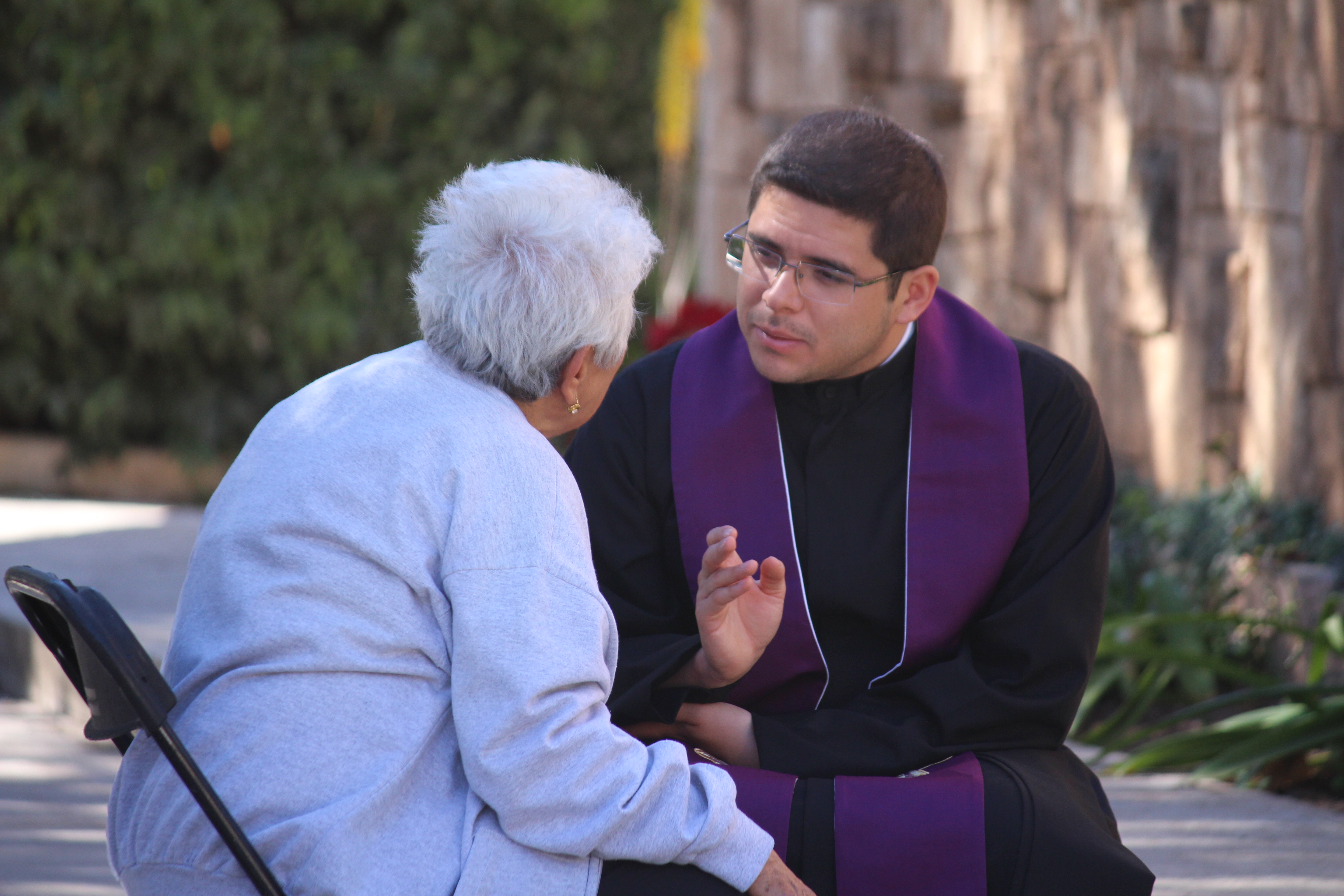
Feature Image Credit: Alberto Skw, cathopic.com/photo/9799-reconciliacion

Being Jesus’ Disciple in Today’s World / Ser Discípulo de Jesús en el Mundo de Hoy

Today’s Gospel includes a passage from Matthew that states “John’s disciples came to him and said, ‘Why is it that we and the Pharisees fast, but your disciples do not?’ Jesus replied, ‘Surely the bridegroom’s attendants cannot mourn as long as the bridegroom is still with them? But the time will come when the bridegroom is taken away from them, and then they will fast.’” 

This verse shines light on a few aspects of life that present daily obstacles. The first is our need to compare ourselves to others. In today’s world, we can get caught up in comparing our lives to others and changing who we are to keep up with someone else. Whether it be trying to buy the next best thing or questioning our core Christian values because of what is going on in the world around us. Jesus helps us address this obstacle by telling us that if we stop comparing ourselves to others and mirror our lives after him and only him we will be fulfilling our duty as a disciple of the Lord. 

The second obstacle that Jesus helps us address is that there will be times when your opinions and views may conflict with someone you greatly respect and it does not mean that you have to change your relationship with that person. Jesus had the highest respect for John the Baptist. Jesus was baptized by John and followed him for a time until he was put in prison. During John’s imprisonment Jesus made it known that even though he loved and respected John, the reason he was sent here by God was for a higher purpose. Jesus then decided to start his own ministry to fulfill that purpose. We can use the relationship between John the Baptist and Jesus as an example of when we are struggling to have conflictive conversations with a loved one. Just remember the respect and understanding they had for each other and try to do the same. 

May we use these words from Matthew to become modern day disciples who spread God’s word through mutual love and respect.

Contact the author


El Evangelio de hoy incluye un pasaje de Mateo que dice: “En aquel tiempo, los discípulos de Juan fueron a ver a Jesús y le preguntaron: ‘¿Por qué tus discípulos no ayunan, mientras nosotros y los fariseos sí ayunamos?’ Jesús les respondió: ‘¿Cómo pueden llevar luto los amigos del esposo, mientras él está con ellos? Pero ya vendrán días en que les quitarán al esposo, y entonces sí ayunarán’”.

Este versículo brilla luz sobre algunos aspectos de la vida que presentan obstáculos diarios. La primera es nuestra necesidad de compararnos con los demás. En el mundo actual, podemos quedar atrapados en comparar nuestras vidas con las de los demás y cambiar quiénes somos para estar a la altura de los demás. Ya sea tratando de comprar la mejor opción o cuestionando nuestros valores cristianos fundamentales debido a lo que está sucediendo en el mundo que nos rodea. Jesús nos ayuda a abordar este obstáculo diciéndonos que si dejamos de compararnos con los demás y nuestras vidas reflejan a él y solo él, estaremos cumpliendo con nuestro deber como discípulos del Señor.

El segundo obstáculo que Jesús nos ayuda a abordar es que habrá momentos en que tus opiniones y puntos de vista puedan entrar en conflicto con alguien a quien respetas mucho y eso no significa que tengas que cambiar tu relación con esa persona. Jesús tenía el mayor respeto por Juan el Bautista. Jesús fue bautizado por Juan y lo siguió por un tiempo hasta que fue encarcelado. Durante el encarcelamiento de Juan, Jesús hizo saber que aunque amaba y respetaba a Juan, la razón por la que Dios lo envió aquí fue para un propósito más grande. Entonces Jesús decidió iniciar su propio ministerio para cumplir ese propósito. Podemos usar la relación entre Juan el Bautista y Jesús como ejemplo de cuando nos cuesta tener conversaciones conflictivas con un ser querido. Sólo recuerda el respeto y la comprensión que ellos tenían el uno con el otro y trata de hacer lo mismo.

Que podamos usar estas palabras de Mateo para convertirnos en discípulos modernos que difundan la palabra de Dios a través del amor y el respeto mutuos.

Comunicar con la autora

Heather Orlowski and her husband are busy parents of two little girls (ages 2 and 4). The Catholic Church holds a special place in her heart and in her entire life. She attended Catholic schools from Kindergarten through college. She graduated from Aquinas College with a degree in Elementary/Special Education. Catholic Education is very important to her and she now teaches 1st and 2nd grades at St. Therese Catholic School. In her free time, she loves creating memories with her family and watching her little girls play soccer. 
Feature Image Credit: Malcolm Lightbody, unsplash.com/photos/9_vTvPP1E30

Deny Yourself / Negar a Ti Mismo

Lent has begun. It’s time to focus on prayer, almsgiving and fasting. My prayer and fasting this year will focus on the Apostolic Exhortation of Pope Francis, ‘Laudate Deum’.

The seventy three paragraphs contain many thought provoking layers concerning the care of creation and our world today. Personally, I will try to identify what is keeping me from seeing God’s love in every aspect of creation including my role in taking care of it here on Earth.

This task will take longer than Lent to work on, much like peeling an onion. There are many layers to go through to get the center of an onion and residual odor often lingers. This usually means it’s time to check to see if the situation has been resolved. My fasting will be to let go of old habits and ways of doing things that affect how I deal with others, all created by God’s love, be that individuals, communities, or any aspect of the world.
 
The readings today speak of being aware of God’s voice, listening for blessing (life) or curse (death). The Gospel Acclamation calls us to repent. The reading from Luke tells us to deny ourselves, take up our cross daily and follow Him. I have to remind myself this applies to everything I read, watch, hear, and choose to act or not act upon.

Denying yourself is making a conscious choice to put the other first. In #67 of Laudate Deum, Pope Francis states: “The Judaeo-Christian vision of the cosmos defends the unique and central value of the human being amid the marvelous concert of all God’s creatures….To recognize, in other words, that human life is incomprehensible and unsustainable without other creatures. For ‘as part of the universe… all of us are linked by unseen bonds and together form a kind of universal family, a sublime communion which fills us with a sacred, affectionate and humble respect’”. 

In Laudate Deum #69, Pope Francis also wrote: “I ask everyone to accompany this pilgrimage of reconciliation with the world that is our home and to help make it more beautiful, because that commitment has to do with our personal dignity and highest values. At the same time, I cannot deny that it is necessary to be honest and recognize that the most effective solutions will not come from individual efforts alone, but above all from major political decisions on the national and international level.” 

Let us pray and act together to recognize, repent and begin in earnest to make the changes necessary to help heal our world. Pray for guidance as to what intentional actions are to be made in our personal lives, our communities and our society. We can and will make a difference because of our actions and prayers. It is as the psalmist proclaims today, “Blessed are they who hope in the Lord!” Amen.

Contact the author


La Cuaresma ha comenzado. Es hora de centrarse en la oración, la limosna y el ayuno. Mi oración y ayuno este año se centrarán en la Exhortación Apostólica del Papa Francisco, ‘Laudate Deum’.

Los setenta y tres párrafos contienen muchas capas que invitan a la reflexión sobre el cuidado de la creación y nuestro mundo actual. Personalmente, intentaré identificar lo qué me impide ver el amor de Dios en cada aspecto de la creación, incluido mi papel en cuidarla aquí en la Tierra.

Esta tarea llevará más tiempo que la Cuaresma, como pelar una cebolla. Hay que pasar por muchas capas para llegar al centro de una cebolla y el olor residual a menudo persiste. Por lo general, esto significa que es hora de comprobar si la situación se ha resuelto. Mi ayuno será dejar de lado los viejos hábitos y formas de hacer las cosas que afectan mi forma de tratar a los demás, todos creados por el amor de Dios, ya sean individuos, comunidades o cualquier aspecto del mundo.

Las lecturas de hoy hablan de ser conscientes de la voz de Dios, escuchar la bendición (vida) o la maldición (muerte). La Aclamación antes del Evangelio nos llama al arrepentimiento. La lectura de Lucas nos dice que nos neguemos a nosotros mismos, que tomemos nuestra cruz cada día y lo sigamos. Tengo que recordarme a mí mismo que esto se aplica a todo lo que leo, veo, escucho y elijo hacer o no hacer.

Negarse a uno mismo es tomar una decisión consciente de poner al otro en primer lugar. En el número 67 de Laudate Deum, el Papa Francisco afirma: “La cosmovisión judeocristiana defiende el valor peculiar y central del ser humano en medio del concierto maravilloso de todos los seres… Es decir, reconocer que la vida humana es incomprensible e insostenible sin las demás criaturas, porque «todos los seres del universo estamos unidos por lazos invisibles y conformamos una especie de familia universal, una sublime comunión que nos mueve a un respeto sagrado, cariñoso y humilde”.

En Laudate Deum #69, el Papa Francisco también escribió: “Invito a cada uno a acompañar este camino de reconciliación con el mundo que nos alberga, y a embellecerlo con el propio aporte, porque ese empeño propio tiene que ver con la dignidad personal y con los grandes valores. Sin embargo, no puedo negar que es necesario ser sinceros y reconocer que las soluciones más efectivas no vendrán sólo de esfuerzos individuales sino ante todo de las grandes decisiones en la política nacional e internacional, sino sobre todo de decisiones políticas importantes a nivel nacional e internacional”.

Oremos y actuemos juntos para reconocer, arrepentirnos y comenzar en serio a hacer los cambios necesarios para ayudar a sanar nuestro mundo. Pidamos orientación para saber cuáles acciones intencionales se deben realizar en nuestra vida personal, nuestras comunidades y nuestra sociedad. Podemos y haremos una diferencia gracias a nuestras acciones y oraciones. Es como proclama hoy el salmista: “¡Dichoso el hombre que confía en el Señor!” Amén.

Comunicar con la autora

Beth Price is part of the customer care team at Diocesan. She is a Secular Franciscan (OFS) and a practicing spiritual director. Beth shares smiles, prayers, laughter, a listening ear and her heart with all of creation. Reach her here bprice@diocesan.com.

Feature Image Credit: Kamil Szumotalski, unsplash.com/photos/BfVhaQcoh9w

A Silent Proclamation on our Foreheads / Una Proclamación Silenciosa en la Frente

Today’s Gospel sets the tone for the whole season of Lent, a season marked deeply by self-examination and repentance, reflection and reparation, all of which are encapsulated in the reminder to FAST, PRAY, and GIVE ALMS.

Jesus addresses very directly the issue of “praying for praise” that was often seen in the religious people of his day. He warns against practicing acts of righteousness for public recognition or to show others how righteous we are. Instead, Jesus emphasizes the truth that authentic spirituality is a matter of the heart, which is almost never measured accurately by the judgment of others. He goes a step further, saying that we should even hide our piety from ourselves: “Do not let your left hand know what your right is doing.” Far from telling us to be oblivious, this is a call to be very intentional about surrendering to the Lord even the self-satisfaction our devotions and offerings might give us. We should not fast, pray, or give alms so that we feel like good people, but because we know that everything comes from and belongs to our good God.

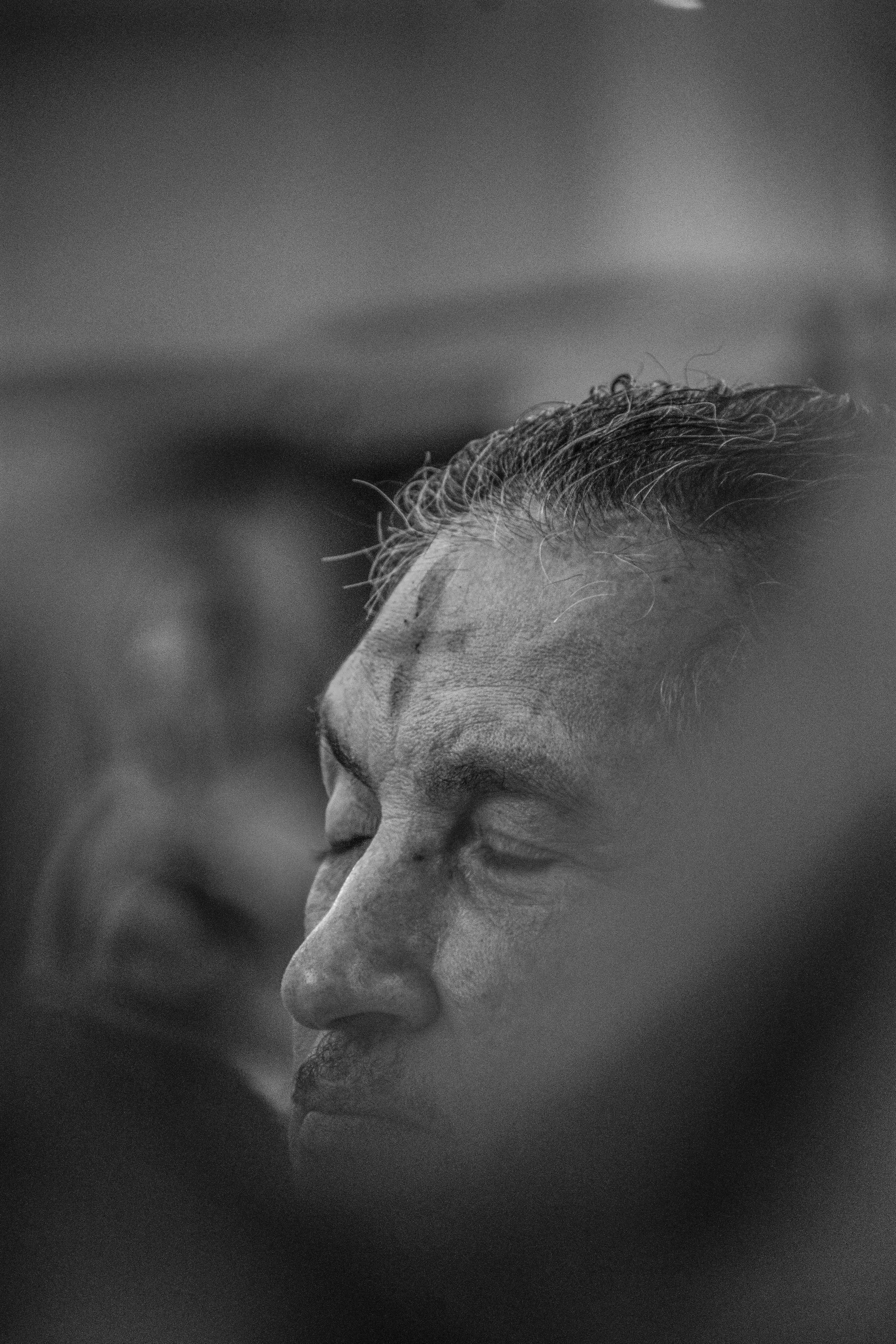
Ash Wednesday, which marks the beginning of the Lenten season, calls us to this very heart-centered spirituality. As we receive ashes on our foreheads, we are reminded of our mortality and the need for sincere repentance. In response to this, we are called by a genuine desire to draw closer to God and serve our fellow human beings, to a deeper level of prayer, fasting, and almsgiving. It is a time to strip away any veneer of religious pretense and focus on the transformation of our souls in Christ. Ashes are a symbol of our mortality and renewal, and our Lenten practices should serve to purify our hearts, making us more receptive to God’s grace and love, and more willing to serve others.

Fasting during Lent helps us detach from worldly comforts and desires, allowing us to hunger for a deeper relationship with God. Almsgiving reminds us of our responsibility to care for those in need, fostering a spirit of generosity and compassion. And through prayer, we communicate with God, seeking forgiveness, grace, and a deeper love.

Is wearing our ashes to work going against what Jesus tells us about closing the door and praying in secret? Not at all. On the contrary, in a world that barely acknowledges our position in the universe (which is infinitesimally small), it is a necessary symbol of humility, a public acknowledgment that we are dependent, flawed, and in need of God’s mercy. In many ways, it is a silent proclamation of the Gospel, so let’s not put our light under a basket!

Rather, may these ashes serve as a visible sign of our commitment to live out the teachings of Jesus in a genuine and heartfelt way throughout this Lenten journey, as we draw closer to God and prepare our hearts to celebrate the joy of Easter, the ultimate triumph of love over death and sin.

Contact the author


El Evangelio de hoy marca el tono para todo la temporada de Cuaresma, una temporada marcada profundamente por el autoexamen y el arrepentimiento, la reflexión y la reparación, todo lo cual se resume en el recordatorio de AYUNAR, ORAR y DAR LIMOSNA.

Jesús aborda muy directamente el tema de “orar buscando alabanza” que a menudo se veía en la gente religiosa de su época. Advierte contra la práctica de actos de rectitud para obtener reconocimiento público o para mostrar a otros lo justos que somos. En cambio, Jesús enfatiza la verdad de que la auténtica espiritualidad es una cuestión del corazón, que casi nunca se mide con precisión por el juicio de los demás. Va un paso más allá y dice que incluso debemos ocultarnos a nosotros mismos la piedad: “Que no sepa tu mano izquierda lo que hace la derecha”. Lejos de decirnos que nos olvidemos, este es un llamado a ser muy intencionales en entregar al Señor incluso la autosatisfacción que nuestras devociones y ofrendas puedan brindarnos. No debemos ayunar, orar o dar limosna para sentirnos buenas personas, sino porque sabemos que todo proviene y pertenece a nuestro buen Dios.

El Miércoles de Ceniza, que marca el comienzo de la Cuaresma, nos llama a esta espiritualidad centrada en el corazón. Cuando recibimos cenizas en la frente, nos recuerda de la mortalidad y la necesidad de un arrepentimiento sincero. En respuesta a esto, somos llamados por un deseo genuino de acercarnos a Dios y servir a nuestros semejantes, a un nivel más profundo de oración, ayuno y limosna. Es un momento de despojarnos de cualquier barniz de pretensión religiosa y centrarnos en la transformación de nuestras almas en Cristo. Las cenizas son un símbolo de nuestra mortalidad y renovación, y las prácticas de Cuaresma deben servir para purificar nuestros corazones, haciéndonos más receptivos a la gracia y el amor de Dios y más dispuestos a servir a los demás.

El ayuno durante la Cuaresma nos ayuda a desapegarnos de las comodidades y deseos mundanos, permitiéndonos tener hambre de una relación más profunda con Dios. La limosna nos recuerda de nuestra responsabilidad de cuidar a los necesitados, fomentando un espíritu de generosidad y compasión. Y a través de la oración nos comunicamos con Dios, buscando el perdón, la gracia y un amor más profundo.

¿Dejar las cenizas en la frente cuando vayamos a trabajar va en contra de lo que Jesús nos dice acerca de cerrar la puerta y orar en secreto? Para nada. Por el contrario, en un mundo que apenas reconoce nuestra posición en el universo (que es infinitamente pequeña), es un símbolo necesario de humildad, un reconocimiento público de que somos dependientes, imperfectos y necesitados de la misericordia de Dios. En muchos sentidos, es una proclamación silenciosa del Evangelio, ¡así que no pongamos nuestra luz debajo de una canasta!

Más bien, que estas cenizas sirvan como un signo visible de nuestro compromiso de vivir las enseñanzas de Jesús de una forma genuina y sincera a lo largo de este camino de Cuaresma, mientras nos acercamos más a Dios y preparamos nuestros corazones para celebrar la alegría de la Pascua, el máximo triunfo del amor sobre la muerte y el pecado.

Comunicarse con la autora

Kathryn Mulderink, MA, is married to Robert, Station Manager for Holy Family Radio. Together they have seven children (including Father Rob), and seven grandchildren. She is President of the local community of Secular Discalced Carmelites and has published five books and many articles. Over the last 30 years, she has worked as a teacher, headmistress, catechist, Pastoral Associate, and DRE, and as a writer and voice talent for Catholic Radio. Currently, she serves the Church by writing and speaking, and by collaborating with various parishes and to lead others to encounter Christ and engage their faith. Her website is www.KathrynTherese.com

Feature Image Credit: Ranyel Paula, cathopic.com/photo/11702-ashes-on-the-forehead

The Joy of the Resurrection / La Alegría de la Resurrección

How do you begin to describe with words the joy in the Resurrection scene? There probably aren’t any ways in spoken language to capture the raw emotion Mary Magdalene must have felt at the sight of the risen Messiah. Exuberance? Exhilaration? Jubilation? And to think, this is God’s free gift to us! He created us so that we could share in this feeling with Him. 

I imagine His radiant light, shining warmth, yet cooling peace.  His infinite, abounding love is what we must strive for, today and always! 

While this life may be at times filled with sadness, and eventual death, to be born to life with Him for Eternity, we must recognize that today’s world will only exist for a mere instant! Our choice to participate in Christ’s sweet love will then allow us to take part in such bliss. The resurrection is the good Lord’s fulfillment to us, and central to our Catholic faith. 

As Christ has defeated death and Hell, let us now rise with Him, giving great Glory and Honor forever more!

Contact the author


¿Cómo comienzas a describir con palabras la alegría en la escena de la Resurrección? Probablemente no haya ninguna forma en el lenguaje hablado de capturar la pura emoción que María Magdalena debe haber sentido al ver al Mesías resucitado. ¿Exuberancia? ¿Regocijo? ¿Júbilo? ¡Y pensar que este es un regalo gratuito de Dios para nosotros! Él nos creó para que pudiéramos compartir este sentimiento con Él.

Imagino Su luz radiante, su calor resplandeciente, pero su paz refrescante. Su amor infinito y abundante es por lo que debemos luchar, ¡hoy y siempre!

Si bien esta vida a veces puede estar llena de tristeza y, finalmente, de la muerte, para nacer a la vida con Él por la eternidad, ¡debemos reconocer que el mundo de hoy solo existirá por un mero instante! Nuestra elección de participar en el dulce amor de Cristo nos permitirá participar de tal bienaventuranza. La resurrección es el cumplimiento del buen Señor para nosotros y el centro de nuestra fe católica.

Así como Cristo ha vencido a la muerte y al Infierno, ¡resucitémonos ahora con Él, dando gran Gloria y Honra por los siglos de los siglos!

Comunicarse con la autora

Dr. Alexis Dallara-Marsh is a board-certified neurologist who practices in Bergen County, NJ. She is a wife to her best friend, Akeem, and a mother of two little ones on Earth and two others in heaven above.
Feature Image Credit: Mohamed Nohassi, unsplash.com/photos/odxB5oIG_iA

A Time to Grieve / Es Hora Para Ser Afligidos

My friend’s son served with my husband in Iraq between 2004 and 2005. Like so many service members who returned home, he brought with him deep, psychological wounds. Tragically, he took his own life, leaving his heartbroken family to grieve his loss.

Good Friday is a day for grieving. The adrenaline rush and indignation that we feel from Jesus’ arrest in the Garden of Gethsemane, his torture, his trial, and humiliating parade through the streets, has ended in a terrible, suffocating death. We, like his followers, are left to mourn on Good Friday.

When my husband and I were married, the priest reminded us during his homily, that though there would be hard days in our marriage, “not every day will be Good Friday.” We remind each other of that phrase during tough times because as people of the Resurrection, we know that there is an Easter waiting for us.

Today, however, we sit, and fast, and pray, and wait, in the discomfort of Good Friday. We grieve. We walk the Via Dolorosa with Jesus’ sorrowful mother. My friend wrote a poem after her son’s death. In it, she walks her own Via Dolorosa with Jesus’ mother at her side. Let’s ponder her words today.

“Mary and You and Me” (By Sharon Orsborn)

Was Mary once a mother just like you and me,

bouncing a baby that she loved upon her knee?

Did she dream huge dreams for her baby boy?

Did she think about his future, the laughter and the joy?

Did she raise him up the best she could?

Was he sometimes naughty and sometimes good?

Did he leave her side to go become a man?

Did he say, “Mother, I’ll come home when I can?”

Did she picture in her minds’ eye the grandchildren she would hold?

Did she think he would be with her when she was growing old?

Did she know down in her heart that she wouldn’t have him long?

Did she know there’d come a day when she’d have to be so strong?

Her son was sent to save us all, the meek, the bold, the mild.

But in a mother’s loving eyes, he was just her precious child.

Was her loss more than our loss, because He was the One?

I think a mother grieves the same no matter who the son.

I shouldn’t compare my loss to Mary’s. But in a way, I must.

There’s a common bond between us, a loss that’s so unjust.

Is it ever fair for a parent to have to lay their child in the tomb?

That’s a thought we try hard not to have when they’re safe inside the womb.

But, it happens more often than you know; a child is taken away.

And families are left to figure out how to live from day to day.

In that way Mary was the same, no different from any other.

No doubt, she wept and fell to the ground for she was just a mother.

So, Mary was a mother, just like you and me

But they cruelly nailed her precious boy to a crooked tree.

It’s because of Him our children are where someday we’ll be.

And we’ll reunite amidst the light and we will all be free.

Contact the author


El hijo de mi amigo fue militar con mi esposo en Irak durante los años 2004 y 2005. Como tantos miembros del militar que regresaron a casa, trajo consigo profundas heridas psicológicas. Trágicamente, se quitó la vida, dejando a su familia desconsolada.

El Viernes Santo es un día de duelo. La adrenalina y la indignación que sentimos por el arresto de Jesús en el Huerto de Getsemaní, su tortura, su juicio y su desfile humillante por las calles, ha terminado en una muerte terrible y asfixiante. Nosotros, como sus seguidores, nos quedamos apenados el Viernes Santo.

Cuando mi esposo y yo nos casamos, el sacerdote nos recordó durante su homilía que aunque habrá días difíciles en nuestro matrimonio, “no todos los días serán Viernes Santo”. Nos recordamos esa frase en tiempos difíciles porque como personas de Resurrección, sabemos que una Pascua nos espera.

Hoy, sin embargo, nos sentamos, ayunamos, rezamos y esperamos, en la incomodidad del Viernes Santo. Sentimos pena. Recorremos la Vía Dolorosa con la Madre Dolorosa de Jesús. Mi amiga escribió un poema después de la muerte de su hijo donde recorre su propia Vía Dolorosa con la madre de Jesús a su lado. Meditemos en sus palabras hoy.

“María, Tú y Yo” (por Sharon Orsborn)

¿Fue María una vez una madre como tú y yo,

rebotando a un bebé que amaba sobre sus rodillas?

¿Soñó grandes sueños para su bebé?

¿Pensó en su futuro, la risa y la alegría?

¿Lo crió lo mejor que pudo?

¿Era a veces travieso y a veces bueno?

 ¿Se apartó de su lado para ir a convertirse en hombre?

¿Dijo: “Madre, volveré a casa cuando pueda?”

¿Se imaginó en su mente los nietos que tendría?

¿Pensó que él estaría con ella cuando envejeciera?

¿Sabía en el fondo de su corazón que no lo tendría por mucho tiempo?

¿Sabía ella que llegaría un día en que tendría que ser tan fuerte?

Su hijo fue enviado para salvarnos a todos, a los mansos, a los audaces, a los pacíficos.

Pero a los ojos amorosos de una madre, solo era su hijo precioso.

¿Fue su pérdida más que nuestra pérdida, porque Él era el Hijo de Dios?

Creo que una madre sufre lo mismo sin importar quién sea el hijo.

No debería comparar mi pérdida con la de María. Pero en cierto modo, debo hacerlo.

Hay un vínculo común entre nosotros, una pérdida que es tan injusta.

¿Es justo que un padre tenga que poner a su hijo en la tumba?

Es un pensamiento que no solemos tener cuando están a salvo dentro del útero.

Pero sucede más a menudo de lo que crees; que un niño se va.

Y las familias tienen que descubrir cómo vivir el día a día.

En ese sentido, María era la misma y no era diferente que ninguna otra.

Sin duda, lloró y cayó al suelo porque sólo era una madre.

Entonces, María fue madre, como tú y como yo.

Pero clavaron cruelmente a su precioso niño a un árbol torcido.

Es por Él que nuestros hijos están donde algún día estaremos.

Y nos reuniremos en medio de la luz y todos seremos libres.

Comunicarse con la autora

Elizabeth Tomlin is the author of Joyful Momentum: Building and Sustaining Vibrant Women’s Groups and contributing author to the Ave Prayer Book for Catholic Mothers. She is General Counsel for the Archdiocese for the Military Services, USA. Elizabeth is an Army wife and mother of three and currently lives in the DC area. She blogs at JoyfulMomentum.org or @elizabethannetomlin on social media.

Feature Image Credit: K. Mitch Hodge, unsplash.com/photos/F5R5uALOG1A

Inheritance / Nuestra Herencia

Holy Thursday is one of my favorite days in the liturgical year. The beautiful liturgies during Holy Week, the symbolism of  the washing of the feet, the institution of the Holy Eucharist, and the way that the readings bring us beautifully through all of salvation history by making the connection between Passover and the Lord’s Supper. There are many routes to take when reflecting on this important night, but today I want to focus on one simple word, inheritance. 

In the Gospel we hear Jesus say plainly to Peter, “Unless I wash you, you will have no inheritance with me.” What is this inheritance that requires a washing? All throughout the Old Testament there is a heavy focus on inheritance and birth order, and in a society where wealth and social status is handed down from families, it makes sense. So let’s take a look at the very first book of the Old Testament to see what this inheritance was. In the beginning we are told we are made in the image and likeness of God, that we have been given the garden and animals and all manner of food. We read that Adam and Eve are perfectly happy, and we know that there is no sin and death. 

Our inheritance sounds pretty awesome, but then of course, we sinned. We fell and lost our inheritance. So how do we get it back? Well again, let’s take a look at Scriptures and see if we can find some connections here. In the beginning we have been given a beautiful garden of paradise, we sin and death becomes a reality. Then we begin the search for the Promised Land after the death of the firstborn and Passover. Finally, we receive the promise of a new heaven and a new earth, through the death of Christ, after his agony in the garden. Seems like too many connections to be a simple coincidence. All of the Scriptures are crying out to tell us God’s plan for bringing us back into inheritance with him. 

Notice though, that in order to receive this inheritance first we need to be washed. Not just washed according to the laws of purification in the Old Testament, or even just having our feet washed once a year at Church. The connection between commissioning the Apostles, initiating the priesthood, and the Sacrament of Baptism is clear. This sacrament, after all, is the one that gives us back what we lost in the beginning. With original sin we lost our grace and Christ brings it back through the washing of water in baptism. He then sustains our inheritance through his very body and blood. He makes us new, gives us food for the journey, and ultimately desires our eternal happiness with him forever. 

Let us pray that during this Holy Week we would not squander our inheritance, but that we would use this week, and especially this Holy Thursday, as an opportunity to thank God for bringing our inheritance back through the sacraments which have only been made possible by his life, death and resurrection. 

From all of us here at Diocesan, God bless!

Contact the author


El Jueves Santo es uno de mis días favoritos del año litúrgico. Las hermosas liturgias durante la Semana Santa, el simbolismo del lavatorio de los pies, la institución de la Sagrada Eucaristía y la forma en que las lecturas nos llevan bellamente a través de toda la historia de la salvación al hacer la conexión entre la Pascua y la Cena del Señor. Hay muchos caminos a seguir para reflexionar sobre esta importante noche, pero hoy quiero centrarme en una simple palabra: herencia.

En el Evangelio, escuchamos a Jesús decirle claramente a Pedro: “Si no te lavo, no tendrás herencia conmigo”. ¿Cuál es esta herencia que requiere un lavado? En todo el Antiguo Testamento hay un gran énfasis en la herencia y el orden de nacimiento, y en una sociedad donde la riqueza y el estatus social se transmiten de familias, tiene sentido. Así que echemos un vistazo al primer libro del Antiguo Testamento para ver qué era esta herencia. Al principio se nos dice que estamos hechos a imagen y semejanza de Dios, que se nos ha dado el jardín y los animales y toda clase de alimentos. Leemos que Adán y Eva son perfectamente felices, y sabemos que no hay pecado ni muerte.

Nuestra herencia suena bastante impresionante, pero claro, pecamos. Caímos y perdimos nuestra herencia. Entonces, ¿cómo lo recuperamos? Bueno, de nuevo, echemos un vistazo a las Escrituras y veamos si podemos encontrar algunas conexiones aquí. Al principio se nos ha dado un hermoso jardín del paraíso, pecamos y la muerte se hace realidad. Luego comenzamos la búsqueda de la Tierra Prometida después de la muerte del primogénito y la primera Pascua. Finalmente, recibimos la promesa de un cielo nuevo y una tierra nueva, a través de la muerte de Cristo, después de su agonía en el huerto. Parecen demasiadas conexiones para ser una simple coincidencia. Todas las Escrituras están clamando para decirnos el plan de Dios para traernos de regreso a la herencia con él.

Note sin embargo, que para recibir esta herencia primero tenemos que ser lavados. No solo lavarnos de acuerdo con las leyes de purificación del Antiguo Testamento, o simplemente lavarnos los pies una vez al año en la Iglesia. La conexión entre la comisión de los Apóstoles, la iniciación del sacerdocio y el Sacramento del Bautismo es clara. Este sacramento, al fin y al cabo, es el que nos devuelve lo que perdimos en un principio. Con el pecado original perdimos nuestra gracia y Cristo la trae de vuelta a través del lavamiento del agua en el bautismo. Luego sostiene nuestra herencia a través de su mismo cuerpo y sangre. Él nos hace nuevos, nos da alimento para el camino y, en última instancia, desea nuestra felicidad eterna con él para siempre.

Oremos para que durante esta Semana Santa no derrochemos nuestra herencia, sino que aprovechemos esta semana, y especialmente este Jueves Santo, como una oportunidad para agradecer a Dios por devolvernos nuestra herencia a través de los sacramentos que solo han sido posibles gracias a su vida, muerte y resurrección.

De parte de todos nosotros aquí en Diocesan, ¡Dios los bendiga!

Comunicarse con el autor

Tommy Shultz is a Business Development Representative for Diocesan. In this role he is committed to bringing the best software to dioceses and parishes while helping them evangelize on the digital continent. Tommy has worked in various diocese and parish roles since his graduation from Franciscan University with a Theology degree. He hopes to use his skills in evangelization, marketing, and communications, to serve the Church and bring the Good News to all. His favorite quote comes from St. John Paul II, who said, “A person is an entity of a sort to which the only proper and adequate way to relate is love.”

Feature Image Credit: Shawn Pang, unsplash.com/photos/DdBuTdqz-vk

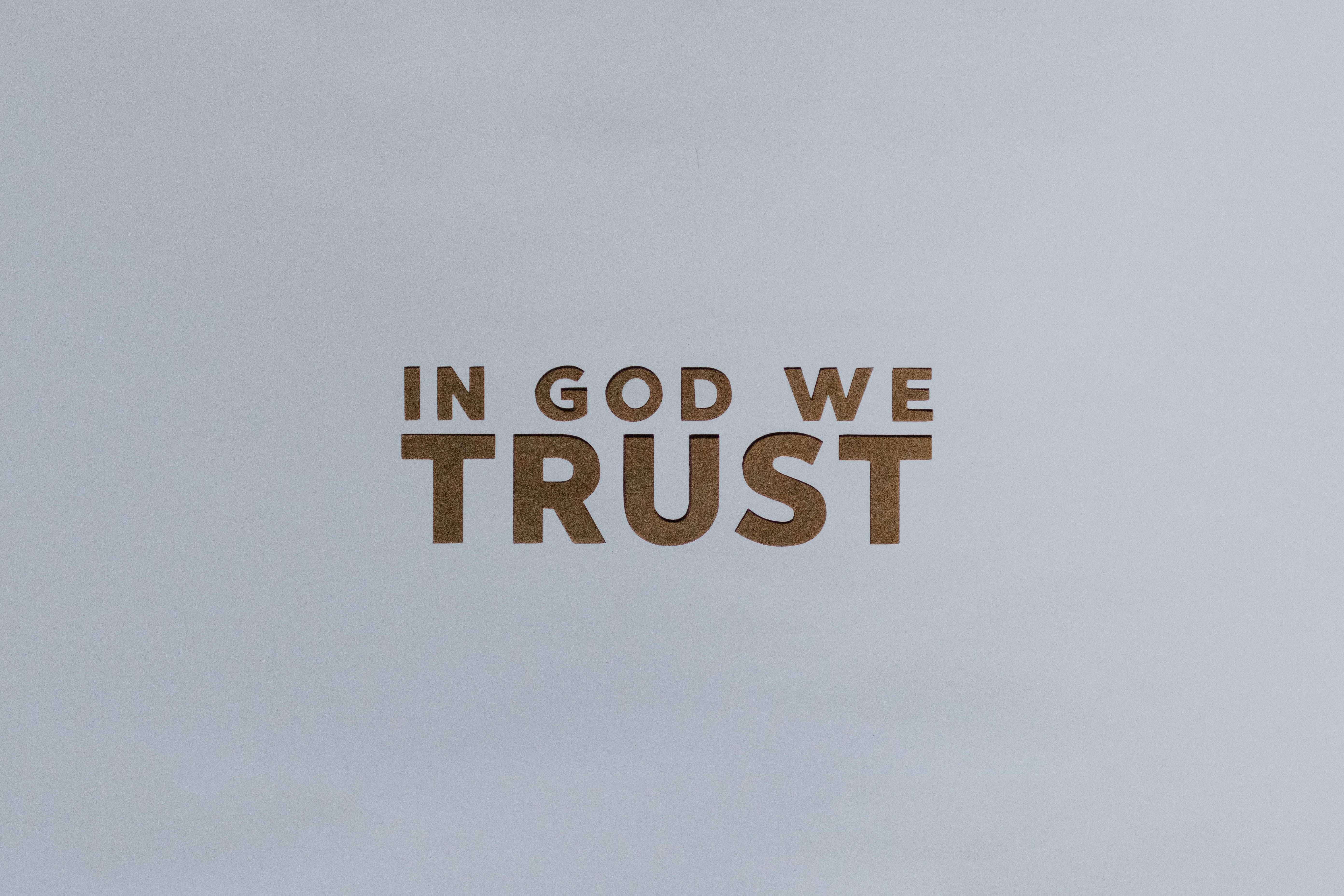
In God We Trust / Confiar en Dios

This Lent, I am focusing on praying the Angelus at the traditional times, followed by the Litany of Trust. That means I get up a little before 6:00 am and pray while in bed (usually with my eyes closed and then lay there a bit longer). It means that my alarm goes off at 11:58 am and I stop whatever I’m doing that is (probably) stressing me out to pray. It means that at 6:00 pm, you will find me sitting in traffic, praying for people to use their turn signals (or thanking God for those who do).

I joke about what I’m praying for, but in all seriousness, it’s during these times that I look to Mary in her fiat, her ultimate gift of self to the Lord and pray to have that same faith. I look to Jesus and pray that I can give my life to the Lord, without everything that holds me back. Although, as a fair warning, God has a sense of humor sometimes. 

When I graduated college, I worked at my home parish. From there, I realized that I wanted to work at a Catholic communications company so I could use my gifts for the Lord. But after driving in a blizzard in Colorado, I always told myself, “Lord, I will move anywhere to do your work, but I’m never moving somewhere with snow.” Fast forward 9 months and I moved to Grand Rapids, Michigan, to work at… yup, a Catholic communications company. Still, I told myself that even though I lived in a place where it snowed for half the year, I would never live somewhere with snow AND steep hills. 

After working there for 4 years, I had the opportunity to work with a Catholic Charismatic Renewal service organization that was based out of Virginia. The weather looked pretty mild and the rolling hills looked lovely. Then, around the same time I was offered a full-time job, they let me know they were planning to move the headquarters to Pittsburgh, Pennsylvania. You know, the city with LITERALLY the steepest officially recorded public street in the Continental United States. 

Still, I trusted in the Lord and moved to Pittsburgh, where I’ve been incredibly blessed.
Hills and all. 

He has always given me peace even when I closed my eyes and jumped headfirst with all the alarms ringing. So when this particular alarm goes off at 6:00 am, noon, and 6:00 pm, it reminds me to make time for the Lord and not in a, “I’m free at 5:34 pm today” kind of way, but in a, “Lord, I am never too busy for you,” kind of way.

So here I am Lord. Never too busy for you. 

Contact the Author


Esta Cuaresma, me estoy enfocando en rezar el Ángelus en los momentos tradicionales, y luego la Letanía de Confianza. Esto significa que me levanto un poco antes de las 6:00 am y rezo mientras estoy en la cama (generalmente con los ojos cerrados y luego me acuesto un ratito más). Significa que mi alarma suena a las 11:58am y dejo de hacer lo que me esté estresando en ese momento para rezar. Significa que a las 6:00pm, me encontrarás sentada en el tráfico, rezando para que la gente utilice sus señales de giro (o agradeciendo a Dios por los que lo hacen).

Estoy bromeando, pero con toda seriedad, es durante estos tiempos que miro a María en su fiat, su último regalo de sí mismo al Señor y rezo para tener esa misma fe. Miro a Jesús y rezo  para poder dar mi vida al Señor, sin todo lo que me detiene. Aunque, como justa advertencia, Dios tiene sentido del humor a veces.

Cuando me gradué de la universidad, trabajé en mi parroquia natal. A partir de ahí, me di cuenta de que quería trabajar en una empresa de comunicaciones católica para poder usar mis dones para el Señor. Pero después de manejar en medio de una tormenta de nieve en Colorado, siempre me decía a mí mismo: “Señor, me mudaré a cualquier lugar para hacer tu trabajo, pero nunca me mudaré a un lugar con nieve”. Avance rápido 9 meses y me mudé a Grand Rapids, Michigan, para trabajar en… sí, una empresa católica de comunicaciones. Aún así, me dije a mí mismo que aunque vivía en un lugar donde nevaba la mitad del año, nunca viviría en un lugar con nieve y colinas empinadas.

Después de trabajar allí durante 4 años, tuve la oportunidad de trabajar con una organización de servicio de Renovación Carismática Católica con sede en Virginia. El clima se veía bastante templado y las colinas onduladas se veían hermosas. Luego, casi al mismo tiempo que me ofrecieron un trabajo de tiempo completo, me informaron que planeaban trasladar la sede a Pittsburgh, Pensilvania. Ya sabes, la ciudad registrada oficialmente con LITERALMENTE las calles públicas más empinadas en los Estados Unidos continentales.

Aún así, confié en el Señor y me mudé a Pittsburgh, donde he sido increíblemente bendecida.

Con colinas y todo.

Siempre me ha dado paz incluso cuando cerraba los ojos y saltaba de cabeza con todas las alarmas sonando. Entonces, cuando esta alarma en particular suena a las 6:00am, al mediodía y a las 6:00pm, me recuerda de apartar un momento para el Señor como diciéndole, “Señor, nunca estoy demasiada ocupada para ti”. 

Así que aquí estoy Señor. Nunca demasiada ocupada para ti.

Comunicarse con la autora

Image Credit: Kelly Sikkema, unsplash.com/photos/LKdJpQB05_A


Veronica Alvarado is a born and raised Texan currently living in Pennsylvania. Since graduating from Texas A&M University, Veronica has published various Catholic articles in bulletins, newspapers, e-newsletters, and blogs. She continued sharing her faith after graduation as a web content strategist and digital project manager. Today, she continues this mission in her current role as communications director and project manager for Pentecost Today USA, a Catholic Charismatic Renewal organization in Pittsburgh. 


Spiritual Seasons / Temporadas Espirituales

As I write this, the days are getting shorter. In a few weeks we will ”fall behind” and the sun will set earlier. When you read this we will be on the other side, closer to the “spring forward” clock change and longer days. But the leaves are falling now. The summer plants have had enough and the flannel shirts are back in rotation. Soon we will feel like the people in darkness again. 

As I grow closer to God I’m more in awe of his genius and how his creation so beautifully mirrors the spiritual life. The natural seasons guide us through times of literal darkness. We watch plants die and trees go dormant. There is no growth in the darkness. Nature sleeps. 

In the spiritual life there are dark times also. St. Teresa of Calcutta and St. John of the Cross wrote of their dark nights of the soul. A natural part of our spiritual life includes times when God seems far away. Our prayer is dry. We don’t feel the emotions from worship and prayer that we enjoy and associate with a close relationship with Jesus. These are hard times. This is the winter of our spiritual life.

In today’s Gospel Jesus tells us that those who know him will not walk in darkness. He is the light. In this spiritual winter, we can know that spiritual spring, like natural spring, will indeed come again. While we may not often see the sun, we know from experience it is there. We know that nature will come alive and thrive as the days grow longer.

Winter in the spiritual life is a time when we need to have faith that we will see the Son again. He is there even though he seems to be behind the clouds in our hearts. We can and should have faith that spiritual spring will return and we will be all the more grateful and appreciative because we experienced the winter. 

Jesus is the light. Just as tulips and daffodils push through the cold soil to reach toward heaven, we too push through the dry times reaching toward the light of Christ. 

Contact the author


Mientras escribo esto, los días son cada vez más cortos. En unas pocas semanas nos cambiaremos la hora y el sol se pondrá más temprano. Cuando leas esto, estaremos del otro lado, más cerca del cambio de reloj de primavera y con días más largos. Pero las hojas están cayendo ahora. Las plantas de verano ya se han muerto y las camisas de franela están de vuelta. Pronto volveremos a sentirnos como el pueblo en la oscuridad.

A medida que me acerco más a Dios, me asombro más de su genio y cómo su creación refleja tan bellamente la vida espiritual. Las estaciones naturales nos guían a través de tiempos de oscuridad literal. Vemos las plantas morir y los árboles quedar inactivos. No hay crecimiento en la oscuridad. La naturaleza duerme.

En la vida espiritual también hay tiempos oscuros. Santa Teresa de Calcuta y San Juan de la Cruz escribieron sobre sus noches oscuras del alma. Una parte natural de nuestra vida espiritual incluye momentos en los que Dios parece estar muy lejos. Nuestra oración es seca. No sentimos las emociones de la adoración y la oración que disfrutamos y asociamos con una relación cercana con Jesús. Estos son tiempos difíciles. Este es el invierno de nuestra vida espiritual.

En el Evangelio de hoy Jesús nos dice que quien lo conoce no andará en tinieblas. Él es la luz. En este invierno espiritual, podemos saber que la primavera espiritual, como la primavera natural, vendrá de nuevo. Si bien es posible que no veamos el sol con frecuencia, sabemos por experiencia que está allí. Sabemos que la naturaleza brotará y prosperará a medida que los días se hagan más largos.

Durante los tiempos de invierno en la vida espiritual hay que tener fe en que volveremos a ver al Hijo. Él está allí aunque parece estar detrás de las nubes en nuestros corazones. Podemos y debemos tener fe en que la primavera espiritual regresará y estaremos aún más agradecidos porque hemos experimentado el invierno.

Jesús es la luz. Así como los tulipanes y los narcisos se abren paso a través de la tierra fría para alcanzar el cielo, nosotros también nos abrimos paso a través de los tiempos secos para alcanzar la luz de Cristo.

Comunicarse con la autora

Merridith Frediani loves words and is delighted by good sentences. She also loves Lake Michigan, dahlias, the first sip of hot coffee in the morning, millennials, and playing Sheepshead with her husband and three kids. She writes for Catholic Mom, Diocesan.com, and her local Catholic Herald. Her first book Draw Close to Jesus: A Woman’s Guide to Adoration is available at Our Sunday Visitor and Amazon. You can learn more at merridithfrediani.com.

Feature Image Credit: Joshua J. Cotten, unsplash.com/photos/T4ApSOlhD3g