
Crossing the Bridge / Cruzar el puente

Driving up Iron Bridge Road for the first time, I was terrified. This road in my New Jersey neighborhood shoots straight up the mountain, cresting at a one-lane bridge. I call it Scary Bridge because you cannot see the other side while crossing…you only hope you’ll make it over in one piece. I was already afraid of heights, but being new to the area, I wanted to see where the road led.  I made the choice to conquer this fear. 

Approaching the bridge, I honked my horn to alert any oncoming drivers. Then, crawling at what must’ve been 5 mph over that rickety bridge, I prayed. And when I finally reached the other side, my breath left me as I took in what must be one of the most beautiful views I had ever seen. The hills and valleys opened around me in a sweeping panorama. That bridge taught me something about what happens when we act even while afraid. 

Mary Magdalene and the other Mary faced their own “scary bridge” on Easter morning. Fearful and uncertain after witnessing the earthquake, the angels and most importantly, the empty tomb, they also felt joy and excitement. Making a choice, they ran to tell the others. They had no idea what this path would mean for their lives.  And Behold!  Jesus met them and greeted them on their way! 

In stark contrast, the soldiers who also witnessed this great miracle were afraid… but rather than becoming overjoyed, their fear was mixed with dread. They had lost the body they were hired to guard.  They had a lot to lose: their jobs, their families, their very lives. “Some of the guard” went to tell the chief priests.  When offered a bribe to lie, the soldiers took it.  

But not all of them. Scripture says some of the guard went to the priests. Not all. We aren’t told what happened to the others…could Jesus have met them too?  Could we hope that some of them recognized Jesus and changed their lives to follow him? 

How many times do we allow fear to paralyze us when we see a bridge but can’t see the other side? It can be hard to know how we’re supposed to respond. But even when we feel shaky, we can let Jesus guide our actions. He may not pick us up and carry us over the scary bridges we face, but if we move forward to cross them, He will be with us. If we take one step, Jesus can direct the next step, and the next.  Despite our fear, He can help us make it over the bridge in one piece. And let me tell you, the view will be worth it.

Contact the Author


Cuando conduje por primera vez por Iron Bridge Road, estaba aterrorizada. Esta carretera en mi vecindario de Nueva Jersey sube directamente por la montaña, culminando en un puente de un solo carril. Lo llamo el Puente del Miedo porque no se ve el otro lado al cruzarlo… solo esperas llegar al otro lado sano y salvo. Ya tenía miedo a las alturas, pero como recién me había mudado a esta área, quería ver hasta dónde llegaba la carretera. Decidí vencer este miedo.

Al acercarme al puente, toqué el claxon para alertar a los conductores que venían en sentido contrario. Luego, avanzando a lo que debían ser 8 km/h sobre ese puente destartalado, recé. Y cuando finalmente llegué al otro lado, me quedé sin aliento al contemplar una de las vistas más hermosas que jamás había visto. Las colinas y los valles se extendían a mi alrededor en un panorama impresionante. Ese puente me enseñó algo sobre lo que sucede cuando actuamos a pesar del miedo.

María Magdalena y la otra María se enfrentaron a su propio “puente del miedo” en la mañana de Pascua. Temerosas e inseguras después de presenciar el terremoto, los ángeles y, lo más importante, la tumba vacía, también sintieron alegría y emoción. Tomando una decisión, corrieron a contárselo a los demás. No tenían ni idea de lo que este camino significaría para sus vidas. ¡Y he aquí! ¡Jesús las encontró y las saludó en el camino!

Exactamente lo opuesto, los soldados que también presenciaron este gran milagro tuvieron miedo… pero en lugar de llenarse de alegría, su miedo se mezcló con pavor. Habían perdido el cuerpo que se les había encomendado custodiar. Tenían mucho que perder: sus trabajos, sus familias, sus propias vidas. “Algunos soldados de la guardia” fueron a contárselo a los sumos sacerdotes. Cuando les ofrecieron un soborno para que mintieran, los soldados lo aceptaron.

Pero no todos. Las Escrituras dicen que “algunos” de los guardias fueron a ver a los sacerdotes. No todos. No se nos dice qué les sucedió a los demás… ¿Podría Jesús haberlos encontrado también? ¿Podemos esperar que algunos de ellos reconocieran a Jesús y cambiaran sus vidas para seguirlo?

¿Cuántas veces permitimos que el miedo nos paralice cuando vemos un puente pero no podemos ver el otro lado? Puede ser difícil saber cómo debemos reaccionar. Pero incluso cuando nos sentimos inseguros, podemos dejar que Jesús guíe nuestras acciones. Quizás no nos tome en brazos y nos lleve al otro lado de los puentes que nos dan miedo, pero si avanzamos para cruzarlos, Él estará con nosotros. Si damos un paso, Jesús puede guiar el siguiente, y el siguiente. A pesar de nuestro miedo, Él puede ayudarnos a cruzar el puente sanos y salvos. Y déjenme decirles que la vista valdrá la pena.

Comunicarse con la autora


Margaret Gartlgruber longs for moms to know: You are enough! It is not what you accomplish that matters – God delights in you every single moment simply just for being you! A semi-retired stay-at-home mom, wife, author, blogger, freelance writer, lay RC member Margaret blogs at https://ruledbybananas.com/. Contributing St. Monica to the Cloud of Witness book, you can learn more by signing up to her St. Monica Novena, and get free copy of 15 Simple Morning Prayers.

Feature Image Credit: Larisa-K, pixabay.com/illustrations/bridge-forest-fantasy-trees-light-19513/

The views and opinions expressed in the Inspiration Daily blog are solely those of the original authors and contributors. These views and opinions do not necessarily represent those of Diocesan, the Diocesan staff, or other contributors to this blog.

Forgiving Doesn’t Mean Forgetting / Perdonar no significa olvidar

I love the scene in The Chosen that tells the story in today’s Gospel. Peter makes no bones about how resentful he is of Matthew and his tax-collecting ways.  As he grapples with this unavoidable relationship, he confides in Jesus.  Jesus, loving both Matthew and Peter, sees both sides.  He then shows Peter how his own sins contributed to the situation with Matthew. In the show, you can see it dawn on Peter that he, too, was at fault. He recognizes his need for forgiveness first, which then allows him to forgive Matthew. 

The hurts of others can wound us. We can struggle to see the big picture. But Jesus sees it.  Maybe this is why, in the Lord’s prayer, he tells us, “Forgive us our sins as we forgive those who sin against us”.  I never realized it before, but this is one thought in one sentence. Forgiving and being forgiven must go together.  Our own sins are entangled in sins against us. We do not get a pass on our sins simply because the other person’s sins may be worse.  This means we must change our focus to see our own sins, no matter how small.  

Jesus says to forgive seventy-seven times.  When we are hurting, this can seem daunting.  But think about how many times you have asked for God’s forgiveness. Think of how many times you have said the Lord’s Prayer last week. Last year. Your lifetime. How many times you have gone to confession.  How many Acts of Contrition you have made.  Has Jesus forgiven you seventy-seven times? We can get to that number quickly even just praying the Our Father each day. God is constantly forgiving us. 

It does not mean that we have to live as if it never happened.  Even in this Gospel, while the Master forgave his servant, he did not forget.  The Lord’s Prayer tells us to forgive others, but says nothing about forgetting.  Forgiveness is a decision made in the heart but it does not get rid of the wounds or the memory.  In fact, we don’t possess the power to not feel an offense nor the “magic” to erase the hurt away from our mind and heart.  

However, we can empower ourselves by practicing virtue. The repetitive act of forgiving people their smaller transgressions can strengthen our heart to tackle forgiving the hard things when they come.  By cultivating the virtue of forgiveness, we can learn to let the faults of others slide over us. In this way, we can realize what we can control. We can gain peace. We can allow ourselves to be loved by our Lord and Savior.  Soon, our wounds can begin to heal. 

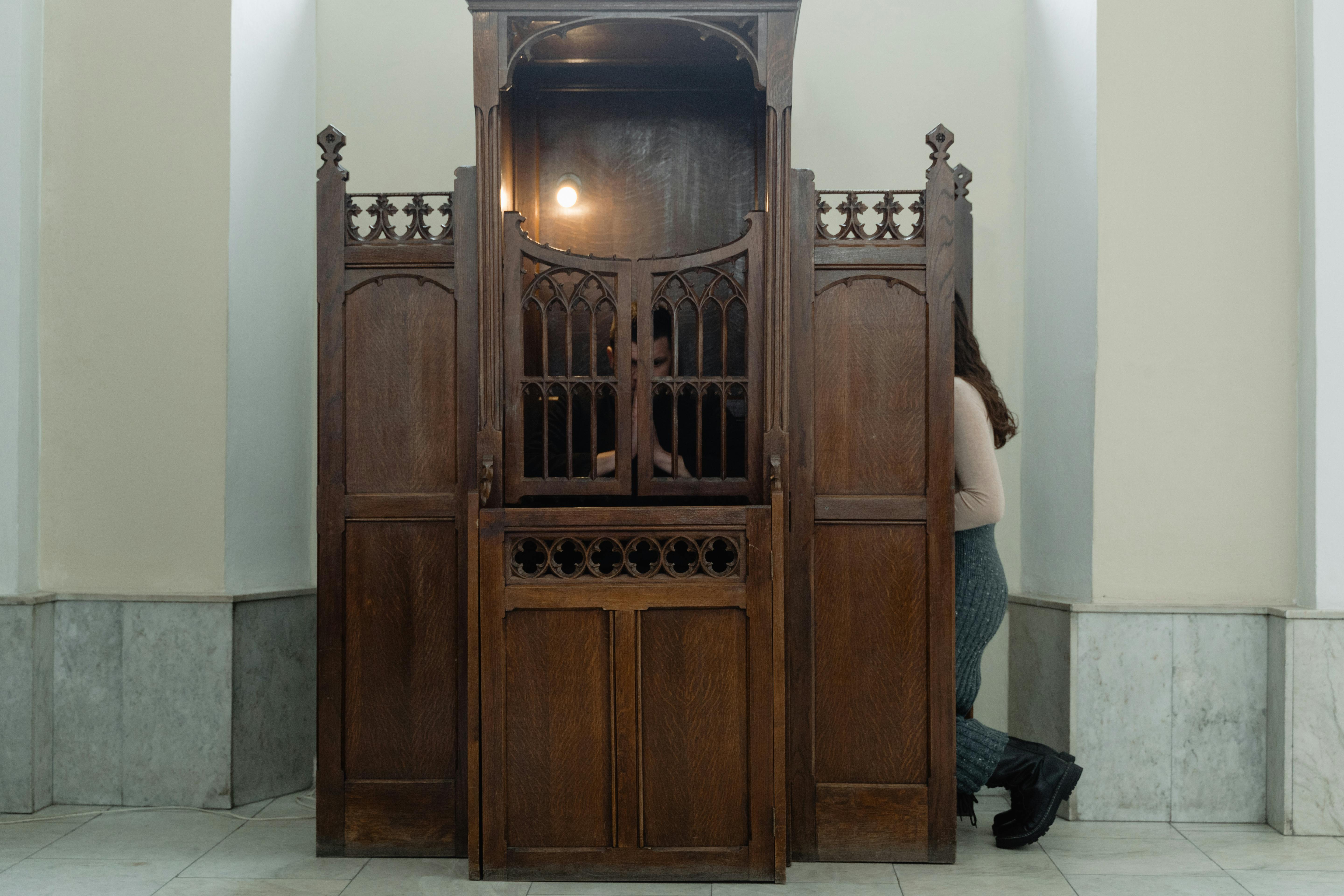
Is there someone in your life you struggle to forgive?  We obtain grace when Jesus forgives us in the Sacrament of Reconciliation.  I wonder if we can practice using that same grace to help us forgive others. Let’s resolve to think of one person to work on forgiving every time we pray the Our Father. Let’s see if it takes seventy-seven times.

Contact the Author


Me encanta la escena en la serie The Chosen que cuenta la historia del Evangelio de hoy. Pedro no oculta su resentimiento hacia Mateo y su costumbre de recaudar impuestos. Mientras lidia con esta relación inevitable, lo conversa con Jesús. Jesús, que ama tanto a Mateo como a Pedro, comprende ambas perspectivas. Luego le muestra a Pedro cómo sus propios pecados contribuyeron a la situación con Mateo. En la serie, se puede ver cómo Pedro comprende que él también tuvo la culpa. Reconoce primero su necesidad de perdón, lo cual le permite perdonar a Mateo.

El dolor ajeno puede herirnos. A veces nos cuesta ver el panorama completo. Pero Jesús sí lo ve. Quizás por eso, en el Padrenuestro, nos dice: “Perdónanos nuestros pecados, como también nosotros perdonamos a los que nos ofenden”. Nunca me había dado cuenta, pero esto resume una idea en una sola frase. Perdonar y ser perdonado deben ir de la mano. Nuestros propios pecados están entrelazados con los pecados cometidos contra nosotros. No se nos exime de nuestros pecados simplemente porque los de otra persona sean peores. Esto significa que debemos cambiar nuestra perspectiva para reconocer nuestros propios pecados, por pequeños que sean.

Jesús dice que perdonemos setenta y siete veces. Cuando sufrimos, esto puede parecer abrumador. Pero piensa en cuántas veces le has pedido perdón a Dios. Piensa en cuántas veces has rezado el Padrenuestro la semana pasada, el año pasado, o a lo largo de tu vida. Piensa en cuántas veces te has confesado y cuántos actos de contrición has hecho. ¿Te ha perdonado Jesús setenta y siete veces? Podemos llegar a esa cifra rápidamente incluso rezando el Padrenuestro cada día. Dios nos perdona constantemente.

Esto no significa que tengamos que vivir como si nada hubiera pasado. Incluso en este Evangelio, aunque el Maestro perdonó a su siervo, no lo olvidó. El Padrenuestro nos dice que perdonemos a los demás, pero no dice nada sobre olvidar. El perdón es una decisión del corazón, pero no borra las heridas ni el recuerdo. De hecho, no tenemos el poder de no sentirnos ofendidos ni la “magia” para borrar el dolor de nuestra mente y corazón.

Sin embargo, podemos fortalecernos practicando la virtud. El acto repetitivo de perdonar las pequeñas faltas de los demás puede fortalecer nuestro corazón para perdonar las cosas difíciles cuando lleguen. Al cultivar la virtud del perdón, podemos aprender a dejar que las faltas de los demás no nos afecten. De esta manera, podemos darnos cuenta de lo que sí podemos controlar. Podemos alcanzar la paz. Podemos permitirnos ser amados por nuestro Señor y Salvador. Pronto, nuestras heridas comenzarán a sanar.

¿Hay alguien en tu vida a quien te cuesta perdonar? Recibimos la gracia cuando Jesús nos perdona en el Sacramento de la Reconciliación. Me pregunto si podemos practicar el uso de esa misma gracia para ayudarnos a perdonar a los demás. Propongámonos pensar en una persona que podemos intentar a perdonar cada vez que recemos el Padrenuestro. A ver si nos demoramos setenta y siete veces.

Comunicarse con la autora


Margaret Gartlgruber longs for moms to know: You are enough! It is not what you accomplish that matters – God delights in you every single moment simply just for being you! A semi-retired stay-at-home mom, wife, author, blogger, freelance writer, lay RC member Margaret blogs at https://ruledbybananas.com/. Contributing St. Monica to the Cloud of Witness book, you can learn more by signing up to her St. Monica Novena, and get free copy of 15 Simple Morning Prayers.

Feature Image Credit: MART PRODUCTION, pexels.com/photo/a-person-inside-a-confessional-7219828/

The views and opinions expressed in the Inspiration Daily blog are solely those of the original authors and contributors. These views and opinions do not necessarily represent those of Diocesan, the Diocesan staff, or other contributors to this blog.
Knock, Knock / Toc, toc

“Ask and it will be given to you; seek and you will find; knock and the door will be opened to you” (Matt 7:7).

Kneeling in prayer before Mass, my heart was hurting for a loved one. Our relationship was severely strained and I was desperate. As I prayed, a door appeared in my mind. Somehow, I knew my answer lay on the other side of that door.  Suddenly, I was not quite sure if I wanted that door to open. God would open that door if I knocked, but then what?  Does He hand me the answer gift-wrapped with a hug?

I remember when I was a little girl trying to understand prayer, I squeezed my eyes tight and prayed to Jesus for an ice cream cone. Opening them, I was disappointed not to see it appear before me. No, God doesn’t usually work like that. Our prayers are not usually answered by magic tricks or beautiful presents. Usually, the answers to our prayers require something from us. What will he ask of me? More prayer? Fasting? Would he want me to give up coffee??

In the first reading, Queen Esther is in a difficult position. As queen, she must convince her husband, the king, to save her people. Having no idea how, she calls out: “Help me! I am alone and have no help but you, O Lord, my God!” (Esther 4:14) Haven’t we all called out to God like this?  Helplessness, brought on by a broken relationship, addiction, or a sick loved one can bring such despair that we are certain no one can possibly help us. But then we feel that niggling to knock at the door.  

At first nothing happens. How long will it take the door to open? Is Jesus in the back room? Does He hear us? We pound harder and more persistently. Does He want to know how serious we are before He bothers to open that door? When the door opens, we are surprised. Then we realize we must enter. Do we have the courage? Going in means a two-sided conversation with God, us asking and Him responding. His reply will tell us what is required of us. Are we willing to do what He says? 

Queen Esther trusted God. She had the courage to knock, ask, and do what God required of her.  Her prayer was answered. Reflecting on my “ice cream cone prayer,” I see that my prayer was answered as well, just not in the way I expected. Having had hundreds of ice cream cones since then, I see now that God required me to ask my parents, or to earn money, or even to ride my bike to the Dairy Queen.  Yet, I did all of those things and enjoyed many ice cream cones. 

As I see the door before me each morning, not knowing what Jesus will have me do (but hoping I do not have to give up coffee), I make a fist and raise it…“Knock, Knock.”

Contact the Author


“Pidan y se les dará; busquen y encontrarán; toquen y se les abrirá” (Mateo 7,7).

Arrodillada en oración antes de la misa, sentía un profundo dolor por un ser querido. Nuestra relación estaba muy tensa y yo estaba desesperada. Mientras rezaba, una puerta se abrió en mi mente. De alguna manera, supe que la respuesta estaba al otro lado. De repente, no estaba muy segura si quería que esa puerta se abriera. Dios la abriría si tocara, pero ¿y luego qué? ¿Me daría la respuesta envuelta en un abrazo?

Me acuerdo que cuando era niña, intentando comprender la oración, apretaba los ojos con fuerza y ​​le pedía a Jesús un helado. Al abrirlos, me decepcionó no verlo aparecer ante mí. No, Dios no suele obrar así. Nuestras oraciones no suelen ser respondidas con trucos de magia ni regalos bonitos. Normalmente, las respuestas a nuestras oraciones requieren algo de nosotros. ¿Qué me va a pedir? ¿Más oración? ¿Ayuno? ¿Va a querer que deje de tomar café?

En la primera lectura, la reina Ester se encuentra en una situación difícil. Como reina, tiene que convencer a su esposo, el rey, de salvar a su pueblo. Sin saber cómo, clama: “Protégeme, porque estoy sola y no tengo más defensor que tú, Señor, y voy a jugarme la vida” (Ester 4,14). ¿No hemos clamado todos a Dios así? La impotencia, causada por una relación rota, una adicción o un ser querido enfermo, puede generar tanta desesperación que estamos seguros de que nadie puede ayudarnos. Pero entonces sentimos la necesidad de tocar la puerta.

Al principio no sucede nada. ¿Cuánto tardará en abrirse la puerta? ¿Jesús está en el cuarto de atrás? ¿Nos oye? Llamamos con más fuerza y ​​persistencia. ¿Quiere saber qué tan serios somos antes de molestarse en abrir la puerta? Cuando la puerta se abre, nos sorprendemos. Entonces nos damos cuenta de que debemos entrar. ¿Tenemos el valor para hacerlo? Entrar significa una conversación con Dios: nosotros pidiendo y Él respondiendo. Su respuesta nos dirá qué se requiere de nosotros. ¿Estamos dispuestos a hacer lo que dice?

La reina Ester confió en Dios. Tuvo el valor de tocar, pedir y hacer lo que Dios le pidió. Su oración fue respondida. Al reflexionar sobre mi “oración del helado”, veo que mi oración también fue respondida, pero no de la manera que esperaba. Habiendo probado cientos de helados desde entonces, ahora veo que Dios me pidió que les pidiera a mis padres, que ganara dinero o incluso que fuera en bicicleta al Dairy Queen. Aun así, hice todas esas cosas y disfruté de muchos helados.

Al ver la puerta frente a mí cada mañana, sin saber qué querrá Jesús que haga (pero con la esperanza de no tener que dejar el café), cierro el puño y lo levanto…”¡Toc, toc!”

Comunicarse con la autora


Margaret Gartlgruber longs for moms to know: You are enough! It is not what you accomplish that matters – God delights in you every single moment simply just for being you! A semi-retired stay-at-home mom, wife, author, blogger, freelance writer, lay RC member Margaret blogs at https://ruledbybananas.com/. Contributing St. Monica to the Cloud of Witness book, you can learn more by signing up to her St. Monica Novena, and get free copy of 15 Simple Morning Prayers.

Feature Image Credit: Mehmet Turgut, pexels.com/photo/blonde-woman-in-sundress-knocking-door-18724401/

The views and opinions expressed in the Inspiration Daily blog are solely those of the original authors and contributors. These views and opinions do not necessarily represent those of Diocesan, the Diocesan staff, or other contributors to this blog.

Pick me! Pick me! / ¡Escójeme a mi! ¡Escójeme a mi!

We were moving my son out of our home and into his new apartment. I asked, “Should I put this box here?”  He replied, “Ask her!” he said, referring to his future bride. This is actually happening. My son is getting married soon. They rented an apartment and he planned to live there alone until the wedding when his bride would join him. 

Realization struck me at that moment. My son viewed the apartment, not as his, but rather as theirs. He was giving his future bride complete control over organization and décor, something I had always been in charge of before. My competitive nature bristled at this and my motherly heart felt some difficult things. There was someone new. Someone whose opinion mattered more than mine. 

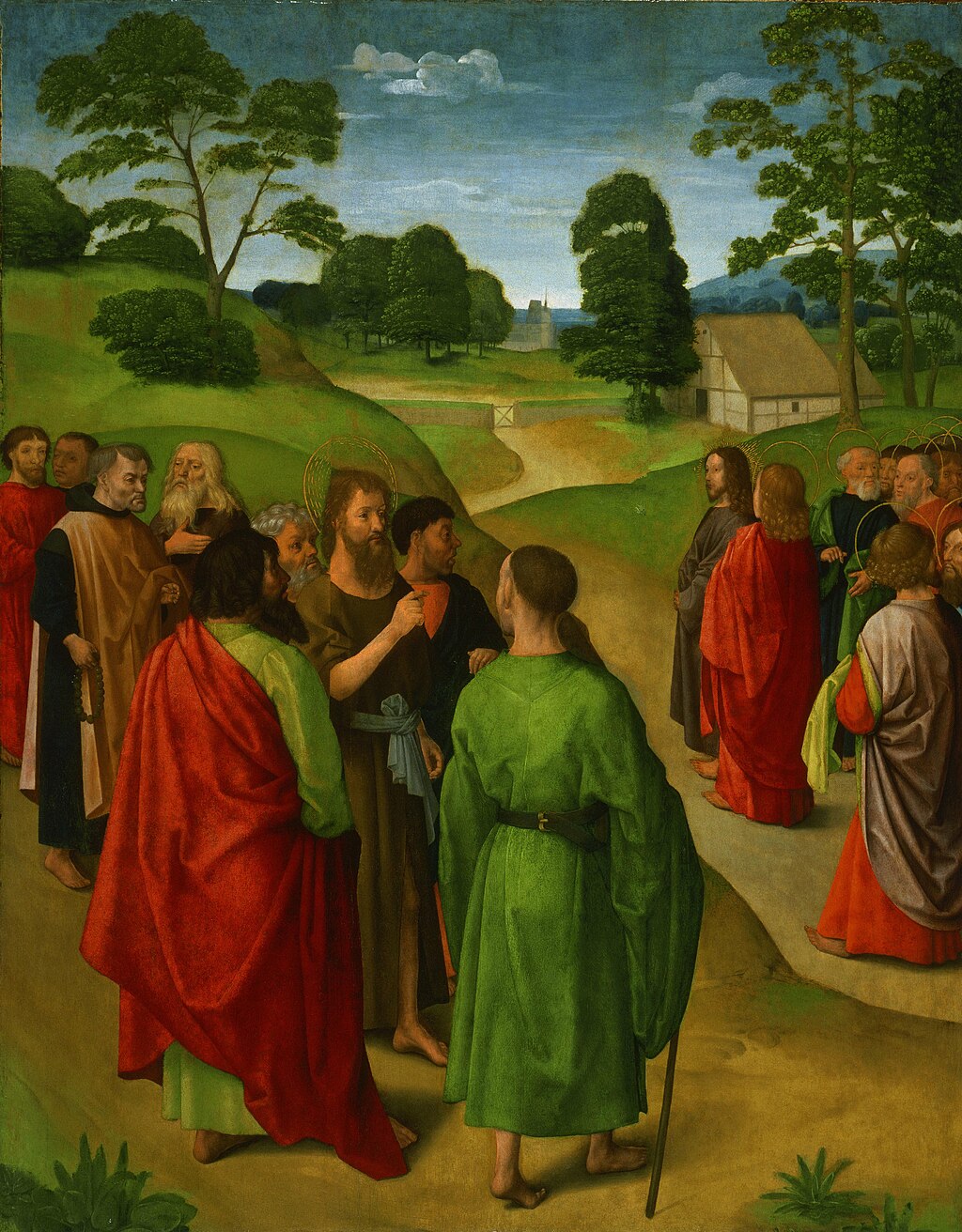
In today’s Gospel, there is someone new baptizing and the people approach John in confusion.  Accustomed to everyone following John, someone else is now doing the same thing, drawing attention away from John. This new man’s opinion mattered more. Many people were leaving John to follow him. John’s disciples, in their competitive nature, challenged John, perhaps attempting to spark envy in him. Isn’t it natural to want to be the most important, the leader, the most popular? 

However, John’s response surprises them. He finds joy in recognizing Jesus as the Messiah. He reminds his followers that the Bridegroom is more important than the Best Man. The role of the Best Man is to be the one who “stands and listens for him, [and] rejoices greatly at the bridegroom’s voice.” 

By saying, “He must increase; I must decrease,” John demonstrates true humility. When we are in charge of something or are doing something we are good at, there is often no space for anyone else to enter in – not unless we decrease, become less, stop hogging the spotlight. 

We all have a gift, a purpose, a time and a place to practice that gift. John knew his gift, his place. He knew when to step up and when to back down. His example helps us to realize that sometimes we are not the star of the show but rather a warm-up act or a supporting role – whether at work, in ministry, or in our social life. Or even in our own family, when our own sons become bridegrooms and their future wives become the ones on whose opinion they rely. 

Reflecting on this Gospel, I can see that it is time for me to decrease, to step back. And with a smile, I looked at this new woman whom my son loves enough to spend his life with, and asked, “where would you like this box?”

Contact the Author


Estábamos mudando a mi hijo de nuestra casa a su nuevo apartamento. Le pregunté: “¿Pongo esta caja aquí?” Él respondió: “¡Pregúntale a ella!”, refiriéndose a su futura esposa. Esto está sucediendo de verdad. Mi hijo se iba a casar. Alquilaron un apartamento y él planeaba vivir allí solo hasta la boda, cuando su esposa se reuniría con él.

En ese momento, me di cuenta. Mi hijo veía el apartamento no como suyo, sino como de ellos dos. Le estaba dando a su futura esposa control total sobre la organización y la decoración, algo que yo siempre había hecho. Mi naturaleza competitiva se irritó ante esto y mi corazón maternal sintió algunas dificultades. Había alguien nuevo. Alguien cuya opinión importaba más que la mía.

En el Evangelio de hoy, hay una persona nueva bautizando y la gente se acerca a Juan confundida. Acostumbrados a que todos siguieran a Juan, alguien más ahora hace lo mismo, desviando la atención de Juan. La opinión de este nuevo hombre importaba más. Muchos dejaban a Juan para seguirlo. Los discípulos de Juan, en su naturaleza competitiva, lo desafiaron, quizás intentando despertar su envidia. ¿No es natural querer ser el más importante, el líder, el más popular?

Sin embargo, la respuesta de Juan los sorprende. Encuentra gozo al reconocer a Jesús como el Mesías. Les recuerda a sus seguidores que el Novio es más importante que el Padrino. El rol del Padrino es ser quien “lo acompaña y lo oye hablar, [y] se alegra mucho de oír su voz”.

Al decir: “Es necesario que él crezca y que yo venga a menos”, Juan demuestra verdadera humildad. Cuando estamos a cargo de algo o hacemos algo en lo que tenemos mucho talento, a menudo no hay espacio para que nadie más intervenga, a menos de que disminuyamos, nos volvamos menos, y dejemos de acaparar la atención.

Todos tenemos un don, un propósito, un tiempo y un lugar para practicar ese don. Juan conocía su don, su lugar. Sabía cuándo dar un paso al frente y cuándo ceder. Su ejemplo nos ayuda a comprender que a veces no somos la estrella, sino más bien un telonero o tenemos un papel secundario, ya sea en el trabajo, en el ministerio o en nuestra vida social. O incluso en nuestra propia familia, cuando nuestros hijos se convierten en novios y sus futuras esposas en quienes confían.

Al reflexionar sobre este Evangelio, veo que es hora de disminuir, de dar un paso atrás. Y con una sonrisa, miré a esta nueva mujer a quien mi hijo ama lo suficiente como para compartir su vida con ella, y le pregunté: “¿Dónde quieres esta caja?”

Comunicarse con la autora


Margaret Gartlgruber longs for moms to know: You are enough! It is not what you accomplish that matters – God delights in you every single moment simply just for being you! A semi-retired stay-at-home mom, wife, author, blogger, freelance writer, lay RC member Margaret blogs at https://ruledbybananas.com/. Contributing St. Monica to the Cloud of Witness book, you can learn more by signing up to her St. Monica Novena, and get free copy of 15 Simple Morning Prayers.

Feature Image Credit: Master of the St. John’s Altarpiece, Public domain, commons.wikimedia.org/wiki/File:Saint_John_the_Baptist_Pointing_Out_Christ_as_the_Lamb_of_God_Philadelphia_Museum_of_Art_Cat._347.jpg

The views and opinions expressed in the Inspiration Daily blog are solely those of the original authors and contributors. These views and opinions do not necessarily represent those of Diocesan, the Diocesan staff, or other contributors to this blog.