Leaven of the Pharisees / La levadura de los fariseos

Today’s Gospel is quite comforting to me as someone who struggles to live the spiritual life. I think all of us, since we are human, have moments where the spiritual life is a struggle. We have this constant battle between what we know we ought to do and what our fallen desires want us to do. Jesus has a way of teaching us what to do with these desires that calls us out, but also leads with mercy. 

The reason I love the Gospel for today is that Jesus is trying to teach the disciples not to listen to the “leaven” of the Pharisees, but they mistakenly think he is talking about bread. You can almost hear the frustration in Jesus’s voice. He is trying to teach them that the religious leaders of this time are trying to raise (leaven) their own agendas and power as opposed to preaching the Good News, but the disciples are worried He is angry at them for forgetting loaves of bread. 

In classic Jesus fashion He reminds them that bread is not the issue. Did they not just recently see him take five loaves and break them open to feed thousands? The problem is not running out of physical bread but rather with our hearts. We allow ourselves to give in to bad leaven. That is to say, we settle for our weakened desires and think they will fulfill us as opposed to relying on the grace of God to raise us above our worldly desires. 

We know two things for sure from the Gospels. The first is that Jesus goes off by Himself to pray quite a bit. He shows us how to rise above our fallen desires by clinging to prayer. The second is that He loves food. All throughout the Gospels we see Jesus eating, cooking, and using food as an analogy for the spiritual life. 

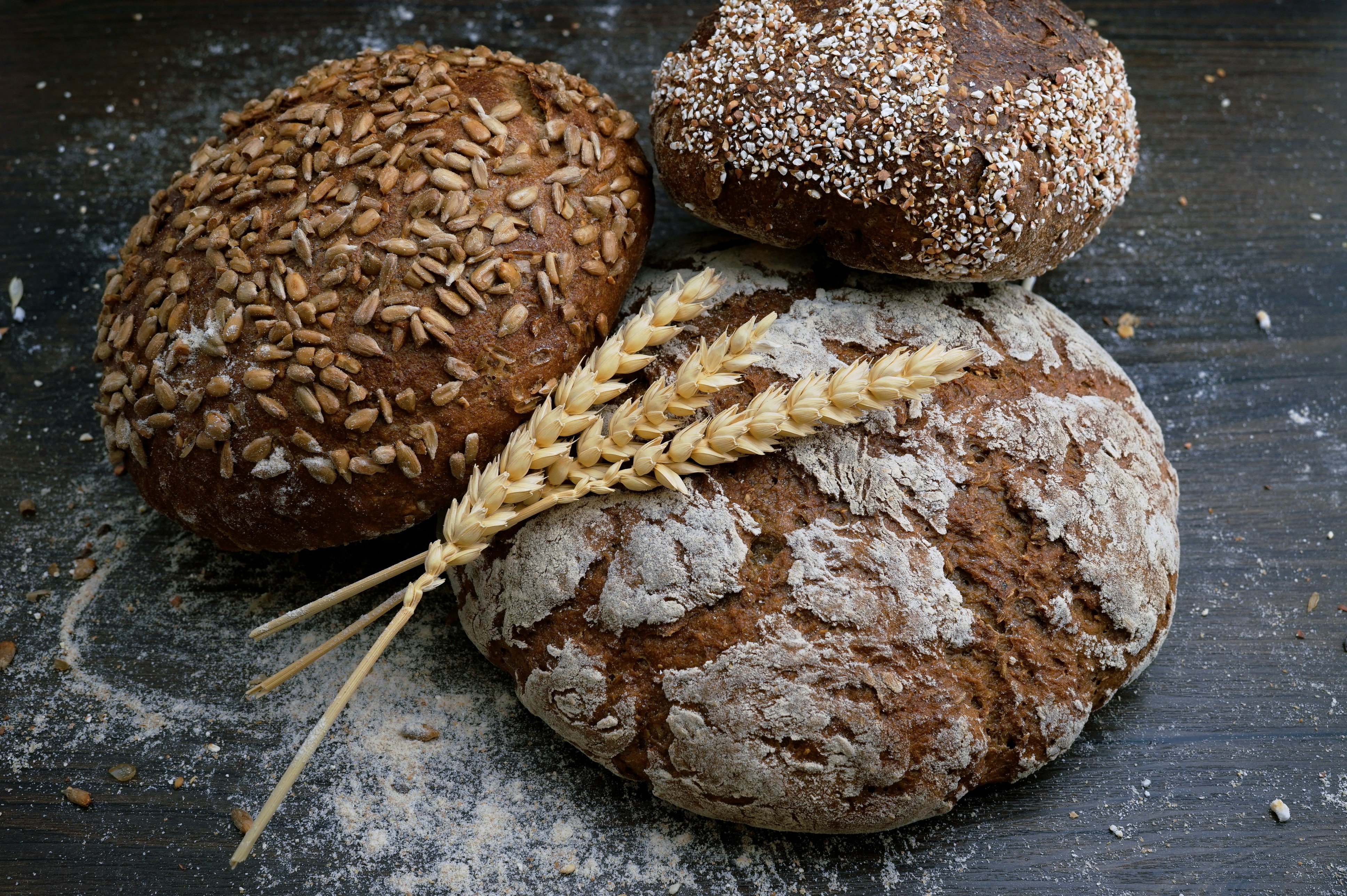
Recently I started learning how to bake sourdough and it is quite the process. The key to all of it is having the proper leaven. The question Jesus presents to us today in the Gospel is, are we relying on our fallen desires that will not raise us to new heights and will ultimately leave us unsatisfied, or are we relying on the new Bread come down from heaven that will fill us completely with His life and love? 

Any good baker will tell you that bad yeast will give bad results. Let’s pray today for the grace to cling to the leaven the Lord offers us and reject the leaven of the Pharisees and the leaven of Herod. We can rise above our fallen inclinations in this life, but we need Christ to raise us up in order to accomplish this task. Just like a loaf of bread that will fall without the proper yeast, we need some help, and Jesus makes it clear that He wants to be our leaven. Let’s cling to Him. 

From all of us here at Diocesan, God bless! 

Contact the author


El Evangelio de hoy me reconforta mucho, ya que me cuesta vivir la vida espiritual. Creo que todos, como somos seres humanos, tenemos momentos en los cuales la vida espiritual es una lucha. Existe una batalla constante entre lo que sabemos que debemos hacer y lo que nuestros deseos pecaminosos nos exigen. Jesús tiene una forma de enseñarnos qué hacer con estos deseos que nos llama la atención, pero también nos guía con misericordia.

La razón por la que me encanta el Evangelio de hoy es que Jesús intenta enseñar a los discípulos a no escuchar la “levadura” de los fariseos, pero ellos creen erróneamente que se refiere al pan. Casi se puede percibir la frustración en la voz de Jesús. Intenta enseñarles que los líderes religiosos de esta época intentan promover sus propios intereses y poder (levadura) en lugar de predicar la Buena Nueva, pero a los discípulos les preocupa que esté enojado con ellos por olvidarse de los panes.

Al estilo clásico de Jesús, les recuerda que el pan no es el problema. ¿Acaso no lo vieron hace poco tomar cinco panes y partirlos para alimentar a miles de personas? El problema no es quedarse sin pan, sino con nuestro corazón. Nos dejamos llevar por la mala levadura. Es decir, nos conformamos con nuestros deseos débiles y pensamos que nos saciarán, en lugar de confiar en la gracia de Dios para que nos eleve por encima de nuestros deseos mundanos.

Sabemos dos cosas con certeza gracias a los Evangelios. La primera es que Jesús se aislaba mucho para orar. Nos muestra cómo superar nuestros deseos caídos aferrándonos a la oración. La segunda es que le encanta la comida. A lo largo de los Evangelios vemos a Jesús comiendo, cocinando y usando la comida como analogía de la vida espiritual.

Hace poco empecé a aprender a hornear masa madre y es todo un proceso. La clave está en tener la levadura apropiada. La pregunta que Jesús nos plantea hoy en el Evangelio es: ¿confiamos en nuestros deseos caídos, que no nos elevarán a nuevas alturas y que finalmente nos dejarán insatisfechos, o confiamos en el Pan nuevo bajado del cielo que nos llenará por completo de su vida y amor?

Cualquier panadero bueno te dirá que la mala levadura da malos resultados. Pedimos hoy por la gracia de aferrarnos a la levadura que el Señor nos ofrece y rechazar la levadura de los fariseos y la levadura de Herodes. Podemos superar nuestras inclinaciones caídas en esta vida, pero necesitamos que Cristo nos levante para lograrlo. Al igual que un pan que se cae sin la levadura apropiada, necesitamos ayuda, y Jesús deja claro que quiere ser nuestra levadura. Aferrémonos a Él.

De parte de todos nosotros aquí en Diocesan, ¡Dios los bendiga!

Comunicarse con el autor

Tommy Shultz is a Business Development Representative for Diocesan. In this role he is committed to bringing the best software to dioceses and parishes while helping them evangelize on the digital continent. Tommy has worked in various diocese and parish roles since his graduation from Franciscan University with a Theology degree. He hopes to use his skills in evangelization, marketing, and communications, to serve the Church and bring the Good News to all. His favorite quote comes from St. John Paul II, who said, “A person is an entity of a sort to which the only proper and adequate way to relate is love.”

Feature Image Credit: Wesual Click, unsplash.com/photos/cereal-and-three-buns-rsWZ-P9FbQ4

The views and opinions expressed in the Inspiration Daily blog are solely those of the original authors and contributors. These views and opinions do not necessarily represent those of Diocesan, the Diocesan staff, or other contributors to this blog.
Signs / Señales

Jesus “sighed from the depth of his spirit” when the Pharisees began to argue with Him, seeking a sign from heaven. If we skip this preface to Jesus’ words, we might easily misinterpret them. He says, “Why does this generation seek a sign? Amen, I say to you, no sign will be given.” And then He leaves. He sighs, tells them they will not receive what they ask for, and goes away. Why?

He is pained to the heart that they refuse to believe, even though they understand what He is saying and who He says He is. He is the ONE for whom they are waiting, and He makes this clear to them, but they have made a conscious decision to reject Him. If they had not closed themselves off, the signs He had already performed would have been more than enough; but miracles, healings, and exorcisms are not enough for them. 

They want Him to show off His power for them, not just help people or heal people. What they are trying to do in this exchange is discredit Him in front of His followers, so they have something more to criticize. They want Him to do something so dramatic that faith and trust will not be needed. And Jesus says no. A painful, sighing, heart-wrenching “no”. Because He wants them to believe, receive, and be saved by Him. But they refuse.

We all have these tendencies in us. Like the Pharisees, we are set in our ways and our understandings, and when the Lord calls us out of our comfort zone or asks us to give something we want to hold onto, we sometimes hide behind our unknowing so we can stay where we are. 

Faith is a gift, but we can reject it. We all want some kind of indisputable “proof” that God is with us, God is for us, and God loves us deeply. The proofs that He has already given sometimes don’t seem convincing because they have become too commonplace and familiar: God became man, taught us how to be children of God, established a sacramental way of remaining with us, and died so that we can at last live with Him forever. 

God gives us many opportunities to reconsider our position, put our faith in Him, and give ourselves more generously to Him. While there is life, there is another chance, and another! Today, let us consider the deep sigh from the heart of Jesus, and respond to Him with a great act of faith and love: “Lord, I believe; help my unbelief!” (Mk 9:24).

Contact the author


Jesús “suspiró profundamente” cuando los fariseos comenzaron a discutir con él, buscando una señal del cielo. Si omitimos este prefacio de las palabras de Jesús, podríamos malinterpretarlas fácilmente. Dice: “¿Por qué esta gente busca una señal? Les aseguro que a esta gente no se le dará ninguna señal”. Y luego se va. Suspira, les dice que no recibirán lo que piden y se marcha. ¿Por qué?

Le duele profundamente que se nieguen a creer, aunque entienden lo que dice y quién dice ser. Él es a quien esperan, y se lo deja claro, pero han decidido conscientemente rechazarlo. Si no se hubieran encerrado en sí mismos, las señales que ya había realizado habrían sido más que suficientes; pero los milagros, las sanaciones y los exorcismos no les bastan.

Quieren que les muestre su poder, no solo que ayude o sane a la gente. Lo que intentan con este intercambio es desacreditarlo delante de sus seguidores para tener algo más que criticar. Quieren que haga algo tan drástico que la fe y la confianza no sean necesarias. Y Jesús dice que no. Un “no” doloroso, suspirante y desgarrador. Porque quiere que crean, lo reciban y sean salvados por Él. Pero se niegan.

Todos tenemos estas tendencias. Como los fariseos, estamos anclados en nuestros caminos y en nuestra comprensión, y cuando el Señor nos llama a salir de la zona de confort o nos pide que demos algo a lo que queremos aferrarnos, a veces nos escondemos en nuestra ignorancia para quedarnos donde estamos. 

La fe es un don, pero podemos rechazarla. Todos queremos algún tipo de “prueba” indiscutible de que Dios está con nosotros, de que Dios está por nosotros y de que Dios nos ama profundamente. Las pruebas que ya ha dado a veces no parecen convincentes porque se han vuelto demasiado comunes y familiares: Dios se hizo hombre, nos enseñó a ser hijos de Dios, estableció una forma sacramental de permanecer con nosotros y murió para que finalmente podamos vivir con Él para siempre.

Dios nos da muchas oportunidades para reconsiderar nuestra postura, poner la fe en Él y entregarnos a Él con mayor generosidad. Mientras haya vida, ¡hay otra oportunidad, y otra más! Hoy, consideremos el profundo suspiro del corazón de Jesús y respondámosle con un gran acto de fe y amor: “Señor, creo; ¡ayuda mi incredulidad!” (Mc 9,24).

Comunicarse con la autora

Kathryn Mulderink, MA, is married to Robert, Station Manager for Holy Family Radio. Together they have seven children (including Father Rob), and eleven grandchildren. She is President of the local community of Secular Discalced Carmelites and has published five books and many articles. Over the last 30 years, she has worked as a teacher, headmistress, catechist, Pastoral Associate, and DRE, and as a writer and voice talent for Catholic Radio. Currently, she serves the Church by writing and speaking, and by collaborating with various parishes and to lead others to encounter Christ and engage their faith. Her website is www.KathrynTherese.com
Feature Image Credit: Antranias, pixabay.com/photos/carving-head-jesus-wood-to-carve-1641625/

The views and opinions expressed in the Inspiration Daily blog are solely those of the original authors and contributors. These views and opinions do not necessarily represent those of Diocesan, the Diocesan staff, or other contributors to this blog.

Prayer and Following God’s Word / Orar y seguir la Palabra de Dios

I recently came across a term called “rejection sensitivity”. This spoke to me, as ever since I was little, I have easily gotten upset when things didn’t go my way. With my confidence low, if someone else hurt me, I would hold a grudge unless things were clearly reconciled later. 

To this day, I remain that sinner who has had difficulty putting forgiveness into practice.  Most of the time I can’t even recall the reason why I felt offended, but there is something inside me that makes it hard to actively put myself back “out there” and say “let bygones be bygones”. And after I make a mistake, I’m supposed to put myself back out there? It’s so much easier to just shy away and hide in a corner for as long as I need to. How I struggle with carrying out what is truly asked of me by God!

Currently, I love to read Scripture. I sincerely ask for prayers and God’s help in being able not only to hear God’s word, but live out Jesus’ teachings in my daily life. Especially now that I am a parent I know I need to model virtues instead of being a hypocrite. However, putting the teachings into action is so difficult! I’ve read that St. Augustine believed that true prayer should lead to action and by deciding to take specific measurable actions, we commit to living out our faith in Christ. 

I am still working on identifying a clear resolution for how to better live out the Sermon on the Mount, but one idea that just occurred to me is to focus on one virtue, like gratitude. Perhaps I could set a goal for myself of saying “thank you” to seven different people every day. Or maybe  I should set an even lower bar for myself to start out! 

Lord, create a new spirit in me, a new life where I let go of grudges and bitterness. Let my excess sensitivity be replaced by full confidence in Your love above all else. Help me to be faithful to my loved ones, knowing that nothing can break the immortal bond that God Himself has established. Help me to seek forgiveness from the family, friends, and strangers I have wronged. Amen.

Contact the author


Recientemente me encontré con un término llamado “sensibilidad al rechazo”. Esto me impactó, ya que desde pequeña me enojaba fácilmente cuando las cosas no salían como yo quería. Con mi baja autoestima, si alguien me lastimaba, guardaba rencor a menos que las cosas se reconciliaran claramente después.

Hasta el día de hoy, sigo siendo esa pecadora que ha tenido dificultades para practicar el perdón. La mayoría de las veces ni siquiera recuerdo la razón por la que me sentí ofendida, pero hay algo dentro de mí que me dificulta volver a ponerme por ahí y decir “lo pasado, pasado está”. Y después de cometer un error, ¿se supone que debo volver a ponerme por ahí? Es mucho más fácil simplemente huir y esconderme en un rincón todo el tiempo que sea necesario. ¡Cuánto me cuesta hacer lo que Dios realmente me pide!

En estos días, me ha estado gustando mucho leer las Escrituras. Pido sinceramente oraciones y la ayuda de Dios para poder no solo escuchar su palabra, sino también vivir las enseñanzas de Jesús en mi vida diaria. Especialmente ahora que soy madre, sé que necesito ser un ejemplo de virtudes en lugar de ser un hipócrita. Sin embargo, ¡poner las enseñanzas en práctica es muy difícil! He leído que San Agustín creía que la verdadera oración debe conducir a la acción y, al decidir tomar acciones específicas y mensurables, nos comprometemos a vivir nuestra fe en Cristo.

Todavía estoy trabajando en encontrar una solución clara para vivir mejor el Sermón del Monte, pero una idea que se me acaba de ocurrir es concentrarme en una virtud, como la gratitud, por ejemplo. Quizás podría ponerme la meta de decir “gracias” a siete personas diferentes cada día. ¡O quizás debería ponerme un listón aún más bajo para empezar!

Señor, crea en mí un nuevo espíritu, una nueva vida donde pueda dejar atrás el rencor y la amargura. Que mi exceso de sensibilidad sea reemplazado por una confianza plena en tu amor por encima de todo. Ayúdame a ser fiel a mis seres queridos, sabiendo que nada puede romper el vínculo inmortal que Dios mismo ha establecido. Ayúdame a buscar el perdón de mi familia, amigos y desconocidos a quienes he ofendido. Amén.

Comunicarse con la autora

Dr. Alexis Dallara-Marsh is a board-certified neurologist who practices in Bergen County, NJ. She is a wife to her best friend, Akeem, and a mother of four little ones on Earth and two others in heaven above.
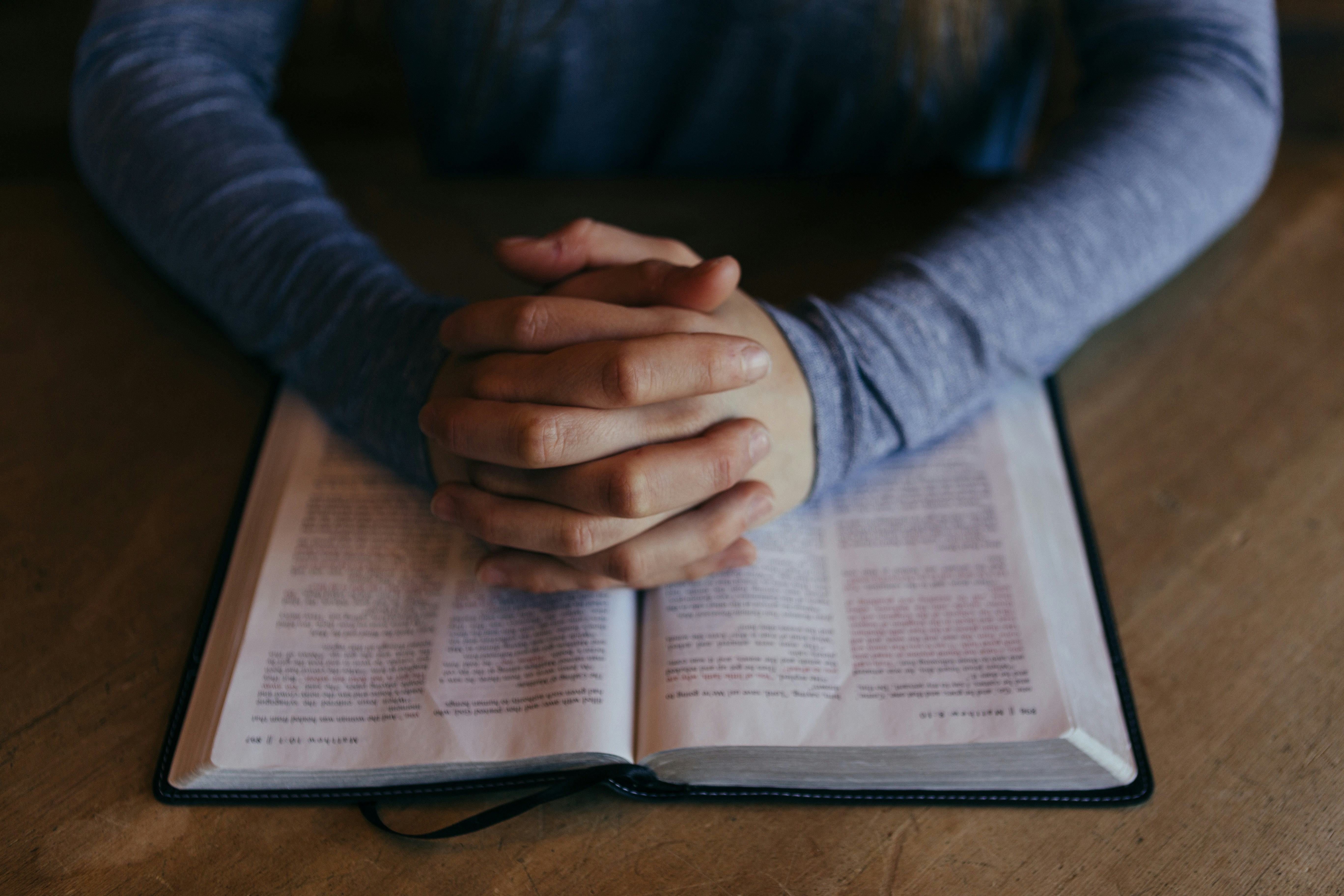
Feature Image Credit: Patrick Fore, unsplash.com/photos/man-holding-his-hands-on-open-book-b_SHPU5M3nk

The views and opinions expressed in the Inspiration Daily blog are solely those of the original authors and contributors. These views and opinions do not necessarily represent those of Diocesan, the Diocesan staff, or other contributors to this blog.

Proclaiming the Good News / Proclamar la Buena Nueva

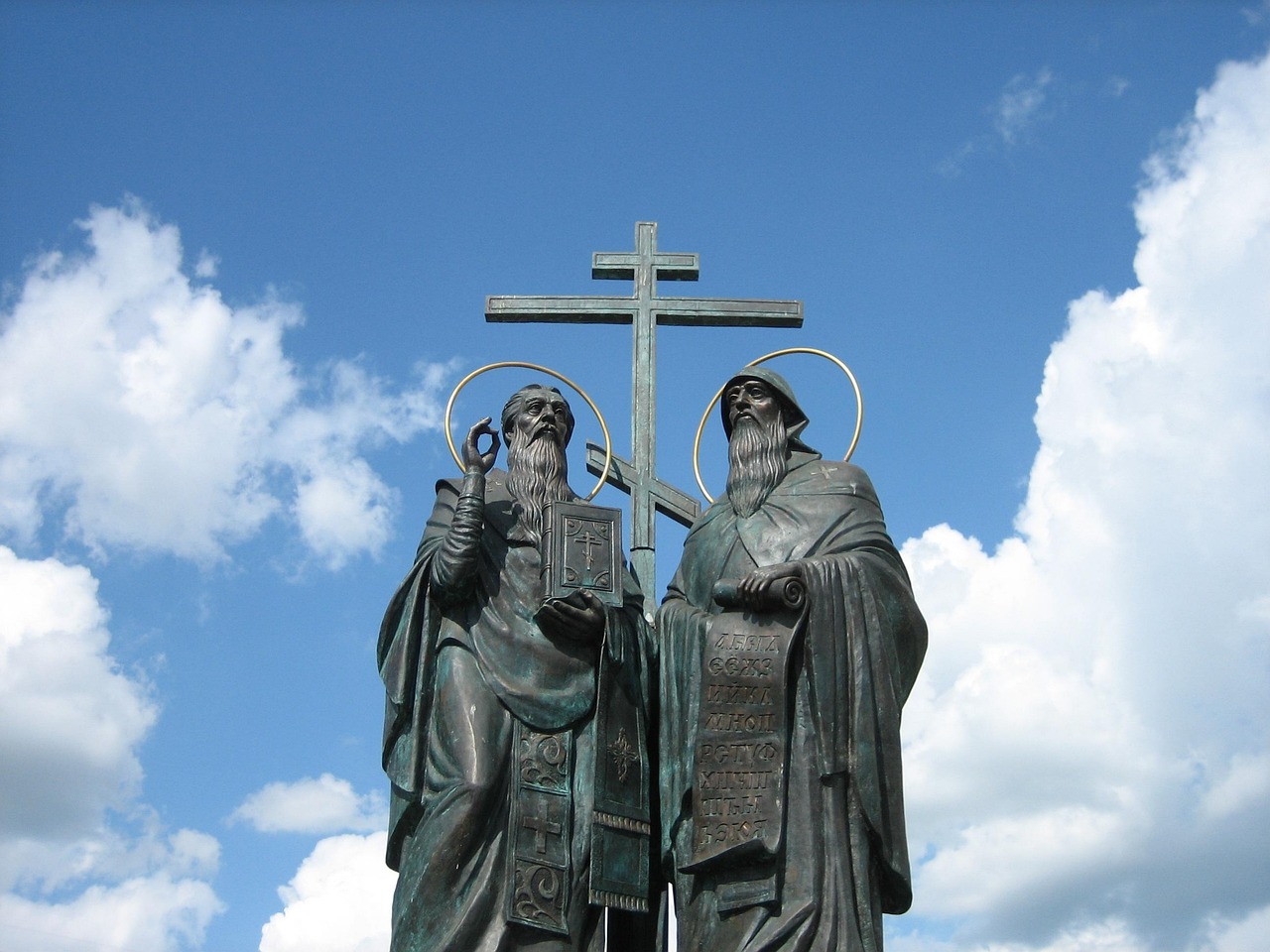
Saints Cyril and Methodius, whose feast day we celebrate today, didn’t mean much to me until I started playing the organ at the church named after them. Like most of the other churches that were built in the late 19th and early 20th centuries in southwestern Pennsylvania, this 120-year-old parish was established to serve the coal mining communities. St. Cyril and Methodius parish served the Slavonic peoples of Slovak, Czech, and Polish descent. 

Our towns were forged on the backs of immigrants who came to dig the once-abundant seams of coal that powered the steel mills in Pittsburgh. While most of the coal mines are now closed, the “patch” towns that formed around them still decorate our landscape. Many churches still have remnants of their immigrant heritage. At St. Cyril and Methodius, traditional foods like pierogi (filled dumplings), and haluski (cabbage and noodles), are sold during Lent and a Wigilia (traditional Polish Christmas Eve dinner) is celebrated in Advent. 

My maternal and paternal great-grandparents immigrated from Austria, Poland, and Czechoslovakia. They landed north of Pittsburgh where they farmed, worked in the mill and in domestic service. In just two generations, much of their language and culture were lost as children and grandchildren were encouraged to embrace American life.

The church I grew up in and still belong to today – which is just ten minutes from St. Cyril and Methodius – was said to be the “Irish church,” but when my parents settled in this rural community at the foot of the mountains, they became members because it seemed that all were welcome.

I wonder what my ancestors knew of Cyril and Methodius. Probably very little. I struggle to warm up to the images of these two staunch-looking elderly monks. They were born in Thessalonica as Michael (in 815) and Constantine (around 825) but took the religious names of Methodius and Cyril before beginning a missionary journey in 863. It is believed that their mother was of Slavic descent and therefore they were familiar with the language. Well educated, they took on significant translations. Cyril composed a Slavonic alphabet and Methodius contributed to the translation of the liturgy and Scripture. 

Like Our Lord, who “dismissed the crowd and got into the boat with his disciples and came to the region of Dalmanutha,” Cyril and Methodius traveled to unknown lands, their legacy casting across the sea to the foreigners who settled the Americas. May we follow their example by proclaiming the Good News to those we come into contact with each day. 

Contact the Author


Santos Cirilo y Metodio, cuya fiesta celebramos hoy, no significaron mucho para mí hasta que comencé a tocar el órgano en la iglesia que lleva su nombre. Como la mayoría de las iglesias construidas a finales del siglo XIX y principios del XX en el suroeste de Pensilvania, esta parroquia que tiene 120 años se fundó para servir a las comunidades mineras de carbón. La parroquia de Santos Cirilo y Metodio servía a los pueblos eslavos de ascendencia eslovaca, checa y polaca.

Nuestros pueblos se forjaron gracias a los inmigrantes que llegaron a extraer las abundantes vetas de carbón que alimentaban las acerías de Pittsburgh. Si bien la mayoría de las minas de carbón están cerradas, los pueblos que se formaron a su alrededor aún adornan nuestro paisaje. Muchas iglesias aún conservan tradiciones de su herencia inmigrante. En la iglesia de Santos Cirilo y Metodio, se venden comidas tradicionales como pierogi (empanadillas rellenas) y haluski (col y fideos) durante la Cuaresma, y ​​en Adviento se celebra una Wigilia (cena tradicional polaca de Nochebuena).

Mis bisabuelos maternos y paternos emigraron de Austria, Polonia y Checoslovaquia. Llegaron al norte de Pittsburgh, donde se dedicaron a la agricultura, trabajaron en el molino y en el servicio doméstico. En tan solo dos generaciones, gran parte de su lengua y cultura se perdió porque se animaba a hijos y nietos a adoptar la vida estadounidense.

La iglesia en la que crecí y a la que sigo perteneciendo, que está a solo diez minutos de Santos Cirilo y Metodio, se decía que era la “iglesia irlandesa”, pero cuando mis padres se establecieron en esta comunidad rural al pie de las montañas, se hicieron miembros porque parecía que todos eran bienvenidos.

Me pregunto qué sabían mis antepasados ​​de Cirilo y Metodio. Probablemente muy poco. Me cuesta aceptar la imagen de estos dos monjes ancianos de aspecto firme. Nacieron en Tesalónica como Miguel (en 815) y Constantino (alrededor de 825), pero adoptaron los nombres religiosos de Metodio y Cirilo antes de emprender un viaje misionero en 863. Se cree que su madre era de ascendencia eslava, por lo que dominaban el idioma. Con una buena educación, se encargaron de importantes traducciones. Cirilo compuso un alfabeto eslavo y Metodio contribuyó a la traducción de la liturgia y las Escrituras.

Al igual que Nuestro Señor, quien “se embarcó con sus discípulos y llegó a la región de Dalmanuta”, Cirilo y Metodio viajaron a tierras desconocidas, dejando su legado hasta el otro lado del océano a los extranjeros que se mudaron a las Américas. Que sigamos su ejemplo proclamando la Buena Nueva a diario a quienes nos rodean.

Comunicarse con la autora


Beth Casteel, wife of 36 years, mother of four and grandmother of two, writes with a passion for uncovering the stories of ordinary people. She worked as a newspaper reporter and editor and has advanced degrees in communication studies and creative writing. She contributed to Cloud of Witnesses, 25 Stories of Saintly Inspiration and Intercession, and has written essays for both sacred and secular publications. Her work can be seen on substack bethcasteel.substack.com/ and at bethcasteel.com.

Feature Image Credit: intererra, pixabay.com/photos/the-statue-kolomna-2171097/

The views and opinions expressed in the Inspiration Daily blog are solely those of the original authors and contributors. These views and opinions do not necessarily represent those of Diocesan, the Diocesan staff, or other contributors to this blog.

Be Opened / Ábrete

“‘Ephphatha!’ (that is, ‘Be opened!’)” The only time this Aramaic word is found in the New Testament is in this passage from Mark. Even more interesting, the man is likely not even Jewish. Christ is visiting the district of Decapolis, which is primarily Greek, the home of  philosophers who seek truth through their own understanding. 

But truth is not just a concept. Truth is a Person, and Christ hears the pleas of the deaf man’s friends. He desires to open all of their ears and mouths to the truth. 

“Ephphatha” was spoken with a groan to heaven and with the tangible acts of touching the man’s ears and tongue. The miracle itself is very sacramental, using outward signs to signify a deeper reality, as well as the actual restoration of hearing and speech. It is not just the man’s body that has been healed; his soul is now open to hear words of truth – truth that he might never have encountered on his own.

What was it like for that man? Imagine the first five minutes after his healing. The first voice he ever heard was the voice of his Creator. Shortly after, he heard the voices of the others, those who had brought him to Christ, lifted in praise. His ears and mouth are opened. It would not be  surprising if he spent the rest of his life using those gifts to recount the story of the miracle, the Truth that is a Person, not just a philosophy.

This is also true for the people who witness the miracle. They experience a deeper spiritual reality than they ever could have encountered through their own philosophical efforts. They recognize the miracle immediately. Their mouths are opened as well; they “proclaim” His praises: “He has done all things well.”

The Greeks considered human beings “rational animals” because we have an intellect and a free will, not just physical bodies. That much is true, but Christ takes us even deeper. A human being is not just a mortal body, but an immortal soul with the capacity to recognize Truth as a Person, and to be transformed by that Person forever.

You and I may be able to hear and speak perfectly well. But what are those gifts for? What is their purpose? Do we seek to listen to truth? Do we speak it? Christ’s healing is for us to go back to “how things used to be.” Every encounter with Him is meant to take us deeper, to open us further to His love, to His truth. 

“Ephphatha!” Be opened. What are the impediments that prevent you from hearing or speaking the truth He has given us? Is it fear? Self-doubt? Indecision? Uncertainty? Indifference? Christ speaks to you what He spoke to the deaf man: Be opened. 

Contact the author


“‘¡Effetá!’ (es decir, ‘¡Ábrete!’)” La única vez que se encuentra esta palabra aramea en el Nuevo Testamento es en este pasaje de Marcos. Aún más interesante, es probable que el hombre ni siquiera sea judío. Cristo visita la región de Decápolis, de mayoría griega, cuna de filósofos que buscan la verdad a través de su propio entendimiento.

Pero la verdad no es solo un concepto. La verdad es una Persona, y Cristo escucha las súplicas de los amigos del sordo. Desea abrirles los oídos y las bocas a la verdad.

“Effetá” fue pronunciado con un gemido al cielo y con el acto tangible de tocar los oídos y la lengua del hombre. El milagro en sí es muy sacramental, ya que utiliza signos externos para significar una realidad más profunda, así como la restauración actual de la audición y el habla también. No solo el cuerpo del hombre ha sido sanado; su alma ahora está abierta a escuchar palabras de verdad, una verdad que tal vez nunca habría encontrado por sí solo.

¿Cómo fue la experiencia de ese hombre? Imagine los primeros cinco minutos después de su sanación. La primera voz que escuchó fue la de su Creador. Poco después, escuchó las voces de los demás, los que lo habían llevado a Cristo, alabando a Dios. Sus oídos y su boca se abrieron. No sería sorprendente si pasara el resto de su vida usando esos dones para contar la historia del milagro, la Verdad que es una Persona, no solo una filosofía.

Esto también aplica a quienes presencian el milagro. Experimentan una realidad espiritual más profunda de la que jamás habrían podido experimentar por sus propios esfuerzos filosóficos. Reconocen el milagro de inmediato. Sus bocas también se abren y “proclaman” sus alabanzas: “¡Qué bien lo hace todo!”

Los griegos consideraban a los seres humanos “animales racionales” porque poseemos intelecto y libre albedrío, no solo cuerpos físicos. Eso es cierto, pero Cristo nos lleva aún más lejos. Un ser humano no es solo un cuerpo mortal, sino un alma inmortal con la capacidad de reconocer la Verdad como Persona y ser transformado por Él para siempre.

Tú y yo podemos oír y hablar perfectamente. Pero ¿para qué sirven esos dones? ¿Cuál es su propósito? ¿Buscamos escuchar la verdad? ¿La proclamamos? La sanación de Cristo nos permite volver a “como eran las cosas antes”. Cada encuentro con Él tiene como objetivo llevarnos a una profundidad mayor, abrirnos más a su amor, a su verdad.

“¡Effetá!” Ábrete. ¿Cuáles son los impedimentos que te impiden escuchar o expresar la verdad que Él nos ha dado? ¿El miedo? ¿La duda? ¿La indecisión? ¿La incertidumbre? ¿La indiferencia? Cristo te dice lo mismo que le dijo al sordo: Ábrete.

Comunicarse con la autora

Hailing from Nashville, Catherine is a graduate of Christendom College with a lifelong passion for words. Her love of writing and her Catholic Faith continue to shape her as a freelance editor, copywriter, and (aspiring) novelist, where she pursues her passions for the love and greater glory of God.


Feature Image Credit: Joana Abreu, unsplash.com/photos/grayscale-photo-of-2-hands-aFkzShngdaw

The views and opinions expressed in the Inspiration Daily blog are solely those of the original authors and contributors. These views and opinions do not necessarily represent those of Diocesan, the Diocesan staff, or other contributors to this blog.

God is Number One / Dios es el número uno

Throughout our lives we often focus on making money so we can buy something material that we want, leaving God in the dust. For example, we skip Sunday Mass, don’t go to Confession, or make up excuses for not going to church.

In the first reading, Solomon falls into temptation by worshipping other gods to please women, leaving aside the one true God. Today in age, we often fail at daily prayer because we spend too much time on our phones checking social media, and we miss Mass because we’re tired, busy, or have work. Temptations have always existed and will always exist. It’s up to us to make the decision to turn to God, just like the woman in today’s Gospel who sought out Jesus to heal her daughter who was possessed by an unclean spirit.

We shouldn’t seek God only when bad things happen to us, but rather, we should make God a priority in our lives. He should be number one on our list, because walking with God, we find the light of hope and His comforting silence. Sometimes when I would visit the Blessed Sacrament, I was so tired that I would fall asleep for five minutes, but when I woke up, it seemed like I had slept for 8 hours because I felt so refreshed.

Don’t take it personally if God doesn’t grant you what you ask for, and don’t be upset with Him either. Sometimes He can be peculiar, but we must understand that not everything we want is good for us. God knows why He does what He does, so don’t stray from Him. Make God the number one priority on that list you have of your life. God is always waiting for you with open arms.

Contact the author


Muchas veces en nuestra vida ponemos énfasis en hacer dinero para comprarnos algo material que anhelamos y dejamos a Dios esperando.  Por ejemplo, no ir a misa los domingos, no confesarnos o inventamos otros motivos más para no ir a la iglesia. 

En la primera lectura Salomón cae en tentación endiosando otras cosas para dar el gusto a las mujeres, dejando de lado al Dios verdadero. En la actualidad, muchas veces dejamos de rezar diariamente por estar en el teléfono revisando las redes sociales y evitamos ir a Misa por cansancio, trabajo u otro motivo. Las tentaciones siempre han existido y existirán. Nos toca a nosotros tomar la decisión de ir hacia Dios, cómo lo hizo la mujer que fue a buscar a Jesus para que sanara a su hija, la cual estaba poseída de un espíritu impuro. 

No hay que buscar a Dios solamente cuando nos pasan cosas malas, sino más bien hay que hacer que Dios sea una prioridad en nuestra vida. Debe ser el número 1 de nuestra lista, porque caminando con Dios vamos a encontrar una luz de esperanza y su silencio confortable. A veces cuando iba al Santísimo estaba tan cansado que me quedaba dormido por 5 minutos pero cuando me despertaba parecía que había dormido 8 horas por tan refrescado que me sentía. 

No lo tomes a mal si Dios no te concede lo que pides, y tampoco te molestes con Él. A veces es bien especial, pero hay que entender que no todo lo que queremos es bueno para nosotros. Dios sabe porqué hace las cosas, así que no te alejes de Él. Haz que Dios sea la prioridad número 1 de esa lista que tienes en tu vida. Dios te espera con los brazos abiertos siempre. 

Comunicarse con el autor

Felix Urcia was born in Lima, Peru. He moved the U.S. to complete his college degree in Computer Science at Northern Kentucky University. He is passionate about his faith, his family, education and soccer. When he is not homeschooling and caring for his young children he enjoys personal programing projects and sports analysis. He and wife live in a small town in Western Michigan where they enjoy spending time with their five children.


Feature Image Credit: Marcel Eberle, unsplash.com/photos/white-and-red-arrow-sign-rendLSpkDtY

The views and opinions expressed in the Inspiration Daily blog are solely those of the original authors and contributors. These views and opinions do not necessarily represent those of Diocesan, the Diocesan staff, or other contributors to this blog.

Rocking the Boat / Agitar las aguas

A long time ago I saw an anonymous quote online that said something like, “It’s not the water outside of the boat that causes it to sink, it’s how much gets inside.” This feels really similar to what Jesus is saying in the Gospel today. Jewish people don’t consume certain food items because they believe that what enters the body defiles the soul. Although Christians don’t share this belief in relation to the food we eat, it is a necessary and sometimes difficult realization that the things we consume with our senses do in fact become part of our souls. 

I used to think that consuming many secular things wouldn’t affect my soul because I thought that I was strong enough to consume them, but not become them.  As I’ve gotten older and become more open to being taught, I’ve seen what a lie that is and how easy it is for Satan to steal souls with this mentality. I’ve spent much of my young adulthood trying to figure out which boundaries God wants me to place in the media I consume, how much I let into my being. And I’m not saying it’s the same for everyone. We need Christians in the sphere of social media, music production, acting, to be a light in the darkness, and some people are compelled by God to not take part in any social media, and consume only things that are explicitly Christian.

I encourage you to examine your boats today. Where are the weak areas where flooding is sure to happen? What areas are strong, built high against the waves? 

St. Carlo Acutis said, “All are born originals, but many die like photocopies”. Do not let your souls be so full of copies of the world, that you no longer reflect the face of Christ. 

Contact the author


Hace mucho tiempo vi una cita anónima en línea que decía algo así como: “No es el agua que está fuera del barco lo que lo hace hundirse, sino la cantidad que entra”. Esto se parece muy semejante a lo que Jesús dice en el Evangelio de hoy. Los judíos no consumen ciertos alimentos porque creen que lo que entra en el cuerpo contamina el alma. Aunque los cristianos no comparten esta creencia en relación a la comida, es necesario, y a veces difícil, comprender que las cosas que consumimos con los sentidos, de hecho, se convierten en parte de nuestra alma.

Antes solía ​​pensar que consumir muchas cosas seculares no afectaría mi alma porque creía que era lo suficientemente fuerte como para consumirlas sin convertirme en ellas. A medida que he crecido y me he vuelto más receptivo a las enseñanzas, he visto lo falso que es eso y lo fácil que es para Satanás robar almas con esta mentalidad. He pasado gran parte de mi juventud intentando descubrir qué límites quiere Dios que ponga en los medios que consumo y cuánto dejo entrar en mi ser. Y no digo que sea igual para todos. Necesitamos cristianos en el ámbito de las redes sociales, la producción musical y la actuación, para que sean una luz en la oscuridad. Algunas personas se sienten impulsadas por Dios a no participar en ninguna red social y a consumir solo contenido explícitamente cristiano.

Los animo a examinar sus barcos hoy. ¿Dónde están las partes débiles donde lo más seguro es que entrará agua? ¿Cuáles partes son fuertes y altas, construidas para no dejar entrar las olas?

San Carlo Acutis dijo: “Todos nacen originales, pero muchos mueren como fotocopias”. No permitan que sus almas se llenen tanto de copias del mundo que dejen de reflejar el rostro de Cristo.

Comunicarse con la autora

Lily is a Michigan native and cradle Catholic who has spent most of her life exploring her own reasons to embrace her faith fully. She attended Franciscan University of Steubenville, where she discovered the beauty of her personal relationship with Christ and the Church. After college, she worked in Montessori Education for three years and recently transitioned to nannying. She was recently married and spends most of her time reading, and enjoying her dog and family!

Feature Image Credit: Jahoo Clouseau: pexels.com/photo/boat-in-body-of-water-under-cloudy-sky-382167/

The views and opinions expressed in the Inspiration Daily blog are solely those of the original authors and contributors. These views and opinions do not necessarily represent those of Diocesan, the Diocesan staff, or other contributors to this blog.

Disregarding God’s Commandment / Despreciar el mandamiento de Dios

In today’s Gospel, Jesus calls out the Pharisees for holding tradition over the commandments. They would allow someone to desert their parents, leaving them destitute, because that person wanted to give their time, money, attention, and presence to serving God above taking care of their own family.

Over a decade ago, I attended an ACTS Retreat and encountered God in a personal way. Part of that encounter included a knowing, or calling, from God that one day the retreat would come to my parish and I would be one of its leaders. I waited patiently for five years, serving as my children’s catechist until that day arrived when what God spoke came to pass. 

Our first retreat required many weeks of meetings and preparation. One Sunday, we set up a registration table inviting parishioners to sign up. One of my church acquaintances politely declined, saying she’d been asked several times by mutual friends. She requested that I let the team know that she had no interest in being involved in any way with this retreat. Sensing a painful experience behind her answer, I gently asked if she would share with me the reason for her deeply rooted conviction.

She disclosed that for many years her husband’s family was very involved in this ministry at their home parish in another state. They were so involved that they routinely put serving on the retreat over being present for their family. As teenagers and young adults, she and her husband were wounded because his family would decline attending family activities in order to serve on the retreat teams and weekend events. 

While the parents saw it as honoring God, serving Him through serving others, their young adult children received the message that they were not important. This generated great resentment toward the retreat ministry, because it denied them their desired family experiences and activities.

I thanked her sincerely for sharing this information with me. Later, I carefully thought about what she’d said. Are we supposed to sacrifice our family so we can say we’re honoring the greatest commandment of loving God and loving others? Do we risk doing this sometimes when we choose to serve God in our Parish over loving and serving our families? I firmly resolved that when faced with this in the future, I would intentionally choose my family and children and their priorities over the retreat community. I pray my family recognizes the many times I’ve put them first.

Today, I invite you to carefully consider what traditions you hold onto that conflict with or require you to turn away from loving and serving your family. Ask the Holy Spirit to guide you in finding a healthy balance.

Contact the Author


En el Evangelio de hoy, Jesús critica a los fariseos por anteponer la tradición a los mandamientos. Permitían que alguien abandonara a sus padres, dejándolos en la indigencia, porque esa persona quería dedicar su tiempo, dinero, atención y presencia a servir a Dios por encima del cuidado de su propia familia.

Hace más de una década, asistí a un retiro de ACTS y tuve un encuentro personal con Dios. Parte de ese encuentro incluyó la certeza, o el llamado, de Dios de que un día el retiro llegaría a mi parroquia y yo sería uno de sus líderes. Esperé pacientemente durante cinco años, sirviendo como catequista de mis hijos, hasta que llegó ese día en que lo que Dios me había dicho se cumplió.

El primer retiro requirió muchas semanas de reuniones y preparación. Un domingo, instalamos una mesa de registro invitando a los feligreses a inscribirse. Una conocida de mi iglesia declinó cortésmente, diciendo que amigos en común le habían invitado varias veces. Me pidió que le hiciera saber al equipo que no tenía ningún interés en participar de ninguna manera en este retiro. Intuyendo una experiencia dolorosa tras su respuesta, le pregunté con delicadeza si podía compartir conmigo el motivo de su profunda convicción.

Me reveló que, durante muchos años, la familia de su esposo estuvo muy involucrada en este ministerio en su parroquia, ubicada en otro estado. Estaban tan involucrados que, con frecuencia, priorizaban el servicio en el retiro por encima de estar presentes para su familia. De adolescentes y jóvenes adultos, ella y su esposo se sintieron heridos porque su familia se negaba a asistir a las actividades familiares para servir en los equipos de retiro y los eventos de fin de semana.

Mientras que los padres lo veían como honrar a Dios, servirle a través del servicio a los demás, sus hijos, jóvenes adultos, recibían el mensaje de que no eran importantes. Esto generó un gran resentimiento hacia el ministerio de retiros, porque les negaba las experiencias y actividades familiares que deseaban.

Le agradecí sinceramente que compartiera esta información conmigo. Más tarde, reflexioné detenidamente sobre lo que había dicho. ¿Se supone que debemos sacrificar a nuestra familia para poder decir que honramos el mandamiento más importante de amar a Dios y amar al prójimo? ¿Nos arriesgamos a hacer esto a veces cuando elegimos servir a Dios en nuestra parroquia en lugar de amar y servir a nuestras familias? He decidido firmemente que, al enfrentarme a esto en el futuro, priorizaré a mi familia, a mis hijos y a sus necesidades por encima de la comunidad de retiro. Espero que mi familia reconozca las muchas veces que los he priorizado.

Hoy, los invito a considerar cuidadosamente cuáles tradiciones suyas entran en conflicto con su familia o les obligan a dejar de amarla y servirla. Pidan al Espíritu Santo que los guíe para encontrar un equilibrio saludable.

Comunicarse con la autora


Shelly Henley Kelly is a wife, mother of three, and native Texan who writes and records a podcast with her sister on Of Sound Mind and Spirit and is a regular contributor to Catholic Mom. When not writing or recording, Shelly can be found volunteering as a Youth Ministry Catechist, keeping the scorebook at her son’s baseball games, diving deep into historical research, or hiding with a good book in between games.

Feature Image Credit: kazuend, unsplash.com/photos/2-person-walking-on-the-street-0CHEC4_wX1I

The views and opinions expressed in the Inspiration Daily blog are solely those of the original authors and contributors. These views and opinions do not necessarily represent those of Diocesan, the Diocesan staff, or other contributors to this blog.

No Rest for the Weary / No hay descanso para los cansados

In today’s Gospel reading, we hear about Jesus ministering to the sick. He has traveled across the sea to preach the Kingdom of God to more towns. He knew where He was headed, who He would visit and where to preach. As He and his disciples land at Gennesaret, before they can even get out of the boat, Jesus is recognized. His reputation as a great healer has already reached this place. Then the people of the area “scurr[y] about the surrounding country,” bringing those who are in need of healing. Regardless of what His plans were, Jesus finds Himself surrounded by people who desperately want and need His help. Jesus’ popularity around His miraculous healings prevent Him from traveling anywhere peacefully. Wherever He goes, those in need find Him.

Most of us have a pretty good idea of what this was like for Jesus. Whether we serve as a parent, an employee, or volunteer, there are always people and things that demand our attention and need our help. For parents, as soon as we walk through the door, our kids rush to our sides and demand our time, energy, and attention. When we steal away for a moment to respond to an email or read a book, our kids immediately need something else from us. We think we’ll get some peace and quiet after bedtime, but monsters in closets and nightmares keep us on the clock at all times.

The same demands are made from different sources in the workplace or volunteer organizations. There are deadlines that need to be met, coworkers who need assistance, meetings that can’t be rescheduled, and bosses who are impossible to please. As soon as we finish one task, ten more pop up on our to-do list. We do our best to meet all of these needs, but at the end of the day, we can’t do it alone. We must rely on the power of Christ to help and heal everyone who comes to us.

The call of a Christian is to imitate Christ. We are called to serve like Jesus does. We are asked to care for whomever God brings into our life. We do this regardless of how many times we’ve served them already today. Regardless of how tired we are. Regardless of how much we need a break. Regardless of what our other plans were. Regardless of if we feel like it or not. When they come to us, we get to meet them in their need just like Jesus does. Let us imitate Him in all that we do.

Contact the Author


En el Evangelio de hoy, escuchamos cómo Jesús atendía a los enfermos. Había cruzado el mar para predicar el Reino de Dios a más pueblos. Sabía adónde se dirigía, a quién iba a visitar y dónde iba a predicar. Al llegar con sus discípulos a Genesaret, antes de que pudieran bajar de la barca, Jesús fue reconocido. Su reputación como gran sanador ya había llegado hasta allí. La gente local se apresuró a recorrer los alrededores, trayendo a quienes necesitaban sanación. Sin importar cuáles fueran sus planes, Jesús se vio rodeado de personas que anhelaban y necesitaban desesperadamente su ayuda. La popularidad de Jesús en torno a sus curaciones milagrosas le impedía viajar a ningún lugar en paz. Dondequiera que iba, los necesitados lo encontraban.

La mayoría de nosotros tenemos una idea bastante clara de cómo fue esto para Jesús. Ya que seamos padres de familia, empleados o voluntarios, siempre hay personas y cosas que exigen nuestra atención y necesitan nuestra ayuda. Para los padres de familia, en cuanto entramos a la puerta, nuestros hijos corren a nuestro lado y exigen nuestro tiempo, energía y atención. Cuando encontramos un momento para responder un correo electrónico o leer un libro, nuestros hijos inmediatamente necesitan algo más de nosotros. Creemos que tendremos un poco de paz y tranquilidad después de que se duerman, pero monstruos en los armarios y pesadillas nos requieren estar alertas a todas horas.

Las mismas exigencias provienen de diferentes fuentes, tanto en el trabajo como en las organizaciones de voluntariado. Hay que cumplir con fechas límites, hay compañeros que necesitan ayuda, reuniones que no se pueden reprogramar y jefes imposibles de complacer. En cuanto terminamos una tarea, aparecen diez más en la lista de tareas pendientes. Hacemos todo lo posible por satisfacer todas estas necesidades, pero al final del día, no podemos hacerlo solos. Debemos confiar en el poder de Cristo para ayudar y sanar a todos los que acuden a nosotros.

El llamado del cristiano es imitar a Cristo. Estamos llamados a servir como Jesús. Se nos pide que cuidemos de quien Dios traiga a nuestra vida. Hacemos esto sin importar cuántas veces les hayamos servido hoy, sin importar lo cansados ​​que estemos, sin importar cuánto necesitamos un descanso, sin importar cuáles fueran nuestros otros planes, sin importar si tenemos ganas o no. Cuando acuden a nosotros, podemos atender sus necesidades como Jesús. Imitémoslo en todo lo que hacemos.

Comunicarse con la autora


Maria Riley is a passionate Catholic author and speaker who loves volunteering or playing board games when she’s not writing or mom-ing around with her four daughters. Her award-winning Catholic children’s chapter book series, Adventures with the Saints, is endorsed by her bishop. Visit her at MariaRileyAuthor.com or on social media @mariarileyauthor. She and her family live in Kansas.
Feature Image Credit: Kampus Production, pexels.com/photo/a-family-sitting-at-the-table-8188701/

The views and opinions expressed in the Inspiration Daily blog are solely those of the original authors and contributors. These views and opinions do not necessarily represent those of Diocesan, the Diocesan staff, or other contributors to this blog.

Be Salt and Light in the World / Sé sal y luz en el mundo

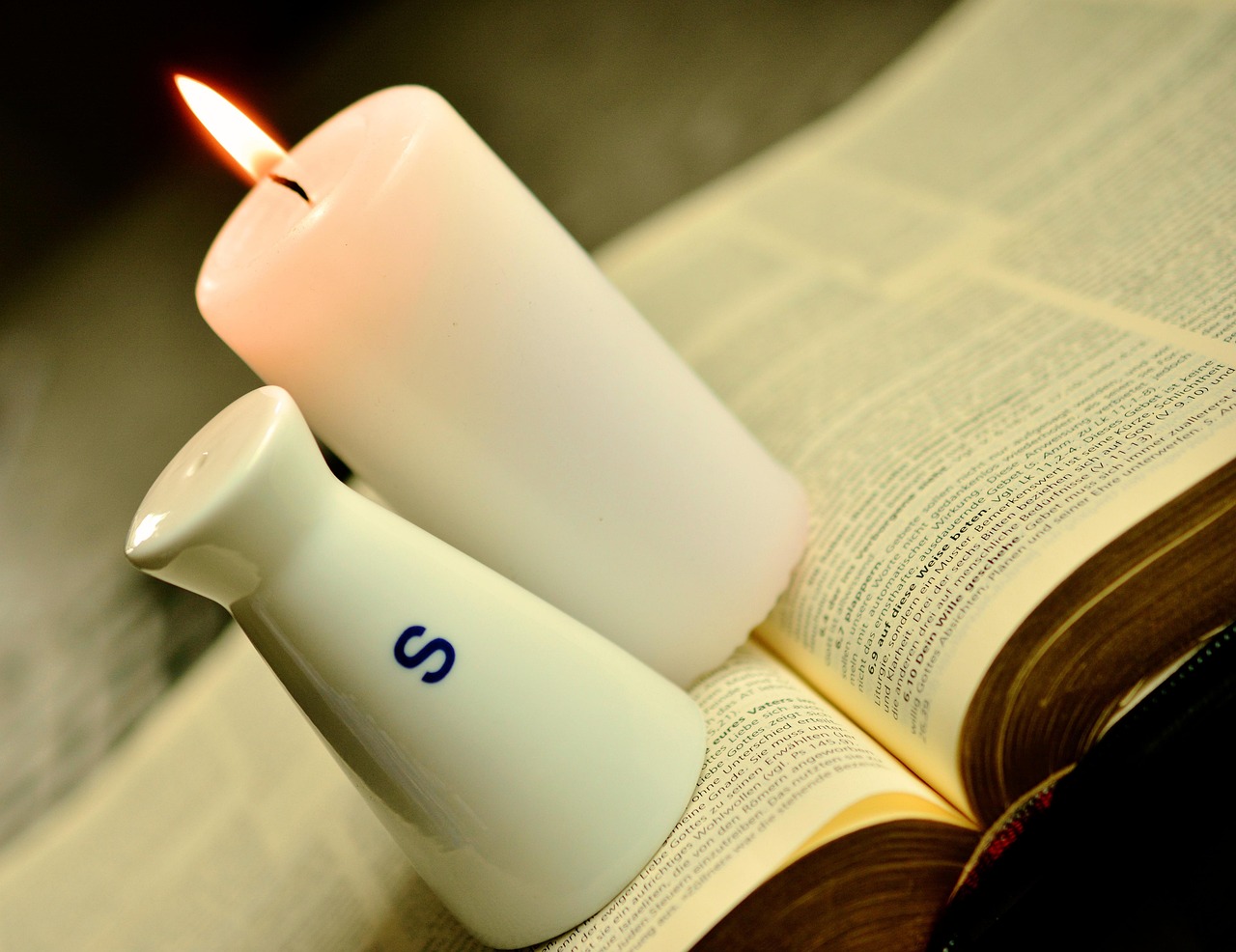
“You are the salt of the earth… You are the light of the world.”

Salt and light are so ordinary—present in nearly every home, every meal, every sunrise—and yet, in Jesus’ hands, they become extraordinary images of the Christian life.

Salt preserves, enhances, and even heals. A sprinkle of salt enhances the taste of food, making even my cooking more palatable. In the same way, our faith is not meant to stay hidden or unused; it is to preserve goodness in the world and bring flavor to every encounter. When I am grumpy, tempted to gossip, or feeling too tired to pray, I ask the Lord to remind me: I am His salt, called to enhance the world with His presence.

Light pierces every dark corner and dispels every clouded thought. Darkness is not chased away by shouting at it or wishing it gone. It only retreats when light appears. Christ’s light shines in and through us, not so that we can boast or draw attention to ourselves, but so that others may “see Your good works and give glory to your Father in heaven.”

Each day, we should ask ourselves: Am I dimming my light out of fear, pride, or selfishness, or am I letting it shine to draw others closer to Christ? Staying close to Christ, through prayer, participating in the sacraments, and reading Scriptures keeps flavor in my spiritual salt and keeps my light shining for all to see.

Lord, may my life radiate Your light and sprinkle Your love generously, so that others may come to know and glorify You.

Contact the author


“Ustedes son la sal de la tierra… Ustedes son la luz del mundo”.

La sal y la luz son tan comunes —presentes en casi cada hogar, en cada comida, en cada amanecer— y, sin embargo, en las manos de Jesús, se convierten en imágenes extraordinarias de la vida cristiana.

La sal conserva, realza e incluso sana. Una pizca de sal realza el sabor de la comida, haciendo que incluso lo que yo cocino sea más apetecible. De la misma manera, nuestra fe no debe permanecer oculta ni inutilizada; debe preservar la bondad en el mundo y dar sabor a cada encuentro. Cuando estoy de mal humor, tentada a chismear, o demasiado cansada para rezar, le pido al Señor que me recuerde que soy su sal, llamada a enriquecer el mundo con su presencia.

La luz penetra cada rincón oscuro y disipa todo pensamiento nublado. La oscuridad no se ahuyenta gritándole ni deseando que desaparezca. Solo se retira cuando aparece la luz. La luz de Cristo brilla en nosotros y a través de nosotros, no para que nos jactemos ni llamemos la atención, sino “para que viendo las buenas obras que ustedes hacen, den gloria a su Padre, que está en los cielos”.

Cada día, deberíamos preguntarnos: ¿Estoy apagando mi luz por miedo, orgullo o egoísmo, o la dejo brillar para acercar a otros a Cristo? Mantenerme cerca de Cristo mediante la oración, la participación en los sacramentos y la lectura de las Escrituras conserva el sabor de mi sal espiritual y mantiene mi luz brillando para que todos la vean.

Señor, que mi vida irradie tu luz y derrame tu amor generosamente, para que otros puedan conocerte y glorificarte.

Comunicarse con la autora

Allison Gingras (www.ReconciledToYou.com ) shares an everyday Catholic faith with humor and honesty. Her writing includes The Handy Little Guide to Novenas (OSV), Encountering Signs of Faith (Ave Maria Press), the Stay Connected Journals for Catholic Women (OSV), and her newest book, Jesus Heals (OSV), published in 2025. Allison is the Director of Digital Evangelization for Family Rosary USA.

Feature Image Credit: Congerdesign, pixabay.com/photos/bible-salt-and-light-symbolism-2461826/

The views and opinions expressed in the Inspiration Daily blog are solely those of the original authors and contributors. These views and opinions do not necessarily represent those of Diocesan, the Diocesan staff, or other contributors to this blog.

Called to Journey / Llamados a viajar

At the end of a long journey, we can feel both exhaustion and fulfillment. Imagine the Apostles’ feeling of encouragement and achievement as they gather back together after their long trip, moving about the land teaching and healing in Jesus’ name. Tired and hungry and unable to rest because of the crowd of people who followed them, Jesus sends them out to a deserted place to recover. They get into a boat, but it isn’t a yacht or a motor boat. It is more work, rowing to get across the water to rest. As they are rowing, excited that their time of rest is drawing near, over 5,000 people show up craving Jesus’ teaching. 

We all like a few days to recuperate after a journey, yet the Apostles had no time to rest. Imagine the wonder and exhaustion they felt. They are with Jesus, their Lord and Savior, but they are human, and as humans we can get testy if we don’t have time to rest. If there were 5,000 people waiting for us when we returned home after a long trip, we would go inside, close the door, and tell them to come back later. But the Apostles had a front row seat to the teachings of Jesus, and they worked tirelessly. 

We are all called to proclaim the Word, but we don’t have to do it on such a grand scale. We don’t have to go out with only the clothes on our back and the shoes on our feet with no extra food and water for the journey. We can share our experiences one on one with those closest to us in our homes, at work, and among friends. It can be difficult to begin, and unlike the 5,000 people who were waiting to hear from Jesus and the Apostles, others might not be ready to hear it from us. But we can start out on the journey one prayer at a time and ask for the Lord’s help. We can go to adoration, our “deserted place,” and fill our hearts up with the Lord who will encourage and energize each of us to continue on our own journey.

Contact the Author


Al final de un largo viaje, podemos sentir tanto agotamiento como plenitud. Imaginen el sentimiento de ánimo y logro de los Apóstoles al reunirse tras su largo viaje, recorriendo la tierra enseñando y sanando en el nombre de Jesús. Cansados, hambrientos e incapaces de descansar por la multitud que los seguía, Jesús los envía a un lugar desierto para recuperarse. Suben a una barca, pero no es un yate ni una lancha. Remar para cruzar el agua y descansar es más trabajo. Mientras reman, emocionados por la proximidad de su hora de descanso, más de 5000 personas aparecen ansiando las enseñanzas de Jesús.

A todos nos gusta descansar unos días después de un viaje, pero los Apóstoles no tuvieron tiempo para ello. Imaginen la maravilla y el agotamiento que sintieron. Están con Jesús, su Señor y Salvador, pero son humanos, y como humanos, podemos irritarnos si no tenemos tiempo para descansar. Si 5000 personas nos esperaran al regresar a casa después de un largo viaje, entraríamos, cerraríamos la puerta y les diríamos que volvieran más tarde. Pero los Apóstoles tenían un asiento en primera fila para escuchar las enseñanzas de Jesús y trabajaron incansablemente.

Todos estamos llamados a proclamar la Palabra, pero no tenemos que hacerlo a gran escala. No tenemos que salir solo con la ropa puesta y los zapatos puestos, sin comida ni agua extra para el viaje. Podemos compartir nuestras experiencias individualmente con los seres queridos en nuestros hogares, en el trabajo y entre amigos. Puede ser difícil comenzar, y a diferencia de las 5000 personas que esperaban escuchar a Jesús y a los Apóstoles, otros podrían no estar listos para escucharlo de nosotros. Pero podemos emprender el camino con una oración a la vez y pedir la ayuda del Señor. Podemos ir a la adoración, nuestro “lugar desierto”, y llenar nuestros corazones del Señor, quien nos animará y nos dará energía para continuar en nuestro propio viaje.

Comunicarse con la autora


Anita Renaghan is the author of several books including literary fiction, science fiction, and a young adult trilogy. She loves a good character study and has been many characters herself including: an aircraft mechanic in the Air Force, a college graduate, a second degree blackbelt, lost, a waitress and bartender, a wife and mother, an account executive, found, and a constantly inventive singer-songwriter. Anita is interested in sharing her faith with others through her writings and story characters. Her website is anitarenaghan.com 

Feature Image Credit: Ashok J Kshetri, pexels.com/photo/scenic-view-of-upper-mustang-hills-in-nepal-34022827/

The views and opinions expressed in the Inspiration Daily blog are solely those of the original authors and contributors. These views and opinions do not necessarily represent those of Diocesan, the Diocesan staff, or other contributors to this blog.

The Dead of Winter / El invierno cruel

If you’ve ever lived in an area that experiences all four seasons, you know what it’s like to enjoy the vivid hues of autumn. Bushes and trees that once shared the same spectrum now burst into different shades of yellow, orange, red and purple. Summer flowers are replaced by multi-colored mums on front porches and pumpkins, hay bales, and scarecrows adorn the streets. Yet as we enjoy the fall spectacle, in the back of our minds we all know that winter is just a breath away. 

And that is where we find ourselves right now. In the midst of this mid-winter day where we could all surely use a splash of color by now. We are beyond Christmas but not yet into Lent, so what are we to do with the mundaneness of this inbetween season? 

Perhaps it would help us to remember the reason for nature’s change in the first place. Leaves change colors as they are preparing to die and fall to the ground. The reason they are so beautiful is because they will soon cease to exist. They will either be mulched into the ground, blown away or bagged up and disposed of. In much the same way, we become more beautiful as we die to ourselves on our path toward sainthood. 

During these cold, dark days, we can bring the warmth and the light of Christ’s love into the world. Our cheeks become rosier and our smiles become brighter as we seek the good of others above our own, as we spend more time with Jesus in the Blessed Sacrament, as we seek His will at all times. We die during our own life’s winter that He might spring forth in us with new life. 

During a recent conversation with my brother, we were sharing how we try so hard to be the best spouse we can be, the best parent we can be, the best sibling we can be, the best son/daughter, friend, parishioner, coworker, etc. We try to do so much, almost as if we are checking off imaginary tally marks in our heads, but is that really what it’s all about? Driving ourselves crazy just trying to be good enough? I doubt it. What if we had the mindset of simply letting God love through us instead? 

So let us be like David in today’s first reading, who “[w]ith his every deed he offered thanks to God most High…With his whole being he loved his Maker.” Just as the disciples of John the Baptist “came and took his body and laid it in a tomb”, so may we die to ourselves, laying to rest our vices and sins so that God can love through us. May His warmth and light change this humdrum winter into cause for joyful humming.

Contact the Author


Si alguna vez has vivido en una zona donde se experimentan las cuatro estaciones, sabes lo que es disfrutar de los vibrantes tonos de otoño. Arbustos y árboles que antes compartían el mismo espectro ahora estallan en diferentes tonos de amarillo, naranja, rojo y morado. Las flores de verano dan paso a crisantemos multicolores en las puertas principales, y calabazas, pacas de heno y espantapájaros adornan las calles. Sin embargo, mientras disfrutamos del espectáculo otoñal, en el fondo de nuestras mentes todos sabemos que el invierno está a la vuelta de la esquina.

Y ahí es donde nos encontramos ahora mismo. En medio de este invierno cruel donde, sin duda, a todos nos vendría bien un toque de color. Ya ha pasado la Navidad, pero aún no llega la Cuaresma, así que ¿qué hacemos con la monotonía de esta estación intermedia?

Quizás nos ayude recordar la razón de los cambios en la naturaleza. Las hojas cambian de color mientras se preparan para morir y caer al suelo. La razón por la que son tan hermosas es porque pronto dejarán de existir. Serán trituradas, sopladas por el viento o embolsadas ​​y desechadas. De la misma manera, nos volvemos más hermosos al morir a nosotros mismos en nuestro camino hacia la santidad.

Durante estos días fríos y oscuros, podemos traer al mundo la calidez y la luz del amor de Cristo. Nuestras mejillas se sonrojan y nuestras sonrisas se iluminan al buscar el bien de los demás por encima del nuestro, al pasar más tiempo con Jesús en el Santísimo Sacramento, al buscar su voluntad en todo momento. Morimos durante el invierno de nuestra vida para que Él pueda brotar en nosotros con la primavera de nueva vida.

Durante una conversación reciente con mi hermano, compartimos cuánto nos esforzamos por ser el mejor cónyuge, el mejor padre de familia, el mejor hermano, el mejor hijo, amigo, feligrés, compañero de trabajo, etc. Intentamos hacer tanto, casi como si estuviéramos llevando la cuenta mentalmente, pero ¿de eso se trata realmente? ¿Volviéndonos locos solo por intentar ser lo suficientemente buenos? Lo dudo. ¿Y qué pasaría si simplemente dejáramos que Dios ame a través de nosotros?

Seamos como David en la primera lectura de hoy, quien “Por todos sus éxitos daba gracias al Dios altísimo y lo glorificaba. Amaba con toda el alma a su creador…” Así como los discípulos de Juan el Bautista “fueron a recoger el cadáver y lo sepultaron”, que muramos a nosotros mismos, dejando atrás nuestros vicios y pecados para que Dios pueda amar a través de nosotros. Que su calor y su luz transformen este invierno monótono en motivo de alegría.

Comunicarse con la autora


Tami Urcia is a midwestern gal from a large Catholic family. As a young adulthood she was a missionary in Mexico, where she studied theology and philosophy. After returning stateside bilingual, she gained a variety of work experience, traveled extensively and finished her Bachelor’s Degree at Brescia University. She loves organizing and simplifying things, watching her children play sports, deep conversations with close family and friends and finding unique ways to brighten others’ day with Christ’s love. She works full time at Diocesan in the Software Department and manages the Inspiration Daily reflections. She is also a contributing writer on CatholicMom.com and BlessedIsShe.net.

Feature Image Credit: Aaron Wilson, unsplash.com/photos/photo-of-turned-on-street-lights-near-railing-qIHtrP2V3C8

The views and opinions expressed in the Inspiration Daily blog are solely those of the original authors and contributors. These views and opinions do not necessarily represent those of Diocesan, the Diocesan staff, or other contributors to this blog.