
Stories of Faith / Historias de Fe

Faith is belief in what we cannot see. As followers of our God-made-man who walked the earth more than 2,000 years ago, faith is at the core of our journey. Today’s Gospel is a celebration of that faith. In it are three stories of what belief in the promises of Christ looked like in His time, and what that belief looks like today.

First, we see Jairus, the synagogue official. His heart is aching because his child is sick. Jairus recognizes Christ, falls to his knees, and pleads for help. Jesus hears him and responds.

Second, in the hustle and bustle of the crowd is a woman suffering and alone. She is an outcast, isolated. She believes she is unworthy of His attention and doesn’t dare speak to Jesus, but she believes with her whole heart that if she can just draw near to Him, just touch His cloak, somehow, He can help her. He calls out to her and heals her.

Third, Jairus’s family is broken and despairing. The child is lost and they think there is nothing anyone can do. Jesus comes to them in their sorrow and offers them hope; they doubt Him, even ridicule Him. Despite that, He steps in and performs a miracle. The child rises and all rejoice. In the holy name of Jesus, death has lost its power.

Although faith is generally defined as belief in the unseen, the virtue of faith, one of our three foundational theological virtues, is even greater. Faith is the virtue “by which we believe in God and believe all that he has said and revealed to us … because he is truth itself.” (CCC 1814)

When we face heartache, sorrow, illness, suffering, and loss, we face it with faith. We, like Jairus, seek out Christ, fall to our knees, and pray for His intercession. And we believe Christ responds immediately. Even when we feel irredeemable like the hemorrhaging woman, we strive to just be near Jesus. Broken, weary, still we reach out saying to ourselves, “if I can just touch his cloak …” and Christ turns to us, knows us, and heals our brokenness. 

When our hearts are broken by unimaginable loss, like Jairus’s family, and we ridicule the promises of Christ and can’t imagine how He can help, He comes to us even then. He quiets our fury, calms our anguish, and reminds us that death is not the end. Hard-fought hope returns only in faith.

All that Jesus told us is true: He hears our prayers, He knows us when we seek Him, and He has conquered death. Believe Him. Reach out to Him. Have faith.

Contact the author


La fe es creer en lo invisible. Como seguidores de nuestro Dios hecho hombre, que vivió en la tierra hace más de 2000 años, la fe es la esencia de nuestro caminar. El Evangelio de hoy celebra esa fe. En él, se presentan tres historias sobre cómo era creer en las promesas de Cristo en su tiempo y cómo es hoy.

Primero, vemos a Jairo, el jefe de la sinagoga. Su corazón está afligido porque su hija está enferma. Jairo reconoce a Cristo, cae de rodillas y suplica ayuda. Jesús lo escucha y responde.

Segundo, en el caos de la muchedumbre, hay una mujer que sufre y está sola. Es marginada y aislada. Cree que no merece su atención y no se atreve a hablar con Jesús, pero cree con todo su corazón que si tan solo pudiera acercarse a Él, si tan solo tocara su manto, de alguna manera, Él podría ayudarla. La llama y la sana.

En tercer lugar, la familia de Jairo está destrozada y desesperada. El niño está perdido y creen que nadie puede hacer nada. Jesús se acerca a ellos en su dolor y les ofrece esperanza; dudan de Él, incluso lo ridiculizan. A pesar de ello, Él interviene y obra un milagro. El niño se levanta y todos se alegran. En el santo nombre de Jesús, la muerte ha perdido su poder.

Aunque la fe se define generalmente como la creencia en lo invisible, la virtud de la fe, una de las tres virtudes teológicas fundamentales, es algo aún mayor. “La fe es la virtud teologal por la que creemos en Dios y en todo lo que Él nos ha dicho y revelado…porque Él es la verdad misma” (CIC 1814).

Cuando enfrentamos angustia, tristeza, enfermedad, sufrimiento y pérdida, los enfrentamos con fe. Nosotros, como Jairo, buscamos a Cristo, nos arrodillamos y oramos por su intercesión. Y creemos que Cristo responde de inmediato. Incluso cuando nos sentimos irredimibles como la mujer con hemorragia, nos esforzamos por estar cerca de Jesús. Quebrantados, cansados, aún así extendemos la mano diciéndonos: “Si tan solo pudiera tocar su manto…” y Cristo se vuelve hacia nosotros, nos conoce y sana nuestro quebrantamiento. 

Cuando nuestros corazones están destrozados por una pérdida inimaginable, como la familia de Jairo, y ridiculizamos las promesas de Cristo y no podemos imaginar cómo Él puede ayudar, Él viene a nosotros incluso entonces. Calma nuestra furia, calma nuestra angustia y nos recuerda que la muerte no es el final. La esperanza, tan duramente buscada, regresa solo en medio de la fe.

Todo lo que Jesús nos dijo es verdad: Él escucha nuestras oraciones, nos conoce cuando lo buscamos y ha vencido a la muerte. Créele. Acércate a Él. Ten fe.

Comunicarse con la autora

Pamela Kavanaugh is a grateful wife, mother, and grandmother who has dedicated her professional life to Catholic education. Though she has done her very best to teach her students well in the subjects of language and religion, she knows that she has learned more than she has taught. She lives, teaches, and writes in southwest suburban Chicago.

Feature Image Credit: Marc-Olivier Jodoin, unsplash.com/photos/landscape-photography-of-persons-hand-in-front-of-sun-TStNU7H4UEE

The views and opinions expressed in the Inspiration Daily blog are solely those of the original authors and contributors. These views and opinions do not necessarily represent those of Diocesan, the Diocesan staff, or other contributors to this blog.

I Know a Guy / Conozco a un tipo

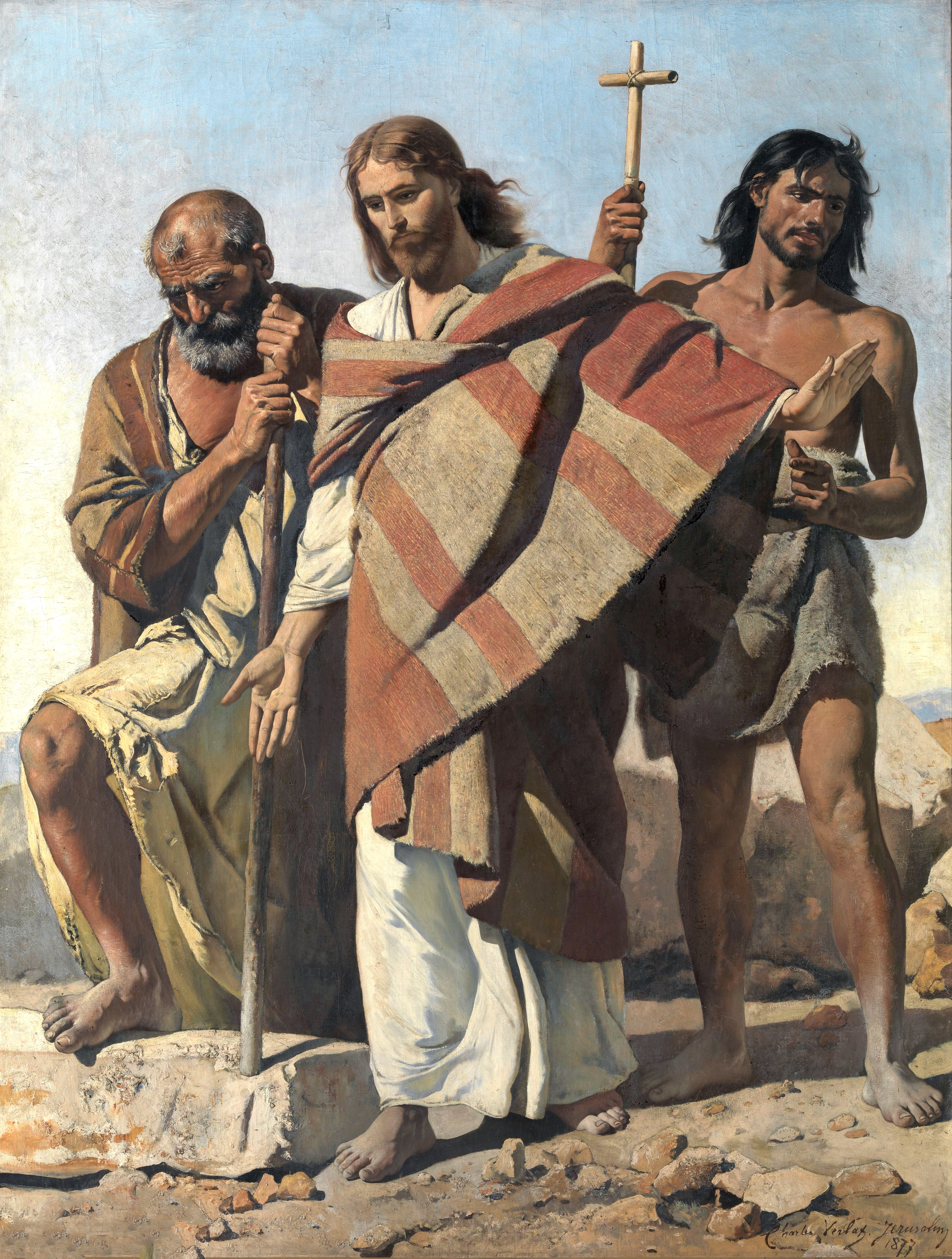
Before he became an Apostle and author of the fourth Gospel, John was a disciple of an unusual man who lived in the desert and ate locusts. The Baptist, as he was known, explained to his followers that he had been told to make straight the path for the Messiah, to prepare the way of the Lord. What their people had longed for for centuries was coming soon, and John the Baptist was called to help the people be ready. John the disciple believed him as did his friend Andrew. So, when the Baptist’s cousin appeared on the scene and this compelling figure proclaimed, “Behold, the Lamb of God, who takes away the sin of the world,” John and Andrew were prepared to recognize the Messiah. Then Andrew told his brother Peter, and soon after, a Church was born.

John the Baptist’s unusual life — from his unlikely conception, to leaping in his mother’s womb upon Mary’s greeting, to baptising the Savior Himself — was geared toward helping people know Jesus. He was dedicated to his mission even if the people of his time thought he was a little weird. He was an odd, yet compelling messenger. Even Herod, who would eventually put the Baptizer to death, found himself drawn to John and enjoyed listening to him speak.

John the Baptist got people talking as he set the stage for the greater One to follow. The word about Jesus spread as people told their families and friends about a guy they knew who knew a guy. And the word about Jesus still spreads that way.

We are called to be like John the Baptist, to make straight the path and prepare the way of the Lord. Yes, the world may think we’re a little weird sometimes for believing what we do and striving to live out what we believe, but few of us will pay the price John the Baptist did for speaking up about Jesus.

Can we find the courage to be like John the Baptist? Can we live lives of faith that draw the curious toward us, and then urge those people toward the Source of the light? Can we tell the world that we know a Guy who came to make all things new? When we do, we stand with John as he proclaims, “Now I have seen and testified that he is the Son of God.”

Contact the author


Antes de convertirse en apóstol y autor del cuarto Evangelio, Juan fue discípulo de un hombre diferente que vivía en el desierto y comía langostas. El Bautista, como se le conocía, explicó a sus seguidores que se le había encomendado allanar el camino del Mesías y preparar el camino del Señor. Lo que su pueblo había anhelado durante siglos llegaría pronto, y Juan el Bautista fue llamado a ayudar al pueblo a estar preparado. Juan, el discípulo, le creyó, al igual que su amigo Andrés. Así, cuando el primo del Bautista apareció en escena y esta figura cautivadora proclamó: “Éste es el Cordero de Dios, el que quita el pecado del mundo”, Juan y Andrés estaban preparados para reconocer al Mesías. Entonces Andrés se lo contó a su hermano Pedro, y poco después, nació una Iglesia.

La vida extraordinaria de Juan el Bautista – desde su improbable concepción, hasta saltar en el vientre de su madre al saludo de María, y bautizar al mismo Salvador – estuvo orientada a ayudar a la gente a conocer a Jesús. Se dedicó a su misión aunque la gente de su tiempo lo considerara un poco raro. Era un mensajero peculiar, pero convincente. Incluso Herodes, quien finalmente condenaría a muerte al Bautista, se sintió atraído por Juan y disfrutaba escucharlo hablar.

Juan el Bautista causó que empezara a hablar la gente al preparar el camino para el Gran Maestro que lo siguiera. La noticia de Jesús se difundió cuando la gente contó a sus familiares y amigos sobre un tipo que conocían, que conocía a otro tipo. Y la noticia de Jesús todavía se difunde de esta forma.

Estamos llamados a ser como Juan el Bautista, a enderezar el camino y preparar el camino del Señor. Sí, el mundo puede pensar que a veces somos un poco raros por creer lo que creemos y esforzarnos por vivir lo que creemos, pero pocos pagaremos el precio que pagó Juan el Bautista por hablar de Jesús.

¿Podemos tener la valentía de ser como Juan el Bautista? ¿Podemos vivir vidas de fe que atraigan a los curiosos hacia nosotros y luego los impulsen hacia la Fuente de la luz? ¿Podemos decirle al mundo que conocemos a un Tipo que vino para hacer nuevas todas las cosas? Cuando lo hacemos, nos ponemos de pie junto a Juan mientras proclama: “yo lo vi y doy testimonio de que éste es el Hijo de Dios”.

Comunicarse con la autora

Pamela Kavanaugh is a grateful wife, mother, and grandmother who has dedicated her professional life to Catholic education. Though she has done her very best to teach her students well in the subjects of language and religion, she knows that she has learned more than she has taught. She lives, teaches, and writes in southwest suburban Chicago.

Feature Image Credit: Charles Verlat, art.diocesan.com/stock-photo/jesus-between-saint-peter-and-saint-john-baptist-2319/

The views and opinions expressed in the Inspiration Daily blog are solely those of the original authors and contributors. These views and opinions do not necessarily represent those of Diocesan, the Diocesan staff, or other contributors to this blog.
Do You Know Who You Are? / ¿Sabes Quién Eres?

In today’s Gospel, Jesus continues His travels, astounding the people with His power and authority. Even unclean spirits respond to His orders, and the people are amazed. When we read these stories, it can be hard to imagine why anyone doubted for a moment who Jesus was and what His arrival meant. But doubt they did, and mankind has continued to doubt ever since.

Many times since Jesus’ life, death and resurrection, the Church He founded has strived to hold the rudder toward true north. Storms of misunderstandings, disagreements, and disputes have been part of the Church since her beginning, but through it all she moves forward.

One of those storms was raging during the life of the saint we celebrate today. A convert who discovered Jesus through Scripture, Saint Hilary lived in the fourth century during the Arian heresy, which denied the divinity of Jesus Christ. When Hilary refused to condemn Saint Athanasius who had spoken out against the heresy, he was exiled. Rather than bowing to his persecution, he used his time in exile to study and to write, and he became an even more powerful defender of Christ’s divinity. He also composed hymns to spread the faith more broadly yet.

According to Saint Hilary, the heretics of his time had lost sight of their true identity. “They didn’t know who they were,” he said. His mission was to remind them, and to remind us, of exactly who we are. We are children of a loving God who have inherited eternal life through belief in Jesus Christ, the Son of God, the same Jesus Christ who worked his wonders that day in Capernaum.

There is a worldly misconception that living a life of faith means avoiding the storms of life. On the contrary, as Saint Hilary and so many other powerful witnesses have shown us, true discipleship walks us into the storm, not away from it. But a life of faith, rooted in a confident understanding of exactly who we are, offers calm amid the storm. It grants us a sense of purpose and hope we will be carried safely to the other side.

Contact the author


En el Evangelio de hoy, Jesús continúa sus viajes, asombrando a la gente con su poder y autoridad. Incluso los espíritus inmundos responden a sus órdenes, y la gente queda maravillada. Al leer estas historias, puede ser difícil imaginar cómo alguien pudiera dudar por un instante de quién era Jesús y qué significaba su llegada. Pero dudaron, y la humanidad ha seguido dudando desde ese entonces.

Muchas veces, desde la vida, muerte y resurrección de Jesús, la Iglesia que él fundó se ha esforzado por mantener el rumbo recto. Tormentas de malentendidos, desacuerdos y disputas han formado parte de la Iglesia desde sus inicios, pero a pesar de todo, sigue adelante.

Una de esas tormentas azotó la vida del santo que celebramos hoy. San Hilario, un converso que descubrió a Jesús a través de las Escrituras, vivió en el siglo IV durante la herejía arriana, que negaba la divinidad de Jesucristo. Cuando Hilario se negó a condenar a San Atanasio, quien se había pronunciado en contra de la herejía, fue exiliado. En lugar de ceder ante la persecución, dedicó su tiempo en el exilio a estudiar y escribir, convirtiéndose en un defensor aún más enérgico de la divinidad de Cristo. También compuso himnos para difundir la fe aún más ampliamente.

Según san Hilario, los herejes de su tiempo habían perdido de vista su verdadera identidad. “No sabían quiénes eran”, dijo. Su misión era recordarles, y recordarnos a nosotros, quiénes somos. Somos hijos de un Dios amoroso que hemos heredado la vida eterna mediante la fe en Jesucristo, el Hijo de Dios, el mismo Jesucristo que obró sus maravillas aquel día en Cafarnaúm.

Existe la idea errónea global de que vivir una vida de fe significa evitar las tormentas de la vida. Por el contrario, como nos han demostrado san Hilario y tantos otros testigos influyentes, el verdadero discipulado nos lleva hacia la tormenta, no lejos de ella. Pero una vida de fe, arraigada en una comprensión segura de quiénes somos, ofrece calma en medio de la tormenta. Nos otorga un sentido de propósito y la esperanza de que seremos llevados sanos y salvos al otro lado.

Comunicarse con la autora

Pamela Kavanaugh is a grateful wife, mother, and grandmother who has dedicated her professional life to Catholic education. Though she has done her very best to teach her students well in the subjects of language and religion, she knows that she has learned more than she has taught. She lives, teaches, and writes in southwest suburban Chicago.

Feature Image Credit: Brett Jordan, pexels.com/photo/brown-wooden-scrabble-tiles-on-white-table-7416851/

The views and opinions expressed in the Inspiration Daily blog are solely those of the original authors and contributors. These views and opinions do not necessarily represent those of Diocesan, the Diocesan staff, or other contributors to this blog.

Yes to the Unexpected / Sí a lo inesperado

The Jewish people were promised a savior, a messiah, and for thousands of years they faithfully awaited his arrival. They imagined a powerful, triumphant king descending from on high, leading a mighty army that would avenge his people and put their oppressors beneath his boot. God, author of the unexpected, had other plans.

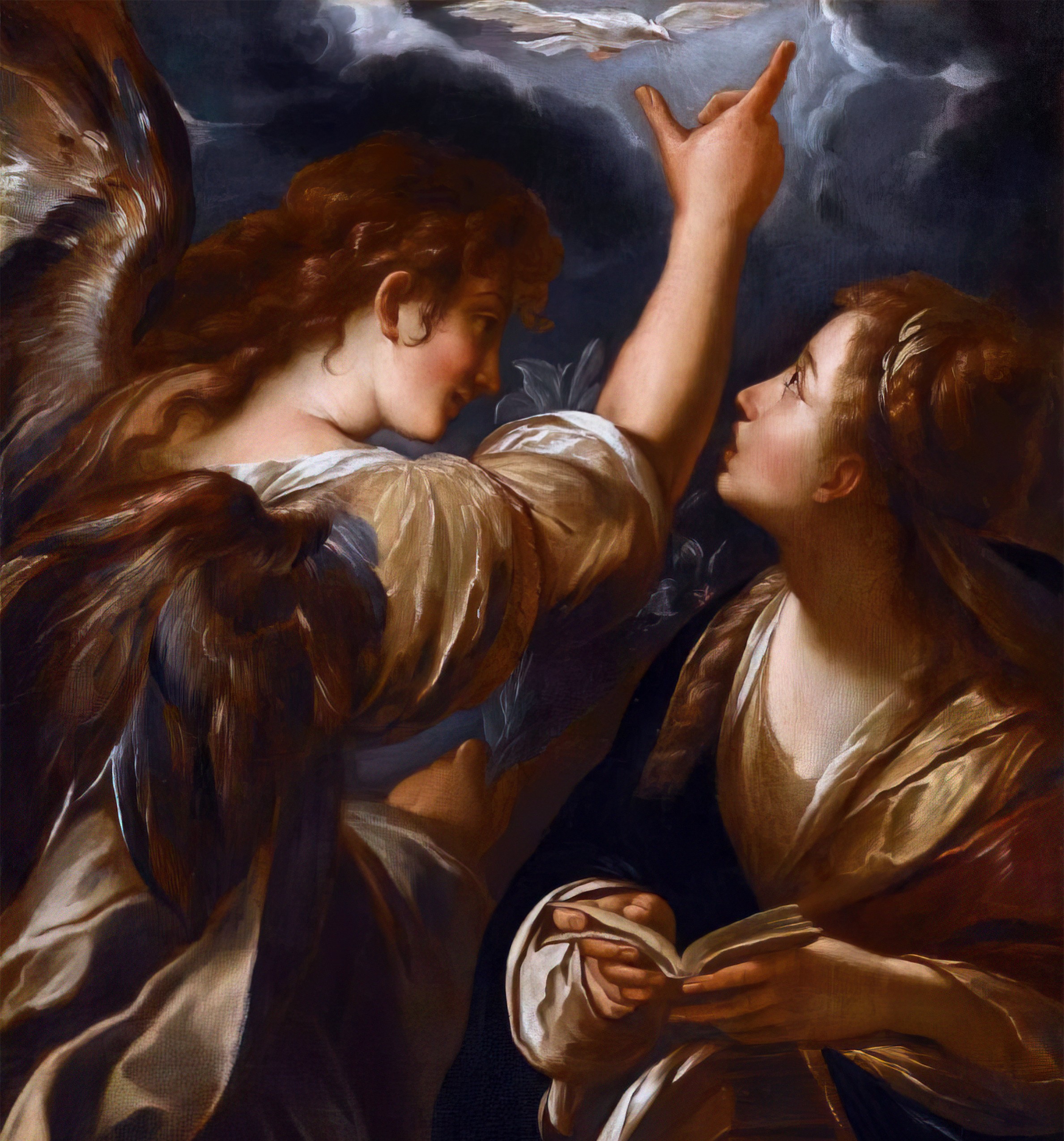
Instead, the promised Messiah would come through a poor and humble maiden. The Savior of the world would enter that world as we all do, as a helpless infant. He would live faithfully with his family and grow among God’s people, not so that God could know us better, (He already knows every hair on our heads, after all) but so that we could know Him better. God became human so that humans could grow closer to God. And the plan began through the message of an angel.

As young Mary responds to Gabriel’s message, her answer reveals just how unexpected God’s plan is. This simple maiden promptly departs to visit her cousin, and as Elizabeth greets her proclaims the beautiful and ageless Magnificat we hear in today’s Gospel. In her prayer, the glory, might, and riches which the world reveres are scattered, cast down, and sent away empty. While the humility, lowliness, and poverty which the world abhors are sheltered, lifted up, and fulfilled.

Time and again in Scripture, the truth that is revealed turns common, worldly understanding on its ear. Jesus’ call was revolutionary then, and it remains revolutionary now: love those who hate you; forgive over and over again, even when no apology is offered; seek less power and more servitude; turn the other cheek; be merciful; be different; be the light that stuns the darkness; be the hope that startles despair. As was Gabriel’s message to the young maiden, be unexpected.

Perhaps most unexpected of all is that God – this glorious, all-powerful being who has made Himself known – gave this young woman the choice whether or not to participate in His plan of salvation. Young Mary could have said no. And He still gives us the freedom to choose Him or not as well.

God is still reaching out to each of us as He did our Blessed Mother. We will not be asked to be the Ark of the New Covenant, but we are asked, as the Virgin Mary was, to recognize Him, trust Him, and follow Him. 

Contact the author


Al pueblo judío se le prometió un salvador, un mesías, y durante miles de años esperaron fielmente su llegada. Imaginaban a un rey poderoso y triunfante que descendía de lo alto, liderando un poderoso ejército que vengaría a su pueblo y sometería a sus opresores. Dios, autor de lo inesperado, tenía otros planes.

En cambio, el Mesías prometido vendría a través de una doncella pobre y humilde. El Salvador del mundo entraría en ese mundo como todos nosotros, como un bebé indefenso. Viviría fielmente con su familia y crecería en el pueblo de Dios, no para que Dios nos conociera mejor a nosotros (después de todo, ya conoce cada cabello de nuestra cabeza), sino para que nosotros pudiéramos conocerlo mejor a Él. Dios se hizo humano para que los seres humanos pudiéramos acercarnos a Él. Y el plan comenzó a través del mensaje de un ángel.

Cuando la joven María responde al mensaje de Gabriel, su respuesta revela cuán inesperado es el plan de Dios. Esta sencilla doncella parte de inmediato a visitar a su prima Isabel, y al saludarla, proclama el hermoso e intemporal Magníficat que escuchamos en el Evangelio de hoy. En su oración, la gloria, el poder y las riquezas que el mundo venera son dispersados, derribados y enviados fuera vacíos. Mientras que la humildad, la modestia y la pobreza que el mundo aborrece son protegidas, enaltecidas y colmadas.

Una y otra vez en las Escrituras, la verdad revelada trastoca la comprensión común y mundana. El llamado de Jesús fue revolucionario en ese entonces, y sigue siendo revolucionario hoy en día: amar a quienes te odian; perdonar una y otra vez, incluso sin que te pidan disculpas; buscar menos poder y más servidumbre; poner la otra mejilla; ser misericordioso; ser diferente; ser la luz que aturde la oscuridad; ser la esperanza que ahuyenta la desesperación. Como lo fue el mensaje de Gabriel a la joven doncella, sé inesperado.

Quizás lo más inesperado de todo es que Dios, este ser glorioso y todopoderoso que se ha dado a conocer, le dio a esta joven la opción de participar o no en su plan de salvación. La joven María podría haber dicho que no. Y Él todavía nos da la libertad de elegirlo o no.

Dios sigue extendiéndose a cada uno de nosotros como lo hizo con nuestra Santísima Madre. No se nos pedirá que seamos el Arca de la Nueva Alianza, pero sí se nos pide, como a la Virgen María, que lo reconozcamos, confiemos en Él y lo sigamos.

Comunicarse con la autora

Pamela Kavanaugh is a grateful wife, mother, and grandmother who has dedicated her professional life to Catholic education. Though she has done her very best to teach her students well in the subjects of language and religion, she knows that she has learned more than she has taught. She lives, teaches, and writes in southwest suburban Chicago.

Feature Image Credit: Giulio Cesare Procaccini, art.diocesan.com/stock-photo/annunciation-4163/

The views and opinions expressed in the Inspiration Daily blog are solely those of the original authors and contributors. These views and opinions do not necessarily represent those of Diocesan, the Diocesan staff, or other contributors to this blog.

A Burr in the Saddle / Una espina en el zapato

Jesus really is a burr in the saddle of the authority of his time. The scribes and Pharisees are so secure in their position of high-standing and so assured of their own wisdom, yet here is this nobody from Nazareth telling them that they are getting it all wrong. And worse yet, supposedly there are tax collectors and prostitutes who are getting it right.

These ancient leaders in the faith are so focused on the implementation of the Law that they have lost sight of the Author of the Law. They are not trying to prove that Jesus is their long-awaited Messiah. Instead, they are trying to prove he is not. The arrival of the Messiah threatens their position in the world, and they will not surrender their authority easily. Like the second son in today’s Gospel, they say the right things, but their actions don’t back it up. Sadly, when all that their people had hoped for for centuries finally comes to pass, they do not recognize Him. 

But the lost see Him. The broken and despairing see Him. Like the first son, they may have rejected the idea of a Savior at first, but when He arrives, their hearts turn, and they follow Him.

As we read the Gospel today, it can be easy to write off those chief priests and elders as the villains of a centuries-old story. But no word of Scripture is wasted. We don’t hear of their missteps to add a bit of drama to the story of salvation. We hear about these leaders, the scribes and the Pharisees, because we need to hear about them. Theirs is a cautionary tale. It is a heart check.

Where are our hearts today? We may faithfully stick to our prayer routine, attend Mass every Sunday and then some, read and study the faith. In that, we are saying, “Yes, sir.” But have those beautiful actions moved fully into both our heads and our hearts? Are we living out the call to follow Jesus, to let Him see us, flaws and all? Are we humble enough to recognize how much we really need Him and brave enough to help others recognize the same?

And what about today’s lost, broken, and despairing? Are we humble enough to see ourselves in them, to see hope in them, and celebrate every hard-fought step of a redemption story with hope and surrender?

Perhaps we each need that burr in our saddle. We need that opportunity to recognize where we have grown complacent, where we have lost the thread of this beautiful faith we have been given to share. Yes, it may be uncomfortable to see in ourselves the foibles of the scribes and Pharisees, but what an opportunity to be like the social castaways in the story, to turn our hearts toward Him, see Him more clearly, and bask in the light of His boundless mercy. 

Contact the author


Jesús es realmente una espina en el zapato para la autoridad de su tiempo. Los escribas y fariseos están tan seguros de su posición de autoridad y de su propia sabiduría, pero aquí está este don nadie de Nazaret diciéndoles que están malinterpretando todo. Y peor aún, supuestamente hay recaudadores de impuestos y prostitutas que sí han entendido.

Estos antiguos líderes de la fe están tan centrados en la implementación de la Ley que han perdido de vista al Autor de la Ley. No intentan demostrar que Jesús es su Mesías tan esperado. En cambio, intentan demostrar que no lo es. La llegada del Mesías amenaza su posición en el mundo, y no cederán fácilmente su autoridad. Como el segundo hijo del Evangelio de hoy, dicen lo correcto, pero sus acciones no lo respaldan. Tristemente, cuando todo lo que su pueblo había esperado durante siglos finalmente se cumple, no lo reconocen.

Pero los perdidos lo sí lo reconocen. Los quebrantados y desesperados sí lo reconocen. Al igual que el primogénito en el Evangelio, al principio pudieron haber rechazado la idea de un Salvador, pero cuando llega, sus corazones se transforman y lo siguen.

Al leer el Evangelio de hoy, es fácil descartar a esos sumos sacerdotes y ancianos como los malos de una historia antigua. Pero ninguna palabra de la Escritura se desperdicia. No oímos hablar de sus errores para añadir un poco de dramatismo a la historia de la salvación. Oímos hablar de estos líderes, los escribas y los fariseos, porque necesitamos saber de ellos. Su historia es una advertencia. Es un examen de conciencia.

¿Dónde está nuestro corazón hoy? Podemos apegarnos fielmente a nuestra rutina de oración, asistir a misa todos los domingos y quizás unos días entre semana, leer y estudiar la fe. Con eso, decimos: “Sí, señor”. Pero ¿esas hermosas acciones han tocado fondo en nuestra mente y en nuestro corazón? ¿Estamos viviendo el llamado a seguir a Jesús, a dejar que Él nos vea, con nuestros defectos y todo? ¿Somos lo suficientemente humildes para reconocer cuánto lo necesitamos realmente y lo suficientemente valientes para ayudar a otros a reconocer lo mismo? ¿Y qué hay de los perdidos, quebrantados y desesperados de hoy? ¿Somos lo suficientemente humildes para reconocernos en ellos, para ver esperanza en ellos y celebrar con esperanza y entrega cada paso de la historia de la redención, recorrida con esfuerzo y entrega?

Quizás cada uno de nosotros necesitamos una espina en el zapato. Necesitamos esa oportunidad para reconocer dónde nos hemos vuelto complacientes, dónde hemos perdido el hilo de esta hermosa fe que se nos ha dado para compartir. Sí, puede ser incómodo ver en nosotros mismos las debilidades de los escribas y fariseos, pero qué gran oportunidad para ser como los marginados de la historia, para volver nuestro corazón hacia Él, verlo con más claridad y disfrutar de la luz de su infinita misericordia.

Comunicarse con la autora

Pamela Kavanaugh is a grateful wife, mother, and grandmother who has dedicated her professional life to Catholic education. Though she has done her very best to teach her students well in the subjects of language and religion, she knows that she has learned more than she has taught. She lives, teaches, and writes in southwest suburban Chicago.

Feature Image Credit: Milos Lopusina, https://unsplash.com/photos/a-close-up-of-a-flower-with-a-blurry-background-33hWhs61l0o

The views and opinions expressed in the Inspiration Daily blog are solely those of the original authors and contributors. These views and opinions do not necessarily represent those of Diocesan, the Diocesan staff, or other contributors to this blog.

See For Yourselves / Vean por sí mismos

“It smells like it’s gonna snow.” If you haven’t lived in a four-season climate, that comment may sound strange, but those who have experienced winter know the distinct fragrance that tells them what’s coming. As the seasons change, there is a change in the air. The frozen ground of winter smells different than it does as it thaws in the spring, and the warm, heavy air of summer gives way to the cooler, crisper perfume of fall.

The grace of living in four seasons is that each year we see a stunning display of the cycle of life: the new birth of spring, the full richness of summer, the harvest and grace of fall, and the quiet shutting down of winter. The greatest transition, though, happens as the cycle begins again.

By the end of winter, everything looks dead — heavy gray skies, scraggly bare trees, trodden brown grass peeking out in patches where remnants of dirty snow have melted. But then, right around Easter time (on this side of the equator), the world starts to come alive again. That melted snow has watered the ground, and dormant trees awaken to drink from it. Buds appear, then leaves and flowers. The grass gets green, birds sing, and the sun shines. 

Jesus tells us in Luke’s Gospel today, “When their buds burst open, you see for yourselves and know that summer is now near.” Every year is an allegory — there is life after death; God makes everything new. Jesus talks to his Apostles about “these things” taking place and they are not easy ones: the destruction of the temple, signs and persecutions. Then the Coming of the Son of Man. He seems to be reminding us that it will be difficult, hard things will happen, and sometimes things will get worse before they get better. We will all see our winter. But trust.

God keeps His promises, and He reveals himself to us in the very world He created and in Scripture. Jesus tells us, “Heaven and earth will pass away, but my words will not pass away.” Our call is to keep our eyes open and see what is unfolding. Just as that first green crocus pushing up through the snow tells us warmer days are coming, God will reveal Himself to us. There are signs. Notice them, and remember, no matter how hard the winter, spring is coming. Trust that the battle has already been won.  

Contact the author


“Huele a que va a nevar”. Si no han vivido en un clima de cuatro estaciones, ese comentario puede sonar extraño, pero quienes han experimentado el invierno conocen la fragancia distintiva que les anuncia lo que está por venir. Con el cambio de estaciones, se produce un cambio en el aire. El suelo helado del invierno huele diferente al descongelarse en primavera, y el aire cálido y denso del verano da paso al perfume más fresco y vigorizante del otoño.

La gracia de vivir en cuatro estaciones es que cada año presenciamos un despliegue impresionante del ciclo de la vida: el renacimiento de la primavera, la plenitud del verano, la cosecha y la gracia del otoño, y el tranquilo final del invierno. Sin embargo, la mayor transición ocurre cuando el ciclo comienza de nuevo.

Al final del invierno, todo parece muerto: cielos grises y densos, árboles desnutridos y desnudos, hierba marrón pisoteada que asoma en parches donde se han derretido los restos de la nieve sucia. Pero entonces, justo en la época de Pascua (a este lado del ecuador), el mundo comienza a cobrar vida de nuevo. La nieve derretida ha regado la tierra, y los árboles inactivos despiertan para beber de ella. Aparecen los brotes, luego las hojas y las flores. La hierba reverdece, los pájaros cantan y brilla el sol.

Jesús nos dice en el Evangelio de Lucas de hoy: “Cuando ven que empiezan a dar fruto [los árboles], saben que ya está cerca el verano”. Cada año es una alegoría: hay vida después de la muerte; Dios lo hace todo nuevo. Jesús habla a sus apóstoles sobre “las cosas que les he dicho” que están sucediendo, y no son fáciles: la destrucción del templo, las señales y las persecuciones. Luego, la venida del Hijo del Hombre. Parece recordarnos que será difícil, que ocurrirán cosas difíciles, y que a veces las cosas empeorarán antes de mejorar. Todos veremos nuestro invierno. Pero confíen.

Dios cumple sus promesas y se nos revela en el mundo que creó y en las Escrituras. Jesús nos dice: “Podrán dejar de existir el cielo y la tierra, pero mis palabras no dejarán de cumplirse”. Nuestro llamado es mantener los ojos abiertos y ver lo que está sucediendo. Así como el primer azafrán verde que brota entre la nieve nos anuncia la llegada de días más cálidos, Dios se revelará a nosotros. Hay señales. Obsérvalas y recuerda: por muy duro que sea el invierno, la primavera está llegando. Confía en que la batalla ya está ganada.

Comunicarse con la autora

Pamela Kavanaugh is a grateful wife, mother, and grandmother who has dedicated her professional life to Catholic education. Though she has done her very best to teach her students well in the subjects of language and religion, she knows that she has learned more than she has taught. She lives, teaches, and writes in southwest suburban Chicago.

Feature Image Credit: Myriams Fotos, pexels.com/photo/flower-growing-through-snow-on-ground-15021740/

The views and opinions expressed in the Inspiration Daily blog are solely those of the original authors and contributors. These views and opinions do not necessarily represent those of Diocesan, the Diocesan staff, or other contributors to this blog.
Taken or Left? / ¿Tomado o abandonado?

Taken or left? Which is better? Jesus offers insight in the last line of today’s Gospel. The Apostles ask Him where these people will be taken, and Jesus answers, “Where the body is, there also the vultures will gather.” Not good.

Noah heard the voice of God; he tried to reach the others, but they were too busy living to listen. When the flood came, they were swept away, taken, and Noah and his family were spared, left, to live in new relationship with God. Lot heard Him in Sodom; he warned others, but they were swept away in a river of fire and brimstone, and he was left to a new journey. The wicked are taken to death where the vultures gather, and the righteous are left to seek God in a new life.

So “left” it is. Now, how?

Two are sleeping; one is taken, and one is left. Two are grinding meal; one is taken, and one is left. Clearly it was not the sleeping nor the toiling that decided each person’s fate but something else. God knows what we can’t — the hearts of the sleepers and the toilers.

If a benevolent king handed two people a key and said, “Keep your eye on this key for five minutes, then I will return and you may use it to unlock great riches,” they’d each keep their eyes on that key. But what if the time element were removed? “Keep your eye on this key. I will return, and you may use it to unlock great riches.” Five minutes pass, ten, an hour, a day, a week, a month, a year — would it be harder for them to keep their eyes focused on the key? Yes. Distraction creeps in, perhaps doubt. Will this guy ever come back?

So, one person puts the key down and goes off to live his life. The other lives his life, too, but always keeps the key with him — pats his pocket, there it is; lays it in the night table, there it is. Finally, decades later, the king returns looking for the keys. The person who doubted and became distracted has lost the key, but the one who trusted and kept his focus on the key takes it from his pocket and holds it out to the king. The former is swept away in a frenzied search for what he lost. The latter is left with the king, the key, and the riches it unlocks.

Jesus will come again. He promised He would, and He keeps His promises. But chances are that we will each meet our own end before we face the world’s end. Either way, we need to be ready. The world demands our attention, but it must not command all our attention. Eat, drink, marry, buy, sell, plant, build, but keep your eye on what matters most. Seek God’s will, trust Him, live fully and gratefully. Be ready. Be “left” to see the glory of what comes next.

Contact the author


¿Tomado o abandonado? ¿Cuál es mejor? Jesús ofrece una perspectiva en la última línea del Evangelio de hoy. Los apóstoles le preguntan dónde sucederá eso, y Jesús responde: “Donde hay un cadáver, se juntan los buitres”. Que feo.

Noé oyó la voz de Dios; intentó llevar su mensaje a los demás, pero estaban demasiado ocupados viviendo para escuchar. Cuando llegó el diluvio, fueron arrastrados, tomados, y Noé y su familia fueron salvados, abandonados, para vivir en una nueva relación con Dios. Lot lo escuchó en Sodoma; advirtió a otros, pero fueron arrastrados por un río de fuego y azufre, y él fue abandonado para empezar un nuevo camino. Los malvados son tomados a la muerte donde se juntan los buitres, y los justos son abandonados para buscar a Dios en una nueva vida.

Así que “abandonado” es el ganador. Ahora bien, ¿cómo se logra?

Dos duermen; uno es tomado y otro abandonado. Dos están moliendo; uno es tomado y otro abandonado. Claramente no fue el dormir ni el trabajar lo que decidió el destino de cada persona, sino algo más. Dios conoce lo que nosotros no podemos conocer: los corazones de los que duermen y los que trabajan.

Si un rey benévolo les diera una llave a dos personas y les dijera: “No se pierdan esta llave por cinco minutos, luego regresaré y podrán usarla para abrir grandes riquezas,” cada uno la cuidaría atentamente. Pero ¿si se eliminara el factor tiempo? “No se pierdan esta llave. Regresaré y podrán usarla para abrir grandes riquezas”. Pasan cinco minutos, diez, una hora, un día, una semana, un mes, un año… ¿les sería más difícil cuidar atentamente la llave? Sí. Llegan las distracciones, tal vez la duda, y empiezan a preguntarse ¿Volverá algún día este hombre?

Así que uno deja la llave y se va a vivir su vida. El otro también vive la suya, pero siempre lleva la llave consigo: toca el bolsillo y ahí está. La deja en la mesita de noche y ahí está. Finalmente, décadas después, el rey regresa buscando las llaves. El que dudó y se distrajo perdió la llave, pero el que confió y la cuidó atentamente la saca del bolsillo y se la ofrece al rey. El primero va corriendo en una búsqueda frenética de lo perdido. El segundo se queda con el rey, la llave y las riquezas que abre.

Jesús volverá. Prometió que lo haría y cumple sus promesas. Pero lo más probable es que cada uno de nosotros llegue al fin de nuestras vidas antes de enfrentar el fin del mundo. Sea como sea, debemos estar preparados. El mundo exige nuestra atención, pero no debe acaparar toda nuestra atención. Come, bebe, cásate, compra, vende, planta, construye, pero mantén la vista puesta en lo que más importa. Busca la voluntad de Dios, confía en Él, vive con plenitud y gratitud. Prepárate. Déjate “abandonar” para ver la gloria de lo que está por venir.

Comunicarse con la autora

Pamela Kavanaugh is a grateful wife, mother, and grandmother who has dedicated her professional life to Catholic education. Though she has done her very best to teach her students well in the subjects of language and religion, she knows that she has learned more than she has taught. She lives, teaches, and writes in southwest suburban Chicago.

Feature Image Credit: Jametlene Reskp, unsplash.com/photos/a-man-sitting-on-top-of-a-rock-near-the-ocean-Uw4RIhZJ2C4

The views and opinions expressed in the Inspiration Daily blog are solely those of the original authors and contributors. These views and opinions do not necessarily represent those of Diocesan, the Diocesan staff, or other contributors to this blog.
Repent – Judgement or an Invitation? / Arrepentirse: ¿juicio o una invitación?

They had it coming, right? Those Galileans and the poor chaps standing too close to the tower in Siloam? At the time of Jesus, that was the understanding: be holy and good things happen to you; be less than holy and look out for falling towers. But Jesus, once again, turned their understanding on its ear.

Were these Galileans greater sinners? No. Were the eighteen who died when the tower fell more guilty than everyone else? No. And then it gets harder to hear: “if you do not repent”, He warns them, – ready or not – “you will all perish as they did”. Just as he urges them to repent, He urges us to also.

The call to repentance is not one we like to hear, and it’s not one we generally believe we need. That other guy over there, clearly, he needs to repent, but I’m good, right? 

The word “sin” is a loaded one. Calling something a “sin” is often seen as harsh and condescending rather than what it is – anything that pulls us away from God, that draws our attention downward into ourselves, or has a negative effect on our relationship with God. That “offense against reason, truth, and right conscience,” that “failure in genuine love for God and neighbor caused by a perverse attachment to certain goods” (CCC 1849) has a name; it is called sin. It is no more a judgement for you to call my selfishness a sin than it is for you to call broccoli a vegetable. It simply is what it is. And, since sin “wounds the nature of man and injures human solidarity” (CCC 1849), it seems like a good idea to recognize it.

In today’s Gospel, Jesus urges us to stop looking to the sins of those around us and instead recognize our own roadblocks and challenges. His call to change is difficult, but in the next breath our Savior offers hope; he offers a parable on mercy. 

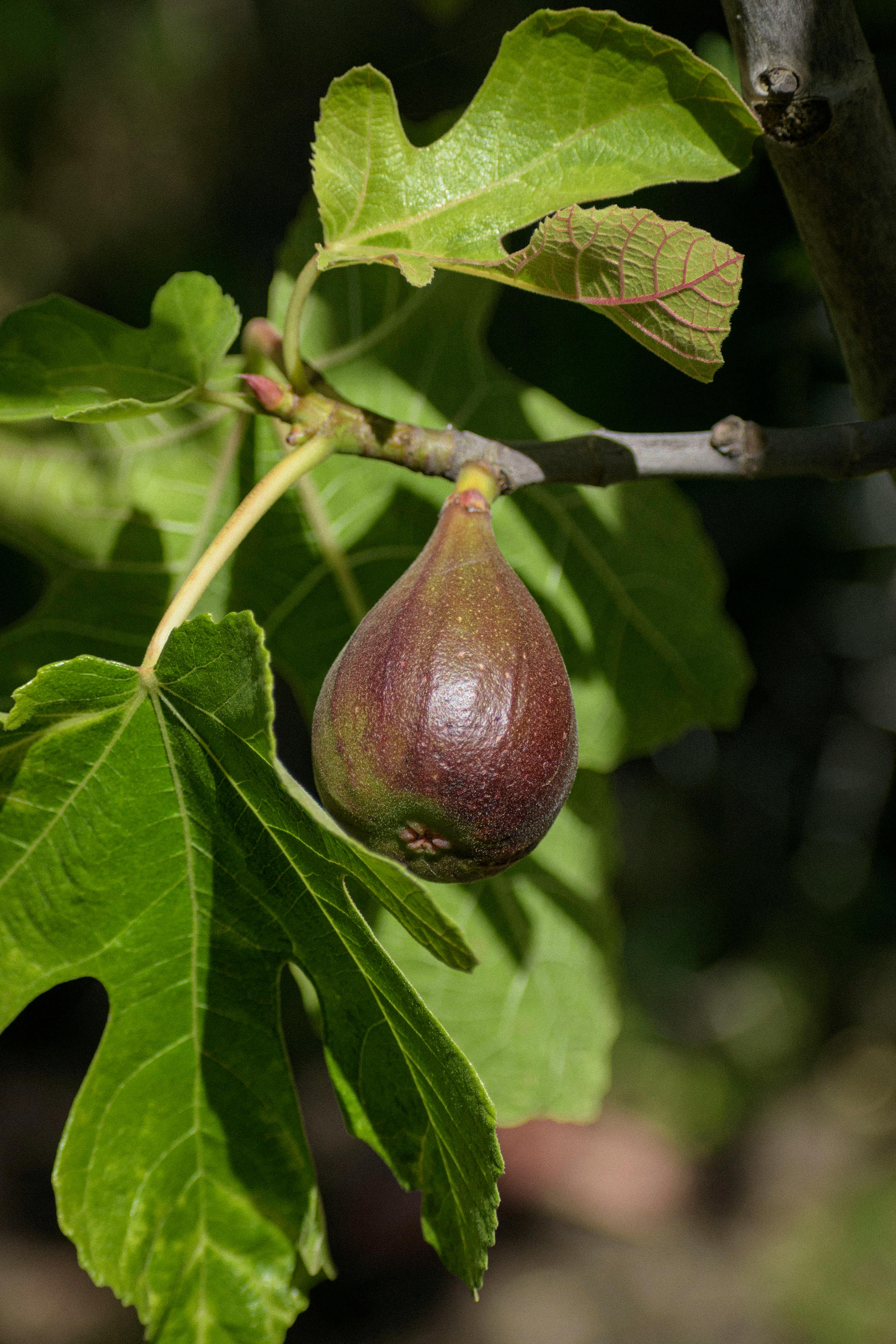
The gardener steps in to champion the fruitless fig tree. He asks for time to cultivate the soil around it, to fertilize the soil, and to urge from the tree new fruit. “Repent,” he seems to urge the fig tree. Surrender your heart to the care of the gardener and bear good fruit.

As long as we draw breath there is always time to turn our hearts toward the Son and grow. Whether our obstacles are large or small, grappling with each is a tilling of the soil, a tilling of the soul, that will make our lives richer and more abundant. Repent, not because you’re a bad, hopeless tree, but because you were created to be so much more. 

By admitting that we struggle with sin, we can recognize it for what it is and take the first steps toward breaking free of it. The call to repentance is not a judgement of how horrible we are but rather an invitation to become as glorious as we are intended to be.

Contact the author


Se lo merecían, ¿verdad? ¿Esos galileos y los pobres hombres que estaban demasiado cerca de la torre de Siloé? En tiempos de Jesús, ese era el entendimiento: sean santos y les sucederán cosas buenas; sean menos santos y tengan cuidado con las torres que se caen. Pero Jesús, una vez más, volteó su entendimiento de las cosas.

¿Eran estos galileos peores pecadores? No. ¿Eran los dieciocho que murieron cuando la torre cayó más culpables que los demás? No. Y luego se hace más difícil escuchar: “si ustedes no se arrepienten”, les advierte, estén listos o no, “perecerán de manera semejante”. Así como los insta a arrepentirse, nos insta a nosotros también.

El llamado al arrepentimiento no es algo que nos guste escuchar, y no es uno que generalmente creamos que necesitamos. Ese otro hombre por allá, claramente, necesita arrepentirse, pero yo estoy bien, ¿verdad?

La palabra “pecado” tiene un significado pesado. Llamar a algo “pecado” a menudo se percibe como algo duro y condescendiente, en lugar de lo que es: cualquier cosa que nos aleja de Dios, que nos lleva a centrarnos en nosotros mismos o que tiene un efecto negativo en nuestra relación con Dios. Esa “falta contra la razón, la verdad, la recta conciencia; es faltar al amor verdadero para con Dios y para con el prójimo a causa de un apego perverso a ciertos bienes” (CIC 1849) tiene un nombre: se llama pecado. No es un juicio que llames pecado a mi egoísmo, como tampoco lo es que llames al brócoli una verdura. Simplemente es lo que es. Y, dado que el pecado “[h]iere la naturaleza del hombre y atenta contra la solidaridad humana” (CIC 1849), parece buena idea reconocerlo.

En el Evangelio de hoy, Jesús nos insta a dejar de fijarnos en los pecados de quienes nos rodean y, en cambio, a reconocer nuestros propios obstáculos y desafíos. Su llamado a cambiar es difícil, pero a continuación nuestro Salvador ofrece esperanza; ofrece una parábola sobre la misericordia. 

El jardinero interviene para defender a la higuera infructuosa. Pide tiempo para cultivar la tierra que la rodea, fertilizarla y obtener nuevos frutos del árbol. “Arrepiéntete”, parece instar a la higuera. Entrega tu corazón al cuidado del jardinero y darás buen fruto.

Mientras respiremos, siempre hay tiempo para volver nuestro corazón hacia el Hijo y crecer. Sean grandes o pequeños nuestros obstáculos, lidiar con cada uno es labrar la tierra, labrar el alma, que enriquecerá y hará nuestras vidas más abundantes. Arrepiéntete, no porque seas un árbol malo y sin esperanza, sino porque fuiste creado para ser mucho más.

Al admitir que luchamos con el pecado, podemos reconocerlo por lo que es y dar los primeros pasos para liberarnos de él. El llamado al arrepentimiento no es un juicio de lo horribles que somos, sino una invitación a alcanzar la gloria que estamos destinados a alcanzar.

Comunicarse con la autora

Pamela Kavanaugh is a grateful wife, mother, and grandmother who has dedicated her professional life to Catholic education. Though she has done her very best to teach her students well in the subjects of language and religion, she knows that she has learned more than she has taught. She lives, teaches, and writes in southwest suburban Chicago.

Feature Image Credit: Monse Olmos, pexels.com/photo/close-up-of-a-fig-on-a-branch-14448477/

The views and opinions expressed in the Inspiration Daily blog are solely those of the original authors and contributors. These views and opinions do not necessarily represent those of Diocesan, the Diocesan staff, or other contributors to this blog.
Lift a Finger / Levantar el dedo

Woe. Woe to the Pharisees, woe to the scholars of the law. These leaders of their time surely believed they were among the least likely to deserve woe. They knew the Word of God, and it was their calling to preserve it. But they had lost their way. Arrogance had crept in and robbed their hearts of wisdom, and preservation of the law had become policing of the law. Jesus’ words, “but you yourselves do not lift one finger,” were not necessarily a condemnation but rather a beacon to light their path and help them find their way. Some followed His light and others were so blinded by their own authority that they sought to put him to death.

During the 2,000-year history of the Church Christ founded, those in authority have also lost their way at times. By God’s grace, though, we have had good men and women rise to the occasion and urge them home. Saints like Catherine of Sienna, Francis, Ignatius, and Philip Neri pushed back against the corruption of their time. Those who showed profound holiness and revealed a deeper understanding of the Catholic faith for the whole Church are honored with the title, Doctor of the Church. One of these courageous souls is celebrated today — St. Teresa of Jesus.

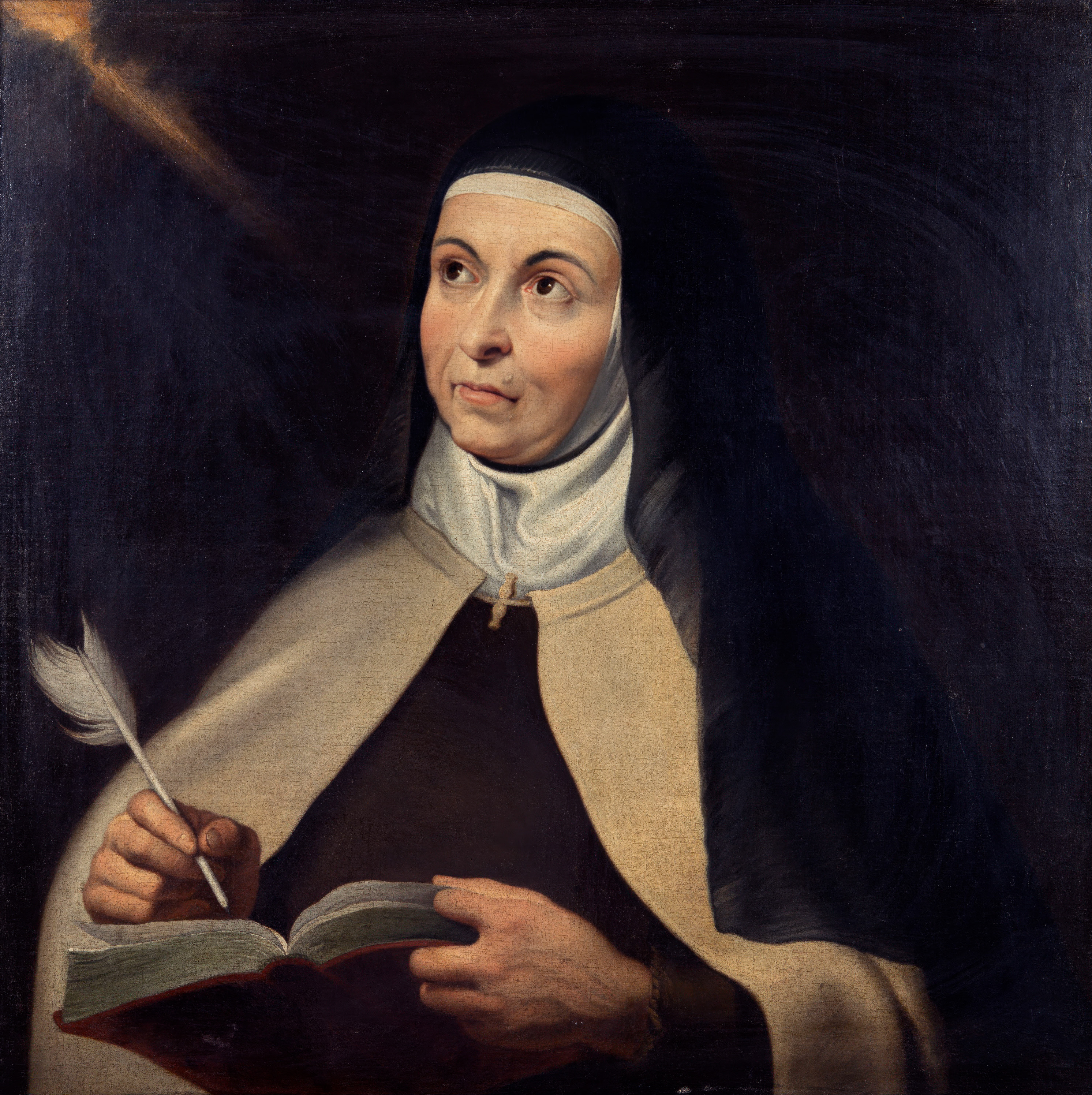
Also known as St. Teresa of Ávila, this important Saint was born in Avila, Spain, in 1515. Teresa arrived at a tumultuous time in history. Exploration had opened the Western hemisphere, Luther had ushered in his Reformation, which would not reform the Church but rather divide it, and the Spanish Inquisition was on the horizon.

Like so many of our great Saints, Teresa’s holiness was hard-fought and hard-earned. Lovely and charming, she was drawn to the trappings of her time, but by God’s grace, she forged a different path. Teresa directed her talents toward the true reformation of a hurting Church. Despite powerful opposition, she founded the Discalced Carmelites with St. John of the Cross. Their order urged a simpler, more contemplative way of life, and Teresa’s writings on the interior life and mental prayer have inspired millions to a deeper relationship with God.

As Teresa writes in Interior Castle, “For mental prayer in my opinion is nothing else than an intimate sharing between friends; it means taking time frequently to be alone with him who we know loves us. The important thing is not to think much but to love much and so do that which best stirs you to love. Love is not great delight but desire to please God in everything.”

Yes, the grace-filled burdens of faith can be hard to carry, but unlike the woeful Pharisees and scribes whom Jesus addresses in today’s Gospel, St. Teresa of Avila lifted a finger — a pen in fact — to touch those who strive to carry those burdens with love.

Contact the author


¡Ay! ¡Ay de los fariseos, ay de los doctores de la ley! Estos líderes de su tiempo seguramente creían que eran de los menos propensos a merecer la aflicción. Conocían la Palabra de Dios y su llamado era preservarla. Pero se habían extraviado. La arrogancia se había infiltrado y les había robado la sabiduría, y la preservación de la ley se había convertido en una forma de vigilarla. Las palabras de Jesús: “pero ustedes no las tocan ni con la punta del dedo”, no fueron necesariamente una condena, sino más bien un faro que les iluminaba el camino y les ayudaba a encontrarlo. Algunos siguieron su luz y otros estaban tan cegados por su propia autoridad que intentaron condenarlo a muerte.

Durante los 2000 años de historia de la Iglesia que Cristo fundó, quienes ostentaban autoridad también se han extraviado en ocasiones. Sin embargo, por la gracia de Dios, hemos tenido hombres y mujeres buenos que se han puesto a la altura de las circunstancias y los han animado a volver a casa. Santos como Catalina de Siena, Francisco, Ignacio y Felipe Neri se opusieron a la corrupción de su tiempo. Quienes demostraron una profunda santidad y revelaron una comprensión más profunda de la fe católica para toda la Iglesia son honrados con el título de Doctores de la Iglesia. Una de estas almas valientes es celebrada hoy: Santa Teresa de Jesús.

También conocida como Santa Teresa de Ávila, esta gran santa nació en Ávila, España, en 1515. Teresa llegó en un momento tumultuoso de la historia. La exploración había abierto el hemisferio occidental, Lutero había iniciado su Reforma, que no reformaría la Iglesia, sino que la dividiría, y la Inquisición española estaba en el horizonte.

Como tantos de los grandes santos, la santidad de Teresa fue una conquista ardua y difícil de alcanzar. Bella y encantadora, se sintió atraída por las trampas de su tiempo, pero por la gracia de Dios, forjó un camino diferente. Teresa dirigió sus talentos hacia la verdadera reforma de una Iglesia herida. A pesar de la fuerte oposición, fundó las Carmelitas Descalzas junto con San Juan de la Cruz. Su orden instaba a una vida más sencilla y contemplativa, y los escritos de Teresa sobre la vida interior y la oración mental han inspirado a millones de personas a una relación más profunda con Dios.

Como escribe Teresa en El Castillo Interior: “Porque la oración mental, en mi opinión, no es otra cosa que un intercambio íntimo entre amigos; significa tomarse tiempo frecuentemente para estar a solas con aquel que sabemos que nos ama. Lo importante no es pensar mucho, sino amar mucho, y así hacer lo que más te impulse a amar. El amor no es un gran deleite, sino el deseo de agradar a Dios en todo”.

Sí, las cargas de la fe, aunque llenas de gracia, pueden ser difíciles de llevar, pero a diferencia de los tristes fariseos y escribas a quienes Jesús se dirige en el Evangelio de hoy, Santa Teresa de Ávila levantó un dedo —una pluma, de hecho— para tocar a quienes se esfuerzan por llevar esas cargas con amor.

Comunicarse con la autora

Pamela Kavanaugh is a grateful wife, mother, and grandmother who has dedicated her professional life to Catholic education. Though she has done her very best to teach her students well in the subjects of language and religion, she knows that she has learned more than she has taught. She lives, teaches, and writes in southwest suburban Chicago.

Feature Image Credit: BALaT, creativecommons, art.diocesan.com/stock-photo/saint-teresa-of-avila-20294/

The views and opinions expressed in the Inspiration Daily blog are solely those of the original authors and contributors. These views and opinions do not necessarily represent those of Diocesan, the Diocesan staff, or other contributors to this blog.
Blessings or Woe? / ¿Bendiciones o aflicciones?

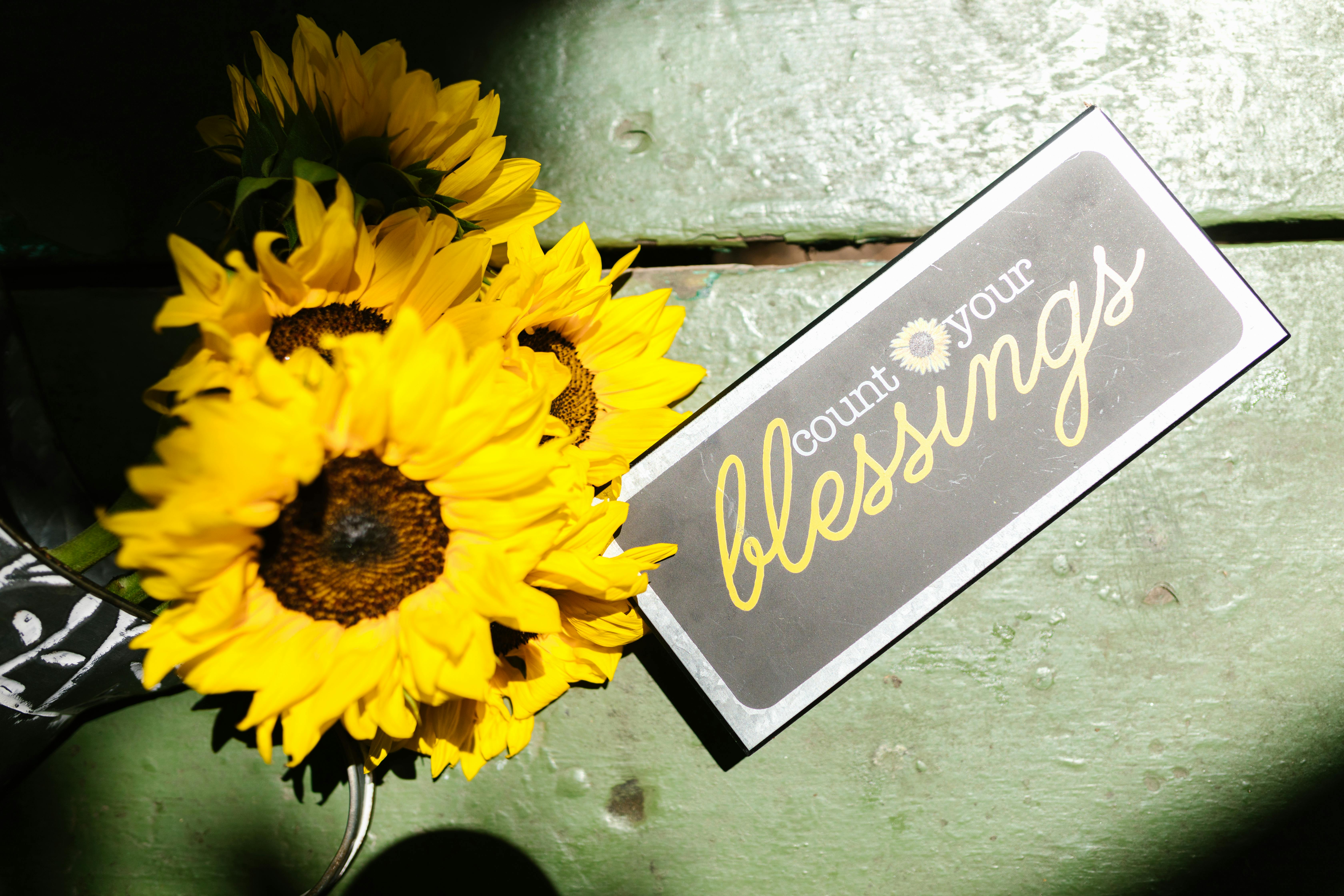
Jesus was revolutionary. His message repeatedly upended the status quo and called His followers to a whole new way of looking at things. Living in the grace of more than 2,000 years of Christian thought, we can forget that. But there He stood, delivering the Sermon on the Mount, describing the poor, hungry, weeping, hated, and insulted as blessed. “Leap for joy,” he tells them. Imagine being among the crowd hearing this for the very first time. What?

We may be more familiar with Matthew’s version of the Beatitudes which speaks of the poor in spirit, those who mourn, the meek, the merciful, etc. But Luke’s version, which we read today, also offers their counterparts. The rich, filled, consoled, laughing, and esteemed find woe. Again, what?

Is the Messiah telling us that to follow Him we must be miserable, and if we are happy in any way then we’re off track? Of course not. There is no greater source of joy than Jesus. Instead, both Evangelists record that Jesus ties the challenges of the Beatitudes to the people’s history. “Take heart,” He seems to say, “this call will not be an easy one.” Remember, though, that the greatest prophets were treated badly, and Luke includes the caution that false prophets reveled in their own glory. Ultimately, the key to living the Beatitudes lies in the purpose behind our sorrows and the cause of our joys.

Jesus is calling each of us to live for God first, even when it is difficult. And He is warning us against living for our own comforts. Essentially, where are our hearts? If our purpose in life is to faithfully follow God, then we may sacrifice some worldly comforts in order to reach that goal. Therein lies the blessing. But if our purpose in life is to be rich, full, popular, and well-liked, then we may sacrifice what we know is right in order to reach those goals. Therein lies the woe.

Every person reading this today has certainly experienced gifts and challenges across this spectrum – joy and sorrow, satisfaction and hunger, laughter and tears. Living the Beatitudes means offering each to Christ in faith. To live our poverty as a call to trust in His providence; to live our abundance as a call to be generous; to live our hunger as a call to be filled with Him; to live our feasting as a call to share. Are you joyful, well-liked or influential? Evangelize and proclaim the true source of our joy. Are you mourning, hated because of Christ or disparaged? Find hope and strength in the certainty of a greater purpose. 

Purpose, hope, strength, and certainty in Christ. All are blessings indeed.

Contact the author


Jesús fue revolucionario. Su mensaje volcaba repetidamente el statu quo y llamaba a sus seguidores a una perspectiva completamente nueva. Viviendo en la gracia de más de 2000 años de pensamiento cristiano, a veces nos olvidamos de eso. Pero allí estaba, predicando el Sermón del Monte, describiendo a los pobres, hambrientos, llorosos, aborrecidos e insultados como dichosos. “Salten de gozo”, les dice. Imaginen estar entre la multitud escuchando esto por primera vez. ¿Cómo?

Quizás estemos más familiarizados con la versión de Mateo de las Bienaventuranzas, que habla de los pobres de espíritu, los que lloran, los mansos, los misericordiosos, etc. Pero la versión de Lucas, que leemos hoy, también ofrece sus contrapartes. Los ricos, los que se hartan, los que se ríen y los alabados encuentran aflicción. De nuevo, ¿cómo?

¿Nos está diciendo el Mesías que para seguirlo debemos ser miserables, y que si somos felices de alguna manera, nos hemos desviado del camino? Claro que no. No hay mayor fuente de alegría que Jesús. En cambio, ambos evangelistas registran que Jesús vincula los desafíos de las Bienaventuranzas con la historia del pueblo. “Ánimo”, parece decir, “este llamado no será fácil”. Recordemos, sin embargo, que los grandes profetas fueron maltratados, y Lucas incluye la advertencia de que los falsos profetas se deleitaban en su propia gloria. En definitiva, la clave para vivir las Bienaventuranzas reside en el propósito de nuestras penas y la causa de nuestras alegrías.

Jesús nos llama a cada uno a vivir para Dios primero, incluso cuando sea difícil. Y nos advierte que no vivamos para nuestra propia comodidad. En esencia, ¿dónde está nuestro corazón? Si nuestro propósito en la vida es seguir fielmente a Dios, entonces podemos sacrificar algunas comodidades mundanas para alcanzar esa meta. Ahí reside la bendición. Pero si nuestro propósito en la vida es ser ricos, plenos, populares y queridos, entonces podríamos llegar a sacrificar lo que sabemos que es correcto para alcanzar esas metas. Ahí reside la aflicción. 

Cada persona que lee esto hoy sin duda ha experimentado dones y desafíos y muchas cosas entremedio: alegría y tristeza, satisfacción y hambre, risa y lágrimas. Vivir las Bienaventuranzas significa ofrecer cada una a Cristo con fe. Vivir nuestra pobreza como un llamado a confiar en su providencia; vivir nuestra abundancia como un llamado a ser generosos; vivir nuestro hambre como un llamado a llenarnos de Él; vivir nuestro festejo como un llamado a compartir. ¿Eres alegre, querido o influyente? Evangeliza y proclama la verdadera fuente de la alegría. ¿Estás de luto, odiado por Cristo o menospreciado? Encuentra esperanza y fortaleza en la certeza de un propósito mayor. 

El propósito, la esperanza, la fortaleza y la certeza en Cristo. Sin duda, todas son bendiciones.

Comunicarse con la autora

Pamela Kavanaugh is a grateful wife, mother, and grandmother who has dedicated her professional life to Catholic education. Though she has done her very best to teach her students well in the subjects of language and religion, she knows that she has learned more than she has taught. She lives, teaches, and writes in southwest suburban Chicago.

Feature Image Credit: RDNE Stock project, pexels.com/photo/sunflowers-and-a-card-8541360/

The views and opinions expressed in the Inspiration Daily blog are solely those of the original authors and contributors. These views and opinions do not necessarily represent those of Diocesan, the Diocesan staff, or other contributors to this blog.
Sorrow or Joy? / ¿Tristeza o alegría?

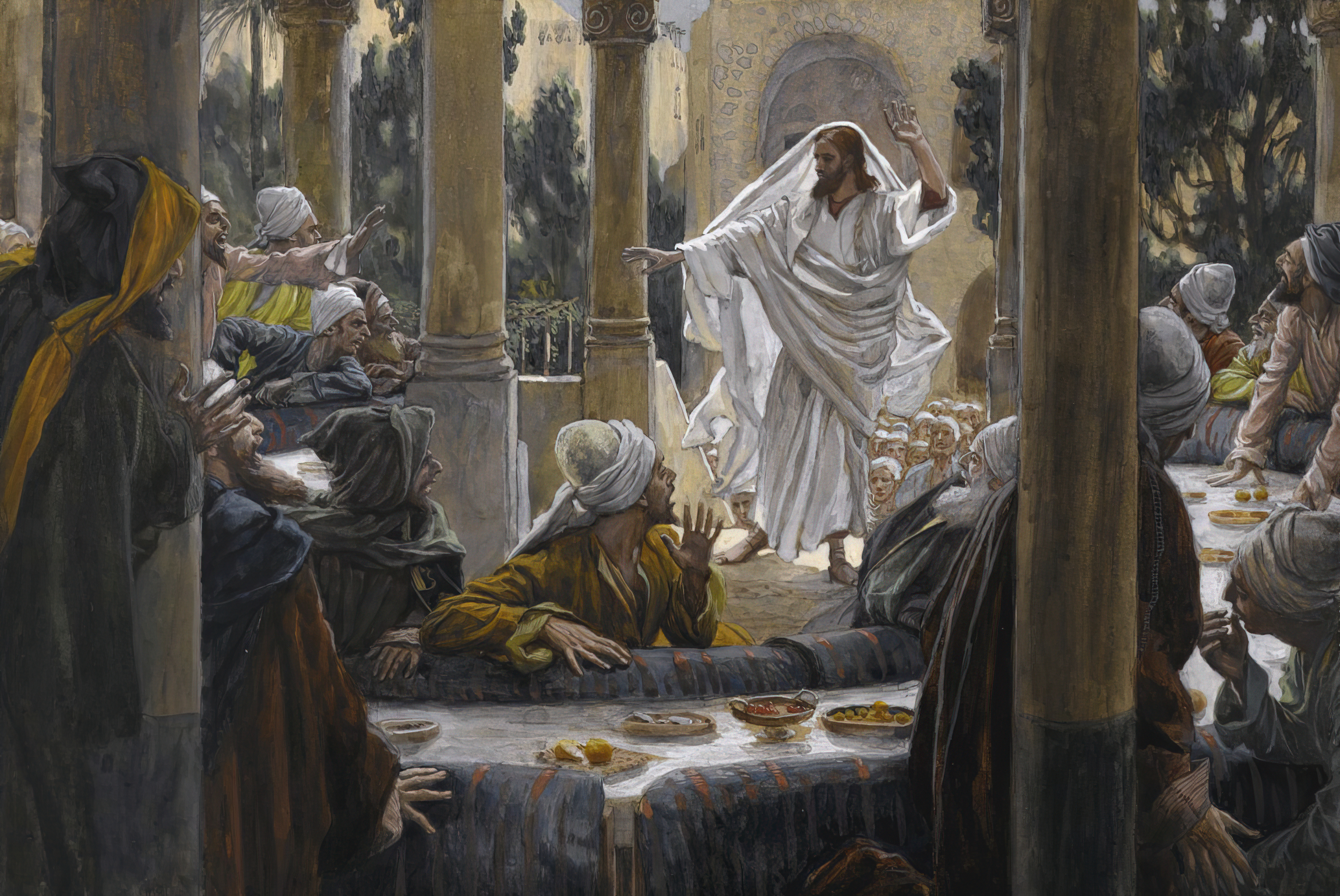
“Woe to you.” Those words are hard to hear under the best of circumstances, but imagine hearing them from the man people are calling the Son of God. The scribes and Pharisees are the clear antagonists in the story of the Gospels; they are the ones, after all, who would seek to have Jesus arrested and executed. We can sit from our centuries-later vantage point and boo the bad guys who got it so wrong. A better idea though, is to take a moment to consider if their story is also ours.

The officials of Jesus’ time believed they were doing the right thing. They thought Jesus was a blasphemer, a dangerous fake who was leading the people astray. They knew the Word of God. They knew the law, and they believed the Messiah would come. So why didn’t they recognize Him? Perhaps what they had to lose had become greater than what they had to gain.

For so many who encountered God-made-flesh, the arrival of the Messiah was a very welcome step up out of their brokenness. The poor, the sick, and the lost were fed, healed and found. For the scribes and Pharisees, though, accepting this Messiah was a humbling step down from their authority. 

If Jesus was who He said He was, then the scribes and Pharisees saw their power and influence falling away. These men had had the authority of God to guide His people, but in the wake of that privilege, they had become arrogant and lost their way. Slowly, subtly, left had become right, and up had become down. Swayed by their delight in their own holiness and superiority, the scribes and Pharisees had become blind to truth and susceptible to lies. Because of that distraction, the long-promised Savior had come, and they couldn’t see Him. 

If Jesus came back today, could we?

Like the scribes and Pharisees, we know in our heads that the Messiah is coming. We proclaim it every Sunday: “He will come again in glory to judge the living and the dead, and his Kingdom will have no end.” But do our hearts really believe that it could be today?

Jesus will come again. He will — maybe 2,000 years from now, maybe 20 minutes after you read this, but He is coming. If it is today, will we have the humility to receive Him? Let us pray that we will.

When Jesus comes again, may we be ready. May we have eyes that see Him, ears that hear Him, and hearts that know Him, as we fall to our knees like Thomas himself, saying, “My Lord, and my God.” Then, rather than “woe to you” at his coming, we may hear “joy to you!”

Contact the author


“¡Ay de ustedes!” Esas palabras son difíciles de escuchar incluso en las mejores circunstancias, pero imagínense oírlas del hombre al que la gente llama Hijo de Dios. Los escribas y fariseos son los claros antagonistas en la historia de los Evangelios; después de todo, ellos son quienes querían que Jesús fuera arrestado y ejecutado. Podemos sentarnos desde nuestra perspectiva, siglos después, y abuchear a los malvados que se equivocaron tanto. Sin embargo, es mejor pensar si su historia es también la nuestra.

Los funcionarios de la época de Jesús creían que hacían lo correcto. Pensaban que Jesús era un blasfemo, un impostor peligroso que estaba extraviando al pueblo. Conocían la Palabra de Dios. Conocían la ley y creían que el Mesías vendría. Entonces, ¿por qué no lo reconocieron? Quizás lo que tenían que perder se había vuelto mayor que lo que tenían que ganar.

Para muchos que se encontraron con Dios encarnado, la llegada del Mesías fue un grato paso adelante para salir de su quebrantamiento. Los pobres, los enfermos y los perdidos fueron alimentados, sanados y encontrados. Sin embargo, para los escribas y fariseos, aceptar a este Mesías fue un humillante paso atrás en cuanto a su autoridad.

Si Jesús era quien decía ser, entonces los escribas y fariseos vieron cómo su poder e influencia se desvanecían. Estos hombres habían tenido la autoridad de Dios para guiar a su pueblo, pero a raíz de ese privilegio, se habían vuelto arrogantes y se habían extraviado. Lenta y sutilmente, la izquierda se había convertido en derecha, y lo alto en bajo. Influenciados por el deleite en su propia santidad y superioridad, los escribas y fariseos se habían vuelto ciegos a la verdad y susceptibles a las mentiras. Debido a esa distracción, el Salvador prometido había llegado, y no podían verlo.

Si Jesús regresara hoy, ¿podríamos verlo nosotros?

Al igual que los escribas y fariseos, sabemos en nuestra mente que el Mesías viene. Lo proclamamos cada domingo: “De nuevo vendrá con gloria para juzgar a vivos y muertos, y su reino no tendrá fin”. Pero ¿creemos realmente en nuestro corazón que podría ser hoy?

Jesús volverá. Es un hecho—quizás dentro de 2000 años, quizás 20 minutos después de leer esta reflexión—, pero volverá. Si es hoy, ¿tendremos la humildad de recibirlo? Le pedimos a Dios que así sea.

Cuando Jesús regrese, que estemos preparados. Que tengamos ojos que lo vean, oídos que lo escuchen y corazones que lo conozcan, al caer de rodillas como el mismo Tomás, diciendo: “¡Señor mío y Dios mío!”. Entonces, en lugar de “¡Ay de ustedes!” a su venida, podremos oír “¡Alégrense!”

Comunicarse con la autora

Pamela Kavanaugh is a grateful wife, mother, and grandmother who has dedicated her professional life to Catholic education. Though she has done her very best to teach her students well in the subjects of language and religion, she knows that she has learned more than she has taught. She lives, teaches, and writes in southwest suburban Chicago.

Feature Image Credit: James Tissot, art.diocesan.com/stock-photo/curses-against-the-pharisees-1346/

The views and opinions expressed in the Inspiration Daily blog are solely those of the original authors and contributors. These views and opinions do not necessarily represent those of Diocesan, the Diocesan staff, or other contributors to this blog.

Ready or Not / Estemos listos o no

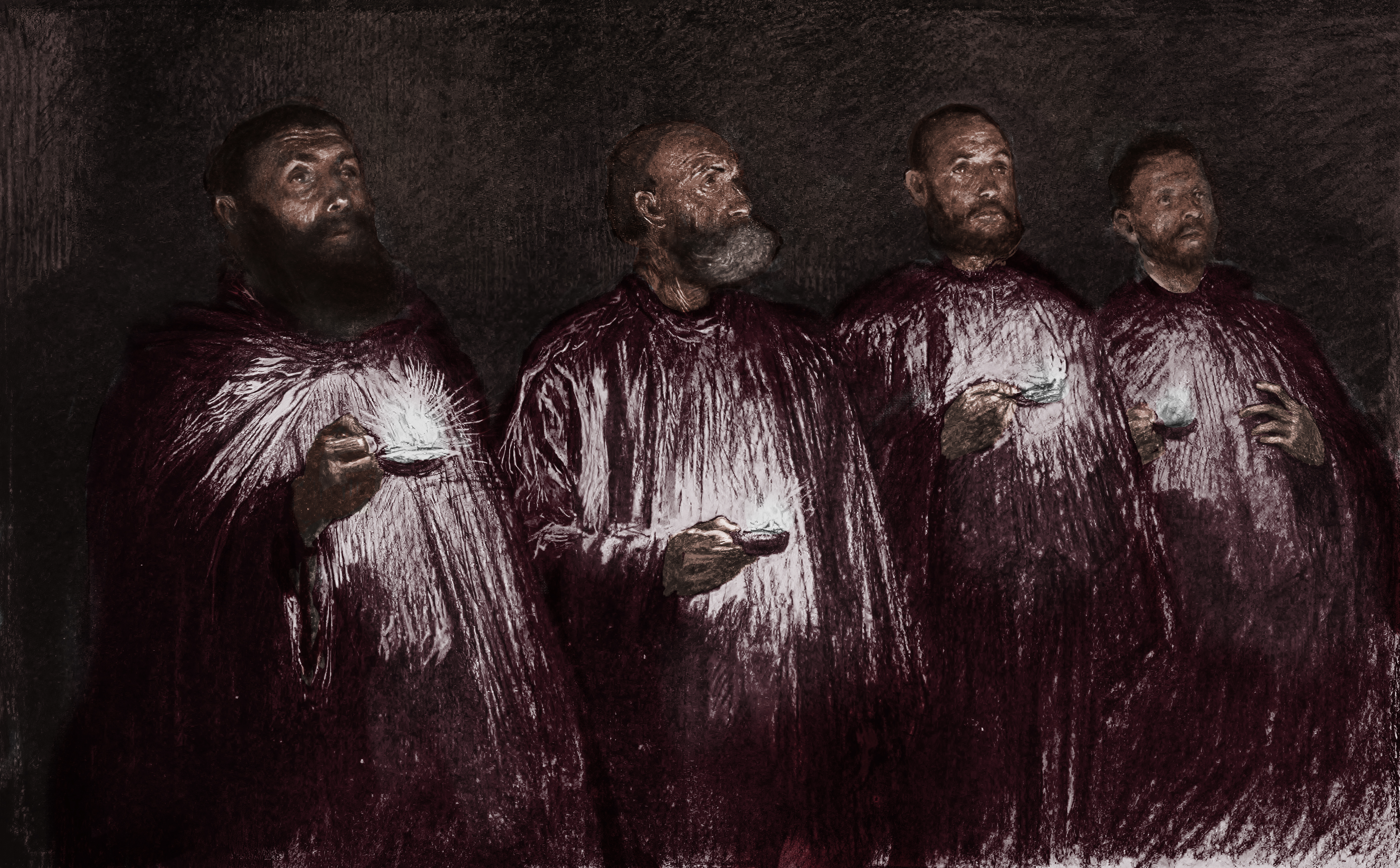
Be vigilant. Be ready. Be prepared. Jesus spoke clearly to His disciples and to all who heard Him. The head of the household will return, and those called to serve him must be ready. But, of course, Jesus wasn’t just talking about that household and those servants; He was preparing His followers, and us, to be ready for His own return.

Jesus had told them that He would rise from the dead, and He did. So, when He tells them that the Son of God will return one day, experience has taught them to trust Him. But when? Did they expect to see His glorious return in days? Weeks? Within their lifetime? When, Father? Two thousand years later, we are still asking, “When?” Give us a date, and we’ll put it in our calendars, and, by golly, we’ll be 100% ready. But it doesn’t work that way. 

You will not know the day nor the hour, but be ready. A challenging call.

Any Little League coach can tell us just how challenging it is to be ready. “Baseball ready!” that coach calls from the dugout to the eager little players on the field. And they respond: look at the batter, bend those knees, hands in front, glove ready, eye on the ball, here we go … oh, look! A butterfly! There’s the crack of the bat, and that poor kid has no idea where the ball went.

It is just as easy for us to take our collective eye off the ball. When our anticipation is not quickly satisfied, it is so easy to lose focus, to become distracted, to forget what is important. But Jesus is clear: Be vigilant. Be ready. Be prepared. 

It could be today. Just let that settle in for a moment. Jesus will come again as He promised, and it could be this afternoon. It could be any time this week, this month, or in our lifetimes. Or it could be another two thousand years from now. Jesus’ challenging call reminds us that ultimately the “when” doesn’t really matter, the readiness does: look to God, bend those knees in surrender to His will, hands in front in prayer, heart ready, eye on eternity. If we live the lives Christ calls us to live, we will be ready for Him, whenever He comes.

Those among the Little Leaguers who made it to the Big Leagues learned that they always had to be baseball-ready. The same is true for us if we hope to get “called up” in the most profound way possible. Jesus will return. Are we ready?

Contact the author


Estén atentos. Estén listos. Estén preparados. Jesús habló claramente a sus discípulos y a todos los que lo escucharon. El cabeza de familia regresará, y quienes sean llamados a servirle deben estar listos. Pero, por supuesto, Jesús no solo se refería a esa familia y a esos sirvientes; estaba preparando a sus seguidores, y a nosotros, para estar listos para su propio regreso.

Jesús les había dicho que resucitaría de entre los muertos, y así fue. Así que, cuando les dice que el Hijo de Dios regresará un día, la experiencia les ha enseñado a confiar en Él. Pero ¿cuándo? ¿Esperaban ver su glorioso regreso en días? ¿Semanas? ¿Durante su vida? ¿Cuándo, Padre? Dos mil años después, seguimos preguntando: “¿Cuándo?” Dennos una fecha, la anotaremos en nuestros calendarios y, ¡caramba!, estaremos 100% listos. Pero no funciona así.

No sabrán el día ni la hora, pero estén listos. Es un llamado desafiante.

Cualquier entrenador de las Ligas Infantiles puede decirnos lo difícil que es estar listo. “¡Listos para el béisbol!”, grita ese entrenador desde el dugout a los ansiosos jugadores en el campo. Y responden: miren al bateador, doblen las rodillas, manos al frente, guante listo, ojo en la pelota, ¡ahí vamos!… ¡Oh, miren! ¡Una mariposa! Se oye el crujido del bate, y ese pobre niño no tiene ni idea de adónde fue la pelota.

Es igual de fácil para nosotros apartar la vista de la pelota. Cuando nuestra anticipación no se satisface rápidamente, es muy fácil perder la concentración, distraerse, olvidar lo importante. Pero Jesús es claro: Estén atentos. Estén listos. Estén preparados.

Podría ser hoy. Reflexionen en eso por un momento. Jesús volverá como prometió, y podría ser esta tarde. Podría ser en cualquier momento de esta semana, este mes o durante nuestras vidas. O podría ser otros dos mil años más. El llamado desafiante de Jesús nos recuerda que, en última instancia, el “cuándo” no importa, sino la preparación: mirar a Dios, doblemos las rodillas en sumisión a su voluntad, con las manos al frente en oración, el corazón listo, la mirada puesta en la eternidad. Si vivimos como Cristo nos llama a vivir, estaremos listos para Él, cuando Él venga.

Quienes llegaron a las Grandes Ligas, entre los jugadores de las Ligas Infantiles, aprendieron que siempre debían estar listos para el béisbol. Lo mismo aplica para nosotros si esperamos ser “reclutados” de la manera más profunda posible. Jesús regresará. ¿Estamos listos?

Comunicarse con la autora

Pamela Kavanaugh is a grateful wife, mother, and grandmother who has dedicated her professional life to Catholic education. Though she has done her very best to teach her students well in the subjects of language and religion, she knows that she has learned more than she has taught. She lives, teaches, and writes in southwest suburban Chicago.

Feature Image Credit: Eugène Burnand, art.diocesan.com/stock-photo/the-vigilant-servants-14116/

The views and opinions expressed in the Inspiration Daily blog are solely those of the original authors and contributors. These views and opinions do not necessarily represent those of Diocesan, the Diocesan staff, or other contributors to this blog.