The Greatest Commandment / El Gran Mandamiento

Today’s Gospel appears in the early days of Holy Week when Jesus is preaching in Jerusalem and being questioned by the chief priests, scribes, and elders. The answer to today’s question, which is often referred to as the Greatest Commandment, is one any catechist might hear from their students during a lesson on the Ten Commandments.

We often recognize the Ten Commandments as the foundation of moral laws; however, they are not simply a list of rights and wrongs set to limit our freedom. They are the pathway to living in a loving relationship with God and as Jesus points out to the scribe, the first commandment brings us closer to God than any other. Every lesson begins and ends with God’s love for us and our ability to take that love and share it outward.

When teaching students about The Greatest Commandment, I have them cut a piece of paper into a circle and draw an image representing how we love God on one side. Then I ask them to flip it over and draw how we show love for our neighbor. This lesson helps children understand that this Commandment is like a two-sided coin. You cannot have one without the other. You cannot show love for God without also showing love for your neighbor. 

Our neighbor is all of humankind; every interaction we experience is an opportunity to Love. With love, we can soar to the highest heights. With love, we can share the deepest sorrow.  When our actions are rooted in love, when we are filled with love for God, that love pours out to one another.  

Children learn to say “I love you” primarily from their parents and they develop an understanding of what love is over the course of a thousand different interactions in their life. Indeed, to love is an action – great or small – that shows we want the best for another person, even above our own self-interests.  

But we live in a world that is quick to judge, quick to respond, and in some venues – especially online – we distance ourselves from recognizing that the words on the screen belong to a real person, another of God’s children, different from us, but same in that they are loved by God.  We all want to be seen, accepted and  loved. If we love our neighbor, then we must love them even and especially in the toughest, hardest moments of our lives and theirs, because this is the lesson’s final test. 

What would you draw on your two-sided coin to remind yourself of the Greatest Commandment? Meditate on the great love you have for God and be conscious of that love pouring from you today as you interact with others, even in the more difficult moments. 

Lord, in every opportunity, let me be mindful of my great love for You through my daily interactions. Help me to love my neighbor as I love You.

Contact the Author


El Evangelio de hoy se sitúa al comienzo de la Semana Santa, cuando Jesús predica en Jerusalén y es interrogado por los sumos sacerdotes, escribas y ancianos. La respuesta a la pregunta de hoy, a menudo nombrado el Gran Mandamiento, es una que cualquier catequista podría escuchar de sus alumnos durante una lección sobre los Diez Mandamientos.

Solemos reconocer los Diez Mandamientos como el fundamento de las leyes morales; sin embargo, no son simplemente una lista de lo correcto y lo incorrecto que limita nuestra libertad. Son el camino para vivir en una relación de amor con Dios y, como Jesús le indica al escriba, el primer mandamiento nos acerca a Dios más que ningún otro. Cada lección comienza y termina con el amor de Dios por nosotros y nuestra capacidad de recibir ese amor y compartirlo con los demás.

Cuando enseño a mis alumnos sobre el Gran Mandamiento, les pido que recorten un círculo de papel y dibujen en un lado una imagen que represente cómo amamos a Dios. Luego les pido que le den la vuelta y dibujen cómo mostramos amor al prójimo. Esta lección ayuda a los niños a comprender que este mandamiento es como una moneda de dos caras. No se puede tener uno sin el otro. No se puede demostrar amor a Dios sin demostrar también amor al prójimo.

Nuestro prójimo es toda la humanidad; cada interacción que experimentamos es una oportunidad para amar. Con amor, podemos alcanzar las mayores alturas. Con amor, podemos compartir el dolor más profundo. Cuando nuestras acciones están arraigadas en el amor, cuando estamos llenos de amor por Dios, ese amor se derrama hacia los demás.

Los niños aprenden a decir “Te amo” principalmente de sus padres y desarrollan una comprensión de lo que es el amor a lo largo de miles de interacciones diferentes en su vida. De hecho, amar es una acción —grande o pequeña— que demuestra que queremos lo mejor para otra persona, incluso por encima de nuestros propios intereses.

Pero vivimos en un mundo que juzga y responde con rapidez, y en algunos ámbitos —especialmente en línea— nos distanciamos de reconocer que las palabras en la pantalla pertenecen a una persona real, otro hijo de Dios, diferente a nosotros, pero igual en el sentido de que es amado por Dios. Todos deseamos ser vistos, aceptados y amados. Si amamos al prójimo, debemos amarlo incluso, y especialmente, en los momentos más difíciles de nuestras vidas y de las suyas, porque esta es la prueba final de la lección.

¿Qué dibujarías en tu moneda de dos caras para recordar el Gran Mandamiento? Medita en el gran amor que sientes por Dios y sé consciente de cómo ese amor emana de ti hoy al interactuar con los demás, incluso en los momentos más difíciles.

Señor, en cada oportunidad, permíteme ser consciente de mi gran amor por Ti a través de mis interacciones diarias. Ayúdame a amar a mi prójimo como te amo a Ti.

Comunicarse con la autora


Shelly Henley Kelly is a wife, mother of three, and native Texan who writes and records a podcast with her sister on Of Sound Mind and Spirit and is a regular contributor to Catholic Mom. When not writing or recording, Shelly can be found volunteering as a Youth Ministry Catechist, keeping the scorebook at her son’s baseball games, diving deep into historical research, or hiding with a good book in between games.

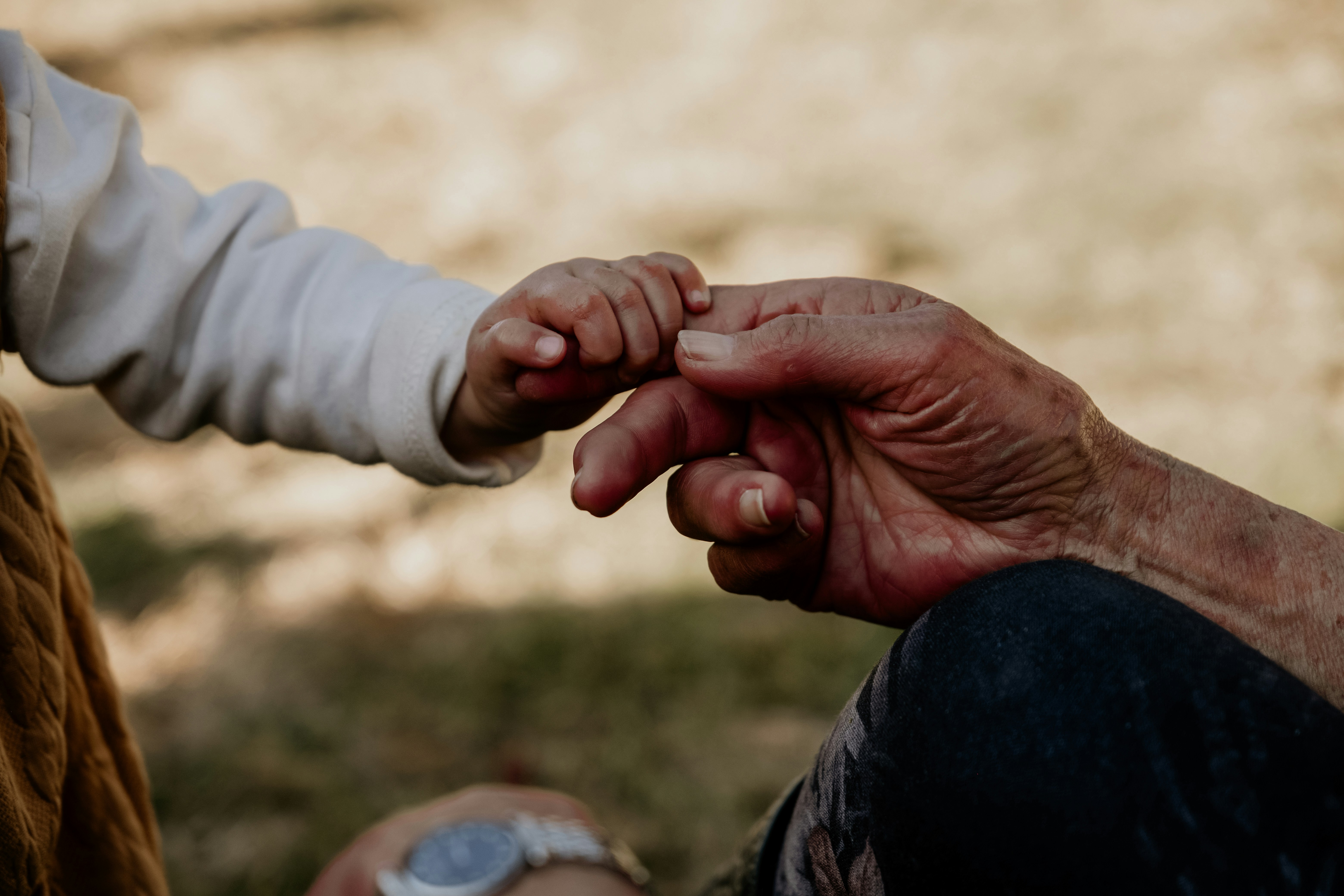
Feature Image Credit: Loume Visser, unsplash.com/photos/a-close-up-of-hands-shaking-KFtGgduiaN4

The views and opinions expressed in the Inspiration Daily blog are solely those of the original authors and contributors. These views and opinions do not necessarily represent those of Diocesan, the Diocesan staff, or other contributors to this blog.


Disregarding God’s Commandment / Despreciar el mandamiento de Dios

In today’s Gospel, Jesus calls out the Pharisees for holding tradition over the commandments. They would allow someone to desert their parents, leaving them destitute, because that person wanted to give their time, money, attention, and presence to serving God above taking care of their own family.

Over a decade ago, I attended an ACTS Retreat and encountered God in a personal way. Part of that encounter included a knowing, or calling, from God that one day the retreat would come to my parish and I would be one of its leaders. I waited patiently for five years, serving as my children’s catechist until that day arrived when what God spoke came to pass. 

Our first retreat required many weeks of meetings and preparation. One Sunday, we set up a registration table inviting parishioners to sign up. One of my church acquaintances politely declined, saying she’d been asked several times by mutual friends. She requested that I let the team know that she had no interest in being involved in any way with this retreat. Sensing a painful experience behind her answer, I gently asked if she would share with me the reason for her deeply rooted conviction.

She disclosed that for many years her husband’s family was very involved in this ministry at their home parish in another state. They were so involved that they routinely put serving on the retreat over being present for their family. As teenagers and young adults, she and her husband were wounded because his family would decline attending family activities in order to serve on the retreat teams and weekend events. 

While the parents saw it as honoring God, serving Him through serving others, their young adult children received the message that they were not important. This generated great resentment toward the retreat ministry, because it denied them their desired family experiences and activities.

I thanked her sincerely for sharing this information with me. Later, I carefully thought about what she’d said. Are we supposed to sacrifice our family so we can say we’re honoring the greatest commandment of loving God and loving others? Do we risk doing this sometimes when we choose to serve God in our Parish over loving and serving our families? I firmly resolved that when faced with this in the future, I would intentionally choose my family and children and their priorities over the retreat community. I pray my family recognizes the many times I’ve put them first.

Today, I invite you to carefully consider what traditions you hold onto that conflict with or require you to turn away from loving and serving your family. Ask the Holy Spirit to guide you in finding a healthy balance.

Contact the Author


En el Evangelio de hoy, Jesús critica a los fariseos por anteponer la tradición a los mandamientos. Permitían que alguien abandonara a sus padres, dejándolos en la indigencia, porque esa persona quería dedicar su tiempo, dinero, atención y presencia a servir a Dios por encima del cuidado de su propia familia.

Hace más de una década, asistí a un retiro de ACTS y tuve un encuentro personal con Dios. Parte de ese encuentro incluyó la certeza, o el llamado, de Dios de que un día el retiro llegaría a mi parroquia y yo sería uno de sus líderes. Esperé pacientemente durante cinco años, sirviendo como catequista de mis hijos, hasta que llegó ese día en que lo que Dios me había dicho se cumplió.

El primer retiro requirió muchas semanas de reuniones y preparación. Un domingo, instalamos una mesa de registro invitando a los feligreses a inscribirse. Una conocida de mi iglesia declinó cortésmente, diciendo que amigos en común le habían invitado varias veces. Me pidió que le hiciera saber al equipo que no tenía ningún interés en participar de ninguna manera en este retiro. Intuyendo una experiencia dolorosa tras su respuesta, le pregunté con delicadeza si podía compartir conmigo el motivo de su profunda convicción.

Me reveló que, durante muchos años, la familia de su esposo estuvo muy involucrada en este ministerio en su parroquia, ubicada en otro estado. Estaban tan involucrados que, con frecuencia, priorizaban el servicio en el retiro por encima de estar presentes para su familia. De adolescentes y jóvenes adultos, ella y su esposo se sintieron heridos porque su familia se negaba a asistir a las actividades familiares para servir en los equipos de retiro y los eventos de fin de semana.

Mientras que los padres lo veían como honrar a Dios, servirle a través del servicio a los demás, sus hijos, jóvenes adultos, recibían el mensaje de que no eran importantes. Esto generó un gran resentimiento hacia el ministerio de retiros, porque les negaba las experiencias y actividades familiares que deseaban.

Le agradecí sinceramente que compartiera esta información conmigo. Más tarde, reflexioné detenidamente sobre lo que había dicho. ¿Se supone que debemos sacrificar a nuestra familia para poder decir que honramos el mandamiento más importante de amar a Dios y amar al prójimo? ¿Nos arriesgamos a hacer esto a veces cuando elegimos servir a Dios en nuestra parroquia en lugar de amar y servir a nuestras familias? He decidido firmemente que, al enfrentarme a esto en el futuro, priorizaré a mi familia, a mis hijos y a sus necesidades por encima de la comunidad de retiro. Espero que mi familia reconozca las muchas veces que los he priorizado.

Hoy, los invito a considerar cuidadosamente cuáles tradiciones suyas entran en conflicto con su familia o les obligan a dejar de amarla y servirla. Pidan al Espíritu Santo que los guíe para encontrar un equilibrio saludable.

Comunicarse con la autora


Shelly Henley Kelly is a wife, mother of three, and native Texan who writes and records a podcast with her sister on Of Sound Mind and Spirit and is a regular contributor to Catholic Mom. When not writing or recording, Shelly can be found volunteering as a Youth Ministry Catechist, keeping the scorebook at her son’s baseball games, diving deep into historical research, or hiding with a good book in between games.

Feature Image Credit: kazuend, unsplash.com/photos/2-person-walking-on-the-street-0CHEC4_wX1I

The views and opinions expressed in the Inspiration Daily blog are solely those of the original authors and contributors. These views and opinions do not necessarily represent those of Diocesan, the Diocesan staff, or other contributors to this blog.

Make Me Clean / Cúrame

One weekend at the softball fields, while his sister played in an all-day tournament, my young son spent the day with other children in a sandbox. Before the last game he became aware of the grimy status of his outward appearance with the dirt of the day smudged across his face and hands. His little voice still rings out in my memory, “Mama, I dirty! Make me clean.” So I took him into the bathroom and, working with soap and water, gave him a good scrubbing with paper towels until we revealed a shiny clean face and hands.

Some years later, when it was time for my son to learn about the Sacrament of Reconciliation, I reminded him of this experience. In Confession, we go before the Lord with the dirt of our days clinging to our soul and we ask Him, “Lord make me clean.” We repent of our sinful ways, ask for forgiveness and healing, and promise to do better tomorrow. Jesus answers us the way He responds to the man with leprosy, “I do will it. Be made clean.”

When was the last time you sought Jesus in the sacrament of Reconciliation? Is it time to return? It doesn’t matter how much time has passed or what you’ve done in your life since the last time you went to Reconciliation. He waits patiently for us to notice our dirty hands and face, the smudged sin on our soul. He is there for us to seek him out, to humbly bow and ask for His forgiveness.

Come and ask Him, Lord if you wish, you can make me clean. There is nothing that we cannot ask Him for when we have true repentance. Come before Jesus. Approach Him with a contrite and humble heart and he will make you clean. 

Jesus, as I consider all the sores and stains of my sin, I truly repent and seek your forgiveness. If you wish, you can make me clean.

Contact the Author


Un fin de semana en los campos de sóftbol, ​​mientras su hermana jugaba en un torneo que duraba todo el día, mi hijo pequeño pasó el día con otros niños en un arenero. Antes del último partido, se dio cuenta de lo sucio que estaba su aspecto exterior, con la suciedad del día manchada en la cara y las manos. Su vocecita aún resuena en mi memoria: “¡Mami, ‘toy sucio! Límpiame”. Así que lo llevé al baño y, con agua y jabón, lo froté bien con papel toalla hasta que vimos su cara y sus manos limpias y relucientes.

Años después, cuando llegó el momento de que mi hijo aprendiera sobre el Sacramento de la Reconciliación, le recordé esta experiencia. En la Confesión, nos presentamos ante el Señor con la suciedad de nuestros días pegada al alma y le pedimos: “Señor, hazme limpio”. Nos arrepentimos de nuestros pecados, pedimos perdón y sanación, y prometemos mejorar mañana. Jesús nos responde como le respondió al leproso: “Quiero. Queda limpio”.

¿Cuándo fue la última vez que buscaste a Jesús en el sacramento de la Reconciliación? ¿Es hora de volver? No importa cuánto tiempo haya pasado ni qué hayas hecho en tu vida desde la última vez que fuiste a la Reconciliación. Él espera pacientemente a que nos demos cuenta de nuestras manos y rostro sucios, de la mancha de pecado en nuestra alma. Él está ahí para que lo busquemos, para que nos inclinemos humildemente y le pidamos perdón.

Ven y pídele: “Señor, si quieres, puedes curarme”. No hay nada que no podamos pedirle cuando estamos verdaderamente arrepentidos. Ven ante Jesús. Acércate con un corazón contrito y humilde, y te limpiará.

Jesús, al considerar todas las llagas y manchas de mi pecado, me arrepiento de verdad y busco tu perdón. Si quieres, puedes limpiarme.

Comunicarse con la autora


Shelly Henley Kelly is a wife, mother of three, and native Texan who writes and records a podcast with her sister on Of Sound Mind and Spirit and is a regular contributor to Catholic Mom. When not writing or recording, Shelly can be found volunteering as a Youth Ministry Catechist, keeping the scorebook at her son’s baseball games, diving deep into historical research, or hiding with a good book in between games.

Feature Image Credit: Submitted by Author

The views and opinions expressed in the Inspiration Daily blog are solely those of the original authors and contributors. These views and opinions do not necessarily represent those of Diocesan, the Diocesan staff, or other contributors to this blog.