Leaven of the Pharisees / La levadura de los fariseos

Today’s Gospel is quite comforting to me as someone who struggles to live the spiritual life. I think all of us, since we are human, have moments where the spiritual life is a struggle. We have this constant battle between what we know we ought to do and what our fallen desires want us to do. Jesus has a way of teaching us what to do with these desires that calls us out, but also leads with mercy. 

The reason I love the Gospel for today is that Jesus is trying to teach the disciples not to listen to the “leaven” of the Pharisees, but they mistakenly think he is talking about bread. You can almost hear the frustration in Jesus’s voice. He is trying to teach them that the religious leaders of this time are trying to raise (leaven) their own agendas and power as opposed to preaching the Good News, but the disciples are worried He is angry at them for forgetting loaves of bread. 

In classic Jesus fashion He reminds them that bread is not the issue. Did they not just recently see him take five loaves and break them open to feed thousands? The problem is not running out of physical bread but rather with our hearts. We allow ourselves to give in to bad leaven. That is to say, we settle for our weakened desires and think they will fulfill us as opposed to relying on the grace of God to raise us above our worldly desires. 

We know two things for sure from the Gospels. The first is that Jesus goes off by Himself to pray quite a bit. He shows us how to rise above our fallen desires by clinging to prayer. The second is that He loves food. All throughout the Gospels we see Jesus eating, cooking, and using food as an analogy for the spiritual life. 

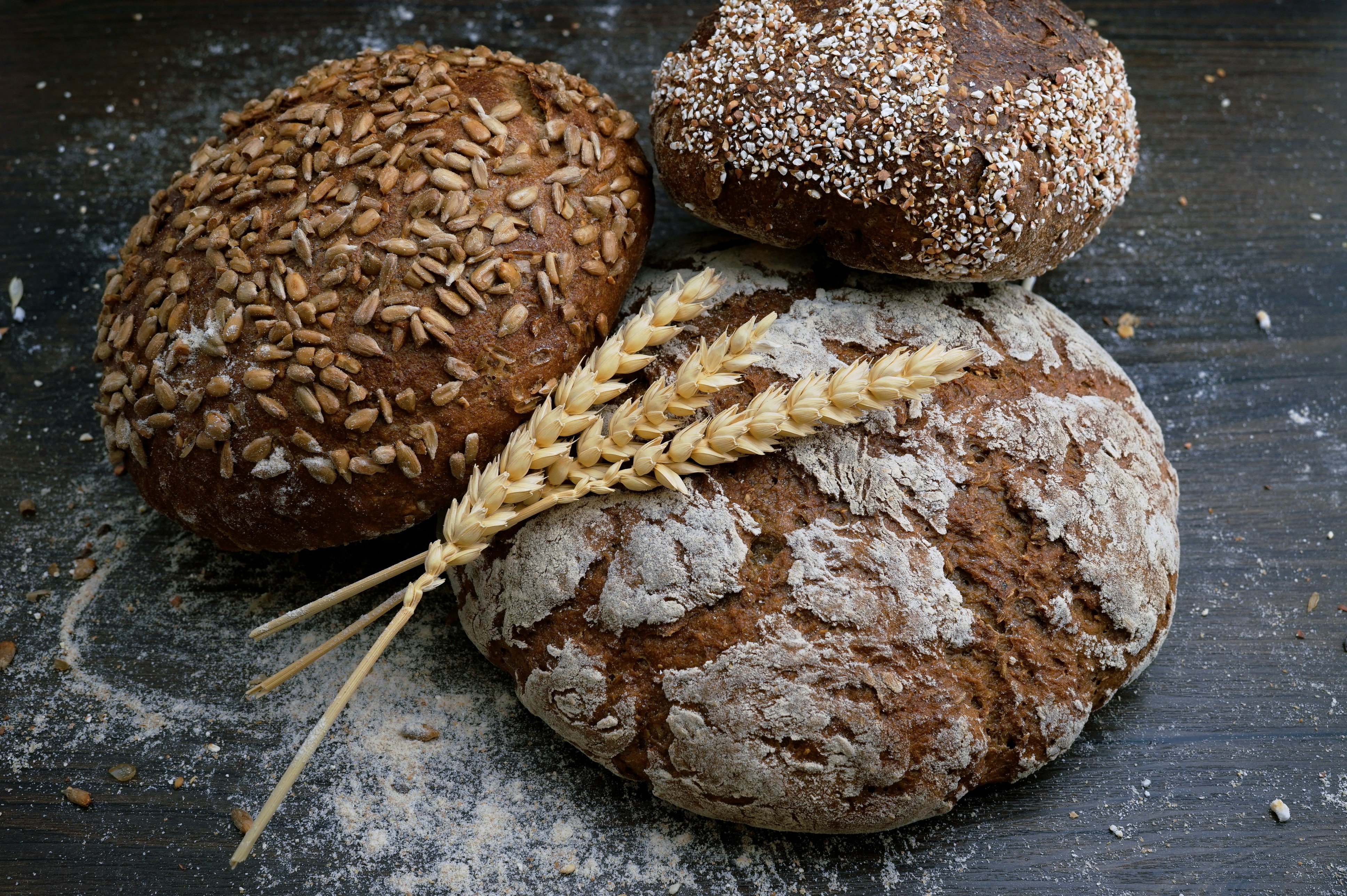
Recently I started learning how to bake sourdough and it is quite the process. The key to all of it is having the proper leaven. The question Jesus presents to us today in the Gospel is, are we relying on our fallen desires that will not raise us to new heights and will ultimately leave us unsatisfied, or are we relying on the new Bread come down from heaven that will fill us completely with His life and love? 

Any good baker will tell you that bad yeast will give bad results. Let’s pray today for the grace to cling to the leaven the Lord offers us and reject the leaven of the Pharisees and the leaven of Herod. We can rise above our fallen inclinations in this life, but we need Christ to raise us up in order to accomplish this task. Just like a loaf of bread that will fall without the proper yeast, we need some help, and Jesus makes it clear that He wants to be our leaven. Let’s cling to Him. 

From all of us here at Diocesan, God bless! 

Contact the author


El Evangelio de hoy me reconforta mucho, ya que me cuesta vivir la vida espiritual. Creo que todos, como somos seres humanos, tenemos momentos en los cuales la vida espiritual es una lucha. Existe una batalla constante entre lo que sabemos que debemos hacer y lo que nuestros deseos pecaminosos nos exigen. Jesús tiene una forma de enseñarnos qué hacer con estos deseos que nos llama la atención, pero también nos guía con misericordia.

La razón por la que me encanta el Evangelio de hoy es que Jesús intenta enseñar a los discípulos a no escuchar la “levadura” de los fariseos, pero ellos creen erróneamente que se refiere al pan. Casi se puede percibir la frustración en la voz de Jesús. Intenta enseñarles que los líderes religiosos de esta época intentan promover sus propios intereses y poder (levadura) en lugar de predicar la Buena Nueva, pero a los discípulos les preocupa que esté enojado con ellos por olvidarse de los panes.

Al estilo clásico de Jesús, les recuerda que el pan no es el problema. ¿Acaso no lo vieron hace poco tomar cinco panes y partirlos para alimentar a miles de personas? El problema no es quedarse sin pan, sino con nuestro corazón. Nos dejamos llevar por la mala levadura. Es decir, nos conformamos con nuestros deseos débiles y pensamos que nos saciarán, en lugar de confiar en la gracia de Dios para que nos eleve por encima de nuestros deseos mundanos.

Sabemos dos cosas con certeza gracias a los Evangelios. La primera es que Jesús se aislaba mucho para orar. Nos muestra cómo superar nuestros deseos caídos aferrándonos a la oración. La segunda es que le encanta la comida. A lo largo de los Evangelios vemos a Jesús comiendo, cocinando y usando la comida como analogía de la vida espiritual.

Hace poco empecé a aprender a hornear masa madre y es todo un proceso. La clave está en tener la levadura apropiada. La pregunta que Jesús nos plantea hoy en el Evangelio es: ¿confiamos en nuestros deseos caídos, que no nos elevarán a nuevas alturas y que finalmente nos dejarán insatisfechos, o confiamos en el Pan nuevo bajado del cielo que nos llenará por completo de su vida y amor?

Cualquier panadero bueno te dirá que la mala levadura da malos resultados. Pedimos hoy por la gracia de aferrarnos a la levadura que el Señor nos ofrece y rechazar la levadura de los fariseos y la levadura de Herodes. Podemos superar nuestras inclinaciones caídas en esta vida, pero necesitamos que Cristo nos levante para lograrlo. Al igual que un pan que se cae sin la levadura apropiada, necesitamos ayuda, y Jesús deja claro que quiere ser nuestra levadura. Aferrémonos a Él.

De parte de todos nosotros aquí en Diocesan, ¡Dios los bendiga!
Comunicarse con el autor

Tommy Shultz is a Business Development Representative for Diocesan. In this role he is committed to bringing the best software to dioceses and parishes while helping them evangelize on the digital continent. Tommy has worked in various diocese and parish roles since his graduation from Franciscan University with a Theology degree. He hopes to use his skills in evangelization, marketing, and communications, to serve the Church and bring the Good News to all. His favorite quote comes from St. John Paul II, who said, “A person is an entity of a sort to which the only proper and adequate way to relate is love.”

Feature Image Credit: Wesual Click, unsplash.com/photos/cereal-and-three-buns-rsWZ-P9FbQ4

The views and opinions expressed in the Inspiration Daily blog are solely those of the original authors and contributors. These views and opinions do not necessarily represent those of Diocesan, the Diocesan staff, or other contributors to this blog.
Equipped and Called / Equipados y Llamados

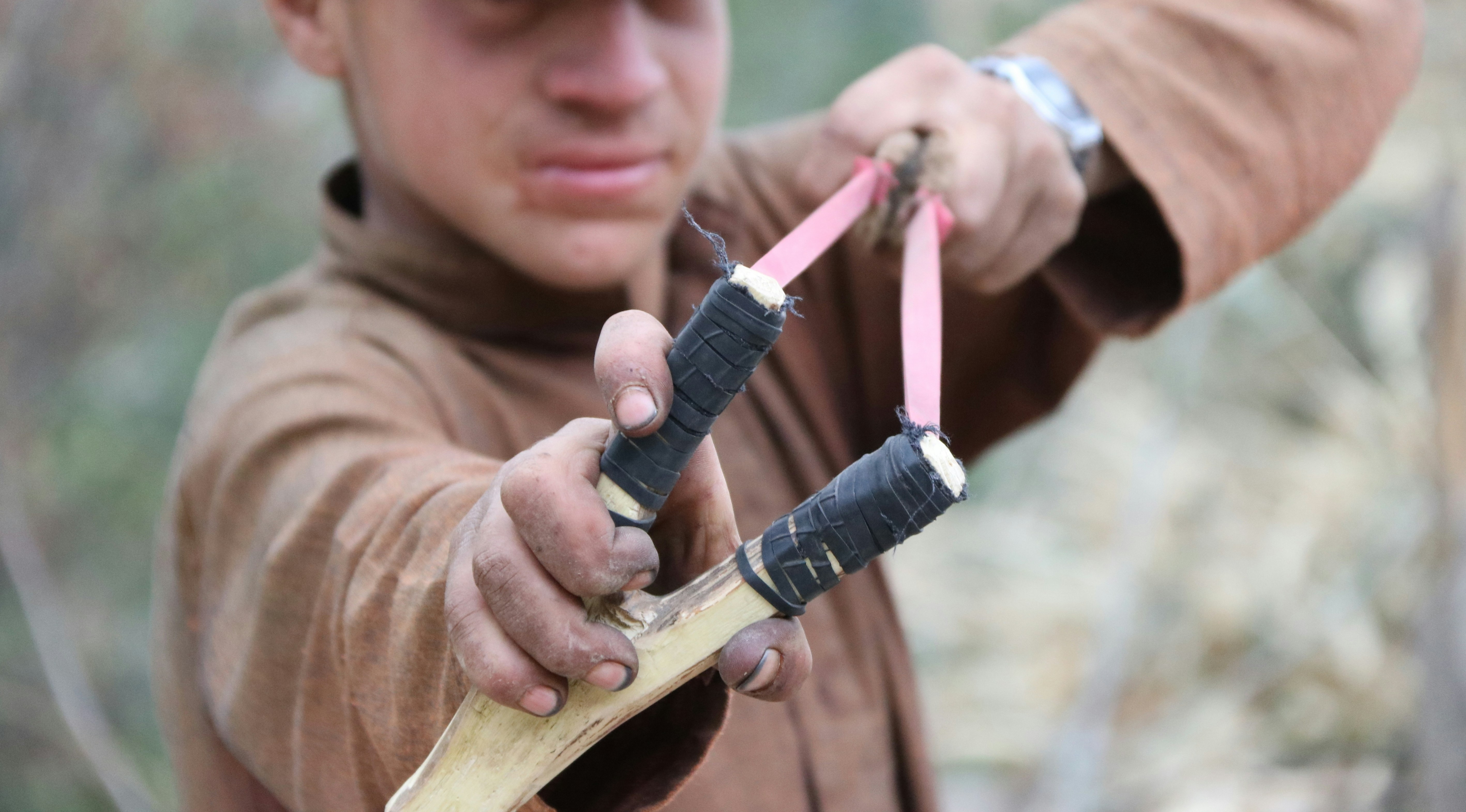
Today we hear the classic story of David and Goliath. When I was teaching high school theology classes on Scripture this was one of my favorite examples to bring up when telling the class that the Bible is not a children’s book. I think this story loses much of its meaning when we try to water it down to make it kid friendly so it can be painted on a nursery wall right next to Noah’s Ark. The reality is that the spiritual life is messy and it is often a battle. 

Today’s first reading reminds us of the messiness of life but also of the fact that we are called to engage in it with courage and strength. Notice though, God is not calling us to rely on our own strength, if He was, He would not have picked David for this monumental task. God wants us to rely on His strength, specifically when a spiritual battle is called for. 

This reminds me of some things I often share with our OCIA groups. The overwhelming question I get from new converts is, how can I possibly go and preach the Good News? They believe that if they don’t have a theology degree, they will get tripped up and misrepresent the Gospel. Although we certainly need to be careful not to misrepresent the Gospel, we also need to realize the power of Scripture and the power of God. God is the One who equips and calls. 

Similar to David who was ill equipped by his own strength to handle the monumental task set before him, we are also unequipped until Jesus specifically calls us and gives us what we need to accomplish the task. All of us have been called to preach the Good News and make disciples of all nations. By that very call, God has given us what we need to be effective from within our own circumstances. For some this may not be defending the faith with facts but more just sharing their story of conversion and love of God. 

Either way, we are called, like David, to accept the task in front of us while relying on the grace and strength of Christ and the cross. He will equip us for what He calls us to do, but we have to have the faith to believe that and then the courage to take up the task. 

Today’s first reading gives us a perfect example of the monumental things that can be done when we rely on the grace of God. Evangelization is not nearly as hard as what David faced in this passage of scripture. God made the impossible quite possible, and He can do the same for you and the people in your life that are waiting to hear the Good News. Let’s take up the call this week with a renewed vigor and purpose. 

From all of us here at Diocesan, God bless! 

Contact the author


Hoy escuchamos la clásica historia de David y Goliat. Cuando enseñaba teología sobre las Escrituras en la escuela secundaria, este era uno de mis ejemplos favoritos al explicarles que la Biblia no es un libro para niños. Creo que esta historia pierde mucho de su significado cuando intentamos diluirla para que sea apropiada para niños y así poder pintarla en la pared de una habitación infantil junto al Arca de Noé. La realidad es que la vida espiritual es complicada y, a menudo, una batalla.

La primera lectura de hoy nos recuerda lo complicada que es la vida, pero también que estamos llamados a vivirla con valentía y fortaleza. Sin embargo, note que Dios no nos llama a confiar en nuestras propias fuerzas; si fuera así, no habría elegido a David para esta tarea monumental. Dios quiere que confiemos en su fuerza, especialmente cuando se requiere una batalla espiritual.

Esto me recuerda algunas cosas que a menudo comparto con los grupos de OCIA. La pregunta abrumadora que recibo de los nuevos conversos es: ¿cómo puedo ir a predicar la Buena Nueva? Creen que si no tienen un título en teología, se equivocarán y tergiversarán el Evangelio. Si bien debemos tener cuidado de no tergiversar el Evangelio, también debemos reconocer el poder de las Escrituras y el poder de Dios. Dios es quien equipa y llama.

Al igual que David, quien, con sus propias fuerzas, no estaba capacitado para afrontar la tarea monumental que le encomendaron, nosotros también estamos desprovistos de herramientas hasta que Jesús nos llama específicamente y nos da lo necesario para llevarla a cabo. Todos hemos sido llamados a predicar la Buena Nueva y hacer discípulos de todas las naciones. Por ese mismo llamado, Dios nos ha dado lo necesario para ser eficaces en nuestras propias circunstancias. Para algunos, esto puede no ser defender la fe con hechos, sino más bien compartir su historia de conversión y amor a Dios.

De cualquier manera, estamos llamados, como David, a aceptar la tarea que tenemos por delante, confiando en la gracia y la fuerza de Cristo y de la cruz. Él nos capacitará para lo que nos llama a hacer, pero debemos tener la fe para creerlo y luego la valentía para asumir la tarea. 

La primera lectura de hoy nos da un ejemplo perfecto de las cosas monumentales que se pueden lograr cuando confiamos en la gracia de Dios. La evangelización no es tan difícil como la que enfrentó David en este pasaje de la Escritura. Dios hizo posible lo imposible, y puede hacer lo mismo por ti y por las personas en tu vida que esperan escuchar la Buena Nueva. Aceptemos el llamado esta semana con vigor y propósito renovados.

De parte de todos nosotros aquí en Diocesan, ¡Dios te bendiga!

Comunicarse con el autor

Tommy Shultz is a Business Development Representative for Diocesan. In this role he is committed to bringing the best software to dioceses and parishes while helping them evangelize on the digital continent. Tommy has worked in various diocese and parish roles since his graduation from Franciscan University with a Theology degree. He hopes to use his skills in evangelization, marketing, and communications, to serve the Church and bring the Good News to all. His favorite quote comes from St. John Paul II, who said, “A person is an entity of a sort to which the only proper and adequate way to relate is love.”

Feature Image Credit: Awais Jamil, https://unsplash.com/photos/boy-using-slingshot-RyCp8LFHl84

The views and opinions expressed in the Inspiration Daily blog are solely those of the original authors and contributors. These views and opinions do not necessarily represent those of Diocesan, the Diocesan staff, or other contributors to this blog.

Hail, Full of Grace / Alégrate, llena de gracia

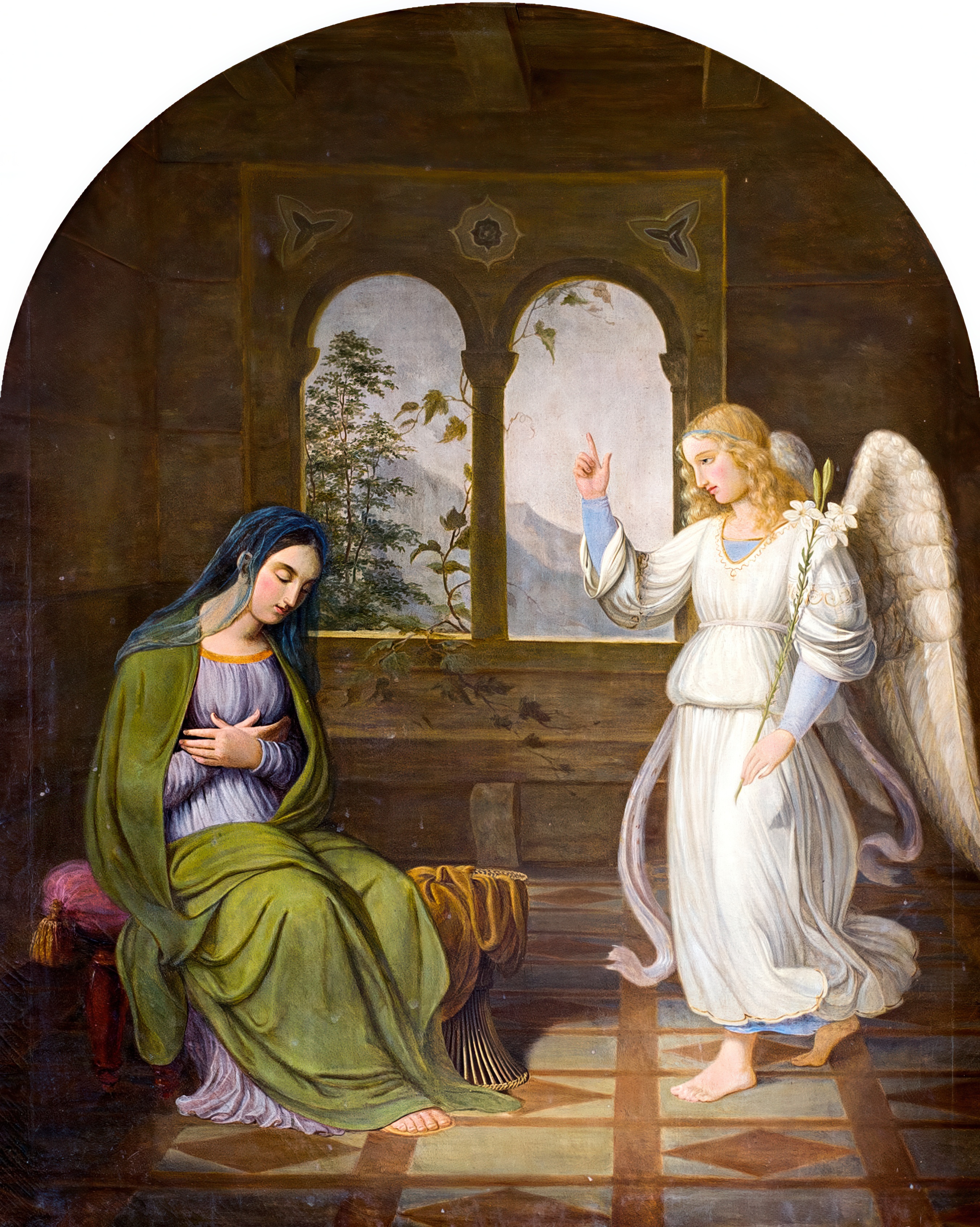
This passage, often referred to as the Annunciation, marks one of the most profound moments in the Christian narrative. The angel Gabriel’s words to Mary are rich with theological and spiritual significance, revealing God’s intimate involvement in human history and the extraordinary role that Mary is called to play in the unfolding of salvation. 

“Hail, full of grace! The Lord is with you.” These opening words are striking. The angel does not begin with a command or even an introduction, but with a greeting that acknowledges Mary’s unique spiritual state: “full of grace.” This phrase suggests not only Mary’s inner purity and righteousness but also her openness to God’s will. It is important to note that grace, by nature, is a gift—it is unearned. That Mary is “full” of grace implies that she is completely receptive to God’s presence and action in her life. 

Yet, her response shows humility and humanity: “she was greatly troubled… and pondered what sort of greeting this might be.” Mary’s reaction shows that holiness does not remove fear or uncertainty. Her pondering is not doubt, but a deep inner reflection, revealing her thoughtful nature and spiritual depth.

The angel’s next words aim to calm her heart: “Do not be afraid, Mary, for you have found favor with God.” This reassurance echoes throughout Scripture whenever God calls someone to a great task. Fear is natural when confronted with the divine, but God always offers peace to those He calls. Mary’s favor with God is not based on status or achievement, but on her willingness to say yes. 

Then comes the incredible message: Mary will conceive and bear a son named Jesus. This foreshadows His mission of redemption. The angel continues, saying He “will be great and will be called Son of the Most High.” This is no ordinary child. The divine identity of Jesus is made clear from the beginning, and His kingship is established: “The Lord God will give Him the throne of David… and of His Kingdom there will be no end.” 

This moment highlights the intersection of heaven and earth. A young woman in a quiet town is entrusted with the most important mission in history – not through power or prestige, but through humility and trust. Mary is invited into a divine plan, and her freedom to respond is honored. 

In reflecting on this scene, we are reminded that God often speaks in quiet but life-altering ways. Like Mary, we may feel fear or confusion, but we are also called to listen, to ponder, and ultimately, to trust. The Annunciation invites us to open our hearts to God’s call – however unexpected – and to believe that through our willingness, His grace can do great things. 

From all of us here at Diocesan, God bless! 

Contact the author


Este pasaje, a menudo conocido como la Anunciación, marca uno de los momentos más profundos de la narrativa cristiana. Las palabras del ángel Gabriel a María son ricas en significado teológico y espiritual, revelando la íntima participación de Dios en la historia humana y el extraordinario papel que María está llamada a desempeñar en el desarrollo de la salvación.

Alégrate, llena de gracia, el Señor está contigo”. Estas palabras iniciales son impactantes. El ángel no comienza con una orden ni siquiera con una introducción, sino con un saludo que reconoce el estado espiritual único de María: “llena de gracia”. Esta frase sugiere no sólo la pureza y rectitud interior de María, sino también su apertura a la voluntad de Dios. Es importante señalar que la gracia, por naturaleza, es un don; no se gana. Que María esté “llena” de gracia implica que es completamente receptiva a la presencia y acción de Dios en su vida.

Sin embargo, su respuesta muestra humildad y humanidad: “se preocupó mucho y se preguntaba qué querría decir semejante saludo”. La reacción de María demuestra que la santidad no elimina el miedo ni la incertidumbre. Su reacción no es duda, sino una profunda reflexión interior, que revela su naturaleza reflexiva y su profundidad espiritual.

Las siguientes palabras del ángel buscan tranquilizar su corazón: “No temas, María, porque has hallado gracia ante Dios”. Esta confirmación está reiterada en toda la Escritura cada vez que Dios llama a alguien a una gran tarea. El miedo es natural ante lo divino, pero Dios siempre ofrece paz a quienes llama. El favor de María ante Dios no se basa en el estatus ni en los logros, sino en su disposición a decir que sí.

Entonces llega el increíble mensaje: María concebirá y dará a luz un hijo llamado Jesús. Esto presagia su misión redentora. El ángel continúa diciendo que “será grande y será llamado Hijo del Altísimo”. Este no es un niño cualquiera. La identidad divina de Jesús queda clara desde el principio, y su reinado queda establecido: “El Señor Dios le dará el trono de David… y su reinado no tendrá fin”.

Este momento resalta la intersección del cielo y la tierra. A una joven de un pueblo tranquilo se le confía la misión más importante de la historia, no por poder ni prestigio, sino por humildad y confianza. María es invitada a un plan divino y se honra su libertad para responder.

Al reflexionar sobre esta escena, recordamos que Dios a menudo habla de maneras silenciosas, pero transformadoras. Al igual que María, podemos sentir miedo o confusión, pero también estamos llamados a escuchar, a reflexionar y, en última instancia, a confiar. La Anunciación nos invita a abrir nuestros corazones al llamado de Dios, por inesperado que sea, y a creer que, mediante nuestra disposición, su gracia puede obrar grandes cosas.

De parte de todos nosotros, aquí en Diocesan, ¡Dios los bendiga!

Comunicarse con el autor

Tommy Shultz is a Business Development Representative for Diocesan. In this role he is committed to bringing the best software to dioceses and parishes while helping them evangelize on the digital continent. Tommy has worked in various diocese and parish roles since his graduation from Franciscan University with a Theology degree. He hopes to use his skills in evangelization, marketing, and communications, to serve the Church and bring the Good News to all. His favorite quote comes from St. John Paul II, who said, “A person is an entity of a sort to which the only proper and adequate way to relate is love.”

Feature Image Credit: Unknown Artist, art.diocesan.com/stock-photo/the-annunciation-24351/

The views and opinions expressed in the Inspiration Daily blog are solely those of the original authors and contributors. These views and opinions do not necessarily represent those of Diocesan, the Diocesan staff, or other contributors to this blog.

Soothing Words / Palabras consoladoras

The Church, in her wisdom, always chooses wonderful readings during each liturgical season. In this first week of Advent we hear some soothing words from the prophet Isaiah. The prophet tells us,”O people of Zion, who dwell in Jerusalem, no more will you weep; He will be gracious to you when you cry out, as soon as he hears he will answer you.” Even though this was spoken to the people of Zion it still applies to us today. 

Have you ever had a moment where you felt like you were dying of thirst or exhaustion? I once went on a backpacking trip with my cousins to a remote island in Michigan and on the very first day I got the worst sunburn imaginable. I am a redhead so when I say worst sunburn ever I mean that I was literally the color of a lobster. It was terrible and I would have given anything to have some aloe vera lotion to put on my burns. 15 miles of backpacking with the straps rubbing against my burnt skin was not what I would call a vacation. 

As soon as we got back to the mainland I immediately went to a store to get lotion that was instantly soothing. We all have things in our lives that need healing. Maybe for some of us these are more spiritual wounds than physical ones, but we all have them. I think it can be easy to write God off and say that he has other people to care about or maybe even believe that we aren’t worthy of healing, but God wants to heal us. The instant relief of aloe vera lotion for me was a human remedy. Think of how much more God wants to soothe us, heal us, and make us whole. 

Today’s first reading makes it clear that God wants this for us. God wants to enter into the very hurt of our lives and bring us His soothing presence and grace. This is one of the reasons that the Sacrament of Reconciliation requires sorrow for sin. It is not so much that we put ourselves down and feel terrible, but quite the opposite. We are required to have sorrow for our sin because that is right where God wants to meet us and heal us. Just like the people in Zion who were told they would no longer weep, God is telling us, as we prepare for his birth at Christmas, that he wants to be a part of our healing journey. 

He doesn’t just want to watch as a bystander. He wants to be actively involved in our sorrow, our hurts, our wounds, and our failures. He is the great healer, we just have to let Him heal. Let’s take a moment during this beautiful season of Advent to allow God to show us exactly where we need healing and what we need from Him, and then ask Him for it. Like a loving Father, He longs to hear from us and heal us.  

From all of us here at Diocesan, God bless! 

Contact the author


La Iglesia, en su sabiduría, siempre elige lecturas maravillosas durante cada temporada litúrgica. En esta primera semana de Adviento, escuchamos unas palabras de consuelo del profeta Isaías. El profeta nos dice: “Pueblo de Sión, que habitas en Jerusalén, ya no volverás a llorar. El Señor misericordioso, al oír tus gemidos, se apiadará de ti y te responderá, apenas te oiga”. Aunque esto fue dicho al pueblo de Sión, todavía se aplica a nosotros el día de hoy.

¿Alguna vez has sentido que te morías de sed o de agotamiento? Una vez fui de mochilero con mis primos a una isla remota de Michigan y el primer día sufrí la peor quemadura solar imaginable. Soy pelirrojo, así que cuando digo la peor quemadura solar de mi vida, quiero decir que literalmente tenía el color de una langosta. Fue terrible y habría dado cualquier cosa por tener un poco de loción de aloe vera para aplicarme en las quemaduras. Caminar 24 kilómetros con las correas rozando mi piel quemada no fue lo que yo llamaría unas vacaciones.

En cuanto regresamos a tierra firme, fui inmediatamente a una tienda a comprar una loción que me alivió al instante. Todos tenemos cosas en la vida que necesitan sanación. Quizás para algunos sean heridas más espirituales que físicas, pero todos las tenemos. Creo que es fácil ignorar a Dios y decir que tiene otras personas a las que cuidar, o incluso creer que no merecemos la sanación, pero Dios quiere sanarnos. El alivio instantáneo de la loción del aloe para mí fue un remedio humano. Piensen en cuánto más desea Dios consolarnos y sanarnos.

La primera lectura de hoy deja claro que Dios quiere esto para nosotros. Dios quiere entrar en el dolor mismo de nuestras vidas y traernos su presencia y gracia reconfortantes. Esta es una de las razones por las que el Sacramento de la Reconciliación requiere arrepentimiento por el pecado. No se trata tanto de que nos menospreciemos y nos sintamos fatal, sino todo lo contrario. Debemos sentir dolor por nuestros pecados porque es ahí donde Dios quiere encontrarnos y sanarnos. Al igual que al pueblo de Sión, al que se le dijo que ya no lloraría, Dios nos dice, mientras nos preparamos para su nacimiento en Navidad, que quiere ser parte de nuestro camino de sanación.

Él no quiere ser solo un espectador. Quiere participar activamente en nuestro dolor, nuestras heridas, nuestras penas y nuestros fracasos. Él es el gran sanador; solo tenemos que dejar que Él sane. Tomemos un momento durante esta hermosa temporada del Adviento para permitir que Dios nos muestre exactamente dónde necesitamos sanación y qué necesitamos de Él, y luego pidámoslo. Como un Padre amoroso, Él anhela escucharnos y sanarnos.

De parte de todos nosotros aquí en Diocesan, ¡Dios los bendiga!

Comunicarse con el autor

Tommy Shultz is a Business Development Representative for Diocesan. In this role he is committed to bringing the best software to dioceses and parishes while helping them evangelize on the digital continent. Tommy has worked in various diocese and parish roles since his graduation from Franciscan University with a Theology degree. He hopes to use his skills in evangelization, marketing, and communications, to serve the Church and bring the Good News to all. His favorite quote comes from St. John Paul II, who said, “A person is an entity of a sort to which the only proper and adequate way to relate is love.”

Feature Image Credit: Yoann Boyer, unsplash.com/photos/person-about-to-touch-the-calm-water-i14h2xyPr18

The views and opinions expressed in the Inspiration Daily blog are solely those of the original authors and contributors. These views and opinions do not necessarily represent those of Diocesan, the Diocesan staff, or other contributors to this blog.
Giving Our All / Dar lo mejor de nosotros

Today we hear the Gospel of the poor widow who only gave two coins to the treasury while everyone around her seemed to be giving much more. This theme can be seen in the Old Testament as well. If we look at the story of Cain and Abel we see that God is happy with Abel’s offering because he gave the most important part of his flock whereas Cain gave the minimum amount he was willing to offer. 

These verses have me thinking about the biblical concept of stewardship. We have probably heard a million times that stewardship is not just about money but then we hear about the campaigns that both dioceses and parishes put on and so it is hard to separate the concepts. 

I think a helpful way to think about stewardship is not to downplay the money aspect but instead to realize that everything is a gift. Think about it for a second, if you are taking your next breath, that means that God is actively thinking about you, holding you in existence, and allowing you to live your life to the full. If God stopped thinking about us for even a second we would cease to exist. 

So whether it is money, our gifts and talents, services we provide, or just our presence, all things have been given to us as a gift to be shared. In St. John Paul II’s work, Theology of the Body, he speaks about the concept of the spousal meaning of the body. He talks about the idea that all of us have a spousal meaning to ourselves that essentially has two elements. The first is that we are made with intrinsic dignity in and of ourselves. The second is that we were made to give. In fact, the more we give the more we realize who we truly are. 

This is true because we were made by a God who is pure gift. He grants us gifts and graces every day so that we might more fully realize who we are and how we are meant to serve and love our fellow man. The Gospel for today gets right to the heart of this matter. God does not have a checklist in heaven to see who is giving the most of their time, talent, and treasure. It is not a numbers game for Him. What He is concerned with is that we are giving our all and genuinely serving Him and those He has put into our lives. 

Imagine a world where we all take the biblical principle of stewardship seriously and first realize how good we are and then from there realize our inner call to be a gift. My prayer for all of us today is that we can realize this and put it into action. Let’s be more like the poor widow who gives fully of what she has been given. Whether what we have to give is big or small, let’s give it our all. 

From all of us here at Diocesan, God bless!

Contact the author


Hoy escuchamos el Evangelio de la viuda pobre que solo dio dos monedas al tesoro, mientras que todos a su alrededor parecían dar mucho más. Este tema también se puede encontrar en el Antiguo Testamento. Si observamos la historia de Caín y Abel, vemos que Dios se complace con la ofrenda de Abel porque dio la parte más importante de su rebaño, mientras que Caín dio la cantidad mínima que estaba dispuesto a ofrecer.

Estos versículos me hacen pensar en el concepto bíblico de la corresponsabilidad. Probablemente hemos escuchado un millón de veces que la corresponsabilidad no se trata solo del dinero, pero luego escuchamos sobre las campañas que organizan tanto la diócesis como las parroquias, y se hace difícil separar los dos conceptos.

Creo que una manera útil de pensar en la administración es no restarle importancia al aspecto económico, sino comprender que todo es un regalo. Piénsalo por un segundo: si estás respirando, significa que Dios está pensando activamente en ti, manteniéndote en la existencia y permitiéndote vivir tu vida al máximo. Si Dios dejara de pensar en nosotros, aunque fuera por un segundo, dejaríamos de existir.

Así que, ya sea el dinero, nuestros dones y talentos, los servicios que brindamos o simplemente nuestra presencia, todo nos ha sido dado como un don para compartir. En la obra de San Juan Pablo II, La Teología del Cuerpo, habla sobre el concepto del significado esponsal del cuerpo. Habla de la idea de que todos tenemos un significado esponsal dentro de nosotros mismos que esencialmente consta de dos elementos. El primero es que fuimos creados con dignidad intrínseca. El segundo es que fuimos creados para dar. De hecho, cuanto más damos, más nos damos cuenta de quiénes somos realmente.

Esto es cierto porque fuimos creados por un Dios que es puro don. Él nos concede dones y gracias cada día para que podamos comprender mejor quiénes somos y cómo debemos servir y amar al prójimo. El Evangelio de hoy llega directo al corazón de este asunto. Dios no tiene una lista en el cielo para ver quién está dando el máximo de su tiempo, talento y tesoro. Para Él, no se trata de números. Lo que le importa es que le demos lo mejor de nosotros y le sirvamos genuinamente a Él y a quienes Él ha puesto en nuestras vidas.

Imagina un mundo donde todos tomemos en serio el principio bíblico de la corresponsabilidad y, primero, reconozcamos lo buenos que somos y, a partir de ahí, reconozcamos nuestro llamado interior a ser un don. Mi oración para todos nosotros hoy es que podamos comprender esto y ponerlo en práctica. Seamos más como la viuda pobre que da plenamente de lo que se le ha dado. Sea mucho o poco lo que tengamos para dar, demos lo mejor de nosotros.

De parte de todos nosotros aquí en Diocesan, ¡Dios los bendiga!

Comunicarse con el autor

Tommy Shultz is a Business Development Representative for Diocesan. In this role he is committed to bringing the best software to dioceses and parishes while helping them evangelize on the digital continent. Tommy has worked in various diocese and parish roles since his graduation from Franciscan University with a Theology degree. He hopes to use his skills in evangelization, marketing, and communications, to serve the Church and bring the Good News to all. His favorite quote comes from St. John Paul II, who said, “A person is an entity of a sort to which the only proper and adequate way to relate is love.”

Feature Image Credit: Kelly Sikkema, unsplash.com/photos/person-reaching-black-heart-cutout-paper-XX2WTbLr3r8

The views and opinions expressed in the Inspiration Daily blog are solely those of the original authors and contributors. These views and opinions do not necessarily represent those of Diocesan, the Diocesan staff, or other contributors to this blog.
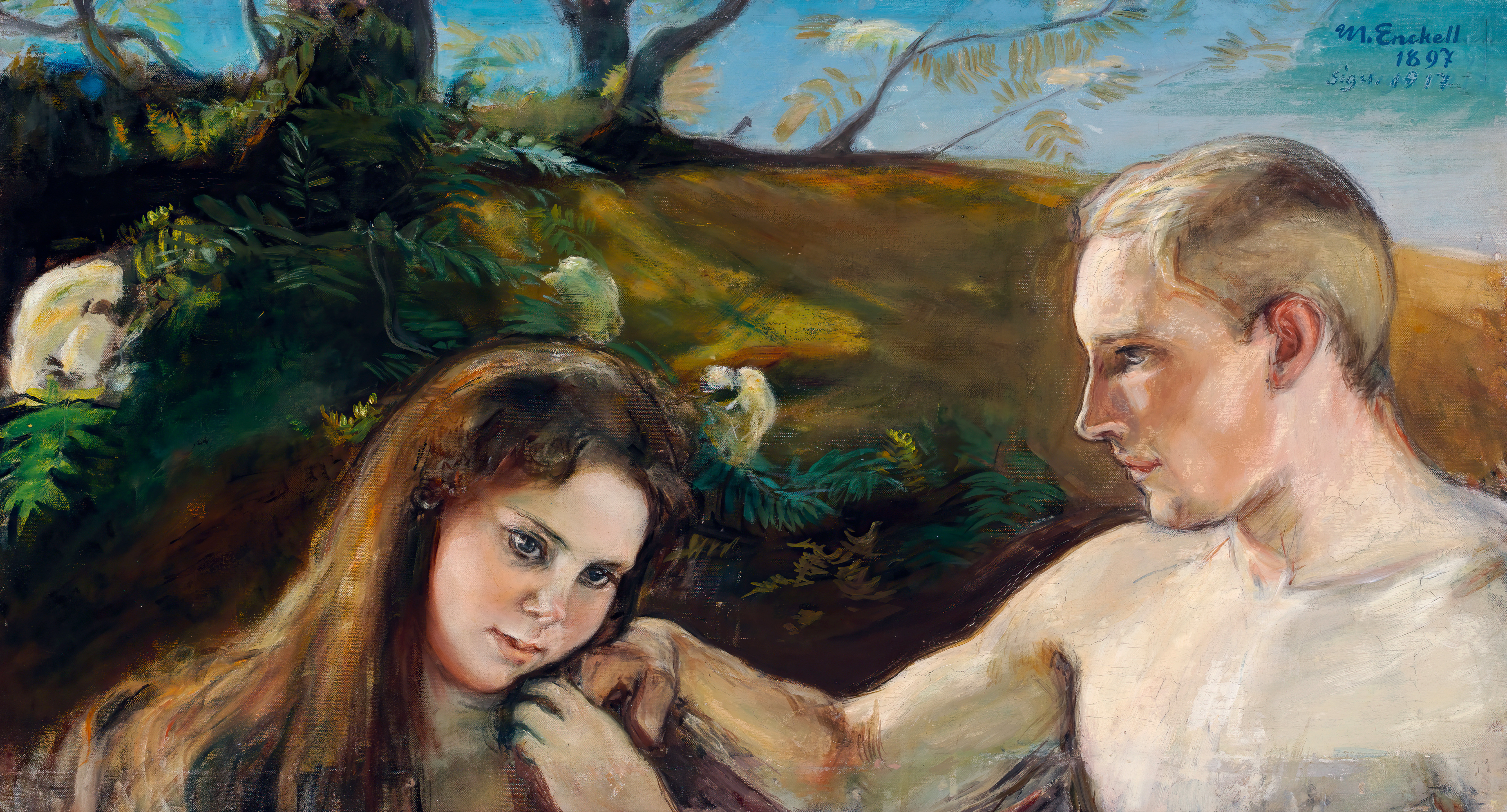
I Am Only Human / Soy solo un ser humano

Do you ever feel like you are just totally failing at life? I reflect on the time I have been a father and I feel like more days than not I am just getting by and hoping not to screw up my kids in a monumental way. For you it might be troubles you are having at work, struggles with sin, or family issues, but I think we all share thoughts at times that we are no good. 

Of course, nothing could be further from the truth. In today’s first reading we hear Paul say that he is convinced that the people he is speaking with are full of goodness. We hear this narrative echoed back in Genesis when we are reminded that we are not only made as good, but very good. We are set apart from the rest of the created world as being made in the image and likeness of God. 

This is one of those truths that we might know intellectually, but it is much harder to allow it to transform our hearts. We live in a fallen world and we all struggle with sin, so it is sometimes difficult to see the goodness that not only we have, but also that same goodness in others. It is much easier to use the common scapegoat of, “I am only human.”

I think the first reading reminds us that being human is not an excuse for sin. In fact, it is our very humanity, infused with the grace of God, that allows us to overcome temptation. Maybe a better way to use this phrase is, “I am only human, therefore I am called to rise above this fallen world and lean on the grace of the cross.”

Instead of using our humanity as an excuse not to excel, we can take stock in the fact that, as humans, God has given us the incredible ability to cooperate with His grace and to experience the saving power of the cross. The Catechism makes it clear that although the divine image in us may have been disfigured by the fall, nevertheless, we can be made whole through Christ. It states, “It is in Christ, ‘the image of the invisible God,’ that man has been created ‘in the image and likeness’ of the Creator. It is in Christ, Redeemer and Savior, that the divine image, disfigured in man by the first sin, has been restored to its original beauty and ennobled by the grace of God.” (CCC 1701)

We have been restored by Christ to thrive as human beings with innate dignity and worth. Let’s keep that reminder in our hearts when the days get tough, the workload becomes unmanageable, the nights bring less sleep, and the coffee intake increases exponentially. We are all in this crazy thing we call life together and we can all benefit from the realization that we are made as very good and are all here to help one another live in that reality. 

From all of us here at Diocesan, God bless!

Contact the author


¿A veces sientes que estás fracasando por completo en la vida? Reflexiono sobre el tiempo que llevo siendo padre de familia y siento que la mayoría de los días apenas voy sobreviviendo, esperando no arruinar a mis hijos de forma monumental. Para ti, puede que sean problemas laborales, luchas contra el pecado o asuntos familiares, pero creo que todos pensamos a veces que no servimos para nada.

Por supuesto, nada es más lejos de la realidad. En la primera lectura de hoy, escuchamos a Pablo decir que está convencido de que las personas con las que habla están llenas de bondad. Escuchamos este relato resonado en el Génesis cuando se nos recuerda que no solo fuimos creados tan buenos, sino muy buenos. Estamos separados del resto del mundo creado por ser hechos a imagen y semejanza de Dios.

Esta es una de esas verdades que quizá conozcamos intelectualmente, pero es mucho más difícil permitir que transforme nuestros corazones. Vivimos en un mundo caído y todos luchamos contra el pecado, por lo que a veces es difícil ver la bondad que no solo tenemos nosotros, sino también que esa misma bondad se encuentra en los demás. Es mucho más fácil usar la excusa común de: “Soy solo un ser humano”.

Creo que la primera lectura nos recuerda que ser humano no es excusa para pecar. De hecho, es nuestra propia humanidad, infundida con la gracia de Dios, la que nos permite vencer la tentación. Quizás una mejor manera de usar esta frase sería: “Soy solo un ser humano, por lo tanto, estoy llamado a elevarme por encima de este mundo caído y apoyarme en la gracia de la cruz”.

En lugar de usar nuestra humanidad como excusa para no mejorarnos, podemos reconocer que, como seres humanos, Dios nos ha dado la increíble capacidad de cooperar con su gracia y experimentar el poder salvador de la cruz. El Catecismo deja claro que, aunque la imagen divina en nosotros haya sido desfigurada por la caída, podemos ser sanados por medio de Cristo. Dice: “En Cristo, “imagen del Dios invisible” 2 , el hombre ha sido creado “a imagen y semejanza” del Creador. En Cristo, redentor y salvador, la imagen divina alterada en el hombre por el primer pecado ha sido restaurada en su belleza original y ennoblecida con la gracia de Dios” (CIC 1701).

Hemos sido restaurados por Cristo para prosperar como seres humanos con dignidad y valor innatos. Mantengamos este recordatorio en nuestros corazones cuando los días se tornen difíciles, la carga de trabajo se vuelva inmanejable, dormimos mucho menos en las noches y el consumo de café aumente enormemente. Todos estamos en esta locura que llamamos vida juntos y todos podemos beneficiarnos al comprender que fuimos creados para ser muy buenos y que todos estamos aquí para ayudarnos mutuamente a vivir en esa realidad.

De parte de todos nosotros aquí en la Diócesis, ¡Dios los bendiga!

Comunicarse con el autor

Tommy Shultz is a Business Development Representative for Diocesan. In this role he is committed to bringing the best software to dioceses and parishes while helping them evangelize on the digital continent. Tommy has worked in various diocese and parish roles since his graduation from Franciscan University with a Theology degree. He hopes to use his skills in evangelization, marketing, and communications, to serve the Church and bring the Good News to all. His favorite quote comes from St. John Paul II, who said, “A person is an entity of a sort to which the only proper and adequate way to relate is love.”

Feature Image Credit: Magnus Enckell, https://art.diocesan.com/stock-photo/adam-and-eve-18084/

The views and opinions expressed in the Inspiration Daily blog are solely those of the original authors and contributors. These views and opinions do not necessarily represent those of Diocesan, the Diocesan staff, or other contributors to this blog.
Sacramental Power / Poder Sacramental

Have you ever started a workout routine only to give up within the first day or two? Or how about a Lenten promise that you fulfill for maybe a week before you fall flat on your face? This seems to be a frequent occurrence for me. Part of my problem is that I tend to go so big with my goals that no human being could ever achieve them, so I inevitably fail. I say I am going to cut out all carbs and sugar and work out for 30 minutes each day on January 1st and then there I am on January 2nd eating a donut. It’s a struggle. 

I think this is a struggle that we can all relate with because it is a human struggle. Well, more precisely, it is a fallen human struggle. We were never meant to struggle like this. In the beginning, we didn’t struggle with sin and did not have weakness. Can you imagine going back to that time? I find myself relating very closely to Paul in today’s first reading. We do not do what we love and we do what we hate. 

Thankfully, we can still make progress. Even though we live in a fallen world and have fallen inclinations, we do have something that the people in the Old Testament did not, which is sacramental grace. This is why staying close to the sacraments is so important. The sacraments give us the grace to overcome the weakness we experience from The Fall. 

This is why Paul makes it clear that only God can deliver us from this mortal body. Here, Paul is not putting the body down. He is getting to the point that our body without the spirit and grace of God is dead. We are like walking zombies. If we are zombies without the help of God then we are superheros with his help. We can overcome anything with the strength and grace that God gives us through the sacraments. 

I think most of us reading this go to Mass regularly, but we sometimes forget or get too busy to take advantage of the other sacraments. Imagine what would happen to the world if we all frequented the sacraments and took on the power of Christ in all that we did. Oh, how the world would change!

From all of us here at Diocesan, God bless!

Contact the author


¿Alguna vez has empezado una rutina de ejercicios y luego la abandonaste al primer o segundo día? ¿O capaz has hecho una promesa de Cuaresma que cumples por tan solo una semana antes de fracasar? Esto me ocurre con frecuencia. Parte del problema es que tiendo a ponerme metas tan altas que ningún ser humano podría alcanzarlas, así que inevitablemente fracaso. Digo que voy a eliminar todos los carbohidratos y el azúcar y hacer ejercicio 30 minutos cada día el primero de enero, y luego ahí estoy el segundo de enero comiendo una dona. Es una batalla constante.

Creo que esta es una batalla con la que todos podemos identificarnos porque es una batalla humana. Bueno, más precisamente, es una batalla de la humanidad caída. Nunca se supuso que batalláramos así. Al principio, no batallábamos con el pecado ni teníamos debilidad. ¿Te imaginas volver a esa época? Me identifico mucho con Pablo en la primera lectura de hoy. No hago el bien que quiero, sino el mal que no quiero.

Afortunadamente, aún podemos salir adelante. Aunque vivimos en un mundo caído y tenemos inclinaciones caídas, tenemos algo que la gente del Antiguo Testamento no tenía: la gracia sacramental. Por eso es tan importante mantenernos cerca de los sacramentos. Los sacramentos nos dan la gracia para superar la debilidad que experimentamos a raíz de la Caída.

Por eso Pablo deja claro que solo Dios puede librarnos de este cuerpo mortal. Pablo no está menospreciando el cuerpo. Está llegando al punto en que nuestro cuerpo, sin el espíritu y la gracia de Dios, está muerto. Somos como zombis andantes. Si somos zombis sin la ayuda de Dios, entonces somos superhéroes con su ayuda. Podemos superar cualquier cosa con la fuerza y ​​la gracia que Dios nos da a través de los sacramentos.

Creo que la mayoría de nosotros que leemos estas reflexiones vamos a misa semanalmente, pero a veces olvidamos o estamos demasiado ocupados para aprovechar los demás sacramentos. Imaginen lo que sucedería en el mundo si todos asistiéramos a los sacramentos y asumiéramos el poder de Cristo en todo lo que hiciéramos. ¡Cómo cambiaría el mundo!

De parte de todos nosotros aquí en la Diócesis, ¡Dios los bendiga!

Comunicarse con el autor

Tommy Shultz is a Business Development Representative for Diocesan. In this role he is committed to bringing the best software to dioceses and parishes while helping them evangelize on the digital continent. Tommy has worked in various diocese and parish roles since his graduation from Franciscan University with a Theology degree. He hopes to use his skills in evangelization, marketing, and communications, to serve the Church and bring the Good News to all. His favorite quote comes from St. John Paul II, who said, “A person is an entity of a sort to which the only proper and adequate way to relate is love.”

Feature Image Credit: Matea Gregg, unsplash.com/photos/a-man-sitting-in-a-pew-in-a-church-OA8aSKq0e6A

The views and opinions expressed in the Inspiration Daily blog are solely those of the original authors and contributors. These views and opinions do not necessarily represent those of Diocesan, the Diocesan staff, or other contributors to this blog.

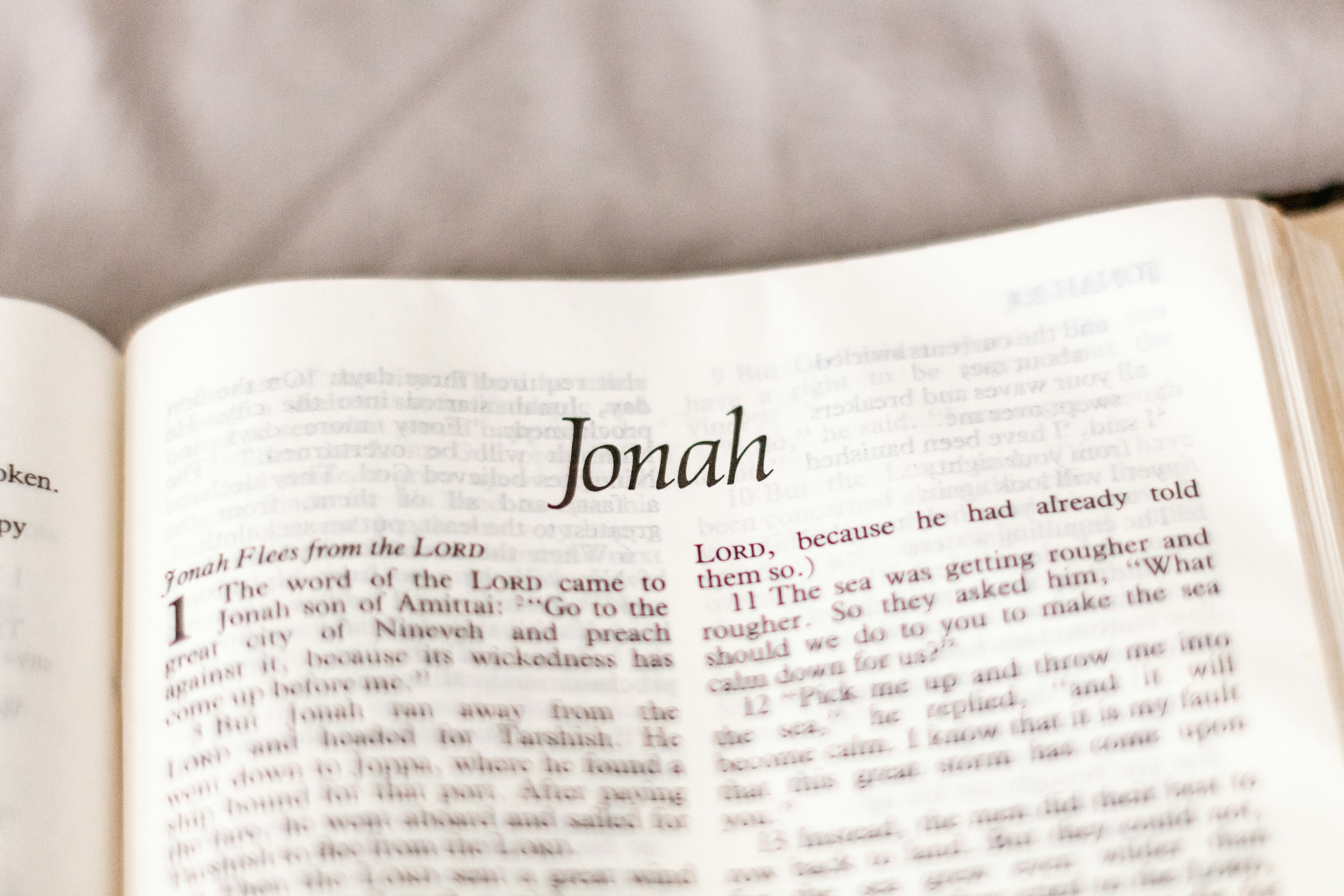
A Trusting Evangelization / Evangelizar con confianza

I always find it amazing how God uses very ordinary people to accomplish His plans. If we think about it, God doesn’t need any of us. He is the one who created the universe and holds it in existence. He could simply have a thought and accomplish His will. But He loves us so much that He not only wants us to be an active part in His plans, He requires it of us. 

This is where we find Jonah in the first reading for today. He has been tasked with announcing the destruction of an entire city if the people do not repent. I think he probably did not feel like the right person for this task. I know if I was in his shoes I would probably ask God to find someone else who could make a more convincing argument than I could. But notice how God equips Jonah with the proper things to say and the grace to be effective. He is so effective, in fact, that even the King bows to the request and puts on sackcloth. 

This brings me to my main point for today. None of us are worthy or even good at preaching the Gospel on our own. If it was only up to us we would fail in a million ways. There is always going to be someone who can do it better than we can or come at it with a different angle. Nonetheless, God wants you and I to preach the Good News. Thankfully He does not leave us to accomplish this monumental task alone. He is with us every step of the way. He is the one who gives us the grace to effectively communicate the Gospel to those in our lives. 

The problem comes when we either think we can’t do it or that we can do it on our own. We need to accept that we need God in order to be effective, and trusting in this fact, we need to take action. When we ended our OCIA classes this year I encouraged everyone in the class to preach the Gospel in everyday circumstances and to tell the story of how God had worked in their lives. 

You may not have a theology degree and you may not have memorized the Catechism, but the thing you do have that theologians and priests don’t is access to the people you see on a regular basis. They deserve the Gospel just as much as those who have listened to “The Bible in a Year” podcast. Share your story and ask God to help you find the right things to say. God is calling us to evangelize. We just have to trust that once we extend the invitation, He will handle the real work of converting the heart. 

From all of us here at Diocesan, God bless!

Contact the author


Siempre me asombra cómo Dios utiliza a personas comunes y corrientes para cumplir sus planes. Si lo pensamos, Dios no necesita a ninguno de nosotros. Él creó el universo y lo mantiene en existencia. Podría simplemente tener un pensamiento y cumplir su voluntad. Pero nos ama tanto que no solo quiere que seamos parte activa de sus planes, sino que nos lo exige.

Aquí es donde encontramos a Jonás en la primera lectura de hoy. Se le ha encomendado anunciar la destrucción de una ciudad entera si el pueblo no se arrepiente. Creo que probablemente no se sentía la persona adecuada para esta tarea. Sé que si yo estuviera en su lugar, probablemente le pediría a Dios que encontrara a alguien más que pudiera presentar un argumento más convincente que yo. Pero observen cómo Dios dota a Jonás con las palabras adecuadas y la gracia para ser eficaz. De hecho, es tan eficaz que incluso el rey accede a la petición y se viste de cilicio.

Esto me lleva al punto principal de hoy. Ninguno de nosotros es digno o ni siquiera bueno predicando el Evangelio por sí solo. Si dependiera solo de nosotros, fracasaríamos de mil maneras. Siempre habrá alguien que pueda hacerlo mejor que nosotros o que lo haga desde una perspectiva diferente. Sin embargo, Dios quiere que tú y yo prediquemos la Buena Nueva. Afortunadamente, no nos deja solos para realizar esta tarea monumental. Él está con nosotros en cada paso del camino. Él es quien nos da la gracia para comunicar eficazmente el Evangelio a quienes nos rodean.

El problema surge cuando pensamos que no podemos hacerlo o que podemos hacerlo solos. Tenemos que aceptar que necesitamos a Dios para ser eficaces y, confiando en ello, debemos actuar. Al terminar nuestras clases de OCIA este año, animé a todos a predicar el Evangelio en situaciones cotidianas y a contar la historia de cómo Dios había obrado en sus vidas.

Puede que no tengas un título en teología ni hayas memorizado todo el Catecismo, pero lo que sí tienes, a diferencia de los teólogos y sacerdotes, es acceso a las personas que ves a diario. Ellos merecen el Evangelio tanto como quienes han escuchado el podcast “La Biblia en un Año”. Comparte tu historia y pídele a Dios que te ayude a encontrar las palabras adecuadas. Dios nos llama a evangelizar. Solo tenemos que confiar en que, una vez que extendamos la invitación, Él se encargará de la verdadera obra de convertir el corazón.

De parte de todos nosotros aquí en Diocesan, ¡Dios te bendiga!

Comunicarse con el autor

Tommy Shultz is a Business Development Representative for Diocesan. In this role he is committed to bringing the best software to dioceses and parishes while helping them evangelize on the digital continent. Tommy has worked in various diocese and parish roles since his graduation from Franciscan University with a Theology degree. He hopes to use his skills in evangelization, marketing, and communications, to serve the Church and bring the Good News to all. His favorite quote comes from St. John Paul II, who said, “A person is an entity of a sort to which the only proper and adequate way to relate is love.”

Feature Image Credit: Sincerely Media, unsplash.com/photos/text-eCE5jdG2Ml8

The views and opinions expressed in the Inspiration Daily blog are solely those of the original authors and contributors. These views and opinions do not necessarily represent those of Diocesan, the Diocesan staff, or other contributors to this blog.
Trusting Divine Providence / Confiar en la Divina Providencia

My wife and I decided it would be prudent to move houses six times since 2020. We also thought it would be fun to throw our first child into that mix. It was a hectic time to say the least. As we unpacked the very last box in our current house it was about a week from the birth of our first son. I remember praying to God for strength with the upcoming birth but also for wisdom to know if moving into this house was the right decision and if we would stay this time. 

It turns out, we are still in the same house and love it. We have not moved in the past three years and I could not be happier about that fact. All of these big moves and life decisions took much prayer and reflection, but also decisive action. My wife asks God about all decisions. I tend to ask God but also see practical barriers as part of God working in my life. For example, if an inspection on a house comes back negative then we were not meant to get that house. 

They are different approaches, but both require faith and trust. In the first reading today we hear that Jesus Himself went up a mountain to pray. He knew that He was about to pick His disciples, and even as God, He was praying about this decision. Jesus gives us the model. Whenever we face a big life decision or even smaller day to day decisions, God wants to hear from us. 

This isn’t just so that He can keep us on the right path, though that is a big part of it. He is also genuinely interested in what is going on in your life and he wants to be an active part of it. I remember a scene from The Office where one of the characters, Jim, buys a house without telling his fiance. At first she says that she is excited but it often comes back that it was a pretty big decision to make without involving her at all. God wants to be included in our decisions. 

As a loving Father He wants to guide us in the right direction and He wants to know every aspect of the exciting new adventure we may be embarking on. It can be easy to treat God like a mystical vending machine who simply grants requests. I have to believe that what pleases God even more than answering our prayers is entering into our lives and having a true relationship with us. Let’s take after the example of Jesus today and think of one or two things that we might need help with. Maybe we can all try this week to allow God into these places of our hearts and allow Him to guide us. 

From all of us here at Diocesan, God bless!

Contact the author


Mi esposa y yo decidimos que sería prudente mudarnos seis veces desde el año 2020. También pensamos que sería divertido incluir a nuestro primer hijo en esa situación. Fue una época muy frenética. Cuando desempacamos la última caja de nuestra casa actual, faltaba aproximadamente una semana para el nacimiento de nuestro primer hijo. Recuerdo haberle rezado a Dios para que nos diera fuerza para el nacimiento, pero también sabiduría para saber si mudarnos a esta casa era la decisión correcta y si nos quedaríamos esta vez.

Resulta que seguimos en la misma casa y nos encanta. No nos hemos mudado durante los últimos tres años y no podría estar más feliz. Todas estas grandes mudanzas y decisiones de vida requirieron mucha oración y reflexión, pero también acción decisiva. Mi esposa le consulta a Dios sobre todas las decisiones. Yo suelo consultarle a Dios, pero también veo las barreras prácticas como parte de la obra de Dios en mi vida. Por ejemplo, si la inspección de una casa resulta negativa, significa que no estábamos destinados a comprar esa casa.

Son enfoques diferentes, pero ambos requieren fe y confianza. En la primera lectura de hoy, escuchamos que Jesús mismo subió a la montaña a orar. Sabía que estaba a punto de elegir a sus discípulos, e incluso como Dios, oraba por esta decisión. Jesús nos da el modelo. Siempre que enfrentamos una decisión importante en la vida, o incluso decisiones más pequeñas a diario, Dios quiere escuchar de nosotros.

Esto no es solo para Él nos mantenga en el camino correcto, aunque eso es una parte importante. También está genuinamente interesado en lo que sucede en tu vida y quiere ser parte activa de ella. Recuerdo una escena del programa de televisión The Office donde uno de los personajes, Jim, compra una casa sin decirle nada a su prometida. Al principio, ella dice que está emocionada, pero después le dice frecuentemente que fue una decisión muy importante que tomó sin involucrarla en absoluto. Dios quiere estar incluido en nuestras decisiones.

Como Padre amoroso, quiere guiarnos en la dirección correcta y quiere conocer cada aspecto de la emocionante nueva aventura en la que nos embarcamos. Puede ser fácil tratar a Dios como una máquina expendedora mística que simplemente concede nuestras peticiones. Pero creo que le agrada más a Dios entrar en nuestras vidas y tener una verdadera relación con nosotros que responder a nuestras oraciones. Sigamos el ejemplo de Jesús hoy y pensemos en una o dos cosas con las que necesitemos ayuda. Quizás esta semana podamos intentar dejar que Dios entre en esos rincones de nuestro corazón y que nos guíe.

De parte de todos nosotros aquí en la Diocesan, ¡Dios los bendiga!

Comunicarse con el autor

Tommy Shultz is a Business Development Representative for Diocesan. In this role he is committed to bringing the best software to dioceses and parishes while helping them evangelize on the digital continent. Tommy has worked in various diocese and parish roles since his graduation from Franciscan University with a Theology degree. He hopes to use his skills in evangelization, marketing, and communications, to serve the Church and bring the Good News to all. His favorite quote comes from St. John Paul II, who said, “A person is an entity of a sort to which the only proper and adequate way to relate is love.”

Feature Image Credit: Michal Balog, unsplash.com/photos/brown-cardboard-boxes-on-brown-wooden-table-66NaCdBrkCs

The views and opinions expressed in the Inspiration Daily blog are solely those of the original authors and contributors. These views and opinions do not necessarily represent those of Diocesan, the Diocesan staff, or other contributors to this blog.

Sin is Public / El Pecado es Público

I have been reading a lot about sourdough bread lately. There is something about the entire process and the science behind it that intrigues me. Sourdough begins with a starter, which is essentially a thin dough made of wild yeasts and bacteria. One of the natural ways to make a starter is just by mixing flour and water together and then setting it next to a bowl of fruit. What is most interesting to me is that the cup of water and flour picks up so much from its environment. The proximity with the natural bacteria from the fruit changes it from simple ingredients into dough that is a living organism. 

The things we surround ourselves with matter. The things we do also matter, not only to us but to those around us. Following this thought pattern, we recognize that sin is never private. 

In today’s first reading we hear about how the Colossians were hostile and alienated because of their sins. Sometimes we may think certain sins are done in private or that they don’t hurt anyone, but just like that sourdough starter, we can be impacted by others or others can be impacted by us even when we don’t realize it is happening. We may think we have gotten away with something when we feel that our sin is secret, but think about how sin affects us. It makes us angry and irritable because we feel guilt and regret. 

We certainly aren’t living our best lives after we sin. Which version of yourself do you think the world would mostly profit from? The sinful you or the you that is most fully and completely alive in Christ? I propose it’s the latter. 

I suspect that is why Jesus calls us to love our neighbors as ourselves. It is easy to think we are loving others, but if we are constantly turning our backs on God and rejecting His grace then how could we possibly love others to our fullest potential? Thankfully, we are told in the first reading that we have been reconciled. We can now be presented to God and to our neighbors without blemish because of his victory over death. He is the one who makes it possible not only to overcome sin, but to love our neighbors, our families, and our communities. 

Let’s pray for the grace today to see sin as the ugly thing that it is. Let’s become aware that it hurts relationships and wounds love for our fellow man. Let’s then focus on the love of Christ and what He did for us on the cross as we make the decision to share that love with the world. 

From all of us here at Diocesan, God bless!

Contact the author


Últimamente he estado leyendo mucho sobre el pan de masa fermentada. Hay algo en todo el proceso y la ciencia que lo sustenta que me intriga. La masa fermentada comienza con una masa madre, que es esencialmente una masa fina hecha de levaduras silvestres y bacterias. Una de las maneras naturales de hacer una masa madre es simplemente mezclar harina y agua y luego colocarla junto a un tazón de fruta. Lo más interesante para mí es que el vaso de agua y harina absorbe mucho de su entorno. La proximidad con las bacterias naturales de la fruta la transforma de simples ingredientes a una masa que es un organismo vivo.

Las cosas con las que nos rodeamos importan. Las cosas que hacemos también importan, no solo para nosotros sino para quienes nos rodean. Siguiendo con esa línea de pensamiento, reconocemos que el pecado nunca es privado.

En la primera lectura de hoy escuchamos cómo los colosenses eran hostiles y se sentían alienados debido a sus pecados. A veces pensamos que ciertos pecados se cometen en privado o que no dañan a nadie, pero al igual que esa masa madre, podemos ser impactados por otros, o ellos pueden ser impactados por nosotros, incluso sin darnos cuenta. Podemos pensar que nos hemos salido con la nuestra cuando sentimos que nuestro pecado es secreto, pero pensemos en cómo nos afecta el pecado. Nos enoja e irrita porque sentimos culpa y arrepentimiento.

Ciertamente, no vivimos nuestras mejores vidas después de pecar. ¿De qué versión de ti crees que el mundo se beneficiaría más? ¿De tu yo pecador o de tu yo más pleno y completamente vivo en Cristo? Propongo que sea este último.

Supongo que por eso Jesús nos llama a amar al prójimo como a nosotros mismos. Es fácil pensar que amamos a los demás, pero si constantemente le damos la espalda a Dios y rechazamos su gracia, ¿cómo vamos a poder amar a los demás al máximo? Afortunadamente, la primera lectura nos dice que hemos sido reconciliados. Ahora podemos presentarnos ante Dios y al prójimo sin mancha, gracias a su victoria sobre la muerte. Él es quien nos permite no solo vencer el pecado, sino también amar al prójimo, a nuestras familias y a nuestras comunidades.

Oremos hoy por la gracia de ver el pecado como la cosa horrible que es. Tomemos conciencia de que daña las relaciones y hiere el amor al prójimo. Luego centrémonos en el amor de Cristo y en lo que hizo por nosotros en la cruz al tomar la decisión de compartir ese amor con el mundo.

De parte de todos nosotros aquí en Diocesan, ¡Dios los bendiga!

Comunicarse con el autor

Tommy Shultz is a Business Development Representative for Diocesan. In this role he is committed to bringing the best software to dioceses and parishes while helping them evangelize on the digital continent. Tommy has worked in various diocese and parish roles since his graduation from Franciscan University with a Theology degree. He hopes to use his skills in evangelization, marketing, and communications, to serve the Church and bring the Good News to all. His favorite quote comes from St. John Paul II, who said, “A person is an entity of a sort to which the only proper and adequate way to relate is love.”

Feature Image Credit: Nick Fewings, unsplash.com/photos/black-and-white-number-10-IJabYCfWp0Y

The views and opinions expressed in the Inspiration Daily blog are solely those of the original authors and contributors. These views and opinions do not necessarily represent those of Diocesan, the Diocesan staff, or other contributors to this blog.

Fatherly Discipline / La disciplina paternal

Since having children I have felt the Scriptures come alive in entirely new ways. I always found it a little bit difficult to relate to God the Father until I became a father myself. Today’s second reading is one that has taken on a whole new meaning in my life. We are in the thralls of the toddler temper tantrums. Everything in my fallen nature just wants me to be mad about the outbursts, but I believe it is grace that allows me, hopefully, to discipline my son in such a way that actually helps him to thrive. 

He may not get this right now, but my dad seemed to have a very similar approach. There were things growing up that I threw absolute fits about, but looking back, I realize that my dad was helping me to grow and wanted me to flourish. I have found myself often getting frustrated and thinking to myself, “Can’t you just see I am trying to help you?” Of course, children can’t really see that yet. They don’t have the full picture of life and are not fully developed. They need a healthy discipline that guides them along the right path and helps them to become the best version of themselves. 

The second reading says, “For what son is there whom his father does not discipline?” This is the hard part. Compared to God, we are all children. We have all had moments of doing something monumentally stupid. I know God has had his fair share of thoughts thinking why can’t my son see I am trying to help him? 

I think this might be why Jesus speaks so much about having the faith of children. They may not understand everything that adults can and they may not see the bigger picture, but when they trust their parents they learn how to live. It is the same with us. I have to take time on a daily basis to put myself in this mind set. I am never done learning from my Heavenly Father and sometimes He needs to lovingly discipline me to get me back on the right track. 

I think we can all eat a little piece of humble pie here and realize that God is not here for our failure but rather to give us strength, and like any loving father, He is here to help us grow, mature, and figure out this crazy thing we call life. We just have to trust in Him. 

From all of us here at Diocesan, God bless!

Contact the author


Desde que tuve hijos, he sentido que las Escrituras cobran vida de maneras completamente nuevas. Siempre me resultó un poco difícil conectar con Dios Padre hasta que me convertí en padre. La segunda lectura de hoy ha cobrado un significado completamente nuevo en mi vida. Estamos en medio de los berrinches de los niños pequeños. Mi naturaleza caída solo quiere que me enoje por sus arrebatos, pero creo que es la gracia la que me permite, con suerte, disciplinar a mi hijo de una manera que realmente lo ayude a crecer.

Puede que él no lo entienda ahora, pero mi papá parecía tener un enfoque muy semejante. Había cosas de niño que me ponían furioso, pero al mirar atrás, me doy cuenta de que mi papá me ayudaba a crecer y quería que creciera. A menudo me he frustrado y pienso: “¿No ves que estoy tratando de ayudarte?” Claro que los niños todavía no pueden verlo. No tienen la visión completa de la vida ni están completamente desarrollados. Necesitan una disciplina sana que los guíe por el buen camino y les ayude a convertirse en la mejor versión de sí mismos.

La segunda lectura dice: “¿Qué hijo hay a quien su padre no disciplina?” Esta es la parte difícil. Comparados con Dios, todos somos niños. Todos hemos tenido momentos en los que hemos cometido alguna estupidez monumental. Sé que Dios ha tenido bastantes pensamientos: “¿Por qué mi hijo no ve que estoy intentando ayudarlo?”

Creo que esta podría ser la razón por la que Jesús habla tanto de tener la fe de los niños. Puede que no entiendan todo lo que los adultos pueden entender y que no vean el panorama general, pero cuando confían en sus padres aprenden a vivir. Nos pasa lo mismo. Tengo que dedicar tiempo a diario a adoptar esta mentalidad. Nunca dejo de aprender de mi Padre Celestial y, a veces, Él necesita disciplinarme con amor para que vuelva al buen camino.

Creo que todos podemos ser humildes y darnos cuenta de que Dios no está aquí para compensar nuestros fracasos, sino para darnos fuerza. Como cualquier padre amoroso, está aquí para ayudarnos a crecer, madurar y comprender esta locura que llamamos la vida. Solo tenemos que confiar en Él.

De parte de todos nosotros aquí en Diocesan, ¡Dios los bendiga!

Comunicarse con el autor

Tommy Shultz is a Business Development Representative for Diocesan. In this role he is committed to bringing the best software to dioceses and parishes while helping them evangelize on the digital continent. Tommy has worked in various diocese and parish roles since his graduation from Franciscan University with a Theology degree. He hopes to use his skills in evangelization, marketing, and communications, to serve the Church and bring the Good News to all. His favorite quote comes from St. John Paul II, who said, “A person is an entity of a sort to which the only proper and adequate way to relate is love.”

Feature Image Credit: Derek Thomson, unsplash.com/photos/man-holding-girl-heading-towards-sea-M1jCmRxO7cY

The views and opinions expressed in the Inspiration Daily blog are solely those of the original authors and contributors. These views and opinions do not necessarily represent those of Diocesan, the Diocesan staff, or other contributors to this blog.

Enter Into Relationship / Entrar en relación

Sometimes we overcomplicate the faith. I teach OCIA classes at our parish and it can be very tempting to try to explain every single aspect of Catholicism in the very limited time we have during class. It’s like trying to fill a thimble with the waters of the ocean, it is simply not all going to fit. I often have people ask in class, “What are the core things I have to believe to become Catholic?” There is no simple answer to this question. Some would say the Creed. Others would say the moral teachings of the Church. Still others would say memorizing Scripture. 

All of these things are probably getting to the answer, but they aren’t comprehensive, because they are focusing on external aspects that we must do and not so much on the internal wanderings of the heart. In today’s first reading, Moses helps to put it succinctly. He says, “And now, Israel, what does the LORD, your God, ask of you but to fear the LORD, your God, and follow his ways exactly, to love and serve the LORD, your God, with all your heart and all your soul, to keep the commandments and statutes of the LORD which I enjoin on you today for your own good?”

Oh so that’s all? Seems like a pretty long list. The reason I like reflecting on this list is that it gets at both the externals and internals. We need to follow God’s commandments but we also need to have a healthy fear of the Lord in our hearts. We need to follow his ways exactly but we also need the interior disposition required to love and serve the Lord. In other words, we need relationship. 

No matter how many classes we go through, there will always be more to learn about the faith. The Christian life is not just following rules, but our destiny is to eventually participate fully and completely in the divinity of God Himself. 

I do not know where you are at in your walk of faith. What I do know is that God is the One who is teaching us the proper form. It is only in relationship with Him that we can see His laws as guidelines for us to flourish as opposed to edicts that are put in place to just make us miserable. 

Wherever you are in your faith, take a moment to simply reflect on the fact that God wants to one day be perfectly united with you in heaven. That is the end goal. If you need help getting there a good place to start is by slowly reading today’s verses from Moses. God gives us the tools, he gives us the grace, he gives us the strength, let’s use all of this to enter more deeply into relationship with the One who loves us. 

From all of us here at Diocesan, God bless!

Contact the author


A veces complicamos demasiado la fe. Doy clases de OCIA en nuestra parroquia y puede ser muy tentador intentar explicar cada aspecto del catolicismo en el tiempo tan limitado que tenemos en clase. Es como intentar llenar un dedal con las aguas del océano; simplemente no cabe todo. A menudo, la gente me pregunta en clase: “¿Cuáles son las cosas fundamentales que debo creer para convertirme en católico?” No hay una respuesta sencilla a esta pregunta. Algunos dirían el Credo. Otros, las enseñanzas morales de la Iglesia. Y otros, memorizar las Escrituras.

Todas estas cosas probablemente nos lleven a la respuesta, pero no son exhaustivas, porque se centran en aspectos externos que debemos hacer y no tanto en los movimientos internos del corazón. En la primera lectura de hoy, Moisés ayuda a resumirlo. Dice: “Ahora, Israel, advierte bien lo que el Señor te pide: Que temas al Señor, tu Dios; que cumplas su voluntad y lo ames; que sirvas al Señor, tu Dios, con todo el corazón y toda el alma; que cumplas los preceptos del Señor, y los mandamientos que hoy te impongo para tu bien”.

¿Ah, sí? ¿Eso es todo? Parece una lista bastante larga. Me gusta reflexionar sobre esta lista porque abarca tanto lo externo como lo interno. Necesitamos seguir los mandamientos de Dios, pero también necesitamos tener un sano temor del Señor en nuestros corazones. Necesitamos seguir fielmente sus caminos, pero también necesitamos la disposición interna necesaria para amar y servir al Señor. En otras palabras, necesitamos estar en relación.

No importa cuántas clases tomemos, siempre habrá más que aprender sobre la fe. La vida cristiana no se trata solo de seguir reglas, sino que nuestro destino es participar finalmente de forma plena y completa en la divinidad de Dios mismo.

No sé en qué punto te encuentras en tu camino de fe. Lo que sí sé es que Dios es quien nos enseña la forma correcta. Solo en relación con Él podemos ver sus leyes como guías para nuestro progreso, en lugar de edictos establecidos para hacernos miserables.

Independientemente de tu fe, tómate un momento para reflexionar sobre el hecho de que Dios quiere un día estar perfectamente unido a ti en el cielo. Ese es el objetivo final. Si necesitas ayuda para lograrlo, un buen punto de partida es leer lentamente los versículos de Moisés de hoy. Dios nos da las herramientas, la gracia y la fuerza; usemos todo esto para profundizar en nuestra relación con Aquel que nos ama.

De parte de todos nosotros aquí en Diocesan, ¡Dios te bendiga!

Comunicarse con el autor

Tommy Shultz is a Business Development Representative for Diocesan. In this role he is committed to bringing the best software to dioceses and parishes while helping them evangelize on the digital continent. Tommy has worked in various diocese and parish roles since his graduation from Franciscan University with a Theology degree. He hopes to use his skills in evangelization, marketing, and communications, to serve the Church and bring the Good News to all. His favorite quote comes from St. John Paul II, who said, “A person is an entity of a sort to which the only proper and adequate way to relate is love.”

Feature Image Credit: Lili Popper, unsplash.com/photos/gray-and-white-pathway-between-green-plants-on-vast-valley-lu15z1m_KfM

The views and opinions expressed in the Inspiration Daily blog are solely those of the original authors and contributors. These views and opinions do not necessarily represent those of Diocesan, the Diocesan staff, or other contributors to this blog.