Ears to Hear / OĆ­dos para escuchar

“Morning after morning he opens my ear that I may hear; and I have not rebelled, have not turned back” (Isaiah 50:4-5). 

Isaiah’s suffering servant from today’s first reading captures three key points for our consideration. First, discipleship is a day to day commitment—it begins anew each morning. Second, our ears are opened that we may hear the Lord God speak, but we are not forced to hear. Third, there is always the possibility we may rebel, for our free will allows us to choose, or change, the direction we are heading. 

These considerations, in turn, create a spotlight for approaching the Gospel reading of the day, as Matthew recounts how Judas Iscariot negotiates with the chief priests and then waits for the opportunity to hand Jesus over to them. It is important to remember that Judas was one of the chosen twelve. With open ears, he had heard the call of Christ and responded, and Jesus drew him into His inner circle. Yet something must have shifted in Judas’s heart along the way, for he rebelled. And if he rebelled, Judas must have stopped hearing. 

Jesus knew this. He loved Judas and he knew his heart, just as he knows the inner depths of each of our hearts. How poignant then for Him to speak to His disciples these words about one of His own, sharing with them at table: “The Son of Man indeed goes, as it is written of him, but woe to that man by whom the Son of Man is betrayed” (Matthew 26:24). 

Jesus knew what awaited Him. He knew He was to be crucified, as it had been written. But what if Jesus also knew that His crucifixion would come even without the betrayal of Judas? Was it written that Judas had to be a betrayer? Like the suffering servant, Judas could have called upon the Lord for help and he would not have been disgraced (Isaiah 50:7). Jesus was there, near him, waiting.  But Judas didn’t reach out to Him, and the outcome of his choices yielded devastating effects. Therefore, Judas’s disgrace becomes our lesson.

May we choose to hear, taking no moment for granted. May we remember that unlike Judas, Jesus’s ears were opened to the voice of the Father, morning after morning, and He trusted. Even in the anticipation of his death, Jesus did not rebel, did not turn back. Instead, He trusted. In doing so Jesus was able to fully surrender His will to the Father. May we, each day, do the same.

Contact the Author


“Mañana tras mañana, el Señor despierta mi oído, para que escuche yo, como discípulo. El Señor Dios me ha hecho oír sus palabras y yo no he opuesto resistencia ni me he echado para atrás” (Isaías 50,4-5).

El siervo sufriente de Isaías, de la primera lectura de hoy, nos presenta tres puntos claves para nuestra reflexión. Primero, el discipulado es un compromiso diario: comienza de nuevo cada mañana. Segundo, nuestros oídos se abren para que podamos escuchar al Señor Dios hablar, pero no estamos obligados a escuchar. Tercero, siempre existe la posibilidad de que nos rebelemos, ya que nuestro libre albedrío nos permite elegir o cambiar la dirección que seguimos.

Estas consideraciones, a su vez, nos ayudan a comprender el pasaje del Evangelio que leemos hoy, donde Mateo relata cómo Judas Iscariote negocia con los sumos sacerdotes y luego espera la oportunidad para entregar a Jesús. Es importante recordar que Judas era uno de los doce elegidos. Con los oídos abiertos, había escuchado el llamado de Cristo y había respondido, y Jesús lo había incluido en su círculo íntimo. Sin embargo, algo debió haber cambiado en el corazón de Judas en el camino, pues se rebeló. Y si se rebeló, Judas debió haber dejado de escuchar.

Jesús lo sabía. Amaba a Judas y conocía su corazón, así como conoce las profundidades de cada uno de nuestros corazones. ¡Qué conmovedor entonces que les dijera a sus discípulos estas palabras sobre uno de los suyos, compartiendo la mesa con ellos: “Porque el Hijo del hombre va a morir, como está escrito de él; pero ¡ay de aquel por quien el Hijo del hombre va a ser entregado!” (Mateo 26:24)

Jesús sabía lo que le esperaba. Sabía que sería crucificado, como estaba escrito. Pero ¿y si Jesús también supiera que su crucifixión ocurriría incluso sin la traición de Judas? ¿Estaba escrito que Judas tenía que ser un traidor? Al igual que el siervo sufriente, Judas podría haber invocado al Señor pidiendo ayuda y no habría sido deshonrado (Isaías 50,7). Jesús estaba allí, cerca de él, esperando. Pero Judas no se acercó, y el resultado de sus decisiones tuvo consecuencias devastadoras. Por lo tanto, la deshonra de Judas se convierte en nuestra lección.

Que elijamos escuchar, sin tomar nada por hecho. Recordemos que, a diferencia de Judas, los oídos de Jesús estaban atentos a la voz del Padre, mañana tras mañana, y Él confiaba. Incluso ante la inminencia de su muerte, Jesús no se rebeló ni retrocedió. Al contrario, confió. De esta manera, Jesús pudo entregar completamente su voluntad al Padre. Que nosotros, cada día, hagamos lo mismo.

Comunicarse con la autora


Raine Pyne is a longtime public school educator. She is married to Greg, who is also an educator. They have five sons, three dogs, and one cat, plus hundreds of adolescent students and countless stacks of books. Raine is a former parish catechist and women’s retreat leader. She is a student at the Theology of the Body Institute and a member of the Word on Fire Institute’s Writing Community. She is passionate about learning, language, and the ever deepening journey of faith.

Feature Image Credit: Philip Schumacher, https://art.diocesan.com/stock-photo/the-last-supper-16264/

The views and opinions expressed in the Inspiration Daily blog are solely those of the original authors and contributors. These views and opinions do not necessarily represent those of Diocesan, the Diocesan staff, or other contributors to this blog.
It Was Night / Era de noche

It is Tuesday of Holy Week. We are nearing the holiest days of the year, the Triduum, and after hearing the Gospel of the Passion last Sunday, our hearts should be aching with anticipation of the events we are called to enter into with our Lord, the One we love, the One who willingly endures all these things for you and for me.

Maybe we feel courageous this year and want to do much to remain with the Lord.

Maybe we feel squeamish at the thought of meditating on the Passion.

Maybe we feel nothing, indifferent, as if it has little bearing on our daily concerns.

If we are courageous, Jesus may warn us that we will deny Him three times.

If we are squeamish, he may plead with us, “Could you not watch one hour with me?” (Matt. 26:40).

If we are feeling nothing, we may need to ask for the grace of deeper insight, so that we can appreciate the gravity of these days.

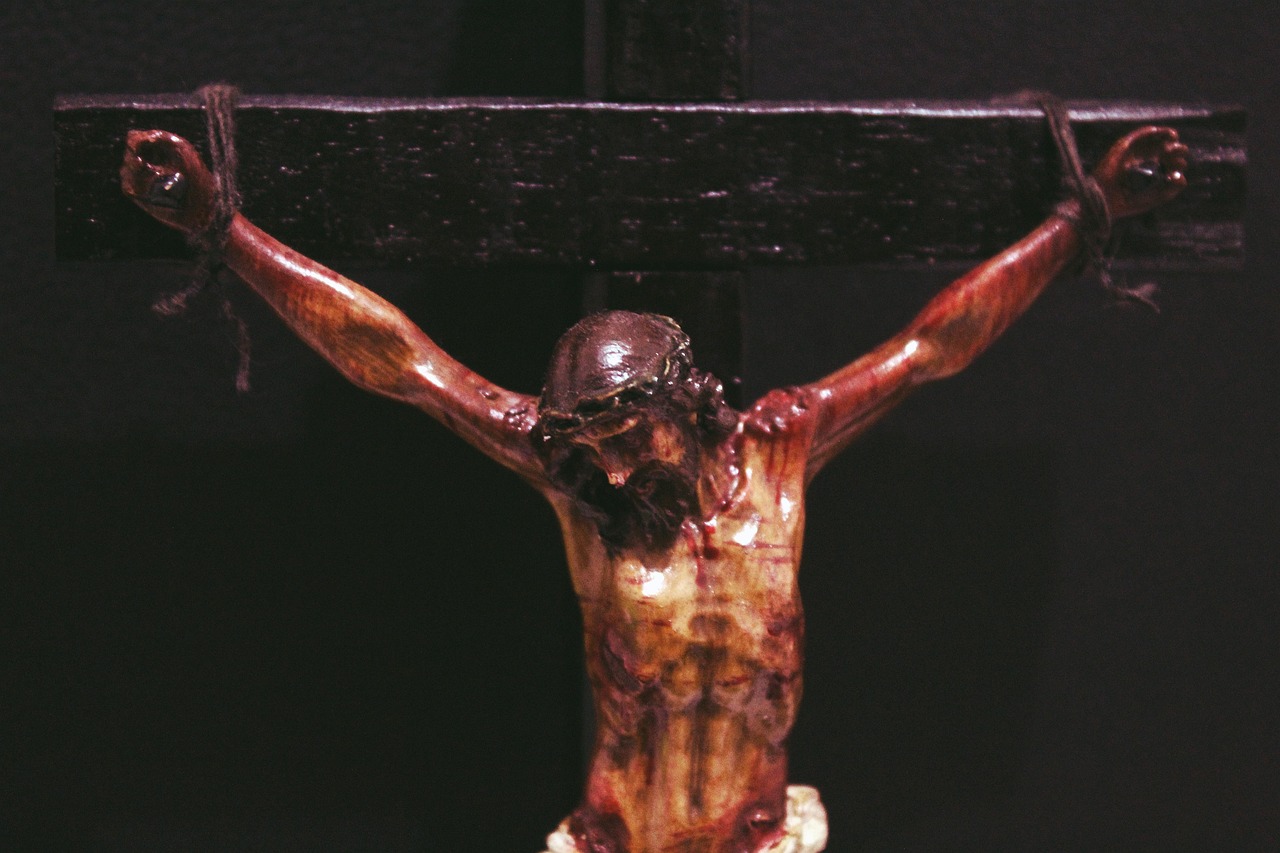
No matter what we feel, we should take some time this week to be still before Him, look on His agonizing face, and recall the prophetic words of the Psalm: “I looked for someone to take pity, but there was none; for comforters, but I found none. They gave me poison for food, and for my thirst they gave me vinegar to drink” (Psalm 69:20-21).

It is night. The darkness of impending death and the tomb weigh on Holy Week. Let us not be afraid to look upon Him who we have pierced (Zech. 12:10, Jn 19:37), to look on what our sins have wrought, to spend time making the quiet effort to be with the agonizing Heart of the One who gave all for love of us, because we know that on the other side of the tomb is the light of the Resurrection.

Contact the author


Es martes de la Semana Santa. Nos acercamos a los días más sagrados del año, el Triduo Pascual, y después de escuchar el Evangelio de la Pasión el domingo pasado, nuestros corazones deberían estar llenos de emoción, anticipando los acontecimientos a los que estamos llamados a unirnos con nuestro Señor, a quien amamos, quien voluntariamente sufrió todo esto por ti y por mí.

Tal vez este año nos sintamos valientes y deseemos esforzarnos por permanecer cerca al Señor.

Tal vez nos incomode la idea de meditar en la Pasión.

Tal vez no sintamos nada, seamos indiferentes, como si no tuviera relevancia en nuestras preocupaciones diarias.

Si somos valientes, Jesús puede advertirnos que lo podríamos llegar a negar tres veces.

Si nos incomoda, puede suplicarnos: “¿No pudiste velar conmigo ni una hora?” (Mt 26,40).

Si no sentimos nada, tal vez necesitemos pedir la gracia de una comprensión más profunda, para poder apreciar la trascendencia de estos días. 

Sin importar lo que sintamos, esta semana debemos dedicar un tiempo a estar en silencio ante Él, contemplar su rostro agonizante y recordar las palabras proféticas de los Salmos: “Busqué quien se compadeciera, y no lo hallé; busqué consoladores, y no los encontré. Me dieron veneno por comida, y para mi sed me dieron a beber vinagre” (Salmo 69,20-21).

Es de noche. La oscuridad de la muerte inminente y la tumba pesan sobre la Semana Santa. No temamos mirar a Aquel a quien traspasamos (Zac 12,10 y Juan 19,37), a contemplar las consecuencias de nuestros pecados, a dedicar tiempo a hacer un intento silencio de estar con el Corazón agonizante de Aquel que lo dio todo por amor a nosotros, porque sabemos que al otro lado de la tumba está la luz de la Resurrección.

Comunicarse con la autora

Kathryn Mulderink, MA, is married to Robert, Station Manager for Holy Family Radio. Together they have seven children (including Father Rob), and eleven grandchildren. She is President of the local community of Secular Discalced Carmelites and has published five books and many articles. Over the last 30 years, she has worked as a teacher, headmistress, catechist, Pastoral Associate, and DRE, and as a writer and voice talent for Catholic Radio. Currently, she serves the Church by writing and speaking, and by collaborating with various parishes and to lead others to encounter Christ and engage their faith. Her website is www.KathrynTherese.com
Feature Image Credit: leandro_monsieur, pixabay.com/photos/jesus-jesus-christ-crucifixion-5703825/

The views and opinions expressed in the Inspiration Daily blog are solely those of the original authors and contributors. These views and opinions do not necessarily represent those of Diocesan, the Diocesan staff, or other contributors to this blog.

Let Her Keep This / Deja que guarde esto

After Jesus raises Lazarus from the dead, He returns to Bethany and dines with Lazarus and his sisters.  Mary lavishes Jesus’ feet with costly aromatic nard. Around them, crowds press in to gawk at the miracle worker and see for themselves the man who, rumor has it, staggered out from his tomb. Judas Iscariot then accuses Mary of wasting the costly oil that could have been used for the poor. Jesus replies, “Leave her alone. Let her keep this for the day of my burial.”

Jesus’ response refers not to the poor but to what’s about to happen in a mere six days. When we avoid distractions such as neck-craning and nodding at reprimands, we may notice something: the Lord’s message. “Let her keep this for the day of my burial,” He says. I wonder what He means by this. Certainly, he wasn’t referring to the costly oil that was all absorbed into His skin and no longer available to keep.

When someone dies, we recall the last things we said and did with them. While Mary may not have known it at the time, Jesus knew that her most lavish act would be her last encounter with Him while He was alive. What a consolation it must have been for Mary that she had given Jesus her best when she heard the shocking news of His death. So the this, in “let her keep this,” I conclude, refers to the memory of her last time with her Savior. 

Mary didn’t know of Jesus’ imminent departure, yet she lavished costly oil upon Him. Unlike Mary, we do know what’s to come during Holy Week. What will we lavish upon Him?

Contact the Author


Después de resucitar a Lázaro, Jesús regresó a Betania y cenó con él y sus hermanas. María ungió los pies de Jesús con costoso aceite aromático de nardo. A su alrededor, una multitud se agolpaba para contemplar al hacedor de milagros y ver por sí mismos al hombre que, según los rumores, había salido tambaleándose de su tumba. Judas Iscariote acusó entonces a María de malgastar el óleo costoso que podría haberse usado para los pobres. Jesús respondió: “Déjenla. Esto lo tenía guardado para el día de mi sepultura”.

La respuesta de Jesús no se refería a los pobres, sino a lo que estaba a punto de suceder en tan solo seis días. Cuando evitamos distracciones como estirar el cuello y asentir ante las reprimendas, podemos notar algo: el mensaje del Señor. “Esto lo tenía guardado para el día de mi sepultura”, dijo. Otra traducción dice que guarde esto para el dia de mi sepultura. Me pregunto qué quiso decir con esto. Ciertamente, no se refería al costoso aceite que había sido absorbido por su piel y que ya no se podía guardar.

Cuando alguien muere, recordamos lo último que dijimos e hicimos con esa persona. Aunque María quizá no lo supiera en ese momento, Jesús sabía que su acto más generoso sería su último encuentro con Él en la vida. Qué consuelo debió sentir María al haberle dado lo mejor de sí a Jesús cuando recibió la terrible noticia de su muerte. Por lo tanto, concluyo que esto se refiere al recuerdo de su último momento con su Salvador.

María no sabía de la inminente partida de Jesús, pero aun así le derramó óleo costoso. A diferencia de María, nosotros sí sabemos lo que sucederá durante la Semana Santa. ¿Qué le vamos a derramar nosotros?

Comunicarse con la autora


Frances Smit is a children’s book author, a Catechist (of the Good Shepherd), educator, and mom. She serves in-the-pews Catholics seeking MORE through stories that hold space for an encounter with God. She desires everyone to experience that with God, there is always MORE.   https://fbsmit.substack.com/  and  https://www.francessmit.com/

Feature Image Credit: ali mousavi, https://unsplash.com/photos/white-ceramic-vase-on-white-table-EWIfwcLPALQ

The views and opinions expressed in the Inspiration Daily blog are solely those of the original authors and contributors. These views and opinions do not necessarily represent those of Diocesan, the Diocesan staff, or other contributors to this blog.

A Week to Feel His Profound Love / Una semana para sentir su profundo amor

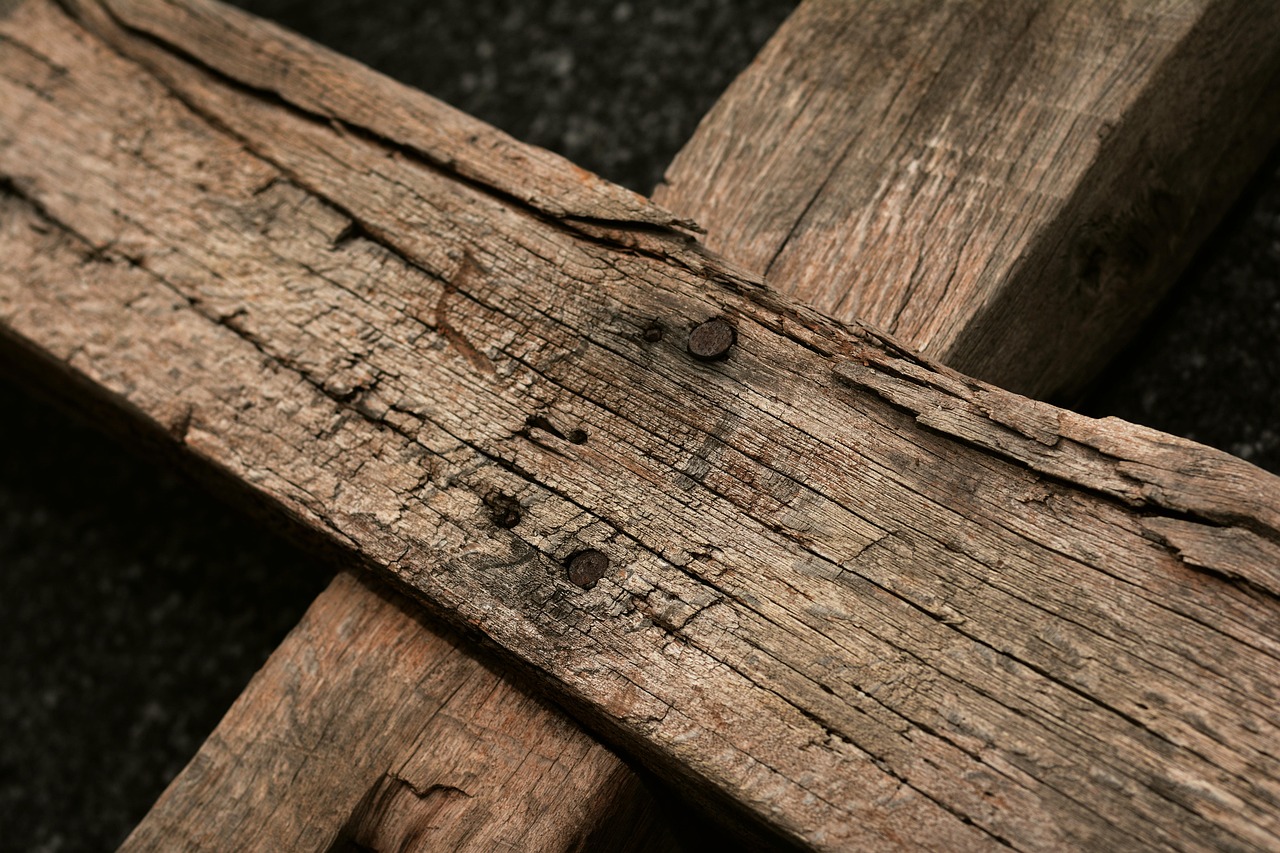
Today’s Gospel reading reveals the depths of divine love through Jesus’ suffering and sacrifice. This passage is enormously long! As we stand to listen to the Gospel proclaimed during Mass, you may feel your knees buckle a little or your back begin to ache. Small children in the pews will fiddle and whine. Altar servers’ arms will grow tired from holding their candles. You will also feel your heart break as we recall Jesus’ pain and suffering, our contribution to His pain, and the profundity of His love for us. 

The physical discomfort that you’ll likely experience at Mass today is part of the genius of the Catholic liturgy. The twinges of pain or discomfort that we experience while listening to Matthew’s account of the Passover meal, Jesus’ agony in the Garden of Gethsemane, his trial, passion, death, and burial, is part of the point. We may offer our discomfort as a miniscule, participation in Jesus’ crucible ordeal. By the mere act of standing for the Gospel, we may draw closer to Jesus’ cross and understand his profligate and sacrificial love for us more fully. 

Entering into Holy Week, we have just a few more days to rededicate ourselves to our Lenten penances, mortifications, and fasts, to get to confession, and to prepare our hearts for Easter. Throughout Lent, and especially as we listen to today’s Gospel, our hearts are filled with compassion and gratitude for Jesus’ suffering. Our Lenten offerings may not have been easy, as suffering rarely is, but our physical work truly prepares our hearts and souls to receive all that Jesus offers us. 

Though today’s Gospel passage is full of trials, Jesus, as a deliberate and loving participant in humanity’s redemption, also reminds us of God’s goodness. Jesus promises us that goodness prevails. During the Passover meal, Jesus gives the disciples His body and blood. And on the cross He offers that same body and blood in death for the salvation of all. 

As the baptized Christians, we participate sacramentally in Jesus’ death and resurrection. Entering into the waters of baptism, we die to sin, and emerging, we rise incorporated into Jesus’ divine sonship. This is a sonship whereby we participate in the life of Jesus eternally. We know that without the cross there is no resurrection. Rather than avoid suffering this week, let us unite our sufferings to Jesus and prepare our hearts for Easter’s victory over death and the opening of the promise of heaven.

Contact the author


La lectura del Evangelio de hoy revela la profundidad del amor divino a través del sufrimiento y sacrificio de Jesús. ¡Este pasaje es muy extenso! Al ponernos de pie para escuchar el Evangelio proclamado durante la Misa, es posible que sientas que te flaquean un poco las rodillas o que te duela la espalda. Los niños pequeños en las bancas se pondrán inquietos o capaz llorarán. Los brazos de los monaguillos se cansarán de sostener las velas. También sentirás que se te parte el corazón al recordar el dolor y el sufrimiento de Jesús, nuestra contribución a su dolor y la profundidad de su amor por nosotros.

La incomodidad física que probablemente experimentes en la Misa de hoy forma parte de la esencia de la liturgia católica. Las leves molestias o incomodidades que sentimos al escuchar el relato de Mateo sobre la cena de Pascua, la agonía de Jesús en el Huerto de Getsemaní, su juicio, pasión, muerte y sepultura, son parte fundamental de la liturgia. Podemos ofrecer nuestra incomodidad como una minúscula participación en la pasión de Jesús. Con tan solo pararnos para escuchar Evangelio, podemos acercarnos a la cruz de Jesús y comprender más plenamente su amor generoso y sacrificial por nosotros.

Al comenzar la Semana Santa, nos quedan pocos días para renovar nuestro compromiso con las penitencias, mortificaciones y ayunos de Cuaresma, para confesarnos y preparar nuestros corazones para la Pascua. Durante toda la Cuaresma, y ​​especialmente al escuchar el Evangelio de hoy, nuestros corazones se llenan de compasión y gratitud por el sufrimiento de Jesús. Nuestras ofrendas cuaresmales tal vez no hayan sido fáciles, pues rara vez lo es el sufrimiento, pero nuestro trabajo físico prepara verdaderamente nuestros corazones y almas para recibir todo lo que Jesús nos ofrece.

Aunque el pasaje del Evangelio de hoy está lleno de pruebas, Jesús, como participante deliberado y amoroso en la redención de la humanidad, también nos recuerda la bondad de Dios. Jesús nos promete que la bondad prevalecerá. Durante la cena pascual, Jesús les da a los discípulos su cuerpo y su sangre. Y en la cruz ofrece ese mismo cuerpo y esa misma sangre en su muerte por la salvación de todos. 

Como cristianos bautizados, participamos sacramentalmente de la muerte y resurrección de Jesús. Al entrar en las aguas del bautismo, morimos al pecado y, al salir, resucitamos incorporados a la filiación divina de Jesús. Esta filiación nos permite participar eternamente de la vida de Jesús. Sabemos que sin la cruz no hay resurrección. En lugar de evitar el sufrimiento esta semana, unamos nuestros sufrimientos a Jesús y preparemos nuestros corazones para la victoria de la Pascua sobre la muerte y la apertura de la promesa del cielo.

Comunicarse con la autora

Elizabeth Tomlin is the author of Joyful Momentum: Building and Sustaining Vibrant Women’s Groups and contributing author to the Ave Prayer Book for Catholic Mothers. She is General Counsel for the Archdiocese for the Military Services, USA. Elizabeth is an Army wife and mother of three and currently lives in Oklahoma. You can find her at @elizabethannetomlin on social media and she blogs at JoyfulMomentum.org 

Feature Image Credit: congerdesign, pixabay.com/photos/wooden-cross-wood-good-friday-3262919/

The views and opinions expressed in the Inspiration Daily blog are solely those of the original authors and contributors. These views and opinions do not necessarily represent those of Diocesan, the Diocesan staff, or other contributors to this blog.

Our God is Great! / ”Nuestro Dios es grande!

Tomorrow, we begin the holiest week of the year. But before we begin to focus on Jesus’ passion, death and resurrection, we read in Ezekiel and Jeremiah what God will do for us. He will unify us, give us land, deliver us from our sins, make an everlasting covenant of peace with us, dwell among us, and give us one shepherd. 

God’s offer is great, isn’t it? I hope our response is just as all encompassing. God offers all of this to us all; we have only to accept it and live as He asks us to during our time on this earth, living by God’s statutes and carefully observing His decrees. 

In the Gospel we read how those who want Jesus to die plot against him. And indeed, Jesus does die. For all of us. So that we can have what God wants to give us. A life of fullness and peace and joy and abundance. 

Do you want what God offers you? Many of us have spent the past forty days doing our best to root out sin, make sacrifices, and grow closer to God through acts of mortification. But as we enter Holy Week, let us also turn to God and ask Him to lead us to a greater repentance and understanding of what He has for us. 

Spend some time pondering God’s goodness and what you can do to thank and honor Him for all the blessings and gifts He has given you.

Contact the author


Mañana comenzamos la semana más santa de todo el año. Pero antes de centrarnos en la pasión, muerte y resurrección de Jesús, leemos en Ezequiel y Jeremías lo que Dios hará por nosotros. Nos unificará, nos dará tierra, nos librará de nuestros pecados, hará con nosotros una alianza eterna de paz, habitará entre nosotros y nos dará un solo pastor.

La oferta de Dios es grandiosa, ¿verdad? Espero que nuestra respuesta sea igual de generosa. Dios nos ofrece todo esto; solo tenemos que aceptarlo y vivir como Él nos pide durante nuestra vida en la tierra, viviendo según sus preceptos y observando fielmente sus decretos.

En el Evangelio leemos cómo quienes querían la muerte de Jesús conspiraron contra él. Y, en efecto, Jesús murió. Por todos nosotros. Para que podamos tener lo que Dios quiere darnos: una vida de paz y plenitud, alegría y abundancia.

¿Deseas lo que Dios te ofrece? Muchos hemos dedicado los últimos cuarenta días a esforzarnos por erradicar el pecado, hacer sacrificios y acercarnos a Dios mediante actos de mortificación. Pero al entrar en la Semana Santa, también volvamos a Dios y pidámosle que nos guíe a un mayor arrepentimiento y a una mejor comprensión de lo que tiene preparado para nosotros. 

Dedica tiempo a reflexionar sobre la bondad de Dios y sobre cómo puedes agradecerle y honrarle por todas las bendiciones y dones que te ha concedido.

Comunicarse con la autora

Deanna G. Bartalini, M.Ed., M.P.A. is a certified spiritual director, retreat leader, speaker, and writer with decades of experience serving the Church. She is the founder of LiveNotLukewarm.com, works on the retreat team at Our Lady of Florida Passionist Spiritual Center, and is an Unbound prayer minister.  She has served as a religious education director, youth minister, liturgical coordinator, and stewardship director. She writes for SpiritualDirection.comCatholicMom.comDiocesan.com, and Women in the New Evangelization (WINE). Deanna is the author of The Stay Connected Journals for Catholic Women, Invite the Holy Spirit into your Life, and has contributed to the Catholic Mom’s Prayer Companion, as well as Digital Ministry and Leadership in Today’s Church.

Feature Image Credit: frank mckenna, unsplash.com/photos/five-birds-flying-on-the-sea-OD9EOzfSOh0 

The views and opinions expressed in the Inspiration Daily blog are solely those of the original authors and contributors. These views and opinions do not necessarily represent those of Diocesan, the Diocesan staff, or other contributors to this blog.

The Importance of Details / La importancia de los detalles

Have you ever stopped to think about how important details are? How countless white and yellow lines painted on roads keep millions of people safe day in and day out. How the exact amount of ingredients, down to a quarter of a teaspoon can make or break a delicious recipe. How the precise words you choose to express yourself can either unite or separate you from family and friends. Details are very important.

Yet, at the same time, how important are they really? One day, I was feeling especially exasperated by my children and stepped outside for a walk. As I took a deep breath, my gaze rose upward. I took in the blue sky and the clouds on that lovely day. My thoughts turned heavenward. I was reminded once again of my goal: to be welcomed into those pearly gates. One argument from my tween, one act of disobedience from my 10-year-old and one temper tantrum from my toddler should not shake me. Those details are not important. What is important is allowing those moments to take me one step closer to heaven.

At this point in our Lenten journey, we may be tempted to focus on the details. “I’ve failed in my resolutions 62 times!” or “I can’t stand one more bite of this nasty fish!” We may even feel like crying out like those in the first reading: “Terror on every side!” Yet, when it’s all said and done, that’s not what these 40 days are all about. Each detail is simply a means to reach our heavenly goal.  

During times of difficulty, may we take comfort in the words of the Psalm Response: “In my distress, I called upon the Lord, and he heard my voice.” May we be like one of the many who came to Jesus in the Gospel and believed in Him. May our goal always outshine the details, no matter how important they are.

Contact the Author


¿Alguna vez te has puesto a pensar en la importancia de los detalles? En cómo las incontables líneas blancas y amarillas pintadas en las carreteras mantienen a millones de personas seguras día tras día. En cómo la cantidad exacta de ingredientes, hasta un cuarto de cucharadita, puede hacer que una receta deliciosa sea un éxito o un fracaso. En cómo las palabras precisas que eliges para expresarte pueden unirte o separarte de tu familia y amigos. Los detalles son muy importantes.

Sin embargo, al mismo tiempo, ¿cuán importantes son realmente? Un día, me sentía especialmente exasperada con mis hijos y salí afuera a caminar. Al respirar profundamente, mi mirada se elevó. Contemplé el cielo azul y las nubes del hermoso día. Mis pensamientos se dirigieron hacia el cielo. Recordé una vez más mi objetivo: ser recibida en las puertas del cielo. Una discusión con mi preadolescente, un acto de desobediencia de mi hijo de 10 años y un berrinche de mi hijita no deberían afectarme. Esos detalles no son importantes. Lo importante es permitir que esos momentos me acerquen un paso más al cielo.

En este punto de la Cuaresma, podemos sentirnos tentados a centrarnos en los detalles. “¡He fallado en mis propósitos 62 veces!” o “¡No soporto ni un bocado más de este pescado asqueroso!” Incluso podemos sentir ganas de clamar como aquellos en la primera lectura que proclamaban terror por todas partes. Sin embargo, al fin y al cabo, de eso no se trata estos 40 días. Cada detalle es simplemente un medio para alcanzar nuestra meta celestial.

En tiempos de dificultad, que encontremos consuelo en las palabras del Salmo: “en mi angustia le grité a mi Dios…y mi grito llegó a sus oídos”. Que seamos como los muchos que se acercaron a Jesús en el Evangelio y creyeron en Él. Que nuestra meta siempre resplandezca por encima de los detalles, por muy importantes que sean.

Comunicarse con la autora


Tami Urcia is a midwestern gal from a large Catholic family. As a young adulthood she was a missionary in Mexico, where she studied theology and philosophy. After returning stateside bilingual, she gained a variety of work experience, traveled extensively and finished her Bachelor’s Degree at Brescia University. She loves organizing and simplifying things, watching her children play sports, deep conversations with close family and friends and finding unique ways to brighten others’ day with Christ’s love. She works full time at Diocesan in the Software Department and manages the Inspiration Daily reflections. She is also a contributing writer on CatholicMom.com and BlessedIsShe.net.

Feature Image Credit: Sixteen Miles Out, unsplash.com/photos/baking-ingredients-and-tools-arranged-on-a-white-surface-KH9iqmoE374

The views and opinions expressed in the Inspiration Daily blog are solely those of the original authors and contributors. These views and opinions do not necessarily represent those of Diocesan, the Diocesan staff, or other contributors to this blog.

Nothing and Everything / Nada y todo

“I am making you the father of a host of nations.”

“I will give to you and to your descendants after you the land in which you are now staying.”

“If I glorify myself, my glory is worth nothing; but it is my Father who glorifies me.”

On the exact same day I began reflecting on today’s readings from Genesis and the Gospel from John, I read and reflected on a meditation of humility adapted from the writings of the Rev. Cajetan Mary da Bergamo, a Capuchin priest who lived in Italy from 1660 to 1753. His meditations are gathered in the book entitled, Know Thyself: 100 Guided Meditations on Humility of Heart. I highly recommend it to anyone and everyone.

This particular meditation talks about us figuring out what is from God and what is our own. Bergamo’s conclusion is quick and to the point: “By rendering to God what is His, nothing is left to ourselves but nothingness. … all that is within us that is more than nothingness belongs to God, and He can take away what is His when He chooses without doing us any wrong.”

Yet our readings show us God’s love for us. God Himself told Abram the gifts He would give him: a new name and fertility and descendants and a homeland. Earlier in Genesis, we are told Abraham believed God, and it was credited to him as righteousness. Even Jesus, the Son of God Himself, confessed glorifying Himself was nothing, but the Father glorifying Him was everything. Can we believe in — and accept — that all-encompassing love?

Later in Bergamo’s short reflection, he tells us, “All the good that I do comes from God, and nothing belongs to me but my own nothingness. What was I in the abyss of eternity? A mere nothing. And what did I do of myself to emerge from that nothingness? Nothing. If God had not created me, where should I be? In nothingness. If God did not uphold me at every turn, whither should I return? Into nothingness. … When I do evil it is entirely my own work, when I do good it belongs to God alone.”

Knowing and living a humility like that is the wisdom of the saints throughout the ages. As we march closer to the sacrifice of Calvary this Lent, I know that such a humility is not yet mine, as apparent as my nothingness actually is. I pray constantly that I may eventually approach it and fully rely on God — Father, Son and Holy Spirit — who is truly my everything.

Contact the author


“Serás padre de una multitud de pueblos”.

“A ti y a tus descendientes les daré en posesión perpetua toda la tierra de Canaán, en la que ahora vives”.

“Si yo me glorificara a mí mismo, mi gloria no valdría nada. El que me glorifica es mi Padre”.

El mismo día en que comencé a reflexionar sobre las lecturas de hoy del Génesis y del Evangelio de Juan, leí y medité sobre una meditación de humildad adaptada de los escritos del Reverendo Cayetano María de Bérgamo, un sacerdote capuchino que vivió en Italia de 1660 a 1753. Sus meditaciones están recopiladas en el libro titulado Conócete a ti mismo: 100 meditaciones guiadas sobre la humildad del corazón. Lo recomiendo encarecidamente a todo el mundo.

Esta meditación en particular trata sobre discernir qué proviene de Dios y qué es nuestro. La conclusión de Bérgamo es rápida y directa: “Al entregar a Dios lo que es suyo, no nos queda nada más que la nada… todo lo que hay en nosotros que es más que la nada pertenece a Dios, y Él puede quitarnos lo que es suyo cuando lo desee sin hacernos daño alguno”.

Sin embargo, nuestras lecturas nos muestran el amor de Dios por nosotros. Dios mismo le dijo a Abram los dones que le otorgaría: un nuevo nombre, fertilidad, descendencia y una patria. Anteriormente en el Génesis, se nos dice que Abraham creyó en Dios, y esto le fue contado por justicia. Incluso Jesús, el Hijo de Dios mismo, confesó que glorificarse a sí mismo no era nada, pero que la glorificación del Padre lo era todo. ¿Podemos creer en ese amor que abarca todo y aceptarlo?

Más adelante, en su breve reflexión, Bérgamo nos dice: “Todo el bien que hago viene de Dios, y nada me pertenece salvo mi propia nada. ¿Qué era yo en el abismo de la eternidad? Una mera nada. ¿Y qué hice por mí mismo para emerger de esa nada? Nada. Si Dios no me hubiera creado, ¿dónde estaría? En la nada. Si Dios no me sostuviera en cada paso, ¿adónde regresaría? A la nada… Cuando hago el mal, es enteramente obra mía; cuando hago el bien, pertenece sólo a Dios”.

Conocer y vivir una humildad como esa es la sabiduría de los santos a lo largo de los siglos. Al acercarnos al sacrificio del Calvario en esta Cuaresma, sé que aún no poseo esa humildad, por más evidente que sea mi propia insignificancia. Oro constantemente para poder alcanzarla algún día y confiar plenamente en Dios —Padre, Hijo y Espíritu Santo,— quien verdaderamente lo es todo para mí.

Comunicarse con el autor

Mike Karpus is a regular guy. He grew up in Michigan’s Upper Peninsula, graduated from Michigan State University and works as an editor. He is married to a retired Catholic school principal, raised two daughters who became Catholic school teachers at points in their careers, and now relishes his three young grandchildren. He serves on a Catholic school board and has served on pastoral councils, a building committee and a parish stewardship committee. He currently is a lector at Mass, a Knight of Columbus, vice president of a memorial scholarship committee and a board member of the local Habitat for Humanity organization. But mostly he’s a regular guy.

Feature Image Credit: Matus Hatala, unsplash.com/photos/body-of-water-waving-i55tj_BBwa0

The views and opinions expressed in the Inspiration Daily blog are solely those of the original authors and contributors. These views and opinions do not necessarily represent those of Diocesan, the Diocesan staff, or other contributors to this blog.

ā€œI Am the Handmaid of the Lordā€ / ā€œYo soy la esclava del SeƱorā€

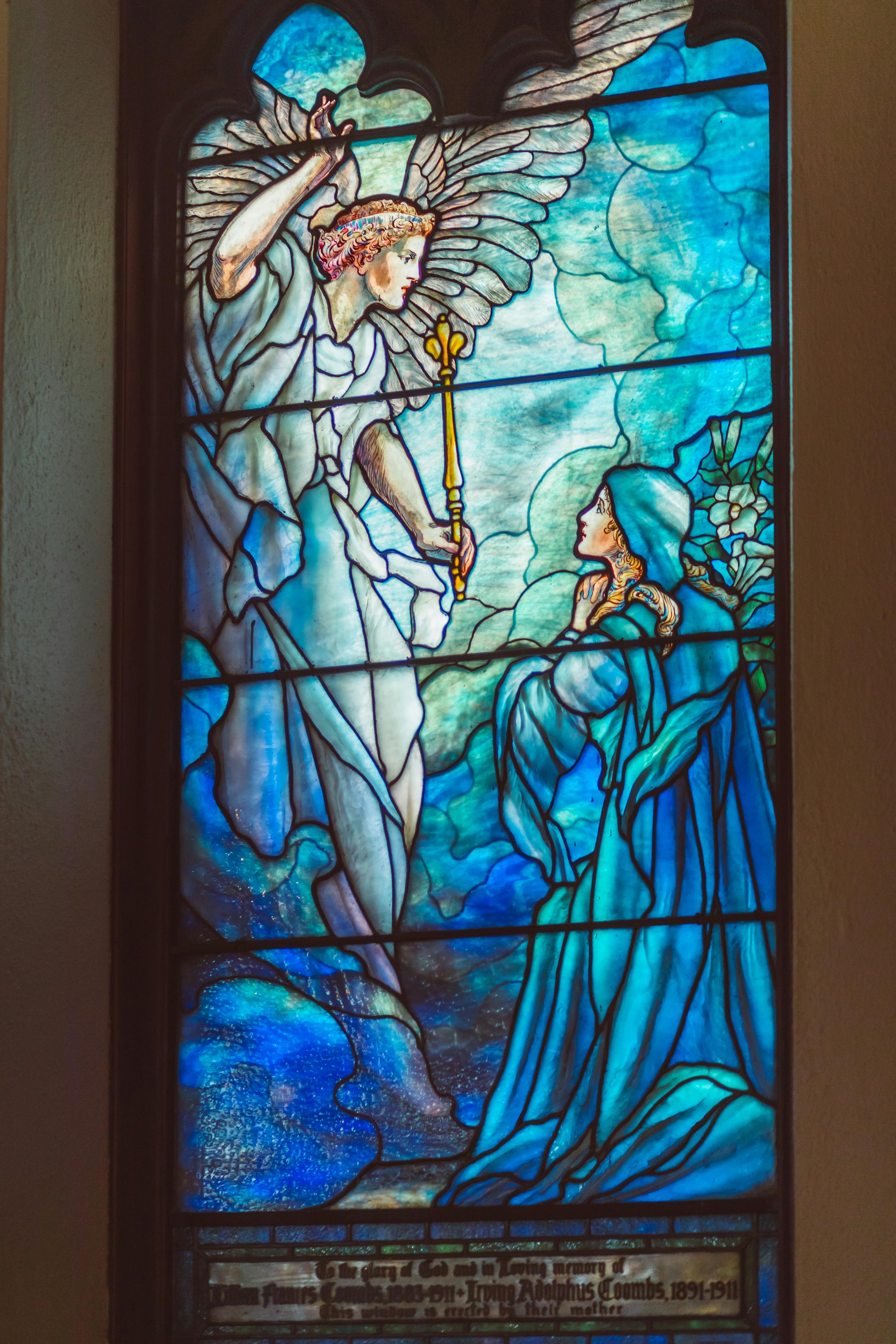
Today’s Gospel is the pivot point in all of human history, all of salvation history, all of eternity.  Everything hinges on this moment when an angel brings a stupendous message to a young virgin in Galilee. Everything has been leading up to this moment, all of history cascades from this moment, and it all depends on the heart of this young maiden, on her conformity to the will of God with immense faith and loving obedience.

Some pious writers have imagined all of Heaven peering down in anticipation, as if wondering whether she will say “yes.” Of course she will; she is free to say no, but her heart and soul were prepared from all eternity and preserved from all stain of Original Sin. She was uniquely free with the Original Freedom and Original Innocence that Adam and Eve were given. Gabriel refers to her as “FULL of grace.” In this unique state of nearness to God, she cannot refuse His will. What He does in us, He does only with our active cooperation; it is necessary for Mary to surrender her will – actively WILL what God wills – in order for the Incarnation to happen within her.

And so, with majestic power and virginal simplicity, she replies, “Behold, I am the handmaid of the Lord. May it be done to me according to your word.”

In that moment, the Davidic king who will rule over the nations, save us from our sin, and fulfill every Old Testament prophecy becomes enfleshed, real, one of us. In that moment, the Gospel is realized, Adam’s fall is undone, salvation is made possible, the reign of God with us begins. In that moment, when the one who is “full of grace” utters her humble yes in loving submission to the will of God, Love becomes Flesh and dwells among us, forever and always to remain with us, forever and always to remain human and divine. With her submissive word, the Word becomes Flesh. In that moment, the daughter of God becomes the Mother of God, and therefore, Mother of us all.

For hundreds of years, Catholics have commemorated this profound mystery by praying the Angelus three times each day – at morning, noon, and evening. If this is not yet part of your daily prayer, consider adding it before your Grace at mealtimes, to ponder and give thanks for this great Gift!

Contact the author


El Evangelio de hoy es el punto central de toda la historia de la humanidad, de toda la historia de la salvación, de toda la eternidad. Todo gira en torno a este momento en que un ángel trae un mensaje trascendental a una virgen joven de Galilea. Todo ha estado encaminado a este momento, toda la historia se despliega a partir de este instante, y todo depende del corazón de esta joven, de su conformidad con la voluntad de Dios con una fe inmensa y una obediencia amorosa.

Algunos escritores piadosos han imaginado a todo el Cielo observando expectante, como preguntándose si ella dirá “sí”. Por supuesto que sí; es libre de decir que no, pero su corazón y su alma fueron preparados desde la eternidad y preservados de toda mancha del pecado original. Ella era singularmente libre, con la libertad y la inocencia originales que se les dieron a Adán y Eva. Gabriel se refiere a ella como “llena de gracia”. En este estado único de cercanía a Dios, no puede rechazar su voluntad. Lo que Él hace en nosotros, lo hace solo con nuestra cooperación activa. Es necesario que María entregue su voluntad —que desee activamente lo que Dios desea— para que la Encarnación se produzca en ella.

Y así, con majestuosa fuerza y ​​sencillez virginal, responde: “Yo soy la esclava del Señor; cúmplase en mí lo que me has dicho”.

En ese instante, el rey davídico que reinará sobre las naciones, nos salvará del pecado y cumplirá todas las profecías del Antiguo Testamento, se encarna, se hace real, se convierte en uno de nosotros. En ese instante, el Evangelio se realiza, la caída de Adán se deshace, la salvación se hace posible, el reinado de Dios entre nosotros comienza. En ese instante, cuando la que está “llena de gracia” pronuncia su humilde sí en amorosa sumisión a la voluntad de Dios, el Amor se hace carne y habita entre nosotros para siempre y permanece con nosotros, permanentemente humano y divino. Con su palabra sumisa, el Verbo se hace carne. En ese instante, la hija de Dios se convierte en la Madre de Dios y, por lo tanto, en Madre de todos nosotros.

Durante siglos, los católicos han conmemorado este profundo misterio rezando el Ángelus tres veces al día: por la mañana, al mediodía y por la noche. Si aún no forma parte de tu oración diaria, considera añadirlo antes de la oración de las comidas, para meditar y dar gracias por este gran Don.

Comunicarse con la autora

Kathryn Mulderink, MA, is married to Robert, Station Manager for Holy Family Radio. Together they have seven children (including Father Rob), and eleven grandchildren. She is President of the local community of Secular Discalced Carmelites and has published five books and many articles. Over the last 30 years, she has worked as a teacher, headmistress, catechist, Pastoral Associate, and DRE, and as a writer and voice talent for Catholic Radio. Currently, she serves the Church by writing and speaking, and by collaborating with various parishes and to lead others to encounter Christ and engage their faith. Her website is www.KathrynTherese.com

Feature Image Credit: RDNE Stock project, pexels.com/photo/stained-glass-mural-inside-the-church-8675093/

The views and opinions expressed in the Inspiration Daily blog are solely those of the original authors and contributors. These views and opinions do not necessarily represent those of Diocesan, the Diocesan staff, or other contributors to this blog.

Because I Said So / Porque te lo he dicho

“Because I said so.” Kids are flummoxed by this response. So much so that many of us, having heard it as children, swore that we would never say it to our own kids. Then, life humbles us, and there we are: Why no fork in the light socket? Because I said so. Why shouldn’t I jump out of this tree? Because I said so. Why can’t I ride my bike to the park at midnight and meet my friends? Because I said so.

We become parents, and we get it. “Because I said so” is shorthand for so much more: Because I see things you don’t. Because I understand the ramifications and consequences in a way you can’t yet. Because I have learned from life experience, and I don’t want you to hurt from the same mistakes I made. Because I love you, and I want to protect you. Because I can’t convey all that to you right now because you aren’t able yet to understand what I’m saying.

“Because I said so” really means “you’re going to need to trust me on this one.” In moments of petulance, the child challenges that authority, “Why? Why? But I wanna.” And then learns the hard way why Mom or Dad has “said so.” In moments of humility, though, the child trusts. “You know better; I give.” Then as the child ages and gathers his or her own wisdom and experience, the parent’s wisdom tends to crystallize. Oh, THAT’s why.

In the Gospel today, the Pharisees are flummoxed. Jesus is revealing to them the Messiah, and still they ask, “Who are you?” Jesus replies, “What I told you from the beginning.” He has said who He is; He has shown who He is. He is the Son of Man speaking as the Father taught Him. And still they ask.

Of course Jesus understands their confusion. He knows, “You belong to what is below, I belong to what is above. You belong to this world, but I do not belong to this world.” He sees things the Pharisees don’t. He understands the ramifications and consequences in a way they can’t yet. He speaks for the Eternal God who knows the folly of all mankind, and He doesn’t want those before him to be hurt from the same mistakes made across time. Because He loves them, and He wants to protect them. Because He can’t convey all that to them right in the moment because they aren’t yet able to understand what He’s saying. 

“You’re going to need to trust me on this one,” He seems to say. Why should they believe this guy? Why should we? Because He said so.

Contact the author


“Porque te lo he dicho”. A los niños les desconcierta esta respuesta. Nos ha molestado tanto que muchos de nosotros, al oírla de pequeños, nos hemos comprometido a nunca decírselo a nuestros propios hijos. Pero la vida nos da una lección de humildad, y ahí estamos: ¿Por qué no se puede meter un tenedor al enchufe? Porque te lo he dicho. ¿Por qué no puedo brincar de este árbol? Porque te lo he dicho. ¿Por qué no puedo ir en bici al parque a la medianoche a encontrarme con mis amigos? Porque te lo he dicho.

Cuando nos convertimos en padres llegamos a entenderlo. “Porque te lo he dicho” es una forma abreviada de decir mucho más: Porque veo cosas que tú no ves. Porque entiendo las repercusiones y las consecuencias de una forma que tú aún no puedes comprender. Porque he aprendido de la experiencia y no quiero que sufras por los mismos errores que yo cometí. Porque te amo y quiero protegerte. Porque no puedo transmitirte todo eso ahora mismo porque aún no eres capaz de entender lo que te digo.

“Porque te lo he dicho” en realidad significa “confía en mí sobre esto”. En momentos de berrinche, el niño cuestiona esa autoridad: “¿Por qué? ¿Por qué? ¡Pero yo quiero…!” Y entonces aprende, a las malas, por qué mamá o papá “lo ha dicho”. Sin embargo, en momentos de humildad, el niño confía: “Tú sabes más; te doy mi consentimiento”. Luego, a medida que el niño crece y adquiere su propia sabiduría y experiencia, la sabiduría de los padres tiende a quedar claro. ¡Ah, con razón!

En el Evangelio de hoy, los fariseos están perplejos. Jesús les está revelando al Mesías, y aun así preguntan: “¿Quién eres tú?” Jesús responde: “Precisamente eso que les estoy diciendo”. Él ha dicho quién es; ha demostrado quién es. Es el Hijo del Hombre hablando como el Padre le enseñó. Y aun así preguntan.

Por supuesto que Jesús comprende su confusión. Él sabe: “Ustedes son de aquí abajo y yo soy de allá arriba; ustedes son de este mundo, yo no soy de este mundo”. Él ve cosas que los fariseos no ven. Comprende las ramificaciones y consecuencias de una manera que ellos aún no pueden. Habla en nombre del Dios Eterno, quien conoce la necedad de toda la humanidad y no quiere que quienes le precedieron sufran por los mismos errores cometidos a lo largo del tiempo. Porque los ama y quiere protegerlos. Porque no puede transmitirles todo eso en ese momento, ya que aún no son capaces de comprender lo que les dice.

“Van a tener que confiar en mí en esto”, parece decir. ¿Por qué deben creer a este hombre? ¿Por qué debemos creerle nosotros? Porque nos lo ha dicho.

Comunicarse con la autora

Pamela Kavanaugh is a grateful wife, mother, and grandmother who has dedicated her professional life to Catholic education. Though she has done her very best to teach her students well in the subjects of language and religion, she knows that she has learned more than she has taught. She lives, teaches, and writes in southwest suburban Chicago.


Feature Image Credit: Kelly Sikkema, unsplash.com/photos/a-book-with-the-words-in-god-we-trust-on-it-BqTjbSmkgY0

The views and opinions expressed in the Inspiration Daily blog are solely those of the original authors and contributors. These views and opinions do not necessarily represent those of Diocesan, the Diocesan staff, or other contributors to this blog.

ā€œNeither do I condemn youā€ / ā€œYo tampoco te condenoā€

Jesus did not condemn her. The Pharisees wanted her stoned. They were requesting her death for this sin and I suspect would have been okay with throwing some of those stones if given the chance. How often do we want to throw stones? So often. 

It’s really easy to see the sin in someone else and not in ourselves. It’s to the Pharisees’ credit that they were not so arrogant as to act and throw the first stone, thinking they were sinless. They were not, even if they secretly thought they could be, and we are not either. 

We live in a time where we judge easily and subjectively. We judge because people do not have the same values as we do, or do not practice their faith as we think they should. We argue over whether the Novus Ordo or the traditional Latin Mass is “better,” whether we should receive the Eucharist on our tongue or in our hands, whether kneeling or standing. We condemn others even though Jesus doesn’t and we bristle if anyone suggests that we should be condemned. 

How did we come to this place? How did it come to pass that as Catholics we argue and judge one another about these things? Why does our culture preach diversity but only when it aligns with our own narrative? Maybe we should just be glad people are going to Mass and receiving our Lord instead of bickering over how they should receive Him. It all makes me tired. 

I think we need to leave the judging and condemning to the One who knows our hearts best. In the end, it’s going to be each of us alone with Him. We don’t get a say in other people’s fate and they don’t get a say in ours.

Contact the author


Jesús no la condenó. Los fariseos querían apedrearla. Pedían su muerte por ese pecado y sospecho que, de haber tenido la oportunidad, no habrían tenido ningún problema en arrojarle algunas piedras. ¿Cuántas veces tenemos ganas de apedrear? Demasiadas veces.

Es muy fácil ver el pecado en los demás y no en nosotros mismos. Hay que reconocer que los fariseos no fueron tan arrogantes como para actuar y arrojar la primera piedra, creyéndose inocentes. No lo eran, aunque en secreto pensaran que sí, y nosotros tampoco.

Vivimos en una época en la que juzgamos con facilidad y subjetividad. Juzgamos porque la gente no comparte nuestros valores o no practica su fe como creemos que deberían. Discutimos sobre si el Novus Ordo o la misa tradicional en latín es “mejor”, si debemos recibir la Eucaristía en la lengua o en la mano, si debemos arrodillarnos o estar de pie. Condenamos a otros aunque Jesús no lo haga, y nos indignamos si alguien sugiere que nosotros deberíamos ser condenados.

¿Cómo llegamos a esto? ¿Cómo es que, como católicos, discutimos y nos juzgamos sobre estas cosas? ¿Por qué nuestra cultura predica la diversidad, pero solo cuando se ajusta a nuestra propia narrativa? Quizás deberíamos alegrarnos de que la gente vaya a misa y reciba a nuestro Señor, en lugar de discutir sobre cómo deberían recibirlo. Todo esto me cansa.

Creo que debemos dejar el juicio y la condena a Aquel que mejor conoce nuestros corazones. Al final, cada uno de nosotros estará a solas con Él. No tenemos voz ni voto en el destino de los demás, ni ellos en el nuestro.

Comunicarse con la autora

Merridith Frediani loves words and is delighted by good sentences. She also loves Lake Michigan, dahlias, the first sip of hot coffee in the morning, millennials, and playing Sheepshead with her husband and three kids. She writes for Catholic Mom, Diocesan.com, and her local Catholic Herald. Her first book Draw Close to Jesus: A Woman’s Guide to Adoration is available at Our Sunday Visitor and Amazon. You can learn more at merridithfrediani.com.

Feature Image Credit: shadowlessPhoenix, pixabay.com/photos/heart-water-stone-heart-nature-558528/

The views and opinions expressed in the Inspiration Daily blog are solely those of the original authors and contributors. These views and opinions do not necessarily represent those of Diocesan, the Diocesan staff, or other contributors to this blog.

Jesus’ Timing / El momento de JesĆŗs

Jesus loved Mary, Martha, and Lazarus, so He waited. This is such a difficult passage to swallow. Like Martha who cries to Jesus, “Lord, if you had been here, my brother would not have died,” we, too, cry out to Jesus when the answers we seek are long in coming. 

I found the disciples’ reaction to Jesus’ decision to wait in place, then go back to Judea, to be fascinating. They are concerned for Jesus’ wellbeing as the Jews in Judea had recently tried to stone Jesus. I had to pause and wonder if, perhaps, they had been glad during the two day wait. Perhaps they were sad for Jesus since His friend was sick, but glad for themselves because they weren’t going to go back to a place of danger.

Then, Jesus announces it’s time to go back. The surprise and shock are evident, especially in Thomas’s defeated statement that they are going to their death. It would seem that no one is very pleased with Jesus’ timing. 

What do we do when Jesus’ timing is not our own?  The Gospel offers us two options. The first is that of the disciples. They are resistant, uncertain, and while they do go along with Jesus, they lack an attitude of trust in His wisdom. Then there is Martha, who also wonders and questions Jesus’ timing. However, she makes a bold statement of faith immediately afterwards, demonstrating that she trusts Jesus knows what He’s doing even if she doesn’t.

“But even now, I know that whatever you ask of God, God will give you” (John 11:22). 

Martha’s faith is not dependent on her knowledge of Jesus’ plans. The plans and timing aren’t the important thing. Her focus is on the person of Jesus, the Son of God. Nothing is too impossible for Him, even if it seems beyond our measure of understanding.

Contact the author


Jesús amaba a María, a Marta y a Lázaro, y por eso esperó. Este pasaje es difícil de asimilar. Al igual que Marta, que clama a Jesús: “Señor, si hubieras estado aquí, no habría muerto mi hermano”, nosotros también clamamos a Jesús cuando las respuestas que buscamos tardan en llegar.

Me pareció fascinante la reacción de los discípulos ante la decisión de Jesús de esperar un tiempo y luego regresar a Judea. Les preocupaba el bienestar de Jesús, ya que los judíos de Judea habían intentado apedrearlo recientemente. Tuve que detenerme a pensar si, tal vez, se habían alegrado durante los dos días de espera. Quizás sentían tristeza por Jesús, pues su amigo estaba enfermo, pero se alegraban por sí mismos porque no iban a regresar a un lugar peligroso.

Luego Jesús anuncia que es hora de regresar. La sorpresa y la conmoción son evidentes, especialmente en la expresión de derrota de Tomás, quien afirma que van a ir a la muerte. Al parecer, a nadie le agrada la decisión de Jesús.

¿Qué hacemos cuando el tiempo de Jesús no coincide con el nuestro? El Evangelio nos ofrece dos opciones. La primera es la de los discípulos. Se muestran resistentes e inseguros, y aunque siguen a Jesús, carecen de confianza en su sabiduría. Luego tenemos a Marta, quien también duda del momento que escoge Jesús. Sin embargo, inmediatamente después hace una firme declaración de fe, demostrando que confía en que Jesús sabe lo que hace, aunque ella no lo entienda.

“Pero aun ahora estoy segura de que Dios te concederá cuanto le pidas” (Juan 11,22). 

La fe de Marta no depende de su conocimiento de los planes de Jesús. Los planes y el momento no son lo importante. Su atención se centra en la persona de Jesús, el Hijo de Dios. Nada es imposible para Él, aunque parezca estar más allá de nuestra comprensión.

Comunicarse con la autora

Kate Taliaferro is an Air Force wife and mother. She is blessed to be able to homeschool, bake bread and fold endless piles of laundry. When not planning a school day, writing a blog post or cooking pasta, Kate can be found curled up with a book or working with some kind of fiber craft. Kate blogs at DailyGraces.net.
Feature Image Credit: hodgesce13,pixabay.com/photos/watch-watches-luxury-time-1935514/

The views and opinions expressed in the Inspiration Daily blog are solely those of the original authors and contributors. These views and opinions do not necessarily represent those of Diocesan, the Diocesan staff, or other contributors to this blog.

Full Hearts / Corazones llenos

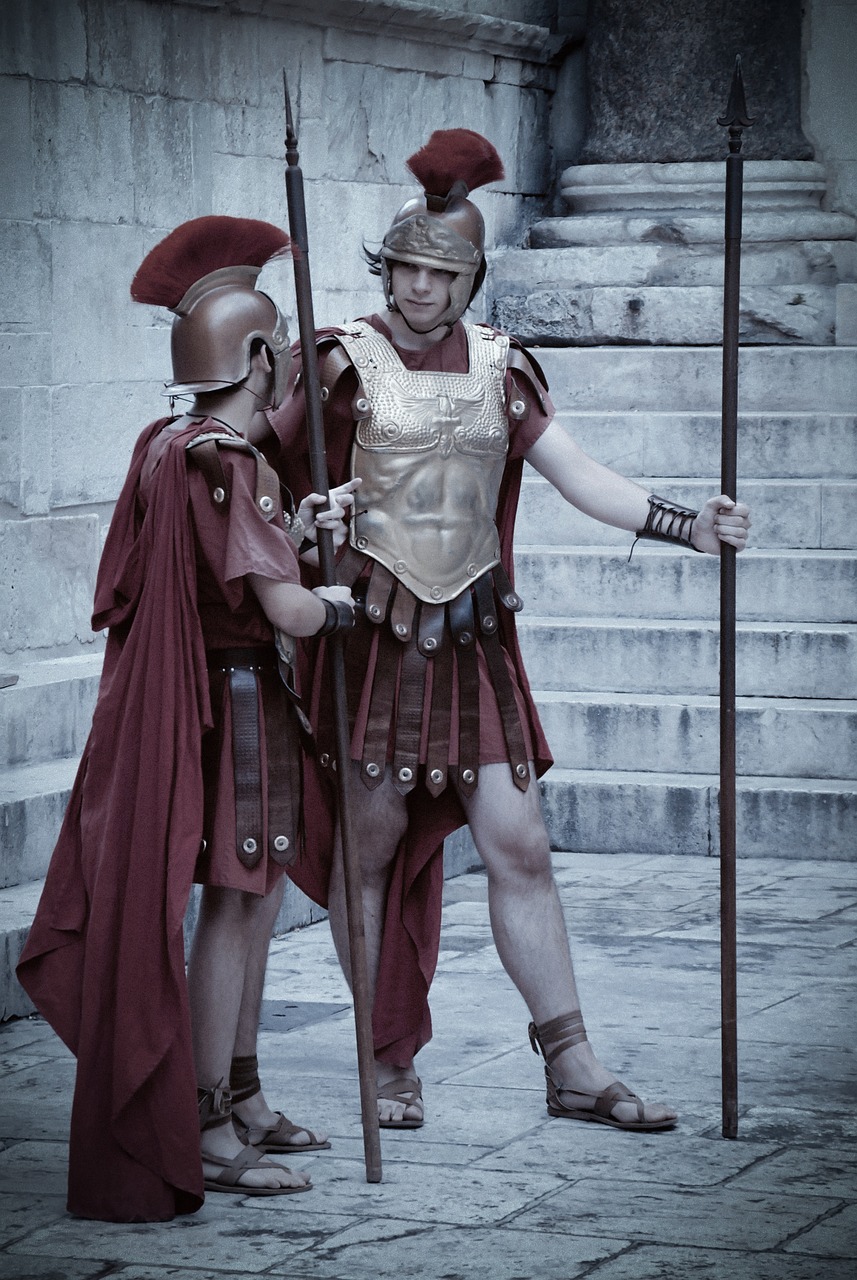
Today’s Gospel presents us with three groups of people: The crowd, the Pharisees and the guards. The crowd was on fire with Jesus’ teaching. Their hearts were full. Then pride gets in the way. They stop thinking about how they felt and an argument breaks out. The guards also experienced the love of God and were filled. But they held onto it and didn’t get involved with the bickering. But, as for the Pharisees, where were their hearts? They were so stuck in the rules, which filled them with thoughts of this world, and not where their faith belonged. They want to prove that they know what’s best.  Pride is so good at ruining a good moment.

I recently attended a three-day retreat and was so inspired that I felt like I was two feet off the ground. Being so filled with the love of God through the Holy Spirit pleases my heart and soul that I yearn for it all the time.  When we experience oneness and closeness to God we long for more because that is what God wants for us. 

Psalm 7 gives us the tools to step over that pride and focus on our dependence on Him. “O LORD, my God, in you I take refuge; save me from all my pursuers and rescue me…Let the malice of the wicked come to an end, but sustain the just, O searcher of heart and soul, O just God…A shield before me is God, who saves the upright of heart…” 

In order to live with this mentality, we have to slow down and take a deep breath. We should always be thinking, is this what I need to do right now? What is Jesus calling me to do at this moment? When our hearts stay filled with Jesus’ love, patience, humility, and understanding flow. 

The Pharisees’ hearts were growing cold as they tried to enforce their will and belief. Where are we growing cold in our lives? Take a moment to reflect on where you are prioritizing your needs above all else. Where are you pridefully pushing your own agenda without considering what Jesus desires? 

I hum this song when I need to refocus: “How great is our God, sing with me, how great is our God. All will know how great, how great is our God.” How will those around us experience God’s love and hear Jesus’ words? By our humble witness to His words and love. It all starts with quietly inviting Jesus into our heart before it turns cold. Let us set aside our pride and lean into His love today, that our hearts may also be full.

Contact the Author


El Evangelio de hoy nos presenta tres grupos de personas: la multitud, los fariseos y los guardias. La multitud estaba entusiasmada con las enseñanzas de Jesús. Sus corazones estaban llenos de amor. Luego, el orgullo se interpuso. Dejaron de reflexionar sobre sus sentimientos positivos y surgió una discusión. Los guardias también experimentaron el amor de Dios y se sentían llenos de corazón. Pero ellos se aferraron a ese amor y no se involucraron en la disputa. Pero, en cuanto a los fariseos, ¿dónde estaban sus corazones? Estaban tan aferrados a las normas, que los llenaban de pensamientos mundanos, y no de de la fe. Querían demostrar que sabían lo que era mejor. El orgullo es capaz de arruinar cualquier buen momento.

Recientemente asistí a un retiro de tres días y me sentí tan inspirada que me sentía en las nubes. Sentirme tan llena del amor de Dios a través del Espíritu Santo llena mi corazón y mi alma, y ​​lo anhelo constantemente. Cuando experimentamos la unidad y la cercanía con Dios, anhelamos más, porque eso es lo que Dios desea para nosotros.

El Salmo 7 nos da las herramientas para superar el orgullo y centrarnos en nuestra dependencia de Él. “En ti, Dios mío, me refugio: de mis perseguidores, sálvame.Tengo mi escudo en Dios, que salva a los de recto corazón. Alabaré al Señor por la justicia y cantaré el nombre del Altísimo.”

Para vivir con esta mentalidad, debemos bajar el ritmo y respirar hondo. Siempre debemos preguntarnos: ¿Es esto lo que necesito hacer ahora? ¿Qué me pide Jesús que haga en este momento? Cuando nuestros corazones están llenos del amor de Jesús, la paciencia, la humildad y la comprensión fluyen.

Los corazones de los fariseos se enfriaban mientras intentaban imponer su voluntad y sus creencias. ¿En qué aspectos de nuestra vida nos estamos enfriando? Tómate un momento para reflexionar sobre dónde priorizas tus necesidades por encima de todo lo demás. ¿Dónde, con orgullo, impones tu propia agenda sin considerar lo que Jesús desea?

Me pongo a cantar esta canción cuando necesito centrarme de nuevo: “¡Cuán grande es nuestro Dios, canten conmigo, cuán grande es nuestro Dios! Todos sabrán cuán grande, cuán grande es nuestro Dios”. ¿Cómo experimentarán quienes nos rodean el amor de Dios y escucharán las palabras de Jesús? Mediante nuestro humilde testimonio de sus palabras y su amor. Todo comienza con invitar en silencio a Jesús a nuestro corazón antes de que se enfríe. Dejemos de lado nuestro orgullo y abracémonos a su amor hoy, para que nuestros corazones también esten llenos.

Comunicarse con la autora


Marti Garcia’s passions are her retired life and growing deeper in her Catholic faith. Marti is a Sacristan/EM, facilitates small groups, and assists as a First Communion Catechist for parents. Being a parent educator and writer for 35 years, she recently published a children’s chapter book on Amazon, The Ladybugs. You can find her at her blog: MartiGarcia.org, or thewaterisshallow.com, or her cohost podcast, findingacommonthread.com, which is coming soon.

Feature Image Credit: Kreidt-Fotografie, https://pixabay.com/photos/persons-romans-warrior-history-4853861/

The views and opinions expressed in the Inspiration Daily blog are solely those of the original authors and contributors. These views and opinions do not necessarily represent those of Diocesan, the Diocesan staff, or other contributors to this blog.