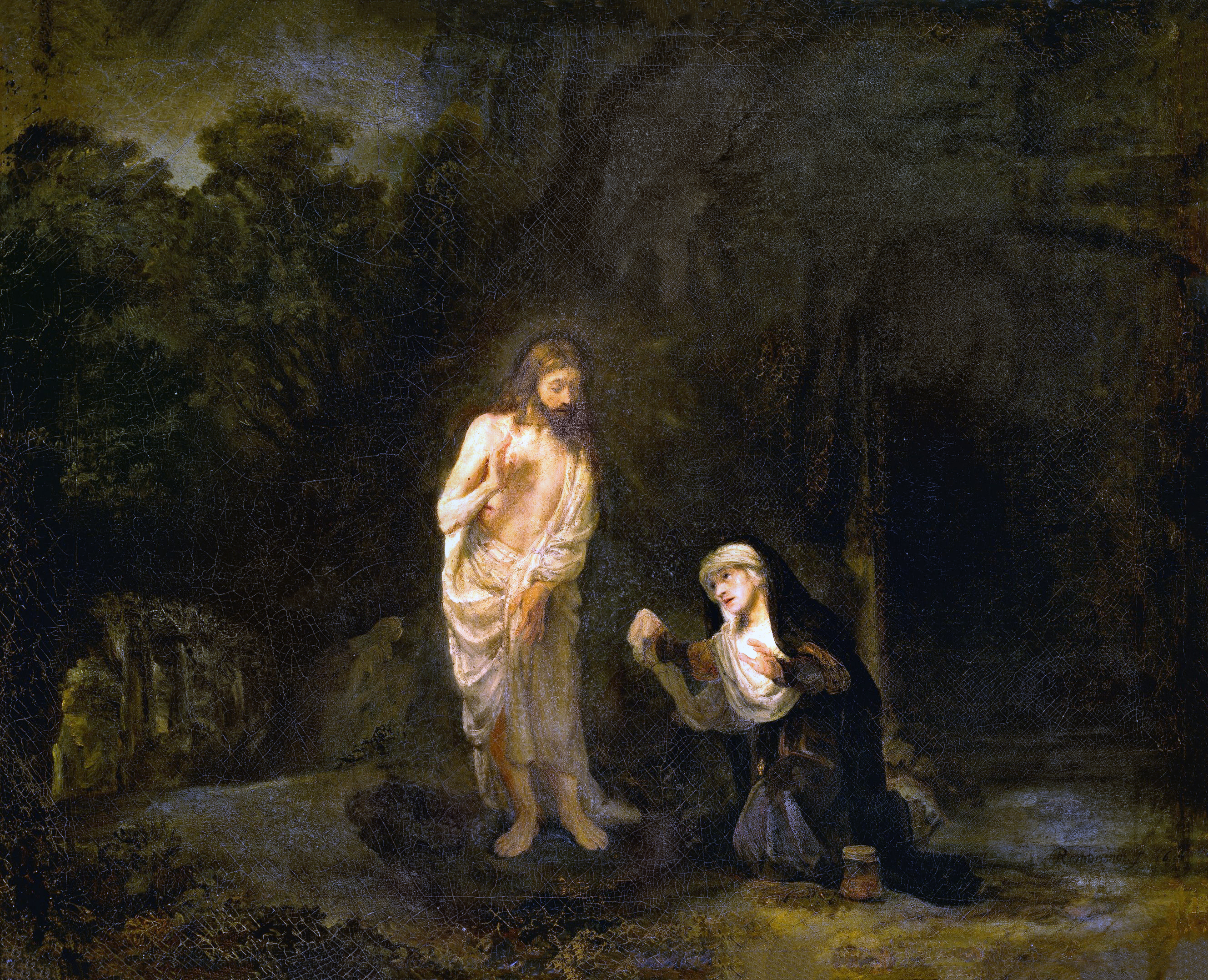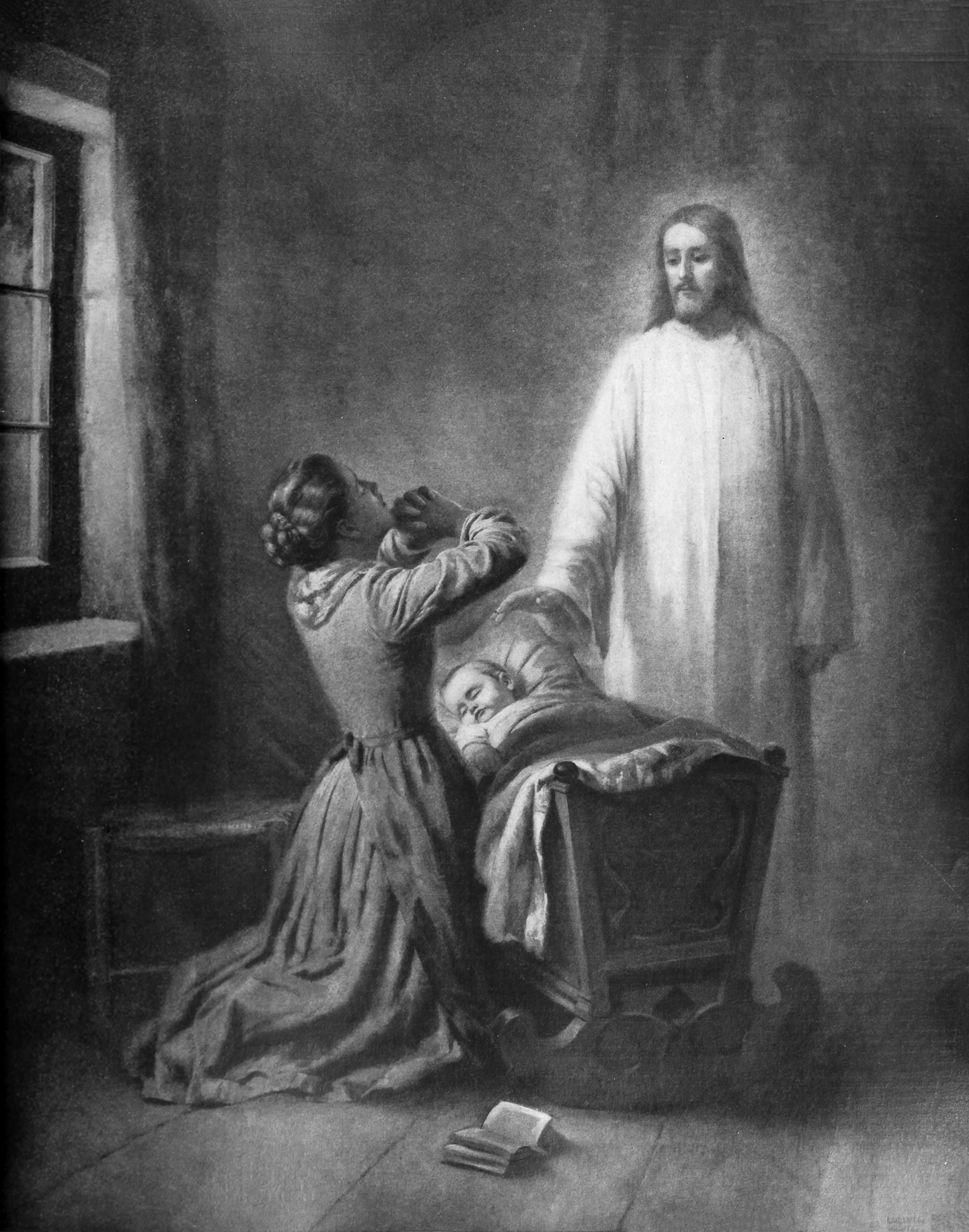
Do You Believe This? / ¿Crees esto?

Lately I have been reflecting on the importance of faith in our lives. We can read the Gospels and think they sound legit, or listen to Father at Sunday Mass and try to take what he says to heart, but how deep does our faith run? Do we truly comprehend the fact that Jesus and His disciples, and all the saints that have gone before us were living and breathing human beings, or do we think of them more as nice stories with good life lessons?

Although I consider myself a strong cradle Catholic, I have to confess that I often tend toward the latter. It is hard for me to visualize talking to Jesus in my heart as He is, truly present in my midst. It seems “easier” somehow to think of Him as a being way up there in an outer space Heaven who somehow hears my prayers. I remember hearing once that often the longest journey is the road from our head to our heart. That rings true for me. 

So here we are, a few days after celebrating the incredible feast of the Birth of our Lord and I feel called to boldly pose the same question Jesus asked Mary, the sister of Lazarus: “Do you believe this?” Do you believe that Jesus was born in an outbuilding on the outskirts of Bethlehem? Do you believe that the angels appeared to the humble shepherds and invited them to be His first visitors? Do you believe that the educated and wealthy Magi were led to travel a long distance to honor Him? Do you believe that this tiny Baby is the Son of God, a living and breathing soul that walked this Earth? 

Today’s Gospel gives us a glimpse of the Presentation in the Temple. We see Anna enter the scene, an elderly woman who “worshiped night and day with fasting and prayer.” As she came forward, I have no doubt she would answer, “Yes, I believe” to all of the above questions. The passage does not record any conversations that took place between Anna and Mary. She does not receive verbal confirmation of who this Child was. She simply “gave thanks to God” and began spreading the Good News about Him to others. 

Granted, we have it a little bit harder than Anna, being asked to have faith without seeing a baby boy before our very eyes, yet God has granted us the Holy Spirit that we might believe. Let us ask God for that grace today, the grace of an increase in faith. May He grant us the deep understanding that we are talking to a real person when we pray, someone who loves us and knows us so deeply. 

Lord, I believe in you. Help my unbelief!

Contact the Author


Últimamente he estado reflexionando sobre la importancia de la fe en nuestras vidas. Podemos leer los Evangelios y pensar que parecen auténticos, o escuchar al Padre en la misa dominical e intentar tomar en serio lo que dice, pero ¿cuán profunda es nuestra fe? ¿Comprendemos realmente que Jesús, sus discípulos y todos los santos que nos precedieron eran seres humanos de carne y hueso, o los consideramos más bien historias bonitas con buenas lecciones de vida?

Aunque me considero una católica fuerte desde la infancia, debo confesar que a menudo tiendo a esto último. Me cuesta visualizar hablar con Jesús en mi corazón tal como es, realmente presente en medio de mí. Por alguna razón parece más fácil pensar en Él como un ser allá arriba, en un cielo sideral, que de alguna manera escucha mis oraciones. Recuerdo haber escuchado una vez que, a menudo, el viaje más largo es el que va de la cabeza al corazón. Eso me parece muy cierto.

Así que aquí estamos, unos días después de celebrar la increíble fiesta del Nacimiento de nuestro Señor, y me siento llamada a plantear con valentía la misma pregunta que Jesús le hizo a María, la hermana de Lázaro: “¿Crees esto?”. ¿Crees que Jesús nació en un establo a las afueras de Belén? ¿Crees que los ángeles se aparecieron a los humildes pastores y los invitaron a ser sus primeros visitantes? ¿Crees que los magos, educados y adinerados, viajaron una gran distancia para honrarlo? ¿Crees que este pequeño Bebé es el Hijo de Dios, un alma viviente que caminó por esta Tierra?

El Evangelio de hoy nos ofrece un vistazo de la Presentación del Niño Jesús en el Templo. Vemos entrar a la escena a Ana, una anciana que pasaba dia y noche en el templo “sirviendo a Dios con ayunos y oraciones”. Al ver al niño, no dudo de que respondería: “Sí, creo” a todas mis preguntas anteriores. El pasaje no registra ninguna conversación entre Ana y María. Ella no recibe confirmación verbal de quién era este Niño. Ella simplemente se acercó “dando gracias a Dios” y comenzó a compartir la Buena Nueva de Él con los demás.

Por cierto nosotros lo tenemos un poco más difícil que a Ana, porque nos piden tener fe sin ver a un bebé ante nuestros ojos; sin embargo, Dios nos ha concedido el Espíritu Santo para que podamos creer. Pidámosle hoy a Dios esa gracia, la gracia de un aumento en la fe. Que nos conceda la profunda comprensión de que hablamos con una persona real cuando oramos, alguien que nos ama y nos conoce profundamente.

Señor, creo en ti. ¡Ayuda mi falta de fe!

Comunicarse con la autora


Tami Urcia is a midwestern gal from a large Catholic family. As a young adulthood she was a missionary in Mexico, where she studied theology and philosophy. After returning stateside bilingual, she gained a variety of work experience, traveled extensively and finished her Bachelor’s Degree at Brescia University. She loves organizing and simplifying things, watching her children play sports, deep conversations with close family and friends and finding unique ways to brighten others’ day with Christ’s love. She works full time at Diocesan in the Software Department and manages the Inspiration Daily reflections. She is also a contributing writer on CatholicMom.com and BlessedIsShe.net.

Feature Image Credit: Ludwig Roth, art.diocesan.com/stock-photo/the-power-of-prayer-25392/

The views and opinions expressed in the Inspiration Daily blog are solely those of the original authors and contributors. These views and opinions do not necessarily represent those of Diocesan, the Diocesan staff, or other contributors to this blog.
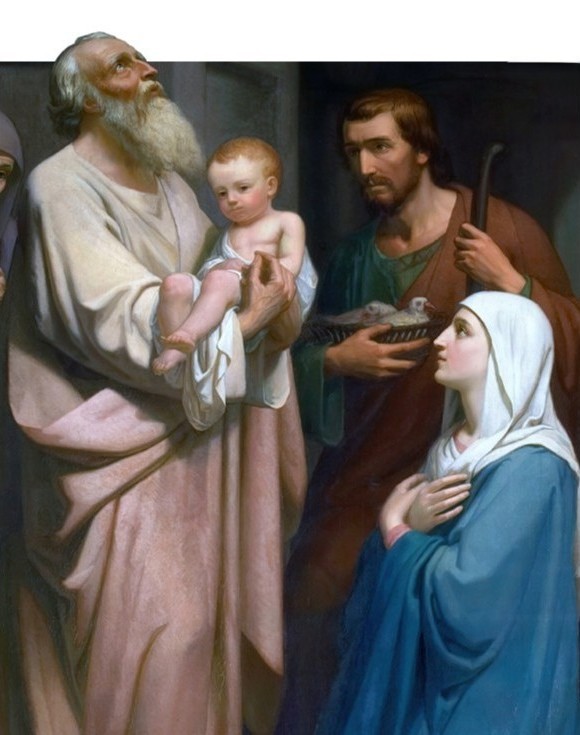

Hope in the Waiting / Esperanza durante la espera

The Canticle of Simeon is a prayer of thanksgiving for hope fulfilled. He had been waiting for the Messiah and knew from the Holy Spirit that he “should not see death before he had seen the Christ of the Lord.” The Catechism of the Catholic Church defines hope as “the theological virtue by which we desire the kingdom of heaven and eternal life as our happiness, placing our trust in Christ’s promises and relying not on our own strength, but on the help of the grace of the Holy Spirit” (CCC 1817). 

Simeon waited in hope and was rewarded. I find it interesting that he was satisfied to see the baby Jesus, the infant Messiah. Why was it enough to see the baby and not the full promise made to Israel? 

It reminded me of a former classmate whose daughter was getting married. Two weeks before the wedding, they were at dinner, and the song chosen for their Father-Daughter dance began to play. He suggested they practice, and they did. During the dance, he told her he could die right then because everything was perfect. She was marrying a good man, and he had done his job as a father. He died unexpectedly a week later, before the wedding, and that dance was their last one. He had hope for the future by glimpsing the beginning of his daughter’s new life. There is beauty in the sadness of that story. 

Simeon, like my classmate, didn’t need to see everything through to the end. The Messiah had arrived. Israel would be saved. God fulfilled His promises. How would it happen? He had no idea. When would salvation come? It came already in the small child in Simeon’s arms, even if the Jews were still oppressed. 

I am like Simeon in some ways. I believe in the promises of God that fill the words of Scripture. I know his passion, death, and resurrection opened the gates of heaven for those who love the Lord – not just the Jews, but Gentiles as well. I know Jesus will come again. I can feel the joy of God’s promises when I read them, just as Simeon felt joy when holding the infant Jesus. 

In other ways, I am very different from Simeon. I want to know the how and the when. The how and when of 2000 years ago is clear, but when will Jesus return? What about those I love who don’t have faith? What am I supposed to do with them? What is my plan of action, because surely I’m supposed to do something. I think that it’s my strength, not God’s, that will make the difference. Can I die before I know with certainty that they are saved? My need to know and control the outcome reveals my lack of hope. 

My prayer today is for greater hope, for trust in God’s plan without knowing the details, for joy in the waiting. 

St. Simeon, pray for us. 

Contact the author


El Cántico de Simeón es una oración de acción de gracias por la esperanza cumplida. Había estado esperando al Mesías y sabía por el Espíritu Santo “que no moriría sin haber visto antes al Mesías del Señor”. El Catecismo de la Iglesia Católica define la esperanza como “la virtud teologal por la que aspiramos al Reino de los cielos y a la vida eterna como felicidad nuestra, poniendo nuestra confianza en las promesas de Cristo y apoyándonos no en nuestras fuerzas, sino en los auxilios de la gracia del Espíritu Santo” (CIC 1817).

Simeón esperó con esperanza y fue recompensado. Me parece interesante que se sintiera satisfecho de ver al niño Jesús, el Mesías como bebé. ¿Por qué le bastó ver al niño y no la promesa completa hecha a Israel?

Me recordó a un compañero de clases anterior cuya hija se casaba. Dos semanas antes de la boda, estaban cenando, y comenzó a sonar la canción elegida para su baile de padre e hija. Él sugirió que practicaran, y así lo hicieron. Durante el baile, le dijo que podía morir en ese mismo instante porque todo estaba perfecto. Ella se iba a casar con un buen hombre, y él había cumplido con su deber como padre. Murió inesperadamente una semana después, antes de la boda, y ese baile fue el último. Tenía esperanza en el futuro al vislumbrar el comienzo de la nueva vida de su hija. Hay belleza en la tristeza de esa historia.

Simeón, como mi compañero de clases, no necesitaba verlo todo hasta el final. El Mesías había llegado. Israel estaría a salvo. Dios cumpliría sus promesas. ¿Cómo sucedería? No tenía ni idea. ¿Cuándo llegaría la salvación? Llegó ya en el niño pequeño en brazos de Simeón, incluso si los judíos seguían oprimidos.

En algunos aspectos, soy como Simeón. Creo en las promesas de Dios que llenan las palabras de las Escrituras. Sé que su pasión, muerte y resurrección abrieron las puertas del cielo para quienes aman al Señor, no solo para los judíos, sino también para los gentiles. Sé que Jesús volverá. Puedo sentir la alegría de las promesas de Dios cuando las leo, así como Simeón sintió alegría al sostener al niño Jesús.

En otros aspectos, soy muy diferente de Simeón. Quiero saber el cómo y el cuándo. El cómo y el cuándo de hace 2000 años es claro, pero ¿cuándo regresará Jesús? ¿Qué pasa con los que amo que no tienen fe? ¿Qué se supone que debo hacer con ellos? ¿Cuál es mi plan de acción? Porque sin duda debo hacer algo. Pienso que es mi fuerza, no la de Dios, la que marcará la diferencia. ¿Puedo morir antes de saber con certeza que están salvos? Mi necesidad de saber y controlar el resultado revela mi falta de esperanza.

Mi oración hoy es por una mayor esperanza, por la confianza en el plan de Dios sin saber los detalles, por la alegría en la espera.

San Simeón, ruega por nosotros.

Comunicarse con la autora

Colleen Orchanian is a podcaster, blogger, and spiritual director who desires to help others have a more profound encounter with God. She is the author of three books: Nearer My God to Thee, Times of Grace, and Lingering with God. Her podcast is Food for Thought (Spiritually Speaking). You can learn more at ColleenOrchanian.com.

Feature Image Credit: Diocesan stock photo, art.diocesan.com/stock-photo/for-my-eyes-have-seen-your-salvation-framed–cover-22358/

The views and opinions expressed in the Inspiration Daily blog are solely those of the original authors and contributors. These views and opinions do not necessarily represent those of Diocesan, the Diocesan staff, or other contributors to this blog.
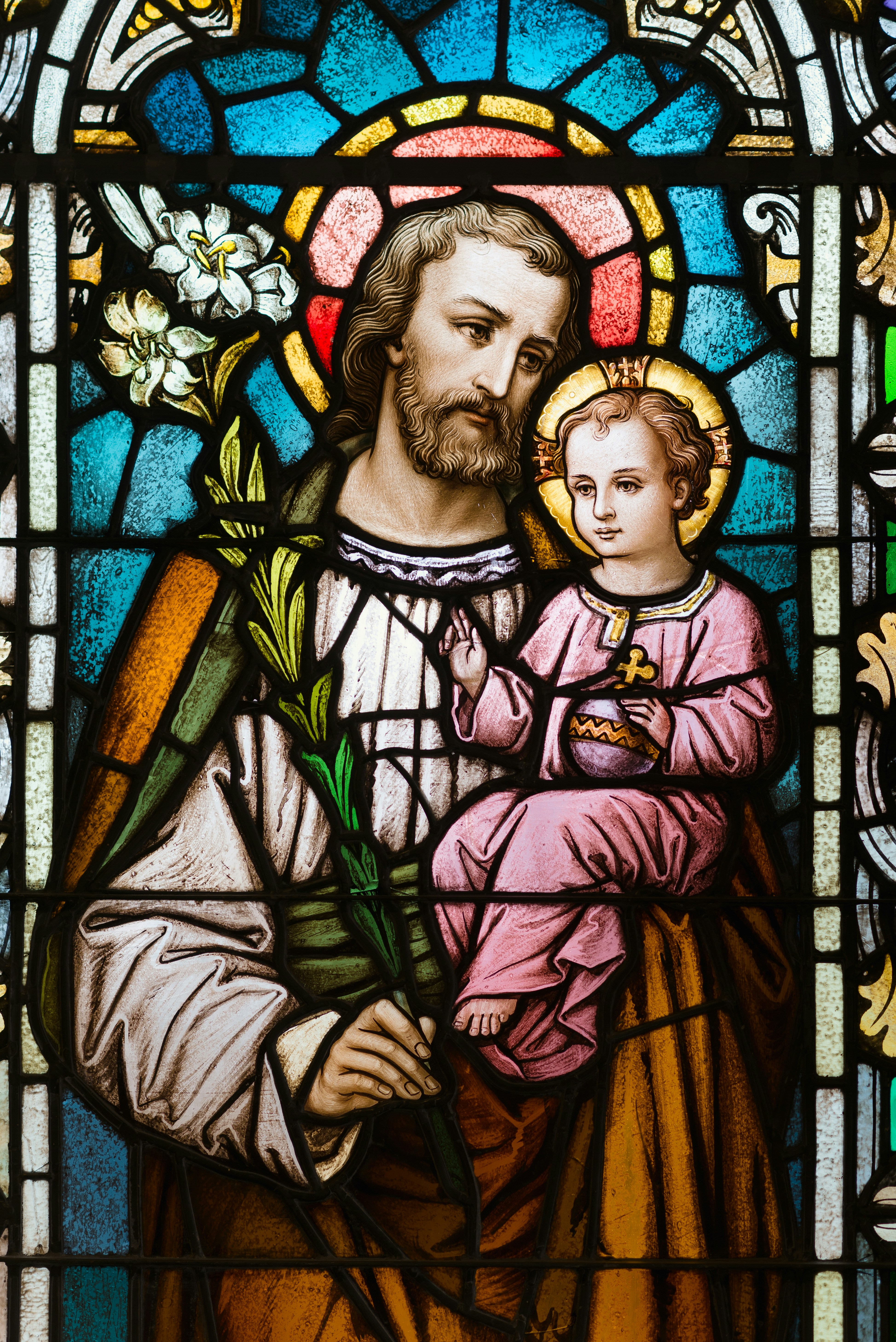
St. Joseph’s Obedience / La Obediencia de San José

Dreams are a thing in the Bible. Joseph in the Old Testament, famous for his coat of many colors, interpreted dreams and earned himself a place in Pharoah’s government. Daniel also interpreted dreams and worked for King Darius. 

Joseph, Mary’s husband and father to Jesus, was no stranger to divine communication via dreams. When Jesus’ life was threatened by Herod, Joseph was told in a dream to rise and take the family to Egypt. He was obedient and he trusted. Despite having nowhere specific to go and no way of supporting himself or his family, he went in the dark of night. He did what any loving father would do, trusting that God would take care of them. And God did. 

We see Joseph acting with complete trust in God. We imagine his fear for his family’s safety, his worry about the necessities of life, his awe at the instructions and their urgency. We wonder if he wondered about it. But we know he acted. We know Joseph embraced God’s perfect plan. In him we see a man who radically trusted God. We do not know if he initially struggled with what God asked of him; we only know he obeyed. 

Whether we are man or woman, single or married, a parent or not, we can hold Joseph up as a model of trust and fidelity to God and his plan. When we struggle with what God asks of us, we can ask for intercession from St. Joseph. During this Christmas season, we can thank him for his obedience and docility. He played a quiet, yet important role in salvation history.

Contact the author


Los sueños son un tema recurrente en la Biblia. José en el Antiguo Testamento, famoso por su túnica multicolor, interpretó sueños y se ganó un lugar en el gobierno del Faraón. Daniel también interpretó sueños y trabajó para el Rey Darío.

José, esposo de María y padre de Jesús, conocía bien la comunicación divina a través de los sueños. Cuando Herodes amenazó la vida de Jesús, José recibió en sueños la orden de levantarse y llevar a la familia a Egipto. Fue obediente y confió. A pesar de no tener un lugar específico adónde ir ni cómo mantenerse a sí mismo ni a su familia, partió en la oscuridad de la noche. Hizo lo que cualquier padre amoroso haría: confiando en que Dios cuidaría de ellos. Y de hecho los cuidó.

Vemos a José actuando con plena confianza en Dios. Imaginamos su temor por la seguridad de su familia, su preocupación por las necesidades básicas, su asombro ante las instrucciones y su urgencia. Nos preguntamos si se lo preguntó. Pero sabemos que actuó. Sabemos que José abrazó el plan perfecto de Dios. En él vemos a un hombre que confió radicalmente en Dios. No sabemos si al principio tuvo dificultades con lo que Dios le pedía; solo sabemos que obedeció.

Seamos hombres o mujeres, solteros o casados, padres o no, podemos considerar a José como un modelo de confianza y fidelidad a Dios y a su plan. Cuando nos cuesta aceptar lo que Dios nos pide, podemos pedir la intercesión de San José. En esta Navidad, podemos agradecerle su obediencia y docilidad. Desempeñó un papel discreto, pero importante, en la historia de la salvación.

Comunicarse con la autora

Merridith Frediani loves words and is delighted by good sentences. She also loves Lake Michigan, dahlias, the first sip of hot coffee in the morning, millennials, and playing Sheepshead with her husband and three kids. She writes for Catholic Mom, Diocesan.com, and her local Catholic Herald. Her first book Draw Close to Jesus: A Woman’s Guide to Adoration is available at Our Sunday Visitor and Amazon. You can learn more at merridithfrediani.com.

Feature Image Credit: Josh Applegate, https://unsplash.com/photos/jesus-christ-wall-painting-ZNQ65OuOxhg

The views and opinions expressed in the Inspiration Daily blog are solely those of the original authors and contributors. These views and opinions do not necessarily represent those of Diocesan, the Diocesan staff, or other contributors to this blog.

She Was First / Ella fue la primera

Today we celebrate the Feast of St. John the Evangelist. He wrote several books of the Bible, including the passage from the Gospel of John that we hear today.  

We are brought into this post-resurrection scene where Mary Magdalene is the first one to go near the tomb. During a recent conversation with my son, we dug into this passage and came up with two questions that we bounced around. First, when Mary runs in haste to tell the Apostles that the tomb is empty what happened? They did not believe her! Have you ever thought about why? Second, why did Jesus appear to Mary first rather than one or more of the Apostles? I don’t think I really thought about either of these questions until my son and I discussed it. 

The word that came to mind regarding the latter was “love”. We both thought it was rather profound. It’s no secret that Mary lived a rather sordid life including many husbands and the one she was living with at the time. But then an incredible thing happened. She met Jesus! And was profoundly touched by His presence. We know that she was. Many demons were cast from her. She was freed from all her sins. It was one of the greatest and fastest conversions ever. Consequently, her love for Jesus was incredible. She was at the foot of the cross with the Virgin Mary and John. And where were the other Apostles? Hiding!

These same Apostles questioned Mary when she came to tell them that Jesus’ body was missing. They didn’t buy it!  My son and I pondered many possibilities about why we thought they didn’t believe her and here’s one that we came up with: They knew about her background and used that information to reject her news. Perhaps they had not fully accepted God’s forgiveness of her numerous sins and didn’t feel she was a reliable source. 

I believe Jesus shows us through Mary Magdalene what real love can truly be! She was all in and He was all in! Meditating on her conversion might be worth the effort!                                                  

Serving With Joy!

Contact the author


Hoy celebramos la fiesta de San Juan Evangelista. Escribió varios libros de la Biblia, incluyendo el pasaje del Evangelio de Juan que escuchamos hoy.

Nos encontramos en esta escena post-resurrección donde María Magdalena es la primera en acercarse a la tumba. Durante una conversación reciente con mi hijo, profundizamos en este pasaje y surgieron dos preguntas que discutimos. Primero, cuando María corrió apresuradamente a decirles a los apóstoles que la tumba estaba vacía, ¿qué sucedió? ¡No le creyeron! ¿Alguna vez te has preguntado por qué? Segundo, ¿por qué Jesús se le apareció primero a María en lugar de a uno o más de los apóstoles? No creo haber pensado realmente en ninguna de estas preguntas hasta que mi hijo y yo lo hablamos.

La palabra que me vino a la mente con respecto al último fue “amor”. Ambos pensamos que era bastante profundo. No es ningún secreto que María vivió una vida bastante sórdida, incluyendo muchos esposos y otro con que convivia. Pero entonces sucedió algo increíble. ¡Conoció a Jesús! Y su presencia la conmovió profundamente. Sabemos que es cierto. Muchos demonios fueron expulsados de ella. Fue liberada de todos sus pecados. Fue una de las conversiones más grandes y rápidas de la historia. Por consiguiente, su amor por Jesús era increíble. Estuvo al pie de la cruz con la Virgen María y Juan. ¿Y dónde estaban los demás apóstoles? ¡Escondidos!

Estos mismos apóstoles cuestionaron a María cuando vino a decirles que el cuerpo de Jesús había desaparecido. ¡No se lo creyeron! Mi hijo y yo reflexionamos sobre muchas posibilidades de por qué pensamos que no le creían, y esta es una que se nos ocurrió: Conocían sus antecedentes y usaron esa información para rechazar sus noticias. Quizás no habían aceptado plenamente el perdón de Dios por sus numerosos pecados y no la consideraban una fuente confiable.

Creo que Jesús nos muestra a través de María Magdalena lo que puede ser el verdadero amor. ¡Ella se entregó por completo y Él se entregó por completo! ¡Meditar en su conversión podría valer la pena!

¡Sirviendo con alegría!

Comunicarse con el autor

Deacon Dan Schneider is a retired general manager of industrial distributors. He and his wife Vicki have been married for over 55 years. They are the parents of eight children and thirty-one grandchildren. He has a degree in Family Life Education from Spring Arbor University. He was ordained a Permanent Deacon in 2002.  He has a passion for working with engaged and married couples and his main ministry has been preparing couples for marriage.


Featured Image Credit: Rembrandt van Rijn, art.diocesan.com/stock-photo/christ-appears-before-mary-magdalene-24217/

The views and opinions expressed in the Inspiration Daily blog are solely those of the original authors and contributors. These views and opinions do not necessarily represent those of Diocesan, the Diocesan staff, or other contributors to this blog.

Open the Eyes of Your Heart / Abrir los ojos del corazón

Christmastime is here! We’re all happy about the gifts and the great meals, but the most important thing is being able to celebrate together the birth of Jesus, our Savior.

In the workplace or when I attended gatherings with friends, it surprised me to see that atheists, agnostics, and practicing and non-practicing Catholics alike all celebrated Christmas the same way: exchanging gifts and sharing a meal. I would ask myself, “Do they believe or not?” It was confusing because throughout the year they would deny Jesus or say they didn’t believe when we had long conversations about God. They would act like the Jews in the first reading who argued with Stephen.

Many times our ears or eyes are closed to hearing or reading the Word of God, but we must  open our hearts and minds to accept that Jesus came into this world to save us from sin. Jesus’ Mother, the Virgin Mary, has even appeared throughout the world, which is real proof that Jesus exists. Something to consider is that many of us learn that the Earth is round and we believe it to be true without actually having been to outer space to see it for ourselves. If we can believe the Earth is round then we should easily be able to believe in God. Don’t harden your hearts!

Many of us have testimonies of how God has worked in us at different times in our lives that we can share with others. In today’s Gospel, it says, “you will be led before governors and kings for my sake as a witness before them and the pagans“. Our testimony can plant a seed of faith in others and perhaps it will spark their curiosity and open their hearts to God.

The greatest gift God gave us was the birth of Jesus, Who gave His life to save us from sin. Have a wonderful Christmas season, and may the Lord, our God, enlighten us all.

Contact the author


¡Llegó la Navidad! Todos estamos felices por los regalos, y las grandes comidas pero lo más importante es poder estar todos unidos celebrando el nacimiento de Jesus, nuestro Salvador. 

Cuando trabajaba o asistía a reuniones de amigos, me sorprendía que los ateos, agnósticos y católicos practicantes o no practicantes celebran la Navidad igual, con intercambio de regalos y una comida. Por dentro me preguntaban ¿creen o no creen? Era confuso porque durante el año negaban a Jesus o decían no creer cuando teníamos largas conversaciones sobre Dios, se ponían cómo los judios en la primera lectura que discutieron con Esteban.  

Muchas veces nuestros oídos u ojos están cerrados para escuchar o leer la palabra de Dios, pero debemos estar abiertos de corazón y mente para aceptar que Jesus vino a este mundo para salvarnos del pecado.  También la Madre de Jesús, la Virgen Maria, ha tenido apariciones alrededor del mundo, que es una prueba real de que Jesus existe. Muchos de nosotros aprendemos que la forma de la tierra es redonda y creemos que la tierra tiene esa forma pero no hemos estado en el espacio para ver si realmente es redonda. Si creemos en la forma de la tierra, entonces se puede creer en Dios fácilmente. ¡No endurezcan su corazón! 

Muchos tenemos testimonios de cómo Dios obró sobre nosotros en diferentes momentos de la vida que podemos compartir con los demás. En el evangelio de hoy dice, “así darán testimonio de mí ante ellos y ante los paganos”. Nuestro testimonio puede plantar una semilla de fe en la persona que nos escucha y de repente por ahí le entra curiosidad y abre su corazón de Dios. 

El mejor regalo que nos dio Dios fue el nacimiento de Jesus, que con su vida nos salvó del pecado. Tengan una Feliz temporada de Navidad y que el Señor, nuestro Dios, nos ilumine a todos. 

Comunicarse con el autor

Felix Urcia was born in Lima, Peru. He moved the U.S. to complete his college degree in Computer Science at Northern Kentucky University. He is passionate about his faith, his family, education and soccer. When he is not homeschooling and caring for his young children he enjoys personal programing projects and sports analysis. He and wife live in a small town in Western Michigan where they enjoy spending time with their five children.

Feature Image Credit: Pranav Prashar, unsplash.com/photos/a-lit-up-christmas-tree-in-front-of-a-building-bJjEQrar0uw

The views and opinions expressed in the Inspiration Daily blog are solely those of the original authors and contributors. These views and opinions do not necessarily represent those of Diocesan, the Diocesan staff, or other contributors to this blog.

The Word Became Flesh / El Verbo se hizo carne

Joy to the world! Today is, as the Church tells us, “The Nativity of our Lord, Jesus Christ”, or what we commonly call “Christmas”. That term comes from an Old English word meaning Christ’s Mass, which is the religious celebration of our Lord’s birth. Christ, of course, is not Jesus’ last name, but a translation of the Hebrew term “Messiah”, meaning “anointed.” Mass comes from the Latin word “missa,” which means “sending forth.” Scholars believe that Jesus’ real name in Aramaic and was “Yeshua”, which means “God saves.”

The whole point is that names matter, titles matter, words matter. The Gospel the Church chooses for Christmas Day is not the familiar Nativity story from Luke, it’s the very conceptual beginning of the Gospel of John. “In the beginning was the Word, and the Word was with God, and the Word was God.” (John 1:1) John’s point is to tell us that yes, Jesus came into the world, but He transcends the world, existing before the world. He tells us that God sent forth His Son: “And the Word became flesh and made his dwelling among us (John 1:14).” 

Why did John choose to call Jesus “the Word”? The New Testament, in fact, has many names and titles for Jesus: the Bread of Life, the Lamb of God, the Good Shepherd, the Way the Truth and the Life, the Light of the World, the Resurrection and the Life, the Alpha and Omega, the Son of God. The list is far longer, each phrase and title attempting to give us some idea of who and what Jesus is. Words matter, but human words fail to capture the full glory and truth of God’s Only Begotten Son come into the world to save us from our sins. “The Word” is a very basic translation of the Greek “logos,” which implies order, reason, discourse, explanation, power, and logic.

Despite the first sin of Adam and Eve, God chose not to abandon His fallen creation, but to save it. John is telling us that Jesus is the power — the order, the reason, the explanation, the logic — that brings about our salvation. And it all starts on Christmas, the birth of Jesus, the Word becoming flesh and dwelling among us. Let us pray that Jesus will continue to come into our hearts today and every day, that we may receive “grace in place of grace” (John 1:16), that the Son may reveal the Father to us, and we may rejoice in our salvation forever. To borrow from Luke’s account: “Glory to God in the highest!”

Contact the author


¡Alegría para el mundo! Hoy es, como nos dice la Iglesia, “La Natividad del Señor”, o lo que comúnmente llamamos “la Navidad”. El término “Christmas” proviene de una palabra del inglés antiguo que significa Misa de Cristo, la celebración religiosa del nacimiento de nuestro Señor Jesucristo. Cristo, por supuesto, no es el apellido de Jesús, sino una traducción del término hebreo “Mesías”, que significa “ungido”. Misa proviene del latín “missa”, que significa “ser enviado”. Los eruditos creen que el verdadero nombre de Jesús en arameo era “Yeshua”, que significa “Dios salva”.

La cuestión es que los nombres, los títulos y las palabras importan. El Evangelio que la Iglesia elige para el día de Navidad no es el conocido relato de la Natividad de San Lucas, sino el comienzo conceptual del Evangelio de Juan. “En el principio era el Verbo, y el Verbo estaba con Dios, y el Verbo era Dios”. (Juan 1,1) El objetivo de Juan es decirnos que sí, Jesús vino al mundo, pero trasciende el mundo, existiendo antes que el mundo. Nos dice que Dios envió a su Hijo: Y aquel que es la Palabra se hizo hombre y habitó entre nosotros. (Juan 1,14).

¿Por qué Juan eligió llamar a Jesús “la Palabra”? De hecho, el Nuevo Testamento tiene muchos nombres y títulos para Jesús: el Pan de Vida, el Cordero de Dios, el Buen Pastor, el Camino, la Verdad y la Vida, la Luz del Mundo, la Resurrección y la Vida, el Alfa y la Omega, el Hijo de Dios. La lista es mucho más larga; cada frase y título intenta darnos una idea de quién y qué es Jesús. Las palabras importan, pero los seres humanos no logran captar la gloria y la verdad plena del Hijo Unigénito de Dios que vino al mundo para salvarnos de nuestros pecados. “la Palabra” es una traducción muy básica del griego “logos”, que implica orden, razón, discurso, explicación, poder y lógica.

A pesar del primer pecado de Adán y Eva, Dios decidió no abandonar su creación caída, sino salvarla. Juan nos dice que Jesús es el poder – el orden, la razón, la explicación, la lógica – que nos salva. Y todo comienza en Navidad, el nacimiento de Jesús, el Verbo hecho carne y morando entre nosotros. Oremos para que Jesús siga entrando en nuestros corazones hoy y cada día, para que recibamos “gracia sobre gracia” (Juan 1,16), para que el Hijo nos revele al Padre y nos regocijemos en nuestra salvación para siempre. Como dice en el relato de San Lucas: “¡Gloria a Dios en las alturas!”

Comunicarse con el autor

Mike Karpus is a regular guy. He grew up in Michigan’s Upper Peninsula, graduated from Michigan State University and works as an editor. He is married to a retired Catholic school principal, raised two daughters who became Catholic school teachers at points in their careers, and now relishes his three young grandchildren. He serves on a Catholic school board and has served on pastoral councils, a building committee and a parish stewardship committee. He currently is a lector at Mass, a Knight of Columbus, vice president of a memorial scholarship committee and a board member of the local Habitat for Humanity organization. But mostly he’s a regular guy.


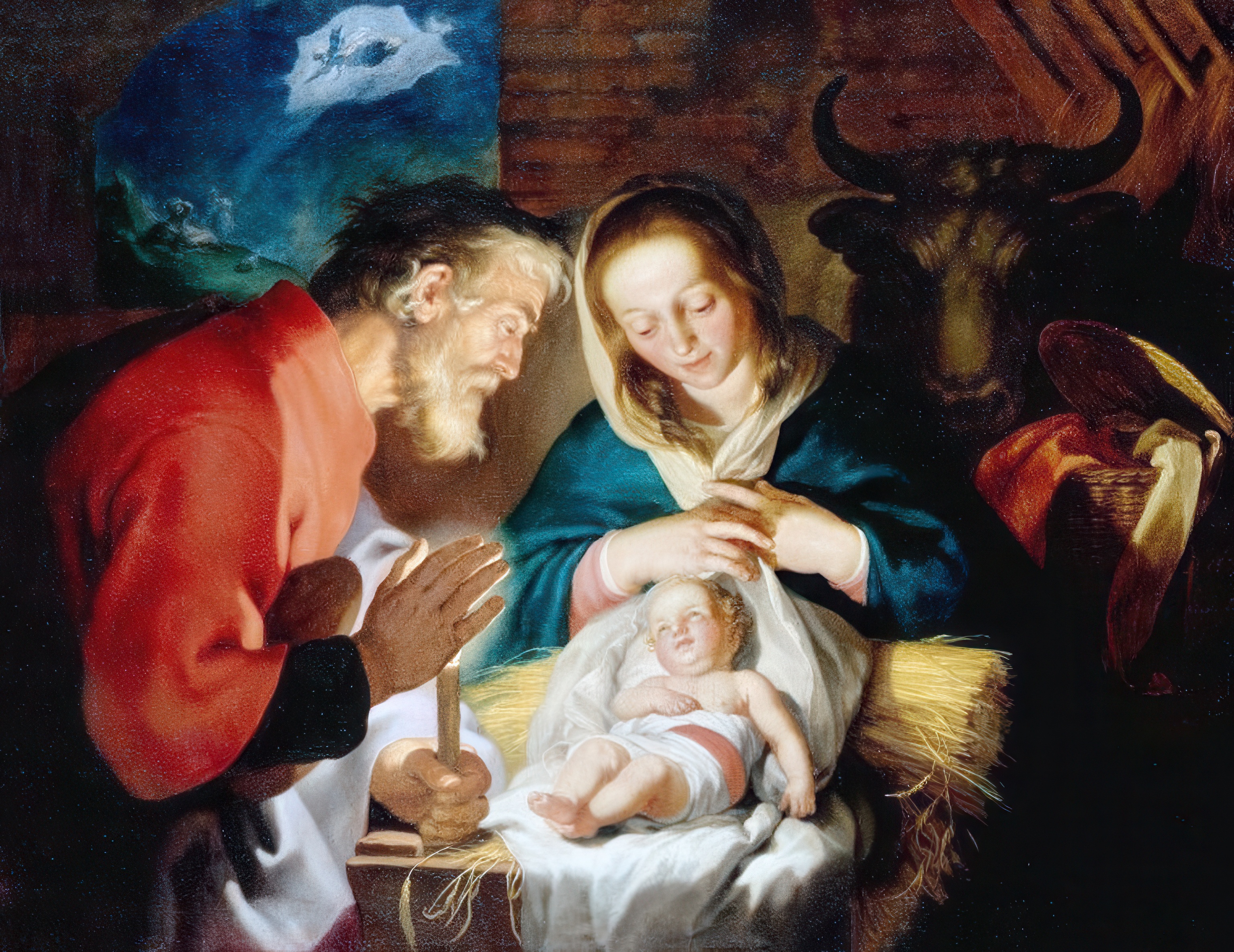
Feature Image Credit: Abraham Bloemaert, art.diocesan.com/stock-photo/the-adoration-of-jesus-by-mary-and-joseph-21936/

The views and opinions expressed in the Inspiration Daily blog are solely those of the original authors and contributors. These views and opinions do not necessarily represent those of Diocesan, the Diocesan staff, or other contributors to this blog.

With Water and Fire
Con agua y fuego

John tells us in today’s Gospel that the long-awaited Christ would baptize not only with water but also with fire. Some of us may have been baptized as infants, some as adults, and while we have fresh, living water poured over us, no one talks about the fire that inevitably comes, testing our spirits and our faith. 

“[W]ith you I am well pleased.” What lovely words that our hearts long to hear, whether from parents, spouses, teachers or friends, our humanity craves affirmation, which often leads us to look for it in unreliable things. Some of us do find this affirmation in the places we search for it: money, successful careers, likes on social media, until we need so much that nothing will ever be enough. Like inching closer and closer to a cliff without ropes to catch us, a fall will come. A parent might pass away, a child could stop speaking to us, a friend could betray us, and the people we so often rely on for affirmation become the sparks of our trials by fire. 

These flames of purification can seem unending, unbearable, and cause our hearts to question: how can this be the “love” Christ wants for my life? We see other Christians who pick and choose what they stand for, who only embrace their baptismal vows when it is most convenient and comfortable, and who never survive their personal trek through the desert. 

However, for those who cling to Christ, through the fire, through the questions, through the struggles of detachment from worldly goods, and fulfill our baptismal vows, there is a life-saving and refreshing river, where Christ waits for us with words that only fulfill our hearts when they are spoken from His mouth: “You are my beloved…with you I am well pleased.”

Contact the author


Juan nos dice en el Evangelio de hoy que el Cristo tan esperado no solo bautizaría con agua sino también con fuego. Algunos de nosotros tal vez hayamos sido bautizados cuando éramos bebés, otros cuando ya éramos adultos, y aunque recibimos agua fresca y viva, nadie habla del fuego que inevitablemente llega y pone a prueba nuestro espíritu y nuestra fe.

“[E]n ti me complazco”. Qué hermosas palabras, y unas que nuestro corazón anhela escuchar, ya sea de nuestros padres, esposos, maestros o amigos. Nuestra humanidad anhela la afirmación, lo que a menudo nos lleva a buscarla en cosas poco confiables. Algunos de nosotros encontramos la afirmación en los lugares donde la buscamos: dinero, carreras exitosas, los “likes” en las redes sociales, hasta que necesitamos tanto que nada será suficiente. Es como si nos acercáramos cada vez más a un precipicio sin cuerdas para detenernos, en algún momento vamos a caer. Un padre puede morir, un hijo puede dejar de hablarnos, un amigo puede traicionarnos y las personas en las que tan frecuentemente confiamos para recibir afirmación se convierten en las chispas de nuestras pruebas de fuego.

Estas llamas de purificación pueden parecer interminables, insoportables y hacer que nuestro corazón se pregunte: ¿cómo puede ser este el “amor” que Cristo quiere para mi vida? Vemos a otros cristianos que eligen lo que defienden y que no, que solo viven sus promesas bautismales cuando les resulta más conveniente y cómodo, que al final no sobreviven a su caminata personal por el desierto.

Sin embargo, para aquellos que se aferran a Cristo, a través del fuego, a través de las preguntas, a través de las luchas del desapego de los bienes mundanos, y cumplen con sus votos bautismales, hay un río que salva vidas y nos refresca, donde Cristo nos espera con palabras que solo llenan nuestro corazón cuando salen de Su boca: “Tú eres mi Hijo, el predilecto; en ti me complazco”.

Comunicarse con la autora

Lily, age 23, is a Michigan native and cradle Catholic who has spent most of her life exploring her own reasons to embrace her faith fully. She attended Franciscan University of Steubenville, where she discovered the beauty of her personal relationship with Christ and the Church. After college, she worked in Montessori Education for three years and recently transitioned to nannying. She is excitedly preparing for marriage in May 2025 and spends most of her time reading, wedding planning, and enjoying her dog and family!


Feature Image Credit: Pixabay, pexels.com/photo/water-bubbles-under-the-sea-62307/

The views and opinions expressed in the Inspiration Daily blog are solely those of the original authors and contributors. These views and opinions do not necessarily represent those of Diocesan, the Diocesan staff, or other contributors to this blog.

Stuck in Worldly Problems
Atascados en los problemas del mundo

We have all struggled at times with perceived injustice toward ourselves, where we’ve felt wronged or invalidated by others. This comes up on a nearly daily basis in my own life. I am frustrated by feeling taken advantage of by a business transaction gone wrong, or disrespected by the tone in which someone has spoken to me. Being particularly sensitive, my emotions often fall into a whirlwind I can’t control regarding what is fair or unfair. It is so important to recognize that each of these trials is allowed by God for a reason, perhaps geared toward strengthening resolve. 

Although I am a sinner, I am repeatedly granted the opportunity to try to be a saint once again. Easier for me to imagine than “WWJD” is what would another saint do in this situation? While picturing Jesus or even Mary at times, I have inherently struggled relating to their perfect ways. But hearing stories of the saints, including their flaws, gives me comfort, that I too can work toward transformation, to find God who is always there amid my many struggles and disappointments. 

As the greatest “among those born of women” (see Matt 11:11), John the Baptist recognized “He must increase; I must decrease.” Turning to Godly thinking, rather than earthly, is the only way to find true happiness. Centering on prayer and a life in Christ, I can work to separate myself from the distractions of this world, and be completely confident that the love Christ has for me, a sinner, is infinitely more powerful than any of my earthly problems. 

Contact the author


Todos hemos luchado alguna vez con la percepción de injusticia hacia nosotros mismos, donde nos hemos sentido perjudicados o invalidados por otros. Esto surge casi a diario en mi propia vida. Me frustro por sentir que se aprovecharon de mí debido a una transacción comercial que salió mal, o que me faltaron el respeto por el tono en que me hablaron. Al ser particularmente sensible, mis emociones a menudo caen en un torbellino que no puedo controlar sobre lo que es justo o injusto. Es muy importante reconocer que Dios permite cada una de estas pruebas por alguna razón, tal vez orientada a fortalecer la determinación.

Aunque soy pecadora, se me concede una y otra vez la oportunidad de intentar ser santa de nuevo. Para mí es más fácil imaginar, “¿Qué haría otro santo en esta situación?” Si bien a veces me imagino a Jesús o incluso a María, he batallado relacionarme con sus formas de ser perfectas. Pero al escuchar las historias de los santos, con todos sus defectos, me reconforta saber que yo también puedo trabajar por la transformación, para encontrar a Dios, que siempre está ahí en medio de mis muchas batallas y desilusiones.

Como el mayor “entre los nacidos de mujer” (ver Mateo 11:11), Juan el Bautista reconoció que “Es necesario que él crezca y que yo venga a menos”. Recurrir a un pensamiento piadoso, en lugar de uno terrenal, es la única manera de encontrar la verdadera felicidad. Centrándome en la oración y en una vida en Cristo, puedo esforzarme por separarme de las distracciones de este mundo y tener la plena confianza de que el amor que Cristo tiene por mí, una pecadora, es infinitamente más poderoso que cualquiera de mis problemas terrenales.

Comunicarse con la autora

Dr. Alexis Dallara-Marsh is a board-certified neurologist who practices in Bergen County, NJ. She is a wife to her best friend, Akeem, and a mother of four little ones on Earth and two others in heaven above.
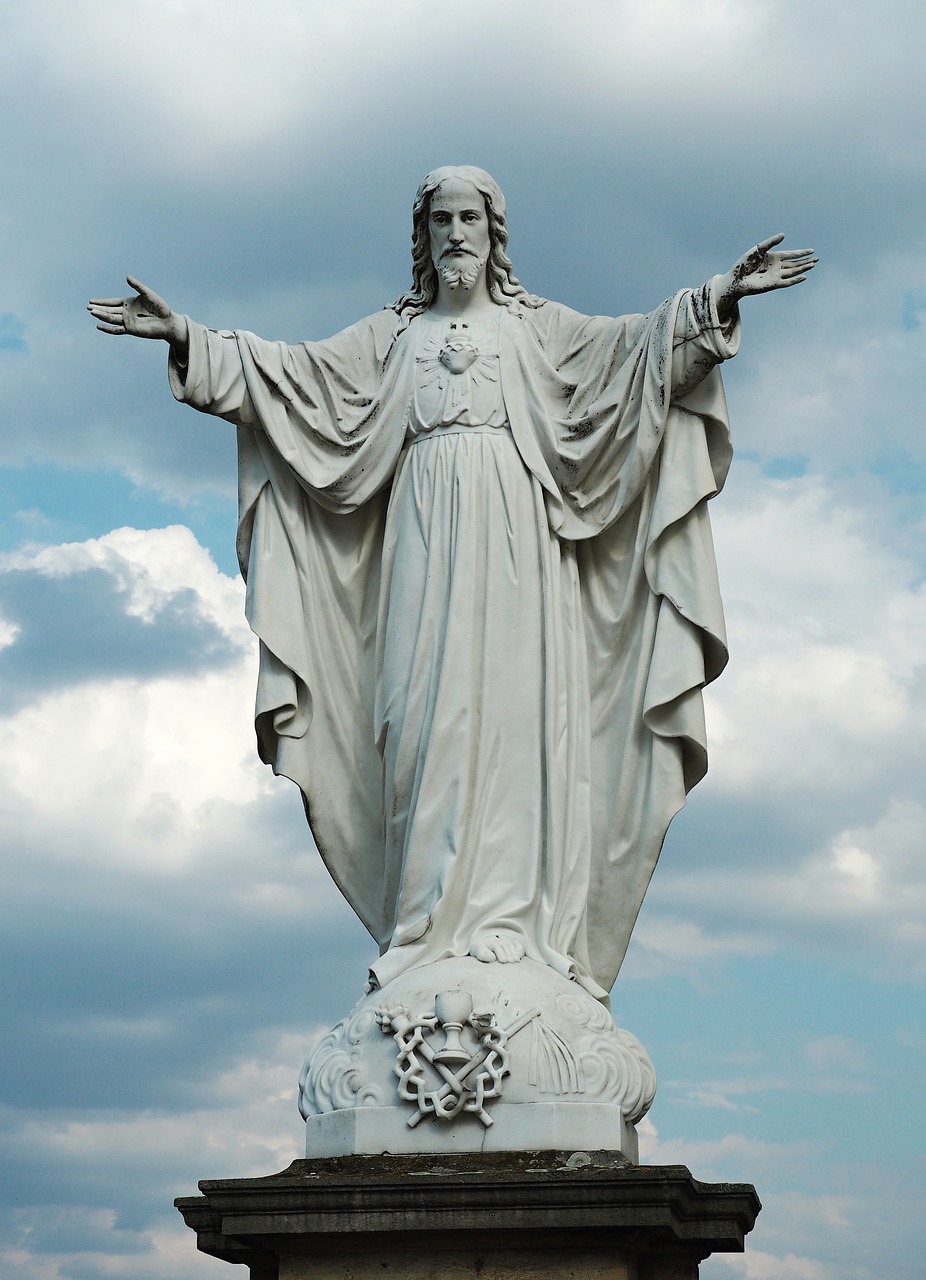
Feature Image Credit: David Ballew, https://unsplash.com/photos/large-clouds-on-a-blue-sky-pH6-eomaijQ

The views and opinions expressed in the Inspiration Daily blog are solely those of the original authors and contributors. These views and opinions do not necessarily represent those of Diocesan, the Diocesan staff, or other contributors to this blog.

Be Made Clean
Queda limpio

Leprosy. Now a treatable disease, it was once a sentence of shame, isolation, and gradual death. Because it is contagious, lepers were required to remain far from others, and they could not participate in worship or any other communal activity. This horrible disease damaged the skin, nerves, lungs, and eyes, leading to deformed limbs and faces, poor eyesight and weakness.

When the leper sees Jesus in today’s Gospel, he breaks all the rules. When Jesus sees the leper, he breaks the rules too.

The leper breaks the rule of remaining far away from people when he dares to come near to Jesus and falls before him in desperation. But he demands nothing. He does not say, “Cure me!” He shows his faith and understanding that Jesus is the Lord of all by saying, “IF YOU WISH, you can make me clean.” (emphasis added) It is all on the heart of Jesus, and the leper acknowledges this and waits for the answer.

And Jesus breaks the rule of avoiding lepers by touching him – touching the leper! – relieving him of his social isolation. And he says the words he desires to say to each of us: “I DO WILL IT. Be made clean.” (emphasis added) And immediately, by the Lord’s will, the leper IS clean. In one moment, with one gesture and word, Jesus frees the man of his physical pain, his sentence of death, his exile, his isolation from human interaction, and his anxieties. In one moment, Jesus gives freedom.

This is what Jesus wants for all of us! He wants us to be like the great crowds who assembled to listen to his words, hoping to be cured of their ailments, particularly the ailments of sin, fear, doubt, resistance. He wants to heal us of our mental, emotional, physical, and spiritual wounds, so that we can walk toward Heaven in freedom and interior peace.

We must run toward Jesus, the One who saves. We must acknowledge the fact that we cannot fix ourselves, and place all our trust in his loving will to free us. We must pray as the leper did: Lord, if you will it, you can make me clean. And then we must allow him to lead us to wholeness – whether that is immediately or gradually. Only the Lord knows the best way to heal our wounds; only his grace can heal our hidden wounds, working far deeper than our understanding can go.

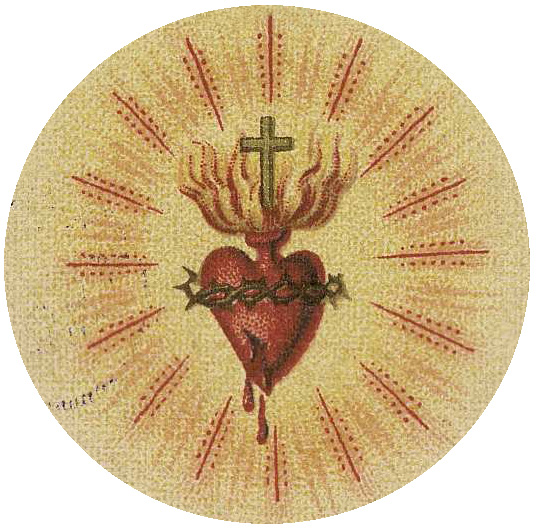
Let us trust that today, in subtle ways, the Heart of Jesus is saying to each of us: “Be made clean.”

Contact the author


La lepra. Hoy es una enfermedad tratable, pero en el pasado era una sentencia de vergüenza, aislamiento y muerte gradual. Como es contagiosa, los leprosos debían permanecer alejados de los demás y no podían participar en el culto ni en ninguna otra actividad comunitaria. Esta enfermedad horrible dañaba la piel, los nervios, los pulmones y los ojos, lo que provocaba deformaciones en las extremidades y el rostro, problemas de visión y debilidad.

Cuando el leproso ve a Jesús en el Evangelio de hoy, rompe todas las reglas. Cuando Jesús ve al leproso, también las rompe.

El leproso rompe la regla de permanecer alejado de la gente cuando se atreve a acercarse a Jesús y cae ante él desesperado. Pero no exige nada. No dice: “¡Cúrame!” Muestra su fe y su comprensión de que Jesús es el Señor de todo al decir: “Si quieres, puedes limpiarme”. (énfasis añadido) Todo está en el corazón de Jesús, y el leproso lo reconoce y espera la respuesta.

Jesús rompe la regla de evitar a los leprosos al tocarlo – ¡tocó al leproso! – liberándolo de su aislamiento social. Y dice las palabras que desea decirnos a cada uno de nosotros: “Quiero. Queda limpio” (énfasis añadido). E inmediatamente, por voluntad del Señor, el leproso queda limpio. En un momento, con un gesto y una palabra, Jesús libera al hombre de su dolor físico, de su sentencia de muerte, de su exilio, de su aislamiento de la interacción humana y de sus ansiedades. En un momento, Jesús da la libertad.

¡Esto es lo que Jesús quiere para todos nosotros! Quiere que seamos como las grandes multitudes que se reunieron para escuchar sus palabras, con la esperanza de ser curadas de sus dolencias, particularmente las dolencias del pecado, el miedo, la duda, la resistencia. Quiere sanarnos de nuestras heridas mentales, emocionales, físicas y espirituales, para que podamos caminar hacia el Cielo en libertad y paz interior.

Debemos correr hacia Jesús, el que salva. Debemos reconocer el hecho de que no podemos curarnos a nosotros mismos y depositar toda nuestra confianza en su amorosa voluntad de liberarnos. Debemos orar como lo hizo el leproso: Señor, si tú quieres, puedes limpiarme. Y luego debemos permitirle que nos conduzca a la plenitud, ya sea de manera inmediata o gradual. Sólo el Señor sabe la mejor manera de sanar nuestras heridas; sólo su gracia puede sanar nuestras heridas ocultas, trabajando mucho más profundamente de lo que nuestro entendimiento puede llegar. Confiemos en que hoy, de manera sutil, el Corazón de Jesús nos está diciendo a cada uno de nosotros: “Queda limpio”.

Comunicarse con la autora

Kathryn Mulderink, MA, is married to Robert, Station Manager for Holy Family Radio. Together they have seven children (including Father Rob), and eleven grandchildren. She is President of the local community of Secular Discalced Carmelites and has published five books and many articles. Over the last 30 years, she has worked as a teacher, headmistress, catechist, Pastoral Associate, and DRE, and as a writer and voice talent for Catholic Radio. Currently, she serves the Church by writing and speaking, and by collaborating with various parishes and to lead others to encounter Christ and engage their faith. Her website is www.KathrynTherese.com
Feature Image Credit: Pixabay, pixabay.com/photos/jesus-the-heart-of-jesus-boh-2909689/

The views and opinions expressed in the Inspiration Daily blog are solely those of the original authors and contributors. These views and opinions do not necessarily represent those of Diocesan, the Diocesan staff, or other contributors to this blog.

Love What He Loves, Do What He Does
Ama lo que Él ama, haz lo que Él hace

When we read St. John’s letters it can sometimes be difficult to focus on the deeper meaning. John has an amazing depth of thought, but his simple language and abstract structure tend to throw us off. Perhaps the only thing we might get out of today’s reading is that we ought to love God and keep His commandments, for example. This is true, but it does not reach the depths that John experienced.

John says that “we love God because he first loved us” (1 John 4:19), and then, “If anyone says, ‘I love God,’ but hates his brother, he is a liar; for whoever does not love a brother . . . cannot love God” (1 John 4:20). We love God because he first loved us. When was this? God loved us into existence in the first place. His very essence is overflowing love, gift of self, effervescent existence that spills over into the creative act, donating a piece of itself to new creations. God’s love for us is expressed in our very being, our nature as made in His image and likeness.

This image and likeness are, practically speaking, our intellect and will, by which we know the truth and love the good, and our bodies, by which we give of ourselves in loving communion. In giving us a will, God makes us capable of loving like He does. He directs our being to Himself, the only object that can satisfy our longing. Part of this act, John points out, is to love as God loves. And this means loving our brother, because God created our brothers in the same way as He did us. When we love as God loves, we must love those whom He loves. This is the connection John is making. Loving like God and loving God means loving all others in Him, as He first loved them in creation.

“For the love of God is this, that we keep his commandments” (1 John 5:3). How does this relate to loving our brother? John has shown us that loving God and loving as He loves means loving the ones whom He loves. It also means doing what He does. When we love someone, we want to imitate Him, to be like Him. It is the same with God. We love because of a shared good. The other’s good is my good. Loving God means wanting to be like Him, seeing as our good the things that are His good. Practically, this means keeping His commandments. God’s commandments are simply the things that He is always doing, translated for our understanding. They are the concrete expression of what God considers good. And if we love Him, this ought to be very important to us.

With this perspective, we can see the great depth in St. John’s thought. It is not just pithy sentiment: love of God is inseparable from love of neighbor, and love of God means keeping His commandments.

Contact the author


Cuando leemos las cartas de San Juan, a veces puede resultar difícil centrarnos en el significado más profundo. Juan tiene una profundidad de pensamiento asombrosa, pero su lenguaje sencillo y su estructura abstracta tienden a confundirnos. Tal vez lo único que podamos sacar de la lectura de hoy es que debemos amar a Dios y cumplir sus mandamientos, por ejemplo. Esto es cierto, pero no llega a las profundidades que experimentó Juan.

Juan dice: “Amamos a Dios, porque él nos amó primero” (1 Juan 4,19), y luego: “Si alguno dice: ‘Amo a Dios’ y aborrece a su hermano, es un mentiroso, pues quien no ama a su hermano, a quien ve, no puede amar a Dios, a quien no ve” (1 Juan 4,20). Amamos a Dios porque Él nos amó primero. ¿Cuándo fue esto? El amor de Dios nos trajo a la existencia desde un principio. Su esencia misma es amor desbordante, don de sí mismo, existencia efervescente que se derrama en el acto creativo, donando un pedazo de sí misma a creaciones nuevas. El amor de Dios por nosotros se expresa en el mismo ser, nuestra naturaleza hechos a Su imagen y semejanza.

Esta imagen y semejanza son, prácticamente hablando, el intelecto y el libre albedrío, por los cuales conocemos la verdad y amamos el bien, y nuestros cuerpos, por los cuales nos entregamos en comunión amorosa. Al darnos el libre albedrío, Dios nos hace capaces de amar como Él ama. Dirige nuestro ser hacia Él, el único objeto que puede satisfacer nuestros anhelos. Parte de este acto, señala Juan, es amar como Dios ama. Y esto significa amar al prójimo, porque Dios creó a nuestros hermanos de la misma manera que nos creó a nosotros. Cuando amamos como Dios ama, debemos amar a los que Él ama. Esta es la conexión que Juan está haciendo. Amar como Dios y amar a Dios significa amar a todos los demás en Él, como Él los amó primero en la creación.

“[E]l amor de Dios consiste en que cumplamos sus preceptos”. (1 Juan 5,3). ¿Cómo se relaciona esto con amar al prójimo? Juan nos ha mostrado que amar a Dios y amar como Él ama significa amar a los que Él ama. Significa también hacer lo que Él hace. Cuando amamos a alguien, queremos imitarlo, ser como Él. Lo mismo sucede con Dios. Amamos por un bien común. El bien del otro es mi bien. Amar a Dios significa querer ser como Él, ver como nuestro bien lo que es Su bien. En la práctica, esto significa guardar sus mandamientos. Los mandamientos de Dios son simplemente las cosas que Él siempre está haciendo, traducidas para que comprendamos. Son la expresión concreta de lo que Dios considera bueno. Y si Lo amamos, esto debería ser muy importante para nosotros.

Desde esta perspectiva, podemos ver la gran profundidad del pensamiento de San Juan. No es sólo un sentimiento conciso: el amor a Dios es inseparable del amor al prójimo, y el amor a Dios significa guardar sus mandamientos.

Comunicarse con el autor

David Dashiell is a freelance author and editor in the Nashville, Tennessee area. He has three children, a degree in theology, and enjoys writing about philosophy, theology, culture, music, and comedy. You can find his personal blog, Serious Daydreams, on Substack. He is also the editor of the anthology Ever Ancient, Ever New: Why Younger Generations Are Embracing Traditional Catholicism, available through TAN Books.

Feature Image Credit: Unknown Artist, art.diocesan.com/stock-photo/sacred-heart-of-jesus-17497/

The views and opinions expressed in the Inspiration Daily blog are solely those of the original authors and contributors. These views and opinions do not necessarily represent those of Diocesan, the Diocesan staff, or other contributors to this blog.

Jesus Passes By
Jesús iba a pasar de largo

The Word of God is truly living and dynamic and surprises me every time I ponder it. Like the whispers where God says we’ll hear His voice, it is the subtle lines that jump off the page that usually get my attention, although I have read the passage a million times. In today’s Gospel from Mark the simple line, “He meant to pass by them,” caused me to pause. Wait, Jesus saw the Apostles in a boat and decided He’d just walk to the other side, not bothering to join them? It seems odd, but the prophet Isaiah writes, “For my thoughts are not your thoughts, nor are your ways my ways,” (Isaiah 55:7).

These are the moments I am most grateful for Scripture scholars! Brant Pitre clarifies in The Case for Jesus (129-130) that this expression is used to describe what God does when he appears to human beings (see Exodus 33:19, 22; 34:6; 1 Kings 19:11). Commentaries suggest Jesus’ intention was to be seen and for His glory to be revealed, and not, as I had wrongly assumed, to sneak past the disciples unnoticed. That seems much more Christ-like than the “I’ll see you on the other side” initial meaning I gave to the passage! 

Jesus’ actions, words, and teachings are intended to encourage us in our faith, and some scholars believe that Jesus’ intention was to emulate His pre-incarnate experiences with Moses and Elijah. Displaying His glory, power, and dominion would therefore encourage the Apostles, and, as we read of the account, give strength to our faith as well. 

Interestingly, in their fear (or perhaps anxiety), they misread the entire situation, much as I did at first glance of this passage. Fear clouds our judgment and does not allow us to think clearly. It is also fascinating, at least in my own life, how my anxiety tends to cast a darkness over every situation – I am so quick to see (or assume) the worst! It is no accident the first reading from 1 John includes, “There is no fear in love, but perfect love drives out fear.” Jesus’ words, “Take courage, it is I, do not be afraid!” and the fact that He “got “into the boat with them and the wind died down” teach us not to fear. 

When Jesus passes by, when we recognize His divine presence, trust Him and let Him into our lives (our boats, so to speak), we too can see the winds of fear swirling around us subside!

Contact the author


La Palabra de Dios es verdaderamente viva y dinámica y me sorprende cada vez que reflexiono sobre ella. Al igual que los susurros en los que Dios dice que escucharemos su voz, son las líneas sutiles que saltan de la página que generalmente me llaman la atención, aunque he leído el pasaje un millón de veces. En el Evangelio de hoy de Marcos, la simple frase: “parecía que iba a pasar de largo”, me hizo detenerme. Un momento, ¿Jesús vio a los apóstoles en una barca y decidió simplemente caminar hacia el otro lado, sin molestarse en unirse a ellos? Parece extraño, pero el profeta Isaías escribe: “Porque mis pensamientos no son tus pensamientos, ni tus caminos mis caminos” (Isaías 55,7).

¡En estos momentos estoy tan agradecida por los académicos de las Escrituras! Brant Pitre aclara en The Case for Jesus (129-130) que esta expresión se utiliza para describir lo que Dios hace cuando se aparece a los seres humanos (ver a Éxodo 33,19 y 22; 34,6; 1 Reyes 19,11). Los comentarios sugieren que la intención de Jesús era ser visto y que Su gloria fuera revelada, y no, como yo había supuesto erróneamente, pasar desapercibido ante los discípulos. ¡Eso parece mucho más como algo que Cristo haría en lugar del significado inicial de “nos vemos al otro lado” que yo le di al pasaje!

Las acciones, palabras y enseñanzas de Jesús tienen como objetivo alentarnos en la fe, y algunos eruditos creen que la intención de Jesús era emular Sus experiencias antes de encarnarse con Moisés y Elías. Por lo tanto, mostrar Su gloria, poder y dominio alentaría a los Apóstoles y, cuando nosotros leemos el relato, también daría fuerza a nuestra fe.

Curiosamente, en su miedo (o quizás ansiedad), malinterpretaron toda la situación, de la misma manera que yo lo hice al ver este pasaje a primera vista. El miedo nubla el juicio y no nos permite pensar con claridad. También es fascinante, al menos en mi propia vida, cómo mi ansiedad tiende a ensombrecer cada situación: ¡soy tan rápida para ver (o suponer) lo peor! No es casualidad que la primera lectura de 1 Juan incluya: “En el amor no hay temor. Al contrario, el amor perfecto excluye el temor”. Las palabras de Jesús: “¡Ánimo! soy yo; no teman” y el hecho de que “[s]ubió a la barca con ellos y se calmó el viento” nos enseñan a no tener miedo.

Cuando Jesús pasa en frente nuestro, cuando reconocemos su presencia divina, confiamos en Él y lo dejamos entrar en nuestras vidas (nuestras barcas, por así decirlo), ¡también nosotros podemos ver cómo los vientos del miedo que se arremolinan a nuestro alrededor se calman!

Comunicarse con la autora

Allison Gingras (www.ReconciledToYou.com ) shares an everyday Catholic faith with humor and honesty. Her writing includes The Handy Little Guide to Novenas (OSV), Encountering Signs of Faith (Ave Maria Press), and the Stay Connected Journals for Catholic Women (Our Sunday Visitor), with a new edition “Jesus Heals,” coming in 2025. Allison is the Director of Digital Evangelization for Family Rosary USA.

Feature Image Credit: jplenio, pixabay.com/photos/sunset-nature-waters-dusk-dawn-3087790/

The views and opinions expressed in the Inspiration Daily blog are solely those of the original authors and contributors. These views and opinions do not necessarily represent those of Diocesan, the Diocesan staff, or other contributors to this blog.

The Good Shepherd Provides for Our Needs & Beyond
El Buen Pastor provee nuestras necesidades y mucho más

In today’s Gospel, Jesus’ pity spills out of the Gospel and I imagine He takes our world in with a similar kind of pity. Sheep with no shepherd. But we have a Shepherd and He is teaching us to remember where to look for leadership, for answers, for satisfaction: to Him.

Sheep without a shepherd are wandering. They don’t know their way home. They roam aimlessly. They become heavy with wool so that they cannot see or move. They wander into danger, and they have no order. Jesus sees these people and thinks of shepherdless sheep. Desiring to fill the void He sees in front of Him, Jesus begins to teach the people He pities, filling them with spiritual food. When His teaching is done, He does not stop there. 

The disciples feel like He has done enough: it’s time to send the people to find food. However, Jesus does not let them. He is not willing to send them elsewhere for food. He knows a good shepherd would care for all the needs of his flock, not send them out on their own after tending to them all day. Would a good Shepherd allow his flock to wander and perhaps never find anything to eat?

Jesus desires to shepherd and nourish each of us. He wants to be the source of our food. 

So instead of sending them away searching for food, Jesus tells the disciples to see what they have: two fish and five loaves. This small portion of food is enough to feed the 5,000! Jesus takes what little we can offer and multiplies it so much so that the new amount of food exceeds the needs of the crowd. He not only feeds them, but gives them enough for future needs. 

Jesus is showing us that, with Him, we have more than we realize. We simply need to give Him the things in our life that we feel are not nearly enough to meet the task at hand and He will take those things, bless them and give us more. He will meet our need and have more waiting for the future. Jesus knows our needs. He wants us to stop looking everywhere else. He desires for us to give Him what we have and look to Him to produce everything to meet (and exceed) our needs.

We must remember that through Him all things are possible, even the impossible. He wants to be your source of life, and He wants you to trust that He can work with as little or as much as you have available to give to Him. He wants to be the source of your food, the source of your life.

Contact the author


En el Evangelio de hoy, la compasión de Jesús se desborda del Evangelio y me imagino que Él acoge nuestro mundo con un tipo de compasión semejante. Ve ovejas sin pastor. Pero tenemos un Pastor y nos está enseñando a recordar dónde buscar el liderazgo, las respuestas, y la satisfacción: en Él.

Las ovejas sin pastor están vagando. No saben el camino a casa. Vagan sin rumbo. Se vuelven tan pesadas de lana que no pueden ver ni moverse. Vagan hacia el peligro y no tienen ningún orden. Jesús ve a la gente y piensa en ovejas sin pastor. Deseando llenar el vacío que ve frente a Él, Jesús comienza a enseñar a las personas que le dan lástima, llenándolas de alimento espiritual. Cuando termina su enseñanza, no se detiene allí.

Los discípulos sienten que Él ha hecho suficiente: es hora de enviar a la gente a buscar comida. Sin embargo, Jesús no los deja. No está dispuesto a enviarlos a otro lugar para buscar comida. Jesús sabe que un buen pastor se ocuparía de todas las necesidades de su rebaño, no los dejaría solos después de haberlos cuidado todo el día. ¿Permitiría un buen pastor que su rebaño vagara y tal vez nunca encontrara nada para comer?

Jesús desea pastorear y nutrir a cada uno de nosotros. Quiere ser la fuente de nuestro alimento. Así que en lugar de enviarlos lejos en busca de comida, Jesús les dice a los discípulos que vean lo que tienen: dos peces y cinco panes. ¡Esta pequeña porción de comida es suficiente para alimentar a los 5.000! Jesús toma lo poco que podemos ofrecer y lo multiplica tanto que la nueva cantidad de comida excede las necesidades de la multitud. No solo los alimenta, sino que les da lo suficiente para sus necesidades a futuro.

Jesús nos está mostrando que, con Él, tenemos más de lo que nos damos cuenta. Simplemente tenemos que darle las cosas en nuestra vida que sentimos que no son suficientes para cumplir con la tarea en cuestión y Él tomará esas cosas, las bendecirá y nos dará más. Satisfará la necesidad y tendrá más esperando para el futuro. Jesús conoce nuestras necesidades. Quiere que dejemos de buscar satisfacerlas por todos lados. Desea que le demos lo que tenemos y que esperemos que Él produzca todo lo que satisfaga (y supere) nuestras necesidades.

Debemos recordar que a través de Él todas las cosas son posibles, incluso lo imposible. Quiere ser tu fuente de vida y quiere que confíes en que Él puede obrar con lo poco o lo mucho que tengas disponible para darle. Quiere ser la fuente de tu alimento, la fuente de tu vida.

Comunicarse con la autora

Nicole Berlucchi is a faith and family blogger (www.nicoleberlucchi.com) and Catholic blog contributor. She has worked in a number of roles in the nonprofit world, but helping people realize their vision and make an impact, seems to be her sweet spot. Nicole owns Coley B. Creative, LLC, a marketing company providing support to small businesses. She is also the author Magnify Love: Unlocking the Heart of Jesus in Your Marriage and Your Life. A native of Philadelphia, she now resides in the Nashville area with her husband, Joe, and their four children. She’s a big fan of brilliant skies, salted caramel with chocolate, books and more books. She loves sharing her journey with Jesus so that others might: Come and see.

Feature Image Credit: Pixabay, pexels.com/photo/herd-of-sheep-on-grass-field-462119/

The views and opinions expressed in the Inspiration Daily blog are solely those of the original authors and contributors. These views and opinions do not necessarily represent those of Diocesan, the Diocesan staff, or other contributors to this blog.