All three readings today remind us of our need for people, persistence and prayer. I’m going to briefly touch on each one individually and give you a few things to consider about your own life.
People
The book of Exodus is full of many stories which show us the humanity of the people of Israel and the mercy of God. What can we learn from today’s first reading? The Israelites are in a battle and Moses tells Joshua the plan. But Moses grew tired while holding his hands up, so Aaron and Hur supported his hands.
Firstly, I realize that God, in his mercy, often sends others to help us. Do we see them? We are not meant to live in isolation. Secondly, the role you play in your daily life is unique to you and for you. Joshua’s fighting, Moses lifting the staff, Arron and Hur holding Moses’ hands – all are necessary and important. It is their combined efforts and obedience to God that helps win the battle.
Persistence
St. Paul talks about being faithful and the uses of Scripture. He wants Timothy and us to know: 1) the Scripture and use the word of God to teach, correct, and grow in virtue so that we are equipped for the work God has for us, 2) that our persistence and patience are necessary to proclaim the word, 3) that before we can teach others, we must have knowledge of God’s Word.
Prayer
In today’s Gospel from Luke Jesus tells a parable to remind us to “pray always without becoming weary.” The story can be a bit confusing. Is God like the judge who finally answers the widow because she kept asking for a verdict? The judge sounds annoyed with the widow. Does this mean our constant praying annoys God? Not at all! This is another parable where Jesus points out how different God is from human beings. He uses an extreme example to get our attention.
What can we consider from this parable? 1) Do I continue to pray even if I do not get a response within my timeline or the response that I want? 2) Does your prayer life look like lots of asking God for things and not much praising or offering gratitude? 3) Think about how you can pray without becoming weary and make one small change to your prayer life.
We are not Perfect
In the end, the most important thing we can do is turn to God before we act. It can be as simple as taking a breath and inviting the Holy Spirit to enlighten you before you respond. Other days, you may spend an hour praying with Scripture or praying the rosary with others. The people we spend time with, our level of persistence and our prayer life are going to shift and change as our life does, but I invite you to do your best to put God first throughout the day in different ways. He is always paying attention.
Las tres lecturas de hoy nos acuerdan de nuestra necesidad de las personas, la persistencia y la oración. Voy a abordar brevemente cada una individualmente y te daré algunas ideas para reflexionar sobre tu propia vida.
Las Personas
El libro del Éxodo está lleno de historias que nos muestran la humanidad del pueblo de Israel y la misericordia de Dios. ¿Qué podemos aprender de la primera lectura de hoy? Los israelitas están en una batalla y Moisés le cuenta a Josué el plan. Pero Moisés se cansó mientras sostenía sus manos, así que Aarón y Jur le ayudaron.
Primero, me doy cuenta de que Dios, en su misericordia, a menudo envía a otros para ayudarnos. ¿Los vemos? No estamos destinados a vivir aislados. Segundo, el papel que desempeñas en tu vida diaria es único a ti y para ti. La batalla de Josué, Moisés levantando la vara, Arón y Jur sosteniendo las manos de Moisés: todos son necesarios e importantes. Es su esfuerzo conjunto y su obediencia a Dios lo que ayuda a ganar la batalla.
La Persistencia
San Pablo habla de ser fiel y de los usos de las Escrituras. Quiere que Timoteo y nosotros: 1) conozcamos las Escrituras y usemos la palabra de Dios para enseñar, corregir y crecer en virtud, de modo que estemos preparados para la obra que Dios tiene para nosotros; 2) sepamos que nuestra persistencia y paciencia son necesarias para proclamar la palabra; 3) sepamos que antes de poder enseñar a otros, debemos tener conocimiento de la Palabra de Dios.
La Oración
En el Evangelio de hoy de San Lucas, Jesús cuenta una parábola para recordarnos que debemos orar siempre sin desfallecer. La historia puede ser un poco confusa. ¿Es Dios como el juez que finalmente responde a la viuda porque insistía en pedir un veredicto? El juez parece molesto con la viuda. ¿Significa que nuestra oración constante molesta a Dios? ¡Para nada! Esta es otra parábola en la que Jesús señala cuán diferente es Dios de los seres humanos. Utiliza un ejemplo extremo para captar nuestra atención.
¿Qué podemos considerar en esta parábola? 1) ¿Sigo orando aunque no reciba una respuesta dentro de mi línea de tiempo o la respuesta que deseo? 2) ¿Tu vida de oración se caracteriza por pedirle mucho a Dios y no por alabarlo ni agradecerlo? 3) Piensa en cómo puedes orar sin cansarte y haz un pequeño cambio en tu vida de oración.
No somos perfectos
Al final, lo más importante que podemos hacer es recurrir a Dios antes de actuar. Puede ser tan simple como respirar profundamente e invitar al Espíritu Santo a que te ilumine antes de responder. Otros días, puedes pasar una hora orando con las Escrituras o rezando el rosario con otros. Las personas con las que pasamos el tiempo, nuestra persistencia y nuestra vida de oración cambiarán a lo largo de la vida, pero te invito a hacer todo lo posible por poner a Dios primero durante el día de diferentes maneras. Él siempre está atento.
 Deanna G. Bartalini, M.Ed.; M.P.A., is a certified spiritual director, writer, speaker and content creator. The LiveNotLukewarm.com online community is a place to inform, engage and inspire your Catholic faith. Her weekly Not Lukewarm Podcast gives you tips and tools to live out your faith in your daily life.
Feature Image Credit: Lucas Chizzali, unsplash.com/photos/a-small-plant-sprouts-out-of-the-pavement-kDHkfujUCyU
The views and opinions expressed in the Inspiration Daily blog are solely those of the original authors and contributors. These views and opinions do not necessarily represent those of Diocesan, the Diocesan staff, or other contributors to this blog.

 Mike Karpus is a regular guy. He grew up in Michigan’s Upper Peninsula, graduated from Michigan State University and works as an editor. He is married to a Catholic school principal, raised two daughters who became Catholic school teachers at points in their careers, and now relishes his two grandchildren, including the older one who is fascinated with learning about his faith. He also has served on a Catholic school board, a pastoral council and a parish stewardship committee. He currently is a lector at Mass, a Knight of Columbus, Adult Faith Formation Committee member and a board member of the local Habitat for Humanity organization. But mostly he’s a regular guy.
 Kathryn Mulderink, MA, is married to Robert, Station Manager for Holy Family Radio. Together they have seven children (including Father Rob), and eleven grandchildren. She is President of the local community of Secular Discalced Carmelites and has published five books and many articles. Over the last 30 years, she has worked as a teacher, headmistress, catechist, Pastoral Associate, and DRE, and as a writer and voice talent for Catholic Radio. Currently, she serves the Church by writing and speaking, and by collaborating with various parishes and to lead others to encounter Christ and engage their faith. Her website is
 Pamela Kavanaugh is a grateful wife, mother, and grandmother who has dedicated her professional life to Catholic education. Though she has done her very best to teach her students well in the subjects of language and religion, she knows that she has learned more than she has taught. She lives, teaches, and writes in southwest suburban Chicago.
 Tami Urcia is a midwestern gal from a large Catholic family. As a young adulthood she was a missionary in Mexico, where she studied theology and philosophy. After returning stateside bilingual, she gained a variety of work experience, traveled extensively and finished her Bachelor’s Degree at Brescia University. She loves organizing and simplifying things, watching her children play sports, deep conversations with close family and friends and finding unique ways to brighten others’ day with Christ’s love. She works full time at Diocesan in the Software Department and manages the Inspiration Daily reflections. She is also a contributing writer on
 Kate Taliaferro is an Air Force wife and mother. She is blessed to be able to homeschool, bake bread and fold endless piles of laundry. When not planning a school day, writing a blog post or cooking pasta, Kate can be found curled up with a book or working with some kind of fiber craft. Kate blogs at
 Kimberly Andrich writes from the perspective of having a hidden, chronic illness and experiencing a deep, continuous conversion through being yoked to Jesus in the day-to-day trials and joys of life. She is a wife, mother of 5, and daughter of the King. Kimberly also writes for
 Nicole Berlucchi is a faith and family blogger (
 Lily is a Michigan native and cradle Catholic who has spent most of her life exploring her own reasons to embrace her faith fully. She attended Franciscan University of Steubenville, where she discovered the beauty of her personal relationship with Christ and the Church. After college, she worked in Montessori Education for three years and recently transitioned to nannying. She was recently married and spends most of her time reading, and enjoying her dog and family!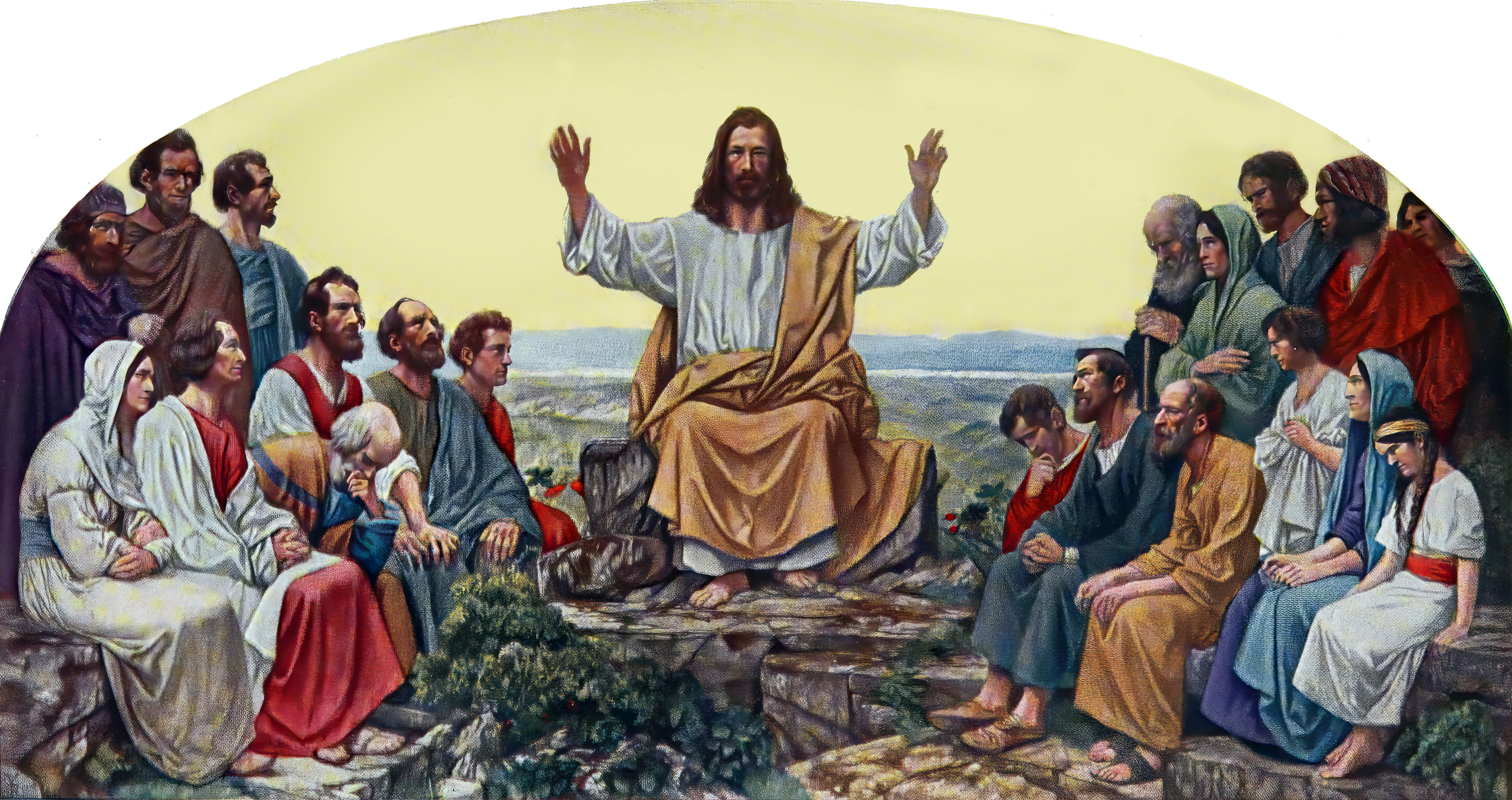
 Colleen Orchanian is a podcaster, blogger, and spiritual director who desires to help others have a more profound encounter with God. She is the author of three books: Nearer My God to Thee, Times of Grace, and Lingering with God. Her podcast is Food for Thought (Spiritually Speaking). You can learn more at
 Allison Gingras (
 1-800-994-9817