“Whoever claims to abide in him ought to walk just as he walked” (1 John 2:6).
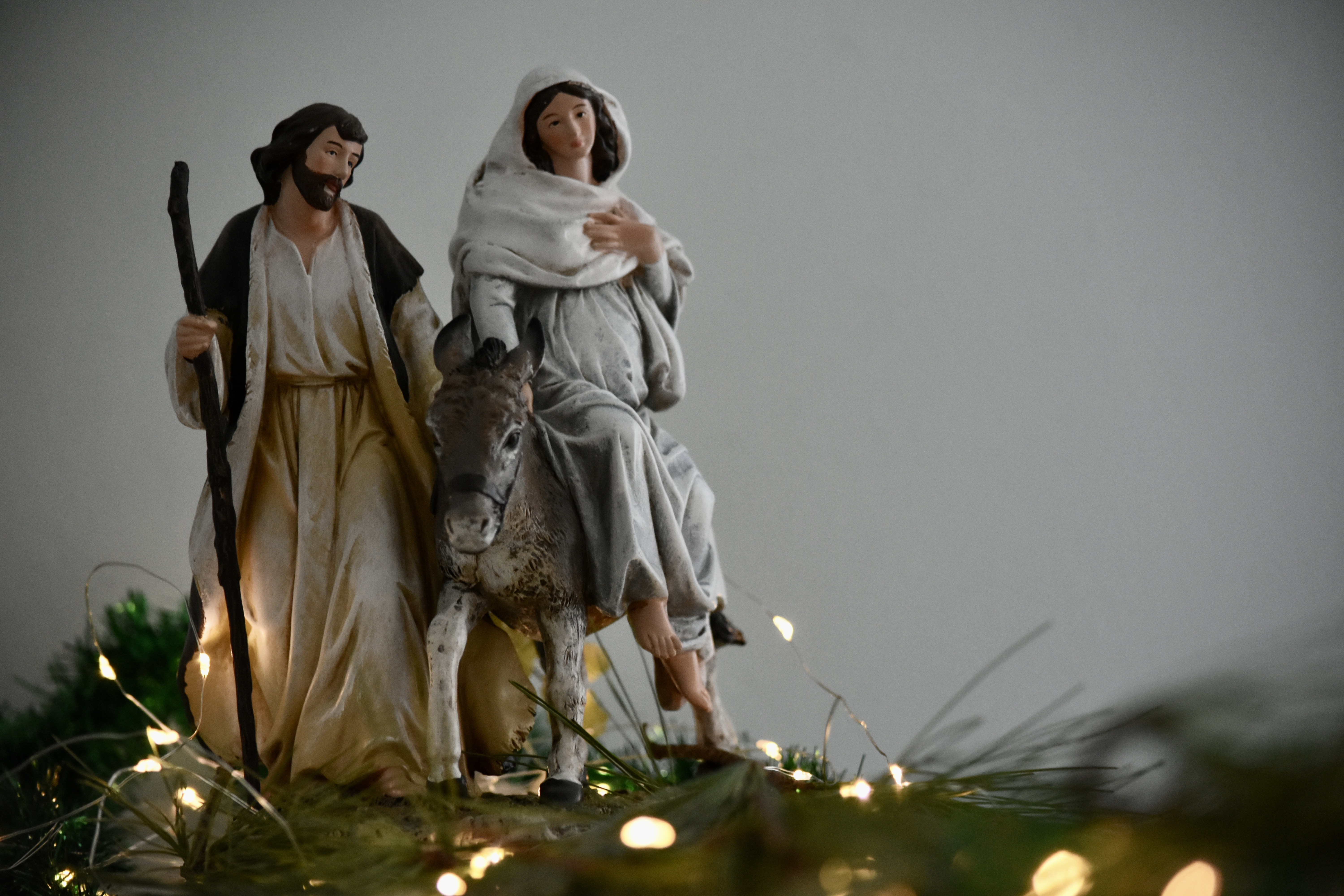
During the Christmas season, we have an opportunity to reflect on the mystery of the Word Made Flesh, showing us who God truly is. “A light to reveal you to the nations and the glory of your people Israel,” as Zechariah says (Luke 2:32). Jesus does this, for sure, but He also shows us who we are: “Christ, the final Adam, by the revelation of the mystery of the Father and His love, fully reveals man to man himself and makes his supreme calling clear” (Pastoral Constitution on the Church in the Modern World Gaudium et Spes, 22).
Christ shows man who he ought to be. This is because Jesus both reveals the mystery of the Father (in His divinity) and reveals the heights that man can attain when unified with God (in His humanity). Jesus is, in Himself, the state which we all long for: holiness, that is, total union with God, the perfection of unimpeded contact between humanity and divinity.
Because of this, Jesus shows us that we truly can be holy. It is possible for a human to be united to the Godhead. We are destined by adoption to be what He is by nature. And this is the basis for the “supreme calling” that Gaudium et Spes speaks about: we are called to holiness, no matter who we are.
Maybe we’ve seen the bumper sticker “WWJD” or the phrase “What would Jesus do?” It can seem trite. But there’s a great deal of merit in reflecting on this in a practical way, given the above context. Because Jesus Christ came as the union of God and man and invited us to follow Him and be perfect as our heavenly Father is perfect, He showed us that it is indeed possible to be one with God, and that the way to do that is precisely by following Him. In other words, if we want to know how to get to heaven, we should ask ourselves, “What would Jesus do?” or not only that, but “What did Jesus do?”
God has come to earth and entered our temporal history in Person to show us the path of holiness. When we read the Gospels and reflect on the life of Christ, we should understand that He empowers us to act as He did and does. We can and ought to really consider how He handled the situations He encountered, how He used His emotions, thoughts, ideas, words, actions, and virtues, so that we can act in the same way with His grace.
“El que afirma que permanece en Cristo debe de vivir como él vivió” (1 Juan 2,6).
Durante la temporada navideña, tenemos la oportunidad de reflexionar sobre el misterio del Verbo hecho carne, mostrándonos quién es Dios verdaderamente. Como dice Zacarías “Luz que alumbra a las naciones y gloria de tu pueblo, Israel” (Lucas 2:32). Jesús sí lo hace, sin duda, pero también nos muestra quiénes somos nosotros: “Cristo, el nuevo Adán, en la misma revelación del misterio del Padre y de su amor, manifiesta plenamente el hombre al propio hombre y le descubre la sublimidad de su vocación. (Constitución Pastoral Gaudium Et Spes Sobre la Iglesia en el Mundo Actual, 22).
Cristo muestra al hombre quién debe ser. Esto se debe a que Jesús revela el misterio del Padre (en Su divinidad) y revela las alturas que el hombre puede alcanzar cuando está unificado con Dios (en Su humanidad). Jesús es, en sí mismo, el estado que todos anhelamos: la santidad, es decir, la unión total con Dios, la perfección del contacto sin trabas entre la humanidad y la divinidad.
Por eso, Jesús nos muestra que verdaderamente podemos ser santos. Es posible que un ser humano se una a la Deidad. Estamos destinados por adopción a ser lo que Él es por su naturaleza. Y esta es la base de la “sublimidad de su vocación” de la que habla Gaudium et Spes: estamos llamados a la santidad, seamos quienes seamos.
Tal vez hemos visto una etiqueta con “WWJD” o la frase “What Would Jesus Do?” (¿Qué haría Jesús?) Puede parecer trillado. Pero hay mucho mérito en reflexionar sobre esto de una manera práctica, dado el contexto anterior. Porque Jesucristo vino como la unión de Dios y el hombre y nos invitó a seguirlo y ser perfectos como nuestro Padre celestial es perfecto, nos mostró que sí es posible ser uno con Dios, y que la manera de hacerlo es precisamente siguiéndolo a Él. En otras palabras, si queremos saber cómo llegar al cielo, debemos preguntarnos, “¿Qué haría Jesús?” o no sólo eso, sino “¿Qué hizo Jesús?”
Dios ha venido a la tierra y ha entrado en nuestra historia temporal en Persona para mostrarnos el camino de la santidad. Cuando leemos los Evangelios y reflexionamos sobre la vida de Cristo, debemos entender que Él nos capacita para actuar como lo hizo y lo hace. Podemos y debemos realmente considerar cómo manejó las situaciones que encontró, cómo usó sus emociones, pensamientos, ideas, palabras, acciones y virtudes, para que podamos actuar de la misma manera con la ayuda de su gracia.
 David Dashiell is a freelance author and editor in Nashville, Tennessee. He has a master’s degree in theology from Franciscan University, and is the editor of the anthology Ever Ancient, Ever New: Why Younger Generations Are Embracing Traditional Catholicism.
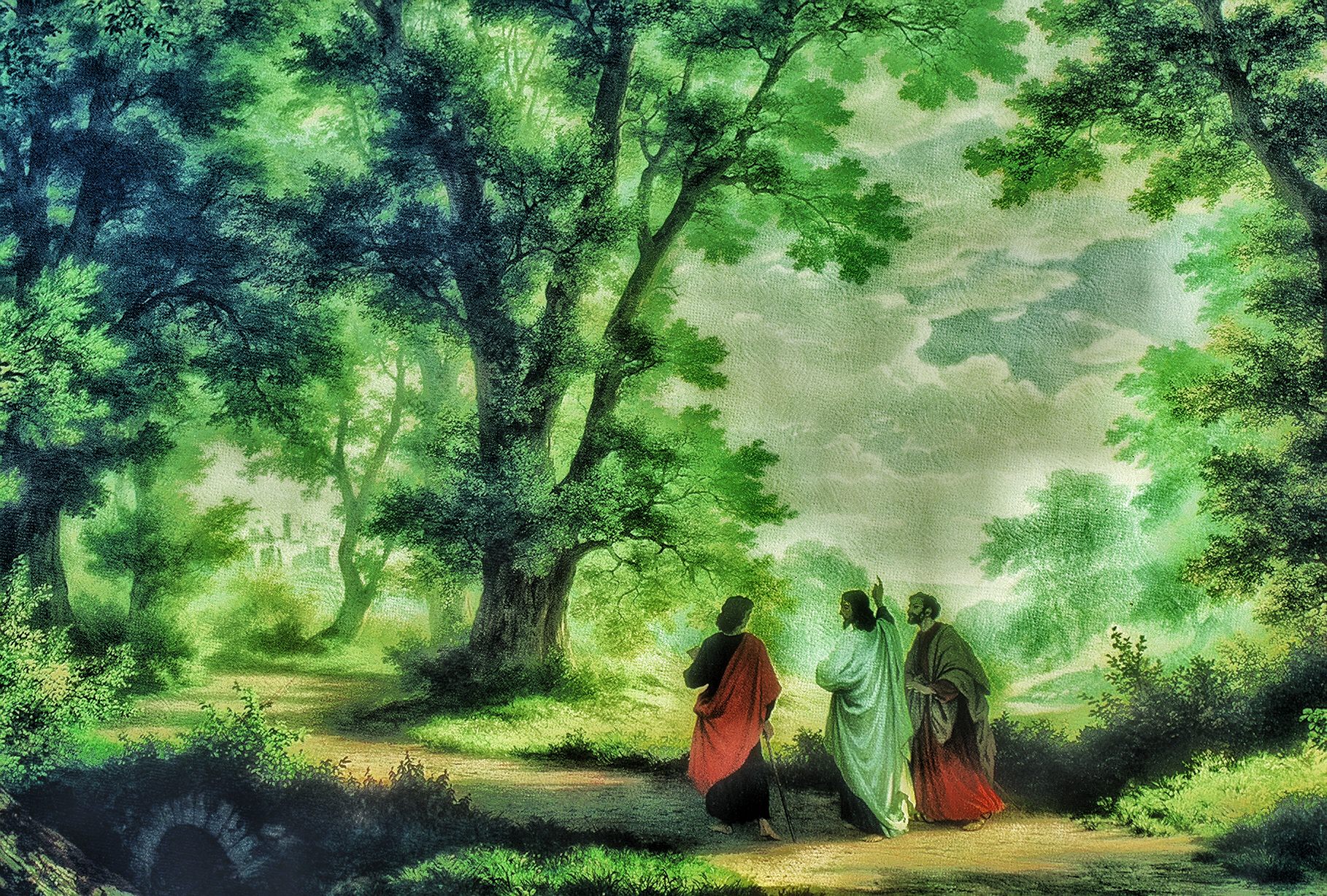
Feature Image Credit: Antonius de María, cathopic.com/photo/590-road-of-the-disciples-of-emmaus
 Deacon Dan Schneider is a retired general manager of industrial distributors. He and his wife Vicki have been married for over 50 years. They are the parents of eight children and thirty grandchildren. He has a degree in Family Life Education from Spring Arbor University. He was ordained a Permanent Deacon in 2002. He has a passion for working with engaged and married couples and his main ministry has been preparing couples for marriage.
 Merridith Frediani loves words and is delighted by good sentences. She also loves Lake Michigan, dahlias, the first sip of hot coffee in the morning, millennials, and playing Sheepshead with her husband and three kids. She writes for Catholic Mom, Diocesan.com, and her local Catholic Herald. Her first book Draw Close to Jesus: A Woman’s Guide to Adoration is available at Our Sunday Visitor and Amazon. You can learn more at
 Leslie Sholly is a Catholic, Southern wife and mother of five, living in her hometown, Knoxville, Tennessee. She graduated from Georgetown University with an English major and Theology minor. She blogs at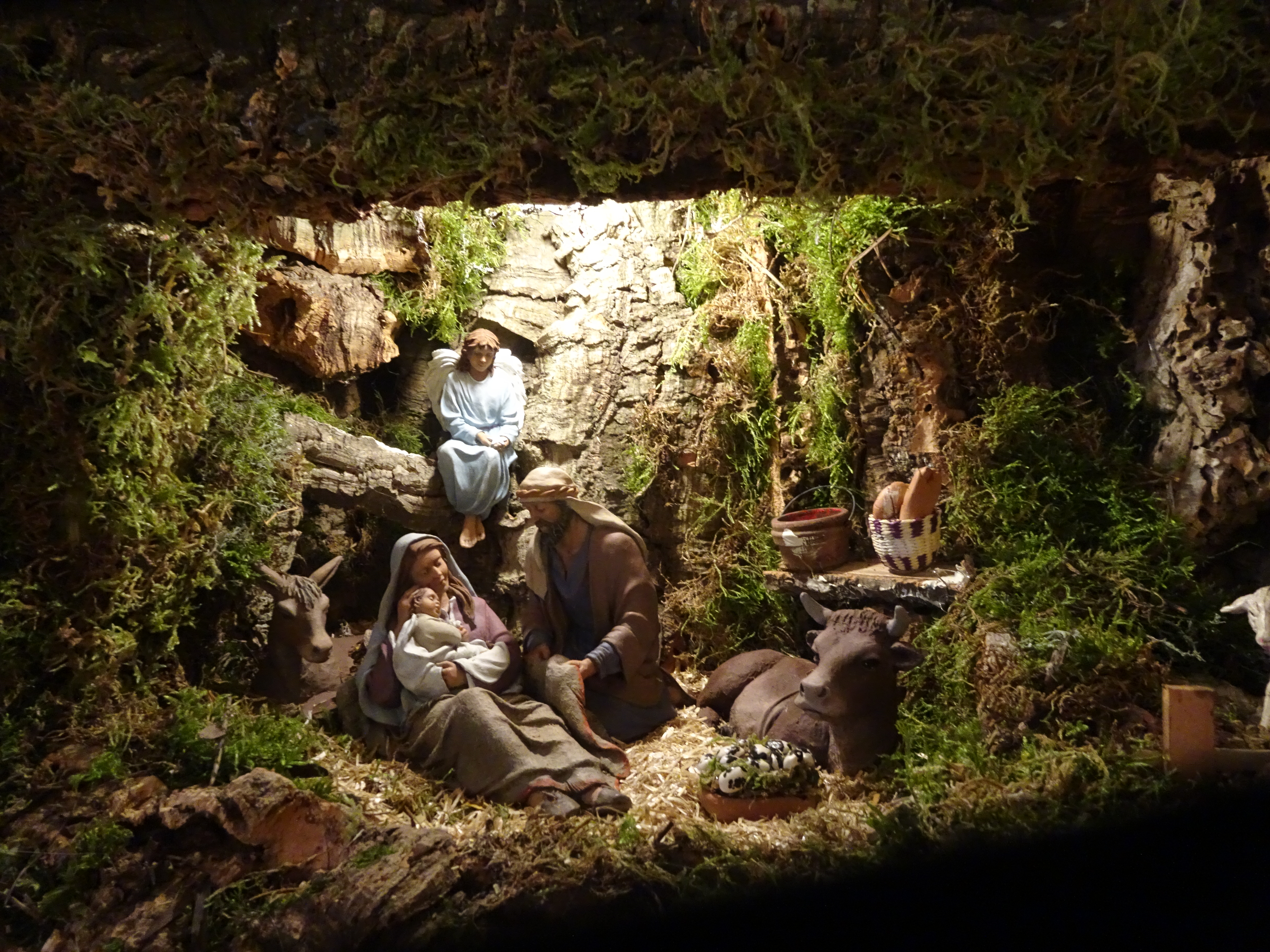
 Susan Ciancio has a BA in psychology and a BA in sociology from the University of Notre Dame, with an MA in liberal studies from Indiana University. For the past 19 years, she has worked as a professional editor and writer, editing both fiction and nonfiction books, magazine articles, blogs, educational lessons, professional materials and website content. Thirteen of those years have been in the pro-life sector. Currently Susan freelances and writes weekly for HLI, edits for American Life League, and is the executive editor of Celebrate Life Magazine. She also serves as executive editor for the Culture of Life Studies Program—an educational nonprofit program for K-12 students. You can reach her at
 Kathryn Mulderink, MA, is married to Robert, Station Manager for Holy Family Radio. Together they have seven children (including Father Rob), and seven grandchildren. She is President of the local community of Secular Discalced Carmelites and has published five books and many articles. Over the last 30 years, she has worked as a teacher, headmistress, catechist, Pastoral Associate, and DRE, and as a writer and voice talent for Catholic Radio. Currently, she serves the Church by writing and speaking, and by collaborating with various parishes and to lead others to encounter Christ and engage their faith. Her website is
 Allison Gingras (
 J.M. Pallas has had a lifelong love of Scriptures. When she is not busy with her vocation as a wife and mother to her “1 Samuel 1” son, or her vocation as a public health educator, you may find her at her parish women’s bible study, affectionately known as “The Bible Chicks.”
 Mike Karpus is a regular guy. He grew up in Michigan’s Upper Peninsula, graduated from Michigan State University and works as an editor. He is married to a Catholic school principal, raised two daughters who became Catholic school teachers at points in their careers, and now relishes his two grandchildren, including the older one who is fascinated with learning about his faith. He also has served on a Catholic school board, a pastoral council and a parish stewardship committee. He currently is a lector at Mass, a Knight of Columbus, Adult Faith Formation Committee member and a board member of the local Habitat for Humanity organization. But mostly he’s a regular guy.
 1-800-994-9817