Our God is Great! / ¡Nuestro Dios es grande!

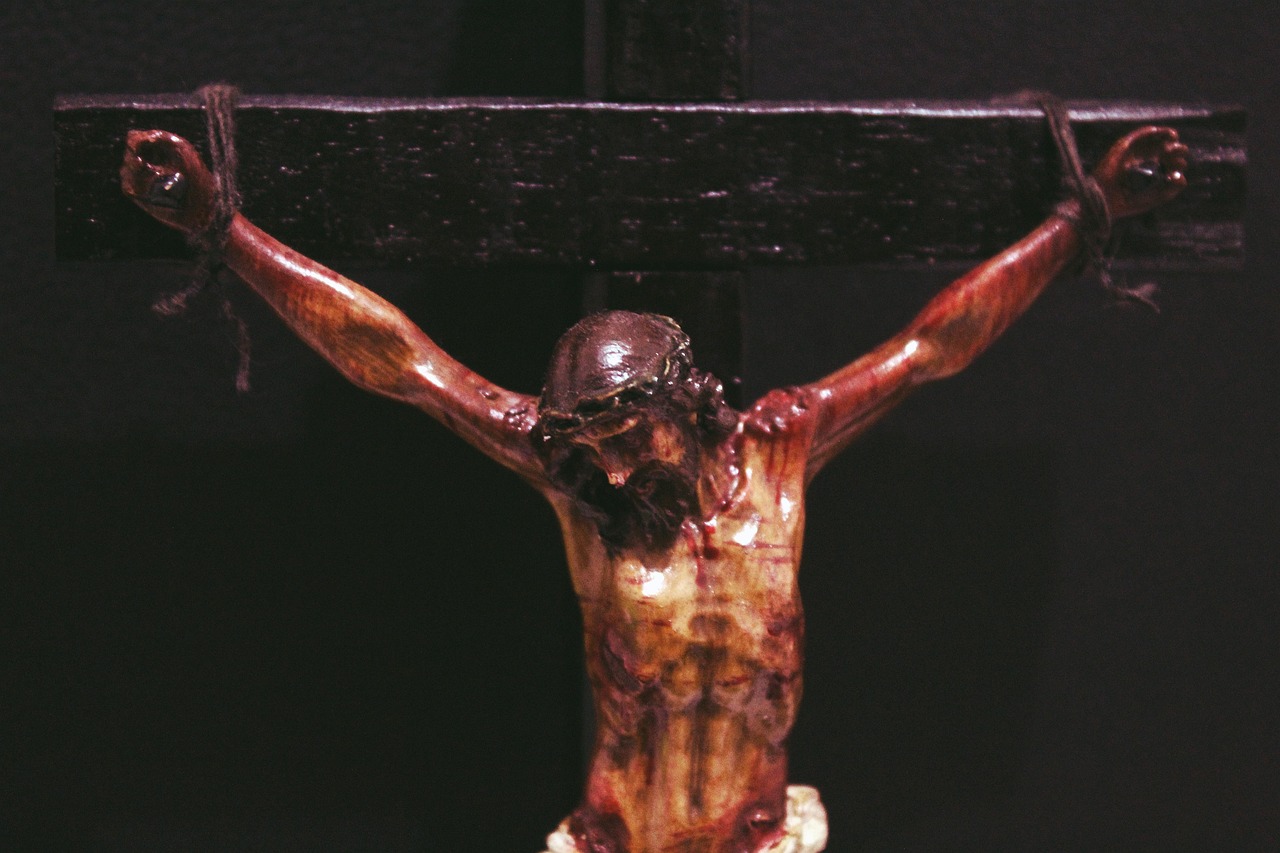
Tomorrow, we begin the holiest week of the year. But before we begin to focus on Jesus’ passion, death and resurrection, we read in Ezekiel and Jeremiah what God will do for us. He will unify us, give us land, deliver us from our sins, make an everlasting covenant of peace with us, dwell among us, and give us one shepherd. 

God’s offer is great, isn’t it? I hope our response is just as all encompassing. God offers all of this to us all; we have only to accept it and live as He asks us to during our time on this earth, living by God’s statutes and carefully observing His decrees. 

In the Gospel we read how those who want Jesus to die plot against him. And indeed, Jesus does die. For all of us. So that we can have what God wants to give us. A life of fullness and peace and joy and abundance. 

Do you want what God offers you? Many of us have spent the past forty days doing our best to root out sin, make sacrifices, and grow closer to God through acts of mortification. But as we enter Holy Week, let us also turn to God and ask Him to lead us to a greater repentance and understanding of what He has for us. 

Spend some time pondering God’s goodness and what you can do to thank and honor Him for all the blessings and gifts He has given you.

Contact the author


Mañana comenzamos la semana más santa de todo el año. Pero antes de centrarnos en la pasión, muerte y resurrección de Jesús, leemos en Ezequiel y Jeremías lo que Dios hará por nosotros. Nos unificará, nos dará tierra, nos librará de nuestros pecados, hará con nosotros una alianza eterna de paz, habitará entre nosotros y nos dará un solo pastor.

La oferta de Dios es grandiosa, ¿verdad? Espero que nuestra respuesta sea igual de generosa. Dios nos ofrece todo esto; solo tenemos que aceptarlo y vivir como Él nos pide durante nuestra vida en la tierra, viviendo según sus preceptos y observando fielmente sus decretos.

En el Evangelio leemos cómo quienes querían la muerte de Jesús conspiraron contra él. Y, en efecto, Jesús murió. Por todos nosotros. Para que podamos tener lo que Dios quiere darnos: una vida de paz y plenitud, alegría y abundancia.

¿Deseas lo que Dios te ofrece? Muchos hemos dedicado los últimos cuarenta días a esforzarnos por erradicar el pecado, hacer sacrificios y acercarnos a Dios mediante actos de mortificación. Pero al entrar en la Semana Santa, también volvamos a Dios y pidámosle que nos guíe a un mayor arrepentimiento y a una mejor comprensión de lo que tiene preparado para nosotros. 

Dedica tiempo a reflexionar sobre la bondad de Dios y sobre cómo puedes agradecerle y honrarle por todas las bendiciones y dones que te ha concedido.

Comunicarse con la autora

Deanna G. Bartalini, M.Ed., M.P.A. is a certified spiritual director, retreat leader, speaker, and writer with decades of experience serving the Church. She is the founder of LiveNotLukewarm.com, works on the retreat team at Our Lady of Florida Passionist Spiritual Center, and is an Unbound prayer minister.  She has served as a religious education director, youth minister, liturgical coordinator, and stewardship director. She writes for SpiritualDirection.comCatholicMom.comDiocesan.com, and Women in the New Evangelization (WINE). Deanna is the author of The Stay Connected Journals for Catholic Women, Invite the Holy Spirit into your Life, and has contributed to the Catholic Mom’s Prayer Companion, as well as Digital Ministry and Leadership in Today’s Church.

Feature Image Credit: frank mckenna, unsplash.com/photos/five-birds-flying-on-the-sea-OD9EOzfSOh0 

The views and opinions expressed in the Inspiration Daily blog are solely those of the original authors and contributors. These views and opinions do not necessarily represent those of Diocesan, the Diocesan staff, or other contributors to this blog.

The Importance of Details / La importancia de los detalles

Have you ever stopped to think about how important details are? How countless white and yellow lines painted on roads keep millions of people safe day in and day out. How the exact amount of ingredients, down to a quarter of a teaspoon can make or break a delicious recipe. How the precise words you choose to express yourself can either unite or separate you from family and friends. Details are very important.

Yet, at the same time, how important are they really? One day, I was feeling especially exasperated by my children and stepped outside for a walk. As I took a deep breath, my gaze rose upward. I took in the blue sky and the clouds on that lovely day. My thoughts turned heavenward. I was reminded once again of my goal: to be welcomed into those pearly gates. One argument from my tween, one act of disobedience from my 10-year-old and one temper tantrum from my toddler should not shake me. Those details are not important. What is important is allowing those moments to take me one step closer to heaven.

At this point in our Lenten journey, we may be tempted to focus on the details. “I’ve failed in my resolutions 62 times!” or “I can’t stand one more bite of this nasty fish!” We may even feel like crying out like those in the first reading: “Terror on every side!” Yet, when it’s all said and done, that’s not what these 40 days are all about. Each detail is simply a means to reach our heavenly goal.  

During times of difficulty, may we take comfort in the words of the Psalm Response: “In my distress, I called upon the Lord, and he heard my voice.” May we be like one of the many who came to Jesus in the Gospel and believed in Him. May our goal always outshine the details, no matter how important they are.

Contact the Author


¿Alguna vez te has puesto a pensar en la importancia de los detalles? En cómo las incontables líneas blancas y amarillas pintadas en las carreteras mantienen a millones de personas seguras día tras día. En cómo la cantidad exacta de ingredientes, hasta un cuarto de cucharadita, puede hacer que una receta deliciosa sea un éxito o un fracaso. En cómo las palabras precisas que eliges para expresarte pueden unirte o separarte de tu familia y amigos. Los detalles son muy importantes.

Sin embargo, al mismo tiempo, ¿cuán importantes son realmente? Un día, me sentía especialmente exasperada con mis hijos y salí afuera a caminar. Al respirar profundamente, mi mirada se elevó. Contemplé el cielo azul y las nubes del hermoso día. Mis pensamientos se dirigieron hacia el cielo. Recordé una vez más mi objetivo: ser recibida en las puertas del cielo. Una discusión con mi preadolescente, un acto de desobediencia de mi hijo de 10 años y un berrinche de mi hijita no deberían afectarme. Esos detalles no son importantes. Lo importante es permitir que esos momentos me acerquen un paso más al cielo.

En este punto de la Cuaresma, podemos sentirnos tentados a centrarnos en los detalles. “¡He fallado en mis propósitos 62 veces!” o “¡No soporto ni un bocado más de este pescado asqueroso!” Incluso podemos sentir ganas de clamar como aquellos en la primera lectura que proclamaban terror por todas partes. Sin embargo, al fin y al cabo, de eso no se trata estos 40 días. Cada detalle es simplemente un medio para alcanzar nuestra meta celestial.

En tiempos de dificultad, que encontremos consuelo en las palabras del Salmo: “en mi angustia le grité a mi Dios…y mi grito llegó a sus oídos”. Que seamos como los muchos que se acercaron a Jesús en el Evangelio y creyeron en Él. Que nuestra meta siempre resplandezca por encima de los detalles, por muy importantes que sean.

Comunicarse con la autora


Tami Urcia is a midwestern gal from a large Catholic family. As a young adulthood she was a missionary in Mexico, where she studied theology and philosophy. After returning stateside bilingual, she gained a variety of work experience, traveled extensively and finished her Bachelor’s Degree at Brescia University. She loves organizing and simplifying things, watching her children play sports, deep conversations with close family and friends and finding unique ways to brighten others’ day with Christ’s love. She works full time at Diocesan in the Software Department and manages the Inspiration Daily reflections. She is also a contributing writer on CatholicMom.com and BlessedIsShe.net.

Feature Image Credit: Sixteen Miles Out, unsplash.com/photos/baking-ingredients-and-tools-arranged-on-a-white-surface-KH9iqmoE374

The views and opinions expressed in the Inspiration Daily blog are solely those of the original authors and contributors. These views and opinions do not necessarily represent those of Diocesan, the Diocesan staff, or other contributors to this blog.
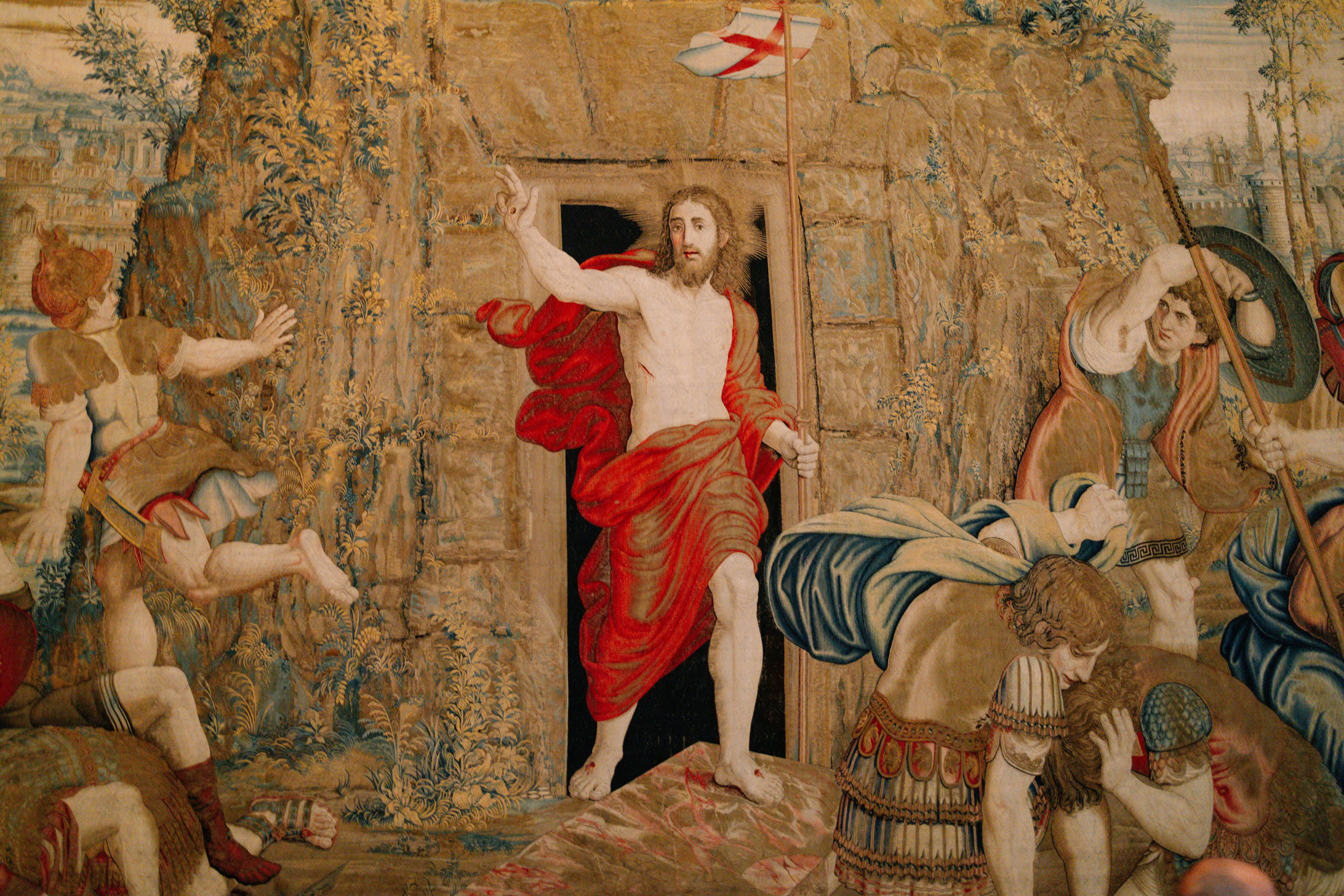
Nothing and Everything / Nada y todo

“I am making you the father of a host of nations.”

“I will give to you and to your descendants after you the land in which you are now staying.”

“If I glorify myself, my glory is worth nothing; but it is my Father who glorifies me.”

On the exact same day I began reflecting on today’s readings from Genesis and the Gospel from John, I read and reflected on a meditation of humility adapted from the writings of the Rev. Cajetan Mary da Bergamo, a Capuchin priest who lived in Italy from 1660 to 1753. His meditations are gathered in the book entitled, Know Thyself: 100 Guided Meditations on Humility of Heart. I highly recommend it to anyone and everyone.

This particular meditation talks about us figuring out what is from God and what is our own. Bergamo’s conclusion is quick and to the point: “By rendering to God what is His, nothing is left to ourselves but nothingness. … all that is within us that is more than nothingness belongs to God, and He can take away what is His when He chooses without doing us any wrong.”

Yet our readings show us God’s love for us. God Himself told Abram the gifts He would give him: a new name and fertility and descendants and a homeland. Earlier in Genesis, we are told Abraham believed God, and it was credited to him as righteousness. Even Jesus, the Son of God Himself, confessed glorifying Himself was nothing, but the Father glorifying Him was everything. Can we believe in — and accept — that all-encompassing love?

Later in Bergamo’s short reflection, he tells us, “All the good that I do comes from God, and nothing belongs to me but my own nothingness. What was I in the abyss of eternity? A mere nothing. And what did I do of myself to emerge from that nothingness? Nothing. If God had not created me, where should I be? In nothingness. If God did not uphold me at every turn, whither should I return? Into nothingness. … When I do evil it is entirely my own work, when I do good it belongs to God alone.”

Knowing and living a humility like that is the wisdom of the saints throughout the ages. As we march closer to the sacrifice of Calvary this Lent, I know that such a humility is not yet mine, as apparent as my nothingness actually is. I pray constantly that I may eventually approach it and fully rely on God — Father, Son and Holy Spirit — who is truly my everything.

Contact the author


“Serás padre de una multitud de pueblos”.

“A ti y a tus descendientes les daré en posesión perpetua toda la tierra de Canaán, en la que ahora vives”.

“Si yo me glorificara a mí mismo, mi gloria no valdría nada. El que me glorifica es mi Padre”.

El mismo día en que comencé a reflexionar sobre las lecturas de hoy del Génesis y del Evangelio de Juan, leí y medité sobre una meditación de humildad adaptada de los escritos del Reverendo Cayetano María de Bérgamo, un sacerdote capuchino que vivió en Italia de 1660 a 1753. Sus meditaciones están recopiladas en el libro titulado Conócete a ti mismo: 100 meditaciones guiadas sobre la humildad del corazón. Lo recomiendo encarecidamente a todo el mundo.

Esta meditación en particular trata sobre discernir qué proviene de Dios y qué es nuestro. La conclusión de Bérgamo es rápida y directa: “Al entregar a Dios lo que es suyo, no nos queda nada más que la nada… todo lo que hay en nosotros que es más que la nada pertenece a Dios, y Él puede quitarnos lo que es suyo cuando lo desee sin hacernos daño alguno”.

Sin embargo, nuestras lecturas nos muestran el amor de Dios por nosotros. Dios mismo le dijo a Abram los dones que le otorgaría: un nuevo nombre, fertilidad, descendencia y una patria. Anteriormente en el Génesis, se nos dice que Abraham creyó en Dios, y esto le fue contado por justicia. Incluso Jesús, el Hijo de Dios mismo, confesó que glorificarse a sí mismo no era nada, pero que la glorificación del Padre lo era todo. ¿Podemos creer en ese amor que abarca todo y aceptarlo?

Más adelante, en su breve reflexión, Bérgamo nos dice: “Todo el bien que hago viene de Dios, y nada me pertenece salvo mi propia nada. ¿Qué era yo en el abismo de la eternidad? Una mera nada. ¿Y qué hice por mí mismo para emerger de esa nada? Nada. Si Dios no me hubiera creado, ¿dónde estaría? En la nada. Si Dios no me sostuviera en cada paso, ¿adónde regresaría? A la nada… Cuando hago el mal, es enteramente obra mía; cuando hago el bien, pertenece sólo a Dios”.

Conocer y vivir una humildad como esa es la sabiduría de los santos a lo largo de los siglos. Al acercarnos al sacrificio del Calvario en esta Cuaresma, sé que aún no poseo esa humildad, por más evidente que sea mi propia insignificancia. Oro constantemente para poder alcanzarla algún día y confiar plenamente en Dios —Padre, Hijo y Espíritu Santo,— quien verdaderamente lo es todo para mí.

Comunicarse con el autor

Mike Karpus is a regular guy. He grew up in Michigan’s Upper Peninsula, graduated from Michigan State University and works as an editor. He is married to a retired Catholic school principal, raised two daughters who became Catholic school teachers at points in their careers, and now relishes his three young grandchildren. He serves on a Catholic school board and has served on pastoral councils, a building committee and a parish stewardship committee. He currently is a lector at Mass, a Knight of Columbus, vice president of a memorial scholarship committee and a board member of the local Habitat for Humanity organization. But mostly he’s a regular guy.

Feature Image Credit: Matus Hatala, unsplash.com/photos/body-of-water-waving-i55tj_BBwa0

The views and opinions expressed in the Inspiration Daily blog are solely those of the original authors and contributors. These views and opinions do not necessarily represent those of Diocesan, the Diocesan staff, or other contributors to this blog.
“I Am the Handmaid of the Lord” / “Yo soy la esclava del Señor”

Today’s Gospel is the pivot point in all of human history, all of salvation history, all of eternity.  Everything hinges on this moment when an angel brings a stupendous message to a young virgin in Galilee. Everything has been leading up to this moment, all of history cascades from this moment, and it all depends on the heart of this young maiden, on her conformity to the will of God with immense faith and loving obedience.

Some pious writers have imagined all of Heaven peering down in anticipation, as if wondering whether she will say “yes.” Of course she will; she is free to say no, but her heart and soul were prepared from all eternity and preserved from all stain of Original Sin. She was uniquely free with the Original Freedom and Original Innocence that Adam and Eve were given. Gabriel refers to her as “FULL of grace.” In this unique state of nearness to God, she cannot refuse His will. What He does in us, He does only with our active cooperation; it is necessary for Mary to surrender her will – actively WILL what God wills – in order for the Incarnation to happen within her.

And so, with majestic power and virginal simplicity, she replies, “Behold, I am the handmaid of the Lord. May it be done to me according to your word.”

In that moment, the Davidic king who will rule over the nations, save us from our sin, and fulfill every Old Testament prophecy becomes enfleshed, real, one of us. In that moment, the Gospel is realized, Adam’s fall is undone, salvation is made possible, the reign of God with us begins. In that moment, when the one who is “full of grace” utters her humble yes in loving submission to the will of God, Love becomes Flesh and dwells among us, forever and always to remain with us, forever and always to remain human and divine. With her submissive word, the Word becomes Flesh. In that moment, the daughter of God becomes the Mother of God, and therefore, Mother of us all.

For hundreds of years, Catholics have commemorated this profound mystery by praying the Angelus three times each day – at morning, noon, and evening. If this is not yet part of your daily prayer, consider adding it before your Grace at mealtimes, to ponder and give thanks for this great Gift!

Contact the author


El Evangelio de hoy es el punto central de toda la historia de la humanidad, de toda la historia de la salvación, de toda la eternidad. Todo gira en torno a este momento en que un ángel trae un mensaje trascendental a una virgen joven de Galilea. Todo ha estado encaminado a este momento, toda la historia se despliega a partir de este instante, y todo depende del corazón de esta joven, de su conformidad con la voluntad de Dios con una fe inmensa y una obediencia amorosa.

Algunos escritores piadosos han imaginado a todo el Cielo observando expectante, como preguntándose si ella dirá “sí”. Por supuesto que sí; es libre de decir que no, pero su corazón y su alma fueron preparados desde la eternidad y preservados de toda mancha del pecado original. Ella era singularmente libre, con la libertad y la inocencia originales que se les dieron a Adán y Eva. Gabriel se refiere a ella como “llena de gracia”. En este estado único de cercanía a Dios, no puede rechazar su voluntad. Lo que Él hace en nosotros, lo hace solo con nuestra cooperación activa. Es necesario que María entregue su voluntad —que desee activamente lo que Dios desea— para que la Encarnación se produzca en ella.

Y así, con majestuosa fuerza y ​​sencillez virginal, responde: “Yo soy la esclava del Señor; cúmplase en mí lo que me has dicho”.

En ese instante, el rey davídico que reinará sobre las naciones, nos salvará del pecado y cumplirá todas las profecías del Antiguo Testamento, se encarna, se hace real, se convierte en uno de nosotros. En ese instante, el Evangelio se realiza, la caída de Adán se deshace, la salvación se hace posible, el reinado de Dios entre nosotros comienza. En ese instante, cuando la que está “llena de gracia” pronuncia su humilde sí en amorosa sumisión a la voluntad de Dios, el Amor se hace carne y habita entre nosotros para siempre y permanece con nosotros, permanentemente humano y divino. Con su palabra sumisa, el Verbo se hace carne. En ese instante, la hija de Dios se convierte en la Madre de Dios y, por lo tanto, en Madre de todos nosotros.

Durante siglos, los católicos han conmemorado este profundo misterio rezando el Ángelus tres veces al día: por la mañana, al mediodía y por la noche. Si aún no forma parte de tu oración diaria, considera añadirlo antes de la oración de las comidas, para meditar y dar gracias por este gran Don.

Comunicarse con la autora

Kathryn Mulderink, MA, is married to Robert, Station Manager for Holy Family Radio. Together they have seven children (including Father Rob), and eleven grandchildren. She is President of the local community of Secular Discalced Carmelites and has published five books and many articles. Over the last 30 years, she has worked as a teacher, headmistress, catechist, Pastoral Associate, and DRE, and as a writer and voice talent for Catholic Radio. Currently, she serves the Church by writing and speaking, and by collaborating with various parishes and to lead others to encounter Christ and engage their faith. Her website is www.KathrynTherese.com

Feature Image Credit: RDNE Stock project, pexels.com/photo/stained-glass-mural-inside-the-church-8675093/

The views and opinions expressed in the Inspiration Daily blog are solely those of the original authors and contributors. These views and opinions do not necessarily represent those of Diocesan, the Diocesan staff, or other contributors to this blog.
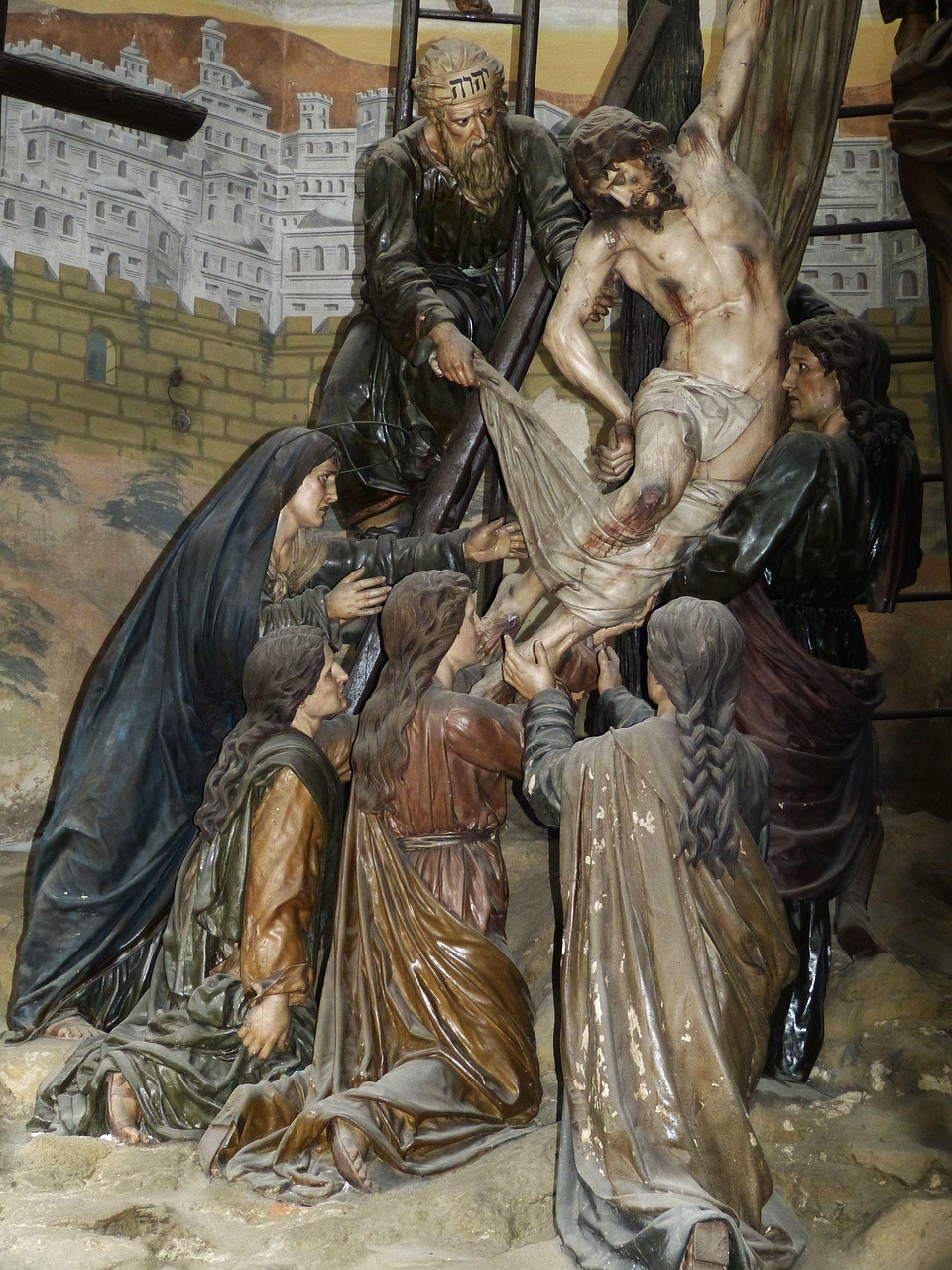
Because I Said So / Porque te lo he dicho

“Because I said so.” Kids are flummoxed by this response. So much so that many of us, having heard it as children, swore that we would never say it to our own kids. Then, life humbles us, and there we are: Why no fork in the light socket? Because I said so. Why shouldn’t I jump out of this tree? Because I said so. Why can’t I ride my bike to the park at midnight and meet my friends? Because I said so.

We become parents, and we get it. “Because I said so” is shorthand for so much more: Because I see things you don’t. Because I understand the ramifications and consequences in a way you can’t yet. Because I have learned from life experience, and I don’t want you to hurt from the same mistakes I made. Because I love you, and I want to protect you. Because I can’t convey all that to you right now because you aren’t able yet to understand what I’m saying.

“Because I said so” really means “you’re going to need to trust me on this one.” In moments of petulance, the child challenges that authority, “Why? Why? But I wanna.” And then learns the hard way why Mom or Dad has “said so.” In moments of humility, though, the child trusts. “You know better; I give.” Then as the child ages and gathers his or her own wisdom and experience, the parent’s wisdom tends to crystallize. Oh, THAT’s why.

In the Gospel today, the Pharisees are flummoxed. Jesus is revealing to them the Messiah, and still they ask, “Who are you?” Jesus replies, “What I told you from the beginning.” He has said who He is; He has shown who He is. He is the Son of Man speaking as the Father taught Him. And still they ask.

Of course Jesus understands their confusion. He knows, “You belong to what is below, I belong to what is above. You belong to this world, but I do not belong to this world.” He sees things the Pharisees don’t. He understands the ramifications and consequences in a way they can’t yet. He speaks for the Eternal God who knows the folly of all mankind, and He doesn’t want those before him to be hurt from the same mistakes made across time. Because He loves them, and He wants to protect them. Because He can’t convey all that to them right in the moment because they aren’t yet able to understand what He’s saying. 

“You’re going to need to trust me on this one,” He seems to say. Why should they believe this guy? Why should we? Because He said so.

Contact the author


“Porque te lo he dicho”. A los niños les desconcierta esta respuesta. Nos ha molestado tanto que muchos de nosotros, al oírla de pequeños, nos hemos comprometido a nunca decírselo a nuestros propios hijos. Pero la vida nos da una lección de humildad, y ahí estamos: ¿Por qué no se puede meter un tenedor al enchufe? Porque te lo he dicho. ¿Por qué no puedo brincar de este árbol? Porque te lo he dicho. ¿Por qué no puedo ir en bici al parque a la medianoche a encontrarme con mis amigos? Porque te lo he dicho.

Cuando nos convertimos en padres llegamos a entenderlo. “Porque te lo he dicho” es una forma abreviada de decir mucho más: Porque veo cosas que tú no ves. Porque entiendo las repercusiones y las consecuencias de una forma que tú aún no puedes comprender. Porque he aprendido de la experiencia y no quiero que sufras por los mismos errores que yo cometí. Porque te amo y quiero protegerte. Porque no puedo transmitirte todo eso ahora mismo porque aún no eres capaz de entender lo que te digo.

“Porque te lo he dicho” en realidad significa “confía en mí sobre esto”. En momentos de berrinche, el niño cuestiona esa autoridad: “¿Por qué? ¿Por qué? ¡Pero yo quiero…!” Y entonces aprende, a las malas, por qué mamá o papá “lo ha dicho”. Sin embargo, en momentos de humildad, el niño confía: “Tú sabes más; te doy mi consentimiento”. Luego, a medida que el niño crece y adquiere su propia sabiduría y experiencia, la sabiduría de los padres tiende a quedar claro. ¡Ah, con razón!

En el Evangelio de hoy, los fariseos están perplejos. Jesús les está revelando al Mesías, y aun así preguntan: “¿Quién eres tú?” Jesús responde: “Precisamente eso que les estoy diciendo”. Él ha dicho quién es; ha demostrado quién es. Es el Hijo del Hombre hablando como el Padre le enseñó. Y aun así preguntan.

Por supuesto que Jesús comprende su confusión. Él sabe: “Ustedes son de aquí abajo y yo soy de allá arriba; ustedes son de este mundo, yo no soy de este mundo”. Él ve cosas que los fariseos no ven. Comprende las ramificaciones y consecuencias de una manera que ellos aún no pueden. Habla en nombre del Dios Eterno, quien conoce la necedad de toda la humanidad y no quiere que quienes le precedieron sufran por los mismos errores cometidos a lo largo del tiempo. Porque los ama y quiere protegerlos. Porque no puede transmitirles todo eso en ese momento, ya que aún no son capaces de comprender lo que les dice.

“Van a tener que confiar en mí en esto”, parece decir. ¿Por qué deben creer a este hombre? ¿Por qué debemos creerle nosotros? Porque nos lo ha dicho.

Comunicarse con la autora

Pamela Kavanaugh is a grateful wife, mother, and grandmother who has dedicated her professional life to Catholic education. Though she has done her very best to teach her students well in the subjects of language and religion, she knows that she has learned more than she has taught. She lives, teaches, and writes in southwest suburban Chicago.

Feature Image Credit: Kelly Sikkema, unsplash.com/photos/a-book-with-the-words-in-god-we-trust-on-it-BqTjbSmkgY0

The views and opinions expressed in the Inspiration Daily blog are solely those of the original authors and contributors. These views and opinions do not necessarily represent those of Diocesan, the Diocesan staff, or other contributors to this blog.
“Neither do I condemn you” / “Yo tampoco te condeno”

Jesus did not condemn her. The Pharisees wanted her stoned. They were requesting her death for this sin and I suspect would have been okay with throwing some of those stones if given the chance. How often do we want to throw stones? So often. 

It’s really easy to see the sin in someone else and not in ourselves. It’s to the Pharisees’ credit that they were not so arrogant as to act and throw the first stone, thinking they were sinless. They were not, even if they secretly thought they could be, and we are not either. 

We live in a time where we judge easily and subjectively. We judge because people do not have the same values as we do, or do not practice their faith as we think they should. We argue over whether the Novus Ordo or the traditional Latin Mass is “better,” whether we should receive the Eucharist on our tongue or in our hands, whether kneeling or standing. We condemn others even though Jesus doesn’t and we bristle if anyone suggests that we should be condemned. 

How did we come to this place? How did it come to pass that as Catholics we argue and judge one another about these things? Why does our culture preach diversity but only when it aligns with our own narrative? Maybe we should just be glad people are going to Mass and receiving our Lord instead of bickering over how they should receive Him. It all makes me tired. 

I think we need to leave the judging and condemning to the One who knows our hearts best. In the end, it’s going to be each of us alone with Him. We don’t get a say in other people’s fate and they don’t get a say in ours.

Contact the author


Jesús no la condenó. Los fariseos querían apedrearla. Pedían su muerte por ese pecado y sospecho que, de haber tenido la oportunidad, no habrían tenido ningún problema en arrojarle algunas piedras. ¿Cuántas veces tenemos ganas de apedrear? Demasiadas veces.

Es muy fácil ver el pecado en los demás y no en nosotros mismos. Hay que reconocer que los fariseos no fueron tan arrogantes como para actuar y arrojar la primera piedra, creyéndose inocentes. No lo eran, aunque en secreto pensaran que sí, y nosotros tampoco.

Vivimos en una época en la que juzgamos con facilidad y subjetividad. Juzgamos porque la gente no comparte nuestros valores o no practica su fe como creemos que deberían. Discutimos sobre si el Novus Ordo o la misa tradicional en latín es “mejor”, si debemos recibir la Eucaristía en la lengua o en la mano, si debemos arrodillarnos o estar de pie. Condenamos a otros aunque Jesús no lo haga, y nos indignamos si alguien sugiere que nosotros deberíamos ser condenados.

¿Cómo llegamos a esto? ¿Cómo es que, como católicos, discutimos y nos juzgamos sobre estas cosas? ¿Por qué nuestra cultura predica la diversidad, pero solo cuando se ajusta a nuestra propia narrativa? Quizás deberíamos alegrarnos de que la gente vaya a misa y reciba a nuestro Señor, en lugar de discutir sobre cómo deberían recibirlo. Todo esto me cansa.

Creo que debemos dejar el juicio y la condena a Aquel que mejor conoce nuestros corazones. Al final, cada uno de nosotros estará a solas con Él. No tenemos voz ni voto en el destino de los demás, ni ellos en el nuestro.

Comunicarse con la autora

Merridith Frediani loves words and is delighted by good sentences. She also loves Lake Michigan, dahlias, the first sip of hot coffee in the morning, millennials, and playing Sheepshead with her husband and three kids. She writes for Catholic Mom, Diocesan.com, and her local Catholic Herald. Her first book Draw Close to Jesus: A Woman’s Guide to Adoration is available at Our Sunday Visitor and Amazon. You can learn more at merridithfrediani.com.

Feature Image Credit: shadowlessPhoenix, pixabay.com/photos/heart-water-stone-heart-nature-558528/

The views and opinions expressed in the Inspiration Daily blog are solely those of the original authors and contributors. These views and opinions do not necessarily represent those of Diocesan, the Diocesan staff, or other contributors to this blog.

Jesus’ Timing / El momento de Jesús

Jesus loved Mary, Martha, and Lazarus, so He waited. This is such a difficult passage to swallow. Like Martha who cries to Jesus, “Lord, if you had been here, my brother would not have died,” we, too, cry out to Jesus when the answers we seek are long in coming. 

I found the disciples’ reaction to Jesus’ decision to wait in place, then go back to Judea, to be fascinating. They are concerned for Jesus’ wellbeing as the Jews in Judea had recently tried to stone Jesus. I had to pause and wonder if, perhaps, they had been glad during the two day wait. Perhaps they were sad for Jesus since His friend was sick, but glad for themselves because they weren’t going to go back to a place of danger.

Then, Jesus announces it’s time to go back. The surprise and shock are evident, especially in Thomas’s defeated statement that they are going to their death. It would seem that no one is very pleased with Jesus’ timing. 

What do we do when Jesus’ timing is not our own?  The Gospel offers us two options. The first is that of the disciples. They are resistant, uncertain, and while they do go along with Jesus, they lack an attitude of trust in His wisdom. Then there is Martha, who also wonders and questions Jesus’ timing. However, she makes a bold statement of faith immediately afterwards, demonstrating that she trusts Jesus knows what He’s doing even if she doesn’t.

“But even now, I know that whatever you ask of God, God will give you” (John 11:22). 

Martha’s faith is not dependent on her knowledge of Jesus’ plans. The plans and timing aren’t the important thing. Her focus is on the person of Jesus, the Son of God. Nothing is too impossible for Him, even if it seems beyond our measure of understanding.

Contact the author


Jesús amaba a María, a Marta y a Lázaro, y por eso esperó. Este pasaje es difícil de asimilar. Al igual que Marta, que clama a Jesús: “Señor, si hubieras estado aquí, no habría muerto mi hermano”, nosotros también clamamos a Jesús cuando las respuestas que buscamos tardan en llegar.

Me pareció fascinante la reacción de los discípulos ante la decisión de Jesús de esperar un tiempo y luego regresar a Judea. Les preocupaba el bienestar de Jesús, ya que los judíos de Judea habían intentado apedrearlo recientemente. Tuve que detenerme a pensar si, tal vez, se habían alegrado durante los dos días de espera. Quizás sentían tristeza por Jesús, pues su amigo estaba enfermo, pero se alegraban por sí mismos porque no iban a regresar a un lugar peligroso.

Luego Jesús anuncia que es hora de regresar. La sorpresa y la conmoción son evidentes, especialmente en la expresión de derrota de Tomás, quien afirma que van a ir a la muerte. Al parecer, a nadie le agrada la decisión de Jesús.

¿Qué hacemos cuando el tiempo de Jesús no coincide con el nuestro? El Evangelio nos ofrece dos opciones. La primera es la de los discípulos. Se muestran resistentes e inseguros, y aunque siguen a Jesús, carecen de confianza en su sabiduría. Luego tenemos a Marta, quien también duda del momento que escoge Jesús. Sin embargo, inmediatamente después hace una firme declaración de fe, demostrando que confía en que Jesús sabe lo que hace, aunque ella no lo entienda.

“Pero aun ahora estoy segura de que Dios te concederá cuanto le pidas” (Juan 11,22). 

La fe de Marta no depende de su conocimiento de los planes de Jesús. Los planes y el momento no son lo importante. Su atención se centra en la persona de Jesús, el Hijo de Dios. Nada es imposible para Él, aunque parezca estar más allá de nuestra comprensión.

Comunicarse con la autora

Kate Taliaferro is an Air Force wife and mother. She is blessed to be able to homeschool, bake bread and fold endless piles of laundry. When not planning a school day, writing a blog post or cooking pasta, Kate can be found curled up with a book or working with some kind of fiber craft. Kate blogs at DailyGraces.net.

Feature Image Credit: hodgesce13,pixabay.com/photos/watch-watches-luxury-time-1935514/

The views and opinions expressed in the Inspiration Daily blog are solely those of the original authors and contributors. These views and opinions do not necessarily represent those of Diocesan, the Diocesan staff, or other contributors to this blog.

Full Hearts / Corazones llenos

Today’s Gospel presents us with three groups of people: The crowd, the Pharisees and the guards. The crowd was on fire with Jesus’ teaching. Their hearts were full. Then pride gets in the way. They stop thinking about how they felt and an argument breaks out. The guards also experienced the love of God and were filled. But they held onto it and didn’t get involved with the bickering. But, as for the Pharisees, where were their hearts? They were so stuck in the rules, which filled them with thoughts of this world, and not where their faith belonged. They want to prove that they know what’s best.  Pride is so good at ruining a good moment.

I recently attended a three-day retreat and was so inspired that I felt like I was two feet off the ground. Being so filled with the love of God through the Holy Spirit pleases my heart and soul that I yearn for it all the time.  When we experience oneness and closeness to God we long for more because that is what God wants for us. 

Psalm 7 gives us the tools to step over that pride and focus on our dependence on Him. “O LORD, my God, in you I take refuge; save me from all my pursuers and rescue me…Let the malice of the wicked come to an end, but sustain the just, O searcher of heart and soul, O just God…A shield before me is God, who saves the upright of heart…” 

In order to live with this mentality, we have to slow down and take a deep breath. We should always be thinking, is this what I need to do right now? What is Jesus calling me to do at this moment? When our hearts stay filled with Jesus’ love, patience, humility, and understanding flow. 

The Pharisees’ hearts were growing cold as they tried to enforce their will and belief. Where are we growing cold in our lives? Take a moment to reflect on where you are prioritizing your needs above all else. Where are you pridefully pushing your own agenda without considering what Jesus desires? 

I hum this song when I need to refocus: “How great is our God, sing with me, how great is our God. All will know how great, how great is our God.” How will those around us experience God’s love and hear Jesus’ words? By our humble witness to His words and love. It all starts with quietly inviting Jesus into our heart before it turns cold. Let us set aside our pride and lean into His love today, that our hearts may also be full.

Contact the Author


El Evangelio de hoy nos presenta tres grupos de personas: la multitud, los fariseos y los guardias. La multitud estaba entusiasmada con las enseñanzas de Jesús. Sus corazones estaban llenos de amor. Luego, el orgullo se interpuso. Dejaron de reflexionar sobre sus sentimientos positivos y surgió una discusión. Los guardias también experimentaron el amor de Dios y se sentían llenos de corazón. Pero ellos se aferraron a ese amor y no se involucraron en la disputa. Pero, en cuanto a los fariseos, ¿dónde estaban sus corazones? Estaban tan aferrados a las normas, que los llenaban de pensamientos mundanos, y no de de la fe. Querían demostrar que sabían lo que era mejor. El orgullo es capaz de arruinar cualquier buen momento.

Recientemente asistí a un retiro de tres días y me sentí tan inspirada que me sentía en las nubes. Sentirme tan llena del amor de Dios a través del Espíritu Santo llena mi corazón y mi alma, y ​​lo anhelo constantemente. Cuando experimentamos la unidad y la cercanía con Dios, anhelamos más, porque eso es lo que Dios desea para nosotros.

El Salmo 7 nos da las herramientas para superar el orgullo y centrarnos en nuestra dependencia de Él. “En ti, Dios mío, me refugio: de mis perseguidores, sálvame.Tengo mi escudo en Dios, que salva a los de recto corazón. Alabaré al Señor por la justicia y cantaré el nombre del Altísimo.”

Para vivir con esta mentalidad, debemos bajar el ritmo y respirar hondo. Siempre debemos preguntarnos: ¿Es esto lo que necesito hacer ahora? ¿Qué me pide Jesús que haga en este momento? Cuando nuestros corazones están llenos del amor de Jesús, la paciencia, la humildad y la comprensión fluyen.

Los corazones de los fariseos se enfriaban mientras intentaban imponer su voluntad y sus creencias. ¿En qué aspectos de nuestra vida nos estamos enfriando? Tómate un momento para reflexionar sobre dónde priorizas tus necesidades por encima de todo lo demás. ¿Dónde, con orgullo, impones tu propia agenda sin considerar lo que Jesús desea?

Me pongo a cantar esta canción cuando necesito centrarme de nuevo: “¡Cuán grande es nuestro Dios, canten conmigo, cuán grande es nuestro Dios! Todos sabrán cuán grande, cuán grande es nuestro Dios”. ¿Cómo experimentarán quienes nos rodean el amor de Dios y escucharán las palabras de Jesús? Mediante nuestro humilde testimonio de sus palabras y su amor. Todo comienza con invitar en silencio a Jesús a nuestro corazón antes de que se enfríe. Dejemos de lado nuestro orgullo y abracémonos a su amor hoy, para que nuestros corazones también esten llenos.

Comunicarse con la autora


Marti Garcia’s passions are her retired life and growing deeper in her Catholic faith. Marti is a Sacristan/EM, facilitates small groups, and assists as a First Communion Catechist for parents. Being a parent educator and writer for 35 years, she recently published a children’s chapter book on Amazon, The Ladybugs. You can find her at her blog: MartiGarcia.org, or thewaterisshallow.com, or her cohost podcast, findingacommonthread.com, which is coming soon.

Feature Image Credit: Kreidt-Fotografie, https://pixabay.com/photos/persons-romans-warrior-history-4853861/

The views and opinions expressed in the Inspiration Daily blog are solely those of the original authors and contributors. These views and opinions do not necessarily represent those of Diocesan, the Diocesan staff, or other contributors to this blog.

God’s Guiding Hand / La guía de Dios

For me, Lent is a time to think about the moral life and how well I am doing when it comes to moral decisions. Often, when we take time to reflect on where we are at, we can start to see the faith as quite suppressive. We may ask questions like, “Why does God not allow this or that thing?” Or, “Why does it seem like old men in pointy hats seem to be able to make our moral decisions for us?” 

This is the dilemma that the people in today’s first reading find themselves in. They see someone in their group as a lawmaker who is there to repress all of their fun and because of this they decide to kick them out. Notice how easy it is for them to justify their immoral behavior and claim that the problem is the just person who doesn’t get their lifestyle. 

This is what results when we think that morality comes from outward forces that want to restrict our freedom. In reality, the moral life comes from the way we were created in the image and likeness of God. Think about it for a second, if God created us in His very image and likeness, then living in accord with that reality is what will make us most happy. God literally designed us to be like Him. The more we stray from that design, the more unhappy we become. 

Think about a bowling alley. I myself am terrible at bowling. It is not a fun sport to me because I am so bad at it. But if I put the guards up I can have a ton of fun and not care what happens because I know the ball is going to make it to the end no matter what. Moral principles are a lot like that guard. They guide us in the proper direction and make sure we don’t fall flat on our face, but there is a lot of freedom within those rails to enjoy the pleasures and comforts of life. 

Let’s use this season as a time to reflect on some of the things we struggle with morally and then ask God for the grace to guide us in the right direction so we can ultimately reach perfect peace and happiness at the end of the road. We can take the guidelines God has put in place for us and use them to our benefit so we can live life to the full. 

This fourth week of Lent is a perfect time to check in with God and see if we have made progress in the spiritual life in the past few weeks or if we really need to step up our game to finish this season strong. Either way, God wants you and I to be fully happy. He knows the right way. Let’s allow him to guide and guard our path. 

From all of us here at Diocesan, God bless!

Contact the author


Para mí, la Cuaresma es un tiempo para reflexionar sobre la vida moral y sobre mi desempeño en cuanto a las decisiones éticas. A menudo, al detenernos a reflexionar sobre nuestra situación, podemos empezar a percibir la fe como algo opresivo. Podemos preguntarnos: “¿Por qué Dios no permite esto o aquello?” o “¿Por qué parece que los ancianos con sombreros puntiagudos deciden por nosotros sobre nuestros principios morales?”

Este es el dilema en el que se encuentran las personas de la primera lectura de hoy. Ven a alguien de su grupo como un legislador que busca reprimir su diversión y, por ello, deciden expulsarlo. Observemos con qué facilidad justifican su comportamiento inmoral y afirman que el problema es la persona justa que no comprende su estilo de vida.

Esto es lo que sucede cuando pensamos que la moralidad proviene de fuerzas externas que pretenden restringir nuestra libertad. En realidad, la vida moral proviene de cómo fuimos creados a imagen y semejanza de Dios. Piénsalo por un momento: si Dios nos creó a su imagen y semejanza, vivir en armonía con esa realidad es lo que nos hará más felices. Dios nos diseñó literalmente para ser como Él. Cuanto más nos alejemos de ese diseño, más infelices seremos.

Piensa en un jugador de boliche. Yo mismo soy pésimo jugando boliche. No me divierte porque soy muy malo. Pero si subo las protecciones, puedo pasarlo en grande sin importarme lo que pase, porque sé que la bola llegará al final, pase lo que pase. Los principios morales son muy parecidos a esas protecciones. Nos guían en la dirección correcta y evitan que nos desviemos del camino, pero dentro de esos límites hay mucha libertad para disfrutar de los placeres y comodidades de la vida.

Aprovechemos este tiempo para reflexionar sobre algunas de las cosas con las que luchamos moralmente y luego pidamos a Dios la gracia de guiarnos por el buen camino para que, finalmente, podamos alcanzar la paz y la felicidad plenas. Podemos tomar las pautas que Dios nos ha dado y usarlas para nuestro beneficio, para así vivir la vida al máximo.

Esta cuarta semana de Cuaresma es el momento perfecto para conectar con Dios y ver si hemos progresado en nuestra vida espiritual en las últimas semanas o si realmente necesitamos esforzarnos más para terminar esta temporada con fortaleza. De cualquier manera, Dios quiere que seamos plenamente felices. Él conoce el camino correcto. Permitámosle guiar y proteger nuestro camino.

De parte de todos en la Diócesis, ¡que Dios los bendiga!

Comunicarse con el autor

Tommy Shultz is a Business Development Representative for Diocesan. In this role he is committed to bringing the best software to dioceses and parishes while helping them evangelize on the digital continent. Tommy has worked in various diocese and parish roles since his graduation from Franciscan University with a Theology degree. He hopes to use his skills in evangelization, marketing, and communications, to serve the Church and bring the Good News to all. His favorite quote comes from St. John Paul II, who said, “A person is an entity of a sort to which the only proper and adequate way to relate is love.”

Feature Image Credit: Ella Christenson, unsplash.com/photos/white-and-red-wooden-toy-l6DorjudX64

The views and opinions expressed in the Inspiration Daily blog are solely those of the original authors and contributors. These views and opinions do not necessarily represent those of Diocesan, the Diocesan staff, or other contributors to this blog.

The Quiet Strength of St. Joseph / La fortaleza silenciosa de San José

My son Joseph studies engineering at a university thirty minutes from our home. He lives on campus, but when he returns to our noisy home, his quiet calm is palpable. He slips in the side door, a slight smile on his face, arms laden with a backpack and a basket of laundry. He stands silently in the middle of the kitchen floor and within seconds our 13-year-old chocolate Lab and 22-pound Siamese cat are encircling his legs. When he moves to the couch after dinner, the two granddaughters who live with us, ages 3 and 6, follow him – one cuddling up at his feet, the younger one scootching under the blanket to lie next to him. Even his bearded dragon, often dormant when he is away, perks up and starts slurping his worms again. 

When he leaves, my husband says to me, “your calm just walked out the door.”

Saint Joseph remains quiet too. We know little of him except his genealogy in the line of David. “Jacob was the father of Joseph, the husband of Mary.” Saint Joseph is mentioned in all four Gospels, but says nothing. What we do know is that he shows up, he accompanies, he protects, he teaches, and, most of all, he provides safe shelter and quiet strength. 

Despite his silence, Saint Joseph is fully present in the early life of Jesus. He receives the message of the angel to travel to Bethlehem and later to Egypt and Nazareth with his little family. Together with Mary he is “anxious” when an adolescent Jesus disappears from their caravan and “astonished” when they find him among the teachers of the temple in Jerusalem. They searched for Jesus for at least three days. Imagine searching for a child for this long. No words of Joseph’s are recorded, yet his presence and his demeanor must have strengthened Mary.

In their humble family home, St. Joseph brought this quiet strength. Oh, good St. Joseph, bring it into our homes too. Teach us the value of silence, humility, and obedience. Be with us in our earthly struggles and at the hour of our death.

Contact the Author


Mi hijo Joseph estudia ingeniería en una universidad a treinta minutos de la casa. Vive en el campus, pero cuando regresa a nuestro hogar ruidoso, su calma serena es palpable. Entra por la puerta lateral, con una leve sonrisa, cargando una mochila y una cesta de ropa sucia. Se queda quieto en medio de la cocina y, en cuestión de segundos, nuestro labrador de trece años y nuestro gato siamés de diez kilos lo rodean. Cuando se sienta en el sofá después de cenar, sus dos nietas, de tres y seis años, que viven con nosotros, lo siguen: una se coloca a sus pies y la pequeña se mete bajo la manta para echarse a su lado. Incluso su dragón barbudo, que suele estar inactivo cuando él no está, se anima y vuelve a comer gusanos.

Cuando se va, mi esposo me dice: “Tu calma se ha ido por la puerta”.

San José también permanece silencioso. Poco sabemos de él, salvo su genealogía en la línea de David. Jacob fue el padre de José, el esposo de María. San José se menciona en los cuatro Evangelios, pero no dice nada. Sabemos que está presente, acompaña, protege, enseña y, sobre todo, brinda refugio seguro y fortaleza silenciosa.

A pesar de su silencio, San José está plenamente presente en la infancia de Jesús. Recibe el mensaje del ángel para viajar a Belén y, más tarde, a Egipto y Nazaret con su pequeña familia. Junto con María, se angustia cuando el adolescente Jesús desaparece de su caravana y se asombra al encontrarlo entre los maestros del templo en Jerusalén. Buscaron a Jesús durante al menos tres días. Imagínense buscar a un niño durante tanto tiempo. No se registran palabras de José, pero su presencia y su actitud debieron fortalecer a María.

En su humilde hogar, San José les brindó esa fortaleza silenciosa. Oh, buen San José, tráela también a nuestros hogares. Enséñanos el valor del silencio, la humildad y la obediencia. Acompáñanos en nuestras luchas terrenales y en la hora de nuestra muerte.

Comunicarse con la autora


Beth Casteel, wife of 36 years, mother of four and grandmother of two, writes with a passion for uncovering the stories of ordinary people. She worked as a newspaper reporter and editor and has advanced degrees in communication studies and creative writing. She contributed to Cloud of Witnesses, 25 Stories of Saintly Inspiration and Intercession, and has written essays for both sacred and secular publications. Her work can be seen on substack bethcasteel.substack.com/ and at bethcasteel.com.

Feature Image Credit: OMELI PODCAST, unsplash.com/photos/mans-statue-DcVFLfC55OI

The views and opinions expressed in the Inspiration Daily blog are solely those of the original authors and contributors. These views and opinions do not necessarily represent those of Diocesan, the Diocesan staff, or other contributors to this blog.

The Lord is gracious and merciful / El Señor es compasivo y misericordioso

Today’s readings had me reflecting on God’s infinite love for us, for He gave His life to save us from sin. During certain times of our life, we may enter into a dark stage when we see our own needs above all else. We distance ourselves from God and stop going to Mass and confession, and don’t obey the Commandments.

At one point in my life, I missed Mass several times a year. I didn’t receive Communion and I didn’t dare to go to confession because I preferred to work overtime. I also didn’t look up Mass times at other parishes, which reminded me of the first reading when it said “To those in darkness.” I thought I didn’t deserve God’s forgiveness. By not putting Him first in my life, I felt I had betrayed Him. I carried an enormous burden on my shoulders through my own fault, and I thought I deserved the worst punishment.

It took me several weeks to muster up the courage to go to confession. It wasn’t easy, and I was ashamed to say everything I had to say, but after I received absolution, I was a free man. The burden I had been carrying was gone, and that’s because “The Lord is gracious and merciful,” as the Responsorial Psalm says. I returned to God’s embrace, began following His teachings once again and continued believing that He is the salvation of life, not money.

The Gospel says, “Amen, amen, I say to you, whoever hears my word and believes in the one who sent me has eternal life and will not come to condemnation, but has passed from death to life.” I felt like this is what happened to me. We are all sinful beings because only God is perfect, but confession opens the door for us to continue hearing His Word. We go from being dead while still alive to having the light of hope by living in union with God once again.

If you are far away from God right now, find the courage to go to confession, whatever your sins may be. Come out of the darkness. God is merciful and is waiting for you with open arms and infinite love.

Contact the author


Las lecturas de hoy me hicieron reflexionar sobre el amor infinito de Dios hacia nosotros, que dio su vida para salvarnos del pecado. Durante ciertas etapas de la vida entramos en tinieblas donde sólo nos permite ver nuestras necesidades primero, lo cual nos aleja de Dios, como no ir a misa, no confesarse y no obedecer los mandamientos.

En un momento de mi vida falte a misa varias veces al año. No recibía la comunión y no me atrevía a confesar porque prefería trabajar horas extras. Tampoco buscaba horarios de las misas en otras parroquias, lo cual me hizo acordar en la primera lectura, “A los que están en tinieblas”. Pensaba que no merecía el perdón de Dios. Al no ponerlo primero en vida, sentía que lo había traicionado. Llevaba una enorme carga en mi espalda por mi propia culpa y pensé que merecía la peor condena. 

Me demoré varias semanas en armarme de valor para irme a confesar. No fue fácil, y hasta sentí vergüenza decir todo lo que tenía que decir, pero después que me dieron la absolución fui un hombre libre. La carga que tenía se había ido y es porque “El Señor es compasivo y misericordioso”, como dice el Salmo Responsorial. Volví a los brazos de Dios nuevamente para seguir sus enseñanzas y seguir creyendo que Él es la salvación de la vida y no el dinero. 

El evangelio dice “Yo les aseguro que, quien escucha mi palabra y cree en el que me envió, tiene vida eterna y no será condenado en el juicio, porque ya pasó de la muerte a la vida”. Sentí que eso me pasaba a mi. Todos somos seres pecadores porque el único perfecto es Dios, pero la confesión nos abre esa puerta para seguir escuchando su palabra. Pasamos de estar muertos en vida a tener esa luz de esperanza al volver a vivir junto a Dios. 

Si estás alejado de Dios en este momento, toma el valor de ir a confesarte sea cual sea el pecado o pecados que tengas. Sal de esas tinieblas. Dios es misericordioso y te está esperando con los brazos abiertos y con un amor infinito. 

Comunicarse con el autor

Felix Urcia was born in Lima, Peru. He moved the U.S. to complete his college degree in Computer Science at Northern Kentucky University. He is passionate about his faith, his family, education and soccer. When he is not homeschooling and caring for his young children he enjoys personal programing projects and sports analysis. He and wife live in a small town in Western Michigan where they enjoy spending time with their five children.

Feature Image Credit: Saint John’s Seminary, unsplash.com/photos/a-statue-of-jesus-in-a-church-setting-Ww38gjbjgto

The views and opinions expressed in the Inspiration Daily blog are solely those of the original authors and contributors. These views and opinions do not necessarily represent those of Diocesan, the Diocesan staff, or other contributors to this blog.

Do You Want to Be Well? / ¿Quieres curarte?

Thirty-eight years…The man in today’s Gospel had been ill for thirty-eight years. I inhale deeply when I hear that number.  Thirty-eight was the age when I was diagnosed with early-stage breast cancer, a diagnosis that found me running to the Divine Healer’s river of mercy. This sick man was just one of a “large number of ill, blind, lame, and crippled” (John 5:1:3) who waited daily for the moment when the Pool of Bethesda’s water was “stirred up.” The first one into those waters was reportedly healed. 

Dependence on his own abilities left him unable to enter the pool in time. He had no one to help him, which left his healing just out of reach. He remained ill for thirty-eight years, until one Sabbath day changed everything. For on this particular day, he encountered the one true healer who had the power to make him whole, body and soul.

“Do you want to be well?” Jesus asks him. What an absurd question. Doesn’t Jesus know everything? Surely he knew every detail of this man’s long suffering and how desperately he desired wellness. And yet, Jesus wanted the sick man’s consent, his receptive surrender. Jesus is a gentle healer. He invites us back to wholeness, but He never forces. He wants our permission, our surrender to His will. Even when we barely crack open our hearts to receive, He showers us with His healing grace. “Rise, take up your mat, and walk,” he tells the sick man. And then immediately, with no delay, the Gospel tells us, “the man became well.” 

Many of the Biblical stories of Jesus’ healing miracles allude to an illness far worse than years of physical suffering—that of sin separating us from God. When Jesus found this man after his healing, he reminded him of that. “Do not sin any more, so that nothing worse may happen to you” (John 5:14). 

We all have places in our lives where we sit beside a Pool of Bethesda. Hear Jesus asking you today, “Do you want to be well?”  Do you want to turn away from your familiar life—a life that keeps you paralyzed from sickness or sin? Are you willing to admit that you desire healing? 

Jesus can heal us instantly. He doesn’t need the drama of stirred up waters. However, He wants our hearts stirred up in faith to surrender to Him. Sometimes Jesus heals our physical bodies in ways others notice. But sometimes our healing looks like unanswered prayers because it takes place deep within our souls.

During years of pain and sickness, we may be tempted to depend on the healing waters promised by the world. It is then that we must remember we will only find soul-deep healing that never fades or fails when we encounter Jesus, the Divine Healer, and allow His healing waters to flow through us. Lord, we want to “Be Well” in your time and in your way.

Contact the Author


Treinta y ocho años…El hombre del Evangelio de hoy llevaba treinta y ocho años enfermo. Respiro hondo al oír ese número. A los treinta y ocho años me diagnosticaron cáncer de mama en etapa temprana, un diagnóstico que me llevó a buscar refugio en la misericordia del Divino Sanador. Este hombre enfermo era solo uno de una “una multitud de enfermos, ciegos, cojos y paralíticos” (Juan 5,1-3) que esperaban a diario el momento en que las aguas del estanque de Betesda se agitaran. Según se cuenta, el primero que entraba en esas aguas quedaba sano.

Su confianza en sí mismo le impidió entrar en el estanque a tiempo. No tenía a nadie que lo ayudara, por lo que su sanación se le escapaba de las manos. Permaneció enfermo durante treinta y ocho años, hasta que un día de sábado lo cambió todo. Porque ese día en particular, se encontró con el único y verdadero sanador que tenía el poder de sanarlo por completo, en cuerpo y alma.

“¿Quieres curarte?” Jesús le pregunta. ¡Qué pregunta tan absurda! ¿Acaso Jesús no lo sabe todo? Seguramente conocía cada detalle del largo sufrimiento de este hombre y su desesperado deseo de sanarse. Y aun así, Jesús quería el consentimiento del enfermo, su entrega receptiva. Jesús es un sanador bondadoso. Nos invita a recuperar la plenitud, pero nunca nos obliga. Quiere nuestro permiso, nuestra entrega a su voluntad. Incluso cuando apenas abrimos nuestro corazón para recibir, nos colma de su gracia sanadora. “Levántate, toma tu camilla y anda”, le dice al enfermo. E inmediatamente, sin demora, el Evangelio nos dice que “el hombre quedó curado”.

Muchos de los relatos bíblicos de los milagros de sanación de Jesús aluden a una enfermedad mucho peor que años de sufrimiento físico: la del pecado que nos separa de Dios. Cuando Jesús encontró a este hombre después de su sanación, se lo recordó. “No peques más, no sea que te vaya a suceder algo peor” (Juan 5,14).

Todos tenemos momentos en nuestra vida en los que nos sentamos junto a un estanque como el de Betesda. Escucha a Jesús preguntándote hoy: “¿Quieres curarte?” ¿Quieres alejarte de tu vida habitual, una vida que te paraliza por la enfermedad o el pecado? ¿Estás dispuesto a admitir que anhelas la sanación?

Jesús puede sanarnos al instante. No necesita el drama de las aguas agitadas. Sin embargo, desea que nuestros corazones se conmuevan con fe para rendirnos a Él. A veces, Jesús sana nuestros cuerpos de maneras que otros notan. Pero a veces, nuestra sanación se manifiesta como oraciones sin respuesta porque ocurre en lo más profundo del alma.

Durante años de dolor y enfermedad, podemos sentir la tentación de depender de las aguas sanadoras que promete el mundo. Es entonces cuando debemos recordar que solo encontraremos una sanación profunda del alma, que nunca se desvanece ni falla, cuando nos encontremos con Jesús, el Divino Sanador, y permitamos que sus aguas sanadoras fluyan a través de nosotros. Señor, queremos curarnos en tu tiempo y a tu manera.

Comunicarse con la autora


Shauna Occhipinti writes to bear witness to God’s grace. She lives with her husband and  twin sons in Martinez, GA.  She is a contributing author to The Cloud of Witnesses, a PraiseWriters’ collaborative book. Shauna is passionate about holistic health and helping others find healing and wholeness with the Divine Physician. As a SoulCore leader, she welcomes others under Mary’s mantle through the contemplative prayers of the Rosary and functional movement. You can find out more about her at shaunaocchipinti.com.

Feature Image Credit: K. Mitch Hodge, unsplash.com/photos/brown-pillars-beside-body-of-water-zRsb7_va8UY

The views and opinions expressed in the Inspiration Daily blog are solely those of the original authors and contributors. These views and opinions do not necessarily represent those of Diocesan, the Diocesan staff, or other contributors to this blog.