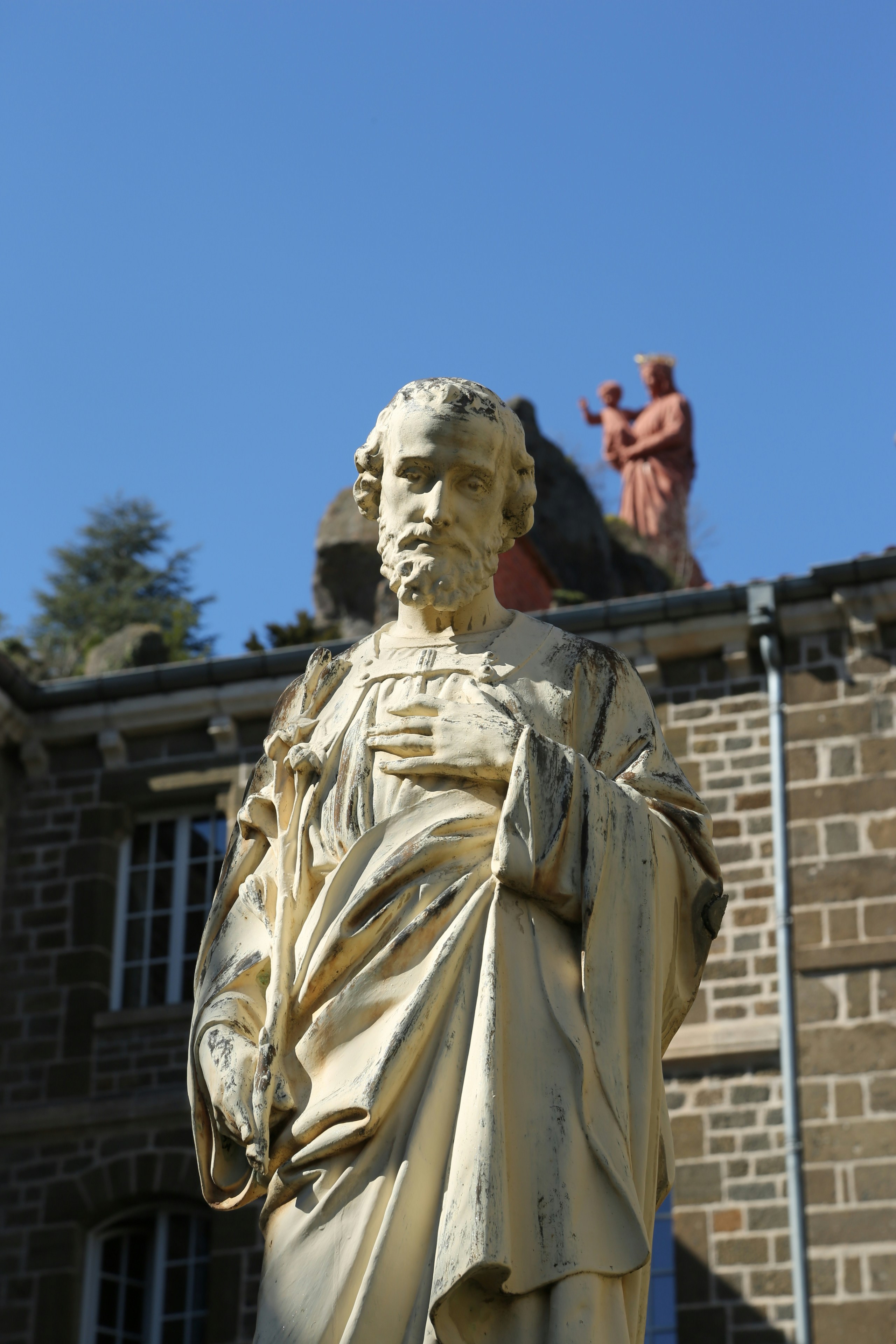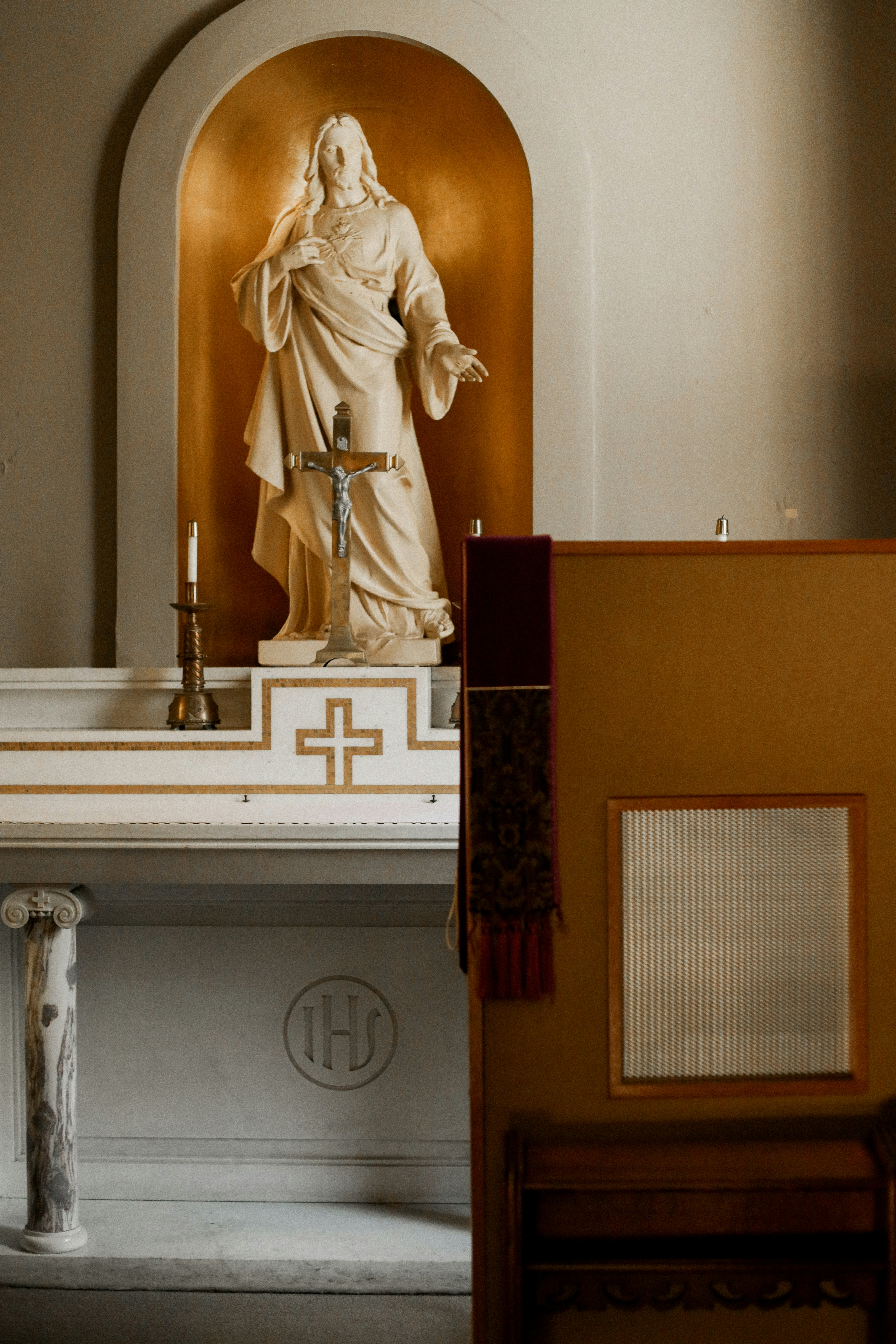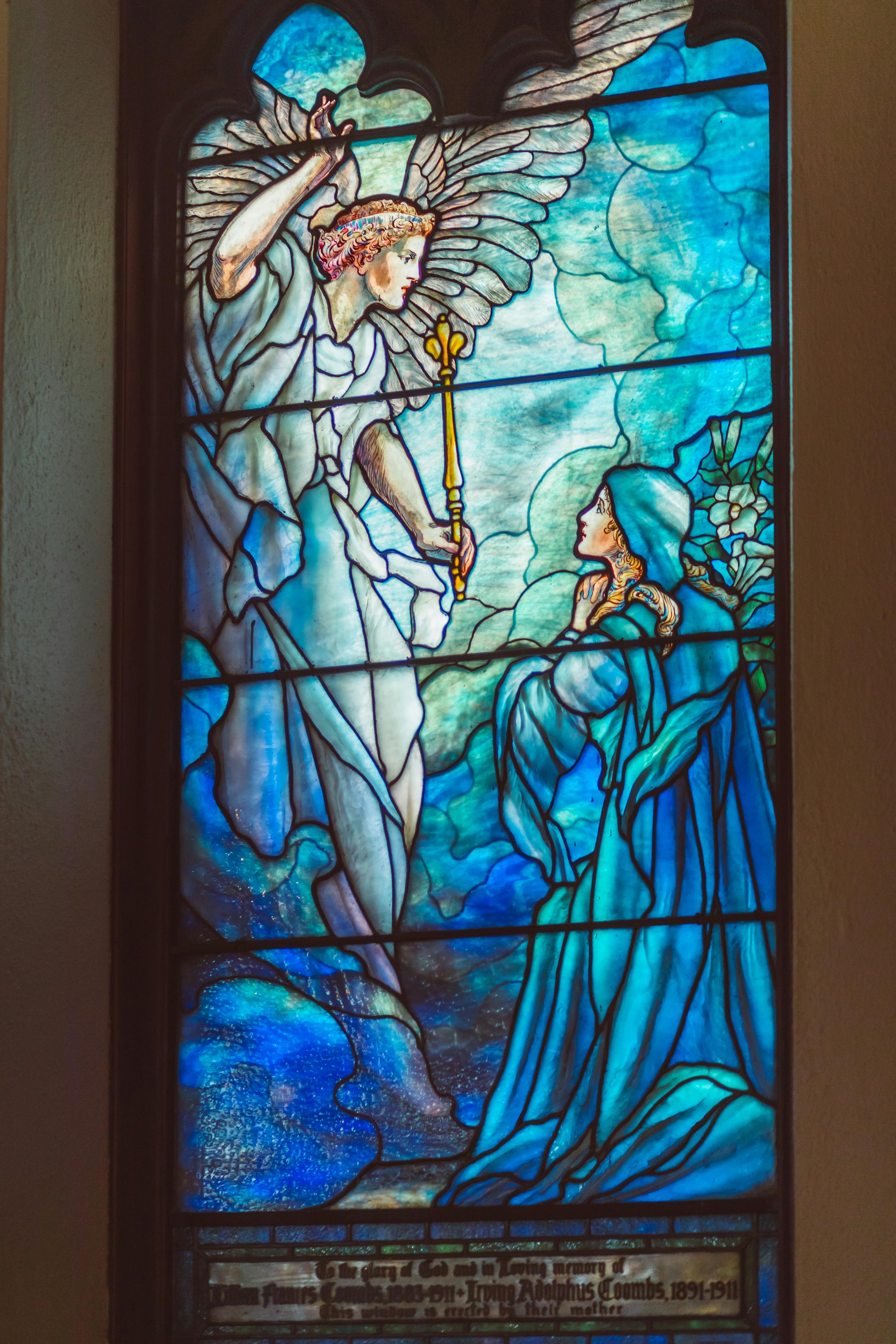
The Heart of Christ / El corazón de Cristo

“This was the second sign Jesus did when he came to Galilee.” First the water into wine; now the healing of the soldier’s son. There is more than one parallel between these two miracles, parallels that reveal to us something important about the Heart of Our Lord. 

The first parallel is that both miracles involve family: the new family of the bride and groom; the existing family of a loving father and a dying son. Christ understands, better than we ever could, the nature and importance of family. Of course, He would know. He’s God, after all; He invented family. Christ understands the love between a Father and Son. And He understands the kind of love, like marital love, that is so profound it creates new life. After all, creative love began with Him, when He made the world. And when He became incarnate, He was born into a family, son of Mother Mary and St. Joseph, His foster father. 

The second parallel is the nature of the miracles themselves. In both cases, those who receive the miracle do not “see” it happen. The soldier is still on the return journey when his servants deliver news that his son had been healed at the very moment Christ promised him it would be done. And neither the bride and groom, nor the servants or Mother Mary, are present when Christ changes water into wine. In both cases, Christ works His miracles in silence, in secret. What does this tell us about His Heart? It tells us of His great love for us. He does not perform miracles for fame. He wants to draw souls closer to Him and increase our faith. 

The third parallel is that in both cases, new creation springs to life at Christ’s mere word. The sick son is healed. Water becomes wine. Christ’s word transforms reality. His words do not merely represent reality; they are reality. And He is using them to bring life. What does this tell us about His Heart? It tells us that words, particularly His Word in Scripture, are meant to be restorative, life-giving, revolutionary. Since we are made in His image, our words can be a powerful force for good as well.

And in meditating on the Heart of Christ through these miracles, another parallel appears: the parallel between these lives and the death of Christ. The Father surrendered His Son so that spiritual life could be restored to us, His children. Water and wine flowed from Christ’s side. He said “It is finished” on the Cross, after His suffering and death, and it recreated the entire world. 

In all things, Christ’s Heart points to His sacrificial love for us: His desire for us to be part of a family, to provide for us in sometimes hidden ways, and to bring us back to life through His Word. For He has died that we might obtain the fullness of life. 

Contact the author


“Ésta fue la segunda señal milagrosa que hizo Jesús al volver de Judea a Galilea”. Primero, el agua convertida en vino; ahora, la curación del hijo del soldado. Hay más de un paralelismo entre estos dos milagros, paralelismos que nos revelan algo importante sobre el Corazón de Nuestro Señor.

El primer paralelismo es que ambos milagros involucran a la familia: la nueva familia de los novios; la familia ya existente de un padre amoroso y un hijo moribundo. Cristo comprende, mejor que nosotros, la naturaleza y la importancia de la familia. Claro que sí. Después de todo, es Dios; Él creó la familia. Cristo comprende el amor entre un Padre y un Hijo. Y comprende el tipo de amor, como el amor conyugal, que es tan profundo que crea nueva vida. Al fin y al cabo, el amor creador comenzó con Él, cuando creó el mundo. Y cuando se encarnó, nació en una familia, hijo de la Virgen María y San José, su padre adoptivo.

El segundo paralelismo es la naturaleza de los milagros mismos. En ambos casos, quienes reciben el milagro no lo “ven”. El soldado todavía iba regresando de su viaje cuando sus sirvientes le anunciaron que su hijo había sido sanado justo en el momento que Cristo se lo había prometido. Ni los novios, ni los sirvientes, ni la Virgen María estaban presentes cuando Cristo convirtió el agua en vino. En ambos casos, Cristo obra sus milagros en silencio, en secreto. ¿Qué nos revela esto sobre su corazón? Nos revela su gran amor por nosotros. Él no realiza milagros para obtener fama. Desea acercar las almas a sí mismo y fortalecer nuestra fe.

El tercer paralelismo es que, en ambos casos, la creación nueva surge con la sola palabra de Cristo. El hijo enfermo queda sano. El agua se convierte en vino. La palabra de Cristo transforma la realidad. Sus palabras no solo representan la realidad; son la realidad misma. Y Él las usa para dar vida. ¿Qué nos revela esto sobre su corazón? Nos revela que las palabras, en particular su Palabra en las Escrituras, están destinadas a ser restauradoras, vivificantes y transformadoras. Dado que fuimos creados a su imagen, nuestras palabras también pueden ser una poderosa fuerza para el bien. 

Y al meditar en el Corazón de Cristo a través de estos milagros, surge otro paralelismo: el que existe entre estas vidas y la muerte de Cristo. El Padre entregó a su Hijo para que la vida espiritual pudiera ser restaurada a nosotros, sus hijos. Agua y vino brotaron del costado de Cristo. Él dijo: “Consumado es” en la Cruz, después de su sufrimiento y muerte, y con ello recreó el mundo entero.

En todas las cosas, el Corazón de Cristo señala su amor sacrificial por nosotros: su deseo de que formemos parte de una familia, de proveernos a veces de maneras ocultas y de devolvernos la vida mediante su Palabra. Porque él murió para que alcanzáramos la plenitud de la vida.

Comunicarse con la autora

Hailing from Nashville, Catherine is a graduate of Christendom College with a lifelong passion for words. Her love of writing and her Catholic Faith continue to shape her as a freelance editor, copywriter, and (aspiring) novelist, where she pursues her passions for the love and greater glory of God.

Feature Image Credit: Gokul Mohan, pexels.com/photo/silhouette-of-man-carrying-a-child-12968277/

The views and opinions expressed in the Inspiration Daily blog are solely those of the original authors and contributors. These views and opinions do not necessarily represent those of Diocesan, the Diocesan staff, or other contributors to this blog.


Expect the Unexpected! / ¡Esperar lo inesperado!

Both the first reading and the Gospel point to the same theme – God is full of surprises. And His Son is as well. We see the outward appearance of people and make decisions about them. Or are we judging? You may know certain people more intimately, so there are less surprises when it comes to their behavior. Even then though, how well can we really know another person? How well can we know ourselves?

Knowing ourselves requires honesty and humility. When Samuel chooses David, as instructed by God, David did not argue. Whatever he understood, anticipated, or desired with this anointing we do not know. He accepted what was given. We too, need to accept what God gives us. It may be our trials or difficulties or an arduous task but I imagine David, thinking more along the lines of, “What great work does God want from me? How will He help me accomplish this?”

When God gives me a new work, I am not always grateful. Maybe I do not want or enjoy this new project. One question I often ask myself during these times is, “What do you want me to learn from this?” Often the answer is to trust God more fully and not worry so much. 

In the Gospel we see the Pharisees and the blind man’s parents worrying. All those questions trying to trap Jesus, the blind man, the parents; they need to get to the bottom of this healing and they cannot let it go. They are afraid to trust that Jesus is who He says He is. It would be too much for them to consider. It would turn their world upside down and cause them to question so much about how they live.

Yet, when we turn to Jesus and allow Him into our lives, He turns it all upside down in the best ways. Of course, life can be messy at times. Keep holding on to Jesus. Keep relying on Him to help you to see. The blind man was given the gift of sight, and it changed his entire life. It was probably confusing at times and even overwhelming. Keeping close to Jesus, believing and worshipping Him helped him figure out his new life.

That is the lesson for us as well. Keep close to Jesus, turn to him, believe, and worship – and He will give you the gifts you need to navigate your life.  

Contact the author


Tanto la primera lectura como el Evangelio apuntan al mismo tema: Dios está lleno de sorpresas. Y su Hijo también. Nos fijamos en la apariencia de las personas y tomamos decisiones sobre ellas. ¿O acaso las juzgamos? Quizás conozcamos a ciertas personas más íntimamente, por lo que su comportamiento nos sorprende menos. Aun así, ¿cuánto podemos conocer realmente a otra persona? ¿Cuánto podemos conocernos a nosotros mismos?

Conocernos a nosotros mismos requiere honestidad y humildad. Cuando Samuel eligió a David, siguiendo las instrucciones de Dios, David no refutó nada. Desconocemos lo que entendió, anticipó o deseó con esta unción. Aceptó lo que se le dio. Nosotros también debemos aceptar lo que Dios nos da. Pueden ser pruebas, dificultades o una tarea ardua, pero me imagino a David pensando más bien: “¿Qué gran obra quiere Dios de mí? ¿Cómo me ayudará a lograrla?”

Cuando Dios me encomienda una nueva tarea, no siempre estoy agradecida. Quizás no la deseo o no la disfruto. Una pregunta que suelo hacerme en estos momentos es: “¿Qué quieres que aprenda de esto?” A menudo, la respuesta es confiar más plenamente en Dios y no preocuparme tanto.

En el Evangelio vemos a los fariseos y a los padres del ciego preocupados. Todas esas preguntas intentaban acorralar a Jesús, al ciego, a los padres; necesitaban llegar al fondo de esta sanación y no podían dejarlo pasar. Tenían miedo de confiar en que Jesús era quien decía ser. Sería demasiado para ellos considerarlo. Les pondría su mundo patas arriba y les haría cuestionarse muchas cosas sobre cómo viven.

Sin embargo, cuando nos volvemos a Jesús y le permitimos entrar en nuestras vidas, Él lo transforma todo para bien. Por supuesto, la vida a veces puede ser complicada. Sigue aferrándote a Jesús. Sigue confiando en Él para que te ayude a ver. Al ciego se le concedió el don de la vista, y eso cambió su vida por completo. Probablemente fue confuso e incluso abrumador en ocasiones. Mantenerse cerca de Jesús, creer en Él y adorarlo le ayudó a comprender su nueva vida. 

Esa es también la lección para todos nosotros. Manténganse cerca de Jesús, acérquense a él, crean y adoren, y él les dará los dones que necesitan para guiar su vida.

Comunicarse con la autora

Deanna G. Bartalini, M.Ed., M.P.A. is a certified spiritual director, retreat leader, speaker, and writer with decades of experience serving the Church. She is the founder of LiveNotLukewarm.com, works on the retreat team at Our Lady of Florida Passionist Spiritual Center, and is an Unbound prayer minister.  She has served as a religious education director, youth minister, liturgical coordinator, and stewardship director. She writes for SpiritualDirection.comCatholicMom.comDiocesan.com, and Women in the New Evangelization (WINE). Deanna is the author of The Stay Connected Journals for Catholic Women, Invite the Holy Spirit into your Life, and has contributed to the Catholic Mom’s Prayer Companion, as well as Digital Ministry and Leadership in Today’s Church.

Feature Image Credit: Daniel Joshua, unsplash.com/photos/silhouette-of-man-sitting-on-the-edge-of-a-cross-during-sunset-LwZ7hlAvI2Y

The views and opinions expressed in the Inspiration Daily blog are solely those of the original authors and contributors. These views and opinions do not necessarily represent those of Diocesan, the Diocesan staff, or other contributors to this blog.

God Just Wants You / Dios solo te quiere a ti

“All who exalt themselves will be humbled, but all who humble themselves will be exalted.” (Luke 18:14) It’s a phrase that’s made its way into everyday wisdom—even outside of religious settings. We say things like: “Pride comes before a fall,” or “What goes up must come down,” or
“The higher you climb, the harder you fall,” or “Empty vessels make the most noise.” And while all these sayings carry a certain truth, they don’t quite capture what Jesus is saying here.

In the parable, Jesus describes two men going up to the temple to pray. One is a Pharisee, the other a tax collector. The Pharisee is confident. He recounts his spiritual résumé—his achievements, his goodness, his image. He’s not exactly lying—he probably does fast and tithe. But he missed the point. He wasn’t praying to be known by God. He was performing. He came to God to present an image of himself, not to have a relationship. He trusted in what he had made of his life.

Sometimes when we pray we offer to God what we think will impress him. Or we simply remain wrapped in ourselves and chatter about the things that make us comfortable. But whatever we accomplish on our own steam—even if it brings influence, power, success, or admiration—
it doesn’t last. It can’t give us life. It crumbles. And God isn’t interested in images. He wants us.

The tax collector shows us this: he speaks directly to God a humble, honest, vulnerable prayer that opens the door to a relationship with God even though he knew that what he was doing with his life was not something he was proud of. He doesn’t pretend. He just shows up—with all of his regret, his weakness, his need. And that’s what moves the heart of God.

I remember the day I realized this in my own life—that all that is good within me, any good that I do, is a gift of the Spirit. I remember the freedom that swept over me. The relief. The tears. The gratitude. I didn’t have to prove anything anymore. I didn’t have to earn the love that was already being given. All I had to do was receive it. And let it change me.

Humility opens the door to relationship and grace. God doesn’t want your résumé. He wants your heart. So whether it is pride or fear that leads you to chatter about yourself to God, today come before him and simply say: “God, be merciful to me, a sinner.” Just a simple offering of your heart to the One who loves you. And if you’re afraid that God doesn’t love you—or afraid to come close to Him—hear this: God doesn’t want your résumé. He doesn’t need your achievements, your image, or your explanations. He just wants you. 

Contact the author


“Todo el que se enaltece será humillado, y el que se humilla será enaltecido” (Lucas 18,14). Es una frase que se ha incorporado a la sabiduría popular, incluso fuera del ámbito religioso. Decimos cosas como: “El orgullo precede a la caída”, o “Todo lo que sube, baja”, o “Cuanto más alto subes, más dura es la caída,” o “El contenedor vacío es el que hace más bulla”. Y si bien todos estos dichos encierran algo de verdad, no captan del todo lo que Jesús quiere decir.

En la parábola, Jesús describe a dos hombres que suben al templo a orar. Uno es fariseo, el otro recaudador de impuestos. El fariseo es seguro de sí mismo. Enumera su trayectoria espiritual: sus logros, su bondad, su imagen. No miente del todo; probablemente ayuna y da diezmo. Pero no entendió lo esencial. No oraba para ser conocido por Dios. Estaba actuando. Se presentó ante Dios para proyectar una imagen de sí mismo, no para tener una relación con él. Confiaba en lo que había logrado con su vida.

A veces, cuando oramos, le ofrecemos a Dios lo que creemos que lo impresionará. O simplemente nos enredamos en nosotros mismos y hablamos de las cosas que nos hacen sentir cómodos. Pero todo lo que conseguimos por nuestro propio esfuerzo —aunque nos traiga influencia, poder, éxito o admiración—no perdura. No puede darnos vida. Se desvanece. Y a Dios no le interesan las imágenes. Nos quiere a nosotros.

El recaudador de impuestos nos muestra esto: le dirige a Dios una oración humilde, honesta y vulnerable que abre la puerta a una relación con Él, aun sabiendo que no se sentía orgulloso de lo que hacía con su vida. No finge. Simplemente se presenta, con todo su arrepentimiento, su debilidad, su necesidad. Y eso es lo que conmueve el corazón de Dios.

Recuerdo el día en que lo comprendí en mi propia vida: que todo lo bueno que hay en mí, todo el bien que hago, es un don del Espíritu. Recuerdo la libertad que me inundó. El alivio. Las lágrimas. La gratitud. Ya no tenía que demostrar nada. No tenía que ganarme el amor que ya me daban. Solo tenía que recibirlo y dejar que me transformara.

La humildad abre la puerta a la relación y a la gracia. Dios no quiere tu currículum de vida. Quiere tu corazón. Así que, ya sea que el orgullo o el miedo te lleven a hablarle a Dios sobre ti mismo, hoy preséntate ante él y simplemente dile: “Dios, ten misericordia de mí, pecador”. Una simple ofrenda de tu corazón a Aquel que te ama. Y si temes que Dios no te ame, o si tienes miedo de acercarte a él, escucha esto: Dios no quiere tu currículum de vida. No necesita tus logros, tu imagen ni tus explicaciones. Solo te quiere a ti.

Comunicarse con la autora

Sr. Kathryn J. Hermes

Sr. Kathryn James Hermes, FSP, is an author and offers online evangelization as well as spiritual formation for people on their journey of spiritual transformation and inner healing. Website: www.touchingthesunrise.com My Books: https://touchingthesunrise.com/books/
Public Facebook Group: https://www.facebook.com/groups/srkathrynhermes/ HeartWork Spiritual Formation Group: https://touchingthesunrise.com/heartwork/

Feature Image Credit: Arina Krasnikova, pexels.com/photo/a-woman-praying-inside-the-church-5418305/

The views and opinions expressed in the Inspiration Daily blog are solely those of the original authors and contributors. These views and opinions do not necessarily represent those of Diocesan, the Diocesan staff, or other contributors to this blog.

The Greatest Commandment / El Gran Mandamiento

Today’s Gospel appears in the early days of Holy Week when Jesus is preaching in Jerusalem and being questioned by the chief priests, scribes, and elders. The answer to today’s question, which is often referred to as the Greatest Commandment, is one any catechist might hear from their students during a lesson on the Ten Commandments.

We often recognize the Ten Commandments as the foundation of moral laws; however, they are not simply a list of rights and wrongs set to limit our freedom. They are the pathway to living in a loving relationship with God and as Jesus points out to the scribe, the first commandment brings us closer to God than any other. Every lesson begins and ends with God’s love for us and our ability to take that love and share it outward.

When teaching students about The Greatest Commandment, I have them cut a piece of paper into a circle and draw an image representing how we love God on one side. Then I ask them to flip it over and draw how we show love for our neighbor. This lesson helps children understand that this Commandment is like a two-sided coin. You cannot have one without the other. You cannot show love for God without also showing love for your neighbor. 

Our neighbor is all of humankind; every interaction we experience is an opportunity to Love. With love, we can soar to the highest heights. With love, we can share the deepest sorrow.  When our actions are rooted in love, when we are filled with love for God, that love pours out to one another.  

Children learn to say “I love you” primarily from their parents and they develop an understanding of what love is over the course of a thousand different interactions in their life. Indeed, to love is an action – great or small – that shows we want the best for another person, even above our own self-interests.  

But we live in a world that is quick to judge, quick to respond, and in some venues – especially online – we distance ourselves from recognizing that the words on the screen belong to a real person, another of God’s children, different from us, but same in that they are loved by God.  We all want to be seen, accepted and  loved. If we love our neighbor, then we must love them even and especially in the toughest, hardest moments of our lives and theirs, because this is the lesson’s final test. 

What would you draw on your two-sided coin to remind yourself of the Greatest Commandment? Meditate on the great love you have for God and be conscious of that love pouring from you today as you interact with others, even in the more difficult moments. 

Lord, in every opportunity, let me be mindful of my great love for You through my daily interactions. Help me to love my neighbor as I love You.

Contact the Author


El Evangelio de hoy se sitúa al comienzo de la Semana Santa, cuando Jesús predica en Jerusalén y es interrogado por los sumos sacerdotes, escribas y ancianos. La respuesta a la pregunta de hoy, a menudo nombrado el Gran Mandamiento, es una que cualquier catequista podría escuchar de sus alumnos durante una lección sobre los Diez Mandamientos.

Solemos reconocer los Diez Mandamientos como el fundamento de las leyes morales; sin embargo, no son simplemente una lista de lo correcto y lo incorrecto que limita nuestra libertad. Son el camino para vivir en una relación de amor con Dios y, como Jesús le indica al escriba, el primer mandamiento nos acerca a Dios más que ningún otro. Cada lección comienza y termina con el amor de Dios por nosotros y nuestra capacidad de recibir ese amor y compartirlo con los demás.

Cuando enseño a mis alumnos sobre el Gran Mandamiento, les pido que recorten un círculo de papel y dibujen en un lado una imagen que represente cómo amamos a Dios. Luego les pido que le den la vuelta y dibujen cómo mostramos amor al prójimo. Esta lección ayuda a los niños a comprender que este mandamiento es como una moneda de dos caras. No se puede tener uno sin el otro. No se puede demostrar amor a Dios sin demostrar también amor al prójimo.

Nuestro prójimo es toda la humanidad; cada interacción que experimentamos es una oportunidad para amar. Con amor, podemos alcanzar las mayores alturas. Con amor, podemos compartir el dolor más profundo. Cuando nuestras acciones están arraigadas en el amor, cuando estamos llenos de amor por Dios, ese amor se derrama hacia los demás.

Los niños aprenden a decir “Te amo” principalmente de sus padres y desarrollan una comprensión de lo que es el amor a lo largo de miles de interacciones diferentes en su vida. De hecho, amar es una acción —grande o pequeña— que demuestra que queremos lo mejor para otra persona, incluso por encima de nuestros propios intereses.

Pero vivimos en un mundo que juzga y responde con rapidez, y en algunos ámbitos —especialmente en línea— nos distanciamos de reconocer que las palabras en la pantalla pertenecen a una persona real, otro hijo de Dios, diferente a nosotros, pero igual en el sentido de que es amado por Dios. Todos deseamos ser vistos, aceptados y amados. Si amamos al prójimo, debemos amarlo incluso, y especialmente, en los momentos más difíciles de nuestras vidas y de las suyas, porque esta es la prueba final de la lección.

¿Qué dibujarías en tu moneda de dos caras para recordar el Gran Mandamiento? Medita en el gran amor que sientes por Dios y sé consciente de cómo ese amor emana de ti hoy al interactuar con los demás, incluso en los momentos más difíciles.

Señor, en cada oportunidad, permíteme ser consciente de mi gran amor por Ti a través de mis interacciones diarias. Ayúdame a amar a mi prójimo como te amo a Ti.

Comunicarse con la autora


Shelly Henley Kelly is a wife, mother of three, and native Texan who writes and records a podcast with her sister on Of Sound Mind and Spirit and is a regular contributor to Catholic Mom. When not writing or recording, Shelly can be found volunteering as a Youth Ministry Catechist, keeping the scorebook at her son’s baseball games, diving deep into historical research, or hiding with a good book in between games.

Feature Image Credit: Loume Visser, unsplash.com/photos/a-close-up-of-hands-shaking-KFtGgduiaN4

The views and opinions expressed in the Inspiration Daily blog are solely those of the original authors and contributors. These views and opinions do not necessarily represent those of Diocesan, the Diocesan staff, or other contributors to this blog.

There is No Lukewarm / No hay un entremedio

Would we have believed it? If we had been among the crowd that witnessed the miracle in today’s Gospel, would we have stood amazed at the power of God, or would we have been looking for the trick? Do we try to rationalize it thinking that it’s by the power of demons that He drives out demons? Or maybe we would have been among those other doubters who, upon witnessing the first miracle, demand another as proof of the first.

As for me, I like to imagine that I would have stood in awe and wonder at the glory on display in front of me, but if Christ were to come again in my lifetime, and His miracles happened on the streets of my town, I’m afraid I would be just as distracted and looking for the scam as those in the Gospel. 

Jesus is who He says he is. By this time in Luke’s Gospel, He has calmed the sea, healed the hemorrhaging woman, raised Jairus’s daughter from the dead (but they were keeping that one on the down-low), and fed the five thousand. Why do the people doubt the miracle they see? The people had been longing for their Messiah for centuries, dreaming of what it would be like when He finally arrived. Now, here He was, but rather than riding in triumphant and wreaking vengeance on all who had mistreated them, He was turning what they knew upside down, asking them to change everything to follow Him.

Then Jesus explains that the people are like the strong man, fully armed, guarding his palace. They’ve got it covered. They feel safe, and in control. They are comfortable with what they know. But now, here comes this greater power that can scatter that armor and it’s daunting.

Maybe the people in the crowd doubted because, if Jesus was who He said He was, too much would be asked of them. Maybe it was easier to write Jesus off as a fake than to stand up and answer His call. Could they be kind of intrigued by Jesus, but not quite buy the whole deal? No. Jesus’ response indicates there is no lukewarm. “Whoever is not with me is against me, and whoever does not gather with me scatters.”

Those standing in the crowd that day had only had a few months to get to know their Savior. We’ve had a lifetime, buoyed by centuries of wisdom from holy men and women who’ve preceded us. He calls each of us today as He called that crowd gathered in the Holy Land. “You know in your heart who I am. Now you are either with me or against me.”

How will you answer?

Contact the author


¿Lo hubiéramos creído? Si hubiéramos estado entre la multitud que presenció el milagro del Evangelio de hoy, ¿nos hubiéramos quedado asombrados ante el poder de Dios o hubiéramos estado buscando algún truco? ¿Intentamos racionalizarlo pensando que es por el poder de los demonios que expulsa a los demonios? O tal vez habríamos estado entre esos escépticos que, al presenciar el primer milagro, exigen otro como prueba del primero.

En cuanto a mí, quisiera imaginar que me hubiera quedado maravillada ante la gloria que se desplegaba ante mí, pero si Cristo volviera en mi vida y sus milagros ocurrieran en las calles de mi ciudad, desafortunadamente creo que estaría igual de distraída y buscando algún engaño que las personas en el Evangelio de hoy.

Jesús es quien dice ser. Para este momento del Evangelio de Lucas, Jesús ya había calmado el mar, sanado a la mujer que sufría de hemorragia, resucitado a la hija de Jairo (aunque esto se mantenía en secreto) y alimentado a los cinco mil. ¿Por qué dudaba la gente del milagro que presenciaban? Llevaban siglos anhelando a su Mesías, soñando con su llegada. Y ahora, allí estaba, pero en lugar de llegar triunfante y vengarse de quienes los habían maltratado, estaba transformando radicalmente su forma de vida, pidiéndoles que cambiaran todo para seguirlo.

Luego Jesús explica que la gente era como un hombre fuerte, completamente armado, que custodiaba su palacio. Se sentían seguros, confiados y en control. Estaban cómodos con lo que conocían. Pero ahora, llegaba un poder superior capaz de destruir esa armadura, y eso los intimidaba.

Quizás la multitud dudaba porque, si Jesús era quien decía ser, se les exigiría demasiado. Quizás era más fácil tachar a Jesús de farsante que responder a su llamado. ¿Podrían tener cierta curiosidad sobre quién era Jesús pero sin llegar a creer en él por completo? No. La respuesta de Jesús indica que no hay un entremedio: “El que no está conmigo, está contra mí; y el que no recoge conmigo, desparrama”.

Quienes estaban entre la multitud aquel día apenas habían tenido unos meses para conocer a su Salvador. Nosotros hemos tenido toda una vida, fortalecidos por siglos de sabiduría de hombres y mujeres santos que nos precedieron. Él nos llama a cada uno hoy como llamó a aquella multitud reunida en la Tierra Santa: “Ustedes saben en su corazón quién soy. Ahora bien, o están conmigo o están contra mí”.

¿Cómo responderás?

Comunicarse con la autora

Pamela Kavanaugh is a grateful wife, mother, and grandmother who has dedicated her professional life to Catholic education. Though she has done her very best to teach her students well in the subjects of language and religion, she knows that she has learned more than she has taught. She lives, teaches, and writes in southwest suburban Chicago.


Feature Image Credit: Brendan Church, unsplash.com/photos/white-and-black-one-way-printed-road-signages-pKeF6Tt3c08

The views and opinions expressed in the Inspiration Daily blog are solely those of the original authors and contributors. These views and opinions do not necessarily represent those of Diocesan, the Diocesan staff, or other contributors to this blog.

Teach With Words / Enseñar con palabras

I think St. Francis Assisi would be a little upset with the often attributed (but not historically verified) quote: “Preach the Gospel always, when necessary, use words.” We are absolutely called to preach the Gospel with our lives. However, Jesus tells us very specifically in today’s Gospel that, “whoever obeys and teaches these commandments will be called greatest in the Kingdom of Heaven” (Matthew 5:19). Jesus calls us to be obedient and to teach.

First up is obedience. Another oft-used phrase is, “You can’t give what you don’t already have.” It would be very challenging indeed to stand up in front of a classroom and teach students on a subject matter you yourself have never studied. In order to know the Commandments, we have to learn about them. And in learning about them, we come to learn that they require obedience, trust, and faith. Commandments are not rules like, “Eat your vegetables” or “Wash your hands before supper.” They provide the framework for relationship. The Commandments invite us into relationship with God, and with one another.

As we come to know the Commandments more fully, we enter more deeply into our relationship with God. This, then, is what we are teaching. It’s not just a laundry list of rules. It’s relationship. Relationships require communication in order to grow. That means we have to talk with one another about our relationship with God, with the Church, and with the Commandments. We have to share our experiences of life with one another. 

This is where the teaching comes into play. Society loves experts, people who know what they know and talk about it often with authority. Teachers, through training and experience, are authorities on learning. But they are not the only ones when it comes to sharing the Good News. Jesus doesn’t say that only teachers with certificates get to teach about God, as if Sunday morning catechists have a monopoly on matters of faith. He calls all people to announce the Good News of the Kingdom. To announce, to proclaim – with words as well as with deeds. That means you and I are specifically called in our present circumstance to speak about Jesus and our relationship with him. The work of teaching isn’t something we can pass on or think we aren’t good enough for.

Thankfully, we don’t do this work alone. Jesus sent the Holy Spirit to fill us and guide us as we obey and teach. We can open ourselves and our situations up to the Holy Spirit, asking Him to infuse our speech with his wisdom. We do not teach from our own authority but from humility, recognizing that we are sinners in need of mercy, just like the person we are talking to. When we speak about Jesus, when we share our experiences of faith, we are teaching and modeling what Christian discipleship looks like. It is a relationship built upon obedience and love for God.

Contact the author


Creo que San Francisco de Asís se molestaría un poco con la cita que se le atribuye con frecuencia (pero que no está históricamente verificada): “Predica siempre el Evangelio; si es necesario, utiliza palabras”. Estamos llamados a predicar el Evangelio con nuestras vidas. Sin embargo, Jesús nos dice muy específicamente en el Evangelio de hoy que el que “cumpla [estos preceptos] y los enseñe, será grande en el Reino de los cielos” (Mateo 5,19). Jesús nos llama a ser obedientes y a enseñar.

Primero viene la obediencia. Otra frase común es: “No se puede dar lo que no se tiene”. Sería muy difícil ponerse frente a un aula y enseñar a los alumnos sobre un tema que uno mismo nunca ha estudiado. Para conocer los mandamientos, tenemos que aprender sobre ellos. Y al aprender sobre ellos, comprendemos que requieren obediencia, confianza y fe. Los mandamientos no son reglas como “Come tus verduras” o “Lávate las manos antes de cenar”. Forman el marco para la relación interpersonal. Los Mandamientos nos invitan a una relación con Dios y entre nosotros.

A medida que conocemos mejor los Mandamientos, profundizamos nuestra relación con Dios. Esto, pues, es lo que enseñamos. No se trata solo de una lista de normas, sino de una relación. Las relaciones requieren comunicación para crecer. Esto significa que debemos hablar entre nosotros sobre nuestra relación con Dios, con la Iglesia y con los Mandamientos. Debemos compartir nuestras experiencias de vida.

Aquí es donde entra en juego la enseñanza. La sociedad valora a los expertos, a quienes saben lo que saben y hablan de ello con autoridad. Los maestros, gracias a su formación y experiencia, son autoridades en el conocimiento. Pero no son los únicos a la hora de compartir la Buena Nueva. Jesús no dice que solo los maestros titulados puedan enseñar sobre Dios, como si los catequistas de los domingos tuvieran el monopolio de la fe. Él llama a todos a anunciar la Buena Nueva del Reino. A anunciarla, a proclamarla, tanto con palabras como con obras. Eso significa que tú y yo estamos llamados específicamente, en nuestra situación actual, a hablar de Jesús y de nuestra relación con él. La labor de enseñar no es algo que podamos delegar ni para lo que podamos sentirnos incapaces.

Afortunadamente, no hacemos esta labor solos. Jesús envió al Espíritu Santo para llenarnos y guiarnos mientras obedecemos y enseñamos. Podemos abrirnos al Espíritu Santo, tanto a nosotros mismos como a nuestras circunstancias, pidiéndole que ilumine nuestras palabras con su sabiduría. No enseñamos desde nuestra propia autoridad, sino desde la humildad, reconociendo que somos pecadores necesitados de misericordia, al igual que la persona con quien hablamos. Cuando hablamos de Jesús, cuando compartimos nuestras experiencias de fe, enseñamos y mostramos cómo es el discipulado cristiano. Es una relación basada en la obediencia y el amor a Dios.

Comunicarse con la autora

Kate Taliaferro is an Air Force wife and mother. She is blessed to be able to homeschool, bake bread and fold endless piles of laundry. When not planning a school day, writing a blog post or cooking pasta, Kate can be found curled up with a book or working with some kind of fiber craft. Kate blogs at DailyGraces.net.
Feature Image Credit: Jarmoluk, pixabay.com/photos/apple-books-classroom-red-apple-256263/

The views and opinions expressed in the Inspiration Daily blog are solely those of the original authors and contributors. These views and opinions do not necessarily represent those of Diocesan, the Diocesan staff, or other contributors to this blog.

Forgiving Doesn’t Mean Forgetting / Perdonar no significa olvidar

I love the scene in The Chosen that tells the story in today’s Gospel. Peter makes no bones about how resentful he is of Matthew and his tax-collecting ways.  As he grapples with this unavoidable relationship, he confides in Jesus.  Jesus, loving both Matthew and Peter, sees both sides.  He then shows Peter how his own sins contributed to the situation with Matthew. In the show, you can see it dawn on Peter that he, too, was at fault. He recognizes his need for forgiveness first, which then allows him to forgive Matthew. 

The hurts of others can wound us. We can struggle to see the big picture. But Jesus sees it.  Maybe this is why, in the Lord’s prayer, he tells us, “Forgive us our sins as we forgive those who sin against us”.  I never realized it before, but this is one thought in one sentence. Forgiving and being forgiven must go together.  Our own sins are entangled in sins against us. We do not get a pass on our sins simply because the other person’s sins may be worse.  This means we must change our focus to see our own sins, no matter how small.  

Jesus says to forgive seventy-seven times.  When we are hurting, this can seem daunting.  But think about how many times you have asked for God’s forgiveness. Think of how many times you have said the Lord’s Prayer last week. Last year. Your lifetime. How many times you have gone to confession.  How many Acts of Contrition you have made.  Has Jesus forgiven you seventy-seven times? We can get to that number quickly even just praying the Our Father each day. God is constantly forgiving us. 

It does not mean that we have to live as if it never happened.  Even in this Gospel, while the Master forgave his servant, he did not forget.  The Lord’s Prayer tells us to forgive others, but says nothing about forgetting.  Forgiveness is a decision made in the heart but it does not get rid of the wounds or the memory.  In fact, we don’t possess the power to not feel an offense nor the “magic” to erase the hurt away from our mind and heart.  

However, we can empower ourselves by practicing virtue. The repetitive act of forgiving people their smaller transgressions can strengthen our heart to tackle forgiving the hard things when they come.  By cultivating the virtue of forgiveness, we can learn to let the faults of others slide over us. In this way, we can realize what we can control. We can gain peace. We can allow ourselves to be loved by our Lord and Savior.  Soon, our wounds can begin to heal. 

Is there someone in your life you struggle to forgive?  We obtain grace when Jesus forgives us in the Sacrament of Reconciliation.  I wonder if we can practice using that same grace to help us forgive others. Let’s resolve to think of one person to work on forgiving every time we pray the Our Father. Let’s see if it takes seventy-seven times.

Contact the Author


Me encanta la escena en la serie The Chosen que cuenta la historia del Evangelio de hoy. Pedro no oculta su resentimiento hacia Mateo y su costumbre de recaudar impuestos. Mientras lidia con esta relación inevitable, lo conversa con Jesús. Jesús, que ama tanto a Mateo como a Pedro, comprende ambas perspectivas. Luego le muestra a Pedro cómo sus propios pecados contribuyeron a la situación con Mateo. En la serie, se puede ver cómo Pedro comprende que él también tuvo la culpa. Reconoce primero su necesidad de perdón, lo cual le permite perdonar a Mateo.

El dolor ajeno puede herirnos. A veces nos cuesta ver el panorama completo. Pero Jesús sí lo ve. Quizás por eso, en el Padrenuestro, nos dice: “Perdónanos nuestros pecados, como también nosotros perdonamos a los que nos ofenden”. Nunca me había dado cuenta, pero esto resume una idea en una sola frase. Perdonar y ser perdonado deben ir de la mano. Nuestros propios pecados están entrelazados con los pecados cometidos contra nosotros. No se nos exime de nuestros pecados simplemente porque los de otra persona sean peores. Esto significa que debemos cambiar nuestra perspectiva para reconocer nuestros propios pecados, por pequeños que sean.

Jesús dice que perdonemos setenta y siete veces. Cuando sufrimos, esto puede parecer abrumador. Pero piensa en cuántas veces le has pedido perdón a Dios. Piensa en cuántas veces has rezado el Padrenuestro la semana pasada, el año pasado, o a lo largo de tu vida. Piensa en cuántas veces te has confesado y cuántos actos de contrición has hecho. ¿Te ha perdonado Jesús setenta y siete veces? Podemos llegar a esa cifra rápidamente incluso rezando el Padrenuestro cada día. Dios nos perdona constantemente.

Esto no significa que tengamos que vivir como si nada hubiera pasado. Incluso en este Evangelio, aunque el Maestro perdonó a su siervo, no lo olvidó. El Padrenuestro nos dice que perdonemos a los demás, pero no dice nada sobre olvidar. El perdón es una decisión del corazón, pero no borra las heridas ni el recuerdo. De hecho, no tenemos el poder de no sentirnos ofendidos ni la “magia” para borrar el dolor de nuestra mente y corazón.

Sin embargo, podemos fortalecernos practicando la virtud. El acto repetitivo de perdonar las pequeñas faltas de los demás puede fortalecer nuestro corazón para perdonar las cosas difíciles cuando lleguen. Al cultivar la virtud del perdón, podemos aprender a dejar que las faltas de los demás no nos afecten. De esta manera, podemos darnos cuenta de lo que sí podemos controlar. Podemos alcanzar la paz. Podemos permitirnos ser amados por nuestro Señor y Salvador. Pronto, nuestras heridas comenzarán a sanar.

¿Hay alguien en tu vida a quien te cuesta perdonar? Recibimos la gracia cuando Jesús nos perdona en el Sacramento de la Reconciliación. Me pregunto si podemos practicar el uso de esa misma gracia para ayudarnos a perdonar a los demás. Propongámonos pensar en una persona que podemos intentar a perdonar cada vez que recemos el Padrenuestro. A ver si nos demoramos setenta y siete veces.

Comunicarse con la autora


Margaret Gartlgruber longs for moms to know: You are enough! It is not what you accomplish that matters – God delights in you every single moment simply just for being you! A semi-retired stay-at-home mom, wife, author, blogger, freelance writer, lay RC member Margaret blogs at https://ruledbybananas.com/. Contributing St. Monica to the Cloud of Witness book, you can learn more by signing up to her St. Monica Novena, and get free copy of 15 Simple Morning Prayers.

Feature Image Credit: MART PRODUCTION, pexels.com/photo/a-person-inside-a-confessional-7219828/

The views and opinions expressed in the Inspiration Daily blog are solely those of the original authors and contributors. These views and opinions do not necessarily represent those of Diocesan, the Diocesan staff, or other contributors to this blog.

Loving the Unknown / Amar a los desconocidos

“We’re super big in Europe” was my nascent band’s favorite way of coping with the fact that very few people had heard of us, let alone deigned to attend our shows. We were in fact not popular in Europe. We could better be described as Bob Dylan’s bio pic: “A Complete Unknown”. 

Today’s Gospel provoked this memory of the self-deprecating sense of humor of my bandmates and I. It’s the story of Jesus telling his fellow Nazarene’s how “no prophet is accepted in his own native place” (Luke 4:24). There is great theological significance to Jesus’ proclamation, a significance that’s well beyond me to unpack. But, I couldn’t help but notice myself feeling what his childhood friends and neighbors must have felt. I could just imagine them spouting out, “Oh, really guy. You’re such a big deal?!” 

The crowd was so angry at what Jesus said in this passage and the one prior (Luke 4:16-23) that they tried to run Him off of a cliff! Being Jesus and all, he was able to “pass through the midst of them and went away” (Luke 4:30).  I could not help but notice this feeling of contempt for Jesus as I read. Not overwhelming, but it was there. These movements in my own heart and mind made me wonder: “Where do I have contempt for Christ in my life?” Not an easy question to ask, but an important and honest one. 

One of the ways Christ is still with us is in the poor and needy. Jesus himself told us, “Whatever you do for the least of these, you do for me.” Do I love the vulnerable and unknown well? No, not really. If we love a Lord humble enough to be eaten, we should dare to love Him in all of His humblest forms. And today is a great day to do that.

Contact the Author


“Somos superfamosos en Europa” era la forma favorita de mi naciente banda de lidiar con el hecho de que muy poca gente había oído hablar de nosotros, y mucho menos se dignaba a asistir a nuestros conciertos. De hecho, no éramos populares en Europa. Podríamos describirnos mejor como la foto de Bob Dylan en su biografía: “Un completo desconocido”.

El Evangelio de hoy me trajo este recuerdo del humor autocrítico que mis compañeros y yo compartíamos. Es la historia de Jesús diciéndoles a sus compañeros nazarenos que “nadie es profeta en su tierra” (Lucas 4,24) cuando no fue recibido bien. La proclamación de Jesús tiene una gran importancia teológica, una importancia que me supera. Pero no pude evitar sentir lo mismo que debieron sentir sus amigos de la infancia y vecinos. Me los imaginaba exclamando: “¡Ah, sí, verdad! ¿Te crees tan importante?”

La multitud estaba tan enfurecida por lo que Jesús dijo en este pasaje y en el anterior (Lucas 4:16-23) que ¡intentaron arrojarlo por un precipicio! Siendo Jesús, pudo pasar “por en medio de ellos” y alejarse de allí (Lucas 4:30). Al leer eso, no pude evitar notar ese sentimiento de desprecio hacia Jesús. No era demasiado fuerte, pero de todos modos allí estaba. Estas reflexiones me hicieron preguntarme: “¿En qué aspectos de mi vida siento desprecio por Cristo?” No es una pregunta fácil, pero sí es importante y sincera.

Una de las maneras en que Cristo sigue presente entre nosotros es a través de los pobres y necesitados. Jesus nos ha confirmado, “Lo que hiciste a uno de estos mis hermanos más pequeños, a mí me lo has hecho también”. ¿Amo bien a los vulnerables y desconocidos? No, la verdad es que no. Si amamos a un Señor lo suficientemente humilde como para ser consumido por nosotros, deberíamos atrevernos a amarlo en todas sus formas más humildes. Y hoy es un gran día para hacerlo.

Comunicarse con el autor


Matthew is a student at the Catholic Psych Institute to one day provide Mentorship  – a daily service that integrates and aligns the best of the Psychological sciences with Catholic Anthropology and Spirituality. To learn more about Mentorship or read more from Matthew, join his newsletter (coming soon).

Feature Image Credit: Ben White, unsplash.com/photos/a-group-of-young-children-standing-next-to-each-other-PtBu0CmK3jI

The views and opinions expressed in the Inspiration Daily blog are solely those of the original authors and contributors. These views and opinions do not necessarily represent those of Diocesan, the Diocesan staff, or other contributors to this blog.

The Ripple Effects of Encountering Christ / El efecto dominó del encuentro con Cristo

Every nuance of the encounter between Jesus and the Samaritan woman reveals His merciful, loving, and compassionate heart. It begins with the place He chooses to meet her—Samaria, a land considered unclean by Jewish standards. Her presence at the well, especially at noon, suggests she is avoiding others, burdened by shame. Yet Jesus waits for her and initiates conversation.

This meeting is no accident. Jesus meets her figuratively and literally where she is, as she is. He does not wait for repentance or transformation. He thirsts for her soul, just as He thirsts for each of us. She represents all of humanity: sinful, unworthy, a general hot mess, yet deeply loved.

Jesus offers her Living Water—not a temporary relief, but eternal satisfaction. He quenches not only earthly needs but the deeper thirst of the soul. His mission is mercy; He came to die so that we might live with Him forever. Through this encounter, He begins the work of reconciliation, expiating the sin that separates us from the Father.

Jesus approaches her with gentleness, not reproach. He reveals her truth, but only after establishing trust. She feels safe, ready to hear and respond. In prayer, Scripture, and the Sacraments, He meets us in the same way—where we are, in the reality of our lives. First, He offers His gifts; then, in love, He shows us what keeps us from full communion with God. Then He invites us to respond.  

Jesus presents the Samaritan woman with a choice: to remain as she is or to become who He  has created her to be. How symbolic that she runs off to evangelize, leaving her water jar behind, renewed and overflowing with joy, eager to share the Good News. The ripple effect is profound. Those she tells come to believe, not just because of her words, but because they encounter Jesus themselves.

This story teaches us that authentic encounters with Christ transform not only the individual but entire communities. Jesus meets us in our thirst, offers us Himself, and sends us forth to share His mercy.

Contact the author


Cada detalle del encuentro entre Jesús y la samaritana revela su corazón misericordioso, amoroso y compasivo. Comienza con el lugar que elige para encontrarse con ella: Samaria, una tierra considerada impura según los estándares judíos. Su presencia en el pozo, especialmente al mediodía, sugiere que está evitando a los demás, abrumada por la vergüenza. Sin embargo, Jesús la espera e inicia una conversación.

Este encuentro no es casual. Jesús la encuentra, figurativa y literalmente, dónde está, tal como es. No espera arrepentimiento ni transformación. Anhela su alma, así como anhela la de cada uno de nosotros. Ella representa a toda la humanidad: pecadora, indigna, imperfecta, pero profundamente amada.

Jesús le ofrece Agua Viva, no un alivio temporal, sino satisfacción eterna. Sacia no solo las necesidades terrenales, sino también la sed más profunda del alma. Su misión es la misericordia; vino a morir para que pudiéramos vivir con Él para siempre. A través de este encuentro, Él comienza la obra de reconciliación, expiando el pecado que nos separa del Padre.

Jesús se acerca a ella con dulzura, no con reproche. Le revela su verdad, pero solo después de ganarse su confianza. Ella se siente segura, dispuesta a escuchar y responder. En la oración, las Escrituras y los Sacramentos, Él nos encuentra de la misma manera: donde estamos, en la realidad de nuestras vidas. Primero, nos ofrece sus dones; luego, con amor, nos muestra lo que nos impide la plena comunión con Dios. Después, nos invita a responder.

Jesús le presenta a la samaritana una decisión: permanecer como está o llegar a ser quien Él la creó para ser. Qué simbólico que salga corriendo a evangelizar, dejando atrás su cántaro, renovada y rebosante de alegría, deseosa de compartir la Buena Noticia. El efecto dominó es profundo. Aquellos a quienes se lo cuenta llegan a creer, no solo por sus palabras, sino porque se encuentran con Jesús mismo también.

Esta historia nos enseña que los encuentros auténticos con Cristo transforman no solo al individuo, sino a comunidades enteras. Jesús nos encuentra en nuestra sed, se ofrece a sí mismo y nos envía a compartir su misericordia.

Comunicarse con la autora

Allison Gingras (www.ReconciledToYou.com ) shares an everyday Catholic faith with humor and honesty. Her writing includes The Handy Little Guide to Novenas (OSV), Encountering Signs of Faith (Ave Maria Press), the Stay Connected Journals for Catholic Women (OSV), and her newest book, Jesus Heals (OSV), published in 2025. Allison is the Director of Digital Evangelization for Family Rosary USA.

Feature Image Credit: Angelika Kauffman, art.diocesan.com/stock-photo/christ-and-the-samaritan-woman-at-the-well-23114/

The views and opinions expressed in the Inspiration Daily blog are solely those of the original authors and contributors. These views and opinions do not necessarily represent those of Diocesan, the Diocesan staff, or other contributors to this blog.

The Comforts of Home / Las comodidades del hogar

After a long journey, it is always nice to have someone pick you up from the airport so you can feel like you are home before you arrive. No waiting for a taxi. You see your loved one and smile with joy, and are whisked away in the comfort of the car. While traveling may be exciting, the difficult part of being away from home ends early when you see your friend or family member arrive to greet you. 

In The Parable of the Lost Son, Jesus tells us about a young man who squanders his inheritance and yet is welcomed home with open arms. The son, who hoped to return to his father’s home as a mere servant, is clothed and fed at a banquet given in his honor. His seat is restored at his father’s table without even having to ask. This amazes him.

For anyone who is lukewarm about God, this parable is your invitation to return to God the Father through Jesus. He is waiting for you to remember Him and to realize that you can find Him at home in the Church. He is waiting for you to journey home and call out to him in prayer. 

I did this years ago, returning to a life of faith and prayer. I wandered into church for Mass filled with a sense of inner shame from having been away so long, but there was no scolding. I was not sent back to religious education to make up for being away. I confessed to God that I was wrong, and I was immediately welcomed back to supper at His table. Anyone can take this path and need not be afraid. 

Having already made that journey, now it is the last part of the parable that I need to keep in mind. The more I attend Mass and volunteer to serve others, the easier it is to expect God to be more attentive to me. Like the elder son in the parable who stayed and served his father, it is easy to expect some sign of honor. But I must be content in my heart to know that God loves me. First or last, God’s love alone is the reward. And like the traveler who is picked up by a loved one at the airport to complete the journey in comfort, the elder son was living in the comfort of his father’s home all along.

Contact the Author


Después de un largo viaje, siempre es agradable que alguien te recoja en el aeropuerto para que te sientas en casa incluso antes de llegar, sin tener que esperar un taxi. Ves a tu ser querido, sonríes con alegría y te lleva cómodamente en el auto. Si bien viajar puede ser emocionante, la parte difícil de estar lejos de casa termina pronto cuando ves llegar a tu amigo o familiar para recibirte.

En la Parábola del Hijo Pródigo, Jesús nos habla de un joven que malgasta su herencia y, sin embargo, es recibido con los brazos abiertos. El hijo, que esperaba regresar a la casa de su padre como un simple sirviente, es vestido y alimentado en un banquete ofrecido en su honor. Le devuelven su lugar en la mesa de su padre sin que lo tenga que pedir. Esto lo asombra al joven.

Para cualquiera que sea tibio en su relación con Dios, esta parábola es una invitación a regresar a Dios Padre a través de Jesús. Él espera que lo recuerdes y que te des cuenta de que puedes encontrarlo en casa, en la Iglesia. Él te espera esperando a que regreses a casa y le invoques en oración.

Yo lo hice hace años, retomando una vida de fe y oración. Entré a la iglesia para la misa con un sentimiento de vergüenza por haber estado tanto tiempo ausente, pero no hubo reproches. No me enviaron de vuelta a la catequesis para compensar mi ausencia. Le confesé a Dios mi error, y fui inmediatamente recibido de nuevo en su mesa. Cualquiera puede tomar este camino y no tiene por qué temer.

Habiendo realizado ya ese viaje, ahora debo recordar la última parte de la parábola. Cuanto más asisto a misa y me ofrezco como voluntario para servir a los demás, más fácil es esperar que Dios me preste más atención. Como el hijo mayor de la parábola que se quedó a servir a su padre, es fácil esperar alguna muestra de honor. Pero debo contentarme en mi corazón con saber que Dios me ama. Aunque sea la primera o la última, el amor de Dios es la única recompensa. Y igual que el viajero que un ser querido recoge en el aeropuerto para completar el viaje con comodidad, el hijo mayor había estado viviendo en la comodidad del hogar de su padre todo este tiempo.

Comunicarse con la autora


Anita Renaghan is the author of several books including literary fiction, science fiction, and a young adult trilogy. She loves a good character study and has been many characters herself including: an aircraft mechanic in the Air Force, a college graduate, a second degree blackbelt, lost, a waitress and bartender, a wife and mother, an account executive, found, and a constantly inventive singer-songwriter. Anita is interested in sharing her faith with others through her writings and story characters. Her website is anitarenaghan.com 

Feature Image Credit: mali maeder, pexels.com/photo/brown-and-gray-house-1483064/

The views and opinions expressed in the Inspiration Daily blog are solely those of the original authors and contributors. These views and opinions do not necessarily represent those of Diocesan, the Diocesan staff, or other contributors to this blog.

Life as a Vineyard / La vida como una viña

In today’s Gospel, Jesus preaches a parable about a landowner and his vineyard, more specifically, about the tenants he assigned to care for the vineyard. I’ve seen and heard many reflections about this parable but when meditating over it this time, I saw it in a different light.

 Consider this: instead of looking at yourself as the tenants, look at yourself as the vineyard. Think about the kind of people you allow into your space and who you allow to affect your soul. Those are your tenants. When the Lord decides to work in your life, to come looking for good fruit, will the tenants throw Him out? 

Jesus gives us a warning here about who helps us produce fruit in our lives. Be mindful of how those “tenants” react when God works in your life. Remember that iron sharpens iron, and that only good soil can produce good fruit. 

Contact the author


En el Evangelio de hoy, Jesús predica una parábola sobre un propietario y su viña, más específicamente, sobre los viñadores que encargó de cuidarla. He visto y escuchado muchas reflexiones sobre esta parábola, pero al meditar en ella esta vez, la vi desde una perspectiva diferente.

Piensa en esto: en lugar de verte como uno de los viñadores, mírate como la viña. Reflexiona sobre el tipo de personas a las que permites entrar en tu vida y a quienes dejas influir en tu alma. Esos son tus viñadores. Cuando el Señor decide obrar en tu vida, buscando buen fruto, ¿los viñadores lo echarán fuera?

Aquí Jesús nos está advirtiendo sobre quiénes nos ayudan a dar fruto en nuestras vidas. Presta atención a cómo reaccionan esos “viñadores” cuando Dios obra en tu vida. Recuerda que el hierro afila al hierro y que solo la tierra fértil puede producir buen fruto.

Comunicarse con la autora

Lily is a Michigan native and cradle Catholic who has spent most of her life exploring her own reasons to embrace her faith fully. She attended Franciscan University of Steubenville, where she discovered the beauty of her personal relationship with Christ and the Church. After college, she worked in Montessori Education for three years and recently transitioned to nannying. She was recently married and spends most of her time reading, and enjoying her dog and family!

Feature Image Credit: Sven Wilhelm, unsplash.com/photos/green-trees-during-daytime-2cRXSWyMHA8

The views and opinions expressed in the Inspiration Daily blog are solely those of the original authors and contributors. These views and opinions do not necessarily represent those of Diocesan, the Diocesan staff, or other contributors to this blog.

Blessed Are They Who Hope in the Lord / Dichoso el hombre que confía en el Señor

A while back, my siblings and I started a tradition of getting together for a meal and wholesome conversation every few months. It’s just us, those who grew up together under the same roof with the same two parents. I do not take for granted how fortunate I am that all eight of us live within a 40 mile radius of each other. I know there are families that have only two children and one lives on the east coast and one on the west, only seeing each other once a year over the holidays. 

God has allowed us this time of adult siblinghood to share with each other, listen to each other, and support one another. Something that was brought up recently at one of these gatherings is that none of us are well off. We all either live paycheck to paycheck or at least do not have the means to live luxuriously. We went on to consider that perhaps that is on purpose, so that each of us would have the opportunity to rely heavily on the grace of God and never cease to draw close to Him. 

Today’ Gospel offers up the familiar story of poor Lazarus and the rich man. In this case, poor and rich referred to their financial status, their spiritual status being quite the opposite. The rich man’s wealth afforded him fine dining and commodities, but also presumption. He no longer relied on God, nor had a relationship with Him, much less loved Him. Lazarus, however lacking in human comfort, was more than rewarded in eternal life as he was “carried away by the angels to the bosom of Abraham.” 

The first reading further drives home this point: “Cursed is the man who trusts in human beings, who seeks his strength in flesh, whose heart turns away from the Lord… Blessed is the man who trusts in the Lord, whose hope is the Lord. He is like a tree planted beside the waters…In the year of drought it shows no distress, but still bears fruit.” 

Now I don’t claim to live in some sort of utopia. My family has its issues just like any other family. We have endured three divorces over the past three years, separated parents, and members dealing with addiction, mental illness and chronic health problems. We have people who are overworked and underpaid, children who are not angels, and tempers that are not tempered. Yet through it all, we are there for each other, and we try to help each other turn our hearts toward God and put our hope in Him. I pray that no matter what kind of family situation you find yourself in, you may be blessed to do the same. For “Blessed are they who hope in the Lord.” (Psalm Response)

Contact the Author


Hace un tiempo, mis hermanos y yo comenzamos la tradición de reunirnos cada tres o cuatro meses para compartir una comida y una conversación agradable. Solo somos nosotros, los que crecimos juntos bajo el mismo techo, con los mismos padres. Valoro enormemente la fortuna que tengo de que los ocho vivamos a menos de 65 kilómetros de distancia. Sé que hay familias con solo dos hijos, uno que vive en la costa este y otro en la oeste, que solo se ven una vez al año durante las fiestas.

Dios nos ha permitido disfrutar de este tiempo de hermandad adulta para compartir, escucharnos y apoyarnos mutuamente. Algo que surgió recientemente en una de estas reuniones es que ninguno de nosotros tiene una buena situación económica. Todos vivimos al día o, al menos, no tenemos los medios para vivir con lujos. Al reflexionarlo, pensamos que capaz es a propósito, para que cada uno de nosotros tenga la oportunidad de depender plenamente de la gracia de Dios y de acercarnos siempre a Él.

El Evangelio de hoy nos presenta la conocida historia del pobre Lázaro y el hombre rico. En este caso, pobre y rico se referían a su estatus económico, mientras que su estado espiritual era todo lo contrario. La riqueza del hombre rico le permitía disfrutar de comidas exquisitas y comodidades, pero también de arrogancia. Ya no confiaba en Dios, ni tenía una relación con Él, y mucho menos lo amaba. Lázaro, aunque carecía de comodidades humanas, fue recompensado con creces en la vida eterna cuando “los ángeles lo llevaron al seno de Abraham”.

La primera lectura refuerza esta idea: “Maldito el hombre que confía en el hombre, que en él pone su fuerza y aparta del Señor su corazón.… Bendito el hombre que confía en el Señor y en él pone su esperanza. Será como un árbol plantado junto al agua… en año de sequía no se marchitará ni dejará de dar frutos”.

Ahora bien, no pretendo vivir en una utopía. Mi familia tiene sus problemas, como cualquier otra. Hemos afrontado tres divorcios en los últimos tres años, padres separados y miembros que lidian con adicciones, enfermedades mentales y problemas de salud crónicos. Tenemos personas sobrecargadas de trabajo y mal pagadas, hijos que no son unos santos y temperamentos que a veces se descontrolan. Sin embargo, a pesar de todo, nos apoyamos mutuamente y tratamos de ayudarnos a acercar nuestros corazones a Dios y depositar nuestra esperanza en Él. Le pido a Dios para que, sin importar la situación familiar en la que te encuentres, tengas la bendición de hacer lo mismo. Porque “Dichoso [es] el hombre que confía en el Señor” (Salmo responsorial).

Comunicarse con la autora


Tami Urcia is a midwestern gal from a large Catholic family. As a young adulthood she was a missionary in Mexico, where she studied theology and philosophy. After returning stateside bilingual, she gained a variety of work experience, traveled extensively and finished her Bachelor’s Degree at Brescia University. She loves organizing and simplifying things, watching her children play sports, deep conversations with close family and friends and finding unique ways to brighten others’ day with Christ’s love. She works full time at Diocesan in the Software Department and manages the Inspiration Daily reflections. She is also a contributing writer on CatholicMom.com and BlessedIsShe.net.

Feature Image Credit: Helena Lopes, unsplash.com/photos/four-person-hands-wrap-around-shoulders-while-looking-at-sunset-PGnqT0rXWLs

The views and opinions expressed in the Inspiration Daily blog are solely those of the original authors and contributors. These views and opinions do not necessarily represent those of Diocesan, the Diocesan staff, or other contributors to this blog.