Alleluia is Our Song / Aleluya es nuestro cántico

Today’s first reading reminded me of St. John Paul II’s famous quote: “We are an Easter people and Alleluia is our song!” What brought this to mind is the fact that the disciples were encouraged to proclaim the Good News: “After the reading of the the law and the prophets, the synagogue officials sent word to them, ‘My brothers, if one of you has a word of exhortation for the people, please speak.’”

It is not often that we see religious leaders in a good light in Scripture, but here they extend an invitation to Paul and his companions. They were an Easter people too, and they had so much to share! Paul got up and reminded the people of God’s promise and proclaimed Jesus as savior, a descendent of King David and heralded by John the Baptist. 

What about us? Do we take to heart our role as Easter people? Do we allow the Holy Spirit to guide us as to when we should speak and what we should say? Do we share the Good News with others unashamedly? Or do we ignore that gentle nudge inside us that asks us to “please speak,” whether it be in word or action? 

In the Gospel Jesus reminds us that “whoever receives the one I send receives me, and whoever receives me receives the one who sent me.” This Easter season, let us allow others to receive Jesus through us. May we be beacons of light, sharers of hope, and givers of love. And may Alleluia be our song. 

Contact the Author


La primera lectura de hoy me recordó la famosa cita de San Juan Pablo II: “¡Somos un pueblo de Pascua y Aleluya es nuestro cántico!” Lo que me hizo pensar en esto es el hecho de que los discípulos fueron animados a proclamar la Buena Nueva: “Acabada la lectura de la ley y los profetas, los jefes de la sinagoga les mandaron decir: ‘Hermanos, si tienen alguna exhortación que hacer al pueblo, hablen’”.

No es frecuente que veamos a los líderes religiosos bajo una luz positiva en las Escrituras, pero aquí extienden una invitación a Pablo y sus compañeros. Ellos también eran un pueblo de Pascua, ¡y tenían mucho que compartir! Pablo se levantó y recordó al pueblo la promesa de Dios y proclamó a Jesús como salvador, descendiente del rey David y anunciado por Juan el Bautista.

¿Y nosotros? ¿Tomamos en serio nuestro papel como pueblo de Pascua? ¿Permitimos que el Espíritu Santo nos guíe en cuanto a cuándo debemos hablar y qué debemos decir? ¿Compartimos la Buena Nueva con los demás sin vergüenza? ¿O ignoramos esa suave invitación interior que nos pide que “hablemos”, ya sea con palabras o con acciones?

En el Evangelio, Jesús nos recuerda que “el que recibe al que yo envío, me recibe a mí; y el que me recibe a mí, recibe al que me ha enviado”. En esta temporada de Pascua, permitamos que otros reciban a Jesús a través de nosotros. Seamos faros de luz, portadores de esperanza y dadores de amor. Y que Aleluya sea nuestro cántico.

Comunicarse con la autora


Tami Urcia is a midwestern gal from a large Catholic family. As a young adulthood she was a missionary in Mexico, where she studied theology and philosophy. After returning stateside bilingual, she gained a variety of work experience, traveled extensively and finished her Bachelor’s Degree at Brescia University. She loves organizing and simplifying things, watching her children play sports, deep conversations with close family and friends and finding unique ways to brighten others’ day with Christ’s love. She works full time at Diocesan in the Software Department and manages the Inspiration Daily reflections. She is also a contributing writer on CatholicMom.com and BlessedIsShe.net.

Feature Image Credit: Stock image, art.diocesan.com/stock-photo/alleluia-372/

The views and opinions expressed in the Inspiration Daily blog are solely those of the original authors and contributors. These views and opinions do not necessarily represent those of Diocesan, the Diocesan staff, or other contributors to this blog.
Worship, Pray, Fast, Act / Adorar, orar, ayunar, actuar

In our first reading today from Acts we hear how clearly the Holy Spirit speaks, “Set apart for me Barnabas and Saul for the work to which I have called them” (Acts 13:2). And we may wonder if this still happens today or could happen to us. Because we want that clarity. But to have that clarity, the assurance that it is indeed the Holy Spirit, we need to read carefully and pay attention to what the prophets and teachers were doing before they received this word? They were fasting and worshipping the Lord, and continued to do so after their instruction was given (Acts 13:2-3).

When we need God’s guidance, do we worship, pray, and fast? Or do we “check-in” quickly, “Oh God, here’s what I think is a good plan, if it’s not what you want, let me know. I’m off to work now.” 

That may be an oversimplification or exaggeration, or maybe it hit a little too close to home, or possibly you do carefully discern with prayer and fasting. No matter which it is, let us not discount what happened in Scripture as something that happened “back then but not now.” The Lord has not stopped caring for us. He cares about our life every day. Go to Him and ask for guidance and help.

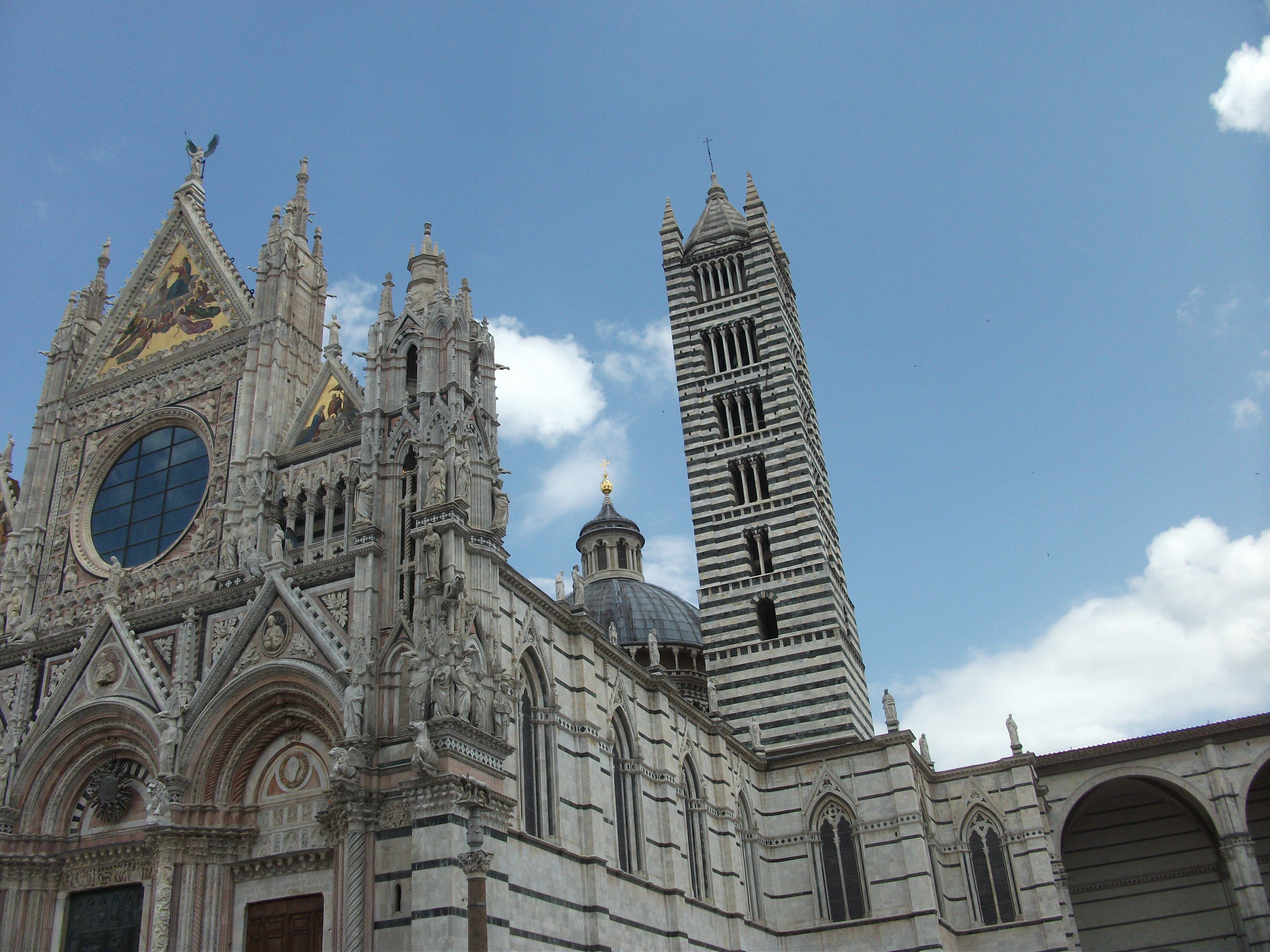
The Gospel reminded me of Catherine of Siena, Doctor of the Church, who we celebrate today. Jesus is telling us to believe in Him, the light of the world; to hear, observe and accept His words. He speaks because the Father sent Him and commanded Him to speak the truth. Catherine also believed in speaking the truth to all, from simple people to popes, and exhorted others to do the same. She said, “We’ve had enough of exhortation to be silent! Cry out with a hundred thousand tongues. I see that the world is rotten because of silence.”

If you find yourself in situations where you want to say something but are unsure as to what or how, ask for St. Catherine’s intercession and pray to the Holy Spirit. And when you must make major life decisions, pray and fast as members of the early Church did. We cannot go wrong when asking God for help.

Contact the author


En la primera lectura de hoy de los Hechos, escuchamos con claridad la voz del Espíritu Santo: “Resérvenme a Saulo y a Bernabé para la misión que les tengo destinada” (Hechos 13,2). Y quizá nos preguntemos si esto sigue sucediendo hoy o si podría sucedernos a nosotros. Porque anhelamos esa claridad. Pero para tener esa claridad, la seguridad de que efectivamente es el Espíritu Santo, tenemos que leer con atención y prestar atención a lo que hacían los profetas y maestros antes de recibir esta palabra. Ayunaban y adoraban al Señor, y continuaron haciéndolo después de recibir su instrucción (Hechos 13,2-3).

Cuando necesitamos la guía de Dios, ¿adoramos, oramos y ayunamos? ¿O le decimos rápidamente: “Oh, Dios, esto es lo que creo que es un buen plan; si no es lo que quieres, házmelo saber. Me voy a trabajar”. 

Puede que sea una simplificación o una exageración, o quizás haya sido demasiado acertado, o quizás sí lo disciernes cuidadosamente con oración y ayuno. Sea lo que sea, no descartemos lo que dice la Escritura como algo que ocurrió “en aquel entonces, pero no ahora”. El Señor no ha dejado de cuidarnos. Se preocupa por nuestra vida a diario. Acude a Él y pídele guía y ayuda.

El Evangelio me recuerda a Santa Catalina de Siena, Doctora de la Iglesia, a quien celebramos hoy. Jesús nos dice que creamos en Él, la luz del mundo; que escuchemos, observemos y aceptemos sus palabras. Él habla porque el Padre lo envió y le ordenó decir la verdad. Catalina también creía en decir la verdad a todos, desde la gente sencilla hasta los papas, y exhortó a otros a hacer lo mismo. Dijo: “¡Ya estamos hartos de exhortaciones a quedarnos callados! ¡Clamen con cien mil lenguas! Veo que el mundo está podrido por culpa del silencio”. 

Si te encuentras en situaciones en las que quieres decir algo pero no estás seguro de qué o cómo, pide la intercesión de Santa Catalina y reza al Espíritu Santo. Y cuando tengas que tomar decisiones importantes en tu vida, reza y ayuna como lo hacían los miembros de la Iglesia primitiva. Siempre es buena decisión pedirle ayuda a Dios.

Comunicarse con la autora

Deanna G. Bartalini, M.Ed., M.P.A. is a certified spiritual director, retreat leader, speaker, and writer with decades of experience serving the Church. She is the founder of LiveNotLukewarm.com, works on the retreat team at Our Lady of Florida Passionist Spiritual Center, and is an Unbound prayer minister.  She has served as a religious education director, youth minister, liturgical coordinator, and stewardship director. She writes for SpiritualDirection.comCatholicMom.comDiocesan.com, and Women in the New Evangelization (WINE). Deanna is the author of The Stay Connected Journals for Catholic Women, Invite the Holy Spirit into your Life, and has contributed to the Catholic Mom’s Prayer Companion, as well as Digital Ministry and Leadership in Today’s Church.

Feature Image Credit: Image submitted by Author, The Cathedral of Santa Maria Assunta in Siena, Italy

The views and opinions expressed in the Inspiration Daily blog are solely those of the original authors and contributors. These views and opinions do not necessarily represent those of Diocesan, the Diocesan staff, or other contributors to this blog.

The Loving Shepherd / El pastor amoroso

I am enamored with the image of Jesus as our Shepherd and we as His sheep. I have a picture on my phone of a dirty little lamb standing in the mud with Jesus running toward it. It’s easy to see myself as that lamb.

Sheep are not the brains of the barnyard. They tend to be followers, not critical thinkers. They are also wildly reliant on their shepherd. Without his protection they are at risk of wolf attacks and without his care they become overgrown balls of matted, dirty wool so thick they can’t see. When Jesus used this analogy, He knew what He was talking about. 

Sometimes our sin and bad decisions cause us to become a mess. Perhaps our eyes are even blinded by it for a while. Sometimes, desperate for the approval and applause of others, we follow the crowd leading us away from our Shepherd. Like the little lamb, He comes after us, leaving the hundred for the one. Our Lord finds us, throws us over His shoulder, mess and all, and brings us back to the flock where He will help us shear off our sinful ways because we can’t do it alone. 

“My sheep hear my voice; I know them, and they follow me.  I give them eternal life, and they shall never perish. No one can take them out of my hand.”

This is comforting. I don’t want to abuse His goodness but I’m glad that when I’m lost and struggling, my Shepherd is not far away. Through the Sacrament of Confession I can get cleaned up. I am glad to have a strong, loving Shepherd to bring me home and guard my heart from the enemy wolf.

Contact the author


Me fascina la imagen de Jesús como nuestro Pastor y de nosotros como sus ovejas. Tengo una foto en mi teléfono de un corderito sucio de pie en el barro, con Jesús corriendo hacia él. Es fácil verme como ese corderito.

Las ovejas no son el cerebro del corral. Tienden a ser seguidores, no pensadores críticos. También dependen enormemente de su pastor. Sin su protección, corren el riesgo de ser atacadas por lobos y, sin su cuidado, se convierten en bolas de lana enmarañada y sucia, tan espesas que no pueden ver. Cuando Jesús usó esta analogía, sabía de lo que hablaba.

A veces, nuestro pecado y nuestras malas decisiones nos hacen un desastre. Quizás incluso nos ciegan los ojos por un tiempo. A veces, desesperados por la aprobación y el aplauso de los demás, seguimos a la multitud que nos aleja de nuestro Pastor. Como el corderito, Él nos persigue, dejando cien por uno. Nuestro Señor nos encuentra, nos carga sobre sus hombros, con todo y desorden, y nos trae de vuelta al rebaño, donde nos ayudará a despojarnos de nuestros caminos pecaminosos, porque no podemos hacerlo solos.

Mis ovejas escuchan mi voz; yo las conozco y ellas me siguen. Yo les doy la vida eterna y no perecerán jamás; nadie las arrebatará de mi mano.”

Esto es reconfortante. No quiero abusar de su bondad, pero me alegra que cuando estoy perdida y luchando, mi Pastor no esté lejos. A través del Sacramento de la Confesión puedo limpiarme. Me alegra tener un Pastor fuerte y amoroso que me trae a casa y protege mi corazón del lobo enemigo.

Comunicarse con la autora

Merridith Frediani loves words and is delighted by good sentences. She also loves Lake Michigan, dahlias, the first sip of hot coffee in the morning, millennials, and playing Sheepshead with her husband and three kids. She writes for Catholic Mom, Diocesan.com, and her local Catholic Herald. Her first book Draw Close to Jesus: A Woman’s Guide to Adoration is available at Our Sunday Visitor and Amazon. You can learn more at merridithfrediani.com.
Feature Image Credit: CelloChef, pixabay.com/photos/lamb-animal-head-face-sheep-5972583/

The views and opinions expressed in the Inspiration Daily blog are solely those of the original authors and contributors. These views and opinions do not necessarily represent those of Diocesan, the Diocesan staff, or other contributors to this blog.

Who’s in Charge? / ¿Quién es el encargado?

I was a boss for most of my 40+ years in the workforce. It’s been about 10 years now since I retired. Looking back on that time, I managed three small corporations involved in distribution. I worked with several ego-driven men that liked to yell a lot. That was never my style. My first priority was to help employees learn how to do their job and do it well. In most cases, I was quite successful at it, and I give thanks to the Lord for it all! 

In today’s first reading from Acts, the Apostles heard the Good News that the Gentiles were coming to the Lord. What a great joy! Notice that Peter, the “boss,” is the one who promptly goes to Jerusalem to see if it is true. Apparently, he had dined with some non-Christians so instead of receiving a warm welcome, he is chastised for it. I guess it didn’t take long for that rumor to spread! Part of the problem was that there were certain foods that the Jews could and could not eat. 

Peter shares with them a vision he had, which I’m sure seemed quite strange. It was like the Lord sent down all sorts of animals and unclean things that the law of Moses forbade them to eat. The voice from above said to go and eat but he refused. This happened three times and then everything was drawn back up toward heaven. This was a big deal because it meant a radical change in the Mosaic dietary laws. 

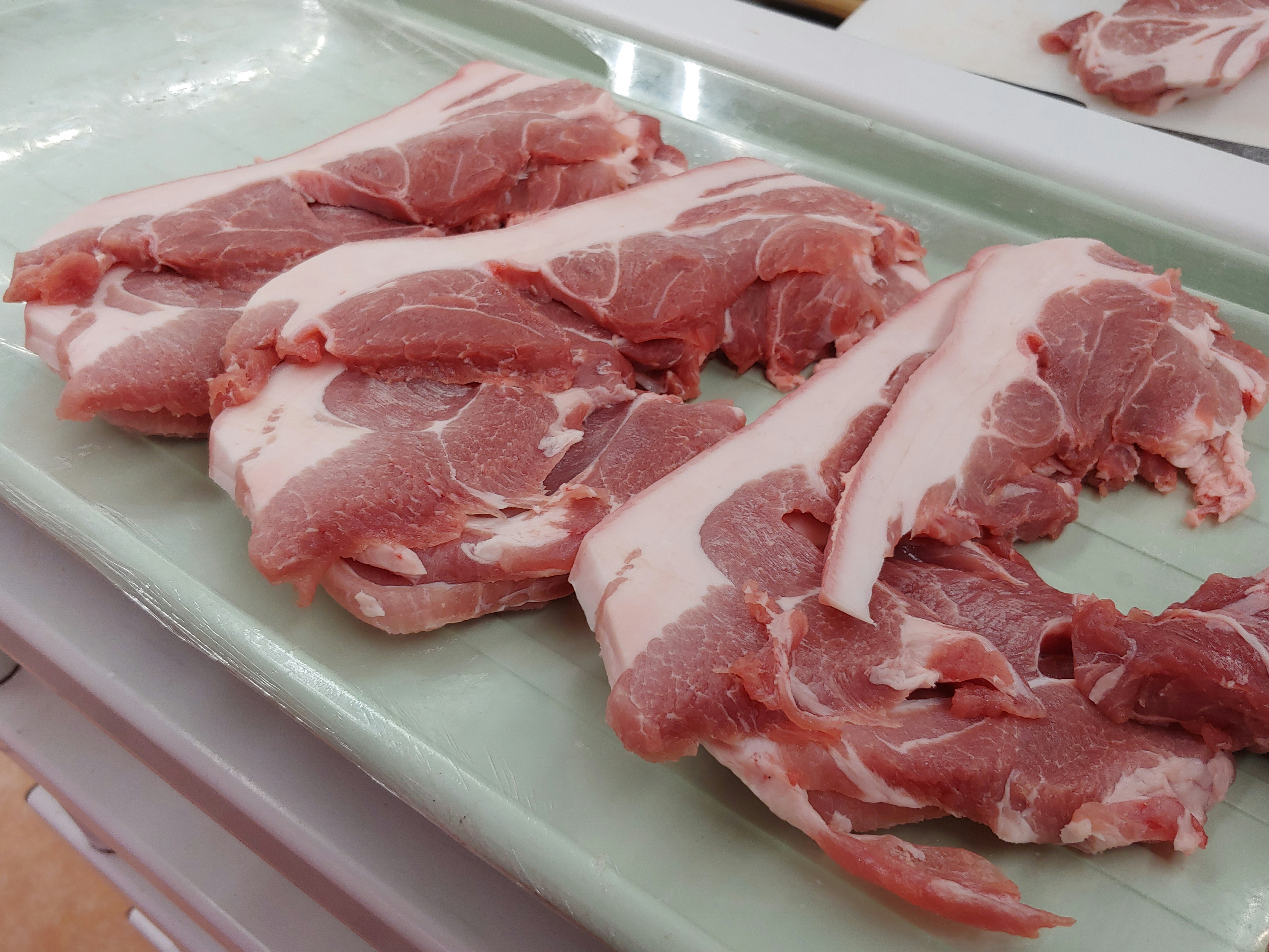
It’s always good for us to take a look at the Scripture passage of the day and try to put ourselves into that situation. The Orthodox Jews took the dietary laws very seriously. It would be very difficult for them to start eating pork for breakfast!  I would like all of us to reflect on whether or not we would do what Jesus asks of us. Peter saw a vision and heard words from heaven and still refused to eat. His obedience came later when he realized what the vision meant. It would be even harder for us to do something we can’t hear in an audible voice. But do we obey the indications that God gives us in the stillness of our hearts? Who’s in charge, you or Him?

Try to find a quiet spot and ask the Lord to speak to you. You will be amazed at what happens!!

Serving With Joy!

Contact the author


Fui jefe durante la mayor parte de más de 40 años de mi vida laboral. Hace unos 10 años que me jubilé. Recordando esa época, dirigí tres pequeñas empresas de distribución. Trabajé con varios hombres egocéntricos a los que les gustaba gritar mucho. Ese nunca fue mi estilo. Mi prioridad principal era ayudar a los empleados a aprender a hacer su trabajo y a hacerlo bien. En la mayoría de los casos, tuve bastante éxito, ¡y doy gracias al Señor por todo ello!

En la primera lectura de hoy de los Hechos de los Apóstoles, los apóstoles escucharon la buena noticia de que los gentiles se estaban convirtiendo al Señor. ¡Qué gran alegría! Noten que Pedro, el “jefe”, es quien va rápidamente a Jerusalén para comprobar si es cierto. Al parecer, había cenado con algunos no cristianos, así que en lugar de recibir una cálida bienvenida, fue reprendido por ello. ¡Supongo que el rumor se extendió rápidamente! Parte del problema era que había ciertos alimentos que los judíos podían y no podían comer.

Pedro les cuenta una visión que tuvo, que seguramente les pareció bastante extraña. Era como si el Señor hubiera enviado todo tipo de animales y cosas impuras que la ley de Moisés les prohibía comer. La voz del cielo le dijo que comiera, pero él se negó. Esto sucedió tres veces y luego todo fue llevado de vuelta al cielo. Esto era muy importante porque significaba un cambio radical a las leyes dietéticas mosaicas.

Siempre es bueno reflexionar sobre los pasajes bíblicos de las lecturas del día e intentar ponernos en esa situación. Los judíos ortodoxos se tomaban muy en serio las leyes dietéticas. ¡Sería muy difícil para ellos empezar a comer cerdo para el desayuno! Me gustaría que todos reflexionáramos sobre si haríamos lo que Jesús nos pide. Pedro tuvo una visión y escuchó palabras del cielo y aun así se negó a comer. Su obediencia llegó más tarde, cuando comprendió el significado de la visión. Sería aún más difícil para nosotros hacer algo que no podemos escuchar con una voz audible. Pero, ¿obedecemos las indicaciones que Dios nos da en la quietud de nuestros corazones? ¿Quién es el encargado, tú o Él?

Intenta encontrar un lugar tranquilo y pídele al Señor que te hable. ¡Te sorprenderás de lo que sucede!

¡Sirviendo con alegría!

Comunicarse con el autor

Deacon Dan Schneider is a retired general manager of industrial distributors. He and his wife Vicki have been married for over 55 years. They are the parents of eight children and thirty-one grandchildren. He has a degree in Family Life Education from Spring Arbor University. He was ordained a Permanent Deacon in 2002.  He has a passion for working with engaged and married couples and his main ministry has been preparing couples for marriage.

Featured Image Credit: KWON JUNHO, unsplash.com/photos/raw-meat-on-white-plastic-container-RAoX-N4ZcK4

The views and opinions expressed in the Inspiration Daily blog are solely those of the original authors and contributors. These views and opinions do not necessarily represent those of Diocesan, the Diocesan staff, or other contributors to this blog.

The Lamb, the Shepherd and the Gate / El Cordero, el Pastor y la Puerta

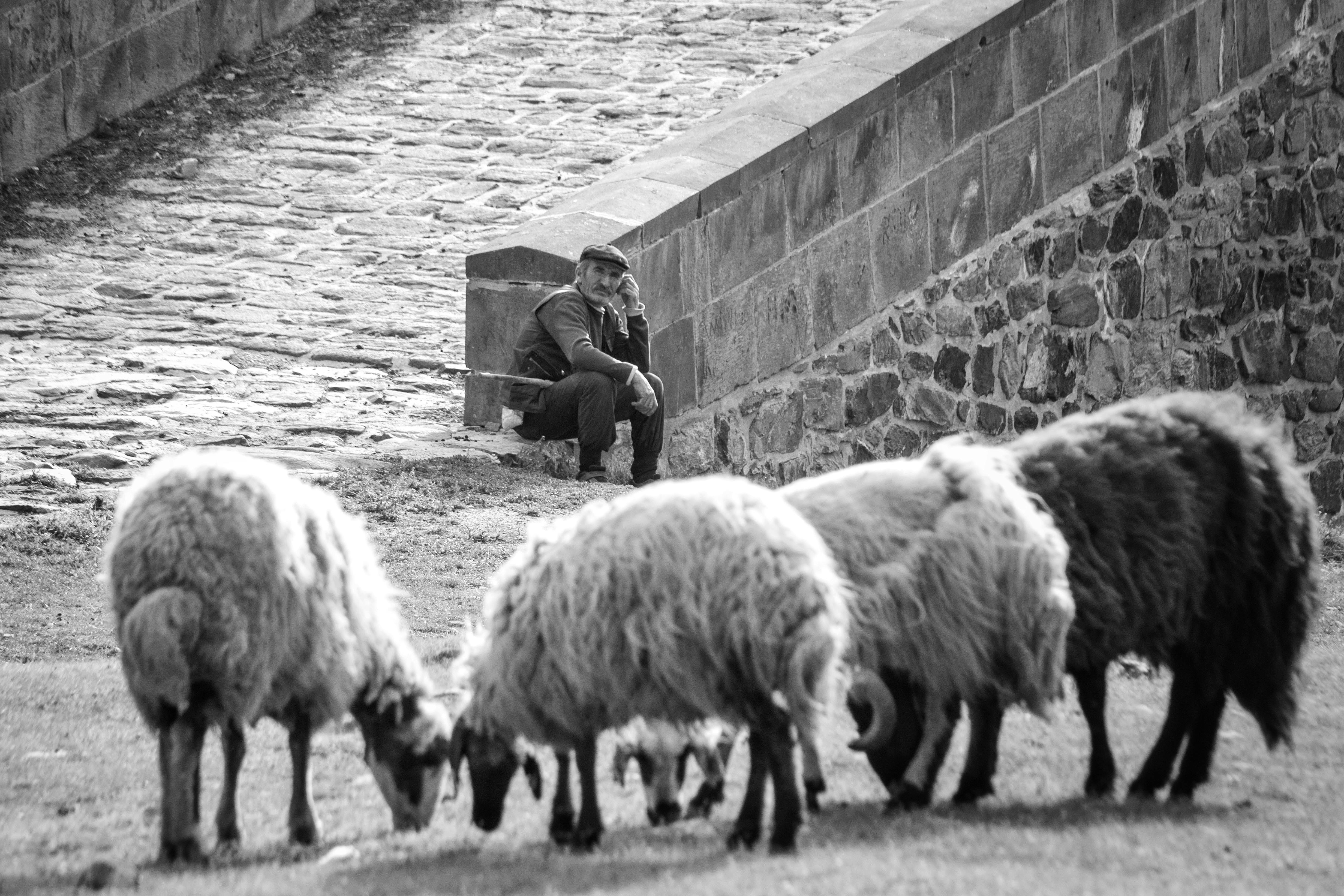
Throughout salvation history, the image of Jesus as Shepherd and the people who follow the Lord as the sheep of His flock, has been a revered, iconic way of reflecting on relationship. On this Good Shepherd Sunday, we reflect not only on the Good Shepherd lovingly taking care of us, His sheep, but also on how Jesus expanded our understanding of the relationship He offers to each of us.

In today’s Gospel from John, Jesus reminds us of that shepherd-sheep relationship, that as Shepherd He knows us individually. He calls us by name. And He cares for us, leading us to where we should go and going ahead of us as both example and protector.

St. Peter, in both his speech in the Acts of the Apostles and in his letter in the Second Reading, reminds us that belief in Jesus is our goal. He was crucified for us, thus He is not only our Shepherd, but the Sacrificial Lamb that takes away our sins. Those sins were us actively straying from the Good Shepherd. His saving act of death and resurrection calls us back into His flock, where we must actively listen to and follow His guiding voice. 

Modern society would have us believe that being a sheep is a bad thing, following along in a group, supposedly without thinking. Modern society, of course, gets it wrong. Scripture shows us that being a sheep of God’s flock is not without thinking. It’s actively listening to the Word and accepting it. Sure, in today’s age if we follow along with the crowd, it is a bad thing if we aren’t paying attention to what we’re actually following. If it’s not the loving voice of our Good Shepherd, then nothing good can come of it.

And thus we return to today’s Gospel for one more beautiful image, where Jesus tells us He is the gate. We can easily understand a Sacrificial Lamb, giving His life to save ours. We can easily understand Good Shepherd, leading and guiding us with love and care. But a gate? A passageway? More than that, the passageway — to good pasture, to salvation, to having life and having it more abundantly in the world to come.

As Peter exhorts the people to repent and be baptized so as to receive the gift of the Holy Spirit, so that, free from sin, we might live for righteousness, it becomes readily apparent that Jesus — the Good Shepherd, the Lamb of God who takes away our sins, the Gate by which we enter into the salvation of Heaven — that He alone is the Way, the Truth and Life. Let us find our way to the glory of the Father through Him, with Him and in Him.

Contact the author


A lo largo de la historia de la salvación, la imagen de Jesús como Pastor y del pueblo que sigue al Señor como las ovejas de su rebaño ha sido una forma venerada e icónica de reflexionar sobre la relación que tenemos con nuestro Señor. En este Domingo del Buen Pastor, reflexionamos no solo sobre el Buen Pastor que nos cuida con amor, a nosotros, sus ovejas, sino también sobre cómo Jesús amplió nuestra comprensión de la relación que nos ofrece a cada uno de nosotros.

En el Evangelio de Juan de hoy, Jesús nos recuerda esa relación pastor-oveja, que como Pastor nos conoce individualmente. Nos llama por nuestro nombre. Y nos cuida, guiándonos hacia dónde debemos ir y yendo delante de nosotros como ejemplo y protector.

San Pedro, tanto en su discurso en los Hechos de los Apóstoles como en su carta en la Segunda Lectura, nos recuerda que la fe en Jesús es nuestro objetivo. Él fue crucificado por nosotros, por lo tanto, no solo es nuestro Pastor, sino también el Cordero Sacrificial que quita nuestros pecados. Esos pecados consistieron en alejarnos activamente del Buen Pastor. Su acto salvador de muerte y resurrección nos llama de nuevo a su rebaño, donde debemos escuchar activamente y seguir su voz.

La sociedad moderna nos haría creer que ser una oveja es algo malo, seguir a la multitud, supuestamente sin pensar. La sociedad moderna, por supuesto, se equivoca. La Escritura nos muestra que ser una oveja del rebaño de Dios no significa no pensar. Significa escuchar activamente la Palabra y aceptarla. Claro, en la actualidad, si seguimos a la multitud, es algo malo si no prestamos atención a lo que realmente estamos siguiendo. Si no es la voz amorosa de nuestro Buen Pastor, entonces nada bueno puede resultar de ello.

Y así volvemos al Evangelio de hoy para otra hermosa imagen, donde Jesús nos dice que Él es la puerta. Podemos comprender fácilmente a un Cordero Sacrificial, que da su vida para salvar la nuestra. Podemos comprender fácilmente al Buen Pastor, que nos guía y nos conduce con amor y cuidado. ¿Pero una puerta? ¿Un corredor? Más que eso, el corredor hacia buenos pastos, hacia la salvación, hacia tener vida y tenerla en abundancia en el mundo venidero. 

Mientras Pedro exhorta al pueblo a arrepentirse y ser bautizado para recibir el don del Espíritu Santo, a fin de que, libres de pecado, vivamos para la justicia, se hace evidente que Jesús —el Buen Pastor, el Cordero de Dios que quita nuestros pecados, la Puerta por la que entramos en la salvación del Cielo— es el único Camino, la Verdad y la Vida. Encontremos nuestro camino hacia la gloria del Padre a través de Él, con Él y en Él.

Comunicarse con el autor

Mike Karpus is a regular guy. He grew up in Michigan’s Upper Peninsula, graduated from Michigan State University and works as an editor. He is married to a retired Catholic school principal, raised two daughters who became Catholic school teachers at points in their careers, and now relishes his three young grandchildren. He serves on a Catholic school board and has served on pastoral councils, a building committee and a parish stewardship committee. He currently is a lector at Mass, a Knight of Columbus, vice president of a memorial scholarship committee and a board member of the local Habitat for Humanity organization. But mostly he’s a regular guy.


Feature Image Credit: dilan archive, pexels.com/photo/shepherd-watching-over-sheep-grazing-grass-18279399/

The views and opinions expressed in the Inspiration Daily blog are solely those of the original authors and contributors. These views and opinions do not necessarily represent those of Diocesan, the Diocesan staff, or other contributors to this blog.

God’s Miracles / Los milagros de Dios

Today’s Gospel speaks of incredible signs and miracles that Jesus’ Apostles will be able to perform, through His power, to bring more hearts to God. Sometimes when I read verses like this I question why such obvious miracles happened during that time, but never seem to happen now. Then I remember that Jesus also told us “for everything there is a time,” which makes me imagine what some of the miracles during the Apostles’ time might look like today. 

They drive out demons; we offer support for someone who fights mental illness.

They speak in new languages; we find a style of communication that helps us speak kindly to a person we always disagree with. 

They pick up serpents with their hands; we hug the woman who had an abortion, and remind her of God’s love for her. 

They drink something deadly and it will not harm them; we share a non-appetizing meal with the homeless people at the soup kitchen.  

They lay hands on the sick and they recover; we hold the hand of a dying man who gives his heart to Jesus in his final moments. 

We can still witness today the same miracles that the Apostles did back then, because although this world changes every minute, Jesus never does. It might seem different to heal a sick person, or to make the blind see, but when we look at the current world through the unchanging eyes of Christ, we can see His miracles and His goodness in every moment. 

Contact the author


El Evangelio de hoy habla de señales y milagros increíbles que los apóstoles de Jesús van a poder realizar, a través de su divino poder, para acercar más corazones a Dios. A veces, cuando leo versículos como este, me pregunto por qué ocurrieron milagros tan obvios en aquella época, pero no parecen suceder ahora. Luego me acuerdo que Jesús también nos dijo que para todo hay un momento, lo que me hace imaginar cómo serían hoy algunos de los milagros de la época de los apóstoles.

Ellos expulsaban demonios; nosotros ofrecemos apoyo a quienes luchan contra una enfermedad mental.

Ellos hablaban en lenguas; nosotros encontramos una forma de comunicación que nos permite hablar con amabilidad a una persona con la que siempre discutimos.

Ellos tomaban serpientes con las manos; nosotros abrazamos a la mujer que ha abortado y le recordamos el amor de Dios por ella.

Ellos bebían algo mortal y no les hacía daño; nosotros compartimos una comida sencilla con las personas sin hogar en el comedor social.

Ellos imponían las manos sobre los enfermos y estos se recuperaban; nosotros sostenemos la mano de un moribundo que entrega su corazón a Jesús en sus últimos momentos.

Todavía hoy podemos ser testigos de los mismos milagros que los apóstoles presenciaron en ese entonces, porque aunque este mundo cambia a cada instante, Jesús nunca cambia. Puede parecer diferente sanar a un enfermo o hacer que un ciego vea, pero cuando miramos el mundo actual con la mirada inmutable de Cristo, podemos ver sus milagros y su bondad en cada momento.

Comunicarse con la autora

Lily is a Michigan native and cradle Catholic who has spent most of her life exploring her own reasons to embrace her faith fully. She attended Franciscan University of Steubenville, where she discovered the beauty of her personal relationship with Christ and the Church. After college, she worked in Montessori Education for three years and recently transitioned to nannying. She was recently married and spends most of her time reading, and enjoying her dog and family!


Feature Image Credit: Gustavo Fring, pexels.com/photo/crop-senior-couple-holding-flowers-in-park-4148997/

The views and opinions expressed in the Inspiration Daily blog are solely those of the original authors and contributors. These views and opinions do not necessarily represent those of Diocesan, the Diocesan staff, or other contributors to this blog.

Saul’s Conversion and Ours / La conversión de Saulo y la nuestra

How many times have we been like Saul in our lives? Surely many times, experiencing spiritual blindness when things were going well for us and we set our priorities on material things instead of God. As imperfect beings, we fall into temptation and stray from the teachings of the Catholic faith. Even though Saul had perfectly healthy eyes he was blind to the ways of the Lord. He refused to believe until he was struck blind, and only by following God’s instructions did he regain his sight. It was through Saul’s newfound faith in God that his sight was restored.

Sometimes when we can’t find a solution to our problems and have exhausted all our possibilities, we finally turn to God. It’s unfair to put God last on our list of possible solutions because He is there waiting to help us from the very beginning.

At parties, there are always food and drinks and enjoyable conversations, allowing us to have a good time with the people around us. If I think a little more about today’s Gospel, God feeds us with His Body in the host and His Blood in the consecrated wine at Sunday Mass and on holy days. Using this analogy, the Mass is a spiritual party for our souls, reminding us that God sacrificed Himself for us by dying on the cross. He gives us bread and wine, the best banquet that our spirit and faith need. We shouldn’t go to Mass just to be present, but rather we should actively participate by receiving Holy Communion, even if that means our own conversion is necessary.

Saul’s conversion shows us that we can all make a 180-degree turn to make straight our pathway to God. It’s not easy, but it’s not that difficult either. We just need to choose to do it and consistently follow the teachings of the Church, which will allow us to receive the Body and Blood of Jesus, which will give us eternal life. Don’t leave God in last place; instead, let God into the first place in your life. Just like Saint Paul, God awaits us with open arms and wants us to know His infinite love.

Contact the author


Cuántas veces hemos sido Saulo en nuestras vidas? Seguramente muchas veces, al tener una ceguera parcial ante varios momentos de nuestras vidas cuando nos iba bien, la prioridad eran las cosas materiales y no Dios. Al ser seres imperfectos, caemos en tentaciones y nos apartamos de las enseñanzas de la fe Católica. Saulo, con los ojos en buena salud, también estaba cegado al camino del Señor. Se negaba a creer hasta que tuvo la ceguera y siguiendo las instrucciones de Dios se recuperó la vista. Por la nueva fe que tuvo Saulo en Dios se recuperó la vista. 

A veces en los momentos donde no encontramos salida a nuestros problemas y hemos agotado todas las soluciones posibles, recien miramos a Dios. Es injusto dejar a Dios en la última posición de nuestra lista de posibles soluciones porque desde un principio está esperando a ayudarnos. 

En las fiestas siempre hay comida y bebida, conversaciones divertidas donde la pasamos bien con la gente alrededor. Si me pongo a pensar un poco más en el Evangelio de hoy, Dios nos da de comer su cuerpo en la hostia y su sangre en el vino consagrado en la misa dominical y días santos. Utilizando la lógica, puedo decir que la misa es una fiesta espiritual para nuestra alma para hacernos recordar que Dios se sacrificó por nosotros muriendo en la cruz. Nos da el mejor banquete que nuestro espíritu y fe necesita con el pan y vino. No solo hay que ir a misa para estar presentes, sino más bien debemos participar activamente recibiendo la comunión, pero para eso capaz hay necesidad de nuestra propia conversión. 

La conversión de Saulo, nos demuestra que todos podemos girar 180 grados para enderezar nuestro camino hacia Dios. No es fácil pero tampoco es tan difícil. Solo hay que tener la voluntad y ser constante todos los días para seguir las enseñanzas de la iglesia, lo cual nos permitirá recibir el cuerpo y la sangre de Jesús, que nos dará vida eterna. No dejes a Dios en la última posición, más bien haz que Dios entre en tu vida para ser primero.  Igual que a San Pablo, Dios nos espera con los brazos abiertos y quiere que conozcamos su amor infinito. 

Comunicarse con el autor

Felix Urcia was born in Lima, Peru. He moved the U.S. to complete his college degree in Computer Science at Northern Kentucky University. He is passionate about his faith, his family, education and soccer. When he is not homeschooling and caring for his young children he enjoys personal programing projects and sports analysis. He and wife live in a small town in Western Michigan where they enjoy spending time with their five children.
Feature Image Credit: Carl Schmuauk, art.diocesan.com/stock-photo/saul-before-damascus-25148/

The views and opinions expressed in the Inspiration Daily blog are solely those of the original authors and contributors. These views and opinions do not necessarily represent those of Diocesan, the Diocesan staff, or other contributors to this blog.

Taught By God / Enseñados por Dios

God is in the business of drawing all to Himself, of embracing all in His infinite healing Love. And, to our surprise, He chooses to need us to help Him accomplish this mission. Jesus wants to dwell within and work through each of us, as members of His very Body, to finish the work He began during His earthly life.

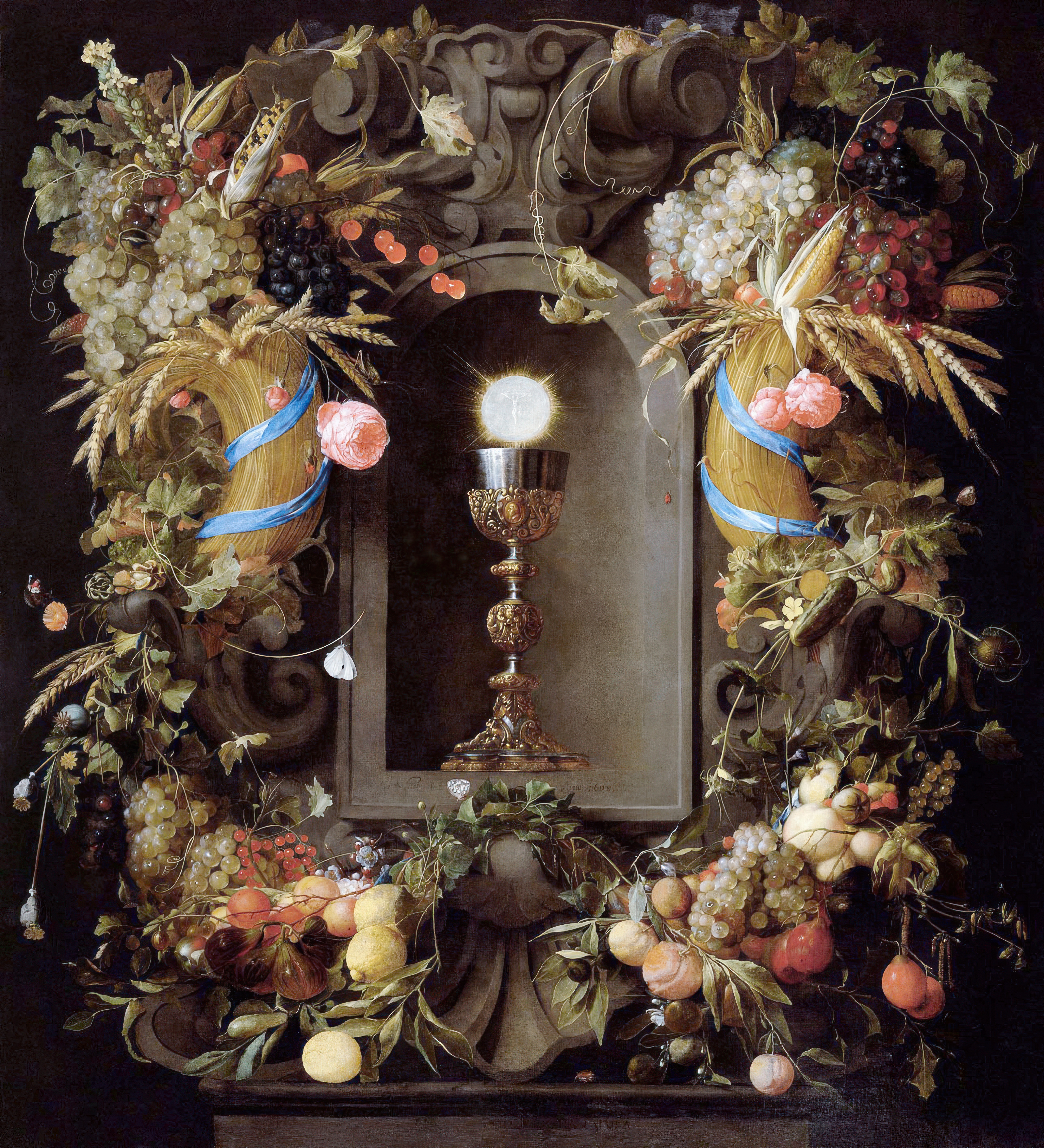
We become members of the family of God through Baptism, and the life of grace in us is replenished and nourished and increased when we receive the very Bread of Life, the Body, Blood, Soul, and Divinity of Christ, in the Eucharist. As the life of Christ increases in us, so He is increasingly able to work in us and through us, to draw others to Himself. 

Through the sacraments, Christ’s life in us expands, so that He is living His life in ours, and He is continuing His work with our cooperation. Our baptism makes us co-workers with Christ, co-missionaries, not fossils. We are baptized to become disciples, and as disciples, we must grow in knowledge and grace so that we can go and help make more disciples!

We are called by our baptism and empowered by our participation in the Eucharistic liturgy to be ready to open our mouths to share the Good News of Jesus Christ with those who are open (this openness being a critical point for our missionary efforts). As Philip opened his mouth and proclaimed Jesus to the eunuch, who expressed an openness to the Truth by asking a question, so may we be willing to invite others into the joy of all that is true and good and beautiful. Then we will be able to say with the Psalmist: “Hear now, all you who fear God, while I declare what He has done for me!”

Contact the author


Dios se dedica a atraer a todos hacia Sí mismo, a abrazar a todos en Su infinito Amor sanador. Y, para nuestra sorpresa, Él elige necesitarnos para que le ayudemos a cumplir esta misión. Jesús desea habitar en cada uno de nosotros y obrar a través de nosotros, como miembros de Su propio Cuerpo, para terminar la obra que comenzó durante Su vida terrenal.

Nos convertimos en miembros de la familia de Dios a través del Bautismo, y la vida de gracia en nosotros se renueva, se nutre y se incrementa cuando recibimos el verdadero Pan de Vida, el Cuerpo, la Sangre, el Alma y la Divinidad de Cristo, en la Eucaristía. A medida que la vida de Cristo crece en nosotros, Él es cada vez más capaz de obrar en nosotros y a través de nosotros para atraer a otros hacia Sí mismo.

A través de los sacramentos, la vida de Cristo en nosotros se expande, de modo que Él vive su vida en la nuestra, y continúa su obra con nuestra cooperación. Nuestro bautismo nos convierte en colaboradores de Cristo, en misioneros, no en seres pasivos. Somos bautizados para convertirnos en discípulos, y como discípulos, debemos crecer en conocimiento y gracia para poder ir y ayudar a formar más discípulos.

Estamos llamados por nuestro bautismo y fortalecidos por nuestra participación en la liturgia eucarística para estar listos para abrir la boca y compartir la Buena Nueva de Jesucristo con aquellos que están abiertos a ella (esta apertura es un punto crucial para nuestros esfuerzos misioneros). Así como Felipe abrió la boca y proclamó a Jesús al eunuco, quien expresó su apertura a la Verdad haciendo una pregunta, así también nosotros podemos estar dispuestos a invitar a otros a la alegría de todo lo que es verdadero, bueno y bello. Entonces podremos decir con el salmista: “Cuantos temen a Dios, vengan y escuchen, y les diré lo que ha hecho por mí”.

Comunicarse con la autora

Kathryn Mulderink, MA, is married to Robert, Station Manager for Holy Family Radio. Together they have seven children (including Father Rob), and eleven grandchildren. She is President of the local community of Secular Discalced Carmelites and has published five books and many articles. Over the last 30 years, she has worked as a teacher, headmistress, catechist, Pastoral Associate, and DRE, and as a writer and voice talent for Catholic Radio. Currently, she serves the Church by writing and speaking, and by collaborating with various parishes and to lead others to encounter Christ and engage their faith. Her website is www.KathrynTherese.com
Feature Image Credit: Comunidade Javé Nissi, pexels.com/photo/gold-colored-trophy-in-tilt-shift-lens-6915822/

The views and opinions expressed in the Inspiration Daily blog are solely those of the original authors and contributors. These views and opinions do not necessarily represent those of Diocesan, the Diocesan staff, or other contributors to this blog.

Everything Always / Todo siempre

One day before today’s Gospel, Jesus fed the multitude with just five barley loaves and two fish. He calmed the sea and walked on water to His disciples. Now, the crowds have followed Him to Capernaum, and there, amazingly, they still ask Him, “Then what sign do you do, that we may see, and believe you? What work do you perform?” (John 6:30) Seriously, people?

After reminding them to seek the food that endures for eternity, the bread of heaven, they respond “Lord, give us this bread always” (John 6:34). He finally sees His opportunity to go on. He has their attention and their hearts are open, if only just a little. So He begins today’s Gospel: “I am the bread of life…”

“I am it,” He seems to say. “I am everything you are searching for. I am everything you need. I have been sent to you by my Father because He loves you, each and every one of you. I am here to do His will, and His will is to gather every heart to Him. Come to me.”

Jesus shared this astounding invitation with His disciples that day in Capernaum, and He’s sharing it still with each of us today. Jesus was sent by God to gather all; He was sent by God to gather you. Specifically, you. He is the bread from heaven that will sustain you in every way. And He will never give up on you. Ever. Come to Him.

Like those disciples in Capernaum, we can lose sight of all the wonders God has already done in our lives. We can become complacent and ask, “What can you do for me now?” Seriously, people? How about everything?

Next time we approach the altar to receive the Eucharist, instead of just walking along in the Communion line, let’s truly come to Him. Let’s look to Jesus and hear his words, “I am the bread of life; whoever comes to me will never hunger, and whoever believes in me will never thirst.” And from our heart of hearts, let’s humbly answer, “Lord, give us this bread always.”

Contact the author


Un día antes del Evangelio de hoy, Jesús alimentó a la multitud con tan solo cinco panes de cebada y dos peces. Calmó el mar y caminó sobre las aguas hacia sus discípulos. Ahora, la multitud lo ha seguido hasta Capernaúm, y allí, sorprendentemente, todavía le preguntan: “¿Qué signo vas a realizar tú, para que lo veamos y podamos creerte? ¿Cuáles son tus obras?” (Juan 6:30). ¿De verdad?

Tras recordarles que busquen el alimento que perdura para la eternidad, el pan del cielo, responden: “Señor, danos siempre de ese pan” (Juan 6:34). Jesús finalmente ve la oportunidad de continuar. Capta su atención y sus corazones se abren, aunque sea solo un poquito. Y así comienza el Evangelio de hoy: “Yo soy el pan de vida…”

“Yo lo soy”, parece decir. “Yo soy todo lo que buscan. Yo soy todo lo que necesitan. Mi Padre me ha enviado porque los ama a cada uno de ustedes. Estoy aquí para hacer su voluntad, y su voluntad es reunir cada corazón en torno a Él. Vengan a mí.”

Jesús compartió esta asombrosa invitación con sus discípulos aquel día en Capernaúm, y la sigue compartiendo con cada uno de nosotros hoy. Jesús fue enviado por Dios para reunir a todos; fue enviado por Dios para reunirte a ti. Específicamente, a ti. Él es el pan del cielo que te sustentará en todo. Y nunca te abandonará. Nunca. Ven a Él.

Al igual que aquellos discípulos en Capernaúm, podemos perder de vista todas las maravillas que Dios ya ha hecho en nuestras vidas. Podemos caer en la complacencia y preguntarnos: “¿Qué puedes hacer por mí ahora?” ¿De verdad? La respuesta es, ¡todo!

La próxima vez que nos acerquemos al altar para recibir la Eucaristía, en lugar de simplemente caminar en la cola de comunión, acerquémonos verdaderamente a Él. Miremos a Jesús y escuchemos sus palabras: “Yo soy el pan de vida. El que viene a mí no tendrá hambre, y el que cree en mí nunca tendrá sed”. Y desde lo más profundo de nuestro corazón, respondamos humildemente: “Señor, danos siempre de ese pan”.

Comunicarse con la autora

Pamela Kavanaugh is a grateful wife, mother, and grandmother who has dedicated her professional life to Catholic education. Though she has done her very best to teach her students well in the subjects of language and religion, she knows that she has learned more than she has taught. She lives, teaches, and writes in southwest suburban Chicago.
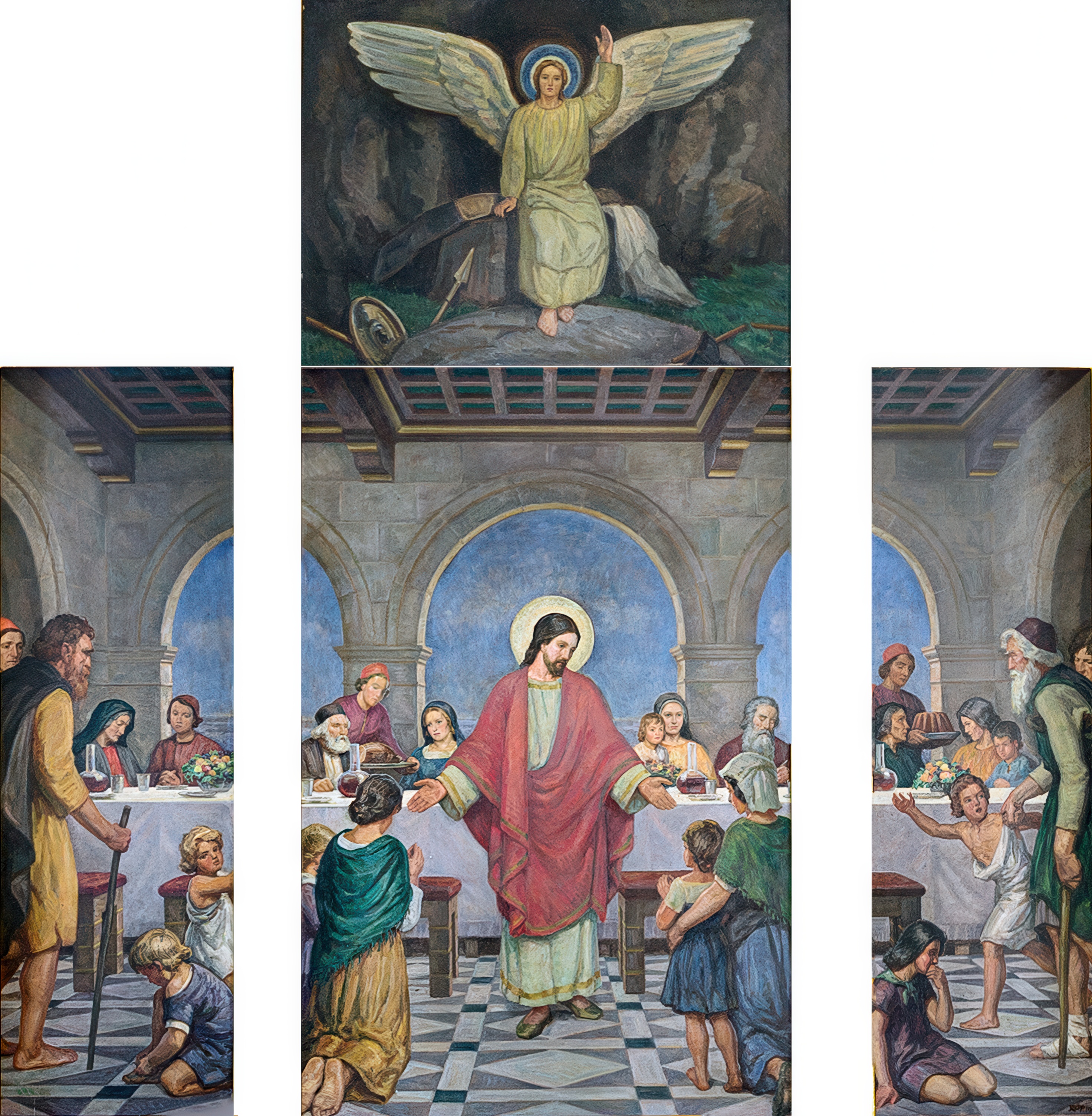

Feature Image Credit: Jan Davidsz. DeHeem, art.diocesan.com/stock-photo/still-life-with-a-host-surrounded-by-a-wreath-of-fruit-25113/

The views and opinions expressed in the Inspiration Daily blog are solely those of the original authors and contributors. These views and opinions do not necessarily represent those of Diocesan, the Diocesan staff, or other contributors to this blog.

The Patience of God / La Paciencia de Dios

Parenting is the work of repetition, especially in families with multiple children. Something can never be said just once. “What’s for dinner?” is an oft repeated question in my home, as well as “What are we doing today?” My husband and I happen to have 6 kids, so there are some days that I feel like I’m experiencing an inordinate amount of déjà vu when I have to repeat the same thing over and over again. 

Sometimes, I wonder if Jesus felt the same way during his ministry. Or, when I’m really feeling like a failure in the patience department, I wonder if God ever feels that way about me. Can’t I just remember what He has told me over and over again? 

In today’s Gospel, we hear Jesus explaining to the people that it was God who gave the Israelites manna in the desert, not Moses. This is something the people ought to know and understand. God had been caring for and providing for His people throughout history. Didn’t they know it already? Wasn’t God tired of having to prove His trustworthiness over and over again?

Clearly not, and praise the Lord for it. God is not like me, or any of us, who lose our patience over repeated childlike requests. Not only did God provide for the Israelites in the desert, Jesus explains that He will continue to provide for us in a new and incredible way. The manna in the desert lasted only a time, but the bread from Heaven will last until the end of time. Jesus, our true Bread, sustains us and gives us access to the Father in a way never before had on earth. 

It’s even more amazing to consider that this isn’t a one and done thing. Jesus doesn’t offer himself to us once in the Eucharist. We are invited weekly, even daily, to the sacrifice of the Mass where we can receive our Lord in true food and drink to nourish our souls. Every day, every single day, Jesus offers Himself to us. He isn’t exasperated with our need for daily nourishment. He isn’t fed up with our consistent need for grace because we have sinned yet again. 

2nd Peter 3:15 tells us that, “Our Lord’s patience is directed toward salvation.” God knows we cannot get to heaven on our own. Because of sin, our desires are disordered and we are prone to fall into temptation. Like my children who ask over and over again what time we are going to the park, we return to God over and over again asking for forgiveness, for grace, for help. And God, over and over again, offers us the Eucharist to support and sustain us. God does not tire of us nor is He surprised when we fall. He is ever faithful, ever patient, and ever loving.

Contact the author


Ser padres es una tarea repetitiva, especialmente en familias con varios hijos. Algo nunca se puede decir solo una vez. “¿Qué hay para cenar?” es una pregunta que se repite con frecuencia en mi casa, al igual que “¿Qué vamos a hacer hoy?” Mi esposo y yo tenemos seis hijos, así que hay días en que siento una sensación de déjà vu desmesurada al tener que repetir lo mismo una y otra vez.

A veces, me pregunto si Jesús sintió lo mismo durante su ministerio. O, cuando me siento realmente impaciente, me pregunto si Dios alguna vez siente lo mismo por mí. ¿Acaso no puedo simplemente recordar lo que me ha dicho una y otra vez?

En el Evangelio de hoy, escuchamos a Jesús explicar al pueblo que fue Dios quien dio el maná a los israelitas en el desierto, no Moisés. Esto es algo que el pueblo debe saber y comprender. Dios había cuidado y provisto a su pueblo a lo largo de la historia. ¿Acaso no lo sabían ya? ¿No estaba Dios cansado de tener que demostrar su confiabilidad una y otra vez?

Claro que no, y alabado sea el Señor por ello. Dios no es como yo, ni como ninguno de nosotros, que perdemos la paciencia ante repetidas peticiones infantiles. Dios no solo proveyó para los israelitas en el desierto, sino que Jesús explica que continuará proveyendo para nosotros de una manera nueva e increíble. El maná en el desierto duró solo un tiempo, pero el pan del Cielo durará hasta el fin del mundo. Jesús, nuestro verdadero Pan, nos sustenta y nos da acceso al Padre como nunca antes en la tierra.

Es aún más asombroso considerar que esto no es algo que se hace una sola vez. Jesús no se ofrece a nosotros una sola vez en la Eucaristía. Somos invitados semanalmente, incluso diariamente, al sacrificio de la Misa, donde podemos recibir a nuestro Señor en verdadero alimento y bebida para nutrir nuestras almas. Cada día, todos los días, Jesús se ofrece a nosotros. No se exaspera con nuestra necesidad de alimento diario. Él no se cansa de nuestra constante necesidad de gracia porque hayamos pecado una vez más.

2 Pedro 3:15 nos dice que “la paciencia de nuestro Señor está dirigida a la salvación”. Dios sabe que no podemos llegar al cielo por nuestros propios medios. Debido al pecado, nuestros deseos están desordenados y somos propensos a caer en la tentación. Como mis hijos que preguntan una y otra vez a qué hora vamos al parque, volvemos a Dios una y otra vez pidiendo perdón, gracia y ayuda. Y Dios, una y otra vez, nos ofrece la Eucaristía para apoyarnos y sostenernos. No se cansa de nosotros ni se sorprende cuando caemos. Dios es siempre fiel, siempre paciente y siempre amoroso.

Comunicarse con la autora

Kate Taliaferro is an Air Force wife and mother. She is blessed to be able to homeschool, bake bread and fold endless piles of laundry. When not planning a school day, writing a blog post or cooking pasta, Kate can be found curled up with a book or working with some kind of fiber craft. Kate blogs at DailyGraces.net.

Feature Image Credit: Unknown Artist, art.diocesan.com/stock-photo/i-am-the-bread-of-life-25977/

The views and opinions expressed in the Inspiration Daily blog are solely those of the original authors and contributors. These views and opinions do not necessarily represent those of Diocesan, the Diocesan staff, or other contributors to this blog.

Multiplied Graces: The True Miracle / Las gracias multiplicadas son el verdadero milagro

In today’s Gospel we see this moment when the crowd, still buzzing from the miracle of the multiplication of the loaves and fishes, goes searching for Jesus—not because they want Him, but because they want more of what He can give. I’m not going to lie, this makes me squirm a bit because I realize how often this is me!  How many times have I come to prayer with a list of needs, hoping God will multiply something in my life—finances, quick resolutions, recognition—rather than simply asking for the grace to trust Him?

Jesus, with such gentleness, redirects the people’s desire. He doesn’t scold their hunger; He simply invites them to a deeper one. “Do not work for food that perishes,” He says, “but for the food that endures for eternal life.” He acknowledges their longing but shifts their gaze from the temporary to the eternal, from the surface to the soul. It’s such a tender correction—one I need far more often than I’d like to admit.

The crowd asks what they must do to accomplish God’s works, expecting some impressive task. Instead, Jesus gives them something beautifully simple: Believe. Sure, that might feel like a difficult task, but Jesus would never ask the impossible! Believing, trusting, and hoping in the unknown, are all possible with the grace of God. And we merely need to ask to receive it. Look beyond the miracle to the One who performed it. This is the daily invitation of discipleship—not to chase after the quick fix, the visible sign, or the material reassurance, but to place our confidence in the Christ who sustains us in ways the world never could.

In my own life, God has shown me again and again that the “bread” I think I need is rarely the nourishment my heart is truly craving. The real miracle is not the multiplied loaves but the multiplied grace that comes when I seek Jesus for who He is, not for what He can provide.

Contact the author


En el Evangelio de hoy vemos este momento en el que la multitud, aún entusiasmada por el milagro de la multiplicación de los panes y los peces, busca a Jesús, no porque lo deseen a él, sino porque desean más de lo que pueden recibir de Él. No voy a mentir, esto me incomoda un poco porque me doy cuenta de cuántas veces hago lo mismo. ¿Cuántas veces he venido a orar con una lista de necesidades, esperando que Dios multiplique algo en mi vida (finanzas, propósitos rápidos, reconocimiento) en lugar de simplemente pedir la gracia de confiar en Él?

Jesús, con tanta dulzura, redirige el deseo de la gente. No reprende su hambre; simplemente los invita a una más profunda. “No trabajen por ese alimento que se acaba, sino por el alimento que dura para la vida eterna”. Reconoce su anhelo, pero desvía su mirada de lo temporal a lo eterno, de la superficie al alma. Es una corrección tan tierna, una que necesito mucho más a menudo de lo que me gustaría admitir. 

La multitud pregunta qué deben hacer para realizar las obras de Dios, esperando una tarea impresionante. En cambio, Jesús les da algo hermosamente simple: Creer. Claro, puede parecer una tarea difícil, ¡pero Jesús nunca pediría algo imposible! Creer, confiar y tener esperanza en lo desconocido son posibles con la gracia de Dios. Y tan solo tenemos que pedirlo para recibirlo. Miremos más allá del milagro, a Aquel que lo realizó. Esta es la invitación diaria del discipulado: no a buscar la solución rápida, la señal visible ni la tranquilidad material, sino a depositar nuestra confianza en Cristo, quien nos sostiene de maneras que el mundo nunca podría.

En mi propia vida, Dios me ha mostrado una y otra vez que el “pan” que creo necesitar rara vez es el alimento que mi corazón realmente anhela. El verdadero milagro no son los panes multiplicados, sino la gracia multiplicada que llega cuando busco a Jesús por quién es, no por lo que me puede dar.

Comunicarse con la autora

Allison Gingras (www.ReconciledToYou.com ) shares an everyday Catholic faith with humor and honesty. Her writing includes The Handy Little Guide to Novenas (OSV), Encountering Signs of Faith (Ave Maria Press), the Stay Connected Journals for Catholic Women (OSV), and her newest book, Jesus Heals (OSV), published in 2025. Allison is the Director of Digital Evangelization for Family Rosary USA.

Feature Image Credit: Diego_torres, pixabay.com/photos/sunset-poppies-field-red-poppies-815270/

The views and opinions expressed in the Inspiration Daily blog are solely those of the original authors and contributors. These views and opinions do not necessarily represent those of Diocesan, the Diocesan staff, or other contributors to this blog.

Diligent Faith / La fe diligente

Around this time five years ago, our first granddaughter was baptized. Public gatherings were troublesome in pandemic days. Events that should have brought great rejoicing were muted by the fear of disease. Our pastor offered a private ceremony in which ten masked family members could attend. We stressed over who the ten should be. Our immediate family was six. Add the priest, the baby, her father, a non-family member godparent, and my parents and that was twelve. It left no room for aunts, uncles, cousins, significant others, or the father’s devout Baptist family. 

Worry over hurt feelings and directives from our diocese that no group baptisms should be held clouded my joy over the pending baptism. I felt a lot of responsibility for making sure she was baptized in the church and lamented my concerns to the sacristan at another church where I was an organist. He and I, a cantor, a lector, and a priest were the only ones allowed to be present while the Mass was being live streamed. 

“Your granddaughter’s baptism is not only for her, but for her parents and the rest of your family to receive that grace,” he said. That statement interrupted my drive into pious control and reminded me that the grace extended at baptism would help cover my sins too. Rather than concerning myself with the reception of a sacrament, I had been worrying about a ceremony and a celebration. 

Our diligence encourages the dissipation of the deceptive voice of the devil, who continually dares us to abandon our deliberate confidence in a loving God. Yet today’s first reading from Acts and the Responsorial Psalm remind us to persevere and not allow the concerns of the day to waiver our faith. “I set the Lord ever before me; with him at my right hand I shall not be disturbed,” the psalmist says. 

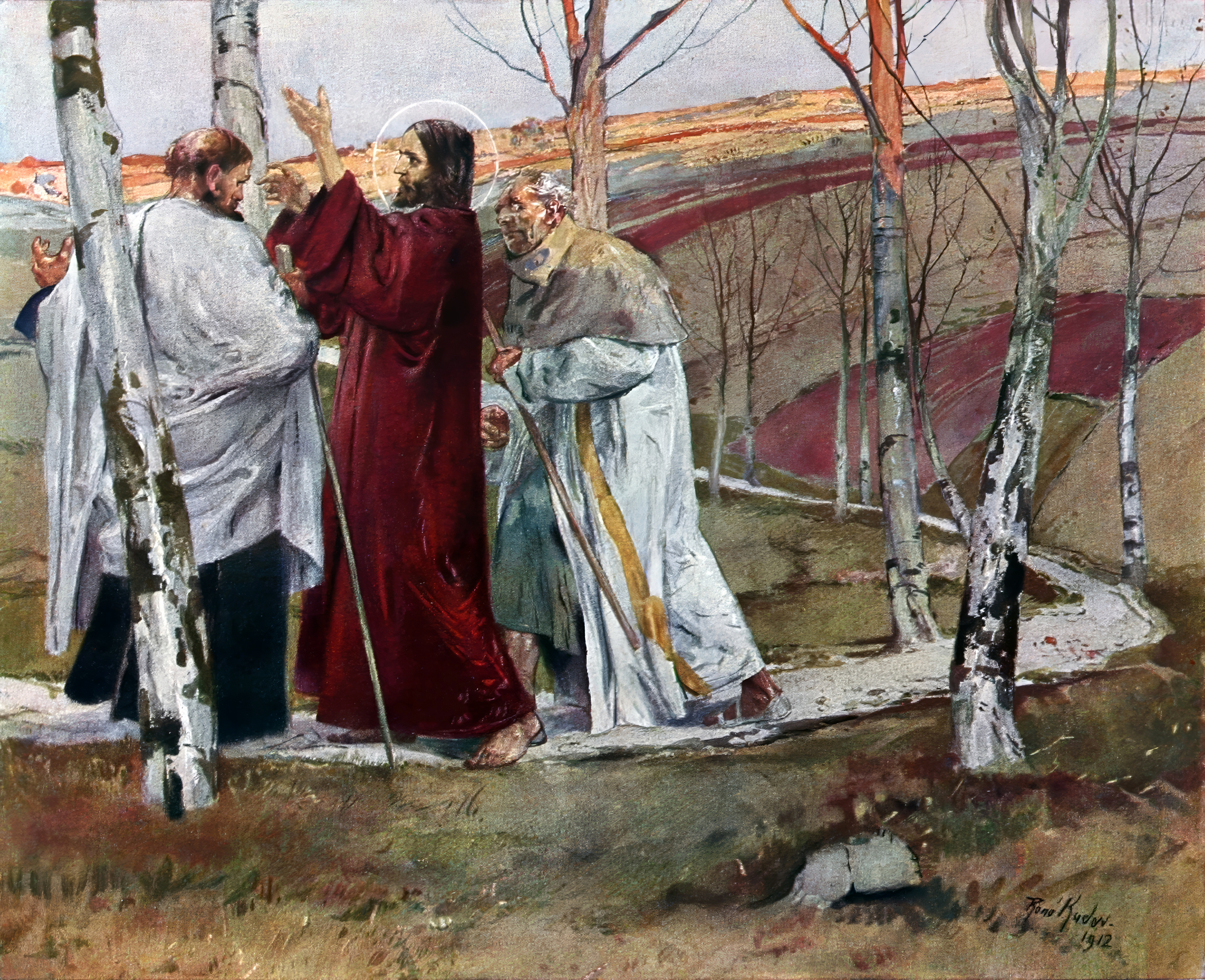
On the road to Emmaus, Cleopas says to Jesus, whom he does not recognize: “it is now the third day since this took place. Some women from our group, however, have astounded us: they were at the tomb early in the morning and did not find his body; they came back and reported that they had indeed seen a vision of angels who announced that he was alive.”

Jesus expresses disappointment in their initial lack of faith. “Oh, how foolish you are! How slow of heart to believe all that the prophets spoke!” It wasn’t until he broke the bread for them that “their eyes were opened and they recognized him.”

The sacristan’s words opened my eyes to the importance of spiritual diligence – doing everything needed for the salvation of my soul and the souls around me. Despite masks and a small “audience,” my granddaughter’s baptism brought great joy and when a few extra people showed up our priest welcomed them. 

Contact the Author


Hace cinco años, por estas fechas, bautizamos a nuestra primera nieta. Las reuniones públicas eran problemáticas en tiempos de pandemia. Eventos que deberían haber traído gran regocijo se vieron empañados por el miedo a la enfermedad. Nuestro párroco ofreció una ceremonia privada a la que podían asistir diez familiares con mascarilla. Nos preocupamos de quiénes serían esos diez. En tan solo nuestra familia inmediata éramos seis. Si a eso le sumamos el sacerdote, la bebé, su padre, un padrino que no era de la familia y mis padres, eran doce. No quedaba espacio para tías, tíos, primos, parejas ni para la devota familia bautista del padre.

La preocupación por los sentimientos heridos y las directivas de nuestra diócesis de que no se celebraran bautismos en grupo nublaron mi alegría por el bautismo pendiente. Sentía mucha responsabilidad por asegurarme de que se bautizara en la iglesia y lamenté mis preocupaciones al sacristán de otra iglesia donde yo era organista. Él y yo, un cantor, un lector y un sacerdote, éramos los únicos con permiso para estar presentes mientras se transmitía la misa en línea. 

“El bautismo de tu nieta no es solo para ella, sino para que sus padres y el resto de tu familia reciban esa gracia”, dijo. Esa declaración interrumpió mi impulso hacia el control piadoso y me recordó que la gracia otorgada en el bautismo también ayudaría a cubrir mis pecados. En lugar de preocuparme por la recepción de un sacramento, me había estado preocupando por una ceremonia y una celebración.

Nuestra diligencia fomenta la disipación de la voz engañosa del diablo, que continuamente nos reta a abandonar nuestra confianza deliberada en un Dios amoroso. Sin embargo, la primera lectura de hoy de los Hechos de los Apóstoles y el Salmo Responsorial nos recuerdan que debemos perseverar y no permitir que las preocupaciones del día debiliten nuestra fe. “Tengo siempre presente al Señor y con él a mi lado, jamás tropezaré”, dice el salmista. 

De camino a Emaús, Cleofás le dice a Jesús, a quien no reconoce: “han pasado ya tres días desde que estas cosas sucedieron. Es cierto que algunas mujeres de nuestro grupo nos han desconcertado, pues fueron de madrugada al sepulcro, no encontraron el cuerpo y llegaron contando que se les habían aparecido unos ángeles, que les dijeron que estaba vivo”.

Jesús expresa su decepción por su falta de fe inicial. “¡Qué insensatos son ustedes y qué duros de corazón para creer todo lo anunciado por los profetas!” No fue hasta que partió el pan que “se les abrieron los ojos y lo reconocieron”.

Las palabras del sacristán me abrieron los ojos a la importancia de la diligencia espiritual: hacer todo lo necesario para la salvación de mi alma y de las almas que me rodeaban. A pesar de las mascarillas y del reducido público, el bautizo de mi nieta me trajo una gran alegría y, cuando llegaron algunas personas de más, nuestro sacerdote les dio la bienvenida a ellos también.

Comunicarse con la autora


Beth Casteel, wife of 36 years, mother of four and grandmother of two, writes with a passion for uncovering the stories of ordinary people. She worked as a newspaper reporter and editor and has advanced degrees in communication studies and creative writing. She contributed to Cloud of Witnesses, 25 Stories of Saintly Inspiration and Intercession, and has written essays for both sacred and secular publications. Her work can be seen on substack bethcasteel.substack.com/ and at bethcasteel.com.

Feature Image Credit: Rene Kuder, art.diocesan.com/stock-photo/emmaus-20049/

The views and opinions expressed in the Inspiration Daily blog are solely those of the original authors and contributors. These views and opinions do not necessarily represent those of Diocesan, the Diocesan staff, or other contributors to this blog.