
God, powerful and ever-living, Creator of all, mighty and all-knowing — this same God is seeking you. He is seeking your friendship. That truth can be difficult for us to accept, just as it was difficult for Phillip to accept.
At this point in John’s Gospel, Jesus has just told His disciples that in knowing him, they know the Father, but Phillip doesn’t seem to understand. “Show us the Father, and that will be enough for us.” So Jesus patiently explains to Phillip and the rest of the disciples, that we come to know God by coming to know his Son. “Believe me that I am in the Father and the Father is in me.”
It’s not the first time Jesus has shared this message. Earlier in John’s Gospel, Jesus talks with Nicodemus and explains, “For God so loved the world that he gave his only-begotten Son, that whoever believes in him should not perish but have eternal life.” (John 3:16) This oft-quoted Scripture paves the way for a new relationship between Creator and created. In today’s Gospel, Jesus is speaking to His disciples at the Last Supper. His time on earth is growing short; He is offering them a masterclass in all He has taught during his ministry. And He’s giving us the same.
God wanted a relationship with humankind, so he sent Jesus. Then He sent the Holy Spirit to continue to inspire Scripture and to remain with us. As Christians, we can generally wrap our minds around that. Harder to accept sometimes, though, is the truth that God still wants a relationship with humankind.
God knows each of us, and He wants each of us to know Him, so much so that He sent His Son to walk among us. Today’s Gospel message is clear: know the Son, know the Father. Now, 2,000 years after that message was delivered, the Holy Spirit remains, stirring in our hearts so that we can also come to know the Son as though we were sitting with Him at that Last Supper.
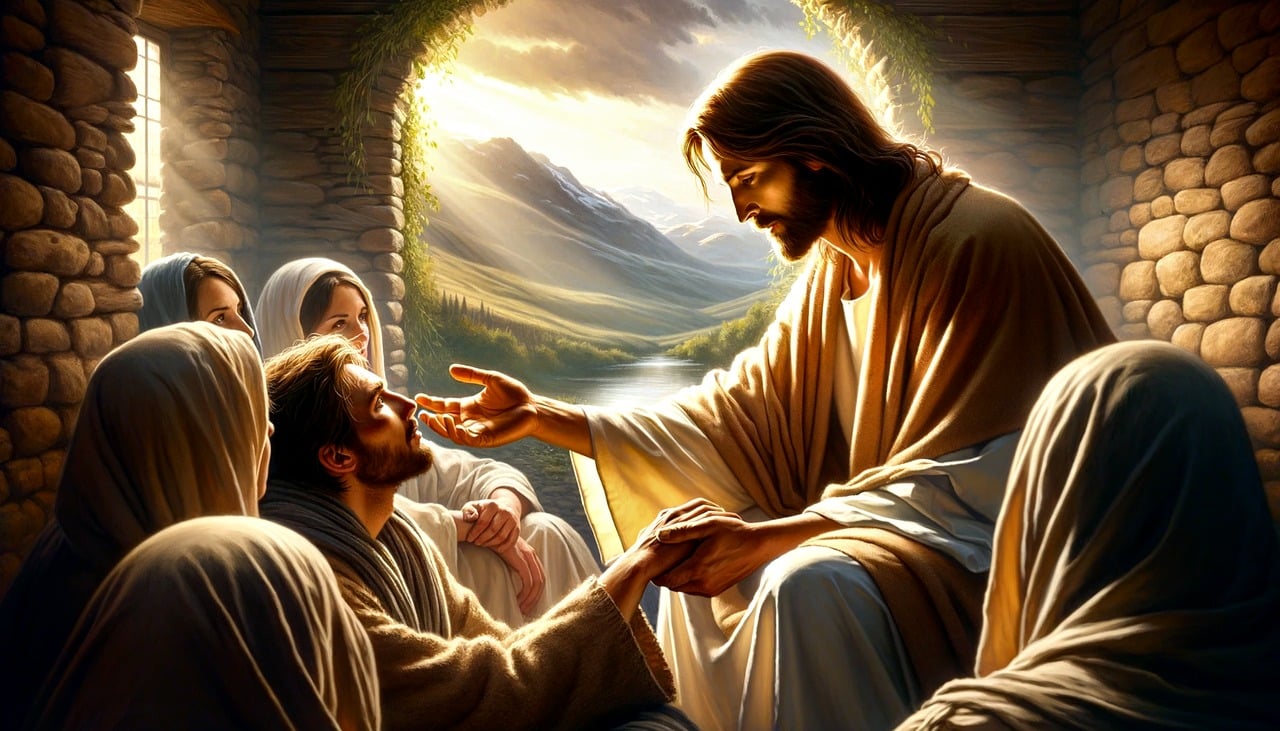
God wants friendship and connection with YOU. God so loves YOU that he gave His only-begotten Son. God has offered His hand in friendship to each of us, and all we need to do is take that hand to get to know his Son. How? Invite the Holy Spirit into your heart as you read Sacred Scripture and as you receive the Sacraments. Come to personally know Jesus, and come to personally know God, powerful and ever-living, Creator of all, mighty and all-knowing. Mind-boggling, indeed.
Dios, poderoso y eterno, Creador de todo, poderoso y omnisciente, este mismo Dios te está buscando. Está buscando tu amistad. Esa verdad puede ser difícil de aceptar para nosotros, tal como lo fue para Felipe.
En este punto del Evangelio de Juan, Jesús acaba de decirles a sus discípulos que al conocerlo a él, conocen al Padre, pero Felipe no parece entender. “Señor, muéstranos al Padre y eso nos basta”. Entonces Jesús explica pacientemente a Felipe y al resto de los discípulos que llegamos a conocer a Dios al llegar a conocer a su Hijo. “Créanme: yo estoy en el Padre y el Padre está en mí”.
No es la primera vez que Jesús comparte este mensaje. Anteriormente en el Evangelio de Juan, Jesús habla con Nicodemo y explica: “Porque de tal manera amó Dios al mundo, que dio a su Hijo unigénito, para que todo aquel que cree en él no se pierda, mas tenga vida eterna”. (Juan 3,16) Esta Escritura, citada con frecuencia, prepara el camino para una nueva relación entre el Creador y la criatura. En el Evangelio de hoy, Jesús habla a sus discípulos en la Última Cena. Su tiempo en la tierra se está haciendo corto; les ofrece una clase magistral de todo lo que ha enseñado durante su ministerio. Y nos da lo mismo a nosotros.
Dios quería una relación con la humanidad, por eso envió a Jesús. Luego envió al Espíritu Santo para que siguiera inspirando la Escritura y permaneciera con nosotros. Como cristianos, generalmente podemos entender eso. Sin embargo, a veces es más difícil aceptar la verdad de que Dios todavía quiere una relación con la humanidad.
Dios nos conoce a cada uno de nosotros y quiere que cada uno de nosotros lo conozca a Él, tanto que envió a su Hijo para que caminara entre nosotros. El mensaje del Evangelio de hoy es claro: conocer al Hijo, conocer al Padre. Ahora, 2000 años después de que se entregó ese mensaje, el Espíritu Santo permanece, moviéndose dentro de nuestros corazones para que también podamos llegar a conocer al Hijo como si estuviéramos sentados con Él en la Última Cena.
Dios quiere amistad y conexión contigo. Dios te ama tanto que te dio a su Hijo unigénito. Dios ha ofrecido su mano en amistad a cada uno de nosotros, y todo lo que tenemos que hacer es tomar esa mano para conocer a su Hijo. ¿Cómo? Invita al Espíritu Santo a tu corazón mientras lees las Sagradas Escrituras y recibes los Sacramentos. Conozca personalmente a Jesús y conozca personalmente a Dios, poderoso y eterno, Creador de todo, poderoso y omnisciente. Es realmente asombroso.
 Pamela Kavanaugh is a grateful wife, mother, and grandmother who has dedicated her professional life to Catholic education. Though she has done her very best to teach her students well in the subjects of language and religion, she knows that she has learned more than she has taught. She lives, teaches, and writes in southwest suburban Chicago.
Feature Image Credit: Joe Yates, unsplash.com/photos/two-person-holding-each-others-hands-wNOymf_yTUA
The views and opinions expressed in the Inspiration Daily blog are solely those of the original authors and contributors. These views and opinions do not necessarily represent those of Diocesan, the Diocesan staff, or other contributors to this blog.

 Kate Taliaferro is an Air Force wife and mother. She is blessed to be able to homeschool, bake bread and fold endless piles of laundry. When not planning a school day, writing a blog post or cooking pasta, Kate can be found curled up with a book or working with some kind of fiber craft. Kate blogs at

 Lily is a Michigan native and cradle Catholic who has spent most of her life exploring her own reasons to embrace her faith fully. She attended Franciscan University of Steubenville, where she discovered the beauty of her personal relationship with Christ and the Church. After college, she worked in Montessori Education for three years and recently transitioned to nannying. She was recently married and spends most of her time reading, and enjoying her dog and family!
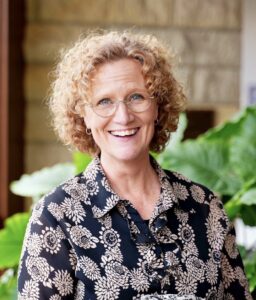 Kathryn Mulderink, MA, is married to Robert, Station Manager for Holy Family Radio. Together they have seven children (including Father Rob), and eleven grandchildren. She is President of the local community of Secular Discalced Carmelites and has published five books and many articles. Over the last 30 years, she has worked as a teacher, headmistress, catechist, Pastoral Associate, and DRE, and as a writer and voice talent for Catholic Radio. Currently, she serves the Church by writing and speaking, and by collaborating with various parishes and to lead others to encounter Christ and engage their faith. Her website is
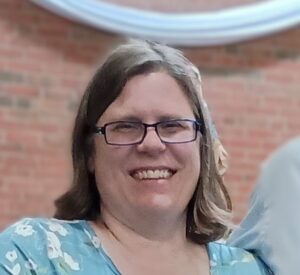 Tami Urcia is a midwestern gal from a large Catholic family. As a young adulthood she was a missionary in Mexico, where she studied theology and philosophy. After returning stateside bilingual, she gained a variety of work experience, traveled extensively and finished her Bachelor’s Degree at Brescia University. She loves organizing and simplifying things, watching her children play sports, deep conversations with close family and friends and finding unique ways to brighten others’ day with Christ’s love. She works full time at Diocesan in the Software Department and manages the Inspiration Daily reflections. She is also a contributing writer on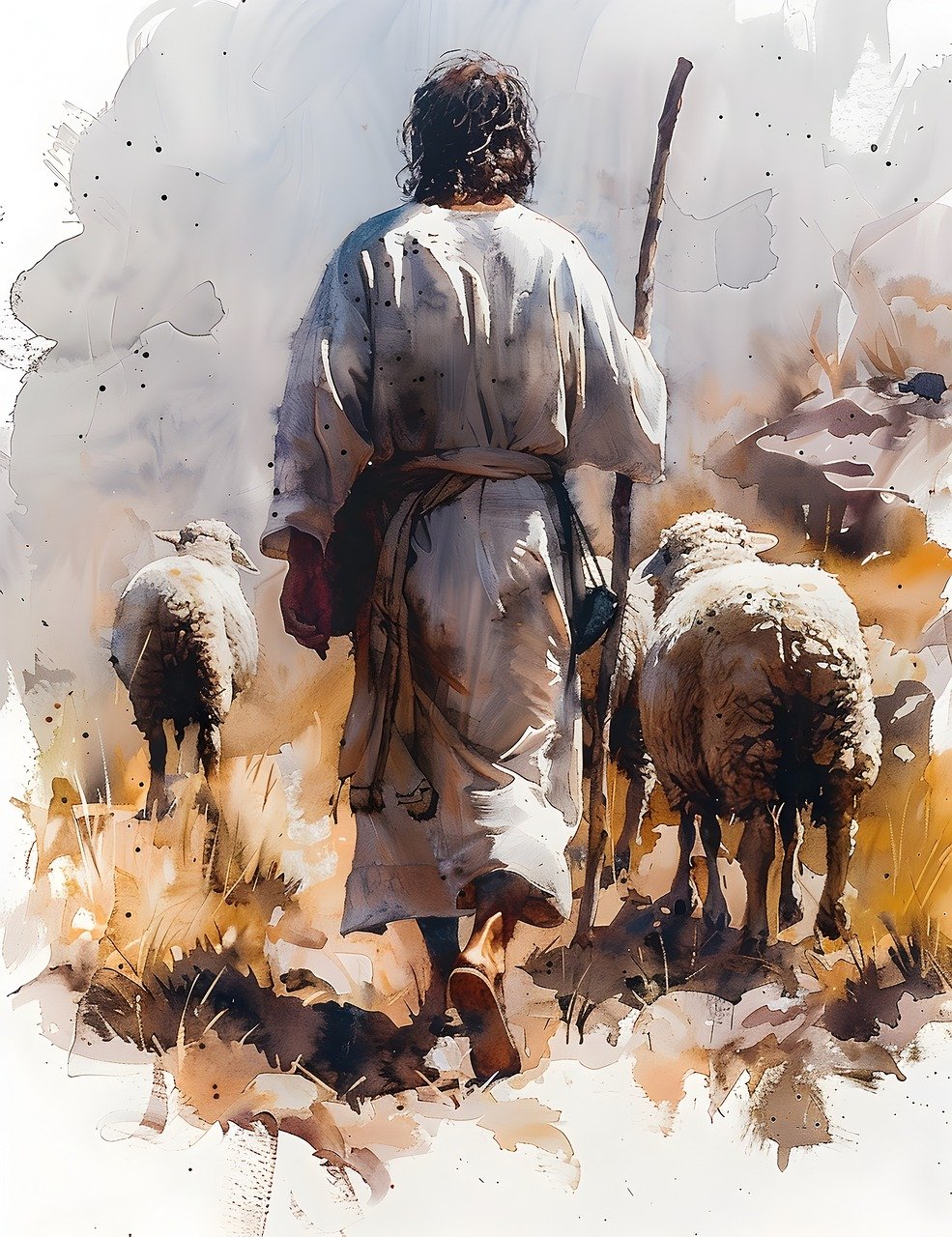
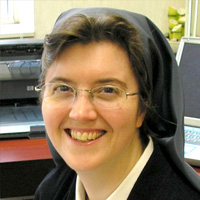
 Kimberly Andrich writes from the perspective of having a hidden, chronic illness and experiencing a deep, continuous conversion through being yoked to Jesus in the day-to-day trials and joys of life. She is a wife, mother of 5, and daughter of the King. Kimberly also writes for

 Allison Gingras (

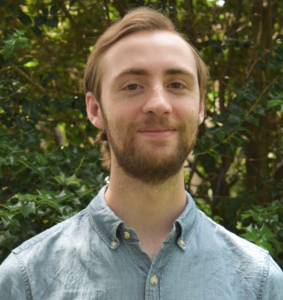 David Dashiell is a freelance author and editor in the Nashville, Tennessee area. He has three children, a degree in theology, and enjoys writing about philosophy, theology, culture, music, and comedy. You can find his personal blog, Serious Daydreams, on
  1-800-994-9817