
“Which is easier, to say to the paralytic, ‘Your sins are forgiven,’ or to say, ‘Rise, pick up your mat, and walk’?”
This is Christ’s question to the skeptical scribes who doubt Him after He forgives the sins of the paralyzed man. He challenges their doubt by not only forgiving the paralyzed man’s sins but also healing the man’s body. In doing so, He reveals to His onlookers, believers and skeptics alike, that He has authority over body and soul, the kind of authority that belongs to God alone. Only the Author of Life can fully heal physical and spiritual illness.
Yet Christ’s healing here isn’t just about His divine authority. It also reveals His deep love for us, His desire for us to know the deadly consequences of sin and the salvific power of His grace. This, and all His miracles of healing, are meant to show His followers, including us, two incredibly important truths.
The first is the debilitating nature of sin. Christ’s earthly ministry often involved healing the sick and afflicted. But more importantly than that, He forgave sins, and He ultimately died for our sins. His death and Resurrection are proof of the tragic cost of sin, the ultimate cost. Yet His suffering is also what has freed us from the chains of sin and its eternal punishment, death.
In today’s Gospel, Christ forgives the paralytic man’s sins even before healing his body, revealing to us that sickness of the soul is serious, far more serious than even a lifelong physical disability. Modern medicine might heal some ailments, but it can’t erase sin or prevent death. God’s forgiveness can. He sent His Son to become Man, to tell us and show us through His death and Resurrection that His Love restores us completely. He is the great Healer, not only of the body, but more importantly, of the soul.
This is the second truth, greater even than the first: Christ loves us to the point of wholeness. He is Love and Life Itself. His love is torrential; it completely wipes out not only our sins, but even the physical consequences of sin, like suffering, and death without resurrection. He loves us back to life again.
Christ’s greatest gift to us, the truth about His life and death and Resurrection, is that His love is infinitely more powerful than even sin and death. He is the Healer and the Life-giver. He restores us and makes us new – not just “fine,” or “back to normal,” but new. He can create good out of nothing. His love can restore us wholly from the ravages of sin.
Your forgiveness has already been earned. All He asks is that you receive it from Him. Do we have the same humility, the same faith as the paralyzed man? Are we also willing to break through walls to ask Christ for His healing love? How desperately do you want to be made new? He wants it even more than that. Trust in Him!
“¿Qué es más fácil, decirle al paralítico: ‘Tus pecados te son perdonados’ o decirle: ‘Levántate, recoge tu camilla y vete a tu casa’?”
Esta es la pregunta de Cristo a los escribas escépticos que dudaban de Él después de perdonar los pecados del paralítico. Él desafía sus dudas no sólo perdonando los pecados del paralítico, sino también sanando su cuerpo. Al hacerlo, revela a quienes lo observaban, creyentes y escépticos por igual, que Él tiene autoridad sobre el cuerpo y el alma, la clase de autoridad que solo le pertenece a Dios. Solo el Autor de la Vida puede sanar completamente la enfermedad física y espiritual.
Sin embargo, el hecho de que Cristo sana no se trata solo de su autoridad divina. También revela su profundo amor por nosotros, su deseo de que conozcamos las consecuencias mortales del pecado y el poder salvífico de su gracia. Esto, y todos sus milagros de sanación, tienen el propósito de mostrar a sus seguidores, incluyéndonos a nosotros, dos verdades increíblemente importantes.
La primera es la naturaleza debilitante del pecado. El ministerio terrenal de Cristo a menudo implicó sanar a los enfermos y afligidos. Pero aún más importante, perdonó los pecados y, finalmente, murió por los nuestros. Su muerte y resurrección son prueba del trágico costo del pecado, el costo máximo. Sin embargo, su sufrimiento es también lo que nos ha liberado de las cadenas del pecado y de su castigo eterno: la muerte.
En el Evangelio de hoy, Cristo perdona los pecados del paralítico incluso antes de sanar su cuerpo, revelándonos que la enfermedad del alma es grave, mucho más grave que una discapacidad física de por vida. La medicina moderna puede curar algunas dolencias, pero no puede borrar el pecado ni evitar la muerte. El perdón de Dios sí puede. Envió a su Hijo a hacerse hombre, para decirnos y mostrarnos mediante su muerte y resurrección que su amor nos restaura por completo. Es el gran Sanador, no solo del cuerpo, sino, aún más importante, del alma.
Esta es la segunda verdad, mayor aún que la primera: Cristo nos ama hasta la plenitud. Él es Amor y Vida Misma. Su amor es torrencial; borra por completo no solo nuestros pecados, sino incluso las consecuencias físicas del pecado, como el sufrimiento y la muerte sin resurrección. Nos devuelve la vida con su amor.
El mayor regalo de Cristo para nosotros, la verdad sobre su vida, muerte y resurrección, es que su amor es infinitamente más poderoso que incluso el pecado y la muerte. Él es el Sanador y el Dador de Vida. Él nos restaura y nos hace nuevos; no solo “más o menos” o “normales de nuevo”, sino nuevos. Él puede crear algo bueno de la nada. Su amor puede restaurarnos completamente de los estragos del pecado.
Tu perdón ya se ha ganado. Solo te pide que lo recibas de Él. ¿Tenemos la misma humildad, la misma fe que el paralítico? ¿Estamos dispuestos a derribar muros para pedirle a Cristo su amor sanador? ¿Cuánto deseas ser renovado? Él lo desea aún más. ¡Confía en Él!
 Hailing from Nashville, Catherine is a graduate of Christendom College with a lifelong passion for words. Her love of writing and her Catholic Faith continue to shape her as a freelance editor, copywriter, and (aspiring) novelist, where she pursues her passions for the love and greater glory of God.
Feature Image Credit: Luis Ruiz, pexels.com/photo/person-stand-on-sand-1774929/
The views and opinions expressed in the Inspiration Daily blog are solely those of the original authors and contributors. These views and opinions do not necessarily represent those of Diocesan, the Diocesan staff, or other contributors to this blog.
 Shelly Henley Kelly is a wife, mother of three, and native Texan who writes and records a podcast with her sister on
 Kate Taliaferro is an Air Force wife and mother. She is blessed to be able to homeschool, bake bread and fold endless piles of laundry. When not planning a school day, writing a blog post or cooking pasta, Kate can be found curled up with a book or working with some kind of fiber craft. Kate blogs at
 Pamela Kavanaugh is a grateful wife, mother, and grandmother who has dedicated her professional life to Catholic education. Though she has done her very best to teach her students well in the subjects of language and religion, she knows that she has learned more than she has taught. She lives, teaches, and writes in southwest suburban Chicago.
 Tami Urcia is a midwestern gal from a large Catholic family. As a young adulthood she was a missionary in Mexico, where she studied theology and philosophy. After returning stateside bilingual, she gained a variety of work experience, traveled extensively and finished her Bachelor’s Degree at Brescia University. She loves organizing and simplifying things, watching her children play sports, deep conversations with close family and friends and finding unique ways to brighten others’ day with Christ’s love. She works full time at Diocesan in the Software Department and manages the Inspiration Daily reflections. She is also a contributing writer on
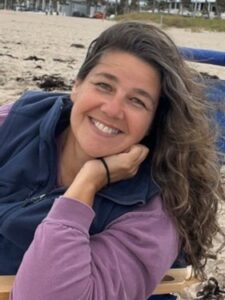 Margaret Gartlgruber longs for moms to know:
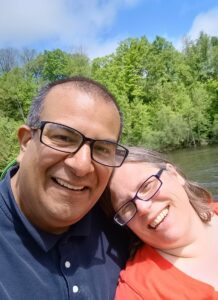 Felix Urcia was born in Lima, Peru. He moved the U.S. to complete his college degree in Computer Science at Northern Kentucky University. He is passionate about his faith, his family, education and soccer. When he is not homeschooling and caring for his young children he enjoys personal programing projects and sports analysis. He and wife live in a small town in Western Michigan where they enjoy spending time with their five children.
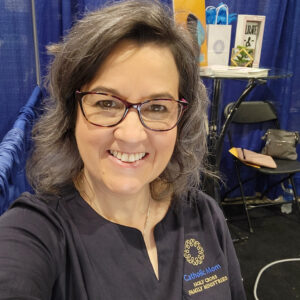 Allison Gingras (
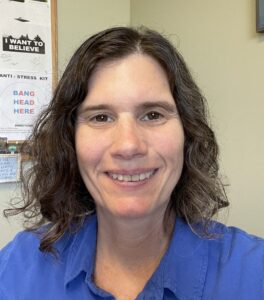 Anita Renaghan is the author of several books including literary fiction, science fiction, and a young adult trilogy. She loves a good character study and has been many characters herself including: an aircraft mechanic in the Air Force, a college graduate, a second degree blackbelt, lost, a waitress and bartender, a wife and mother, an account executive, found, and a constantly inventive singer-songwriter. Anita is interested in sharing her faith with others through her writings and story characters. Her website is anitarenaghan.com
 Beth Casteel, wife of 36 years, mother of four and grandmother of two, writes with a passion for uncovering the stories of ordinary people. She worked as a newspaper reporter and editor and has advanced degrees in communication studies and creative writing. She contributed to Cloud of Witnesses, 25 Stories of Saintly Inspiration and Intercession, and has written essays for both sacred and secular publications. Her work can be seen on substack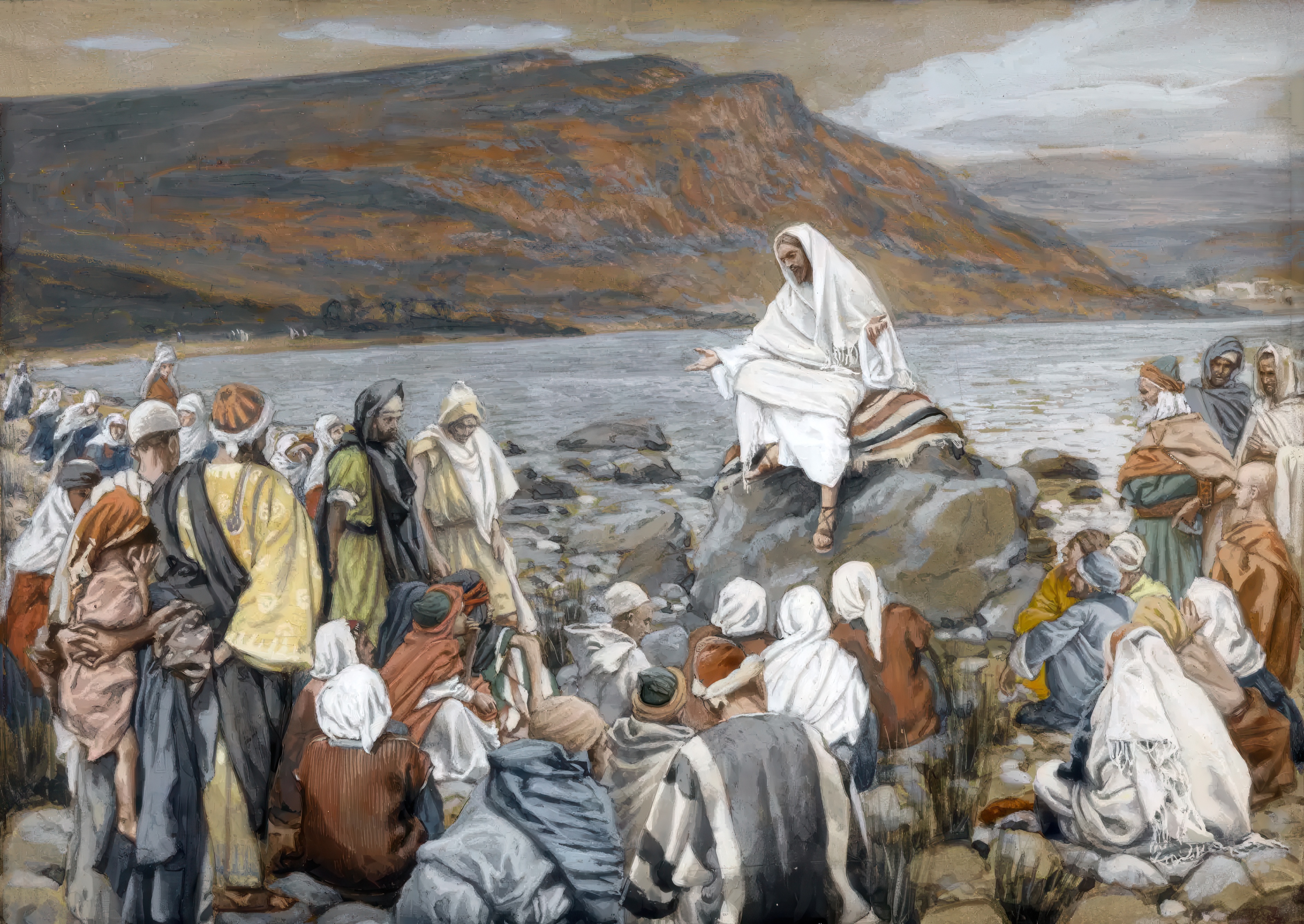
 David Dashiell is a freelance author and editor in the Nashville, Tennessee area. He has three children, a degree in theology, and enjoys writing about philosophy, theology, culture, music, and comedy. You can find his personal blog, Serious Daydreams, on
  1-800-994-9817